TRIS logo image
Search275,000+ actors, artists, objects, artworks, films, exhibitions, archives

EN

EN

English

HI

Hindi

EN

EN

English

HI

Hindi

Tuli Research Centre for India Studies

Tuli Research Centre for India Studies

Vision

Manifesto

Archive & Library

Vanraja Sanctuary & Hospice

Home

Research Categories

Browse All

ICore

1_CinemaEducation_Cinema as a Critical Educational Resource

2_FineArts_Modern and Contemporary Indian Fine Arts

3_Photography_Photography in India

4_PopCulture_The Printed Image, Popular Arts, and Crafts

IIMaterial

5_ArcHeritage_India's Architectural Heritage as Inspiration

6_EconomicsArt_Economics of Art & Cultural Industry

7_Travel_Automobile, Transport and Travel Heritage

8_Uncertainty_Uncertainty

IIICritical

9_SocialDuty_Social Responsibility of the Creative Mind

10_Childhood_The Changing Smile of Childhood & Its Second Coming

11_Sensuality_The Sensual Discipline within Creativity

12_Scholarship_The History & Historiography of Scholarship in the Arts, Humanities, and Social Sciences

IVMeaningful

13_SeekJustice_Seeking Justice and Political Integrity

14_IndoWorld_India and her Relationship with the World

15_SpiritualPoetics_The Religious-Spiritual-Poetic-Philosophical Framework

16_Continuum_The Animal-Human-Nature Continuum

Explore

All

Posts

Masterlists

Calendar

Live | Upcoming

All Events

Timetable

Search275,000+ actors, artists, objects, artworks, films, exhibitions, archives

EN

EN

English

HI

Hindi

Home/Shankar-Jaikishan

Shankar-Jaikishan

Shankar–Jaikishan Shankar Singh Ram Singh Raghuvanshi (15 October 1922 - 26 April 1987) and Jaikishan Dayabhai Panchal (4 November 1929 - 12 September 1971) The legendary Shankar and Jaikishan collectively known as the legendary duo Shankar–Jaikishan, stand among the most influential music directors in the history of Hindi cinema. Active as a partnership from 1949 until Jaikishan's untimely passing in 1971, they composed for an extraordinary 136 films, fundamentally transforming the sonic identity of Indian film music through grand orchestral arrangements and remarkable emotional range.

Working with some of the most iconic playback voices of the era—including Lata Mangeshkar, Mohammed Rafi, Mukesh, and Kishore Kumar—they crafted a musical idiom that seamlessly blended classical discipline with widespread popular appeal. Their celebrated collaborations with lyricists Shailendra and Hasrat Jaipuri produced an enduring repertoire of songs that remain deeply embedded in the cultural memory of Hindi cinema.

Both composers brought strong musical foundations to their collaboration. Shankar, trained on the tabla and influenced by maestros such as Khurshid Anwar, developed a keen sense of rhythm and arrangement. Jaikishan, a skilled harmonium player from Gujarat, refined his craft under distinguished teachers before arriving in Bombay. Their meeting at Prithvi Theatre proved decisive, facilitated by Prithviraj Kapoor, where their creative partnership took shape alongside an emerging Raj Kapoor.

Their breakthrough came with Barsaat 1949, whose music, including Hawa Mein Udta Jaye and Jiya Beqarar Hai, captured the nation's imagination. This success was followed by Awaara 1951, where Awaara Hoon became emblematic of a new cinematic idiom. Through the early 1950s, films such as Daag 1952, Patita 1953, Aah 1953 and Boot Polish 1954 showcased their versatility, culminating in landmark works like Shree 420 1955 and Seema 1955. Their music for Chori Chori 1956 earned them their first Filmfare Award, while Anari 1959 further consolidated their stature.

The duo's signature lay in their innovative orchestration, where Western harmonies met Indian melodic structures. They elevated the orchestra from a supporting role to a central narrative force, crafting richly layered compositions that amplified emotional resonance. Their melodies, often rooted in ragas yet accessible to mass audiences, defined the golden era of Hindi film music.

In the 1970s, even as some films like Mera Naam Joker 1970 and Pehchan 1970 underperformed commercially, their music continued to receive critical acclaim. Andaz 1971, featuring Rajesh Khanna and Hema Malini, emerged as a major success, with Zindagi Ek Safar Hai Suhana achieving lasting popularity. Jaikishan's death in 1971 marked the end of an era.

After Jaikishan's passing, Shankar carried forward the duo's legacy under the banner of Shankar–Jaikishan, delivering notable successes such as Be-Imaan (1972) and Sanyasi (1975), though the subsequent years reflected a gradual decline in consistency and critical reception.

Across their illustrious career, they were honoured with the Filmfare Award for Best Music Director a record nine times, a testament to their unparalleled dominance in Hindi cinema's musical landscape. Even decades later, their compositions continue to resonate with enduring vitality, inspiring generations of composers and listeners and retaining a timeless place in the canon of Indian film music.

शंकर-जयकिशन यानी शंकर सिंह राम सिंह रघुवंशी (15 अक्टूबर 1922 - 26 अप्रैल 1987) और जयकिशन दयाभाई पंचाल (4 नवंबर 1929 - 12 सितंबर 1971) की मशहूर जोड़ी हिंदी सिनेमा के इतिहास में सबसे प्रभावशाली संगीत निर्देशकों में से एक मानी जाती है। 1949 से लेकर 1971 तक जयकिशन के असमय निधन तक साथ काम करते हुए, उन्होंने 136 फ़िल्मों के लिए संगीत तैयार किया। उन्होंने शानदार ऑर्केस्ट्रा व्यवस्था और बेहतरीन भावनात्मक रेंज के ज़रिए भारतीय फ़िल्म संगीत की आवाज़ और पहचान को पूरी तरह से बदल दिया।
उस दौर के सबसे मशहूर प्लेबैक गायकों जैसे लता मंगेशकर, मोहम्मद रफ़ी, मुकेश और किशोर कुमार के साथ काम करते हुए, उन्होंने एक ऐसी संगीत शैली बनाई जिसमें शास्त्रीय संगीत के अनुशासन और आम लोगों के बीच लोकप्रियता का बेहतरीन मेल था। गीतकार शैलेंद्र और हसरत जयपुरी के साथ उनके मशहूर सहयोग से ऐसे यादगार गाने बने जो आज भी हिंदी सिनेमा की सांस्कृतिक यादों में बसे हुए हैं।
दोनों संगीतकारों ने अपने सहयोग में संगीत की मज़बूत समझ का योगदान दिया। तबला वादक के तौर पर प्रशिक्षित और ख़ुर्शीद अनवर जैसे उस्तादों से प्रभावित शंकर ने लय और संगीत संयोजन (अरेंजमेंट) की गहरी समझ विकसित की। गुजरात के कुशल हारमोनियम वादक जयकिशन ने बॉम्बे आने से पहले जाने-माने गुरुओं से अपनी कला को निखारा था। पृथ्वी थिएटर में उनकी मुलाक़ात निर्णायक साबित हुई, जिसे पृथ्वीराज कपूर ने संभव बनाया था और यहीं पर उभरते हुए राज कपूर के साथ उनकी रचनात्मक साझेदारी ने आकार लिया।
उन्हें बड़ी क़ामयाबी 1949 की फ़िल्म 'बरसात' से मिली, जिसमें 'हवा में उड़ता जाए' और 'जिया बेकरार है' जैसे गाने शामिल थे जिसने पूरे देश का दिल जीत लिया। इसके बाद 1951 में 'आवारा' आई, जिसमें 'आवारा हूँ' गाना फ़िल्मों के संगीत की एक नई शैली का प्रतीक बन गया। 1950 के दशक की शुरुआत में 'दाग' (1952), 'पतिता' (1953), 'आह' (1953) और 'बूट पॉलिश' (1954) जैसी फ़िल्मों ने उनकी अलग-अलग तरह की प्रतिभा को दिखाया, और यह सिलसिला 'श्री 420' (1955) और 'सीमा' (1955) जैसी यादगार फ़िल्मों के साथ और आगे बढ़ा। 'चोरी चोरी' (1956) के संगीत के लिए उन्हें अपना पहला फ़िल्मफ़ेयर अवॉर्ड मिला, जबकि 'अनाड़ी' (1959) ने उनकी पहचान को और मज़बूत किया।
इस जोड़ी की ख़ासियत उनके नए तरह के ऑर्केस्ट्रेशन (वाद्य-संगीत संयोजन) में थी, जहाँ पश्चिमी हारमनी का भारतीय रागों और धुनों के साथ मेल होता था। उन्होंने ऑर्केस्ट्रा को सिर्फ़ साथ देने वाली भूमिका से ऊपर उठाकर कहानी का एक मुख्य हिस्सा बना दिया और ऐसी कई परतों वाली धुनें तैयार कीं जिन्होंने भावनाओं को और गहरा किया। उनकी धुनें, जो अक्सर रागों पर आधारित होती थीं लेकिन आम लोगों को भी आसानी से समझ आती थीं, हिंदी फ़िल्म संगीत के सुनहरे दौर की पहचान बनीं।
1970 के दशक में भले ही 'मेरा नाम जोकर' (1970) और 'पहचान' (1970) जैसी कुछ फ़िल्में कमर्शियल तौर पर सफल नहीं रहीं, लेकिन उनके संगीत को आलोचकों से ख़ूब तारीफ़ मिली। राजेश खन्ना और हेमा मालिनी वाली फ़िल्म 'अंदाज़' (1971) बहुत बड़ी हिट साबित हुई और इसका गाना 'ज़िंदगी एक सफ़र है सुहाना' हमेशा के लिए मशहूर हो गया। 1971 में जयकिशन के निधन के साथ ही एक युग का अंत हो गया।
जयकिशन के गुज़रने के बाद, शंकर ने शंकर-जयकिशन के नाम और विरासत को आगे बढ़ाया और 'बे-ईमान' (1972) और 'संन्यासी' (1975) जैसी क़ामयाब फ़िल्में दीं, हालाँकि बाद के सालों में उनके काम में निरंतरता और आलोचकों से मिलने वाली तारीफ़ में धीरे-धीरे कमी आई।
अपने शानदार करियर के दौरान, उन्हें रिकॉर्ड नौ बार बेस्ट म्यूज़िक डायरेक्टर का फ़िल्मफ़ेयर अवॉर्ड मिला, जो हिंदी सिनेमा के संगीत की दुनिया में उनके बेमिसाल दबदबे का सबूत है। दशकों बाद भी, उनके संगीत में वही ताज़गी और जोश बरक़रार है। वे आज भी संगीतकारों और सुनने वालों की कई पीढ़ियों को प्रेरित करते हैं और भारतीय फ़िल्मी संगीत की दुनिया में उनकी जगह हमेशा बनी हुई है।
The whole holding
Scroll→
Shankar-Jaikishan
Shankar-Jaikishan
Research Centre25
Posts2
Calendar2

Research Centre
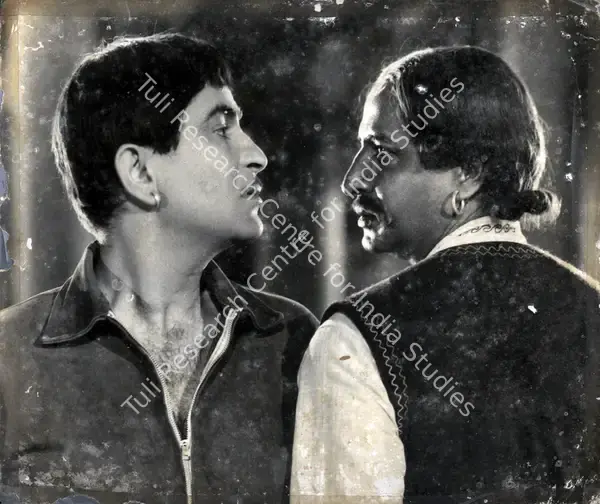
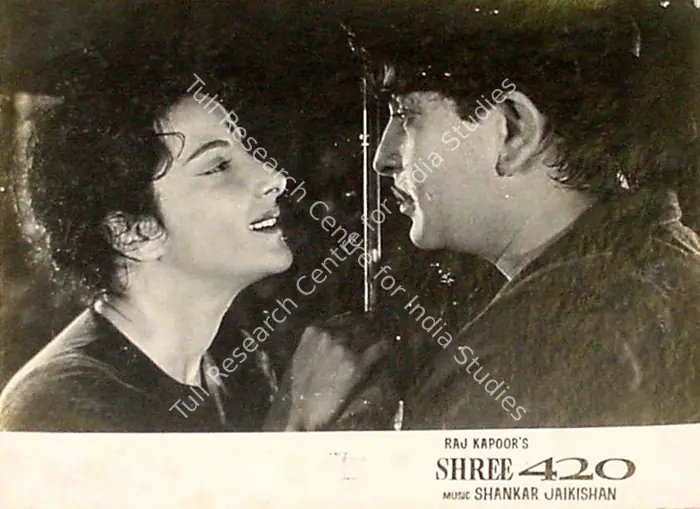
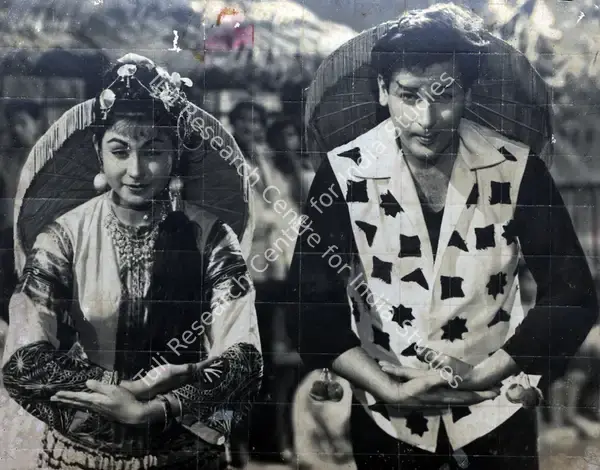
Dwarka Divecha (Cinematographer), Singapore, 1960, Photographic Still
Divecha, Dwarka (Cinematographer), Singapore, 1960 | Photographic Still
Dwarka Divecha (Cinematographer), Singapore, 1960, Photographic Still
Divecha, Dwarka (Cinematographer), Singapore, 1960 | Photographic Still
Dwarka Divecha (Cinematographer), Singapore, 1960, Photographic Still
Divecha, Dwarka (Cinematographer), Singapore, 1960 | Photographic Still
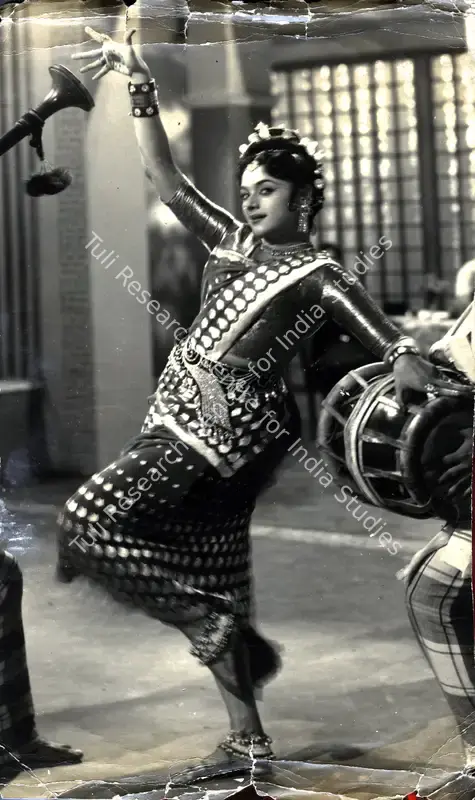
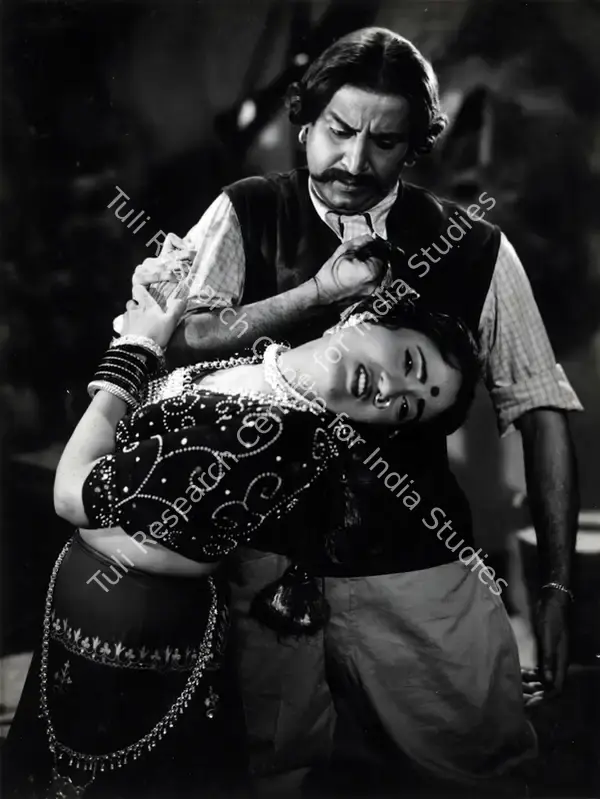
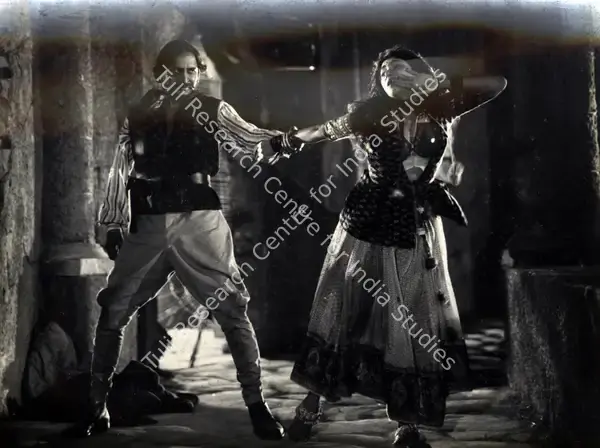
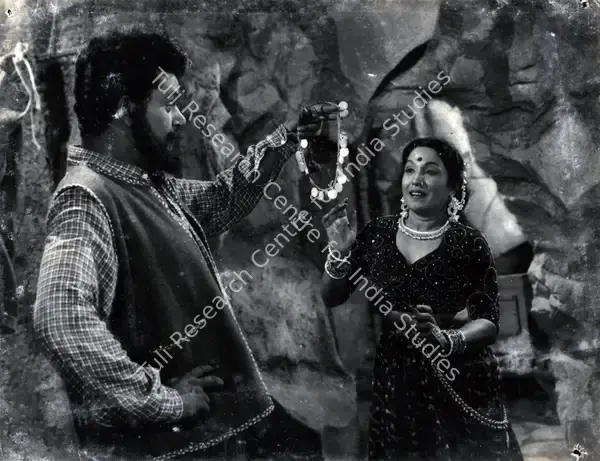
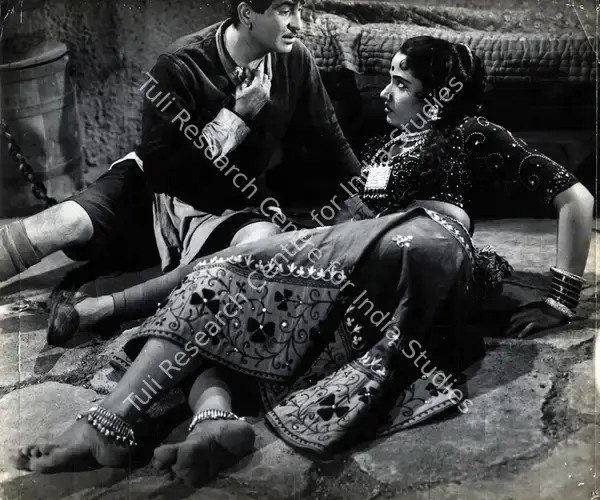
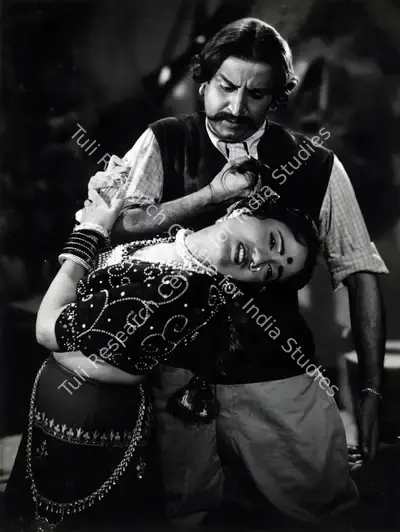
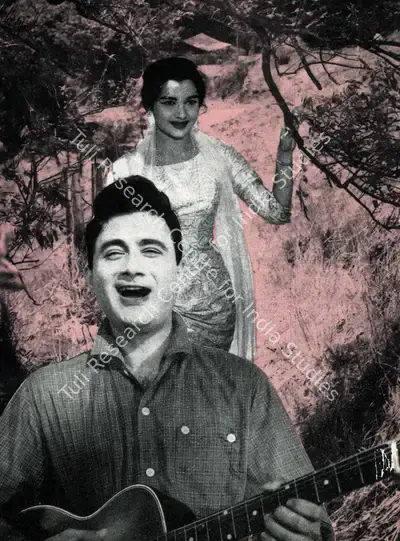
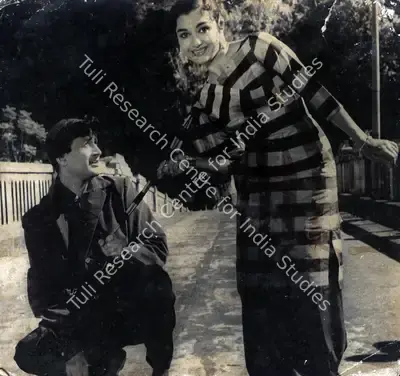
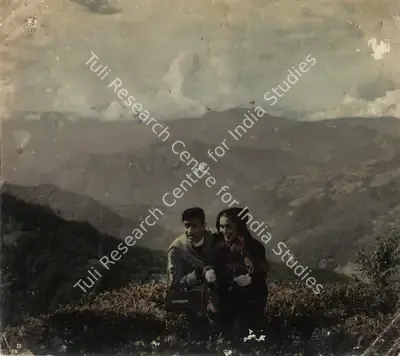
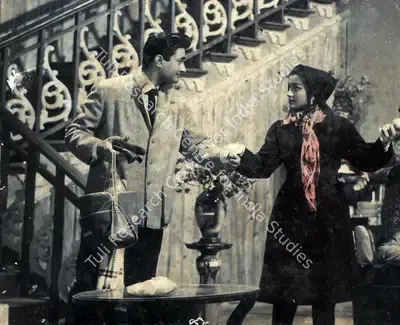
Tara Dutt (Cinematographer), Jis Desh Men Ganga Behti Hai, 1960, Photographic Still
Dutt, Tara (Cinematographer), Jis Desh Men Ganga Behti Hai, 1960 | Photographic Still
Tara Dutt (Cinematographer), Jis Desh Men Ganga Behti Hai, 1960, Photographic Still
Dutt, Tara (Cinematographer), Jis Desh Men Ganga Behti Hai, 1960 | Photographic Still
Tara Dutt (Cinematographer), Jis Desh Men Ganga Behti Hai, 1960, Photographic Still
Dutt, Tara (Cinematographer), Jis Desh Men Ganga Behti Hai, 1960 | Photographic Still
Tara Dutt (Cinematographer), Jis Desh Men Ganga Behti Hai, 1960, Photographic Still
Dutt, Tara (Cinematographer), Jis Desh Men Ganga Behti Hai, 1960 | Photographic Still
Tara Dutt (Cinematographer), Jis Desh Men Ganga Behti Hai, 1960, Photographic Still
Dutt, Tara (Cinematographer), Jis Desh Men Ganga Behti Hai, 1960 | Photographic Still
Tara Dutt (Cinematographer), Jis Desh Men Ganga Behti Hai, 1960, Photographic Still
Dutt, Tara (Cinematographer), Jis Desh Men Ganga Behti Hai, 1960 | Photographic Still
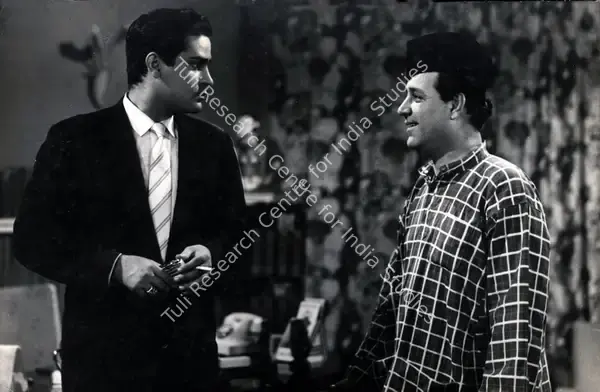
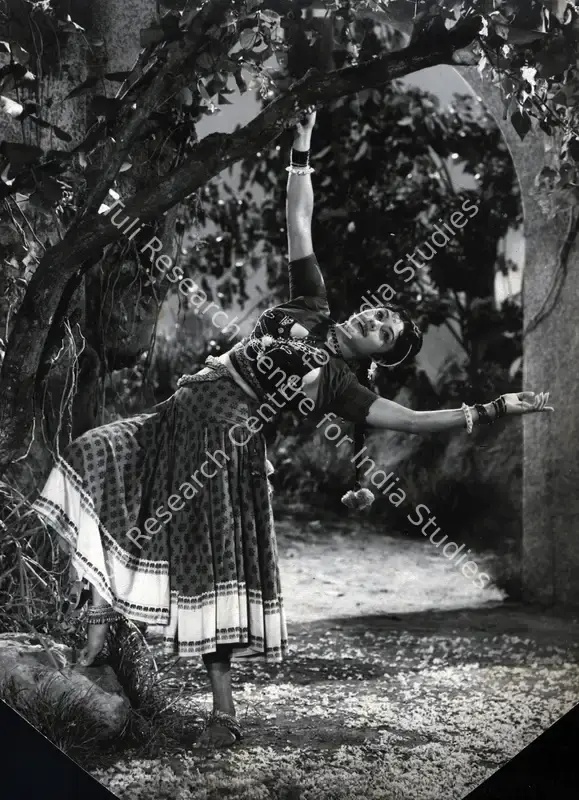
Dilip Gupta (Cinematographer), Jab Pyar Kisise Hota Hai, 1961, Photographic Still
Gupta, Dilip (Cinematographer), Jab Pyar Kisise Hota Hai, 1961 | Photographic Still
Dilip Gupta (Cinematographer), Jab Pyar Kisise Hota Hai, 1961, Photographic Still
Gupta, Dilip (Cinematographer), Jab Pyar Kisise Hota Hai, 1961 | Photographic Still
Dilip Gupta (Cinematographer), Jab Pyar Kisise Hota Hai, 1961, Photographic Still
Gupta, Dilip (Cinematographer), Jab Pyar Kisise Hota Hai, 1961 | Photographic Still
Dilip Gupta (Cinematographer), Jab Pyar Kisise Hota Hai, 1961, Photographic Still
Gupta, Dilip (Cinematographer), Jab Pyar Kisise Hota Hai, 1961 | Photographic Still
Dilip Gupta (Cinematographer), Jab Pyar Kisise Hota Hai, 1961, Photographic Still
Gupta, Dilip (Cinematographer), Jab Pyar Kisise Hota Hai, 1961 | Photographic Still
Dilip Gupta (Cinematographer), Jab Pyar Kisise Hota Hai, 1961, Photographic Still
Gupta, Dilip (Cinematographer), Jab Pyar Kisise Hota Hai, 1961 | Photographic Still
Dilip Gupta (Cinematographer), Jab Pyar Kisise Hota Hai, 1961, Photographic Still
Gupta, Dilip (Cinematographer), Jab Pyar Kisise Hota Hai, 1961 | Photographic Still
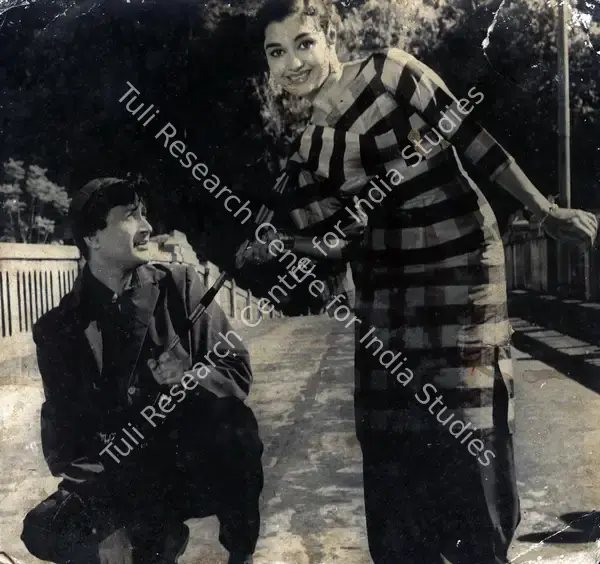
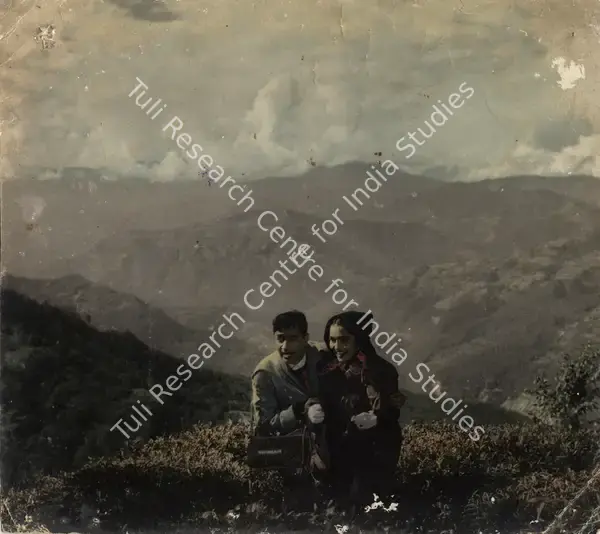
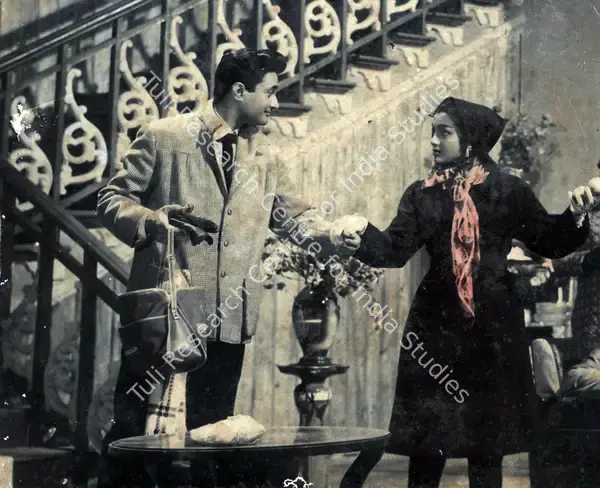
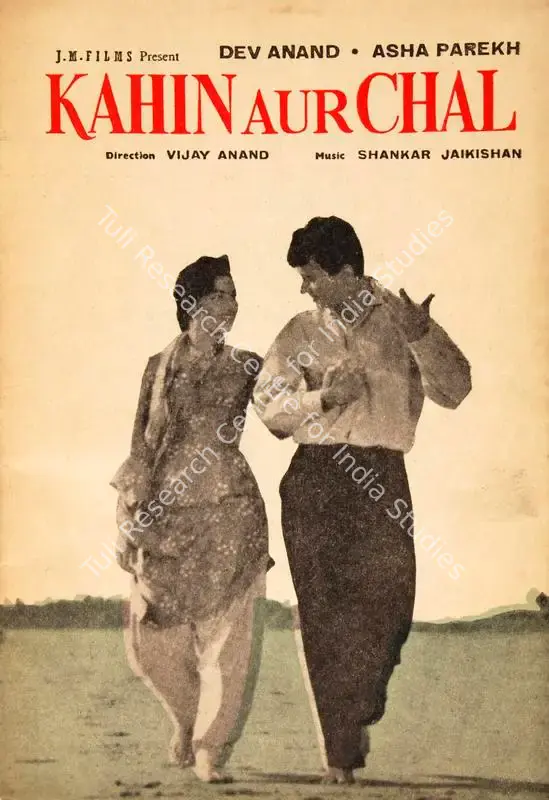
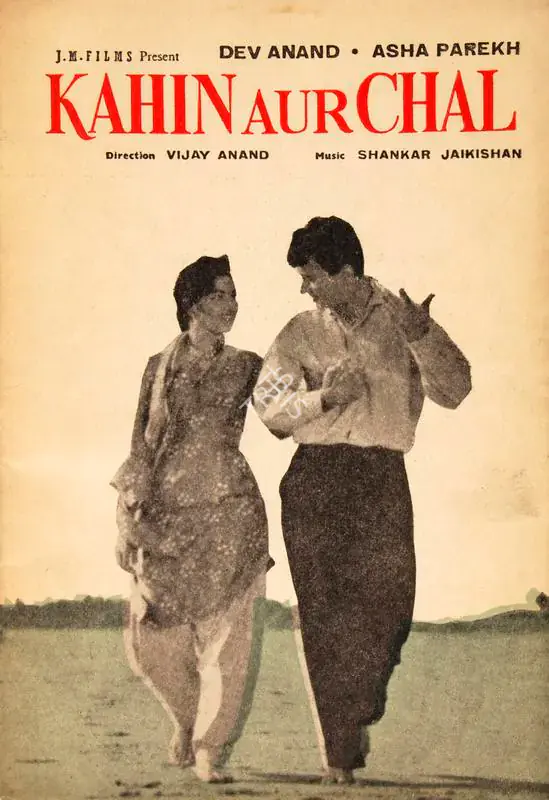
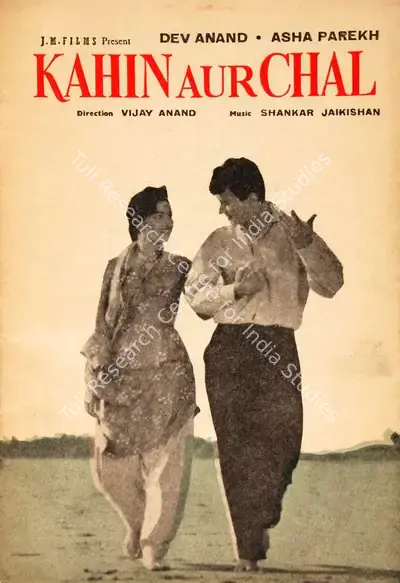
Vijay Anand (Director), Kahin Aur Chal, 1968, Song-Synopsis Booklet
Anand, Vijay (Director), Kahin Aur Chal, 1968 | Song-Synopsis Booklet
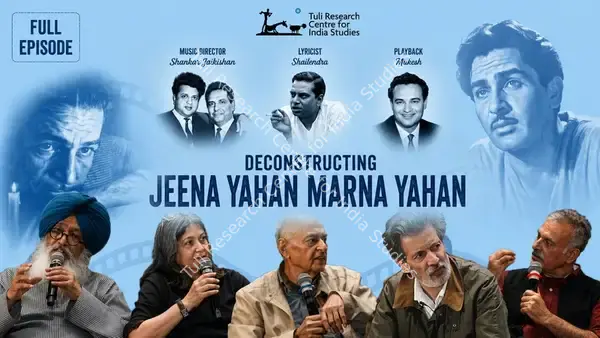
Tuli Research Centre for India Studies (Editor), Jeena Yahan Marna Yahan: The Existential Vision of Raj Kapoor | Mera Naam Joker (1970), 2026, In-house Video
Tuli Research Centre for India Studies (Editor). Jeena Yahan Marna Yahan: The Existential Vision of Raj Kapoor | Mera Naam Joker (1970), 07 August 2026 | In-house Video
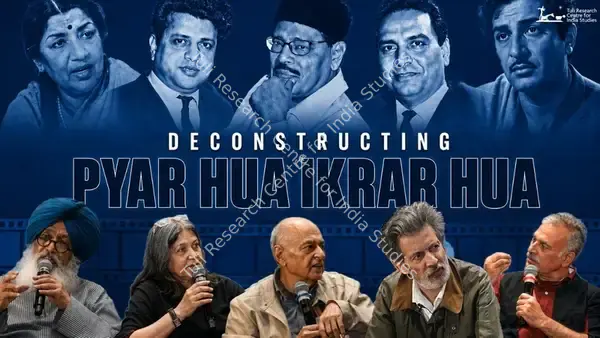
Tuli Research Centre for India Studies (Editor), "Pyaar Hua Ikraar Hua" and the Raj Kapoor-Nargis Pairing That Defined an Era, 2026, In-house Video
Tuli Research Centre for India Studies (Editor). "Pyaar Hua Ikraar Hua" and the Raj Kapoor-Nargis Pairing That Defined an Era, 06 August 2026 | In-house Video
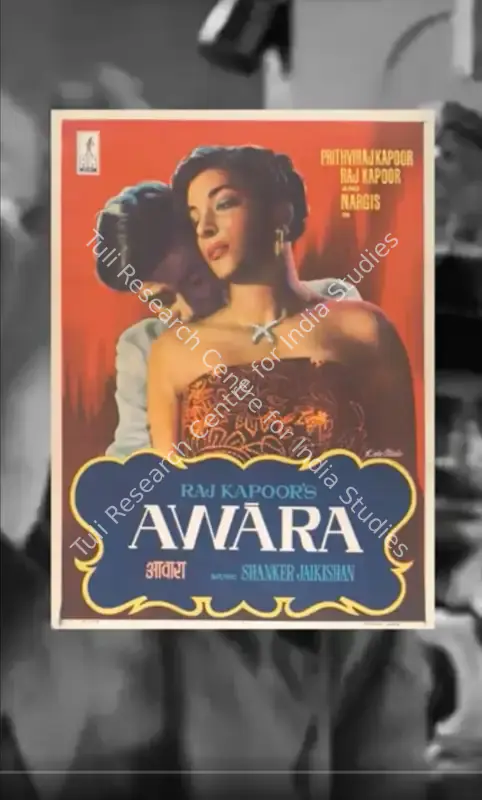
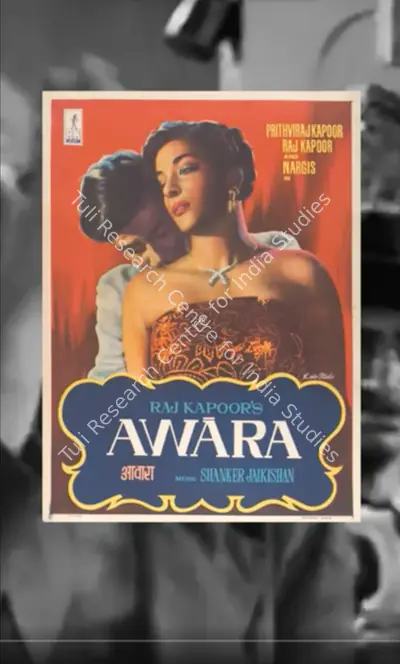
Tuli Research Centre for India Studies (Editor), Uncertainty, Destiny and the Tramp in Raj Kapoor’s "Awara Hoon" | Awara (1951)
, 2026, In-house Video
Tuli Research Centre for India Studies (Editor). Uncertainty, Destiny and the Tramp in Raj Kapoor’s "Awara Hoon" | Awara (1951) , 05 August 2026 | In-house Video
20 of 25
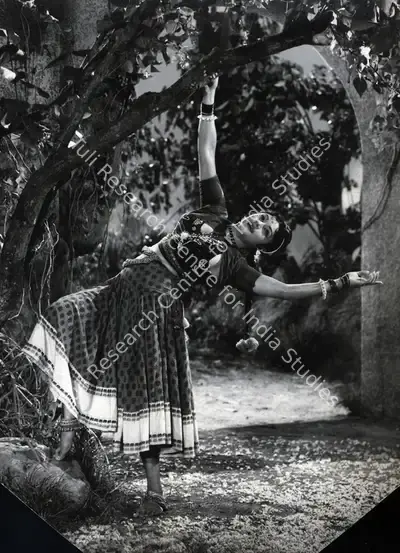
Dwarka Divecha (Cinematographer), Singapore, 1960, Photographic Still
Divecha, Dwarka (Cinematographer), Singapore, 1960 | Photographic Still
Dwarka Divecha (Cinematographer), Singapore, 1960, Photographic Still
Divecha, Dwarka (Cinematographer), Singapore, 1960 | Photographic Still
Dwarka Divecha (Cinematographer), Singapore, 1960, Photographic Still
Divecha, Dwarka (Cinematographer), Singapore, 1960 | Photographic Still
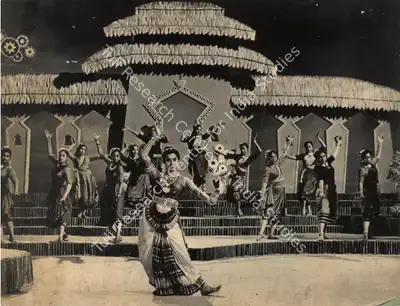
Tara Dutt (Cinematographer), Jis Desh Men Ganga Behti Hai, 1960, Photographic Still
Dutt, Tara (Cinematographer), Jis Desh Men Ganga Behti Hai, 1960 | Photographic Still
Tara Dutt (Cinematographer), Jis Desh Men Ganga Behti Hai, 1960, Photographic Still
Dutt, Tara (Cinematographer), Jis Desh Men Ganga Behti Hai, 1960 | Photographic Still
Tara Dutt (Cinematographer), Jis Desh Men Ganga Behti Hai, 1960, Photographic Still
Dutt, Tara (Cinematographer), Jis Desh Men Ganga Behti Hai, 1960 | Photographic Still
Tara Dutt (Cinematographer), Jis Desh Men Ganga Behti Hai, 1960, Photographic Still
Dutt, Tara (Cinematographer), Jis Desh Men Ganga Behti Hai, 1960 | Photographic Still
Tara Dutt (Cinematographer), Jis Desh Men Ganga Behti Hai, 1960, Photographic Still
Dutt, Tara (Cinematographer), Jis Desh Men Ganga Behti Hai, 1960 | Photographic Still
Tara Dutt (Cinematographer), Jis Desh Men Ganga Behti Hai, 1960, Photographic Still
Dutt, Tara (Cinematographer), Jis Desh Men Ganga Behti Hai, 1960 | Photographic Still
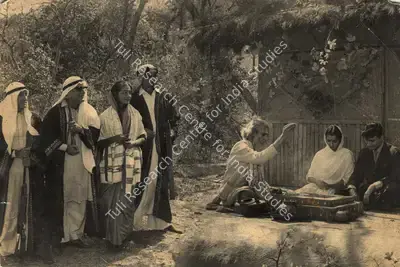
Dilip Gupta (Cinematographer), Jab Pyar Kisise Hota Hai, 1961, Photographic Still
Gupta, Dilip (Cinematographer), Jab Pyar Kisise Hota Hai, 1961 | Photographic Still
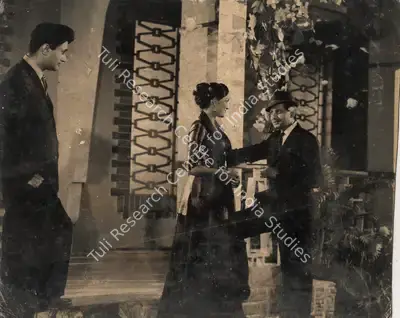
Dilip Gupta (Cinematographer), Jab Pyar Kisise Hota Hai, 1961, Photographic Still
Gupta, Dilip (Cinematographer), Jab Pyar Kisise Hota Hai, 1961 | Photographic Still
Dilip Gupta (Cinematographer), Jab Pyar Kisise Hota Hai, 1961, Photographic Still
Gupta, Dilip (Cinematographer), Jab Pyar Kisise Hota Hai, 1961 | Photographic Still
Dilip Gupta (Cinematographer), Jab Pyar Kisise Hota Hai, 1961, Photographic Still
Gupta, Dilip (Cinematographer), Jab Pyar Kisise Hota Hai, 1961 | Photographic Still
Dilip Gupta (Cinematographer), Jab Pyar Kisise Hota Hai, 1961, Photographic Still
Gupta, Dilip (Cinematographer), Jab Pyar Kisise Hota Hai, 1961 | Photographic Still
Dilip Gupta (Cinematographer), Jab Pyar Kisise Hota Hai, 1961, Photographic Still
Gupta, Dilip (Cinematographer), Jab Pyar Kisise Hota Hai, 1961 | Photographic Still
Dilip Gupta (Cinematographer), Jab Pyar Kisise Hota Hai, 1961, Photographic Still
Gupta, Dilip (Cinematographer), Jab Pyar Kisise Hota Hai, 1961 | Photographic Still
Vijay Anand (Director), Kahin Aur Chal, 1968, Song-Synopsis Booklet
Anand, Vijay (Director), Kahin Aur Chal, 1968 | Song-Synopsis Booklet
Tuli Research Centre for India Studies (Editor). Jeena Yahan Marna Yahan: The Existential Vision of Raj Kapoor | Mera Naam Joker (1970), 07 August 2026 | In-house Video, 2026 · 20 min 44 sec · Long-form Video
▶
Tuli Research Centre for India Studies (Editor). Jeena Yahan Marna Yahan: The Existential Vision of Raj Kapoor | Mera Naam Joker (1970), 07 August 2026 | In-house Video
2026 · 20 min 44 sec · Long-form Video
Tuli Research Centre for India Studies (Editor). "Pyaar Hua Ikraar Hua" and the Raj Kapoor-Nargis Pairing That Defined an Era, 06 August 2026 | In-house Video, 2026 · 30 min 39 sec · Long-form Video
▶
Tuli Research Centre for India Studies (Editor). "Pyaar Hua Ikraar Hua" and the Raj Kapoor-Nargis Pairing That Defined an Era, 06 August 2026 | In-house Video
2026 · 30 min 39 sec · Long-form Video
Tuli Research Centre for India Studies (Editor). Uncertainty, Destiny and the Tramp in Raj Kapoor’s "Awara Hoon" | Awara (1951)
, 05 August 2026 | In-house Video, 2026 · 1 min 16 sec · Vertical Video
▶
Tuli Research Centre for India Studies (Editor). Uncertainty, Destiny and the Tramp in Raj Kapoor’s "Awara Hoon" | Awara (1951) , 05 August 2026 | In-house Video
2026 · 1 min 16 sec · Vertical Video
Tuli Research Centre for India Studies (Editor). What made Raj Kapoor's "Awara" one of the most enduring figures in world cinema?, 04 August 2026 | In-house Video, 2026 · 1 min 1 sec · Vertical Video
▶
Tuli Research Centre for India Studies (Editor). What made Raj Kapoor's "Awara" one of the most enduring figures in world cinema?, 04 August 2026 | In-house Video
2026 · 1 min 1 sec · Vertical Video
Tuli Research Centre for India Studies (Editor). From Mumbai to Moscow- The enduring appeal of Raj Kapoor’s “Awara Hoon” | Awara (1951), 04 August 2026 | In-house Video, 2026 · 26 min 5 sec · Long-form Video
▶
Tuli Research Centre for India Studies (Editor). From Mumbai to Moscow- The enduring appeal of Raj Kapoor’s “Awara Hoon” | Awara (1951), 04 August 2026 | In-house Video
2026 · 26 min 5 sec · Long-form Video
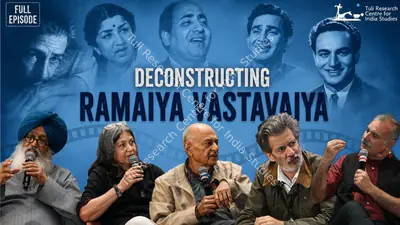
Tuli Research Centre for India Studies (Editor). "Ramaiya Vastavaiya"- The Telugu Refrain That Was Never Meant to Survive | Shree 420 (1955), 04 August 2026 | In-house Video, 2026 · 22 min 34 sec · Long-form Video
▶
Tuli Research Centre for India Studies (Editor). "Ramaiya Vastavaiya"- The Telugu Refrain That Was Never Meant to Survive | Shree 420 (1955), 04 August 2026 | In-house Video
2026 · 22 min 34 sec · Long-form Video
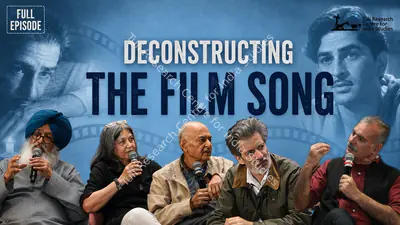
Tuli Research Centre for India Studies (Editor). Raj Kapoor's Film Songs: The Soul and Social Vision That Changed Indian Cinema, 04 August 2026 | In-house Video, 2026 · 1 hr 33 min · Long-form Video
▶
Tuli Research Centre for India Studies (Editor). Raj Kapoor's Film Songs: The Soul and Social Vision That Changed Indian Cinema, 04 August 2026 | In-house Video
2026 · 1 hr 33 min · Long-form Video
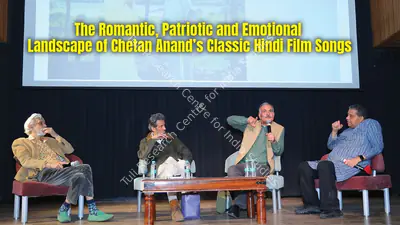
Tuli Research Centre for India Studies (Editor). The Romantic, Patriotic and Emotional Landscape of Chetan Anand’s Classic Hindi Film Songs, 21 July 2026 | In-house Video, 2026 · 1 hour 6 min · Long-form Video
▶
Tuli Research Centre for India Studies (Editor). The Romantic, Patriotic and Emotional Landscape of Chetan Anand’s Classic Hindi Film Songs, 21 July 2026 | In-house Video
2026 · 1 hour 6 min · Long-form Video

Posts 2

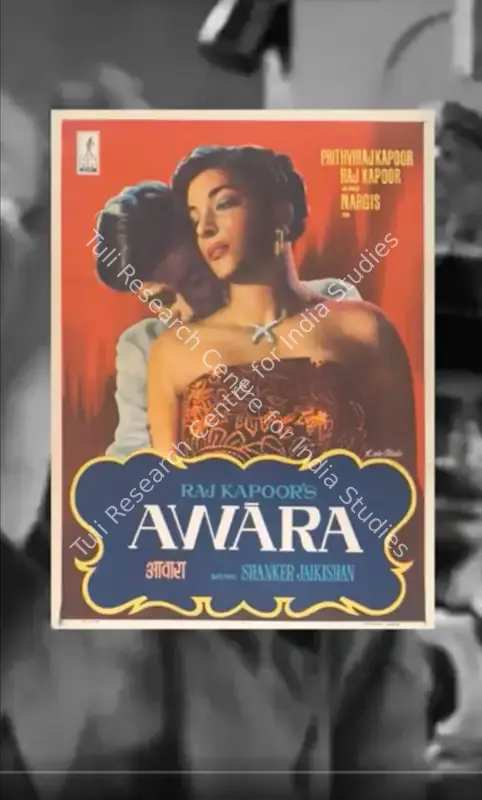
  1. Uncertainty, Destiny and the Tramp in Raj Kapoor's "Awara Hoon" | Awara (1951)
    Uncertainty, Destiny and the Tramp in Raj Kapoor's "Awara Hoon" | Awara (1951)
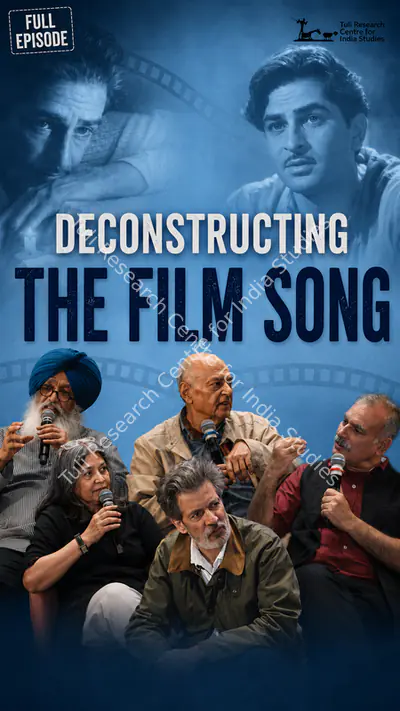
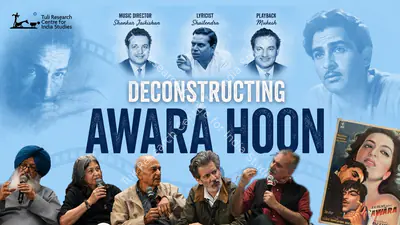
    What exactly is “Awaara Hoon” from Raj Kapoor's Awaara (1951) about? A song that lives inside too many uncertainties keeps asking the question, am I a wanderer, or a star in orbit (Gardish mein hun ya aasman ka taara hoon). There is no home, no belongingness, no clear destiny, only movement, longing, and doubt. It is the sound of a world that's unsure of itself, and still singing joyously. Visually, the influence of Charlie Chaplin is unmistakable. From Raj Kapoor's attire to his tramp's gait, the vagabond persona is shaped by Chaplin's image of the little man buffeted by forces beyond his control. The song turns that figure into a symbol of the post-independence anxiety about entitlement, class, and the future; yet capturing the emotion of being spirited, hopeful, and strangely free. The collaboration of Raj Kapoor, the lyricist Shailendra, composers Shankar–Jaikishan, and singer Mukesh, creates a song that is at once both philosophical and popular. It poses questions about destiny and identity while also reaching millions as an unforgettable film hit. Panelists Amit Khanna, Madan Gopal Singh, Ravikant, Juhi Saklani, and Neville Tuli, examine this iconic song, sung by Mukesh, with lyrics by Shailendra and music by Shankar–Jaikishan in this video from 'A Musical Glue for Nation-Building: Deconstructing the Film Song' session, presented by the Tuli Research Centre for India Studies (T.R.I.S.) at the 7th Self-Discovery via Rediscovering India Festival.
    1_CinemaEducation
    Raj KapoorShailendraMukeshShankar-JaikishanAwaraRavikantMadan Gopal SinghAmit Khanna+2 more
    Read Post →
  2. "Pyar Hua Ikrar Hua"- Love, Romance and the Idea of India | Shree 420 (1955)
    "Pyar Hua Ikrar Hua"- Love, Romance and the Idea of India | Shree 420 (1955)
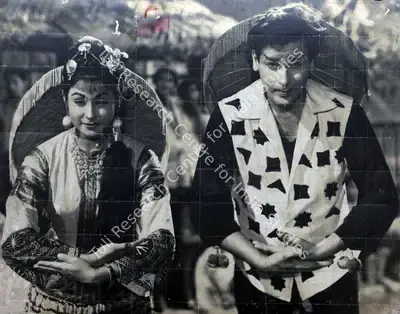
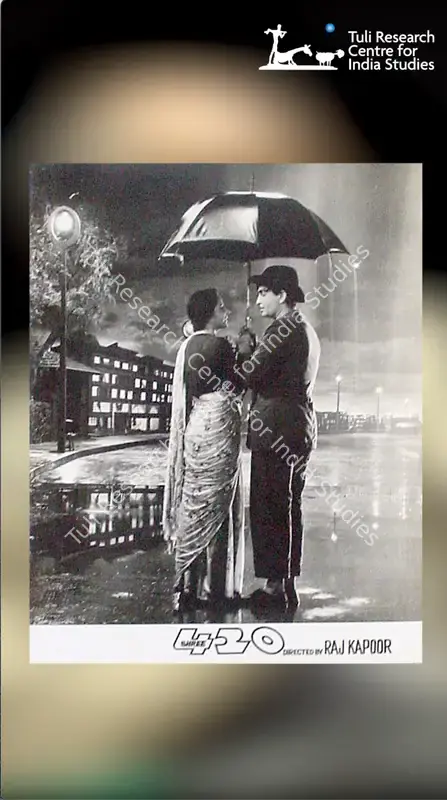
    "Pyar Hua Ikrar Hua" from Shree 420 (1955) at first glance is a song about two people standing in the rain, declaring their love for each other with nothing to their names. This conversation between the panelists peels back the layers, finding in it a richness that a casual listen rarely reveals. Filmmaker-Lyricist Amit Khanna opens with an anecdote about the battle between Raj Kapoor and Shankar-Jaikishan over whether Manna Dey or Mukesh should sing the song. It was Manna Dey who finally got the opportunity, and his voice immortalised it. Ravikant, Professor, CSDS (The Centre for the Study of Developing Societies), draws a parallel between the song and Roland Barthes' A Lover's Discourse, noting how the lovers believe their love to be eternal and absolute. For Ravikant, that sense of transcendence finds its most powerful visual expression when the camera pans to three young children, an image of radiant vitality that lifts the moment beyond the two figures standing in the rain. Composer-Writer Madan Gopal Singh reads the song through a different lens, comparing the condition of the two destitute lovers to that of newly independent India itself, a nation full of longing, uncertain of its footing, but reaching toward something better. This clip is from the workshop "A Musical Glue for Nation-Building: Deconstructing the Film Song" presented by the Tuli Research Centre for India Studies (T.R.I.S.) at the 7th Self-Discovery via Rediscovering India Festival, featuring Madan Gopal Singh, Amit Khanna, Ravikant, Juhi Saklani, and Neville Tuli.
    1_CinemaEducation
    Raj KapoorShree 420Shankar-JaikishanManna DeyAmit KhannaRavikantMadan Gopal SinghNeville Tuli+1 more
    Read Post →

Calendar 2

View All →
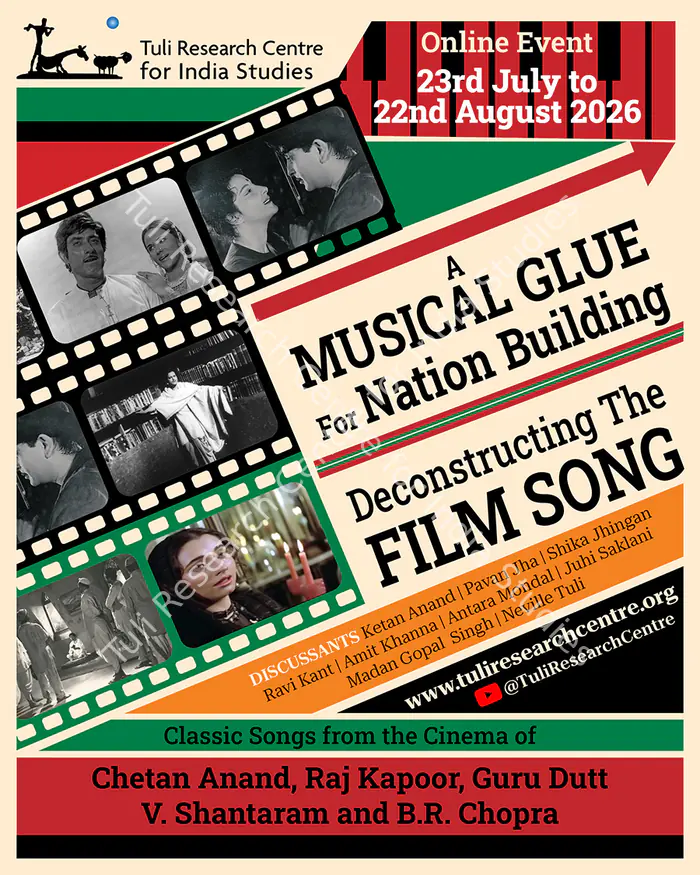
  1. A Musical Glue for Nation-Building
    ArchivedOffline-Online EventProject 80
    A Musical Glue for Nation-Building
    Deconstructing the Film Song
    23rd July - 22nd August 2026
    Ketan Anand | Ravikant | Pavan Jha | Madan Gopal Singh | Amit Khanna | Juhi Saklani | Antara Mondal | Shikha Jhingan | Neville Tuli
    A key section of the India Studies framework at The Tuli Research Centre for India Studies (T.R.I.S.) is “Deconstructing the Film Song”. It began with a series of four workshops during our Self-Discovery via Rediscovering India Festival Series that brought together leading scholars & academics, film practitioners & students, along with fans of the Hindi film song. The objective of these workshops was to deconstruct iconic Hindi film songs to examine their formation across music, lyrics, playback, choreography, directorial visualisation, as they fuse into sites where aesthetics, ideology, and performance intersect, so as to help clarify the nature of India and her relationship to the film song. The Hindi Film Song functions as a narrative device, conveying myriad textures of emotion through melody, voice and poetry. As cultural texts that encode memory, desire, and ideology, songs are integral to the circulation and resonance of films in the public realm. Over time they have become autonomous bundles of creative energy - the glue that binds us over time, articulating and perhaps even defining the idea of Indianness. These first Workshops were an attempt to understand the nature and power of this glue, while contemplating the ways to situate it within TRIS' academic framework for Contemporary India Studies.
    Read More →
    1_CinemaEducation·12_Scholarship
    +34 more
  2. A Musical Glue for Nation-Building
    ArchivedDeconstructing the Hindi Film SongProject 61
    A Musical Glue for Nation-Building
    Four Classic Songs from the cinema of Raj Kapoor and the genius of Shankar-Jaikishan, Shailendra, Lata Mangeshkar, Mukesh, Manna Dey & Mohammed RafinnAwara Hoon | Awara-1951 nRamaiya Vastavaiya | Shree 420-1955 nPyar Hua Ikrar Hua | Shree 420-1955 nJeena Yahan Marna Yahan | Mera Naam Joker-1970
    17th February 2026
    5:00pm
    M.L. Bhartia Auditorium, Alliance Francaise de Delhi, 72 K.K. Birla Lane, Lodi Estate, New Delhi, 110005
    Madan Gopal Singh, Amit Khanna, Ravikant, Juhi Saklani & Neville Tuli
    A key section of the India Studies framework at The Tuli Research Centre for India Studies (T.R.I.S.) is “Deconstructing the Hindi Film Song”. It will begin with a series of four workshops that brings together leading scholars & academics, film practitioners & students, along with fans of the Hindi film song. The objective of these workshops is to deconstruct iconic Hindi film songs to examine their formation across music, lyrics, playback, choreography, directorial visualisation, as they fuse into sites where aesthetics, ideology, and performance intersect. The Hindi Film Song functions as a narrative device, conveying myriad textures of emotion through melody, voice and poetry. As cultural texts that encode memory, desire, and ideology, songs are integral to the circulation and resonance of films in the public realm. Over time they have become autonomous bundles of creative energy - the glue that binds us over time, articulating and perhaps even defining the idea of Indianness. The first Workshops are an attempt to understand the nature and power of this glue, while contemplating the ways to situate it within TRIS' academic framework for Contemporary India Studies.
    Read More →
    1_CinemaEducation·12_Scholarship
    +1 more
Tuli Research Centre for India Studies

Tuli Research Centre

for India Studies

A free and open knowledge base for the modern and contemporary Indian arts, cinema, photography and cultural heritage.

Support

Contact Us

Discover

Tuli Research Centre for India StudiesVisionManifestoArchive & LibraryVanraja Sanctuary & Hospice

Legal

Privacy PolicyTerms & Conditions

Follow us

Youtube

Youtube

Instagram

Instagram

Facebook

Facebook

© Tuli Research Centre for India Studies 2026

Tuli Research Centre for India Studies

Tuli Research Centre

for India Studies

A free and open knowledge base for the modern and contemporary Indian arts, cinema, photography and cultural heritage.

Tuli Research Centre for India StudiesVisionManifestoArchive & LibraryVanraja Sanctuary & Hospice
Contact Us
Privacy PolicyTerms & Conditions

Follow us

YoutubeInstagramFacebook

© Tuli Research Centre for India Studies 2026

                          Anand, Vijay (Director), Kahin Aur Chal, 1968 | Song-Synopsis Booklet | CinemaEducation | 00865275

                          Anand, Vijay (Director), Kahin Aur Chal, 1968 | Song-Synopsis Booklet | 22 Jan 1934 – 23 Feb 2004

                          DirectorVijay Anand
                          Document TypeSong-Synopsis Booklet
                          Film TitleKahin Aur Chal, 1968, India, Hindi
                          BannerJ. M. Films
                          CastDev, Shobha Khote, Asha Parekh, Madan Puri, Abu Bakar, Padma Chauhan, Nazir Kashmiri, Rashid Khan, Prem Kumar, Jagdish Raj, Dhanna, Habeeb, Hammad, Jafari, Latif, Monica, Nilima, Qamar, Ravikant, Sarita, Sujata, Sunder, Suresh, Vatal
                          Copyright of ImageWith Producer | Archive Object

                          Research Categories

                          1_CinemaEducation

                          Related Links5

                          Masterlist4
                          Asha ParekhDev AnandThe Hindi Film Song Synopsis BookletVijay Anand
                          Research Categories
                          01Cinema as a Critical Educational Resource