Nishant1975
Introduction
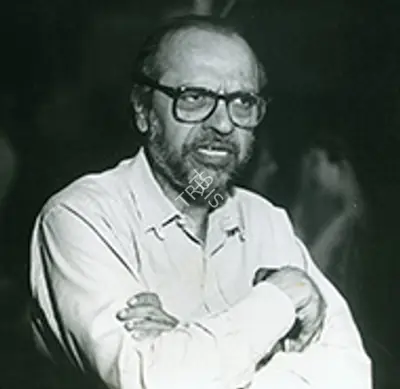
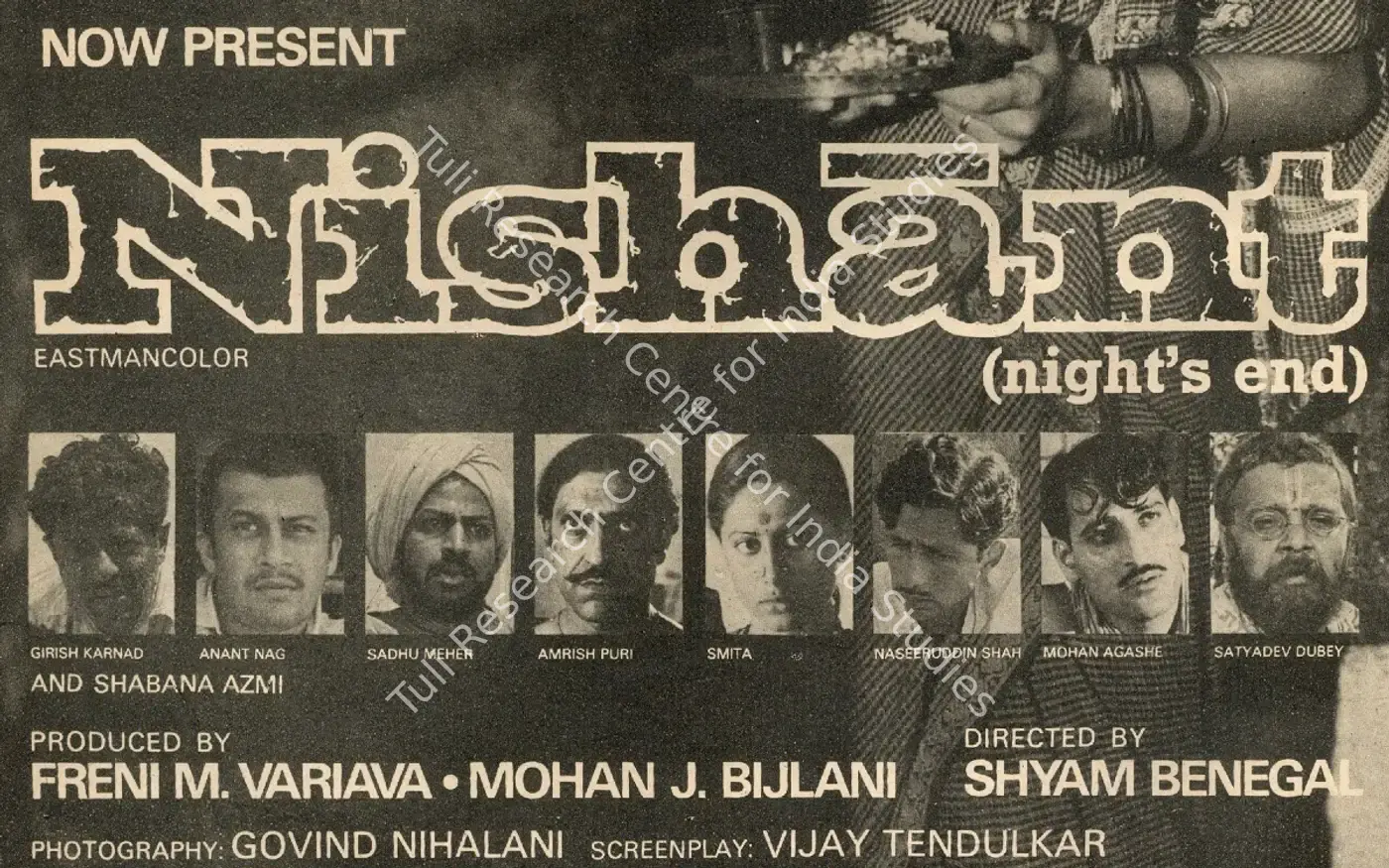
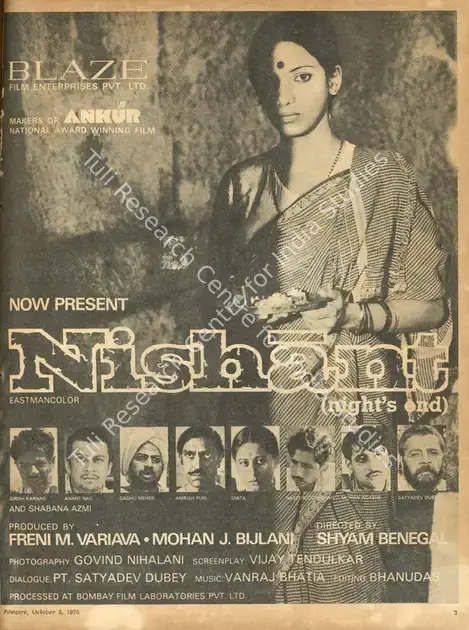
Nishant (1975) Directed by Shyam Benegal, Nishant stands as a landmark in Indian parallel cinema—a piercing exploration of feudal brutality and systemic silence. The film is anchored in a powerful original screenplay by the acclaimed playwright Vijay Tendulkar, with sharp, unflinching dialogues penned by Satyadev Dubey.
Set in the oppressive socio-political landscape of 1940s–50s Telangana, then part of the Hyderabad State, the film exposes the unchecked power of rural elites and the routine sexual exploitation of women hidden behind the veneer of tradition and hierarchy. It shows a man desperately seeking justice after his wife is abducted, but no one will help him as he held the culprits accountable. Meanwhile, his wife, tormented and demeaned by her captors, cannot bear to face him.
Featuring a formidable ensemble of actors—Girish Karnad, Amrish Puri, Shabana Azmi, Mohan Agashe, Anant Nag, Sadhu Meher—alongside Smita Patil and Naseeruddin Shah in their feature debuts, Nishant tells the story of a schoolteacher whose wife, Sushila, is abducted by the village zamindars. His desperate attempts to seek justice are met with a deafening silence from a community shackled by fear even as Sushila—violated, emotionally shattered—struggles with the impossibility of returning to her former life.
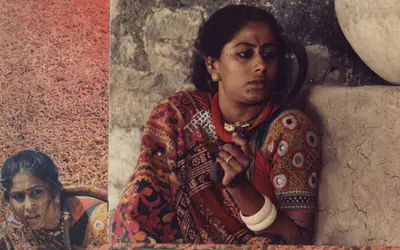
Shabana Azmi, in a performance of extraordinary restraint, brings Sushila to life with a simmering undercurrent of grief and indignation. Smita Patil, in her breakthrough role as Rukmini—the mistress and silent witness—delivers a performance that, though brief, resonates with quiet defiance. The emotional and psychological tension between Sushila and Rukmini, the wife and the “other woman,” is rendered with aching precision, revealing Benegal's profound sensitivity to the female experience.
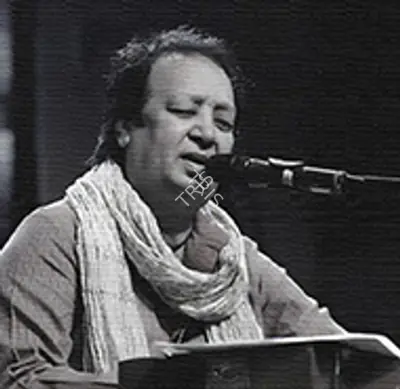
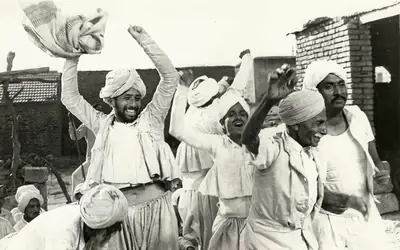
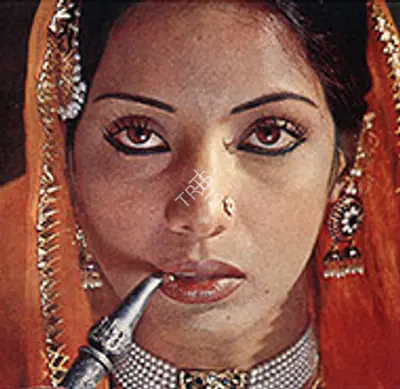
Shot in the culturally rich village of Pochampalli, known for its handwoven sarees, the film's stark visual palette complements its moral and thematic gravity. Vanraj Bhatia's minimalistic score culminates in the haunting “Piya Baj Pyala,” sung by Preeti Sagar, the film's sole song—a final, sorrowful lament.
Though it failed to achieve commercial success, Nishant was met with critical acclaim and enduring respect. It won the 1977 National Film Award for Best Feature Film in Hindi and was India's official entry to the Oscars. It was also selected for the prestigious Palme d'Or competition at the 1976 Cannes Film Festival and showcased at international festivals in London, Melbourne, and Chicago—where it received the Golden Plaque. Today, Nishant remains a seminal work of Indian cinema, celebrated for its bold storytelling, psychological depth, and uncompromising social critique.
Set in the oppressive socio-political landscape of 1940s–50s Telangana, then part of the Hyderabad State, the film exposes the unchecked power of rural elites and the routine sexual exploitation of women hidden behind the veneer of tradition and hierarchy. It shows a man desperately seeking justice after his wife is abducted, but no one will help him as he held the culprits accountable. Meanwhile, his wife, tormented and demeaned by her captors, cannot bear to face him.
Featuring a formidable ensemble of actors—Girish Karnad, Amrish Puri, Shabana Azmi, Mohan Agashe, Anant Nag, Sadhu Meher—alongside Smita Patil and Naseeruddin Shah in their feature debuts, Nishant tells the story of a schoolteacher whose wife, Sushila, is abducted by the village zamindars. His desperate attempts to seek justice are met with a deafening silence from a community shackled by fear even as Sushila—violated, emotionally shattered—struggles with the impossibility of returning to her former life.
Shabana Azmi, in a performance of extraordinary restraint, brings Sushila to life with a simmering undercurrent of grief and indignation. Smita Patil, in her breakthrough role as Rukmini—the mistress and silent witness—delivers a performance that, though brief, resonates with quiet defiance. The emotional and psychological tension between Sushila and Rukmini, the wife and the “other woman,” is rendered with aching precision, revealing Benegal's profound sensitivity to the female experience.
Shot in the culturally rich village of Pochampalli, known for its handwoven sarees, the film's stark visual palette complements its moral and thematic gravity. Vanraj Bhatia's minimalistic score culminates in the haunting “Piya Baj Pyala,” sung by Preeti Sagar, the film's sole song—a final, sorrowful lament.
Though it failed to achieve commercial success, Nishant was met with critical acclaim and enduring respect. It won the 1977 National Film Award for Best Feature Film in Hindi and was India's official entry to the Oscars. It was also selected for the prestigious Palme d'Or competition at the 1976 Cannes Film Festival and showcased at international festivals in London, Melbourne, and Chicago—where it received the Golden Plaque. Today, Nishant remains a seminal work of Indian cinema, celebrated for its bold storytelling, psychological depth, and uncompromising social critique.
निशांत (1975) के निर्देशक श्याम बेनेगल थे। यह फ़िल्म भारतीय समांतर सिनेमा के इतिहास में एक मील का पत्थर फ़िल्म मानी जाती है। यह सामंती क्रूरता और सत्तातंत्र की चुप्पी पर तीखा कटाक्ष करती है। इसके कथानक का आधार प्रख्यात नाटककार विजय तेंडुलकर की लिखी सशक्त मौलिक पटकथा है जबकि इस फ़िल्म के लिए संवाद हिन्दी रंगमंच के दिग्गज निर्देशकों में से एक सत्यदेव दुबे ने लिखे हैं जिनका पैनापन और अदम्य साहस देखते ही बनता है।
इस फ़िल्म का घटनाक्रम 1940-50 के दशक के तेलंगाना क्षेत्र की दमनकारी सामाजिक-राजनीतिक पृष्ठभूमि में घटित होता है, जो उस वक्त हैदराबाद रियासत का हिस्सा था। यह कहानी ग्रामीण अभिजात्य वर्ग की निरंकुश सत्ता और जाति परम्परा व ऊँच-नीच की व्यवस्था के पीछे छिपी स्त्री यौन शोषण की त्रासदी को उजागर करती है। फ़िल्म की कथा एक ऐसे व्यक्ति के साथ आगे बढ़ती है जो गाँव के दबंगों द्वारा अपनी पत्नी के अपहरण के बाद न्याय के लिए जूझ रहा है लेकिन जब वह दोषियों के खिलाफ़ आवाज़ उठाता है तो पूरे समाज से कोई भी उसकी मदद करने को आगे नहीं बढ़ता। दूसरी ओर उसकी पत्नी अपहर्ताओं के द्वारा उस पर ढायी गई यातना और अपमान से इतना टूट जाती है कि अपने पति का सामना करने पर बिखर जाती है।
इस फ़िल्म में एक सशक्त कलाकारों का समूह काम कर रहा था। उस दौर के समांतर सिनेमा के मंझे हुए अभिनेता गिरीश कर्नाड, अमरीश पुरी, शबाना आज़मी, मोहन आगाशे, अनंत नाग और साधु मेहर इसमें प्रमुख भूमिकाओं में थे। साथ ही इसमें स्मिता पाटिल और नसीरुद्दीन शाह की भी फ़ीचर फ़िल्म में शुरुआती महत्वपूर्ण भूमिकाएँ शामिल हैं। निशांत का कथानक एक स्कूल शिक्षक की कहानी कहता है जिसकी धर्मपत्नी सुशीला को गाँव के ज़मींदार उठा ले जाते हैं। वह शिक्षक न्याय की गुहार लगाता है लेकिन भयभीत ग्रामीण समुदाय से उसे जवाब में केवल चुप्पी मिलती है। इस बीच सुशीला, जो अपमानित और भावनात्मक रूप से टूटी हुई है, अपने पुराने जीवन में लौट पाने की निरंतर खो रही उम्मीद से जूझ रही है।
शबाना आज़मी ने सुशीला की असाधारण भूमिका में अपने संयमित अभिनय से चरित्र को जीवंत कर दिया है। सुशीला के भीतर ही भीतर गहरा शोक और आक्रोश उबल रहा है। स्मिता पाटिल यहाँ रुक्मिणी की भूमिका में हैं। रुक्मिणी ज़मींदार की रखैल और इस समूचे घटनाक्रम की मूक साक्षी है। यह स्मिता पाटिल की किसी फ़ीचर फ़िल्म में पहली बड़ी भूमिका थी। उनका अभिनय भले पर्दे पर कम समय का हो लेकिन उनका मूक प्रतिरोध उनकी आँखों में गूँजता है। सुशीला और रुक्मिणी, या कहें पत्नी और 'दूसरी औरत' के बीच का यह भावनात्मक और मनोवैज्ञानिक तनाव बेनेगल के सिनेमा में स्त्री अनुभव के प्रति गहरी संवेदनशीलता से उपजा है और इस जटिल प्रसंग को पूरी उसकी सटीकता में सामने लाता है।
यह फ़िल्म पोचमपल्ली गाँव में फ़िल्माई गई थी जो अपनी हस्तनिर्मित साड़ियों के लिए प्रसिद्ध है। इसके दृश्य विन्यास की सादगी फ़िल्म के नैतिक और विषयगत भार को और गहनता देती है। वनराज भाटिया का विरल संगीत फ़िल्म को उसके एकमात्र गीत “पिया बाज़ प्याला” तक लेकर जाता है, जिसे प्रीति सागर ने गाया है और जो कथा के अन्त में किसी शोकपूर्ण विलाप की तरह गूँजता महसूस होता है।
व्यावसायिक कामयाबी न हासिल कर पाने के बावजूद निशांत को आलोचकों से भरपूर सराहना और सम्मान मिला। इसे सन् 1977 के राष्ट्रीय फ़िल्म पुरस्कारों में 'सर्वश्रेष्ठ हिन्दी फ़ीचर फ़िल्म' के सम्मान से सम्मानित किया गया और यह भारत की ओर से उस साल के अकादमी पुरस्कारों में आधिकारिक प्रविष्टि भी बनी। सन् 1976 के प्रतिष्ठित 'कान फ़िल्म महोत्सव' में इसे 'पाल्म द'ओर' के लिए नामांकित फ़िल्मों में शामिल किया गया और लंदन, मेलबॉर्न तथा शिकागो में हुए अंतरराष्ट्रीय फ़िल्म महोत्सवों में भी इसका प्रदर्शन किया गया। वहाँ इसे 'गोल्डन प्लाक' सम्मान मिला। आज भी निशांत को भारतीय सिनेमा इतिहास की एक ऐसी विलक्षण रचना के रूप में याद किया जाता है जो अपनी साहसिक कथा, मनोवैज्ञानिक गहराई और समझौता न करने वाली मुखर सामाजिक आलोचना के चलते नायाब बनी हुई है।
इस फ़िल्म का घटनाक्रम 1940-50 के दशक के तेलंगाना क्षेत्र की दमनकारी सामाजिक-राजनीतिक पृष्ठभूमि में घटित होता है, जो उस वक्त हैदराबाद रियासत का हिस्सा था। यह कहानी ग्रामीण अभिजात्य वर्ग की निरंकुश सत्ता और जाति परम्परा व ऊँच-नीच की व्यवस्था के पीछे छिपी स्त्री यौन शोषण की त्रासदी को उजागर करती है। फ़िल्म की कथा एक ऐसे व्यक्ति के साथ आगे बढ़ती है जो गाँव के दबंगों द्वारा अपनी पत्नी के अपहरण के बाद न्याय के लिए जूझ रहा है लेकिन जब वह दोषियों के खिलाफ़ आवाज़ उठाता है तो पूरे समाज से कोई भी उसकी मदद करने को आगे नहीं बढ़ता। दूसरी ओर उसकी पत्नी अपहर्ताओं के द्वारा उस पर ढायी गई यातना और अपमान से इतना टूट जाती है कि अपने पति का सामना करने पर बिखर जाती है।
इस फ़िल्म में एक सशक्त कलाकारों का समूह काम कर रहा था। उस दौर के समांतर सिनेमा के मंझे हुए अभिनेता गिरीश कर्नाड, अमरीश पुरी, शबाना आज़मी, मोहन आगाशे, अनंत नाग और साधु मेहर इसमें प्रमुख भूमिकाओं में थे। साथ ही इसमें स्मिता पाटिल और नसीरुद्दीन शाह की भी फ़ीचर फ़िल्म में शुरुआती महत्वपूर्ण भूमिकाएँ शामिल हैं। निशांत का कथानक एक स्कूल शिक्षक की कहानी कहता है जिसकी धर्मपत्नी सुशीला को गाँव के ज़मींदार उठा ले जाते हैं। वह शिक्षक न्याय की गुहार लगाता है लेकिन भयभीत ग्रामीण समुदाय से उसे जवाब में केवल चुप्पी मिलती है। इस बीच सुशीला, जो अपमानित और भावनात्मक रूप से टूटी हुई है, अपने पुराने जीवन में लौट पाने की निरंतर खो रही उम्मीद से जूझ रही है।
शबाना आज़मी ने सुशीला की असाधारण भूमिका में अपने संयमित अभिनय से चरित्र को जीवंत कर दिया है। सुशीला के भीतर ही भीतर गहरा शोक और आक्रोश उबल रहा है। स्मिता पाटिल यहाँ रुक्मिणी की भूमिका में हैं। रुक्मिणी ज़मींदार की रखैल और इस समूचे घटनाक्रम की मूक साक्षी है। यह स्मिता पाटिल की किसी फ़ीचर फ़िल्म में पहली बड़ी भूमिका थी। उनका अभिनय भले पर्दे पर कम समय का हो लेकिन उनका मूक प्रतिरोध उनकी आँखों में गूँजता है। सुशीला और रुक्मिणी, या कहें पत्नी और 'दूसरी औरत' के बीच का यह भावनात्मक और मनोवैज्ञानिक तनाव बेनेगल के सिनेमा में स्त्री अनुभव के प्रति गहरी संवेदनशीलता से उपजा है और इस जटिल प्रसंग को पूरी उसकी सटीकता में सामने लाता है।
यह फ़िल्म पोचमपल्ली गाँव में फ़िल्माई गई थी जो अपनी हस्तनिर्मित साड़ियों के लिए प्रसिद्ध है। इसके दृश्य विन्यास की सादगी फ़िल्म के नैतिक और विषयगत भार को और गहनता देती है। वनराज भाटिया का विरल संगीत फ़िल्म को उसके एकमात्र गीत “पिया बाज़ प्याला” तक लेकर जाता है, जिसे प्रीति सागर ने गाया है और जो कथा के अन्त में किसी शोकपूर्ण विलाप की तरह गूँजता महसूस होता है।
व्यावसायिक कामयाबी न हासिल कर पाने के बावजूद निशांत को आलोचकों से भरपूर सराहना और सम्मान मिला। इसे सन् 1977 के राष्ट्रीय फ़िल्म पुरस्कारों में 'सर्वश्रेष्ठ हिन्दी फ़ीचर फ़िल्म' के सम्मान से सम्मानित किया गया और यह भारत की ओर से उस साल के अकादमी पुरस्कारों में आधिकारिक प्रविष्टि भी बनी। सन् 1976 के प्रतिष्ठित 'कान फ़िल्म महोत्सव' में इसे 'पाल्म द'ओर' के लिए नामांकित फ़िल्मों में शामिल किया गया और लंदन, मेलबॉर्न तथा शिकागो में हुए अंतरराष्ट्रीय फ़िल्म महोत्सवों में भी इसका प्रदर्शन किया गया। वहाँ इसे 'गोल्डन प्लाक' सम्मान मिला। आज भी निशांत को भारतीय सिनेमा इतिहास की एक ऐसी विलक्षण रचना के रूप में याद किया जाता है जो अपनी साहसिक कथा, मनोवैज्ञानिक गहराई और समझौता न करने वाली मुखर सामाजिक आलोचना के चलते नायाब बनी हुई है।
1 / 3
Body of Work
Art Director
Banner
Cinematographer
Dialogue Writer
Director
Editing
Lead Cast
Lead Cast Rest
Lyricist
Mohammed Quli Qutb Shah
Music Director
Producer
Freni M. Variava, Mohan J. Bijlani
Screenplay Writer