

Introduction
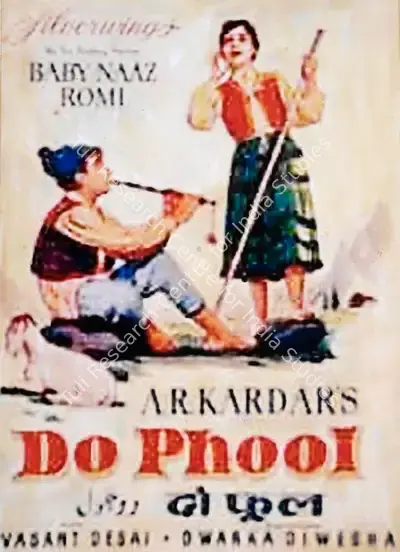
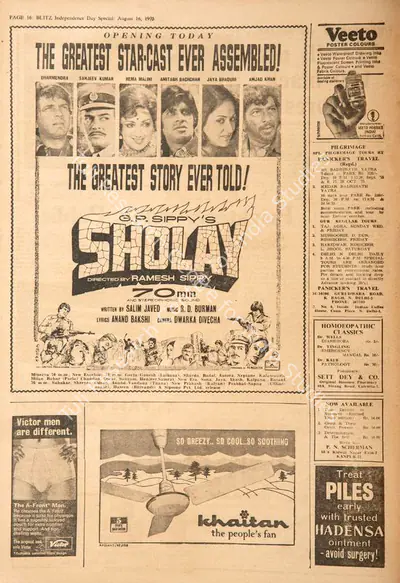
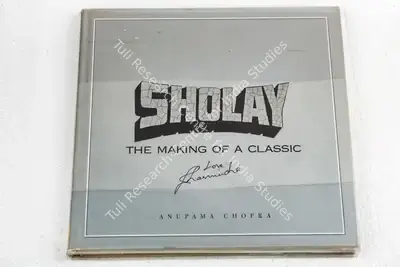
Dwarka Divecha (1918-1978) was a well-known cinematographer who worked on over 30 Hindi films. Although he was known for his collaborations with filmmakers such as A.R. Kardar, Lekh Tandon and L.V. Prasad, the key milestone in his career was Sholay (1975), a groundbreaking and one of the most influential films of Indian cinema.
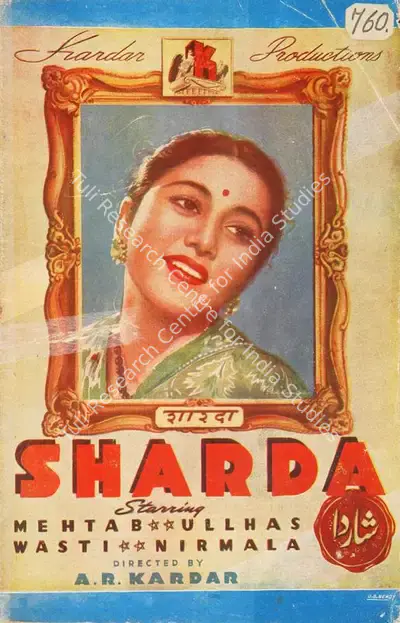
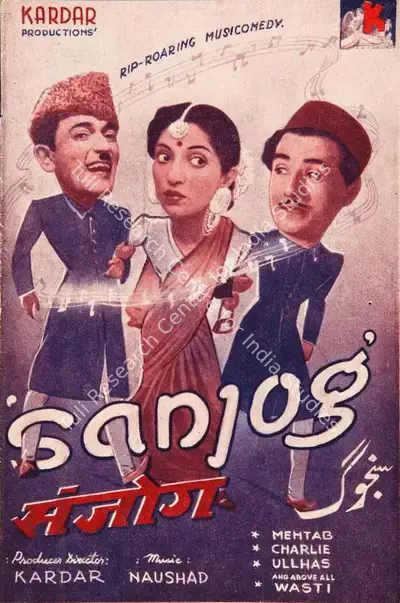
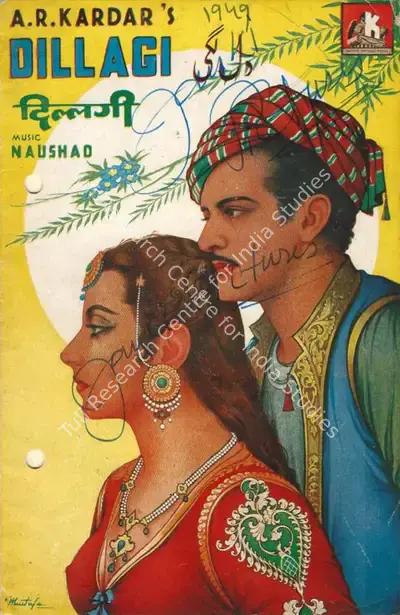
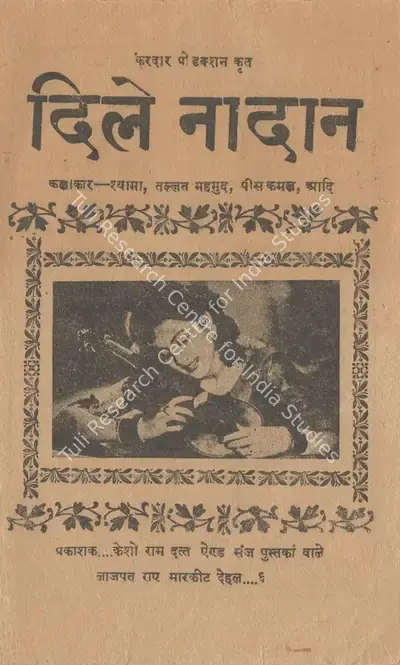
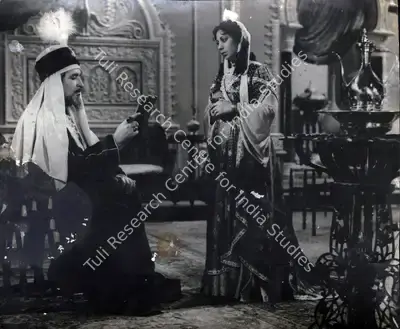
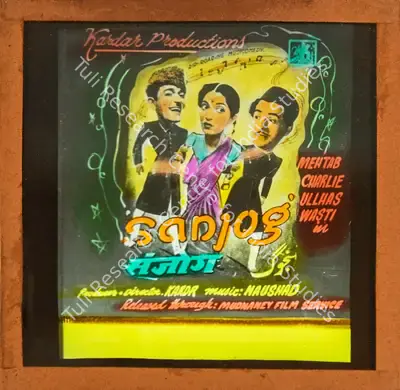
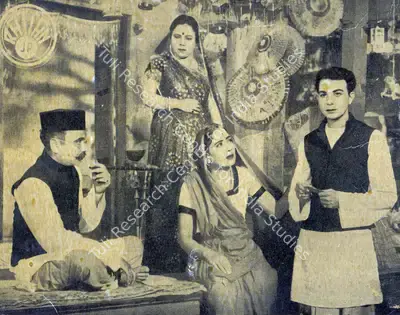
He started his career collaborating with A.R. Kardar on films such as Sanjog (1943), Sharada (1949), Dillagi (1949), Dil-E-Nadaan (1953) and Yasmin (1955). For Yasmin, a period drama, Divecha won the Filmfare award for Best Cinematography (black and white category) for his vibrant compositions and lighting which showcased the lavish period set.
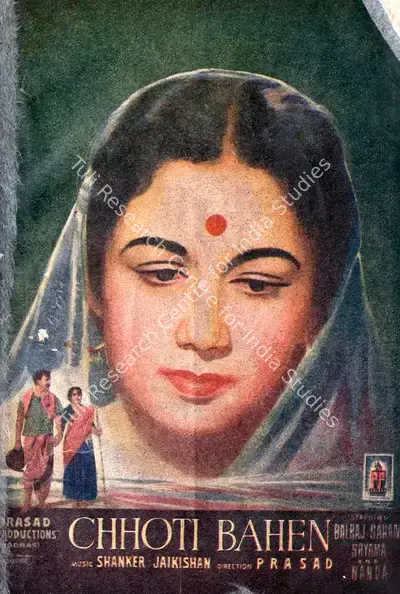
In the 1960s, he collaborated with L.V. Prasad on films such as Sasural (1961), Daadi Maa (1966), Jeene Ki Raah (1969), and Khilona (1970). During the same period, he also collaborated with Lekh Tandon on films such as Professor (1962), Amrapali (1966), Jhuk Gaya Aasman (1968), and Prince (1969). For Amrapali, a historical drama starring Vyjayanthimala, Divecha experimented with special lighting techniques such as using three distinct sets of lights to highlight the graceful movements in the dance sequences.
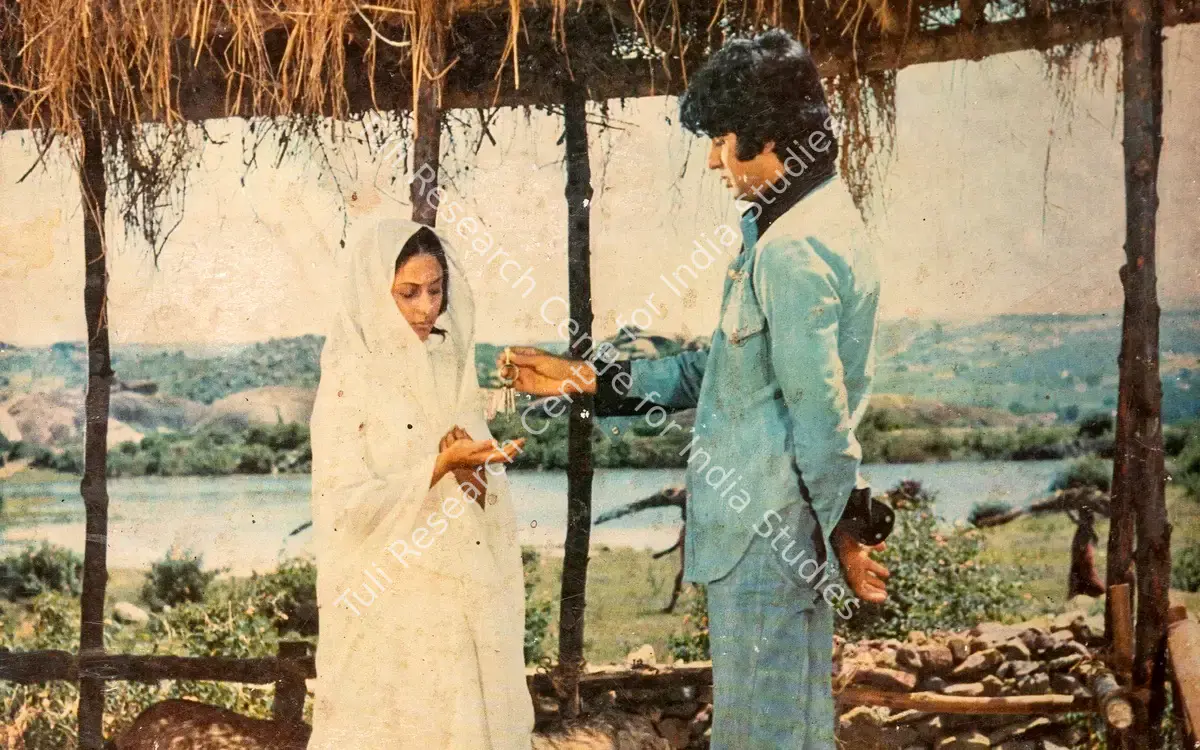
In the 1970s, he began working on large-scale productions with high-profile filmmakers like Shammi Kapoor, on his directorial debut Manoranjan (1974) and Ramesh Sippy's landmark film, Sholay (1975). Moving away from his prior experience with shooting in studio sets, Sholay with its extensive location filming in rugged landscaped allowed Divecha to experiment with innovative techniques. He juxtaposed long shots of the unforgiving terrain with tight close-ups of the characters to heighten the terror of the bandit encounters and used dynamic tracking shots for the action sequences.
His work on Sholay's iconic visuals influenced and inspired a generation of cinematographers, establishing a benchmark of epic scale cinematography in Indian cinema.
Dwarka Divecha passed away in January 1978, shortly after finishing Trishna (1978).
Filmography 29
Research Centre
Related
25
Films
21
Personalities
3