


Introduction
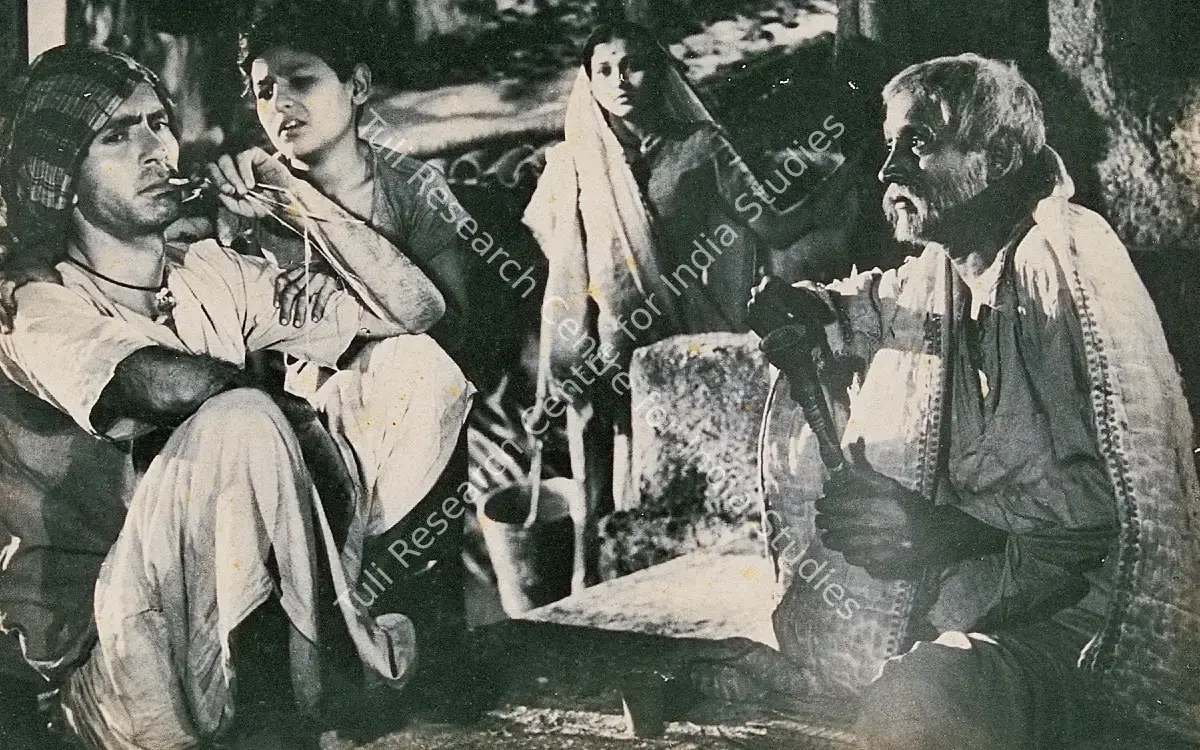
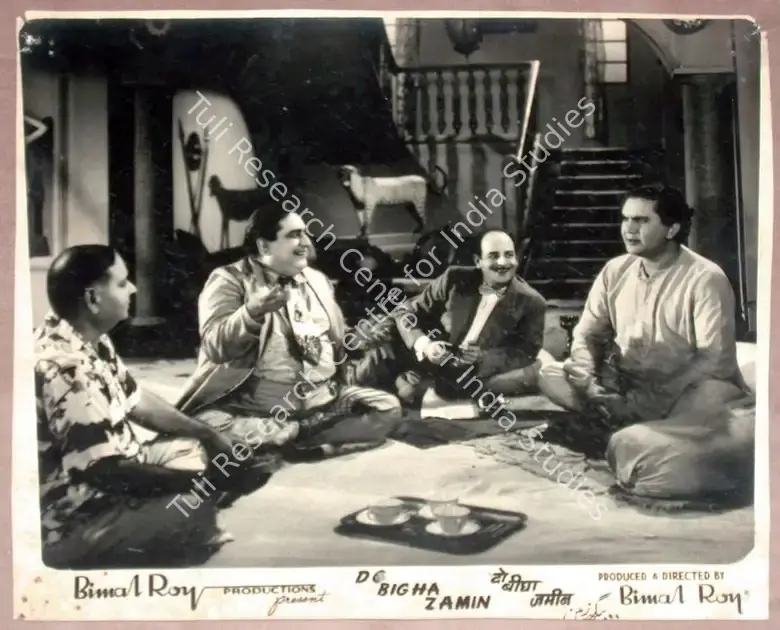
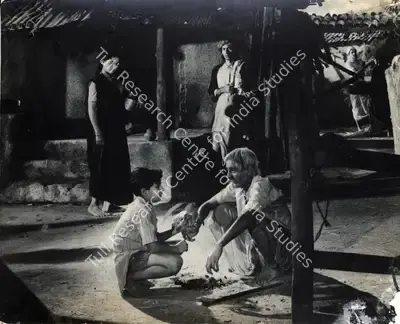
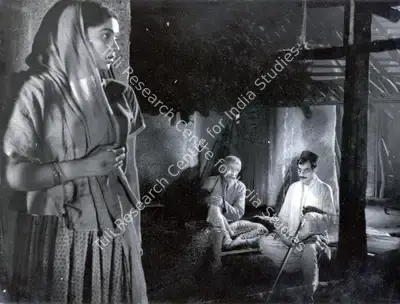
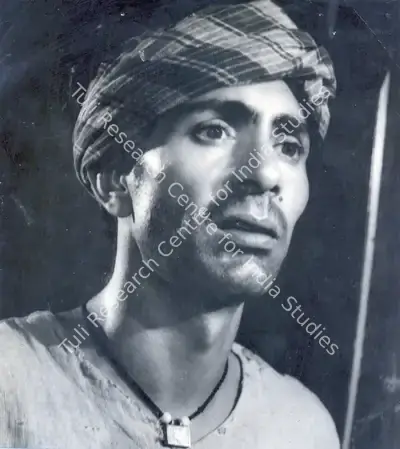
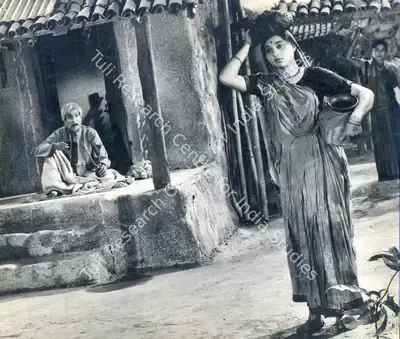
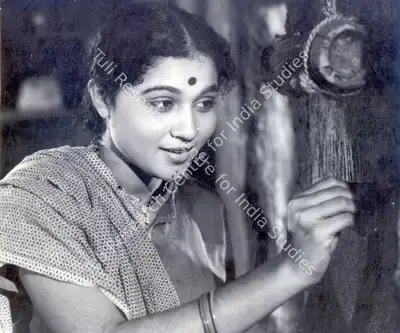
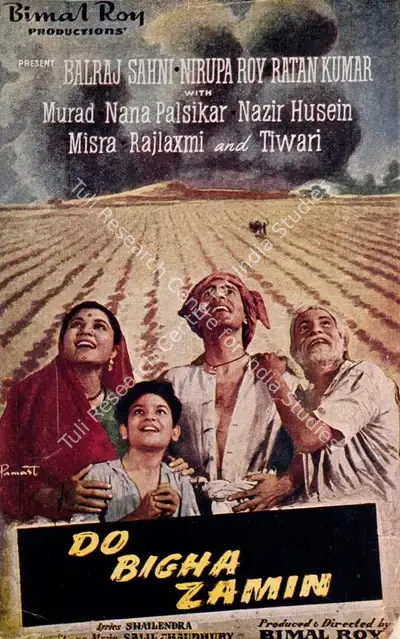
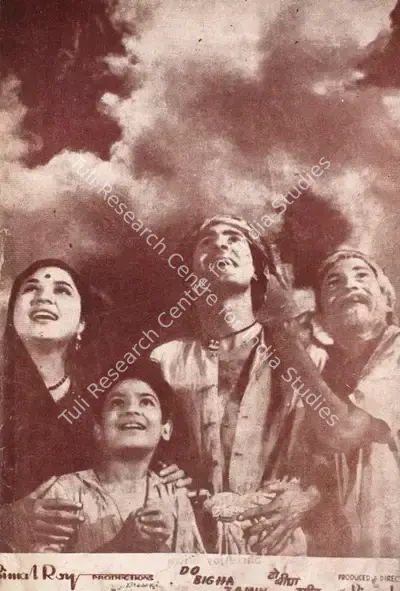
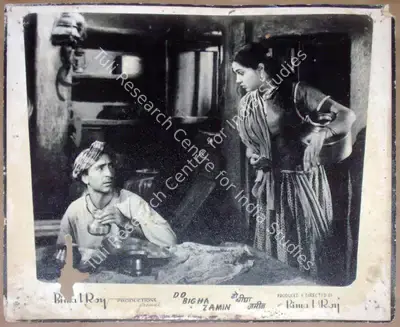
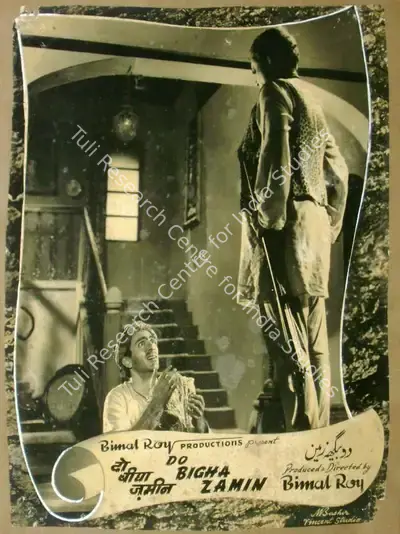
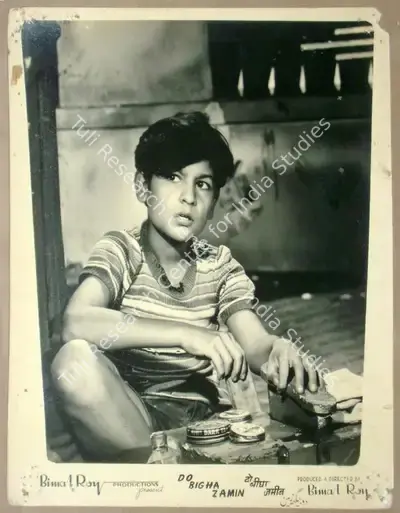
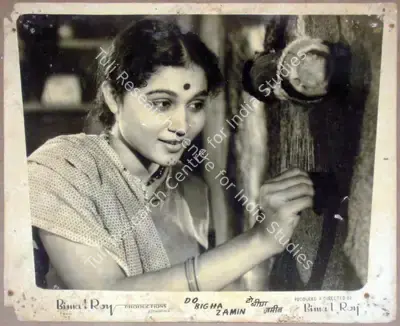
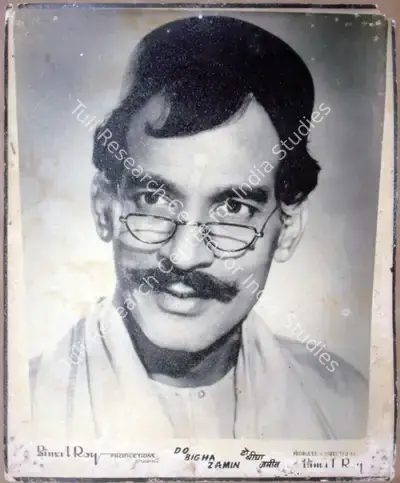
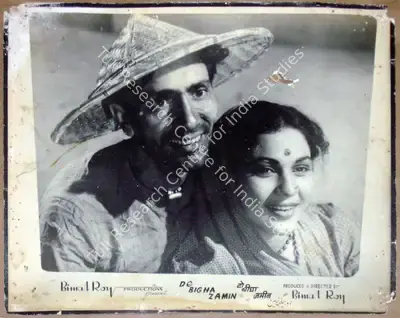
Do Bigha Zamin (1953), directed by Bimal Roy, is a poignant film that drew inspiration from Rabindranath Tagore's Bengali poem "Dui Bigha Jomi" and Salil Chowdhury's short story Rickshawalla. While the narrative primarily revolves around Chowdhury's story, it is also deeply influenced by Tagore's themes. The film stars Balraj Sahni and Nirupa Roy in pivotal roles and is regarded as a classic in Indian cinema, primarily known for its socialist themes. It stands as a cornerstone in the early days of Indian parallel cinema, establishing a trend that would shape the Indian New Wave of the 1950s and beyond.
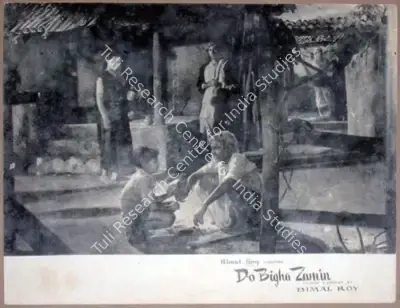
Influenced by Italian neorealism, particularly by Vittorio De Sica's Bicycle Thieves (1948), Roy created Do Bigha Zamin as a blend of art and commercial cinema. The film not only captured the hardships of the working class but also explored the intersection of personal struggle and social injustice. This approach has made the film a benchmark in Indian cinema, inspiring future filmmakers in the Indian neo-realist movement. The film explored rural India's ugly realities. In an effort to earn enough to settle his debts and save his land, a struggling farmer becomes a rickshaw puller in Calcutta, only to confront numerous hardships along the way.
While the film achieved moderate commercial success, it garnered immense critical acclaim. It won the All India Certificate of Merit for Best Feature Film and became the first Indian movie to win the Filmfare Award for Best Film. Additionally, it secured the International Prize at the Cannes Film Festival, following Neecha Nagar (1946). The film also earned the Social Progress Award at the Karlovy Vary International Film Festival and was later ranked among the Top 25 Must-See Bollywood Films by Indiatimes Movies in 2005. Released in China and the USSR, the film's international recognition further cemented its global impact.
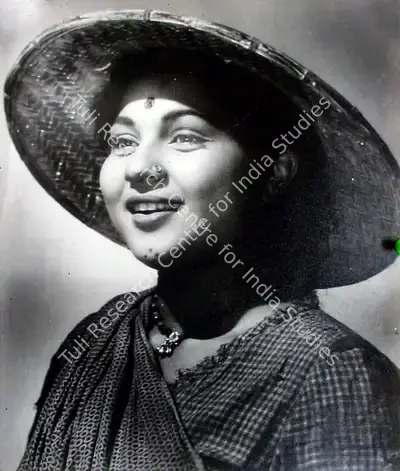
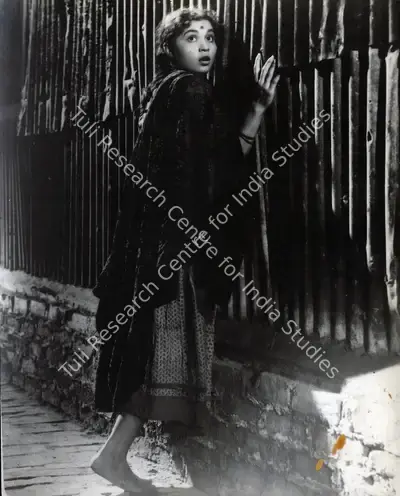
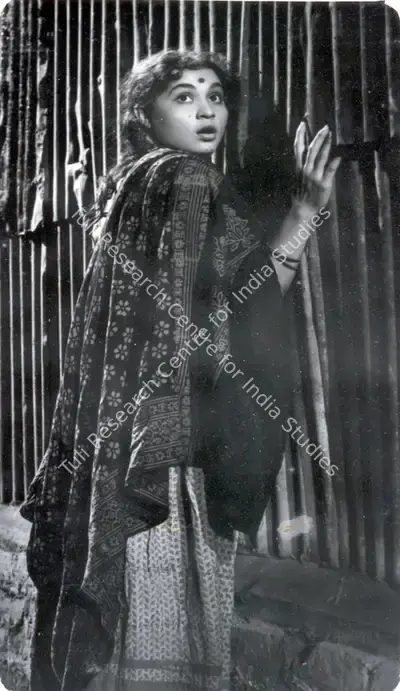
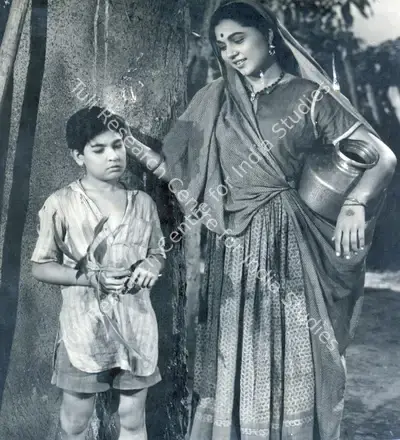
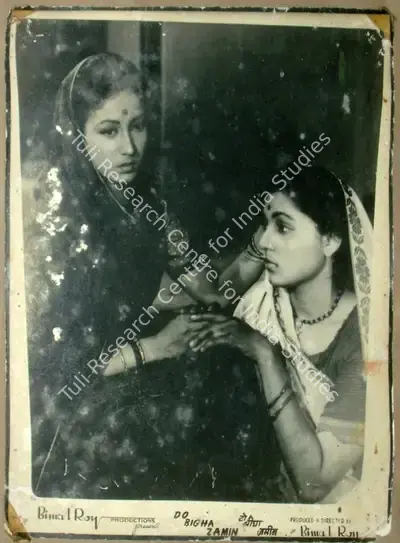
The film's music, composed by Salil Chowdhury with lyrics by Shailendra, includes memorable tracks like "Hariyala Sawan Dhol Bajata Aaya" and "Dharti Kahe Pukar Ke", sung by Lata Mangeshkar and Manna Dey. The lullaby "Aa Jaa Ri Aa", also sung by Lata, features Meena Kumari in a brief guest appearance—her first in her illustrious career. Although the lead role was already taken by Nirupa Roy, Meena Kumari cherished her involvement in the film, making her contribution even more special.
बिमल रॉय की फ़िल्म इटालियन नव-यथार्थवादी सिनेमा से, उसमें भी ख़ास तौर पर निर्देशक विट्टोरियो डी सिका की फ़िल्म बाइसिकल थीव्स (1948) से गहरे प्रभावित थी। कह सकते हैं कि बिमल रॉय ने इसे कलात्मक और व्यावसायिक सिनेमा के संगमस्थल पर खड़े होकर बनाया। दो बीघा ज़मीन न सिर्फ़ किसान और मज़दूर वर्ग की कठिनाइयों को उजागर करती है, यह एक इंसान के व्यक्तिगत संघर्ष के भीतर समाज के स्तर पर होने वाले अन्याय को भी दिखाती है। भविष्य में इस फ़िल्म को भारतीय सिनेमा में यथार्थवाद के चित्रण की एक कसौटी की तरह देखा जाने लगा और इसने भारत में नव-यथार्थवादी शैली का सिनेमा बनानेवाली भावी पीढ़ियों को प्रेरित किया। यह फ़िल्म ग्रामीण भारतीय जीवन की कटु सच्चाइयों को सामने लाती है जहाँ कर्ज़ के बोझ तले दबा एक गरीब किसान अपनी ज़मीन को बचाने के लिए कलकत्ता शहर आकर हाथ-रिक्शा खींचता है, लेकिन तब भी अपनी मुश्किलातों से पार नहीं पाता।
हालाँकि फिल्म ने मध्यम व्यावसायिक सफलता अर्जित की, लेकिन इसे ज़बरदस्त आलोचनात्मक तारीफ़ें मिलीं। इसने 'ऑल इंडिया सर्टिफ़िकेट ऑफ़ मेरिट फॉर बेस्ट फ़ीचर फ़िल्म' जीता और यह सर्वश्रेष्ठ फ़िल्म का फ़िल्मफेयर पुरस्कार जीतने वाली पहली भारतीय फ़िल्म बनी। इसके अलावा इसने प्रतिष्ठित कान फ़िल्म फ़ेस्टिवल में 'इंटरनेशनल प्राइज़' जीता जो इससे पहले नीचा नगर (1946) को ही हासिल हुआ था। इस फ़िल्म को कार्लोवी वेरी अन्तरराष्ट्रीय फ़िल्म फ़ेस्टिवल में 'सोशल प्रोग्रेस पुरस्कार' से भी नवाज़ा गया। वर्ष 2005 में इंडियाटाइम्स मूवीज़ ने इसे 'टॉप 25 मस्ट सी बॉलीवुड फ़िल्म्स' की सूची में स्थान दिया। चीन और सोवियत संघ में रिलीज़ होने पर मिली लोकप्रियता ने इस फ़िल्म को अंतरराष्ट्रीय स्तर पर बड़ी पहचान दिलाई और इसका वैश्विक प्रभाव और मज़बूत हुआ।
फ़िल्म में सलिल चौधरी ने संगीत दिया था और इसके लिए गीत शैलेंद्र ने लिखे थे। इस फ़िल्म के यादगार गीतों में लता मंगेशकर और मन्ना डे के गाए "हरियाला सावन ढोल बजाता आया" और "धरती कहे पुकार के" जैसे गीत शामिल हैं। शैलेंद्र के लिखे गीतों में समाजवादी रुझान दिखता है और अपनी ज़मीन छोड़कर विस्थापित होनेवालों का दर्द उभरकर आता है। लता मंगेशकर का गाया लोरी की शक्ल में रचा गया "आजा री आ, निंदिया तू आ" गीत भी भुलाया नहीं जा सकता। इसी गीत में मीना कुमारी ने एक छोटी-सी अतिथि भूमिका निभाई थी। उनके शानदार फ़िल्मी सफ़रनामे में आई पहली मेहमान भूमिका। हालाँकि इस फ़िल्म में मुख्य भूमिका पहले ही निरूपा रॉय को जा चुकी थी, पर यह जानकर भी मीना कुमारी ने इस फ़िल्म से जुड़ने की इच्छा जताई और इसके चलते उनकी मेहमान भूमिका और भी विशेष बन जाती है।
Body of Work
Research Centre

Related
11
Personalities
11