
Salil Chowdhury
Salil Chowdhury (19 November 1922 – 5 September 1995) He occupies a singular position in the history of Indian film and cultural production as a composer, songwriter, lyricist, writer, and poet whose work traversed linguistic, regional, and aesthetic boundaries. Composing for cinema in as many as thirteen languages—including over seventy-five Hindi films, forty-one Bengali films, and twenty-seven Malayalam films—his oeuvre reflects both remarkable versatility and a deeply rooted artistic vision. Equally adept as a composer and arranger, he demonstrated proficiency across multiple instruments such as the flute, piano, and esraj, while his Bengali poetry earned independent recognition for its lyrical force and ideological resonance.
Born in Ghazipur village in South 24 Parganas, Bengal, Chowdhury spent his formative years in the tea garden regions of Assam, where his father, Dr Gyanendra Chowdhury, served as a medical officer. These early surroundings proved decisive. Exposure to Western orchestral music through an Irish doctor's gramophone, alongside the performative traditions his father cultivated among plantation workers, fostered in him an early sensitivity to both global and vernacular musical idioms. His education at Bangabasi College under the University of Calcutta further shaped his intellectual and political consciousness during a period marked by the upheavals of the Second World War and the Bengal Famine of 1943.
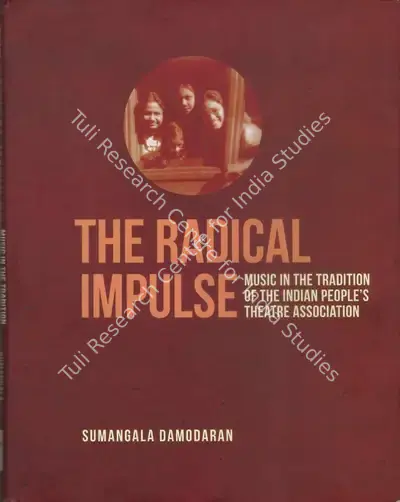
These historical crises left an indelible imprint on Chowdhury. Witnessing mass suffering, displacement, and hunger, he gravitated towards leftist politics, becoming actively associated with the Indian People's Theatre Association and the Communist Party of India. His early compositions, including Bicharpati, Runner, and Abak prithibi, emerged from this milieu, articulating the anxieties and aspirations of a society in turmoil. His involvement in peasant movements and subsequent periods of political persecution, during which he lived in hiding in the Sunderbans, further deepened the ideological grounding of his artistic practice.
Chowdhury's entry into cinema began with the Bengali film Paribortan in 1949, marking the start of a prolific career that would extend across decades, culminating in works such as Mahabharati in 1994. Parallelly, songs like Gnaayer bodhu, composed when he was barely twenty, heralded a new sensibility in Bengali music—melding folk lyricism with orchestral sophistication. His compositions were rendered by some of the most celebrated voices of the era, including Hemanta Mukherjee, Manna Dey, and Kishore Kumar, attesting to his wide acceptance and influence.
At the heart of Chowdhury's musical philosophy lay a distinctive synthesis of Eastern and Western traditions. His compositions reveal an intricate blending of Indian melodic frameworks with Western harmonic structures, producing a soundscape that was at once cosmopolitan and rooted. He envisioned a form that would transcend borders—music that was emphatic, refined, and yet unpredictable. This aspiration endowed his work with structural elegance and a striking modernity.
A restless and exploratory creative force, Chowdhury continually expanded his artistic vocabulary, engaging with diverse forms, genres, and thematic concerns. This multiplicity enriched his compositions, though it occasionally introduced moments of aesthetic tension where competing influences seemed less reconciled. Yet such tensions were intrinsic to the ambition of his project, underscoring the complexities of forging a truly universal idiom.
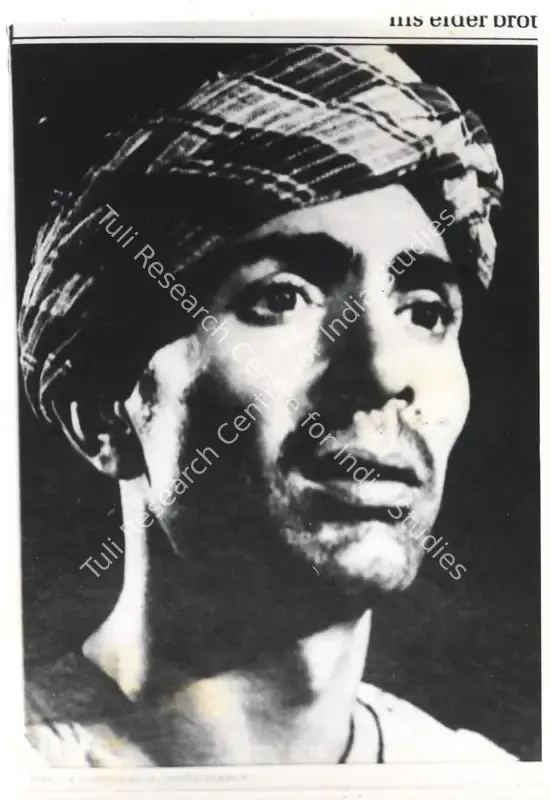
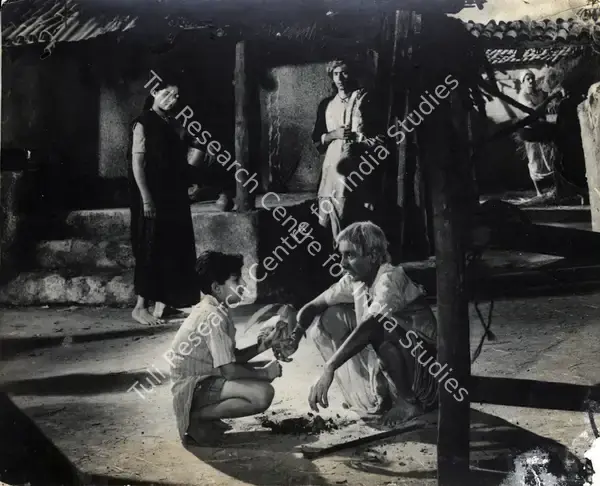
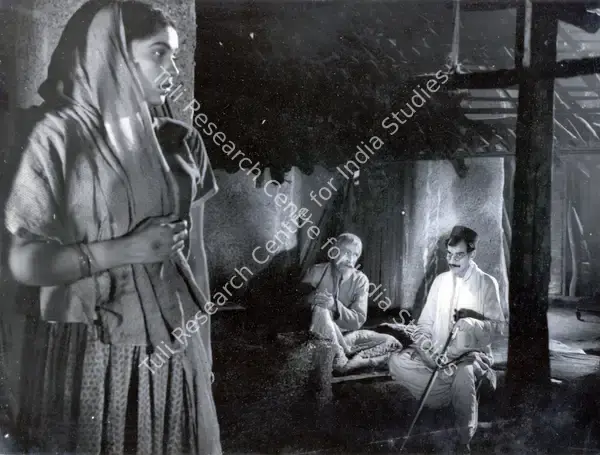
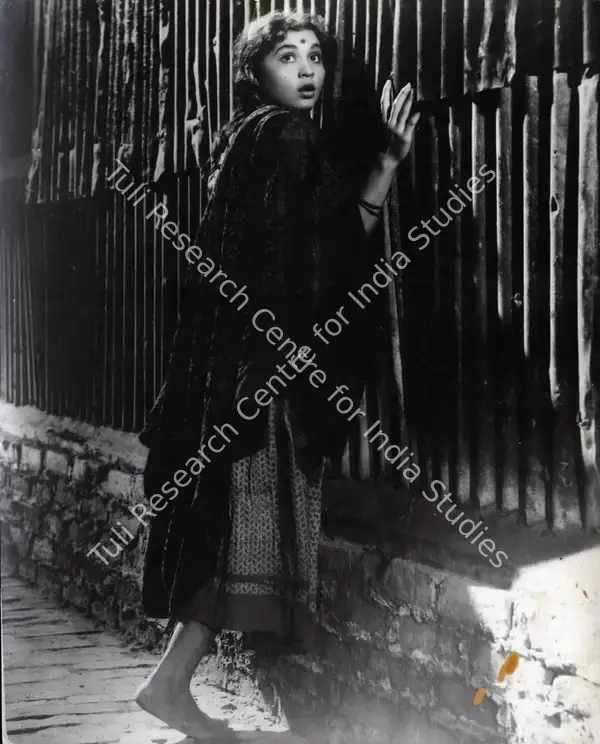
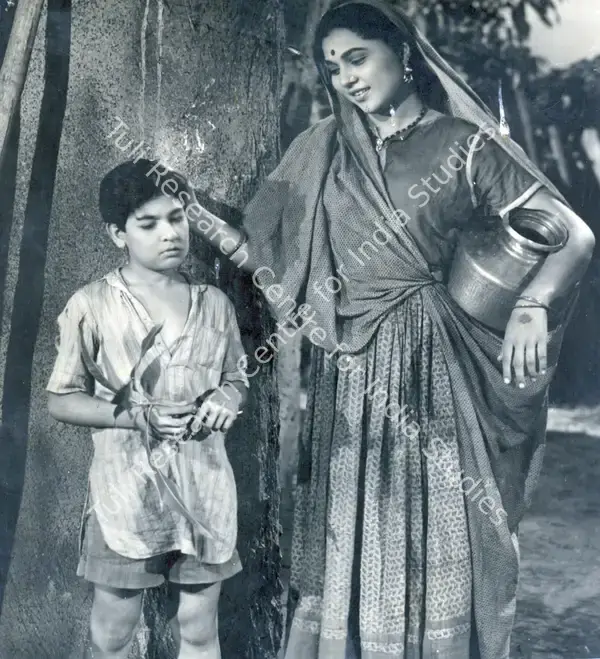
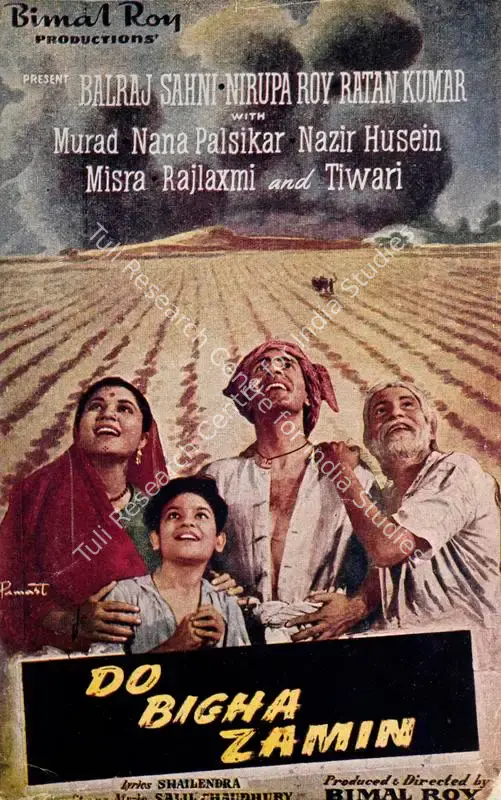
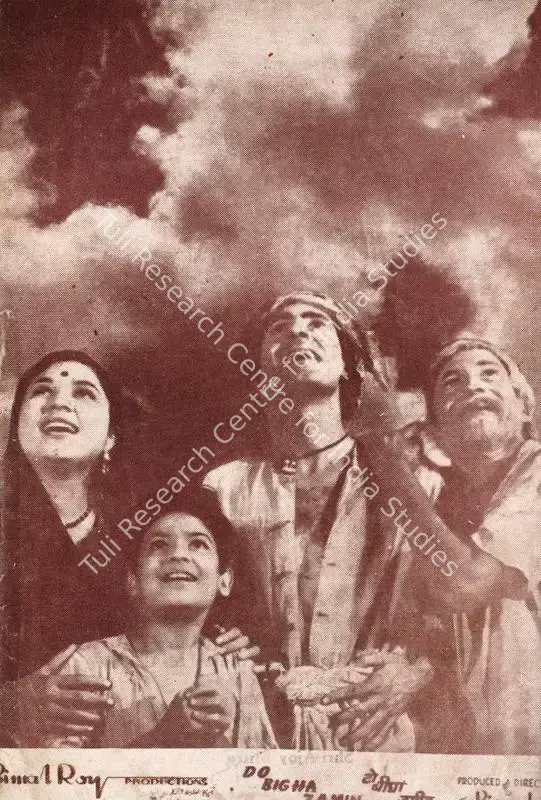
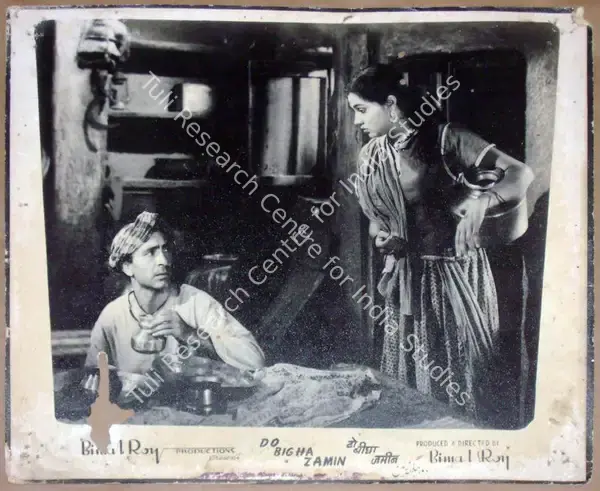
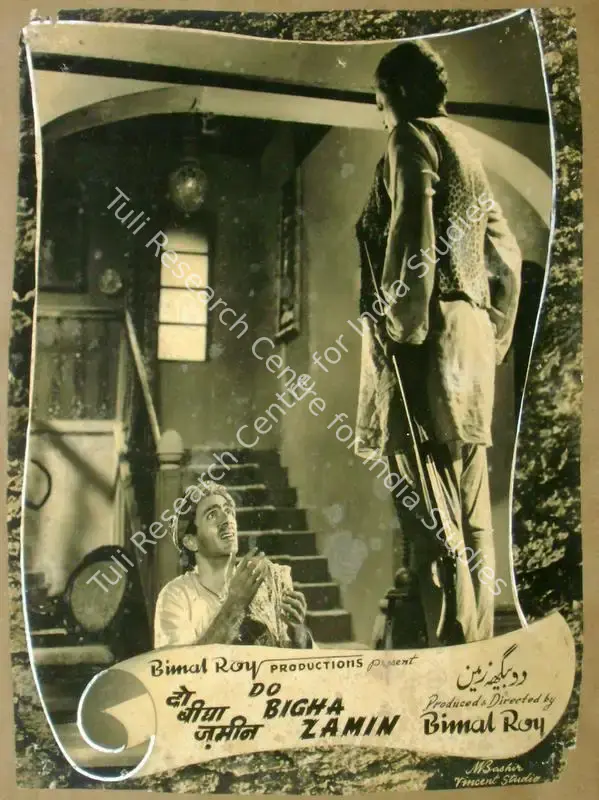
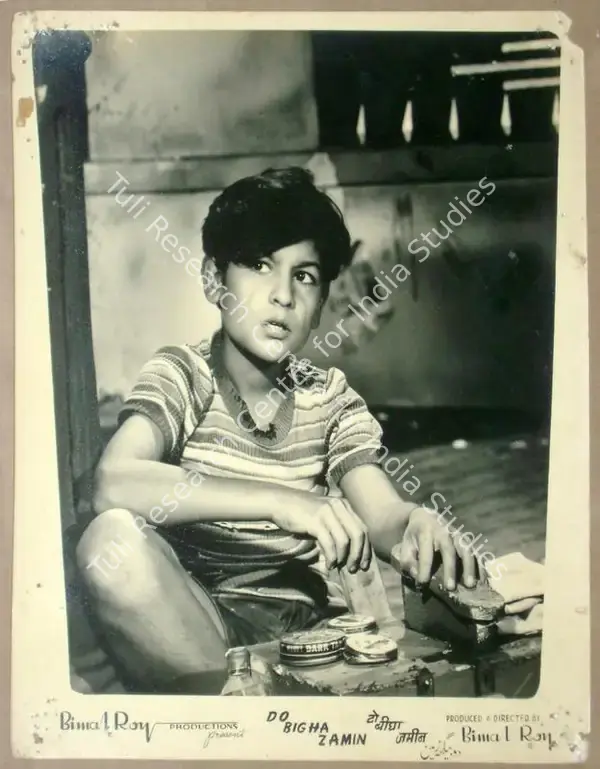
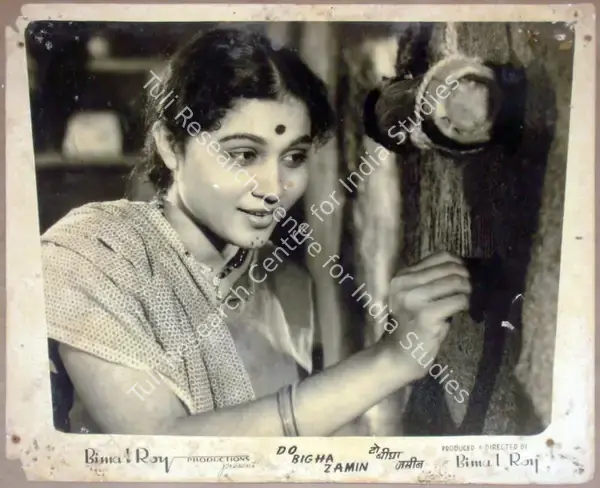
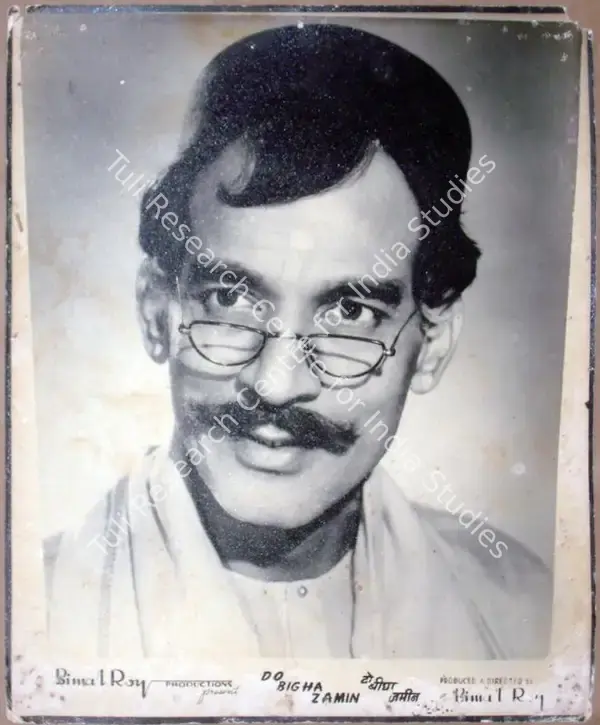
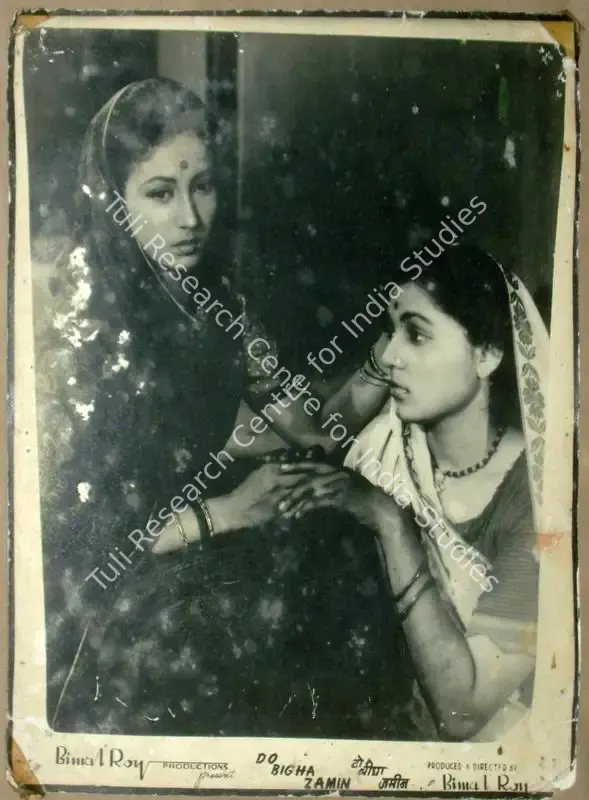
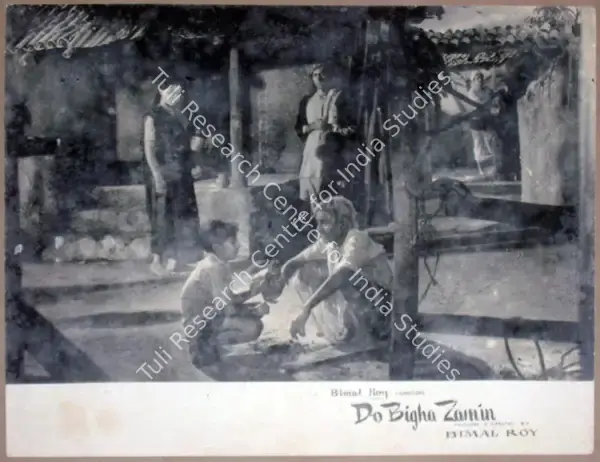
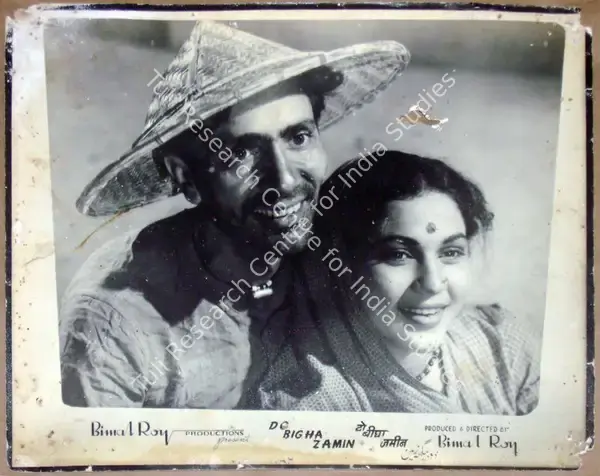
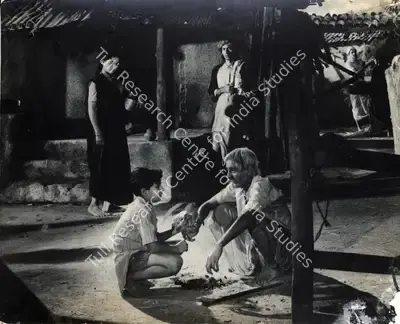
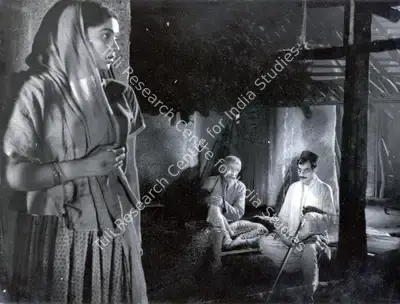
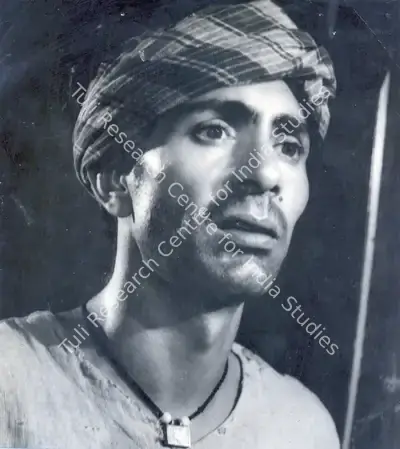
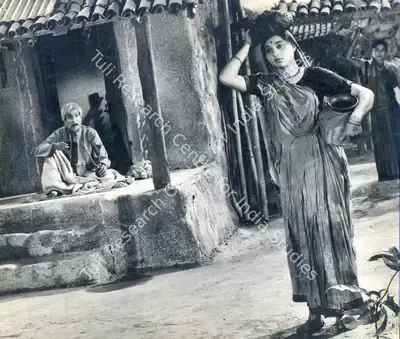
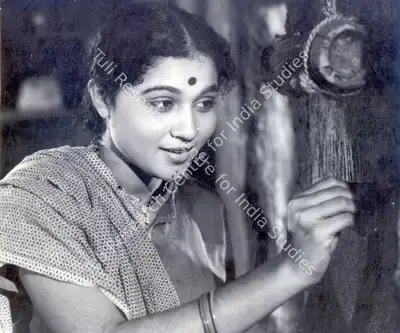
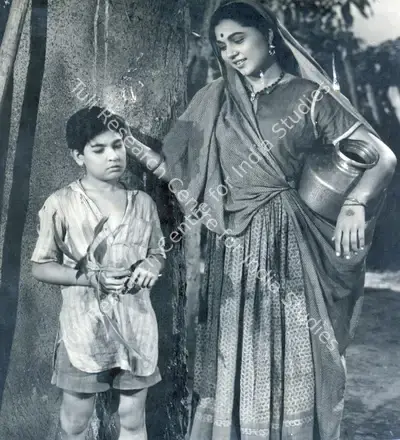
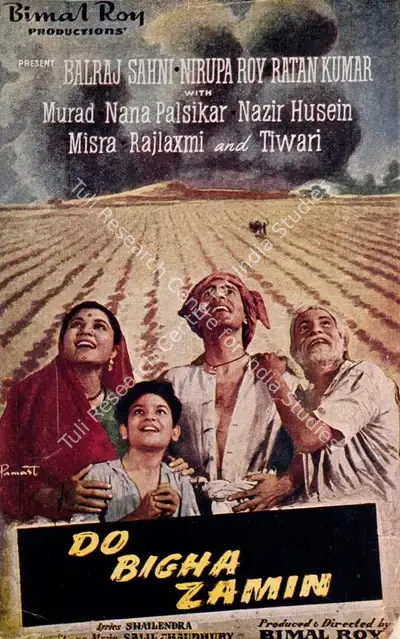
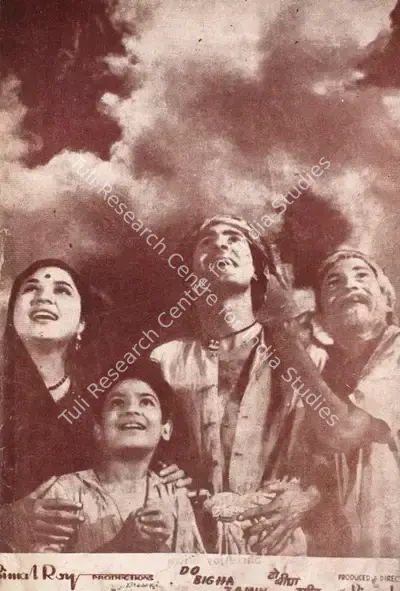
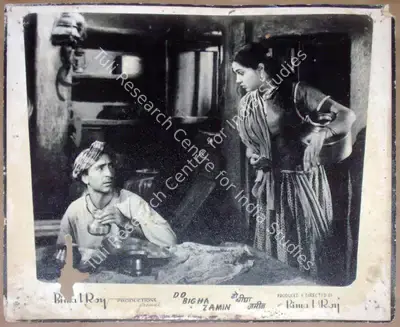
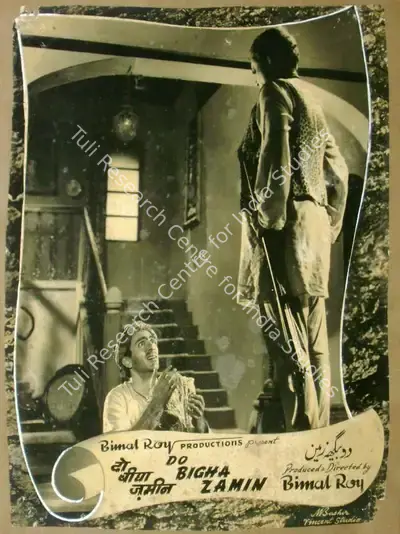
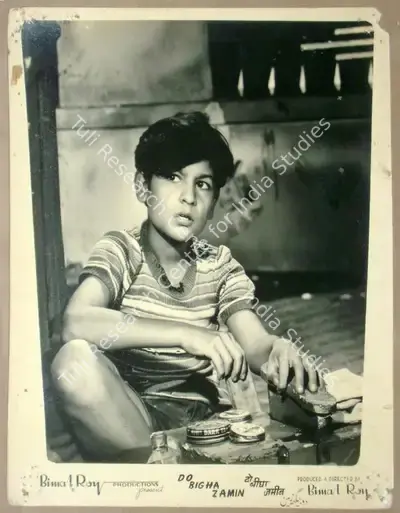
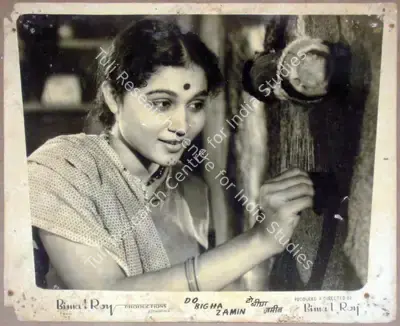
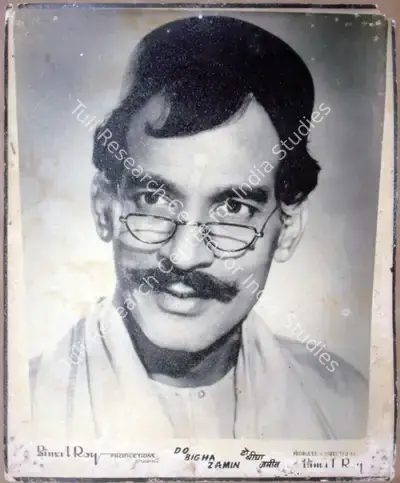
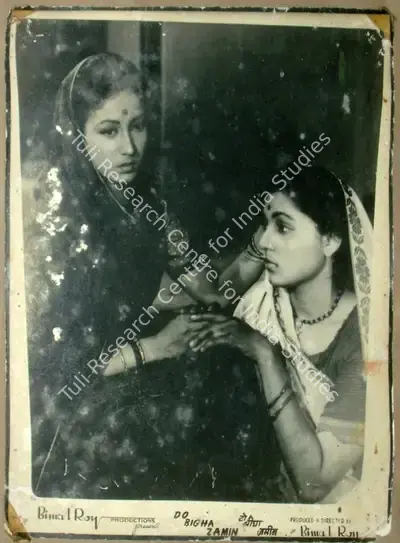
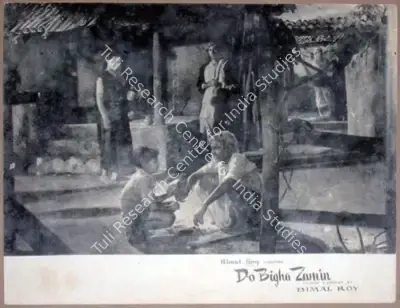
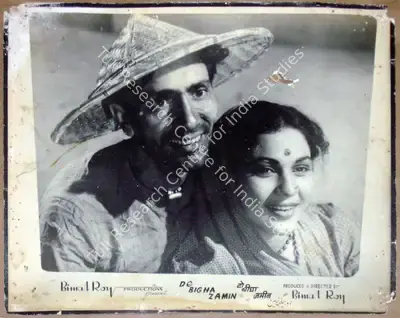
His contributions were widely recognised. The success of Do Bigha Zamin in 1953, which garnered international acclaim including honours at the Cannes Film Festival, marked a defining moment. He later received the Filmfare Award for Best Music Director for Madhumati in 1958, alongside numerous other accolades such as the Sangeet Natak Akademi Award and the Maharashtra Gaurav Puraskar. His work for the Malayalam film Chemmeen in 1965 earned the President's Gold Medal, further affirming his pan-Indian impact.
Affectionately known as Salilda, Chowdhury also played a formative role as a mentor to composers such as R. D. Burman and Hridaynath Mangeshkar. His legacy endures not merely in the breadth of his output, but in the enduring vitality of a musical imagination that sought, above all, to dissolve boundaries—between genres, cultures, and histories.
Born in Ghazipur village in South 24 Parganas, Bengal, Chowdhury spent his formative years in the tea garden regions of Assam, where his father, Dr Gyanendra Chowdhury, served as a medical officer. These early surroundings proved decisive. Exposure to Western orchestral music through an Irish doctor's gramophone, alongside the performative traditions his father cultivated among plantation workers, fostered in him an early sensitivity to both global and vernacular musical idioms. His education at Bangabasi College under the University of Calcutta further shaped his intellectual and political consciousness during a period marked by the upheavals of the Second World War and the Bengal Famine of 1943.
These historical crises left an indelible imprint on Chowdhury. Witnessing mass suffering, displacement, and hunger, he gravitated towards leftist politics, becoming actively associated with the Indian People's Theatre Association and the Communist Party of India. His early compositions, including Bicharpati, Runner, and Abak prithibi, emerged from this milieu, articulating the anxieties and aspirations of a society in turmoil. His involvement in peasant movements and subsequent periods of political persecution, during which he lived in hiding in the Sunderbans, further deepened the ideological grounding of his artistic practice.
Chowdhury's entry into cinema began with the Bengali film Paribortan in 1949, marking the start of a prolific career that would extend across decades, culminating in works such as Mahabharati in 1994. Parallelly, songs like Gnaayer bodhu, composed when he was barely twenty, heralded a new sensibility in Bengali music—melding folk lyricism with orchestral sophistication. His compositions were rendered by some of the most celebrated voices of the era, including Hemanta Mukherjee, Manna Dey, and Kishore Kumar, attesting to his wide acceptance and influence.
At the heart of Chowdhury's musical philosophy lay a distinctive synthesis of Eastern and Western traditions. His compositions reveal an intricate blending of Indian melodic frameworks with Western harmonic structures, producing a soundscape that was at once cosmopolitan and rooted. He envisioned a form that would transcend borders—music that was emphatic, refined, and yet unpredictable. This aspiration endowed his work with structural elegance and a striking modernity.
A restless and exploratory creative force, Chowdhury continually expanded his artistic vocabulary, engaging with diverse forms, genres, and thematic concerns. This multiplicity enriched his compositions, though it occasionally introduced moments of aesthetic tension where competing influences seemed less reconciled. Yet such tensions were intrinsic to the ambition of his project, underscoring the complexities of forging a truly universal idiom.
His contributions were widely recognised. The success of Do Bigha Zamin in 1953, which garnered international acclaim including honours at the Cannes Film Festival, marked a defining moment. He later received the Filmfare Award for Best Music Director for Madhumati in 1958, alongside numerous other accolades such as the Sangeet Natak Akademi Award and the Maharashtra Gaurav Puraskar. His work for the Malayalam film Chemmeen in 1965 earned the President's Gold Medal, further affirming his pan-Indian impact.
Affectionately known as Salilda, Chowdhury also played a formative role as a mentor to composers such as R. D. Burman and Hridaynath Mangeshkar. His legacy endures not merely in the breadth of his output, but in the enduring vitality of a musical imagination that sought, above all, to dissolve boundaries—between genres, cultures, and histories.
The whole holding

Research Centre

20 of 260

20 of 257