

Introduction
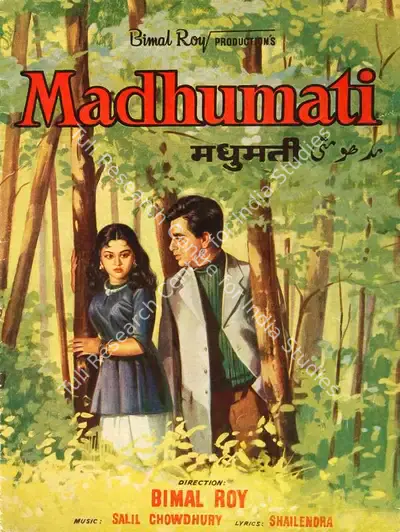
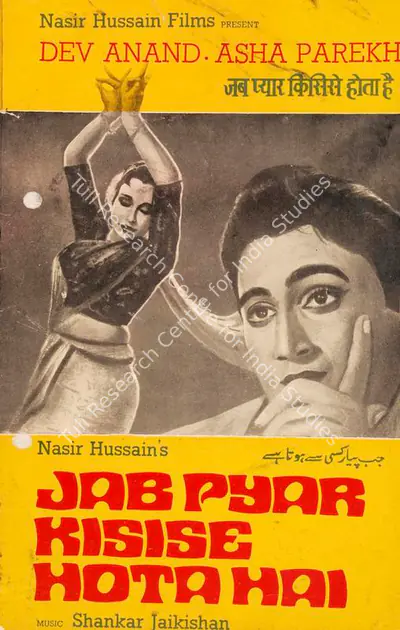
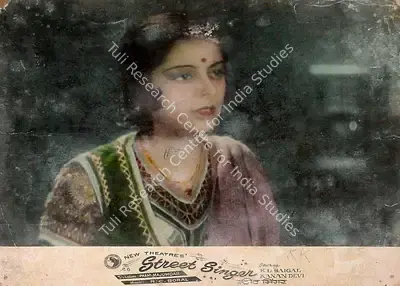
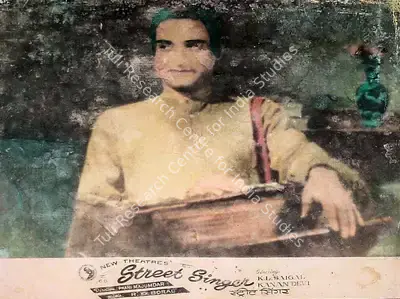
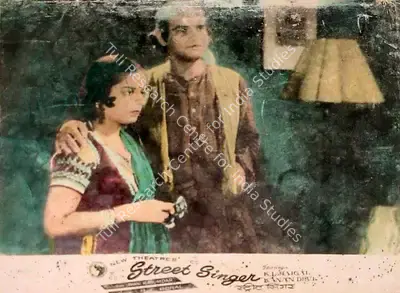
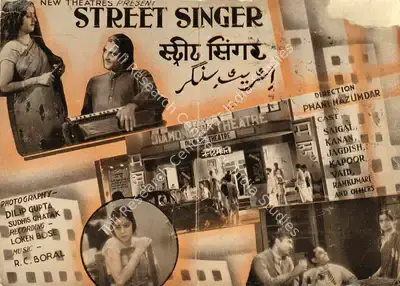
Dilip Gupta (1911-1999) was an influential cinematographer whose career spanned three decades from the 1930s to the 1960s. Some of his acclaimed work includes Phani Majumdar's Street Singer/Saathi (1938), Bimal Roy's Madhumati (1958) and the documentary, Gotama, The Buddha (1957), and Jab Pyar Kisise Hota Hai (1961).
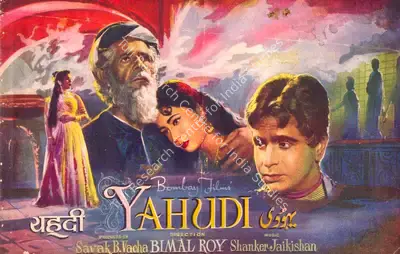
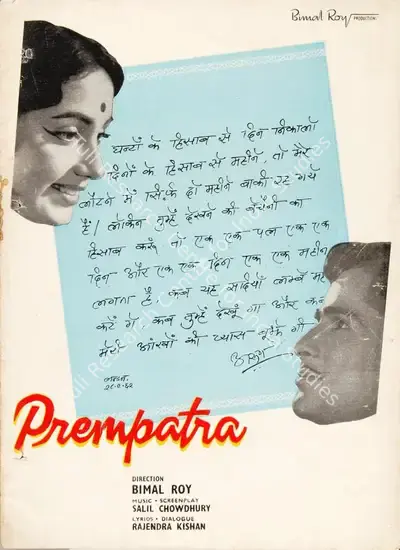
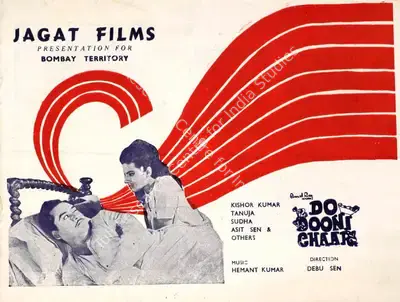
Besides Madhumati and Gotama, The Budhha, he also collaborated with Bimal Roy on Biraj Bahu (1954), Yahudi (1958), Prem Patra (1962), Do Dooni Chaar (1962).
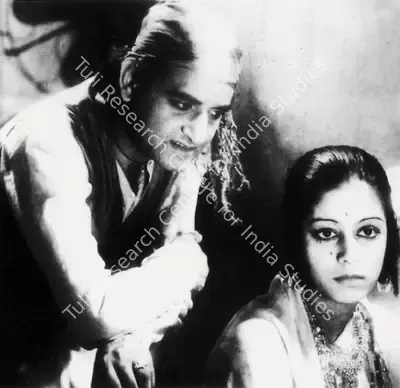
He started as an actor for New Theatres, Calcutta and later switched to assisting leading cinematographers of the time such as Yusuf Mulji and Nitin Bose. He took a break to train at the New York Institute of Photography and worked briefly at Paramount Studios while learning animation techniques at Walt Disney Studios. On his return to India in 1935, he rejoined New Theatres.
His biggest career milestone was his work on Bimal Roy's classic Madhumati, for which he won the Filmfare Award for Best Cinematography. Drawing inspiration from Hollywood film-noir and German Expressionist cinema, Gupta crafted a gothic-noir aesthetic for the film with dynamic camera angles and framing, realistic lighting. Students of cinematography often consider it to be a lesson in ideal black & white cinematography.
His work was much appreciated for Gotama- The Buddha, one of the few documentaries Bimal Roy produced for Films Division while Rajbans Khanna directed it. It was a strikingly unusual documentary where he employed innovative lighting techniques and framings to narrate the life of Gautam Buddha through inanimate objects like murals, sculptures, archaeological sites and artwork. For his work on the film, he received the President's Award.
His legacy in black & white cinematography influenced generations of cinematographers after him. Tapas Sen, Radhu Karmakar, Taru Dutt, Aloke Dasgupta, Apurba Bhattacharya and V Prabhakar were among those he mentored.
Filmography 12


Research Centre

Related
15
Films
12