TRIS logo image
From the archive

Introduction

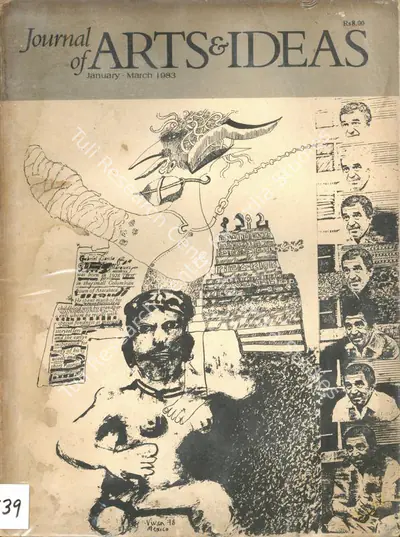
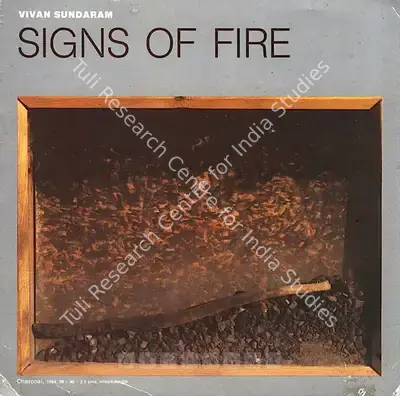
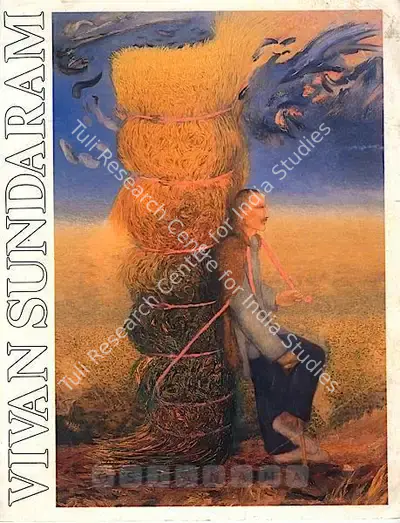
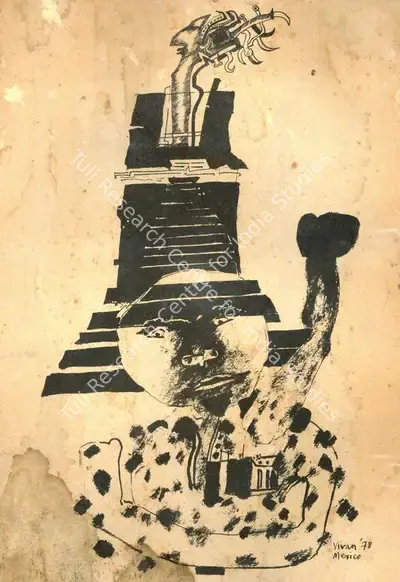
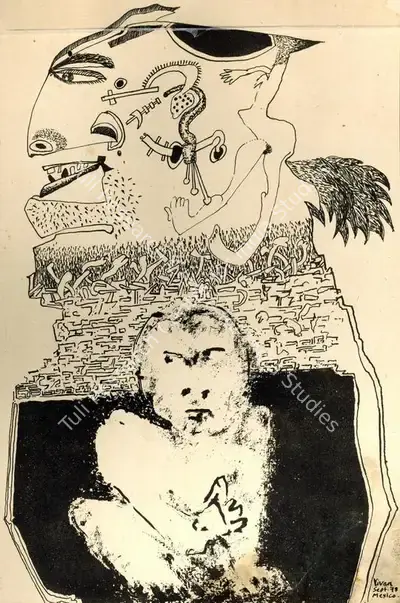
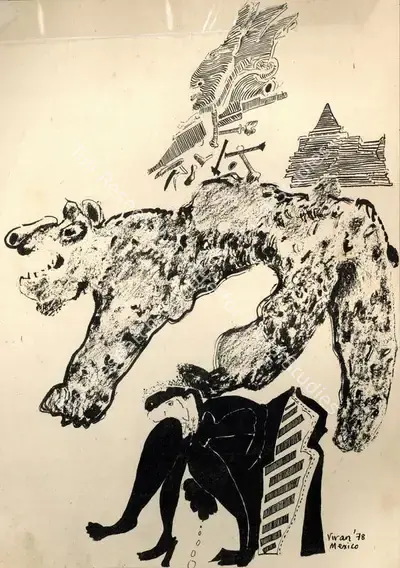
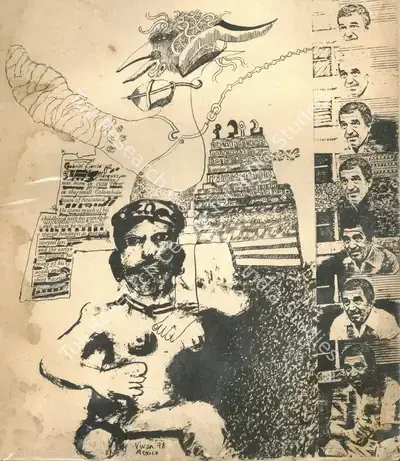
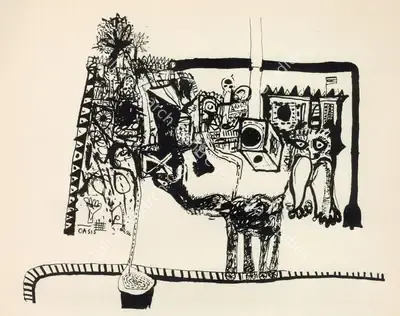
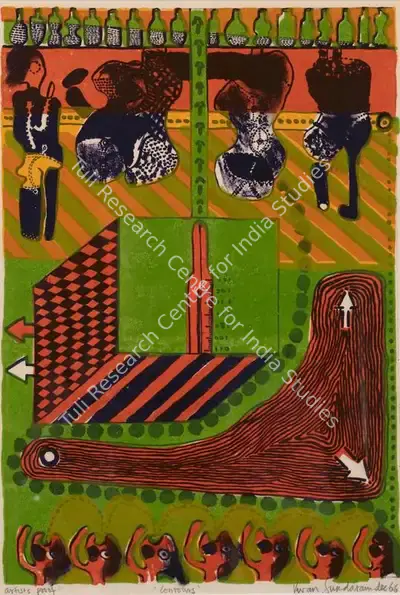
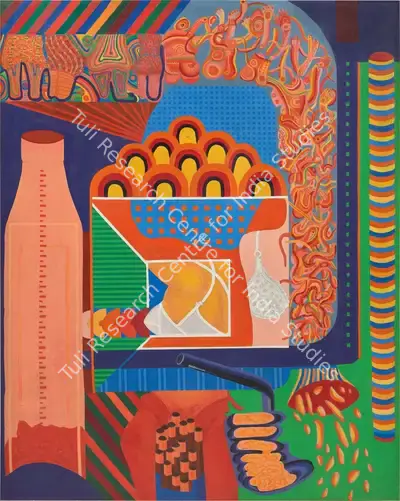
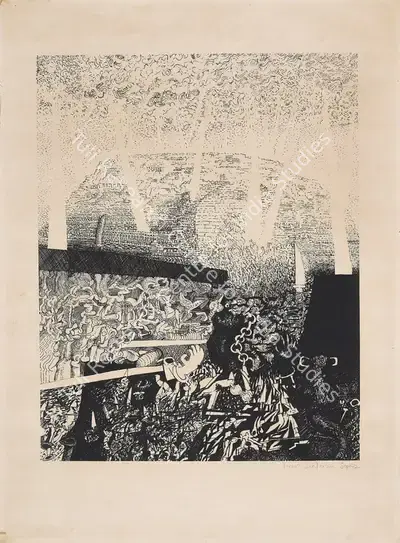
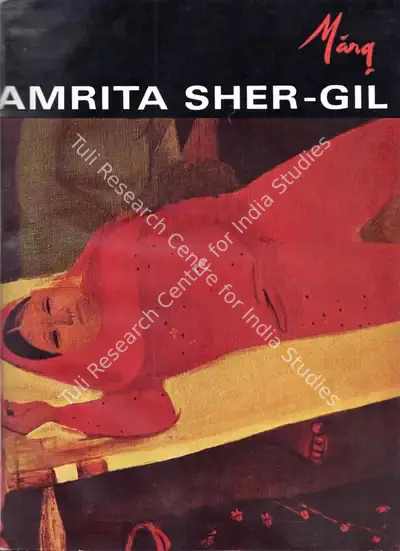
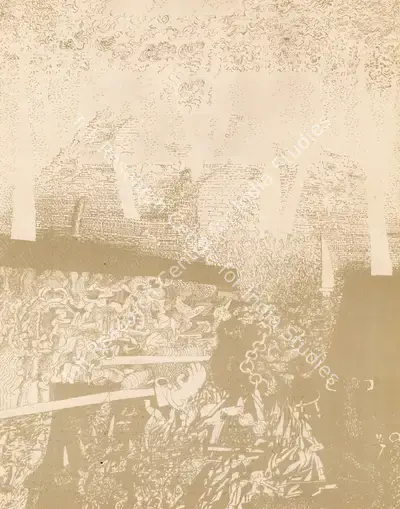
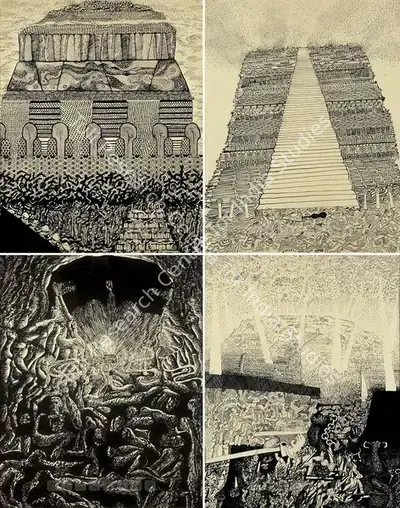
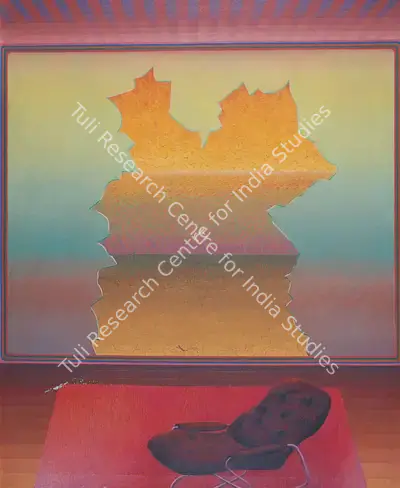
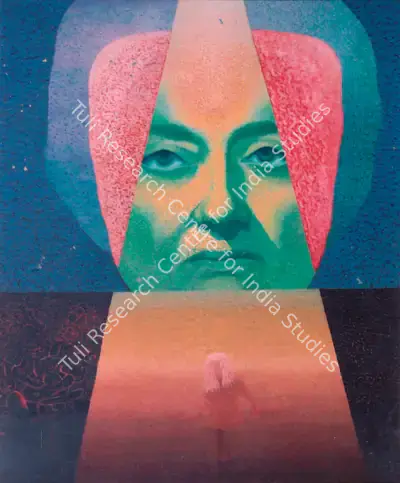
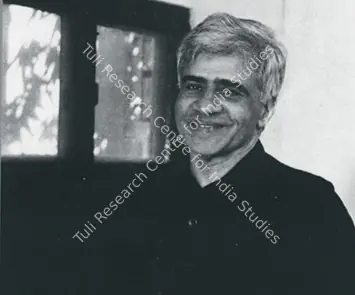
Vivan Sundaram was a multidisciplinary artist whose work spans painting, installation, photography, video, and archival intervention. Trained at Baroda and the Slade School in London, his early involvement in leftist politics and student activism shaped his later critical engagement with art as a socio-political tool. Sundaram's practice moved from expressionist figuration to conceptual and installation-based forms, often interrogating memory, urban space, and the archive. Key projects such as Memorial (1993), Trash (2008), and Re-take of Amrita (2001–02) exemplify his interest in intergenerational history, material reuse, and the politics of representation. He frequently collaborated with historians, designers, and activists, situating his practice within broader discursive fields. Sundaram's work resists medium-specificity, operating instead through a mode of assemblage both materially and epistemologically. His contribution lies in expanding the parameters of contemporary Indian art to include questions of historiography, ecology, and the politics of form.
Zodiac sign
Gemini
Age
80
Place of Birth
Shimla, Himachal Pradesh, India
Place of Death
New Delhi, NCT of Delhi, India
Spouse(s)
Geeta kapur
State Country of Birth
Himachal Pradesh, India
State Country of Death
NCT of Delhi, India

Exhibitions

  1. 1965

    1. Five Painters, Curated by Mansaram, Taj Art Gallery Mumbai, India
  2. 1966

    1. Paintings, Taj Art Gallery, Mumbai, India
    2. Paintings, Dhoomimal Art Gallery, New Delhi, India
  3. 1967

    1. Contemporaty Indian Art of India and Iran, Ben and Abby Grey Foundation, New York, USA
    2. Graphic Prints from Slade School, Clare College, Cambridge, UK
  4. 1968

    1. Paintings, Arts Laboratory, London, UK
    2. Young Contemporaries, Royal Academy of Arts, London, UK
  5. 1972

    1. Gallery Chemould, Kolkata, India
    2. The Heights of Macchu Picchu, Drawings based on Pablo Neruda's poem, Kunika Chemould Art Centre, New Delhi, India
  6. 1974

    1. Group Exhibition, Lalit Kala Akademi, Rabindra Bhavan, New Delhi, India
    2. Bhupen Khakhar and Vivan Sundaram, Jehangir Art Gallery, Mumbai, India
  7. 1975

    1. Lalit Kala Akademi, Rabindra Bhavan, New Delhi, India
  8. 1976

    1. The Discreet Charm of the Bourgeoisie, Paintings, Lalit Kala Akademi, Rabindra Bhavan, New Delhi, India
    2. Jehangir Art Gallery, Mumbai, India
    3. Academy of Fine Arts, Kolkata, India
  9. 1977

    1. Jehangir Art Gallery, Mumbai, India
    2. The Indian Emergency, Drawings, Black Partridge Gallery, New Delhi, India
    3. Pictorial Space, Lalit Kala Akademi, Rabindra Bhavan, New Delhi, India
    4. Bhupen Khakhar and Vivan Sundaram, Jehangir Art Gallery, Mumbai, India
20 of 288
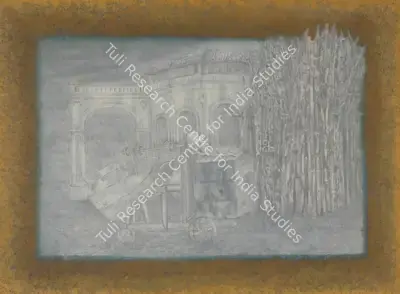
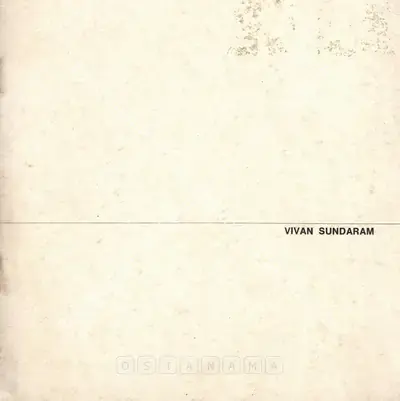
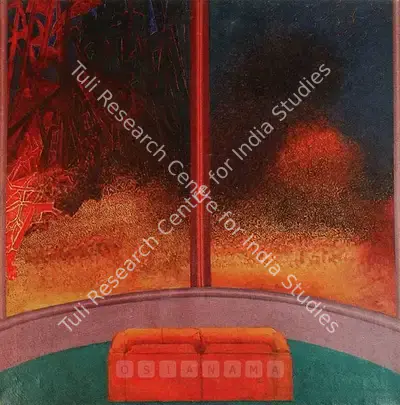
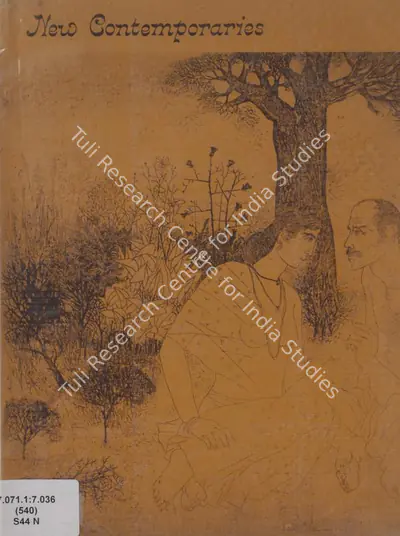
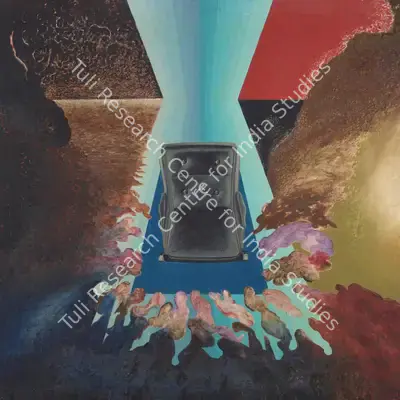
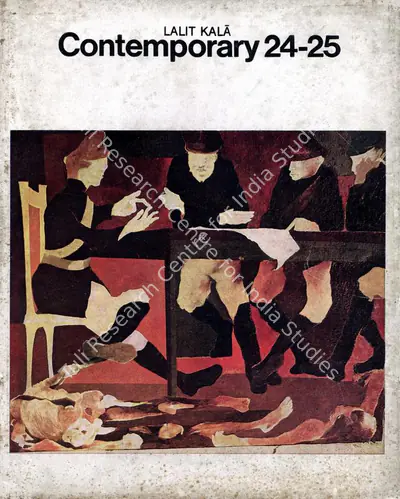
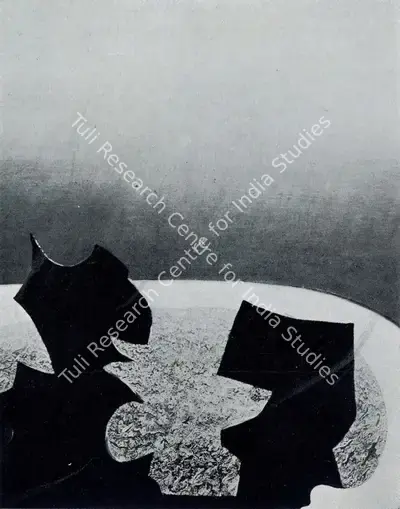
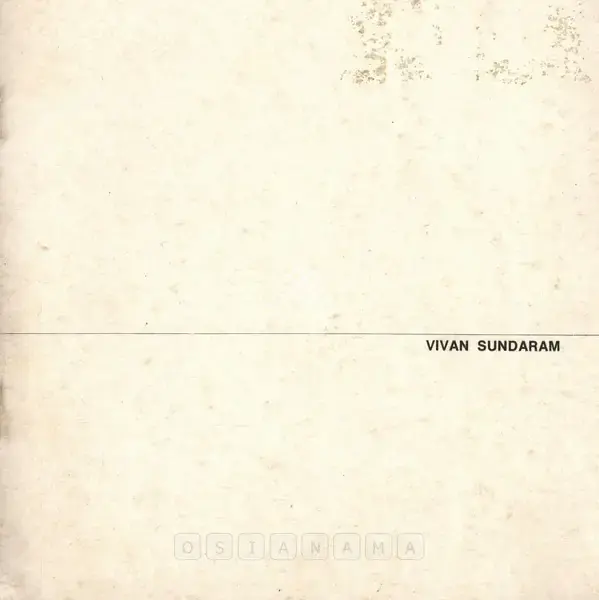
Sundaram, Vivan (Artist). Vivan Sundaram, 1974 | Solo Exhibition Catalogue | 00882819

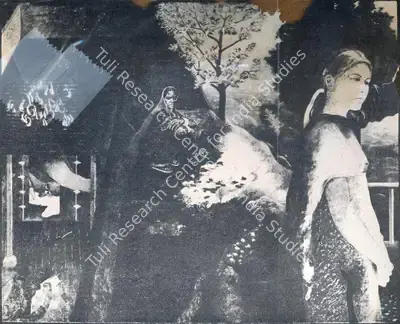
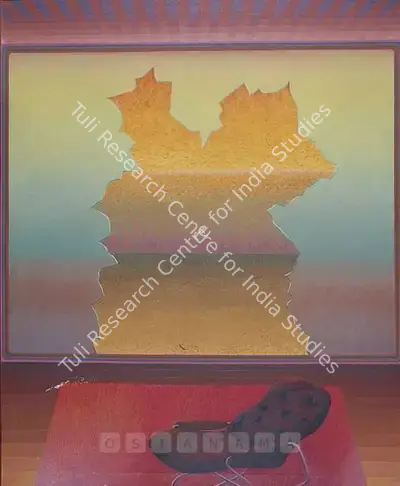
Sundaram, Vivan (Artist). Vivan Sundaram, 1974 | Solo Exhibition Catalogue | 00882819

Chronicled Highlights

Economics of Art

Research Centre

Posts 2

  1. All Living Souls
    Tuli Research Centre for India Studies presents All Living Souls - Expressed in the Modern and Contemporary Fine & Popular Indian Arts Curated by Neville Tuli As part of launching the 16th Research Category for India Studies - "The Animal-Human-Nature-Continuum" we present a fascinating exhibition of modern and contemporary Indian fine and popular arts and their expression of the ideas and forms related to the dialogue between animals and humans, and the larger cosmic and spiritual thoughts which abide therein. Please visit the Exhibition and see the artworks by modern and contemporary masters such as Rabindranath Tagore, D.P. Roy Chowdhury, M.F. Husain, J. Swaminathan, J. Sultan Ali, Somnath Hore, Ganesh Pyne, Manjit Bawa, K. Laxma Goud, Krishna Reddy, Jyoti Bhatt, Rekha Rodwittiya, Amit Ambalal, among others, along with vintage and rare prints from the pioneering Indian chromolithographic presses such as Chitrashala, Ravi Varma, Calcutta Art Studio, Chore Bagan & Kansaripara.
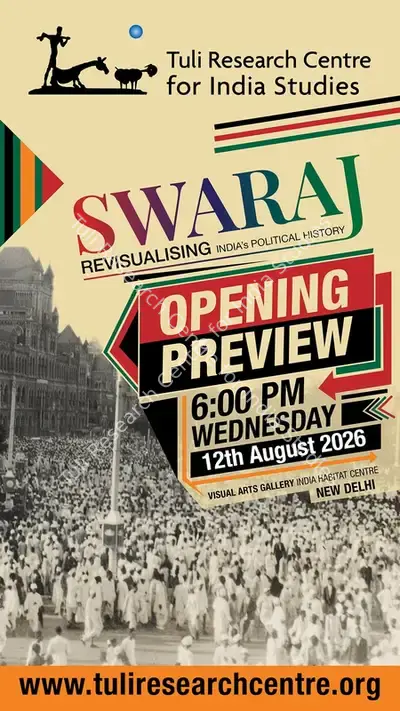
  2. SWARAJ - Revisualising India's Political History
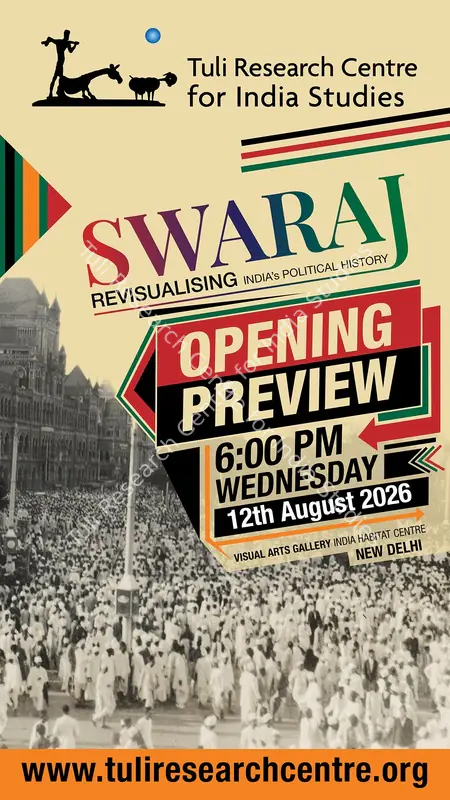
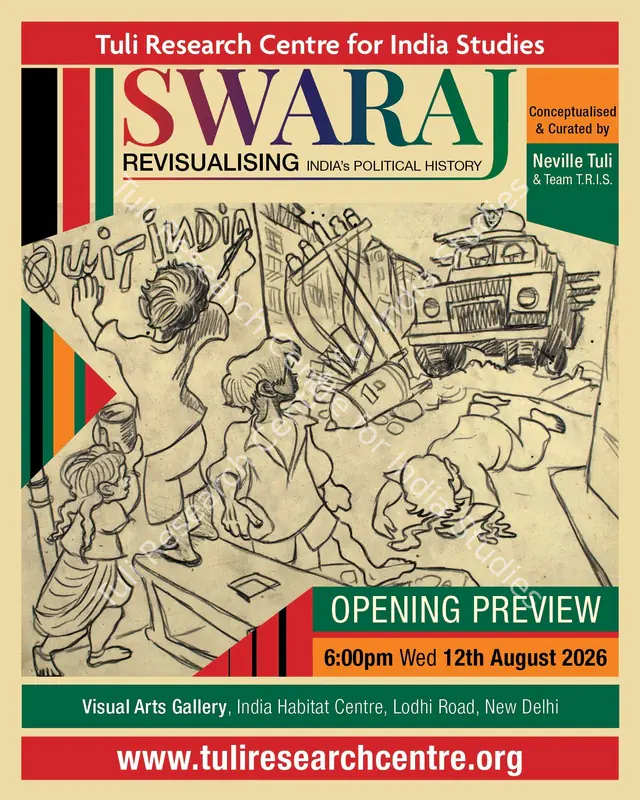
    "What does 𝗦𝘄𝗮𝗿𝗮𝗷 truly mean? Is freedom achieved at a single historic moment or period, or must self-rule be continually imagined, questioned and renewed? India's journey towards Swaraj was shaped not by one voice or one path, but through reform and resistance, revolution and non-violence, political thought, public protest, art, print, photography, cinema and the collective will of its people. The Tuli Research Centre for India Studies (T.R.I.S.) presents 𝗦𝗪𝗔𝗥𝗔𝗝: 𝗥𝗲𝘃𝗶𝘀𝘂𝗮𝗹𝗶𝘀𝗶𝗻𝗴 𝗜𝗻𝗱𝗶𝗮'𝘀 𝗣𝗼𝗹𝗶𝘁𝗶𝗰𝗮𝗹 𝗛𝗶𝘀𝘁𝗼𝗿𝘆, a pioneering exhibition curated by Neville Tuli. Bringing together rare artworks, prints, photographs, books, film publicity art, political propaganda and visual-textual-audio archives, SWARAJ traces India's complex journey towards political self-rule and self-discovery. From early European coastal encounters, the Bengal Renaissance and the First War of Independence in 1857 to the rise of Bharat Mata, the Tiranga, Gandhiji's inspired satyagraha, civil disobedience and mass mobilisation, the exhibition explores how the idea of India was envisioned, contested and transformed. It journeys through revolutionary movements and non-violence, subaltern uprisings, the Partition, the Constitution, the integration of the Princely States, the Emergency, wars, civic dissent and people's protests. It also foregrounds the vital role of artists, photographers, publishers, newspapers, journals, cartoons and cinema in recording and shaping the nation's political consciousness. SWARAJ invites us to encounter history not as something distant or settled, but as a daily living inheritance that continues to influence who we are and how we understand freedom, identity, and ourselves today. Watch the video for a glimpse into this expansive visual journey, and follow the exhibition as it revisualises India's political history through art, image, text and sound.

Calendar 2

  1. SWARAJ - Revisualising India's Political History
    ArchivedOpening PreviewProject 82
    SWARAJ - Revisualising India's Political History
    An Exhibition of Modern & Contemporary Fine & Popular Arts, Photography, Film Memorabilia and Visual-Textual-Audio Archive
    12th August 2026
    6:00 PM - 9:00 PM
    Visual Arts Gallery, India Habitat Centre, Lodhi Road, New Delhi,
    The Tuli Research Centre for India Studies (T.R.I.S.) announces its seventh exhibition. “Swaraj – Revisualising India's Political History” -- An exhibition of Modern and Contemporary Fine and Popular Arts, Photography, Film Memorabilia and Visual-Textual-Audio Archives. Swaraj will open at 6 p.m. on Wednesday, 12 August 2026 at the Visual Arts Gallery and will remain open till 7 p.m. Sunday, 16 August 2026. Tuli Research Centre for India Studies (T.R.I.S.) presents SWARAJ | Revisualising India's Political History, a pioneering inter-disciplinary offline-online exhibition conceptualised and curated by Neville Tuli with Team T.R.I.S.. SWARAJ explores India's journey towards political self-rule and self-discovery through a remarkable collection of rare modern and contemporary fine and popular arts, albums, photographs, books, prints, propaganda, cartoons, film publicity artworks and other "text-visual-audio" archives contextualised within a clear historical framework, which defines T.R.I.S.' pedagogic approach to learning. The Exhibition will be of particular interest to students and scholars of India & Cultural Studies, and India's political and modern histories as well as those interested in the passage of events and ideas from the mid-1850s leading up to the turn of the 21st century. Unique to the Tuli Research Centre for India Studies is the richness of visual material that not only exhorts a deeper understanding of the art and archival materials on display but also brings alive the multi-layered narratives of the exhibition and naturally India's journey in being ad searching for herself.
    Read More →
    +16 more
  2. SWARAJ - Revisualising India's Political History
    ArchivedExhibitionProject 81
    SWARAJ - Revisualising India's Political History
    An Exhibition of Modern & Contemporary Fine & Popular Arts, Photography, Film Memorabilia and Visual-Textual-Audio Archive
    12th - 19th August 2026
    10:00 AM - 7:00 PM
    Visual Arts Gallery, India Habitat Centre, Lodhi Road, New Delhi,
    19
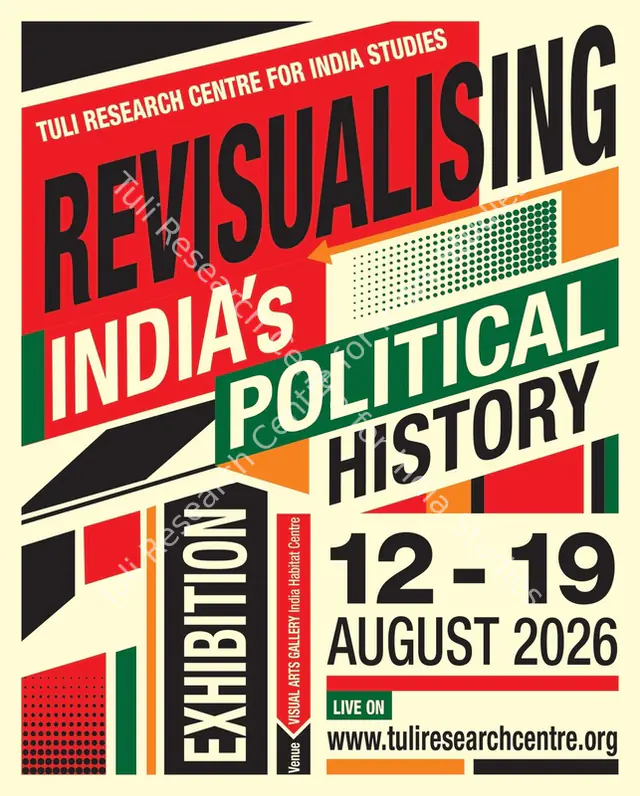
    The Tuli Research Centre for India Studies (T.R.I.S.) announces its seventh exhibition. “Swaraj – Revisualising India's Political History” -- An exhibition of Modern and Contemporary Fine and Popular Arts, Photography, Film Memorabilia and Visual-Textual-Audio Archives. Swaraj will open at 6 p.m. on Wednesday, 12 August 2026 at the Visual Arts Gallery and will remain open till 7 p.m. Sunday, 16 August 2026. Tuli Research Centre for India Studies (T.R.I.S.) presents SWARAJ | Revisualising India's Political History, a pioneering inter-disciplinary offline-online exhibition conceptualised and curated by Neville Tuli with Team T.R.I.S.. SWARAJ explores India's journey towards political self-rule and self-discovery through a remarkable collection of rare modern and contemporary fine and popular arts, albums, photographs, books, prints, propaganda, cartoons, film publicity artworks and other "text-visual-audio" archives contextualised within a clear historical framework, which defines T.R.I.S.' pedagogic approach to learning. The Exhibition will be of particular interest to students and scholars of India & Cultural Studies, and India's political and modern histories as well as those interested in the passage of events and ideas from the mid-1850s leading up to the turn of the 21st century. Unique to the Tuli Research Centre for India Studies is the richness of visual material that not only exhorts a deeper understanding of the art and archival materials on display but also brings alive the multi-layered narratives of the exhibition and naturally India's journey in being ad searching for herself.
    Read More →
    +16 more