
Introduction
Renowned for his technical skill and artistic vision, A. L. Syed’s 70 year career yielded hundreds of remarkable photographs. His talent gained recognition early in life when, in 1925, The Illustrated Weekly of India published and awarded his photograph Sunset at Chowpatty, taken during a school trip to Bombay. A few years later, in 1934, his piece Traveller of the East received a prestigious photography award from the Kodak Company in Bombay.
In the 1920s, Syed earned acclaim as the official photographer for the royal families of Palanpur in Gujarat and other princely states. His close association with the Nawab of Palanpur took him across the country and eventually to Bombay, where he lived with the Nawab from 1940 to 1975.
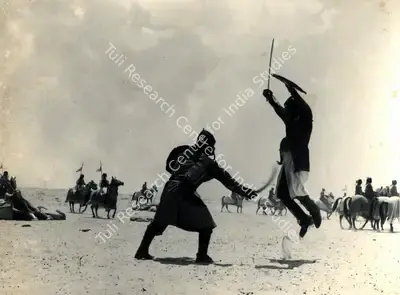
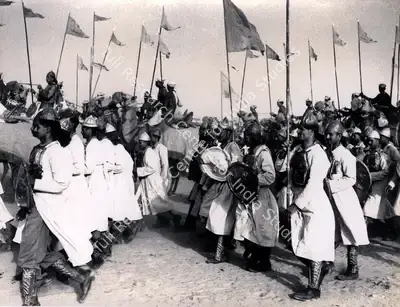
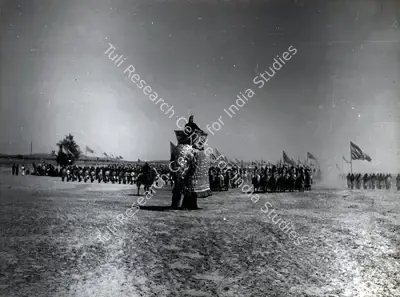
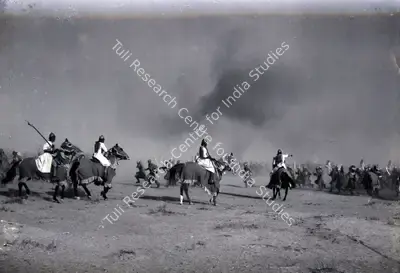
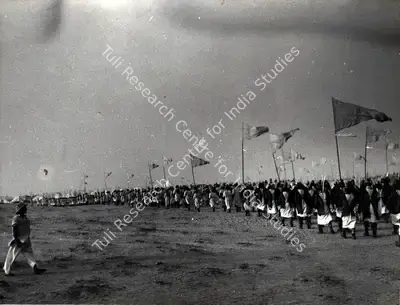
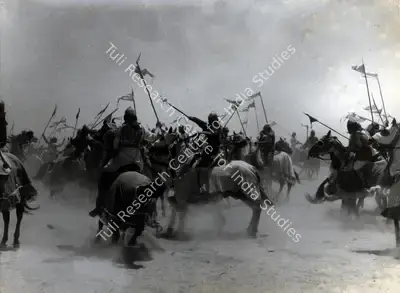
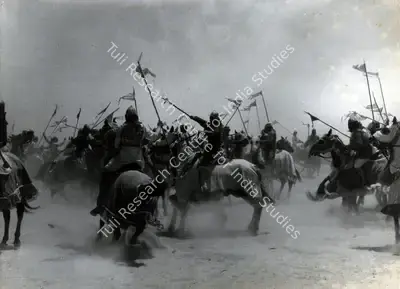
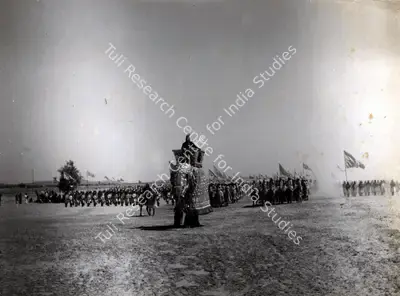
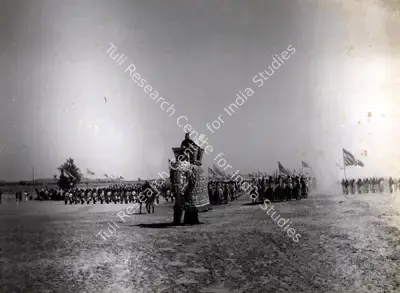
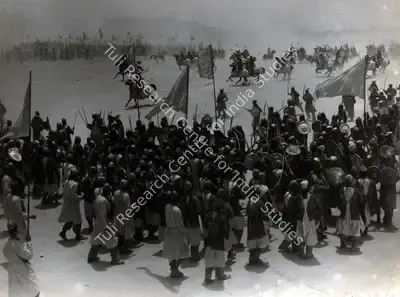
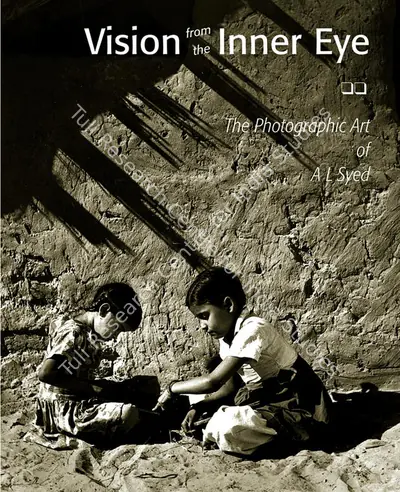
Equipped with his Rolleicord Camera, Syed’s subjects ranged from wildlife and landscapes to architecture and everyday life, all captured with a contemporary flair. Making use of the interplay of light and shadow, his genre compositions captured, with a dramatic flair, several historical events from pre and post Independence India. Developing close personal relationship with various royal families, Syed, while continuing his service with Palanpur court also broadened his services to other princely states across present-day Gujarat and Rajasthan, including Baroda, Saurashtra, Bikaner, Kotah, Jodhpur, Udaipur, Bundi, Dungarpur, and Narisinghgarh.
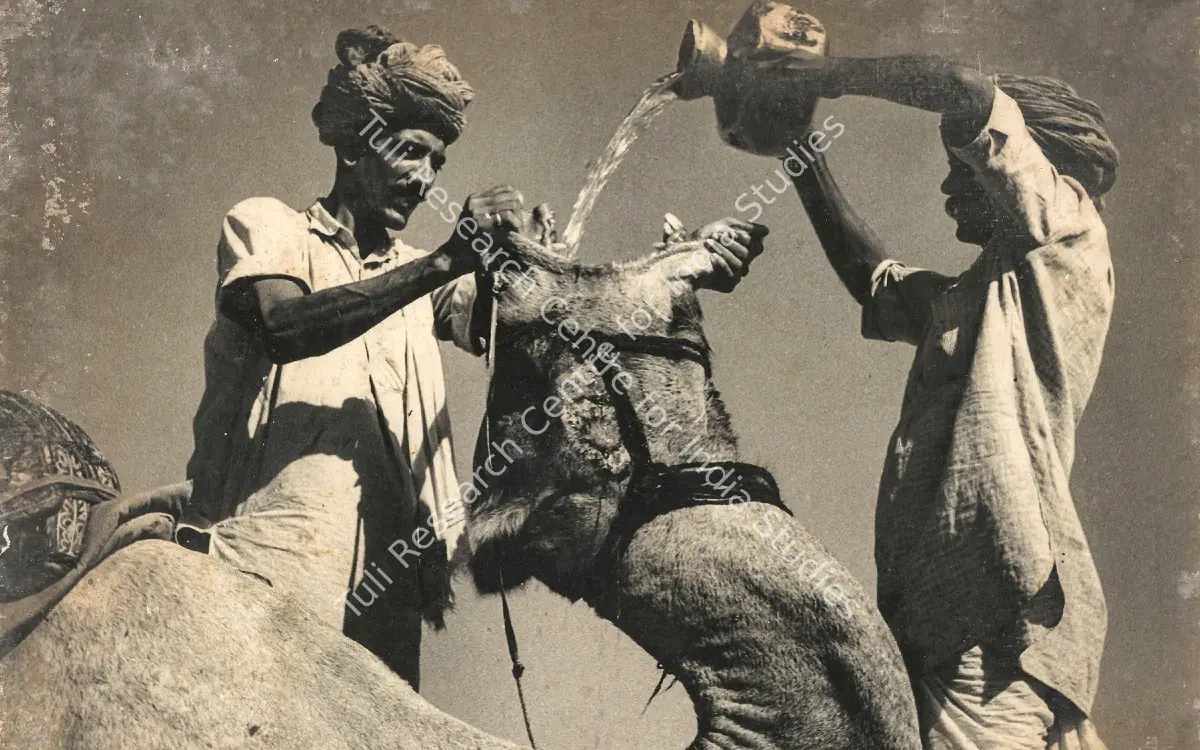
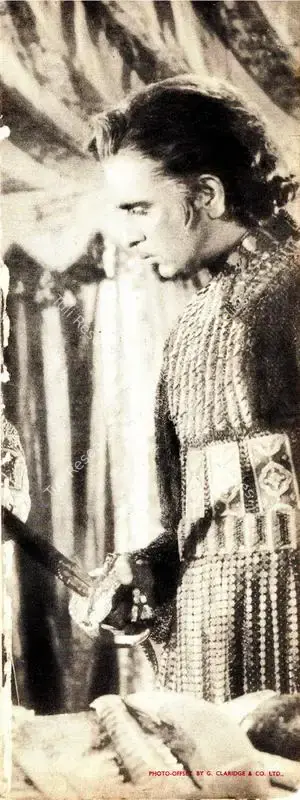
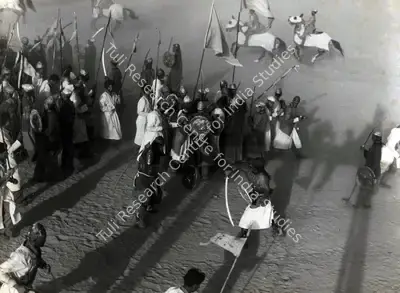
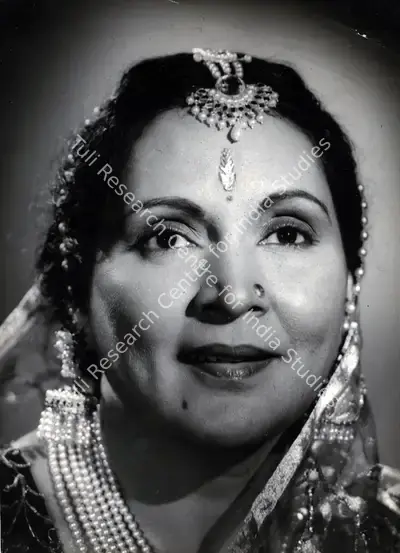
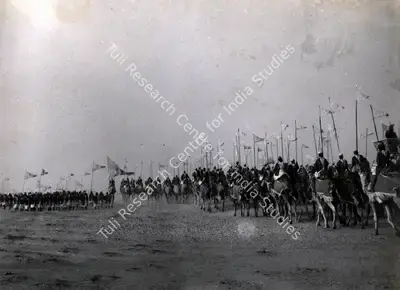
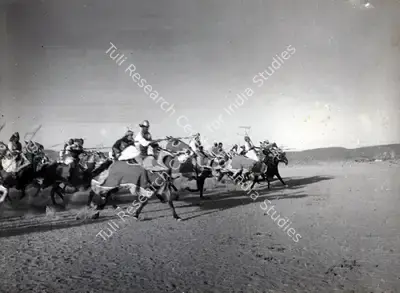
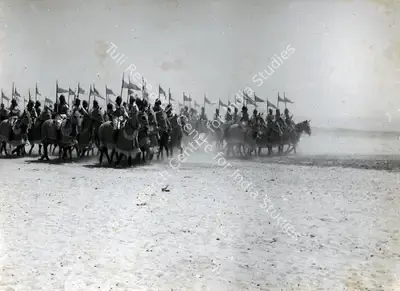
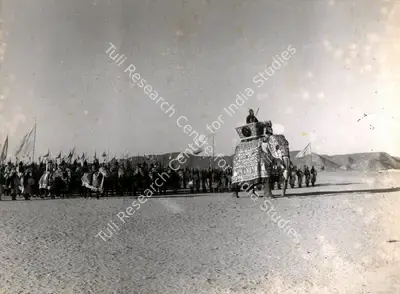
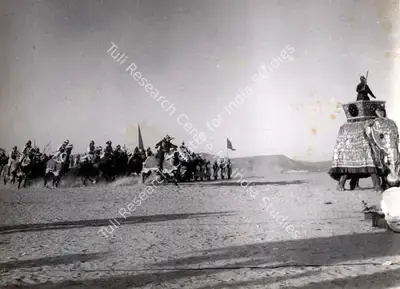
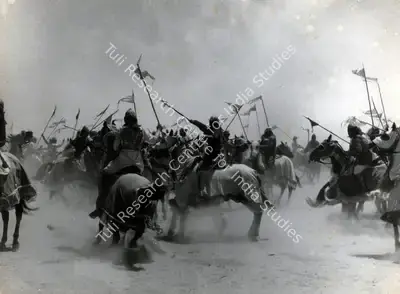
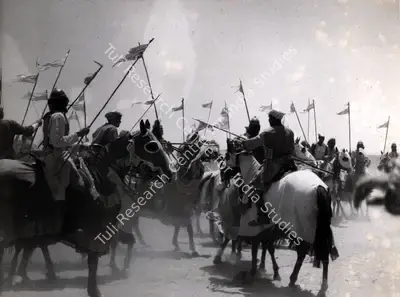
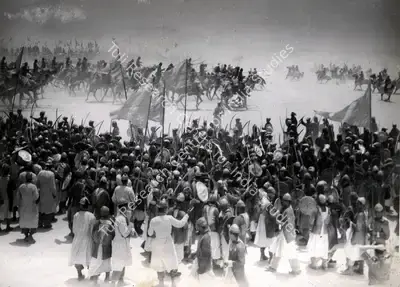
Syed was also fascinated by desert landscapes and portraiture. According to old timer SM Modi, president of Banaskantha district Kelavni Mandal, “The still photographs of K Asif’s magnum opus Mughal-e-Azam were also clicked by Syed...His love for desert and camels as subjects was evident in his art. In his later years, Syed became well-known for his camel compositions. So much so, that his friends called him The Old War Camel”.
- Date of Birth
- 1494
- Date of Death
- 30 Aug 1991
- Age
- 497
- Place of Birth
- Varnavada, Gujarat, India
- State Country of Birth
- India
Body of Work
Research Centre
Posts 1
- Tuli Research Centre for India Studies presents All Living Souls - Expressed in the Modern and Contemporary Fine & Popular Indian Arts Curated by Neville Tuli As part of launching the 16th Research Category for India Studies - "The Animal-Human-Nature-Continuum" we present a fascinating exhibition of modern and contemporary Indian fine and popular arts and their expression of the ideas and forms related to the dialogue between animals and humans, and the larger cosmic and spiritual thoughts which abide therein. Please visit the Exhibition and see the artworks by modern and contemporary masters such as Rabindranath Tagore, D.P. Roy Chowdhury, M.F. Husain, J. Swaminathan, J. Sultan Ali, Somnath Hore, Ganesh Pyne, Manjit Bawa, K. Laxma Goud, Krishna Reddy, Jyoti Bhatt, Rekha Rodwittiya, Amit Ambalal, among others, along with vintage and rare prints from the pioneering Indian chromolithographic presses such as Chitrashala, Ravi Varma, Calcutta Art Studio, Chore Bagan & Kansaripara.
Calendar 1
- ArchivedExhibitionProject 3Self Discover via Rediscovering India Series Part III History of Photography in India21st - 31st January 2025Self Discover via Rediscovering India Series Part IIIRead More →
Related
4
Institutions
1
Personalities
1