Introduction
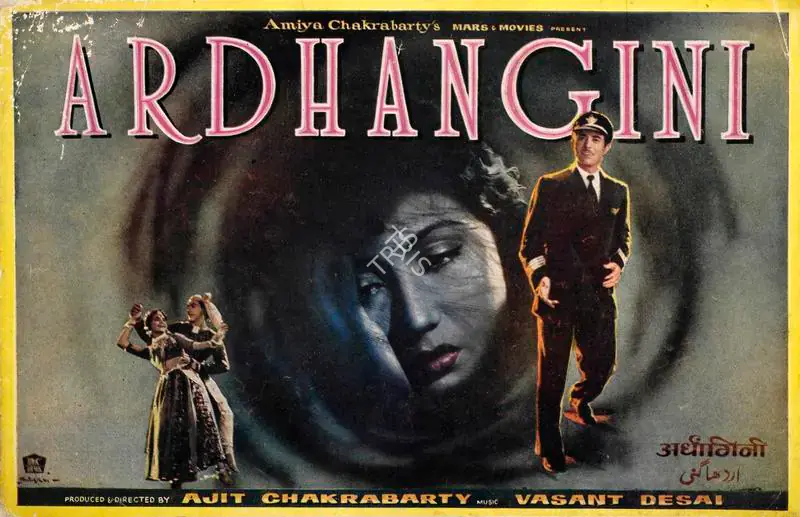
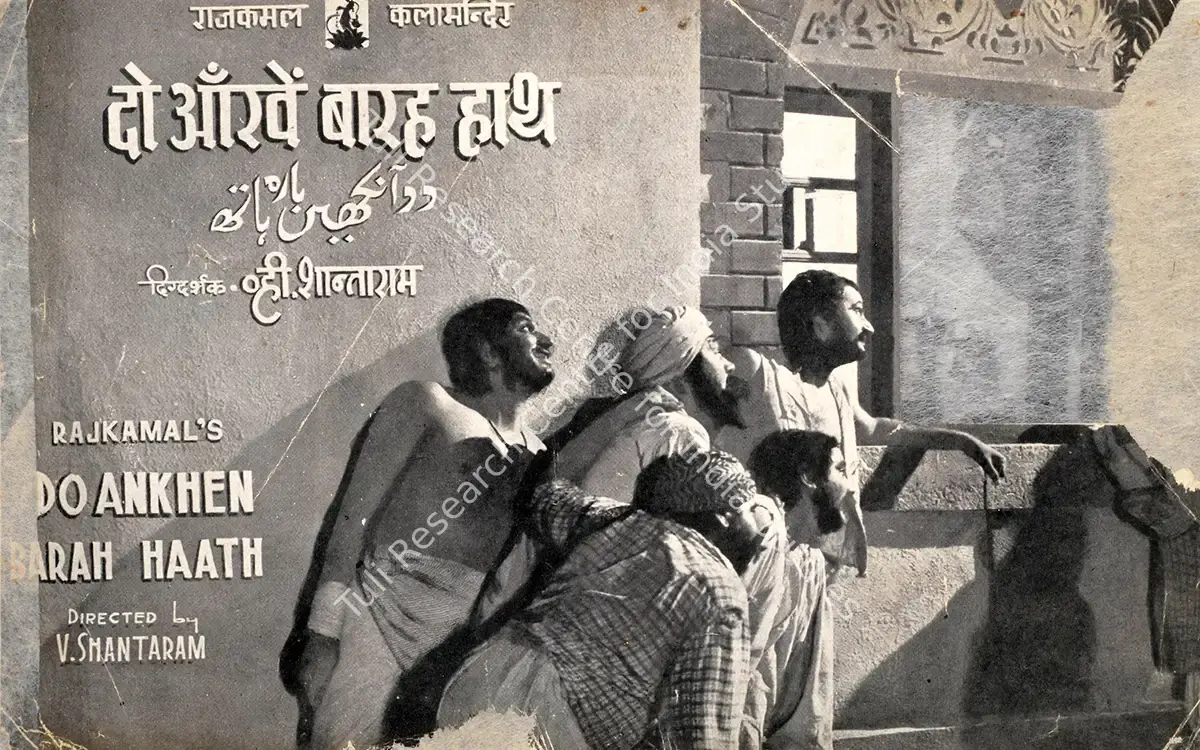
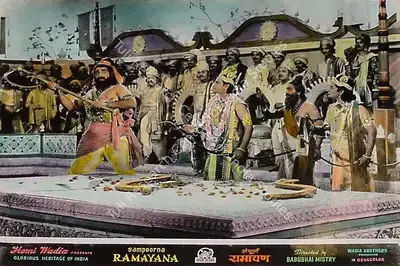
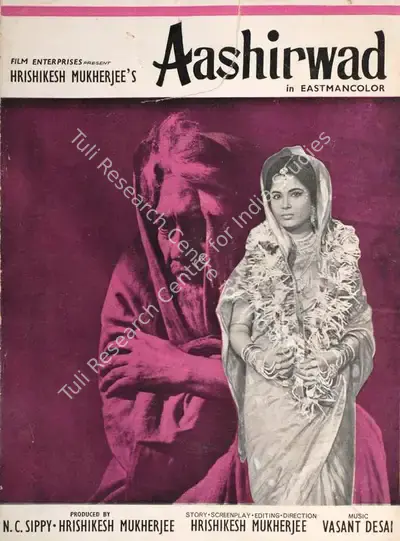
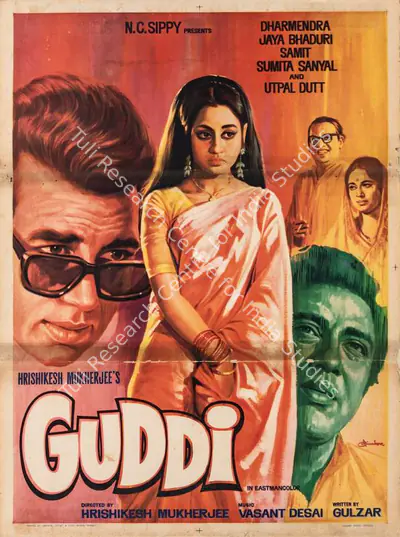
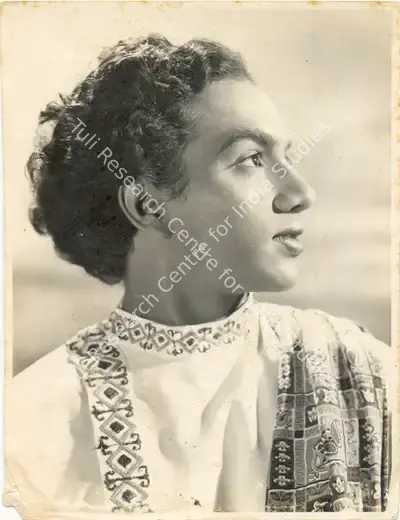
Vasant Desai (1912–1975) He occupies a distinguished position in the history of Indian film music as one of the most accomplished and versatile composers of the twentieth century. Renowned for his profound command of Indian classical music, devotional compositions, and emotionally evocative melodies, Desai created an enduring musical legacy that transcended linguistic and regional boundaries. He is best remembered for his celebrated collaborations with filmmaker V. Shantaram in films such as Jhanak Jhanak Payal Baaje (1955) and Do Aankhen Barah Haath (1957), as well as for his memorable scores for Goonj Uthi Shehnai (1959), Sampoorna Ramayan (1961), Aashirwad (1968), and Guddi (1971).
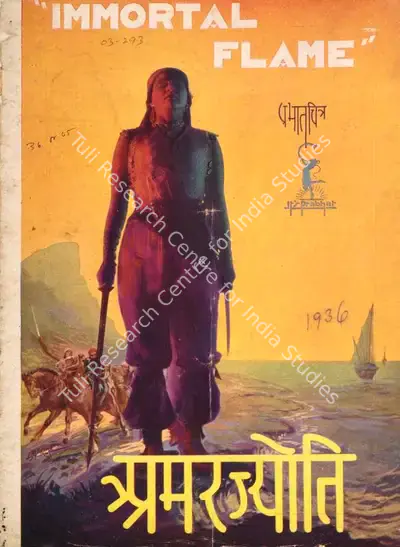
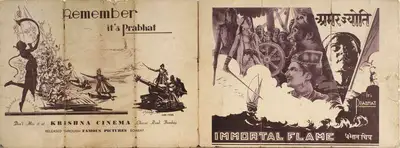
Born in 1912 into a prosperous family in Sonawade village in present-day Sindhudurg district, Maharashtra, Desai spent his formative years in the Konkan region, particularly around Kudal. His association with the pioneering Prabhat Film Company began during the advent of Indian talkies, where he initially worked as an actor, singer, and occasional composer in films such as Dharmatma and Sant Dnyaneshwar. As he gradually mastered the art of music composition, he devoted himself exclusively to composing from the 1940s onwards, emerging as one of the leading musical voices of Indian cinema.
Following V. Shantaram's departure from Prabhat to establish Rajkamal Kalamandir, Desai became the principal composer for many of the director's productions. Together they produced several landmark musical scores that significantly enriched Hindi cinema. However, their professional association ended in the late 1950s after personal differences, and Desai never collaborated with his former mentor again.
Among his most celebrated Hindi compositions is Ae Malik Tere Bande Hum from Do Aankhen Barah Haath (1957), rendered by Lata Mangeshkar. This timeless devotional hymn has transcended its cinematic origins to become one of the most widely sung school prayers across India. Equally revered is Hum Ko Man Ki Shakti Dena from Guddi (1971), sung by Vani Jairam with lyrics by Gulzar. Its message of moral courage and spiritual resilience has established it as another enduring school prayer. From the same film, Bole Re Papihara, based on the raga Miyan Ki Malhar, introduced Vani Jairam to mainstream audiences while exemplifying Desai's exceptional command of Hindustani classical music.
Desai's mastery of classical composition is further exemplified by Nain So Nain Naahi Milao from Jhanak Jhanak Payal Baaje (1955), a celebrated duet by Lata Mangeshkar and Hemant Kumar that remains an enduring benchmark of classical film music. Equally remarkable are the romantic masterpieces from Goonj Uthi Shehnai (1959), including Jeevan Mein Piya Tera Saath Rahe, sung by Lata Mangeshkar and Mohammed Rafi, and Tere Sur Aur Mere Geet, rendered by Lata Mangeshkar. Both compositions seamlessly combine lyrical elegance with restrained orchestration, exemplifying Desai's refined musical aesthetics.
His innovative spirit is evident in Rail Gaadi from Aashirwad (1968), performed by Ashok Kumar. Frequently regarded as India's earliest rap-like cinematic composition, the song employs rhythmic spoken delivery and minimal instrumental accompaniment, demonstrating Desai's willingness to experiment with unconventional musical forms. Another unforgettable composition from Goonj Uthi Shehnai, Dil Ka Khilona Haye Toot Gaya, sung by Lata Mangeshkar, remains one of Hindi cinema's most poignant expressions of grief and emotional vulnerability.
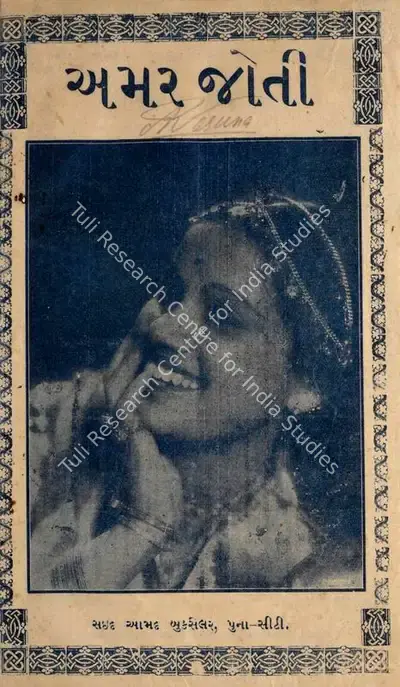
Desai's contribution to Marathi cinema is equally distinguished. Memorable compositions include Sanga Mukund Kuni Ha Pahila and Uthi Uthi Gopala from Amar Bhoopali (1951), Manuskichya Shatrusange Yuddha Amuche Suru from Chhota Jawan (1963), Deh Devache Mandir from Preeti Sangam (1972), and Ramya Hi Swargahuni Lanka from Swayamwar Zale Siteche (1974). Among these, Ghanshyam Sundara Shridhara from Amar Bhoopali, sung by Lata Mangeshkar and Panditrao Nagarkar, continues to occupy a revered place in Maharashtra's devotional and cultural traditions as a cherished morning prayer.
Beyond cinema, Desai made an enduring contribution to India's cultural heritage through his musical setting of Maithreem Bhajata, a Sanskrit benediction composed by Jagadguru Sri Chandrasekharendra Saraswati of the Kanchi Kamakoti Peetham. Desai set the composition as a Ragamalika, and it achieved international recognition when M. S. Subbulakshmi performed it at the United Nations on 23 October 1966, commemorating United Nations Day.
Vasant Desai's life ended tragically on 22 December 1975. After completing a day-long recording session at the His Master's Voice studios in Mumbai, he returned to his residence, where he was fatally crushed in a malfunctioning elevator. His untimely death marked the loss of one of India's finest composers. Nevertheless, his remarkable body of work—encompassing devotional hymns, classical masterpieces, romantic melodies, patriotic songs, and innovative cinematic compositions—continues to inspire musicians, scholars, and audiences alike, firmly securing his place among the greatest architects of Indian film music.
Born in 1912 into a prosperous family in Sonawade village in present-day Sindhudurg district, Maharashtra, Desai spent his formative years in the Konkan region, particularly around Kudal. His association with the pioneering Prabhat Film Company began during the advent of Indian talkies, where he initially worked as an actor, singer, and occasional composer in films such as Dharmatma and Sant Dnyaneshwar. As he gradually mastered the art of music composition, he devoted himself exclusively to composing from the 1940s onwards, emerging as one of the leading musical voices of Indian cinema.
Following V. Shantaram's departure from Prabhat to establish Rajkamal Kalamandir, Desai became the principal composer for many of the director's productions. Together they produced several landmark musical scores that significantly enriched Hindi cinema. However, their professional association ended in the late 1950s after personal differences, and Desai never collaborated with his former mentor again.
Among his most celebrated Hindi compositions is Ae Malik Tere Bande Hum from Do Aankhen Barah Haath (1957), rendered by Lata Mangeshkar. This timeless devotional hymn has transcended its cinematic origins to become one of the most widely sung school prayers across India. Equally revered is Hum Ko Man Ki Shakti Dena from Guddi (1971), sung by Vani Jairam with lyrics by Gulzar. Its message of moral courage and spiritual resilience has established it as another enduring school prayer. From the same film, Bole Re Papihara, based on the raga Miyan Ki Malhar, introduced Vani Jairam to mainstream audiences while exemplifying Desai's exceptional command of Hindustani classical music.
Desai's mastery of classical composition is further exemplified by Nain So Nain Naahi Milao from Jhanak Jhanak Payal Baaje (1955), a celebrated duet by Lata Mangeshkar and Hemant Kumar that remains an enduring benchmark of classical film music. Equally remarkable are the romantic masterpieces from Goonj Uthi Shehnai (1959), including Jeevan Mein Piya Tera Saath Rahe, sung by Lata Mangeshkar and Mohammed Rafi, and Tere Sur Aur Mere Geet, rendered by Lata Mangeshkar. Both compositions seamlessly combine lyrical elegance with restrained orchestration, exemplifying Desai's refined musical aesthetics.
His innovative spirit is evident in Rail Gaadi from Aashirwad (1968), performed by Ashok Kumar. Frequently regarded as India's earliest rap-like cinematic composition, the song employs rhythmic spoken delivery and minimal instrumental accompaniment, demonstrating Desai's willingness to experiment with unconventional musical forms. Another unforgettable composition from Goonj Uthi Shehnai, Dil Ka Khilona Haye Toot Gaya, sung by Lata Mangeshkar, remains one of Hindi cinema's most poignant expressions of grief and emotional vulnerability.
Desai's contribution to Marathi cinema is equally distinguished. Memorable compositions include Sanga Mukund Kuni Ha Pahila and Uthi Uthi Gopala from Amar Bhoopali (1951), Manuskichya Shatrusange Yuddha Amuche Suru from Chhota Jawan (1963), Deh Devache Mandir from Preeti Sangam (1972), and Ramya Hi Swargahuni Lanka from Swayamwar Zale Siteche (1974). Among these, Ghanshyam Sundara Shridhara from Amar Bhoopali, sung by Lata Mangeshkar and Panditrao Nagarkar, continues to occupy a revered place in Maharashtra's devotional and cultural traditions as a cherished morning prayer.
Beyond cinema, Desai made an enduring contribution to India's cultural heritage through his musical setting of Maithreem Bhajata, a Sanskrit benediction composed by Jagadguru Sri Chandrasekharendra Saraswati of the Kanchi Kamakoti Peetham. Desai set the composition as a Ragamalika, and it achieved international recognition when M. S. Subbulakshmi performed it at the United Nations on 23 October 1966, commemorating United Nations Day.
Vasant Desai's life ended tragically on 22 December 1975. After completing a day-long recording session at the His Master's Voice studios in Mumbai, he returned to his residence, where he was fatally crushed in a malfunctioning elevator. His untimely death marked the loss of one of India's finest composers. Nevertheless, his remarkable body of work—encompassing devotional hymns, classical masterpieces, romantic melodies, patriotic songs, and innovative cinematic compositions—continues to inspire musicians, scholars, and audiences alike, firmly securing his place among the greatest architects of Indian film music.
वसंत देसाई (1912–1975) बीसवीं सदी के कुशल और बहुआयामी संगीतकारों में से एक के तौर पर, भारतीय फ़िल्म संगीत के इतिहास में उनका एक ख़ास स्थान है। भारतीय शास्त्रीय संगीत, भक्ति रचनाओं और भावनाओं को जगाने वाली धुनों पर अपनी पकड़ के लिए मशहूर देसाई ने संगीत की एक ऐसी अमिट विरासत छोड़ी, जो भाषा और क्षेत्र की सीमाओं से परे थी। उन्हें फ़िल्म निर्माता वी. शांताराम के साथ 'झनक झनक पायल बाजे' (1955) और 'दो आँखें बारह हाथ' (1957) जैसी मशहूर फ़िल्मों में किए गए काम के लिए, और साथ ही 'गूँज उठी शहनाई' (1959), 'सम्पूर्ण रामायण' (1961), 'आशीर्वाद' (1968) और 'गुड्डी' (1971) जैसी फ़िल्मों में दिए गए यादगार संगीत के लिए सबसे ज़्यादा याद किया जाता है।
1912 में महाराष्ट्र के आज के सिंधुदुर्ग ज़िले के सोनावाडे गाँव में एक समृद्ध परिवार में जन्मे देसाई ने अपने शुरुआती साल कोंकण इलाक़े में, ख़ासकर कुडल के आस-पास बिताए। भारतीय टॉकीज़ (बोलती फ़िल्मों) की शुरुआत के समय ही वे मशहूर प्रभात फ़िल्म कंपनी से जुड़े। वहाँ उन्होंने शुरुआत में 'धर्मात्मा' और 'संत ज्ञानेश्वर' जैसी फ़िल्मों में एक्टर, सिंगर और कभी-कभी म्यूज़िक कंपोज़र के तौर पर काम किया। जैसे-जैसे उन्होंने म्यूज़िक कंपोज़िशन की कला में महारत हासिल की, 1940 के दशक से उन्होंने अपना पूरा ध्यान म्यूज़िक कंपोज़ करने पर लगा दिया और भारतीय सिनेमा के प्रमुख म्यूज़िक कंपोज़र बनकर उभरे।
वी. शांताराम के प्रभात छोड़कर राजकमल कलामंदिर बनाने के बाद, देसाई उस डायरेक्टर की कई फ़िल्मों के मुख्य म्यूज़िक कंपोज़र बने। दोनों ने मिलकर कई यादगार म्यूज़िक स्कोर तैयार किए, जिन्होंने हिंदी सिनेमा को बहुत समृद्ध किया। हालाँकि, निजी मतभेदों के कारण 1950 के दशक के आख़िर में उनका प्रोफ़ेशनल साथ खत्म हो गया और देसाई ने फ़िर कभी अपने पुराने मेंटर के साथ काम नहीं किया।
उनकी सबसे मशहूर हिंदी सांगीतिक रचनाओं में 'दो आँखें बारह हाथ' (1957) का गाना 'ऐ मालिक तेरे बंदे हम' शामिल है, जिसे लता मंगेशकर ने गाया था। यह सदाबहार भक्ति गीत फ़िल्म से आगे बढ़कर पूरे भारत में स्कूलों में गाई जाने वाली सबसे लोकप्रिय प्रार्थनाओं में से एक बन गया है। 'गुड्डी' (1971) का गाना 'हमको मन की शक्ति देना' भी उतना ही सम्मानित है। इसे वाणी जयराम ने गाया था और इसके बोल गुलज़ार ने लिखे थे। नैतिक साहस और आध्यात्मिक मज़बूती का संदेश देने वाला यह गाना भी स्कूलों में गाई जाने वाली एक और लोकप्रिय प्रार्थना बन गया है। उसी फ़िल्म का गाना 'बोले रे पपीहरा' जो राग 'मियाँ की मल्हार' पर आधारित था जिनसे वाणी जयराम को आम दर्शकों के बीच पहचान दिलाई और साथ ही हिंदुस्तानी शास्त्रीय संगीत पर देसाई की ज़बरदस्त पकड़ को भी दिखाया।
देसाई की क्लासिकल संगीत रचनाओं पर पकड़ का एक और बेहतरीन उदाहरण है फ़िल्म 'झनक झनक पायल बाजे' (1955) का गाना 'नैन सो नैन नहीं मिलाओ'। लता मंगेशकर और हेमंत कुमार का गाया यह मशहूर युगल गीत आज भी क्लासिकल फ़िल्मी संगीत के लिए एक मिसाल माना जाता है। फ़िल्म 'गूंज उठी शहनाई' (1959) के रोमांटिक गाने भी उतने ही शानदार हैं, जिनमें लता मंगेशकर और मोहम्मद रफ़ी का गाया 'जीवन में पिया तेरा साथ रहे' और लता मंगेशकर का गाया 'तेरे सुर और मेरे गीत' शामिल हैं। इन दोनों ही गानों में बेहतरीन बोल और संयमित संगीत का तालमेल देसाई की संगीत की समझ और उनकी कलात्मकता को बख़ूबी दिखाता है।
उनकी नई चीज़ें आज़माने की सोच फ़िल्म 'आशीर्वाद' (1968) के गाने 'रेल गाड़ी' में साफ़ दिखती है, जिसे अशोक कुमार ने गाया था। इसे अक्सर भारत का पहला रैप जैसा फ़िल्मी गाना माना जाता है। इस गाने में लयबद्ध अंदाज़ में बोल बोले गए हैं और बहुत कम वाद्ययंत्रों का इस्तेमाल किया गया है, जो दिखाता है कि देसाई संगीत के अलग-अलग और नए तरीक़ों को आज़माने के लिए कितने तैयार रहते थे। 'गूंज उठी शहनाई' का एक और यादगार गाना है लता मंगेशकर का गाया 'दिल का खिलौना हाय टूट गया', जो हिंदी सिनेमा में दुख और जज़्बाती कमज़ोरी को दिखाने वाले सबसे मार्मिक गानों में से एक है।
मराठी सिनेमा में भी देसाई का योगदान बहुत अहम रहा है। उनकी यादगार सांगीतिक रचनाओं में 'अमर भूपाली' (1951) का 'सांगा मुकुंद कुणी हा पाहिला' और 'उठी उठी गोपाला', 'छोटा जवान' (1963) का 'मानुसकीच्या शत्रूसंगे युद्ध अमुचे सुरू', 'प्रीति संगम' (1972) का 'देह देवाचे मंदिर' और 'स्वयंवर झाले सीतेचे' (1974) का 'रम्य ही स्वर्गाहूनी लंका' शामिल हैं। इनमें से, लता मंगेशकर और पंडितराव नागरकर द्वारा गाया गया 'अमर भूपाली' का 'घनश्याम सुंदरा श्रीधरा' गीत, महाराष्ट्र की भक्ति और सांस्कृतिक परंपराओं में सुबह की एक प्रिय प्रार्थना के रूप में आज भी बहुत सम्मानजनक स्थान रखता है।
सिनेमा के अलावा, देसाई ने भारत की सांस्कृतिक विरासत में भी एक यादगार योगदान दिया। उन्होंने कांची कामकोटि पीठम के जगद्गुरु श्री चंद्रशेखरेंद्र सरस्वती द्वारा रचित संस्कृत प्रार्थना 'मैत्रीं भजत' को संगीतबद्ध किया। देसाई ने इस रचना को 'रागमालिका' के रूप में तैयार किया था। इसे अंतरराष्ट्रीय पहचान तब मिली जब एम. एस. सुब्बुलक्ष्मी ने 23 अक्टूबर 1966 को संयुक्त राष्ट्र दिवस के मौके पर संयुक्त राष्ट्र में इसे प्रस्तुत किया।
22 दिसंबर 1975 को वसंत देसाई का दुखद निधन हो गया। मुंबई में 'हिज़ मास्टर्स वॉयस' स्टूडियो में दिन भर चले रिकॉर्डिंग सेशन के बाद वे अपने घर लौटे, जहाँ एक ख़राब लिफ्ट में दबने से उनकी मौत हो गई। उनकी असामयिक मृत्यु से भारत ने अपने बेहतरीन संगीतकारों में से एक को खो दिया। फ़िर भी उनका शानदार काम, जिसमें भक्ति गीत, शास्त्रीय संगीत की बेहतरीन रचनाएँ, रोमांटिक धुनें, देशभक्ति गीत और सिनेमा के लिए नए तरह के संगीत शामिल हैं। आज भी संगीतकारों, विद्वानों और दर्शकों को प्रेरित करता है। इसी वजह से भारतीय फ़िल्म संगीत के महानतम रचनाकारों में उनकी जगह हमेशा पक्की बनी हुई है।
1912 में महाराष्ट्र के आज के सिंधुदुर्ग ज़िले के सोनावाडे गाँव में एक समृद्ध परिवार में जन्मे देसाई ने अपने शुरुआती साल कोंकण इलाक़े में, ख़ासकर कुडल के आस-पास बिताए। भारतीय टॉकीज़ (बोलती फ़िल्मों) की शुरुआत के समय ही वे मशहूर प्रभात फ़िल्म कंपनी से जुड़े। वहाँ उन्होंने शुरुआत में 'धर्मात्मा' और 'संत ज्ञानेश्वर' जैसी फ़िल्मों में एक्टर, सिंगर और कभी-कभी म्यूज़िक कंपोज़र के तौर पर काम किया। जैसे-जैसे उन्होंने म्यूज़िक कंपोज़िशन की कला में महारत हासिल की, 1940 के दशक से उन्होंने अपना पूरा ध्यान म्यूज़िक कंपोज़ करने पर लगा दिया और भारतीय सिनेमा के प्रमुख म्यूज़िक कंपोज़र बनकर उभरे।
वी. शांताराम के प्रभात छोड़कर राजकमल कलामंदिर बनाने के बाद, देसाई उस डायरेक्टर की कई फ़िल्मों के मुख्य म्यूज़िक कंपोज़र बने। दोनों ने मिलकर कई यादगार म्यूज़िक स्कोर तैयार किए, जिन्होंने हिंदी सिनेमा को बहुत समृद्ध किया। हालाँकि, निजी मतभेदों के कारण 1950 के दशक के आख़िर में उनका प्रोफ़ेशनल साथ खत्म हो गया और देसाई ने फ़िर कभी अपने पुराने मेंटर के साथ काम नहीं किया।
उनकी सबसे मशहूर हिंदी सांगीतिक रचनाओं में 'दो आँखें बारह हाथ' (1957) का गाना 'ऐ मालिक तेरे बंदे हम' शामिल है, जिसे लता मंगेशकर ने गाया था। यह सदाबहार भक्ति गीत फ़िल्म से आगे बढ़कर पूरे भारत में स्कूलों में गाई जाने वाली सबसे लोकप्रिय प्रार्थनाओं में से एक बन गया है। 'गुड्डी' (1971) का गाना 'हमको मन की शक्ति देना' भी उतना ही सम्मानित है। इसे वाणी जयराम ने गाया था और इसके बोल गुलज़ार ने लिखे थे। नैतिक साहस और आध्यात्मिक मज़बूती का संदेश देने वाला यह गाना भी स्कूलों में गाई जाने वाली एक और लोकप्रिय प्रार्थना बन गया है। उसी फ़िल्म का गाना 'बोले रे पपीहरा' जो राग 'मियाँ की मल्हार' पर आधारित था जिनसे वाणी जयराम को आम दर्शकों के बीच पहचान दिलाई और साथ ही हिंदुस्तानी शास्त्रीय संगीत पर देसाई की ज़बरदस्त पकड़ को भी दिखाया।
देसाई की क्लासिकल संगीत रचनाओं पर पकड़ का एक और बेहतरीन उदाहरण है फ़िल्म 'झनक झनक पायल बाजे' (1955) का गाना 'नैन सो नैन नहीं मिलाओ'। लता मंगेशकर और हेमंत कुमार का गाया यह मशहूर युगल गीत आज भी क्लासिकल फ़िल्मी संगीत के लिए एक मिसाल माना जाता है। फ़िल्म 'गूंज उठी शहनाई' (1959) के रोमांटिक गाने भी उतने ही शानदार हैं, जिनमें लता मंगेशकर और मोहम्मद रफ़ी का गाया 'जीवन में पिया तेरा साथ रहे' और लता मंगेशकर का गाया 'तेरे सुर और मेरे गीत' शामिल हैं। इन दोनों ही गानों में बेहतरीन बोल और संयमित संगीत का तालमेल देसाई की संगीत की समझ और उनकी कलात्मकता को बख़ूबी दिखाता है।
उनकी नई चीज़ें आज़माने की सोच फ़िल्म 'आशीर्वाद' (1968) के गाने 'रेल गाड़ी' में साफ़ दिखती है, जिसे अशोक कुमार ने गाया था। इसे अक्सर भारत का पहला रैप जैसा फ़िल्मी गाना माना जाता है। इस गाने में लयबद्ध अंदाज़ में बोल बोले गए हैं और बहुत कम वाद्ययंत्रों का इस्तेमाल किया गया है, जो दिखाता है कि देसाई संगीत के अलग-अलग और नए तरीक़ों को आज़माने के लिए कितने तैयार रहते थे। 'गूंज उठी शहनाई' का एक और यादगार गाना है लता मंगेशकर का गाया 'दिल का खिलौना हाय टूट गया', जो हिंदी सिनेमा में दुख और जज़्बाती कमज़ोरी को दिखाने वाले सबसे मार्मिक गानों में से एक है।
मराठी सिनेमा में भी देसाई का योगदान बहुत अहम रहा है। उनकी यादगार सांगीतिक रचनाओं में 'अमर भूपाली' (1951) का 'सांगा मुकुंद कुणी हा पाहिला' और 'उठी उठी गोपाला', 'छोटा जवान' (1963) का 'मानुसकीच्या शत्रूसंगे युद्ध अमुचे सुरू', 'प्रीति संगम' (1972) का 'देह देवाचे मंदिर' और 'स्वयंवर झाले सीतेचे' (1974) का 'रम्य ही स्वर्गाहूनी लंका' शामिल हैं। इनमें से, लता मंगेशकर और पंडितराव नागरकर द्वारा गाया गया 'अमर भूपाली' का 'घनश्याम सुंदरा श्रीधरा' गीत, महाराष्ट्र की भक्ति और सांस्कृतिक परंपराओं में सुबह की एक प्रिय प्रार्थना के रूप में आज भी बहुत सम्मानजनक स्थान रखता है।
सिनेमा के अलावा, देसाई ने भारत की सांस्कृतिक विरासत में भी एक यादगार योगदान दिया। उन्होंने कांची कामकोटि पीठम के जगद्गुरु श्री चंद्रशेखरेंद्र सरस्वती द्वारा रचित संस्कृत प्रार्थना 'मैत्रीं भजत' को संगीतबद्ध किया। देसाई ने इस रचना को 'रागमालिका' के रूप में तैयार किया था। इसे अंतरराष्ट्रीय पहचान तब मिली जब एम. एस. सुब्बुलक्ष्मी ने 23 अक्टूबर 1966 को संयुक्त राष्ट्र दिवस के मौके पर संयुक्त राष्ट्र में इसे प्रस्तुत किया।
22 दिसंबर 1975 को वसंत देसाई का दुखद निधन हो गया। मुंबई में 'हिज़ मास्टर्स वॉयस' स्टूडियो में दिन भर चले रिकॉर्डिंग सेशन के बाद वे अपने घर लौटे, जहाँ एक ख़राब लिफ्ट में दबने से उनकी मौत हो गई। उनकी असामयिक मृत्यु से भारत ने अपने बेहतरीन संगीतकारों में से एक को खो दिया। फ़िर भी उनका शानदार काम, जिसमें भक्ति गीत, शास्त्रीय संगीत की बेहतरीन रचनाएँ, रोमांटिक धुनें, देशभक्ति गीत और सिनेमा के लिए नए तरह के संगीत शामिल हैं। आज भी संगीतकारों, विद्वानों और दर्शकों को प्रेरित करता है। इसी वजह से भारतीय फ़िल्म संगीत के महानतम रचनाकारों में उनकी जगह हमेशा पक्की बनी हुई है।
No personalia records available yet.
Filmography 14
Research Centre
20 of 63
20 of 55
Calendar 2
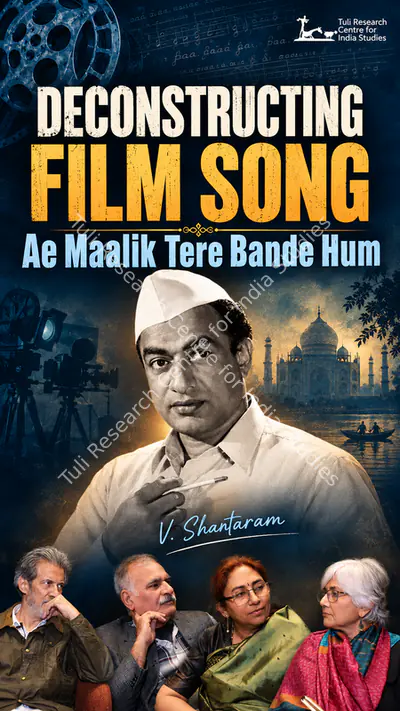
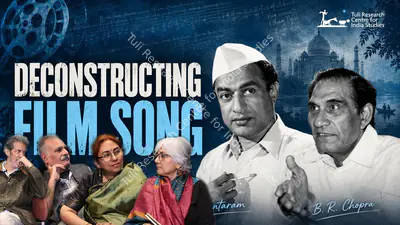
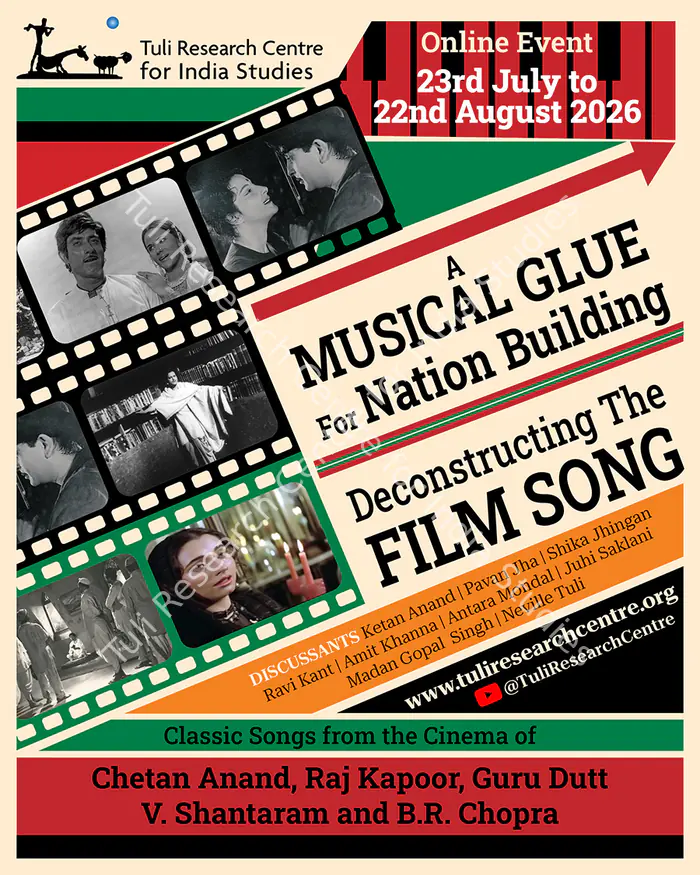
- ArchivedOffline-Online EventProject 80A Musical Glue for Nation-BuildingDeconstructing the Film Song23rd July - 22nd August 2026Ketan Anand | Ravikant | Pavan Jha | Madan Gopal Singh | Amit Khanna | Juhi Saklani | Antara Mondal | Shikha Jhingan | Neville TuliA key section of the India Studies framework at The Tuli Research Centre for India Studies (T.R.I.S.) is “Deconstructing the Film Song”. It began with a series of four workshops during our Self-Discovery via Rediscovering India Festival Series that brought together leading scholars & academics, film practitioners & students, along with fans of the Hindi film song. The objective of these workshops was to deconstruct iconic Hindi film songs to examine their formation across music, lyrics, playback, choreography, directorial visualisation, as they fuse into sites where aesthetics, ideology, and performance intersect, so as to help clarify the nature of India and her relationship to the film song. The Hindi Film Song functions as a narrative device, conveying myriad textures of emotion through melody, voice and poetry. As cultural texts that encode memory, desire, and ideology, songs are integral to the circulation and resonance of films in the public realm. Over time they have become autonomous bundles of creative energy - the glue that binds us over time, articulating and perhaps even defining the idea of Indianness. These first Workshops were an attempt to understand the nature and power of this glue, while contemplating the ways to situate it within TRIS' academic framework for Contemporary India Studies.Read More →
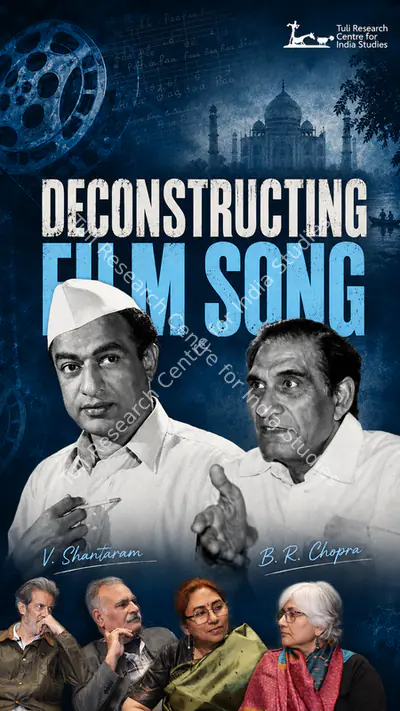
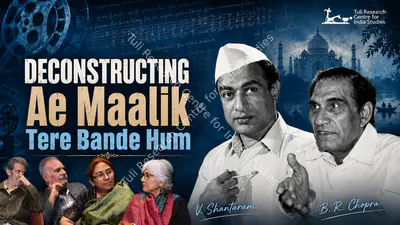
- ArchivedDeconstructing the Hindi Film SongProject 63A Musical Glue for Nation-BuildingFour Classic Songs from the cinema of V. Shantaram and B.R. Chopra and the genius of Vasant Desai, O.P. Nayyar, Ravi, Bharat Vyas, Sahir Ludhianvi, Hasan Kamal, Asha Bhosle, Salma Agha & Mohammed RafinnAye Maalik Tere Bande Ham | Do Aankhen Baara Haath-1957 nUdein Jab Jab Zulfen Teri | Naya Daur-1957 nDin Hai Bahar Ke | Waqt-1965 nDil Ke Armaan Aansuon Mein Bah Gaye | Nikaah-198219th February 202611:30amM.L. Bhartia Auditorium, Alliance Francaise de Delhi, 72 K.K. Birla Lane, Lodi Estate, New Delhi, 110007Madan Gopal Singh, Ravikant, Shikha Jhingan, Antara Mondal & Neville TuliA key section of the India Studies framework at The Tuli Research Centre for India Studies (T.R.I.S.) is “Deconstructing the Hindi Film Song”. It will begin with a series of four workshops that brings together leading scholars & academics, film practitioners & students, along with fans of the Hindi film song. The objective of these workshops is to deconstruct iconic Hindi film songs to examine their formation across music, lyrics, playback, choreography, directorial visualisation, as they fuse into sites where aesthetics, ideology, and performance intersect. The Hindi Film Song functions as a narrative device, conveying myriad textures of emotion through melody, voice and poetry. As cultural texts that encode memory, desire, and ideology, songs are integral to the circulation and resonance of films in the public realm. Over time they have become autonomous bundles of creative energy - the glue that binds us over time, articulating and perhaps even defining the idea of Indianness. The first Workshops are an attempt to understand the nature and power of this glue, while contemplating the ways to situate it within TRIS' academic framework for Contemporary India Studies.Read More →
Related
20
Films
14