
Suraj Ka Satvan Ghoda1992
Introduction
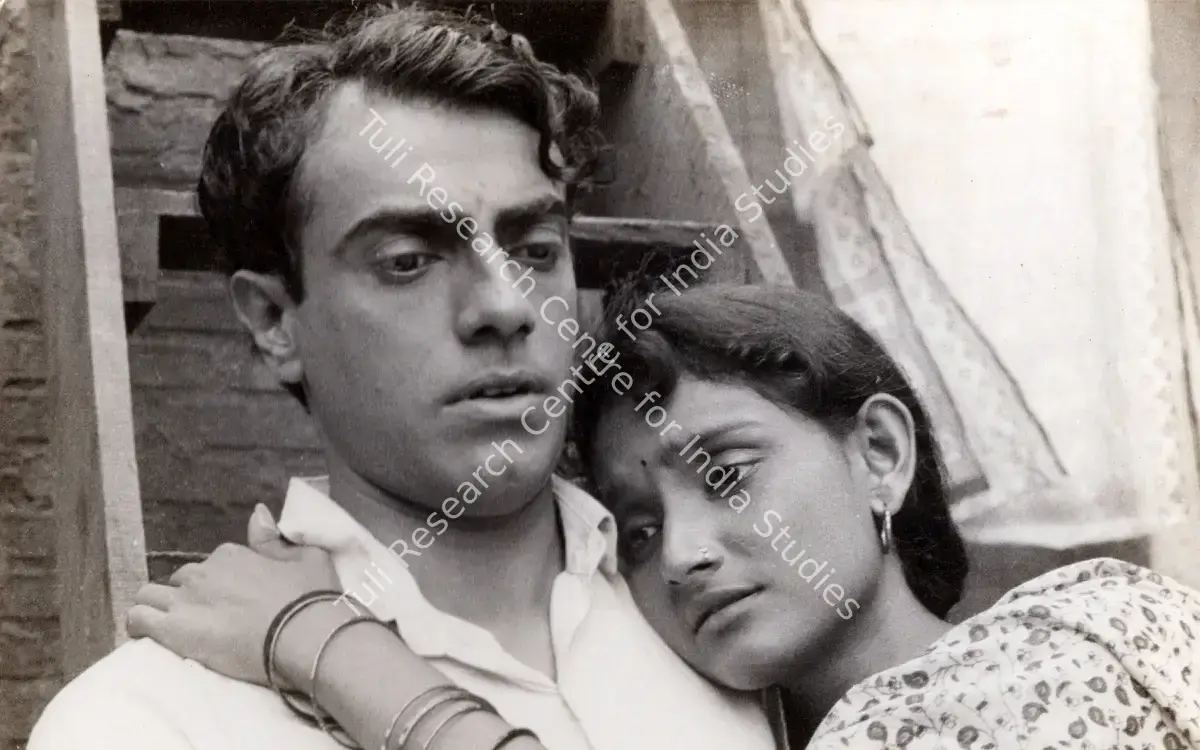
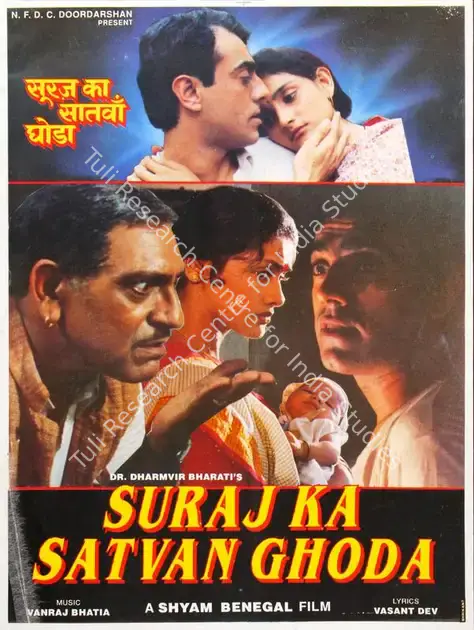
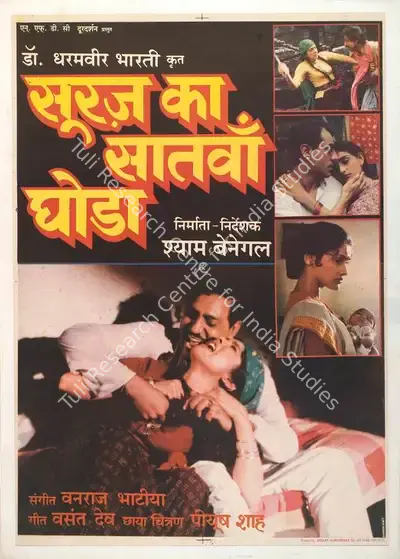
Suraj Ka Satvan Ghoda (The Sun's Seventh Horse, 1992) Produced by the National Film Development Corporation of India (NFDC) and directed by the acclaimed Shyam Benegal, the film was a thought-provoking adaptation of Dharmavir Bharati's landmark 1952 novel of the same name. The story, woven around themes of love, ambition, and the complexities of middle-class existence, is hailed as a seminal work of metafiction in modern Hindi literature. Benegal's cinematic rendition won the National Film Award for Best Feature Film in Hindi in 1993, earning praise for its introspective narrative and subtle subversion of the Devdas trope.
The film features a stellar ensemble cast including Rajit Kapur, Rajeshwari Sachdev, Pallavi Joshi, Neena Gupta, and Amrish Puri, alongside supporting performances by Ila Arun, Anang Desai, Riju Bajaj, Virendra Saxena, Himani Shivpuri, and Ravi Jhankal.
At the heart of the film is the raconteur Manek Mulla (played by Rajit Kapur), who narrates to his friends three stories about three women from his past. Each woman—Rajeshwari Sachdev representing the middle class, Pallavi Joshi the affluent intellectual, and Neena Gupta the economically marginalised—embodies a different facet of society. Gradually, their narratives interweave into a single layered tale, refracted through multiple perspectives.
The title draws from Hindu mythology, where the Sun God Surya rides a chariot drawn by seven horses, symbols of time, destiny, and human aspiration. The 'seventh horse' is often interpreted as representing dreams and the future. In this context, the title becomes a metaphor for societal progression: the pace of the whole determined by its most vulnerable or forgotten part.
The film embraces narrative abstraction and self-reflexivity. Structured as a flashback, it is filtered through the memories of Shyam (Raghuvir Yadav), a contemporary artist reflecting on past conversations with Mulla and their friends. The film's signature song, Yeh Shaam Sabki Shaam, penned by Vasant Dev and composed by Vanraj Bhatia, hauntingly mirrors the emotional undercurrents of the narrative, with vocals by Udit Narayan and Kavita Krishnamurthy.
While Suraj Ka Satvan Ghoda did not achieve commercial success, it remains a critically acclaimed philosophical exploration of memory, disillusionment, societal roles, and the timeless human desire for connection. Its experimental form and layered storytelling continue to resonate with audiences seeking cinema beyond the mainstream.
The film features a stellar ensemble cast including Rajit Kapur, Rajeshwari Sachdev, Pallavi Joshi, Neena Gupta, and Amrish Puri, alongside supporting performances by Ila Arun, Anang Desai, Riju Bajaj, Virendra Saxena, Himani Shivpuri, and Ravi Jhankal.
At the heart of the film is the raconteur Manek Mulla (played by Rajit Kapur), who narrates to his friends three stories about three women from his past. Each woman—Rajeshwari Sachdev representing the middle class, Pallavi Joshi the affluent intellectual, and Neena Gupta the economically marginalised—embodies a different facet of society. Gradually, their narratives interweave into a single layered tale, refracted through multiple perspectives.
The title draws from Hindu mythology, where the Sun God Surya rides a chariot drawn by seven horses, symbols of time, destiny, and human aspiration. The 'seventh horse' is often interpreted as representing dreams and the future. In this context, the title becomes a metaphor for societal progression: the pace of the whole determined by its most vulnerable or forgotten part.
The film embraces narrative abstraction and self-reflexivity. Structured as a flashback, it is filtered through the memories of Shyam (Raghuvir Yadav), a contemporary artist reflecting on past conversations with Mulla and their friends. The film's signature song, Yeh Shaam Sabki Shaam, penned by Vasant Dev and composed by Vanraj Bhatia, hauntingly mirrors the emotional undercurrents of the narrative, with vocals by Udit Narayan and Kavita Krishnamurthy.
While Suraj Ka Satvan Ghoda did not achieve commercial success, it remains a critically acclaimed philosophical exploration of memory, disillusionment, societal roles, and the timeless human desire for connection. Its experimental form and layered storytelling continue to resonate with audiences seeking cinema beyond the mainstream.
सूरज का सातवाँ घोड़ा (1992) के निर्देशक श्याम बेनेगल थे और इसका निर्माण सरकारी संस्था 'राष्ट्रीय फ़िल्म विकास निगम' (एनएफ़डीसी) के बैनर तले हुआ था। यह फ़िल्म हिन्दी के चर्चित साहित्यकार धर्मवीर भारती के सन् 1952 में इसी नाम से प्रकाशित उपन्यास पर आधारित है और इस विचारोत्तेजक कथानक का समृद्ध सिनेमाई रूपांतरण है। प्रेम, विचारधारा, महत्वाकाँक्षा और मध्यमवर्गीय जीवन की जटिलताओं पर आधारित यह कहानी आधुनिक हिन्दी साहित्य के इतिहास में 'मेटाफ़िक्शन' श्रेणी में रखी जानेवाली एक महत्वपूर्ण कृति मानी जाती है। श्याम बेनेगल के इस सिनेमाई रूपांतरण को सन् 1993 में 'सर्वश्रेष्ठ हिन्दी फ़ीचर फ़िल्म' के लिए राष्ट्रीय फ़िल्म पुरस्कार हासिल हुआ। इसकी संशय, विरोधाभास और आत्ममंथन से रची कथा को भारतीय सिनेमा में भरपूर इस्तेमाल होते रहे देवदास के किरदार से जुड़े प्रचलित रूपक का बारीकी से विखंडन करने के लिए विशेष प्रशंसा हासिल हुई।
इस फ़िल्म में रजित कपूर, राजेश्वरी सचदेव, पल्लवी जोशी, नीना गुप्ता और अमरीश पुरी जैसे बेहतरीन कलाकार प्रमुख भूमिकाएँ निभा रहे थे जबकि अन्य सहायक भूमिकाओं में इला अरुण, अनंग देसाई, रिजु बजाज, वीरेन्द्र सक्सेना, हिमानी शिवपुरी और रवि झांकल जैसे अभिनेता नज़र आते हैं।
फ़िल्म की कथा के केंद्र में माणिक मुल्ला (रजित कपूर) का किरदार है जो अपने मित्रों को अपने अतीत में आई तीन स्त्रियों से जुड़ी कहानियाँ सुनाते हैं। गौर से देखें तो इन तीन स्त्री किरदारों को समाज के तीन स्तरों के प्रतीक की तरह पढ़ा जा सकता है। फ़िल्म में जहाँ राजेश्वरी सचदेव द्वारा निभाया किरदार मध्यम वर्ग का प्रतिनिधित्व करता है वहीं पल्लवी जोशी का निभाया किरदार समृद्ध बौद्धिक वर्ग का प्रतीक है। अन्तिम किरदार जिसे नीना गुप्ता ने निभाया है, आर्थिक रूप से हाशिये पर खड़े समाज का प्रतिनिधि किरदार माना जा सकता है। इस तरह यह तीनों स्त्रियाँ तीन अलग-अलग सामाजिक रूपों का प्रतीक बन जाती हैं। आगे चलने पर धीरे-धीरे ये तीनों कहानियाँ एक-दूसरे में इस तरह गुँथती चली जाती हैं कि यह कई नज़रियों से देखी जा रही एक ही बहुस्तरीय कहानी बन जाती है।
फ़िल्म का शीर्षक जो उपन्यास का शीर्षक भी था, हिन्दू मिथकों के एक प्रसंग से लिया गया है जहाँ सूर्य देव सात घोड़ों द्वारा खींचे जाने वाले रथ पर सवार होते हैं। ये सात घोड़े समय, भाग्य और मानवीय आकांक्षाओं के प्रतीक हैं। सूरज का 'सातवाँ घोड़ा' अक्सर भविष्य का और स्वप्न का प्रतीक माना जाता है। इस संदर्भ में देखें तो फ़िल्म का शीर्षक समाज की प्रगति का एक रूपक बन जाता है, जहाँ पूरे समाज की गति और उसकी दिशा उसके सबसे भुला दिये गए हिस्से कल्पना द्वारा तय होती है। भारती इस उपन्यास के माध्यम से कहीं कार्य-कारण संबंध में सब कुछ को सीमित कर देखती हिन्दी की उस कथित प्रगतिशील आलोचना पर भी टिप्पणी कर रहे थे, जिसने इससे ठीक पूर्व प्रकाशित उनके अति लोकप्रिय उपन्यास 'गुनाहों का देवता' को “लिज़लिज़ी भावुकता” में लिपटा उपन्यास बताकर उसकी तीखी आलोचना की थी।
यह फ़िल्म अपने कथा-विन्यास में अमूर्तता और आत्मचिंतन को अपनाती है। कथानक एक फ़्लैशबैक संरचना में बुना गया है जिसका ताना-बाना समकालीन कलाकार श्याम (रघुवीर यादव) की स्मृतियों के माध्यम से खुलता है, जब वह माणिक मुल्ला और मित्रों की टोली के साथ अपनी पुरानी अड्डेबाज़ी को याद करता है। फ़िल्म में आया प्रमुख गीत “ये शामें, सबकी सब शामें” वसंत देव ने लिखा था और इसे वनराज भाटिया ने संगीतबद्ध किया। इस गीत को उदित नारायण और कविता कृष्णमूर्ति ने अपनी आवाज़ों में पिरोया और यह कथानक की भावनात्मक गहराइयों को बखूबी प्रतिध्वनित करता है।
हालाँकि सूरज का सातवाँ घोड़ा व्यावसायिक रूप से कामयाब नहीं रही लेकिन यह आलोचकों द्वारा अत्यधिक सराही गई। इसे स्मृति, मोहभंग, सामाजिक भूमिकाओं के निर्वाह से उपजी निस्सहायता तथा इंसान के इंसान से जुड़ाव की शाश्वत लालसा की दार्शनिक पड़ताल कहा गया। अपने प्रयोगधर्मी स्वरूप और बहुस्तरीय कथन शैली के चलते यह फ़िल्म आज भी उन दर्शकों को आकर्षित करती है जो मुख्यधारा से परे जाकर कुछ भिन्न, प्रयोगशील सिनेमा की तलाश में रहते हैं।
इस फ़िल्म में रजित कपूर, राजेश्वरी सचदेव, पल्लवी जोशी, नीना गुप्ता और अमरीश पुरी जैसे बेहतरीन कलाकार प्रमुख भूमिकाएँ निभा रहे थे जबकि अन्य सहायक भूमिकाओं में इला अरुण, अनंग देसाई, रिजु बजाज, वीरेन्द्र सक्सेना, हिमानी शिवपुरी और रवि झांकल जैसे अभिनेता नज़र आते हैं।
फ़िल्म की कथा के केंद्र में माणिक मुल्ला (रजित कपूर) का किरदार है जो अपने मित्रों को अपने अतीत में आई तीन स्त्रियों से जुड़ी कहानियाँ सुनाते हैं। गौर से देखें तो इन तीन स्त्री किरदारों को समाज के तीन स्तरों के प्रतीक की तरह पढ़ा जा सकता है। फ़िल्म में जहाँ राजेश्वरी सचदेव द्वारा निभाया किरदार मध्यम वर्ग का प्रतिनिधित्व करता है वहीं पल्लवी जोशी का निभाया किरदार समृद्ध बौद्धिक वर्ग का प्रतीक है। अन्तिम किरदार जिसे नीना गुप्ता ने निभाया है, आर्थिक रूप से हाशिये पर खड़े समाज का प्रतिनिधि किरदार माना जा सकता है। इस तरह यह तीनों स्त्रियाँ तीन अलग-अलग सामाजिक रूपों का प्रतीक बन जाती हैं। आगे चलने पर धीरे-धीरे ये तीनों कहानियाँ एक-दूसरे में इस तरह गुँथती चली जाती हैं कि यह कई नज़रियों से देखी जा रही एक ही बहुस्तरीय कहानी बन जाती है।
फ़िल्म का शीर्षक जो उपन्यास का शीर्षक भी था, हिन्दू मिथकों के एक प्रसंग से लिया गया है जहाँ सूर्य देव सात घोड़ों द्वारा खींचे जाने वाले रथ पर सवार होते हैं। ये सात घोड़े समय, भाग्य और मानवीय आकांक्षाओं के प्रतीक हैं। सूरज का 'सातवाँ घोड़ा' अक्सर भविष्य का और स्वप्न का प्रतीक माना जाता है। इस संदर्भ में देखें तो फ़िल्म का शीर्षक समाज की प्रगति का एक रूपक बन जाता है, जहाँ पूरे समाज की गति और उसकी दिशा उसके सबसे भुला दिये गए हिस्से कल्पना द्वारा तय होती है। भारती इस उपन्यास के माध्यम से कहीं कार्य-कारण संबंध में सब कुछ को सीमित कर देखती हिन्दी की उस कथित प्रगतिशील आलोचना पर भी टिप्पणी कर रहे थे, जिसने इससे ठीक पूर्व प्रकाशित उनके अति लोकप्रिय उपन्यास 'गुनाहों का देवता' को “लिज़लिज़ी भावुकता” में लिपटा उपन्यास बताकर उसकी तीखी आलोचना की थी।
यह फ़िल्म अपने कथा-विन्यास में अमूर्तता और आत्मचिंतन को अपनाती है। कथानक एक फ़्लैशबैक संरचना में बुना गया है जिसका ताना-बाना समकालीन कलाकार श्याम (रघुवीर यादव) की स्मृतियों के माध्यम से खुलता है, जब वह माणिक मुल्ला और मित्रों की टोली के साथ अपनी पुरानी अड्डेबाज़ी को याद करता है। फ़िल्म में आया प्रमुख गीत “ये शामें, सबकी सब शामें” वसंत देव ने लिखा था और इसे वनराज भाटिया ने संगीतबद्ध किया। इस गीत को उदित नारायण और कविता कृष्णमूर्ति ने अपनी आवाज़ों में पिरोया और यह कथानक की भावनात्मक गहराइयों को बखूबी प्रतिध्वनित करता है।
हालाँकि सूरज का सातवाँ घोड़ा व्यावसायिक रूप से कामयाब नहीं रही लेकिन यह आलोचकों द्वारा अत्यधिक सराही गई। इसे स्मृति, मोहभंग, सामाजिक भूमिकाओं के निर्वाह से उपजी निस्सहायता तथा इंसान के इंसान से जुड़ाव की शाश्वत लालसा की दार्शनिक पड़ताल कहा गया। अपने प्रयोगधर्मी स्वरूप और बहुस्तरीय कथन शैली के चलते यह फ़िल्म आज भी उन दर्शकों को आकर्षित करती है जो मुख्यधारा से परे जाकर कुछ भिन्न, प्रयोगशील सिनेमा की तलाश में रहते हैं।
Body of Work
Banner
Cinematographer
Costume Designer
Dialogue Writer
Director
Editing
Lead Cast
Lead Cast Rest
Producer
Screenplay Writer
Story Writer
Research Centre
Related
1
Personalities
1