
Introduction
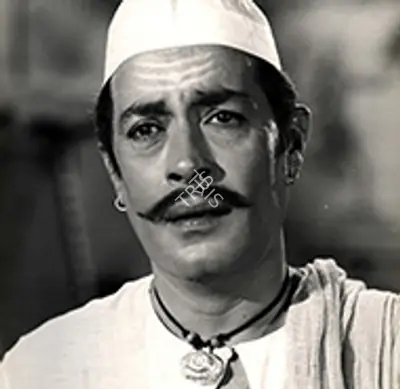
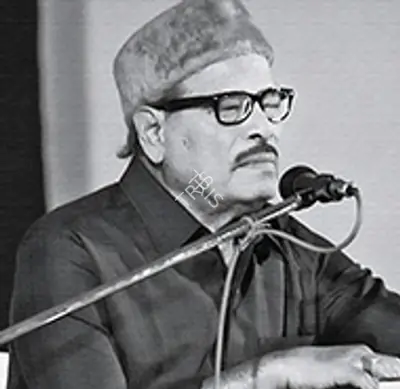
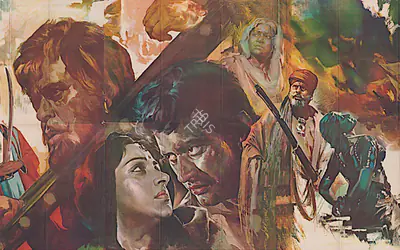
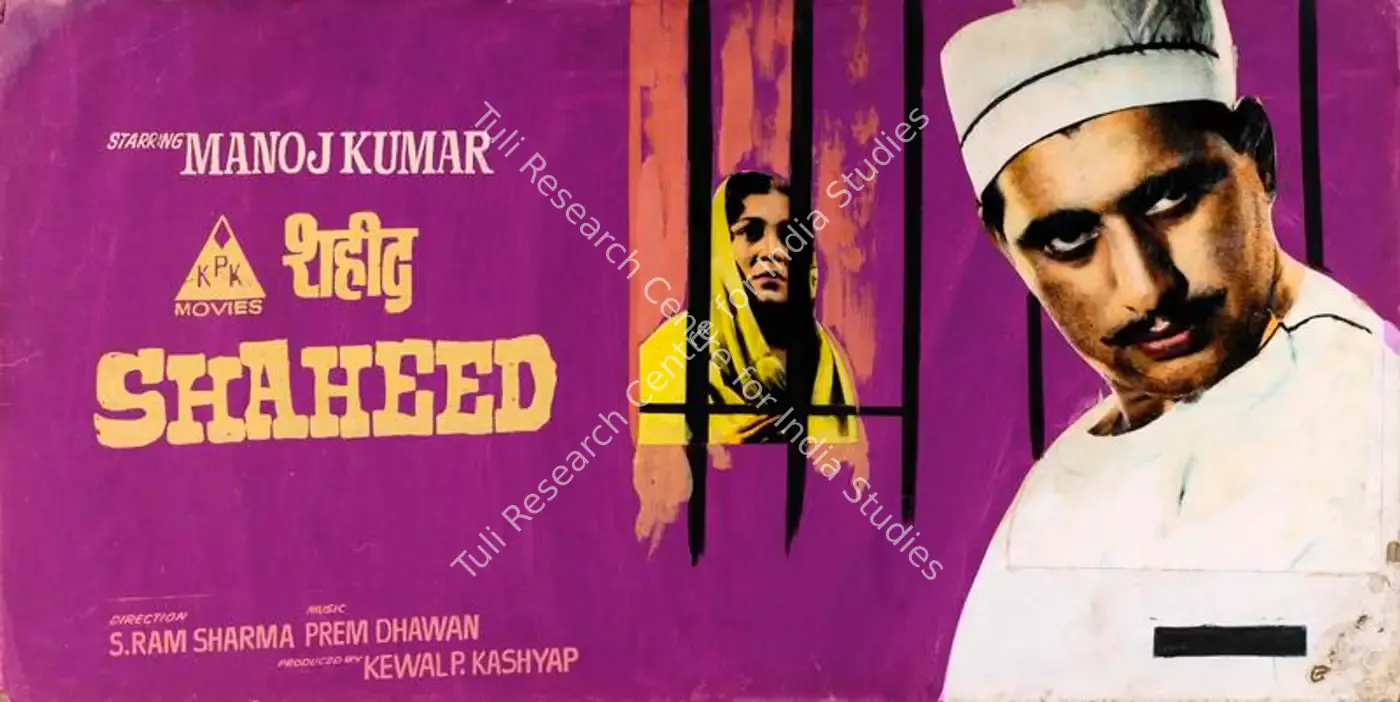
Shaheed (1965) a landmark patriotic film directed by S. Ram Sharma and produced by Kewal Kashyap, featured a stellar performance by Manoj Kumar in the lead role, alongside Kamini Kaushal and Pran. The film also boasted a strong supporting cast, including Iftekhar, Nirupa Roy, Prem Chopra, Madan Puri, and Anwar Hussain.
Based on the life of the revolutionary Bhagat Singh, Shaheed was the first in a series of patriotic films starring Manoj Kumar, later followed by acclaimed titles such as Upkar (1967), Purab Aur Paschim (1970), and Kranti (1981).
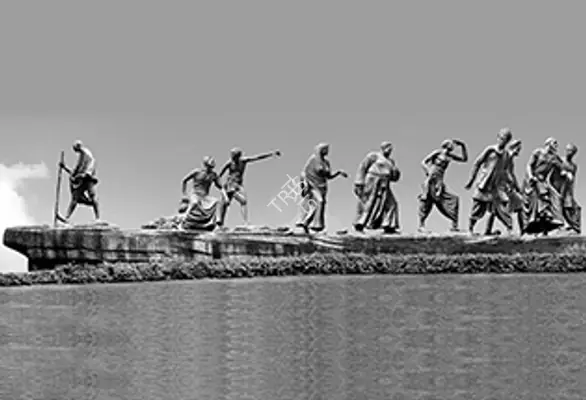
Unlike Gandhi's philosophy of non-violent resistance, Bhagat Singh advocated for a more radical approach, believing that armed struggle was necessary to achieve freedom. Despite this contrast in ideology, the film powerfully evoked the same spirit of patriotism and yearning for independence that underpinned Gandhi's movement.
The evocative music was composed by Prem Dhawan, with several poignant songs written by freedom fighter Ram Prasad Bismil, adding an authentic emotional depth to the narrative.
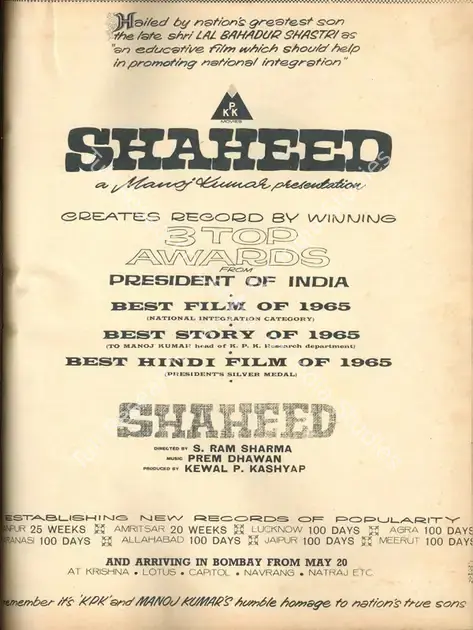
Released on 1 January 1965, Shaheed was both a critical and commercial success, emerging as the eleventh highest-grossing film of the year and earning a "hit" verdict from Box Office India. It went on to receive major accolades at the 13th National Film Awards, 1966, winning Best Feature Film in Hindi, the Nargis Dutt Award for Best Feature Film on National Integration, and Best Screenplay for B. K. Dutt and Din Dayal Sharma.
The film's acclaim, however, should be considered independently of the broader cultural and ideological impact of Gandhi's non-violent movement and its portrayal in other cinematic works, which focus more explicitly on his philosophy and enduring influence.
Based on the life of the revolutionary Bhagat Singh, Shaheed was the first in a series of patriotic films starring Manoj Kumar, later followed by acclaimed titles such as Upkar (1967), Purab Aur Paschim (1970), and Kranti (1981).
Unlike Gandhi's philosophy of non-violent resistance, Bhagat Singh advocated for a more radical approach, believing that armed struggle was necessary to achieve freedom. Despite this contrast in ideology, the film powerfully evoked the same spirit of patriotism and yearning for independence that underpinned Gandhi's movement.
The evocative music was composed by Prem Dhawan, with several poignant songs written by freedom fighter Ram Prasad Bismil, adding an authentic emotional depth to the narrative.
Released on 1 January 1965, Shaheed was both a critical and commercial success, emerging as the eleventh highest-grossing film of the year and earning a "hit" verdict from Box Office India. It went on to receive major accolades at the 13th National Film Awards, 1966, winning Best Feature Film in Hindi, the Nargis Dutt Award for Best Feature Film on National Integration, and Best Screenplay for B. K. Dutt and Din Dayal Sharma.
The film's acclaim, however, should be considered independently of the broader cultural and ideological impact of Gandhi's non-violent movement and its portrayal in other cinematic works, which focus more explicitly on his philosophy and enduring influence.
शहीद (1965) के निर्माता केवल कश्यप एवं निर्देशक एस. राम शर्मा थे। देशभक्ति से ओत-प्रोत यह ऐतिहासिक फ़िल्म भारतीय सिनेमा इतिहास की एक मील का पत्थर फ़िल्म मानी जाती है। इसमें अभिनेता मनोज कुमार ने अमर क्रांतिकारी भगत सिंह की भूमिका निभाई थी और उनका दमदार अभिनय आज भी याद किया जाता है। उनके साथ कमिनी कौशल और प्राण जैसे कलाकार फ़िल्म की अन्य प्रमुख भूमिकाओं में थे। सहायक भूमिकाओं में इफ़्तेख़ार, निरूपा रॉय, प्रेम चोपड़ा, मदन पुरी और अनवर हुसैन जैसे सशक्त कलाकार थे।
शहीद क्रांतिकारी भगत सिंह के जीवन पर आधारित पहली बड़ी फ़िल्म थी। इसके साथ ही मनोज कुमार की देशभक्ति शृंखला की फ़िल्मों की शुरुआत होती है जिस सूची में इसके बाद उपकार (1967), पूरब और पश्चिम (1970) और क्रांति (1981) जैसी प्रसिद्ध और कामयाब फ़िल्मों के नाम जुड़े।
जहाँ एक ओर महात्मा गांधी के नेतृत्व में चल रहा आन्दोलन अहिंसक प्रतिरोध पर आधारित था वहीं दूसरी ओर भगत सिंह और उनके साथियों ने स्वतंत्रता हासिल करने के लिए सशस्त्र क्रांति का रास्ता चुना। हालाँकि दोनों विचारधाराओं में अन्तर था लेकिन फ़िल्म ने भगत सिंह की देशभक्ति की भावना और स्वतंत्रता हासिल करने की ललक को उसी शिद्दत और जुनून के साथ दिखाया जितना गांधी के नेतृत्व में चले आन्दोलन के साथ जोड़ी जाती है।
फ़िल्म का भावुक कर देने वाला संगीत प्रेम धवन ने रचा था। कुछ मार्मिक गीतों में स्वतंत्रता संग्राम के क्रांतिकारी सिपाही रामप्रसाद बिस्मिल के लिखे शब्दों को भी पिरोया गया, जिससे फ़िल्म की प्रामाणिकता और भावनात्मक गहराई में और इज़ाफ़ा हुआ।
1 जनवरी, 1965 के दिन सिनेमाघरों में रिलीज़ हुई शहीद को समीक्षकों और दर्शकों दोनों का प्यार मिला। यह फ़िल्म व्यावसायिक रूप से कामयाब रही और उस साल की ग्यारहवीं सबसे अधिक कमाई करने वाली फ़िल्म बनी। 'बॉक्स ऑफिस इंडिया' ने भी इसे 'हिट' का दर्जा दिया था। इस फ़िल्म ने सन् 1966 के तेरहवें राष्ट्रीय फ़िल्म पुरस्कारों में कई महत्वपूर्ण सम्मान हासिल किए। इनमें प्रमुख सम्मान थे हिन्दी भाषा की सर्वश्रेष्ठ फ़ीचर फ़िल्म के लिए मिला राष्ट्रीय पुरस्कार, राष्ट्रीय एकता पर निर्मित सर्वश्रेष्ठ फ़ीचर फ़िल्म के लिए मिलनेवाला 'नरगिस दत्त पुरस्कार' और फ़िल्म के लेखकद्वय बी. के. दत्त एवं दीन दयाल शर्मा को मिला सर्वश्रेष्ठ पटकथा का राष्ट्रीय पुरस्कार।
शहीद फ़िल्म की भारतीय सिनेमा के इतिहास में अपनी ख़ास जगह है। बाद के सालों में भगत सिंह पर निर्मित कई अन्य फ़िल्मों के लिए यह फ़िल्म एक ज़रूरी संदर्भ बिन्दु बनी रही। इसे महात्मा गांधी के अहिंसा पर आधारित आन्दोलन की वैचारिक ज़मीन से स्वायत्त करके देखा जाना चाहिए। ठीक इसी तरह गांधी के दर्शन और भारतीय जनमानस पर उनके स्थायी प्रभाव को भी उन अन्य फिल्मों में बेहतर तरीके से देखा जा सकता है जिन्होंने इसे अधिक प्रत्यक्ष रूप से चित्रित किया है।
शहीद क्रांतिकारी भगत सिंह के जीवन पर आधारित पहली बड़ी फ़िल्म थी। इसके साथ ही मनोज कुमार की देशभक्ति शृंखला की फ़िल्मों की शुरुआत होती है जिस सूची में इसके बाद उपकार (1967), पूरब और पश्चिम (1970) और क्रांति (1981) जैसी प्रसिद्ध और कामयाब फ़िल्मों के नाम जुड़े।
जहाँ एक ओर महात्मा गांधी के नेतृत्व में चल रहा आन्दोलन अहिंसक प्रतिरोध पर आधारित था वहीं दूसरी ओर भगत सिंह और उनके साथियों ने स्वतंत्रता हासिल करने के लिए सशस्त्र क्रांति का रास्ता चुना। हालाँकि दोनों विचारधाराओं में अन्तर था लेकिन फ़िल्म ने भगत सिंह की देशभक्ति की भावना और स्वतंत्रता हासिल करने की ललक को उसी शिद्दत और जुनून के साथ दिखाया जितना गांधी के नेतृत्व में चले आन्दोलन के साथ जोड़ी जाती है।
फ़िल्म का भावुक कर देने वाला संगीत प्रेम धवन ने रचा था। कुछ मार्मिक गीतों में स्वतंत्रता संग्राम के क्रांतिकारी सिपाही रामप्रसाद बिस्मिल के लिखे शब्दों को भी पिरोया गया, जिससे फ़िल्म की प्रामाणिकता और भावनात्मक गहराई में और इज़ाफ़ा हुआ।
1 जनवरी, 1965 के दिन सिनेमाघरों में रिलीज़ हुई शहीद को समीक्षकों और दर्शकों दोनों का प्यार मिला। यह फ़िल्म व्यावसायिक रूप से कामयाब रही और उस साल की ग्यारहवीं सबसे अधिक कमाई करने वाली फ़िल्म बनी। 'बॉक्स ऑफिस इंडिया' ने भी इसे 'हिट' का दर्जा दिया था। इस फ़िल्म ने सन् 1966 के तेरहवें राष्ट्रीय फ़िल्म पुरस्कारों में कई महत्वपूर्ण सम्मान हासिल किए। इनमें प्रमुख सम्मान थे हिन्दी भाषा की सर्वश्रेष्ठ फ़ीचर फ़िल्म के लिए मिला राष्ट्रीय पुरस्कार, राष्ट्रीय एकता पर निर्मित सर्वश्रेष्ठ फ़ीचर फ़िल्म के लिए मिलनेवाला 'नरगिस दत्त पुरस्कार' और फ़िल्म के लेखकद्वय बी. के. दत्त एवं दीन दयाल शर्मा को मिला सर्वश्रेष्ठ पटकथा का राष्ट्रीय पुरस्कार।
शहीद फ़िल्म की भारतीय सिनेमा के इतिहास में अपनी ख़ास जगह है। बाद के सालों में भगत सिंह पर निर्मित कई अन्य फ़िल्मों के लिए यह फ़िल्म एक ज़रूरी संदर्भ बिन्दु बनी रही। इसे महात्मा गांधी के अहिंसा पर आधारित आन्दोलन की वैचारिक ज़मीन से स्वायत्त करके देखा जाना चाहिए। ठीक इसी तरह गांधी के दर्शन और भारतीय जनमानस पर उनके स्थायी प्रभाव को भी उन अन्य फिल्मों में बेहतर तरीके से देखा जा सकता है जिन्होंने इसे अधिक प्रत्यक्ष रूप से चित्रित किया है।
1 / 6
Body of Work
Art Director
Assistants in Direction
Din Dayal Sharma
Banner
Choreographer
Cinematographer
Dialogue Writer
Din Dayal Sharma
Director
Editing
B.S. Glaad, Vishnu Kumar Singh
Lead Cast
Lead Cast Rest
Lyricist
Music Director
Presented by Personality
Producer
Screenplay Writer
Din Dayal Sharma
Special Effects
Story Writer
B.K. Dutt
Research Centre
Calendar 1
- ArchivedExhibitionProject 8Self Discovery via Rediscovering India Series Part V Mahatma Gandhi25th April 2025as part of the Rediscovering India via Self-Discovery Exhibition Series Part VRead More →