

Introduction
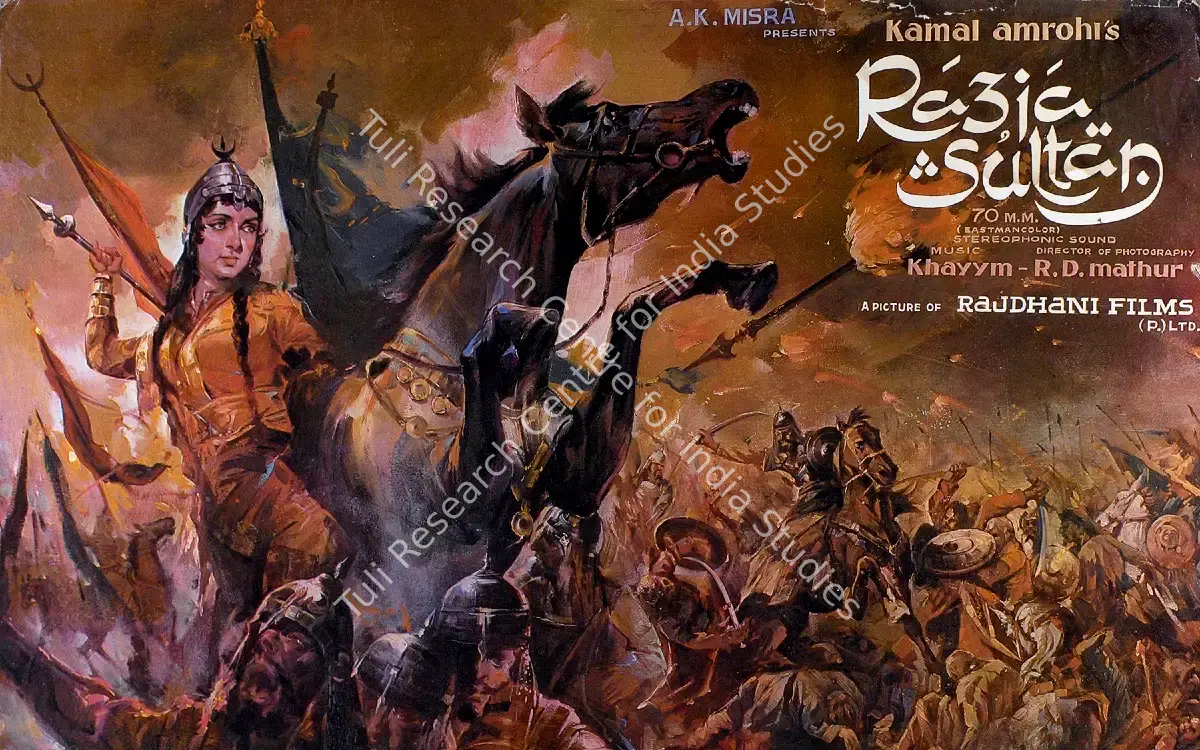
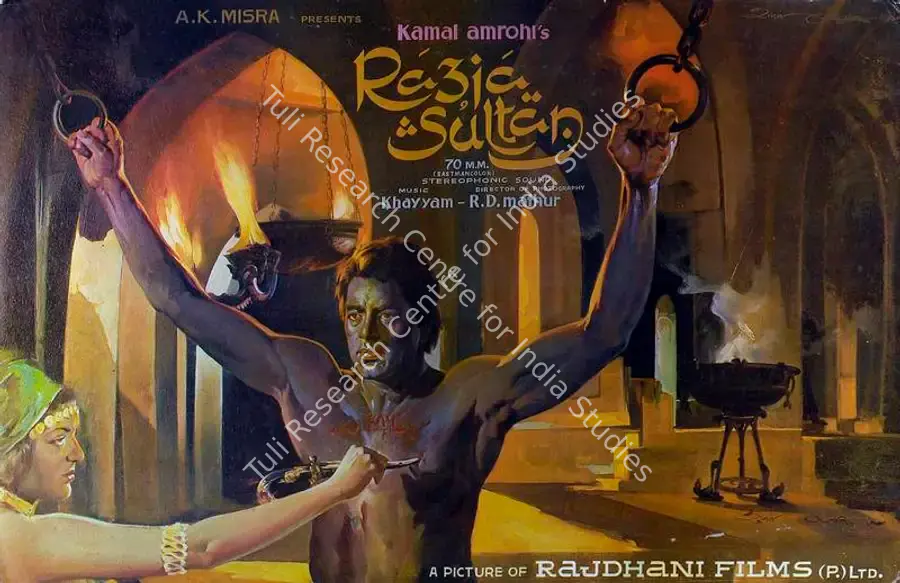
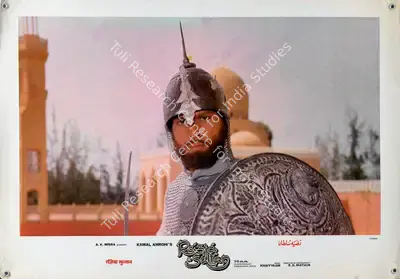
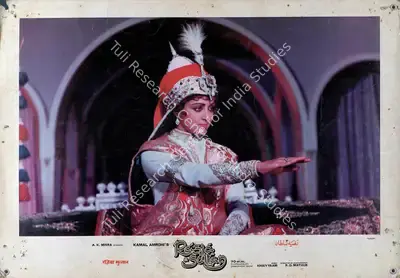
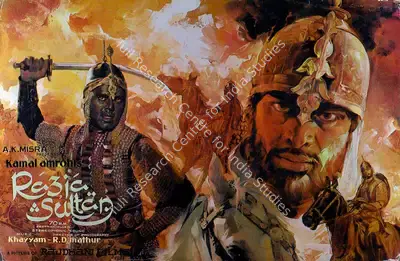
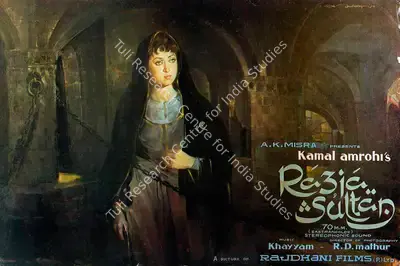
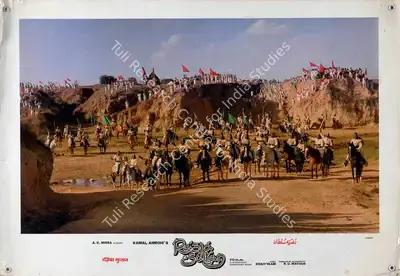
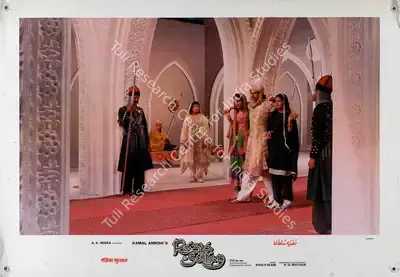
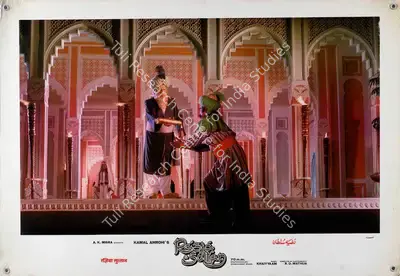
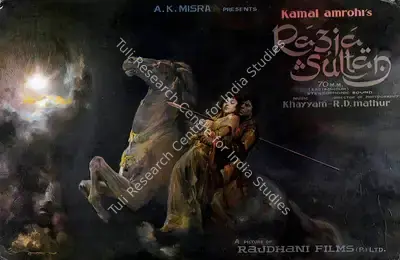
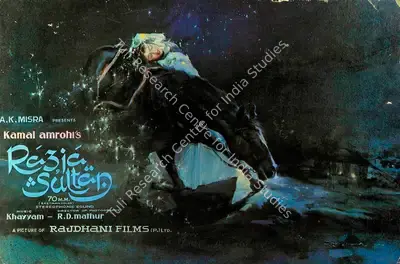
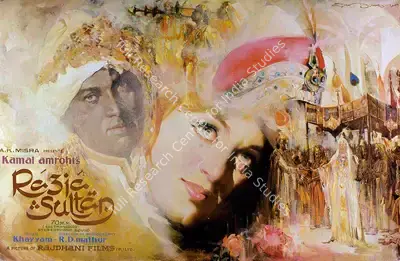
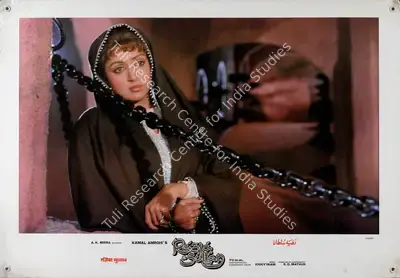
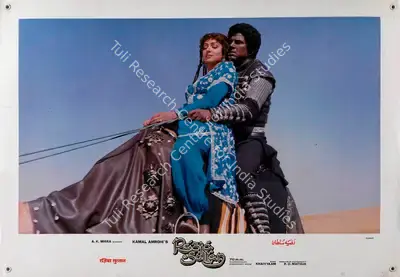
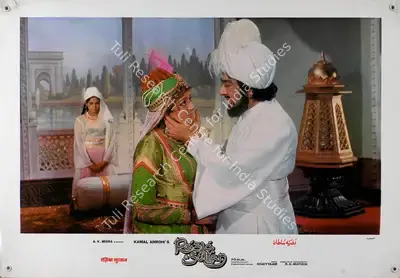
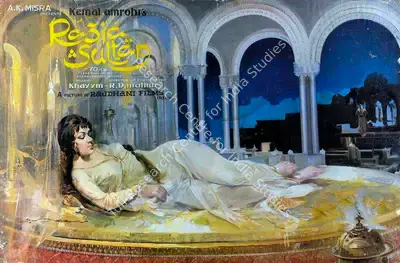
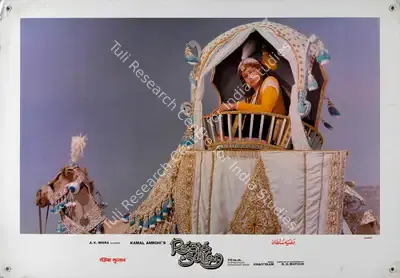
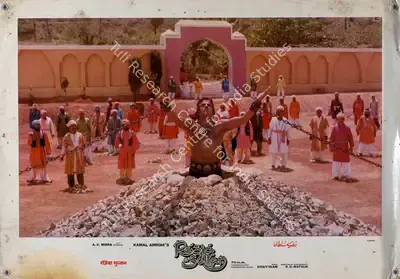
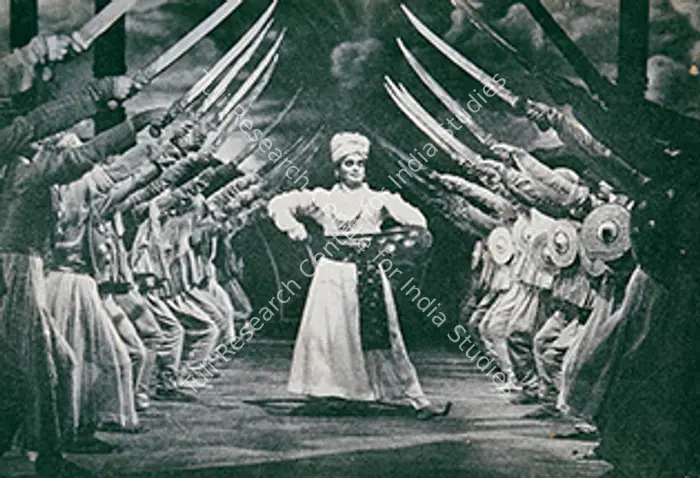
Razia Sultan (1983) was a period biographical film, written and directed by Kamal Amrohi, starring Hema Malini, Parveen Babi, and Dharmendra in pivotal roles. Despite high anticipation, the film became a box-office disaster, largely due to inflated expectations and its lavish production values. Upon release, it was the most expensive Indian film ever made.
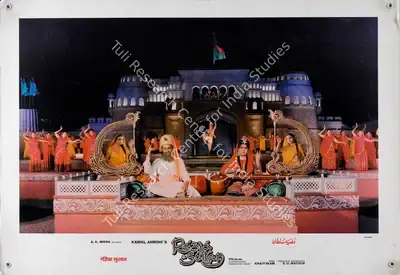
The film's art direction by N.B. Kulkarni earned a Filmfare Award for Best Art Direction, but Razia Sultan failed to generate the enthusiasm hoped for among audiences. While Hema Malini and Parveen Babi captivated with their beauty, their performances were criticized for lacking emotional depth. Though the film's visuals were impressive, the storytelling and acting left much to be desired.
The music, composed by Khayyam, garnered some praise. Khayyam received a Filmfare nomination for Best Music Director, with memorable tracks penned by Jan Nisar Akhtar, Nida Fazli, and Kaifi Azmi, the latter two stepping in after Akhtar's death. One of the standout songs, Lata Mangeshkar's iconic Aye Dil-e Nadaan, became one of the singer's personal favourites and remains a classic.
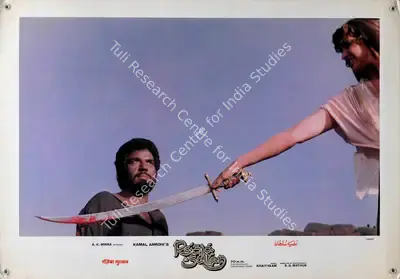
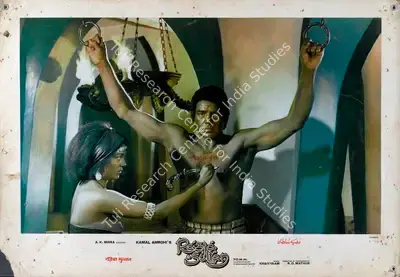
Despite these artistic merits, the film's storyline deviated significantly from historical facts. Instead of focusing on Razia Sultan's leadership and achievements as the only female Sultan of Delhi (1236–1240), the film centered on a speculative romance between Razia and her Abyssinian slave, Jamal-ud-Din Yakut (Dharmendra). This departure from history reduced the legendary figure to a love interest, undermining her political and military legacy.
Hema Malini, at the peak of her career, had high hopes for the film's success. However, it failed to resonate with both critics and audiences, marking a significant setback in her career.
A passion project for Amrohi, Razia Sultan had a budget of ₹7–10 crore and a production timeline of seven years. Yet, it grossed only ₹2 crore, becoming a box-office failure and overshadowing the considerable resources invested. In hindsight, Razia Sultan serves as a cautionary tale that high production value and star power do not always guarantee success. Despite its visually striking appeal and memorable music, the film's lackluster performances and narrative missteps contributed to its failure, making it a significant disappointment in the careers of all involved.
विशाल उम्मीदों के बावजूद यह फ़िल्म टिकट खिड़की पर औंधे मुँह गिरी। इसके पीछे मुख्य वजह फ़िल्म से लगाई गई ज़रूरत से ज़्यादा बड़ी उम्मीदें और इसकी भव्य निर्माण लागत थी। रिलीज़ के समय इसे तब तक की सबसे महंगी भारतीय फ़िल्म माना गया था।
फ़िल्म की भव्य कारीगरी के लिए कला निर्देशक एन.बी. कुलकर्णी को अगले साल सर्वश्रेष्ठ कला निर्देशक का फ़िल्मफ़ेयर पुरस्कार मिला, लेकिन दर्शकों के बीच उत्साह जगाने में फ़िल्म कामयाब नहीं हो पाई। हेमा मालिनी और परवीन बॉबी ने अपनी खूबसूरती से दिल जीता, पर उनके अभिनय में भावनात्मक गहराई की कमी के लिए आलोचना हुई। फ़िल्म की भव्यता के बावजूद पटकथा और अभिनय की कमज़ोरियाँ स्पष्ट थीं।
संगीतकार ख़य्याम ने फ़िल्म के संगीत के लिए तारीफ़ हासिल की और फ़िल्मफ़ेयर पुरस्कारों में सर्वश्रेष्ठ संगीत निर्देशक के लिए नामांकन भी मिला। गीतकारों में जाँ निसार अख़्तर, निदा फ़ाज़ली और कैफ़ी आज़मी शामिल थे। लता मंगेशकर का गीत "ऐ दिल-ए-नादाँ" आज भी उस दौर के क्लासिक्स में शुमार है।
पर इन कलात्मक खूबियों के बावजूद फ़िल्म की कहानी ऐतिहासिक तथ्यों से दूर चली गई। दिल्ली की एकमात्र महिला शासक (1236-1240) के रूप में रज़िया सुल्तान की राजनैतिक और सैन्य उपलब्धियों की बजाय फ़िल्म ने उनके और अफ़्रीकी गुलाम जमालुद्दीन याकूत (धर्मेंद्र) के बीच प्रेम कहानी को केन्द्रित किया। इस वजह से रज़िया का चरित्र सीमित होकर केवल प्रेम में डूबी महिला बन गया।
हेमा मालिनी के लिए यह फ़िल्म बड़ी उम्मीदें लेकर आई थी, लेकिन यह फ़िल्म आलोचकों और दर्शकों दोनों के बीच असफल रही। कमाल अमरोही के लिए यह एक जुनून था, जिसमें उन्होंने सात साल और 7 से 10 करोड़ का बजट लगाया। पर फ़िल्म ने केवल 2 करोड़ की कमाई की, जो लागत से बहुत कम था।
इस फ़िल्म से यह सीख मिलती है कि भव्य निर्माण और बड़े सितारे लेने भर से सफलता सुनिश्चित नहीं होती। अभिनय और पटकथा की कमजोरियों के चलते रज़िया सुल्तान की असफलता ने जुड़े कलाकारों के करियर में भी निराशा पैदा की।
Body of Work
Research Centre
Calendar 1
- ArchivedExhibitionProject 2Self-Discovery via Rediscovering India Series Part II India's Cinematic Heritage12th - 24th August 2024Self-Discovery via Rediscovering India Series Part IIRead More →
Related
10