
Pikoo1980
Introduction
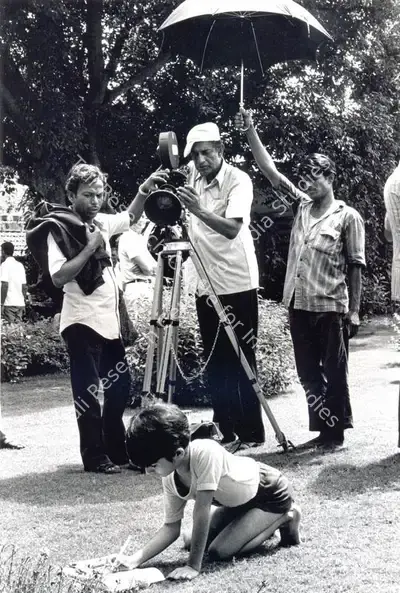
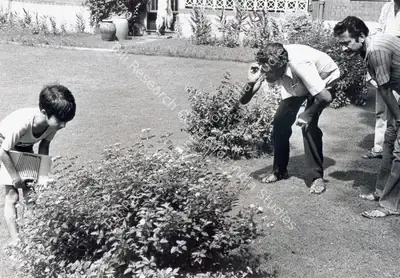
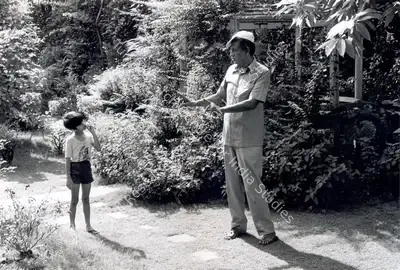
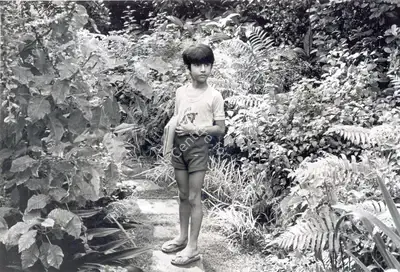
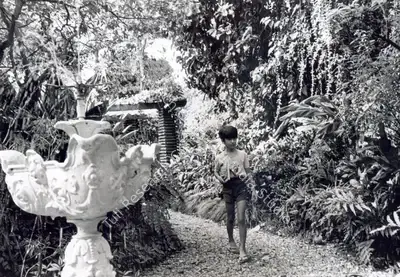
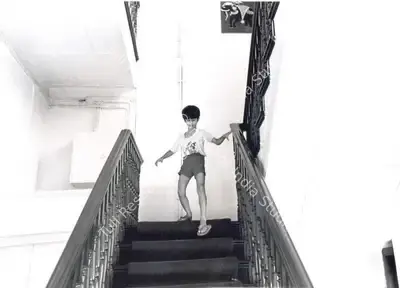
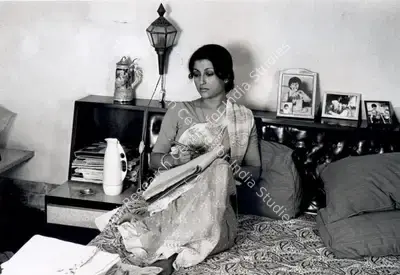
Pikoo (1980) In the autumnal hush of 1980, Pikoo, a Bengali-language short film, quietly bloomed under the masterful gaze of Satyajit Ray. Conceived for the French television channel France 3, the film was born of Ray's own pen, a cinematic rendering of his short story Pikoor Diary (Pikoo's Diary), a tender, haunting meditation on childhood innocence poised against the tremors of adult infidelity.
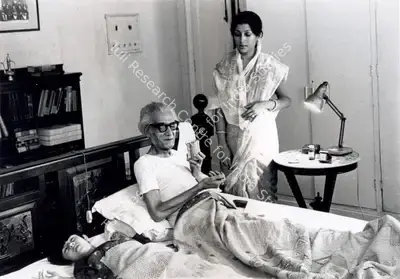
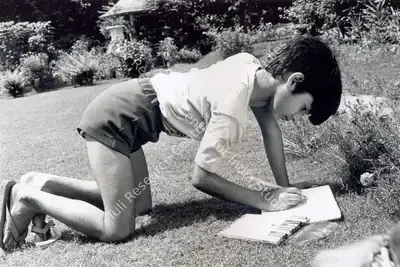
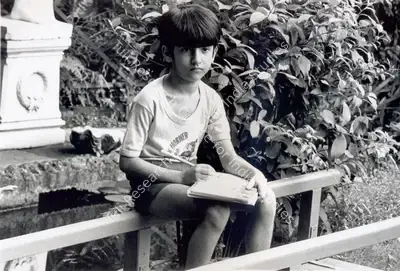
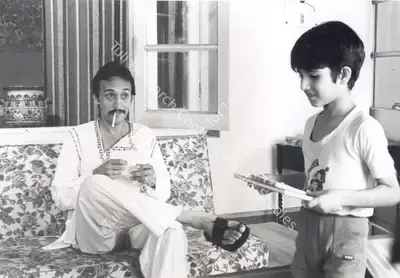
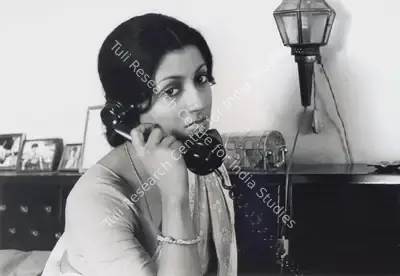
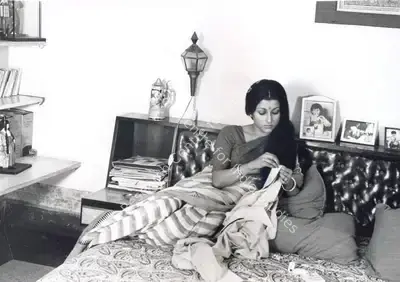
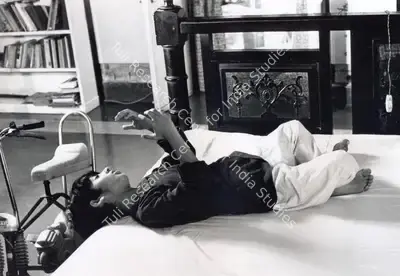
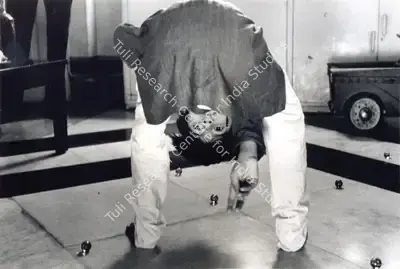
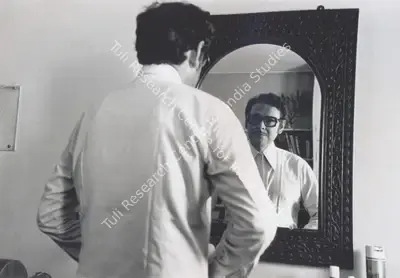
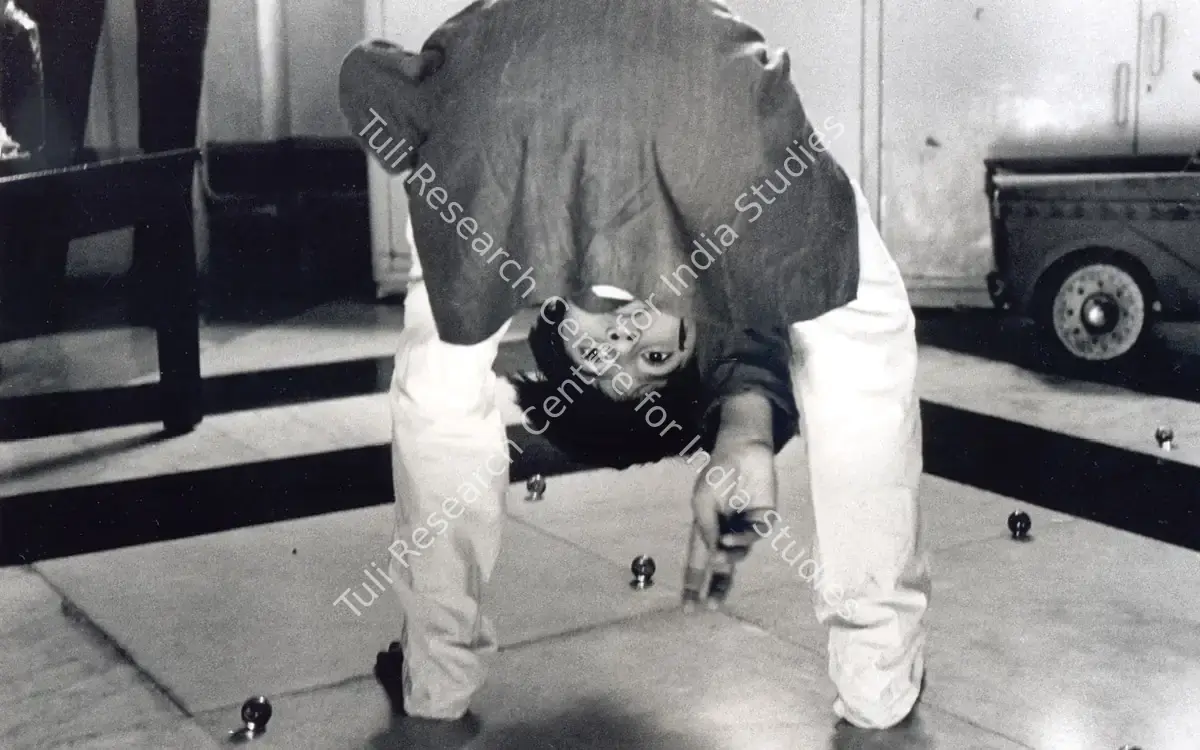
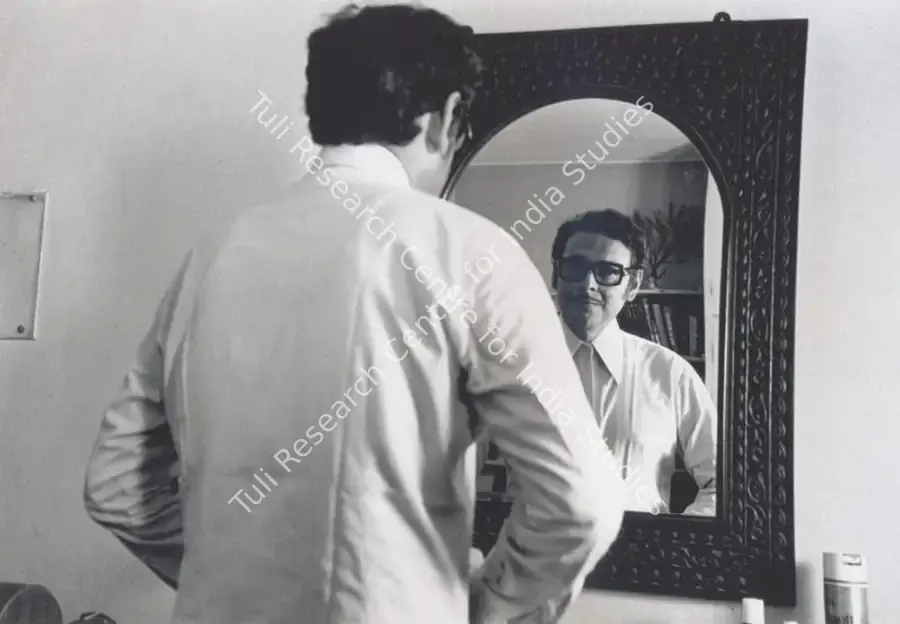
Set over the course of a single day, Pikoo traces the delicate footsteps of a six-year-old boy wandering through a world far more fractured than he understands. As his mother engages in a clandestine affair, Pikoo sketches flowers and clouds in his notebook, unaware—or perhaps too aware—of the emotional storm gathering within his home. The cast breathes quiet life into this tableau of fragile domesticity: Arjun Guha Thakurta portrays the wide-eyed Pikoo; the luminous Aparna Sen embodies Seema, the mother torn between duty and desire; Soven Lahiri assumes the role of Ranjan, the quietly grieving father; Promod Ganguli appears as the ailing grandfather, Loknath; and Victor Banerjee lends gravity to the role of Hitesh, the mother's lover.
In his biography, Ray recounts the genesis of the film with wry fondness. The French freelance producer Henri Fraise had approached him with a proposition as minimal as it was liberating: "You can place your camera at your window and shoot the house next-door—we will accept that." Thus was Ray invited to fashion cinema from the ordinary, from whispers rather than thunder. Despite its modest scale, Ray himself described Pikoo in an interview with Cineaste as “a very complex film”—a distilled elegy to the unnoticed emotional lives of children, told with painterly restraint and psychological acuity.
The script of Pikoo, alongside others from Ray's illustrious oeuvre, found its way into the anthology Original English Film Scripts: Satyajit Ray, curated by his son Sandip Ray and Aditinath Sarkar, former CEO of the Ray Society. This collection is a treasure trove of Ray's narrative craftsmanship, revealing the architecture of his stories in their rawest form.
Though unconfirmed, whispers within the cinematic community suggest that Pikoo may have left its subtle imprint on the 2015 Hindi-language film Piku, directed by Shoojit Sircar—a spiritual echo, if not a direct homage.
Following the conferral of an honorary Academy Award upon Satyajit Ray in 1992, an accolade recognising his profound contribution to the art of cinema, the Academy of Motion Picture Arts and Sciences undertook the noble task of preserving his legacy. Through the Academy Film Archive, an initiative was launched to restore and safeguard Ray's films for future generations. Under the stewardship of preservation officer Josef Lindner, 19 of Ray's cinematic works had been lovingly restored by October 2010.
Yet, in this gallery of resurrected masterpieces, Pikoo remains conspicuously absent. The film, ephemeral and elusive, resists recovery; its fragments scattered, its details elusive, a poignant irony for a story so intimately tied to memory and loss.
एक ही दिन की अवधि में घटित होनेवाली यह फ़िल्म एक छह साल के नन्हें से बच्चे पीकू के छोटे-छोटे, अनिश्चित कदमों के साथ आगे बढ़ रही है। पीकू एक ऐसे संसार में भटक रहा है जिसकी टूटन को वह पूरी तरह समझ नहीं पाता। जब उसकी माँ सबसे छिपाकर एक प्रेम-संबंध बनाती है तब पीकू अपनी नोटबुक में फूल और बादल बनाता रहता है। दीन-दुनिया से अंजान या शायद उस बहुत नाज़ुक परिस्थिति से जो तूफ़ान बनकर उसके घर के भीतर उमड़ रही है। फ़िल्म के अन्य पात्र इस नाज़ुक पारिवारिक परिदृश्य को मौन जीवन देते हैं। अर्जुन गुहा ठाकुरता यहाँ मासूम पीकू की भूमिका में हैं। अपर्णा सेन यहाँ कर्तव्य और इच्छा के बीच फँसी स्त्री, पीकू की माँ सीमा की भूमिका में हैं और अपने बारीक़ अभिनय से इस नाज़ुक चरित्र को जीवन्त करती हैं। अभिनेता सोवेन लाहिड़ी ने मौन, शोकाकुल पिता रंजन की भूमिका अच्छे से निभाई है। प्रमोद गांगुली बच्चे के बीमार दादा लोकनाथ की भूमिका में हैं और विक्टर बनर्जी ने माँ के प्रेमी हितेश के रूप में अपने गरिमामय अभिनय से फ़िल्म के कथानक को नवीन आयाम दिया है।
अपनी जीवनी में सत्यजित राय ने इस फ़िल्म को एक हल्की मुस्कान के साथ याद किया है। स्वतंत्र फ़्रांसीसी निर्माता हेनरी फ्रेज़ ने उनसे बहुत सीधा सा लेकिन एक फ़िल्मकार के लिए आज़ादी से भरा प्रस्ताव रखा था, “आप बस अपनी खिड़की पर कैमरा रख दीजिए और सामने वाले घर की शूटिंग कर लीजिए, हम उसे भी स्वीकार कर लेंगे।” इस प्रकार राय को सामान्य जीवन की कहानी जिसमें कोई तूफ़ान नहीं हो बल्कि फ़ुसफ़ुसाहटों में बातें कही गई हों, ऐसा सिनेमा रचने का आमंत्रण मिला। पर अपने सीमित पैमाने के बावजूद राय ने 'सिनेस्ट' नामक पत्रिका को दिए एक साक्षात्कार में पीकू को “बहुत जटिल फ़िल्म” कहा था। यह उनके लिए बचपन के अनोखे भावनात्मक संसार पर रचा गया एक छोटा सा शोकगीत था, जिसे उन्होंने किसी चित्रकार सी मितव्ययिता और मनोवैज्ञानिक चेतना के साथ रचा।
पीकू की पटकथा सत्यजित राय की अन्य उल्लेखनीय फ़िल्मों की पटकथा की तरह बाद में 'ओरिजिनल इंग्लिश फ़िल्म स्क्रिप्ट्स: सत्यजित राय' शीर्षक से प्रकाशित संकलन में शामिल की गई। इस पुस्तक को उनके पुत्र संदीप राय और राय सोसाइटी के पूर्व सीईओ अदितिनाथ सरकार ने संपादित किया था। यह संग्रह राय के कथा-शिल्प की संरचना को उसके सबसे स्वाभाविक, अनगढ़ रूप में प्रस्तुत करता है। इसे पढ़ना जैसे उनकी रचनात्मकता की कार्यशाला को भीतर से देखना है।
हालाँकि इसकी पुष्टि कभी नहीं हुई लेकिन सिनेमाई जगत में यह भी कहा जाता है कि सन् 2015 में आई हिन्दी फ़िल्म पीकू, जिसके निर्देशक शुजीत सरकार थे, पर राय की इस लघु फ़िल्म का आत्मिक प्रभाव रहा है। भले वह सीधे तौर पर बहुत अलग फ़िल्म है, लेकिन राय की पीकू की एक भोली अनुगूंज अवश्य उसकी आत्मा से जुड़ती है।
सन् 1992 में सत्यजित राय को सिनेमा कला में उनके महान योगदान के लिए मानद ऑस्कर पुरस्कार से सम्मानित किया गया। इसी के बाद 'अकेडेमी ऑफ़ मोशन पिक्चर आर्ट्स एंड साइंसेज़' ने सत्यजित राय की सिनेमाई विरासत के संरक्षण का बीड़ा उठाया। 'अकेडेमी फ़िल्म आर्काइव' की पहल के तहत संरक्षण अधिकारी जोसेफ़ लिंडनर के नेतृत्व में अक्टूबर, 2010 तक राय की कुल 19 फ़िल्मों का संरक्षण किया जा चुका था।
पर इन रीस्टोर की हुई उत्कृष्ट रचनाओं में लघुफ़िल्म पीकू अनुपस्थित है। यह फ़िल्म आज भी अप्राप्य बनी हुई है। इसके मूल अंश इधर-उधर बिखरे हुए हैं और इसके विवरण धुँधले पड़ रहे हैं। यह अपने आप में एक मार्मिक विडंबना है कि जिस फ़िल्म की कहानी का विषय ही विस्मृति और क्षय है, वही खुद विस्मरण के अंधेरे में खो रही है।
Body of Work