Introduction
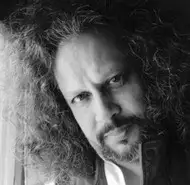
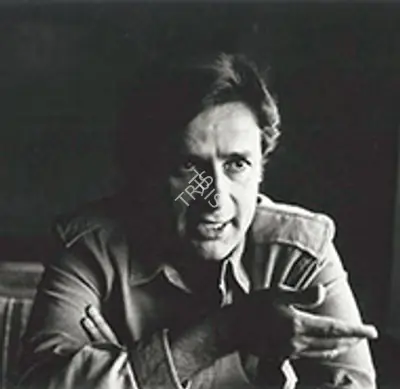
Govind Nihalani (born 19 December 1940) He is an eminent Indian film director, cinematographer, screenwriter, and producer, renowned for his significant contributions to Hindi cinema, particularly the Indian Parallel Cinema movement. Over a distinguished career spanning several decades, he has received six National Film Awards, including awards for cinematography for Aakrosh (1980), Vijeta (1982), and Tamas (1988), as well as five Filmfare Awards. In recognition of his outstanding contribution to Indian cinema, he was also honoured with the Padma Shri, India's fourth-highest civilian award.
Born in Karachi, Sindh Province (now in Pakistan), on 19 December 1940, Nihalani migrated with his family to India following the Partition of 1947. He completed his formal training in cinematography at the Shree Jaya Chamrajendra Polytechnic (now the Government Film and Television Institute), Bengaluru, graduating in 1962.
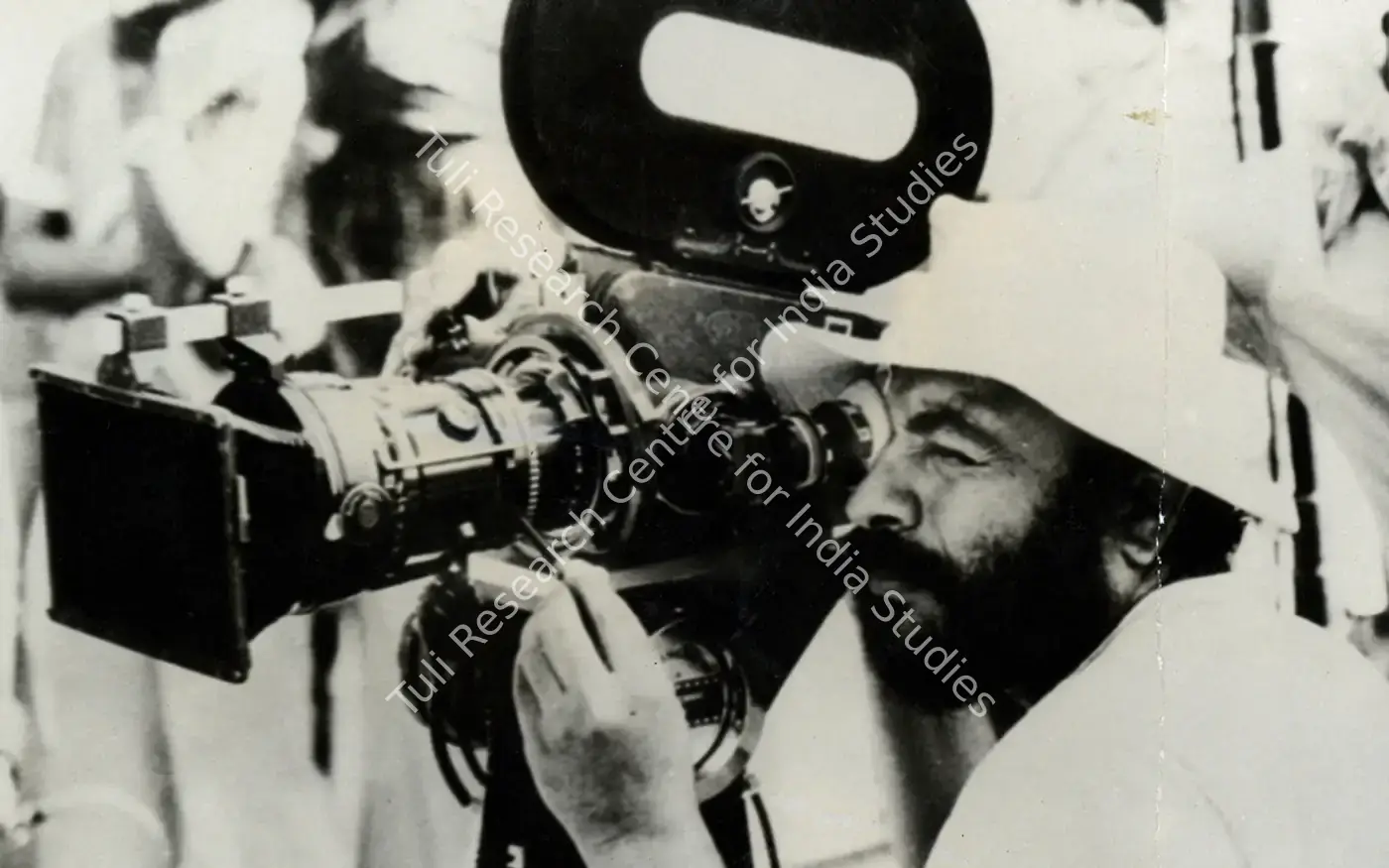
Nihalani began his professional career as an assistant cinematographer to the celebrated cinematographer V. K. Murthy before establishing himself as an accomplished cinematographer in his own right. He served as the cinematographer for several of Shyam Benegal's early films, contributing significantly to the visual language of India's Parallel Cinema movement. He also worked on Richard Attenborough's Academy Award-winning historical biographical film Gandhi (1982), where, in addition to serving as cinematographer, he functioned as an uncredited second-unit director, overseeing the filming of several large-scale sequences, including Mahatma Gandhi's funeral procession. The long-standing creative collaboration between Nihalani and Benegal has been widely recognised for producing socially and politically engaged cinema.
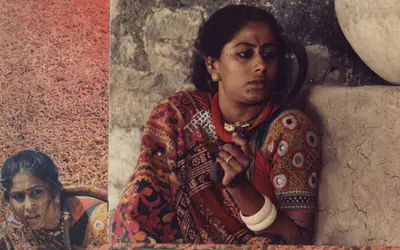
Nihalani made his directorial debut with the legal drama Aakrosh (1980), starring Om Puri, Naseeruddin Shah, Smita Patil, and Amrish Puri. Written by the eminent Marathi playwright Vijay Tendulkar, the film received widespread critical acclaim and was awarded the Golden Peacock for Best Film at the International Film Festival of India, New Delhi, in 1981. He followed this success with Ardh Satya (1983), a landmark police drama adapted from a story by S. D. Panwalkar, which is widely regarded as one of the defining works of Indian Parallel Cinema.
In 1996, Nihalani's screenplay for Drohkaal (1994), which had won the National Film Award for Best Feature Film in Hindi, was adapted by Kamal Haasan into the Tamil-language film Kuruthipunal (1995). The remake was subsequently selected as India's official submission for the Best Foreign Language Film category at the 68th Academy Awards. In 1997, Nihalani adapted Mahasweta Devi's acclaimed Bengali novel into the feature film Hazaar Chaurasi Ki Maa, further demonstrating his sustained engagement with politically conscious and socially relevant narratives.
Widely regarded as one of the foremost figures of Indian Parallel Cinema, Govind Nihalani's body of work is distinguished by its artistic excellence, political commitment, and innovative visual style. His numerous honours—including six National Film Awards, five Filmfare Awards, and the Padma Shri—attest to his enduring influence on Indian cinema as both a cinematographer and filmmaker.
Born in Karachi, Sindh Province (now in Pakistan), on 19 December 1940, Nihalani migrated with his family to India following the Partition of 1947. He completed his formal training in cinematography at the Shree Jaya Chamrajendra Polytechnic (now the Government Film and Television Institute), Bengaluru, graduating in 1962.
Nihalani began his professional career as an assistant cinematographer to the celebrated cinematographer V. K. Murthy before establishing himself as an accomplished cinematographer in his own right. He served as the cinematographer for several of Shyam Benegal's early films, contributing significantly to the visual language of India's Parallel Cinema movement. He also worked on Richard Attenborough's Academy Award-winning historical biographical film Gandhi (1982), where, in addition to serving as cinematographer, he functioned as an uncredited second-unit director, overseeing the filming of several large-scale sequences, including Mahatma Gandhi's funeral procession. The long-standing creative collaboration between Nihalani and Benegal has been widely recognised for producing socially and politically engaged cinema.
Nihalani made his directorial debut with the legal drama Aakrosh (1980), starring Om Puri, Naseeruddin Shah, Smita Patil, and Amrish Puri. Written by the eminent Marathi playwright Vijay Tendulkar, the film received widespread critical acclaim and was awarded the Golden Peacock for Best Film at the International Film Festival of India, New Delhi, in 1981. He followed this success with Ardh Satya (1983), a landmark police drama adapted from a story by S. D. Panwalkar, which is widely regarded as one of the defining works of Indian Parallel Cinema.
In 1996, Nihalani's screenplay for Drohkaal (1994), which had won the National Film Award for Best Feature Film in Hindi, was adapted by Kamal Haasan into the Tamil-language film Kuruthipunal (1995). The remake was subsequently selected as India's official submission for the Best Foreign Language Film category at the 68th Academy Awards. In 1997, Nihalani adapted Mahasweta Devi's acclaimed Bengali novel into the feature film Hazaar Chaurasi Ki Maa, further demonstrating his sustained engagement with politically conscious and socially relevant narratives.
Widely regarded as one of the foremost figures of Indian Parallel Cinema, Govind Nihalani's body of work is distinguished by its artistic excellence, political commitment, and innovative visual style. His numerous honours—including six National Film Awards, five Filmfare Awards, and the Padma Shri—attest to his enduring influence on Indian cinema as both a cinematographer and filmmaker.
गोविन्द निहलानी (जन्म 19 दिसंबर 1940) एक जाने-माने भारतीय फ़िल्म निर्देशक, सिनेमैटोग्राफ़र, पटकथा लेखक और निर्माता हैं। उन्हें हिंदी सिनेमा, और ख़ासकर भारतीय 'पैरेलल सिनेमा' (समानांतर सिनेमा) आंदोलन में उनके योगदान के लिए जाना जाता है। कई दशकों के अपने शानदार करियर में, उन्हें छह राष्ट्रीय फ़िल्म पुरस्कार मिले हैं, जिनमें 'आक्रोश' (1980), 'विजेता' (1982) और 'तमस' (1988) के लिए सिनेमैटोग्राफ़ी के पुरस्कार शामिल हैं। साथ ही उन्हें पाँच फ़िल्मफ़ेयर पुरस्कार भी मिले हैं। भारतीय सिनेमा में उनके बेहतरीन योगदान के लिए उन्हें भारत के चौथे सबसे बड़े नागरिक सम्मान, 'पद्म श्री' से भी सम्मानित किया गया।
19 दिसंबर 1940 को कराची, सिंध प्रांत (जो अब पाकिस्तान में है) में जन्मे निहलानी, 1947 के बंटवारे के बाद परिवार के साथ भारत आ गए। उन्होंने बेंगलुरु के श्री जया चामराजेन्द्र पॉलिटेक्निक (जिसे अब गवर्नमेंट फ़िल्म एंड टेलीविज़न इंस्टीट्यूट के नाम से जाना जाता है) से सिनेमैटोग्राफ़ी में अपनी औपचारिक ट्रेनिंग पूरी की और 1962 में ग्रेजुएट हुए।
निहलानी ने अपने करियर की शुरुआत मशहूर सिनेमैटोग्राफ़र वी. के. मूर्ति के असिस्टेंट सिनेमैटोग्राफ़र के तौर पर की और बाद में ख़ुद एक क़ामयाब सिनेमैटोग्राफ़र के तौर पर अपनी पहचान बनाई। उन्होंने श्याम बेनेगल की शुरुआती कई फ़िल्मों में सिनेमैटोग्राफ़र का काम किया और भारत के 'पैरेलल सिनेमा' मूवमेंट की विजुअल (दृश्य) भाषा को आकार देने में अहम भूमिका निभाई। उन्होंने रिचर्ड एटनबरो की एकेडमी अवॉर्ड जीतने वाली ऐतिहासिक बायोपिक 'गांधी' (1982) पर भी काम किया। इस फ़िल्म में सिनेमैटोग्राफ़र होने के साथ-साथ उन्होंने बिना क्रेडिट वाले सेकंड-यूनिट डायरेक्टर के तौर पर भी काम किया और महात्मा गांधी के अंतिम संस्कार के जुलूस जैसे कई बड़े दृश्यों की शूटिंग की देखरेख की। निहलानी और बेनेगल के बीच लंबे समय से चले आ रहे क्रिएटिव सहयोग को सामाजिक और राजनीतिक रूप से जागरूक सिनेमा बनाने के लिए काफ़ी सराहा गया है।
निहलानी ने कानूनी ड्रामा 'आक्रोश' (1980) से निर्देशन की दुनिया में क़दम रखा, जिसमें ओम पुरी, नसीरुद्दीन शाह, स्मिता पाटिल और अमरीश पुरी ने मुख्य भूमिकाएँ निभाई थीं। मशहूर मराठी नाटककार विजय तेंदुलकर द्वारा लिखी गई, इस फ़िल्म को आलोचकों से ख़ूब सराहना मिली और 1981 में नई दिल्ली में आयोजित 'इंटरनेशनल फ़िल्म फेस्टिवल ऑफ़ इंडिया' में इसे 'बेस्ट फ़िल्म' के लिए 'गोल्डन पीकॉक' पुरस्कार से सम्मानित किया गया। इसके बाद उन्होंने 'अर्ध सत्य' (1983) बनाई, जो एस. डी. पानवलकर की कहानी पर आधारित एक शानदार पुलिस ड्रामा थी और जिसे भारतीय पैरेलल सिनेमा की अहम फ़िल्मों में से एक माना जाता है।
1996 में, निहलानी की फ़िल्म 'द्रोहकाल' (1994) की पटकथा लिखी, जिसे हिंदी में सर्वश्रेष्ठ फ़ीचर फ़िल्म का राष्ट्रीय फ़िल्म पुरस्कार मिला था और उसे कमल हासन ने तमिल फ़िल्म 'कुरुथिपुनल' (1995) के रूप में ढाला। बाद में इस रीमेक को 68वें अकादमी पुरस्कारों में 'सर्वश्रेष्ठ विदेशी भाषा फ़िल्म' श्रेणी के लिए भारत की आधिकारिक प्रविष्टि के तौर पर चुना गया। 1998 में, निहलानी ने महाश्वता देवी के मशहूर बंगाली उपन्यास पर आधारित फ़ीचर फ़िल्म 'हज़ार चौरासी की माँ' बनाई, जिससे राजनीतिक रूप से जागरूक और सामाजिक रूप से प्रासंगिक कहानियों में उनकी लगातार दिलचस्पी का पता चलता है।
भारतीय पैरेलल सिनेमा की प्रमुख हस्तियों में से एक माने जाने वाले गोविंद निहलानी का काम अपनी कलात्मक उत्कृष्टता, राजनीतिक प्रतिबद्धता और नए तरह के विज़ुअल स्टाइल (दृश्य शैली) के लिए जाना जाता है। उन्हें मिले कई सम्मान, जिनमें छह नेशनल फ़िल्म अवॉर्ड, पाँच फ़िल्मफ़ेयर अवॉर्ड और पद्म श्री शामिल हैं। इस बात का सबूत हैं कि सिनेमैटोग्राफ़र और फ़िल्ममेकर, दोनों ही रूपों में भारतीय सिनेमा पर उनका कितना गहरा और स्थायी प्रभाव रहा है।
19 दिसंबर 1940 को कराची, सिंध प्रांत (जो अब पाकिस्तान में है) में जन्मे निहलानी, 1947 के बंटवारे के बाद परिवार के साथ भारत आ गए। उन्होंने बेंगलुरु के श्री जया चामराजेन्द्र पॉलिटेक्निक (जिसे अब गवर्नमेंट फ़िल्म एंड टेलीविज़न इंस्टीट्यूट के नाम से जाना जाता है) से सिनेमैटोग्राफ़ी में अपनी औपचारिक ट्रेनिंग पूरी की और 1962 में ग्रेजुएट हुए।
निहलानी ने अपने करियर की शुरुआत मशहूर सिनेमैटोग्राफ़र वी. के. मूर्ति के असिस्टेंट सिनेमैटोग्राफ़र के तौर पर की और बाद में ख़ुद एक क़ामयाब सिनेमैटोग्राफ़र के तौर पर अपनी पहचान बनाई। उन्होंने श्याम बेनेगल की शुरुआती कई फ़िल्मों में सिनेमैटोग्राफ़र का काम किया और भारत के 'पैरेलल सिनेमा' मूवमेंट की विजुअल (दृश्य) भाषा को आकार देने में अहम भूमिका निभाई। उन्होंने रिचर्ड एटनबरो की एकेडमी अवॉर्ड जीतने वाली ऐतिहासिक बायोपिक 'गांधी' (1982) पर भी काम किया। इस फ़िल्म में सिनेमैटोग्राफ़र होने के साथ-साथ उन्होंने बिना क्रेडिट वाले सेकंड-यूनिट डायरेक्टर के तौर पर भी काम किया और महात्मा गांधी के अंतिम संस्कार के जुलूस जैसे कई बड़े दृश्यों की शूटिंग की देखरेख की। निहलानी और बेनेगल के बीच लंबे समय से चले आ रहे क्रिएटिव सहयोग को सामाजिक और राजनीतिक रूप से जागरूक सिनेमा बनाने के लिए काफ़ी सराहा गया है।
निहलानी ने कानूनी ड्रामा 'आक्रोश' (1980) से निर्देशन की दुनिया में क़दम रखा, जिसमें ओम पुरी, नसीरुद्दीन शाह, स्मिता पाटिल और अमरीश पुरी ने मुख्य भूमिकाएँ निभाई थीं। मशहूर मराठी नाटककार विजय तेंदुलकर द्वारा लिखी गई, इस फ़िल्म को आलोचकों से ख़ूब सराहना मिली और 1981 में नई दिल्ली में आयोजित 'इंटरनेशनल फ़िल्म फेस्टिवल ऑफ़ इंडिया' में इसे 'बेस्ट फ़िल्म' के लिए 'गोल्डन पीकॉक' पुरस्कार से सम्मानित किया गया। इसके बाद उन्होंने 'अर्ध सत्य' (1983) बनाई, जो एस. डी. पानवलकर की कहानी पर आधारित एक शानदार पुलिस ड्रामा थी और जिसे भारतीय पैरेलल सिनेमा की अहम फ़िल्मों में से एक माना जाता है।
1996 में, निहलानी की फ़िल्म 'द्रोहकाल' (1994) की पटकथा लिखी, जिसे हिंदी में सर्वश्रेष्ठ फ़ीचर फ़िल्म का राष्ट्रीय फ़िल्म पुरस्कार मिला था और उसे कमल हासन ने तमिल फ़िल्म 'कुरुथिपुनल' (1995) के रूप में ढाला। बाद में इस रीमेक को 68वें अकादमी पुरस्कारों में 'सर्वश्रेष्ठ विदेशी भाषा फ़िल्म' श्रेणी के लिए भारत की आधिकारिक प्रविष्टि के तौर पर चुना गया। 1998 में, निहलानी ने महाश्वता देवी के मशहूर बंगाली उपन्यास पर आधारित फ़ीचर फ़िल्म 'हज़ार चौरासी की माँ' बनाई, जिससे राजनीतिक रूप से जागरूक और सामाजिक रूप से प्रासंगिक कहानियों में उनकी लगातार दिलचस्पी का पता चलता है।
भारतीय पैरेलल सिनेमा की प्रमुख हस्तियों में से एक माने जाने वाले गोविंद निहलानी का काम अपनी कलात्मक उत्कृष्टता, राजनीतिक प्रतिबद्धता और नए तरह के विज़ुअल स्टाइल (दृश्य शैली) के लिए जाना जाता है। उन्हें मिले कई सम्मान, जिनमें छह नेशनल फ़िल्म अवॉर्ड, पाँच फ़िल्मफ़ेयर अवॉर्ड और पद्म श्री शामिल हैं। इस बात का सबूत हैं कि सिनेमैटोग्राफ़र और फ़िल्ममेकर, दोनों ही रूपों में भारतीय सिनेमा पर उनका कितना गहरा और स्थायी प्रभाव रहा है।
No personalia records available yet.
Filmography
Research Centre
Calendar 1
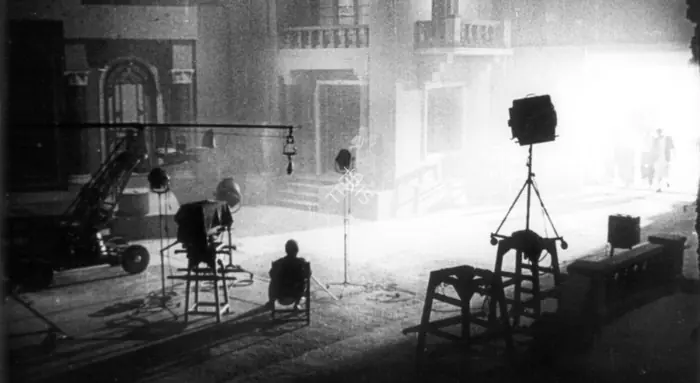
- ArchivedExhibitionProject 23A Brief Visual History of Indian CinematographySelections from the Tuli Research Centre for India Studies Collection20th - 24th January 202611:00amGalerie Romain Rolland, Alliance Francaise de Delhi, 72 K.K. Birla Lane, Lodi Estate, New Delhi 110003Presenting selections from the Tuli Research Centre for India Studies Archives, this exhibition traces the visual history of Indian cinematography, foregrounding the craft, technologies, and aesthetic choices behind the camera, from Dadasaheb Phalke to Faredoon A. Irani, Fali and Jal Mistry, to VK Murthy and Govind Nihalani.Read More →
Related
21
Films
13