No image
Introduction
Hazaar Chaurasi Ki Maa (1998) Directed by Govind Nihalani and based on Mahasweta Devi's acclaimed Bengali novel Hajar Churashir Ma (1974), it is one of the most significant political films in Indian cinema. Adapted for the screen by Shama Zaidi, the film presents a powerful critique of state violence, social inequality, and middle-class complacency through the deeply personal story of a mother's search for the truth behind her son's death. Featuring Jaya Bachchan in a career-defining performance, alongside Anupam Kher, Nandita Das, Joy Sengupta, Seema Biswas, and Milind Gunaji, the film combines political realism with emotional intensity, making it an enduring cinematic exploration of ideology, identity, and resistance.
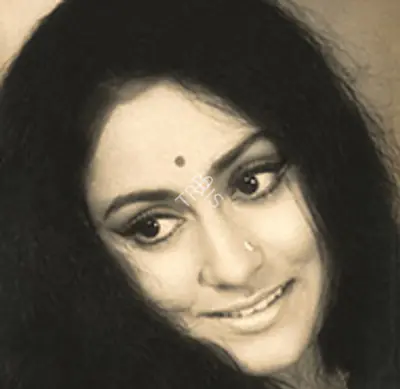
Set against the backdrop of the Naxalite movement in the late 1960s and early 1970s, the narrative unfolds through the life of Sujata Chatterjee (Jaya Bachchan), a conventional middle-class woman whose understanding of her family and society is shattered after the death of her son, Brati.(JoySengupta). Identified only as "Corpse No. 1084" in the police records, Brati becomes a symbol of the dehumanization inflicted by an oppressive state apparatus. As Sujata gradually reconstructs her son's life through conversations with his friends and associates, she discovers the political convictions that motivated his participation in the revolutionary movement. Simultaneously, she confronts the emotional distance, hypocrisy, and moral indifference that characterize her own family and the privileged social class to which they belong. Her journey evolves from personal grief into a profound awakening, compelling her to question entrenched social hierarchies, institutional violence, and the ethical responsibilities of citizenship.
Unlike conventional political dramas that focus primarily on revolutionary action, Hazaar Chaurasi Ki Maa privileges the perspective of those left behind, particularly women whose lives are transformed by political conflict. The film portrays motherhood not merely as a biological or emotional relationship but as a site of ethical inquiry and political consciousness. Through Sujata's transformation, Govind Nihalani examines how personal loss can become a catalyst for social awareness and resistance against injustice. The narrative deliberately avoids simplistic binaries of heroism and villainy, instead presenting a nuanced examination of the conditions that drive young people towards revolutionary politics and the devastating consequences of ideological conflict.
Visually restrained yet emotionally compelling, the film reflects Nihalani's characteristic commitment to realism and socially engaged filmmaking. Its understated cinematography, measured pacing, and powerful performances reinforce the emotional weight of the narrative while foregrounding the structural inequalities that shape individual destinies. The screenplay remains faithful to Mahasweta Devi's humanistic vision, emphasizing the interconnectedness of personal memory and political history.
Released in 1998, Hazaar Chaurasi Ki Maa received widespread critical acclaim for its sensitive adaptation, compelling performances, and fearless engagement with one of India's most contested political movements.
The movie won the National Film Award for Best Feature Film in Hindi at the 45th National Film Awards for 1998. Widely praised as a powerful piece of parallel Indian cinema, it marked the major return of lead actress Jaya Bachchan to the screen after a long gap.Jaya Bachchan's portrayal of Sujata is widely regarded as one of the finest performances of her career, capturing the gradual transformation of an ordinary woman into a morally conscious individual. More than two decades after its release, the film continues to be celebrated as a landmark in Indian political cinema, offering a profound reflection on state power, social justice, memory, and the enduring human cost of political violence.
Set against the backdrop of the Naxalite movement in the late 1960s and early 1970s, the narrative unfolds through the life of Sujata Chatterjee (Jaya Bachchan), a conventional middle-class woman whose understanding of her family and society is shattered after the death of her son, Brati.(JoySengupta). Identified only as "Corpse No. 1084" in the police records, Brati becomes a symbol of the dehumanization inflicted by an oppressive state apparatus. As Sujata gradually reconstructs her son's life through conversations with his friends and associates, she discovers the political convictions that motivated his participation in the revolutionary movement. Simultaneously, she confronts the emotional distance, hypocrisy, and moral indifference that characterize her own family and the privileged social class to which they belong. Her journey evolves from personal grief into a profound awakening, compelling her to question entrenched social hierarchies, institutional violence, and the ethical responsibilities of citizenship.
Unlike conventional political dramas that focus primarily on revolutionary action, Hazaar Chaurasi Ki Maa privileges the perspective of those left behind, particularly women whose lives are transformed by political conflict. The film portrays motherhood not merely as a biological or emotional relationship but as a site of ethical inquiry and political consciousness. Through Sujata's transformation, Govind Nihalani examines how personal loss can become a catalyst for social awareness and resistance against injustice. The narrative deliberately avoids simplistic binaries of heroism and villainy, instead presenting a nuanced examination of the conditions that drive young people towards revolutionary politics and the devastating consequences of ideological conflict.
Visually restrained yet emotionally compelling, the film reflects Nihalani's characteristic commitment to realism and socially engaged filmmaking. Its understated cinematography, measured pacing, and powerful performances reinforce the emotional weight of the narrative while foregrounding the structural inequalities that shape individual destinies. The screenplay remains faithful to Mahasweta Devi's humanistic vision, emphasizing the interconnectedness of personal memory and political history.
Released in 1998, Hazaar Chaurasi Ki Maa received widespread critical acclaim for its sensitive adaptation, compelling performances, and fearless engagement with one of India's most contested political movements.
The movie won the National Film Award for Best Feature Film in Hindi at the 45th National Film Awards for 1998. Widely praised as a powerful piece of parallel Indian cinema, it marked the major return of lead actress Jaya Bachchan to the screen after a long gap.Jaya Bachchan's portrayal of Sujata is widely regarded as one of the finest performances of her career, capturing the gradual transformation of an ordinary woman into a morally conscious individual. More than two decades after its release, the film continues to be celebrated as a landmark in Indian political cinema, offering a profound reflection on state power, social justice, memory, and the enduring human cost of political violence.
हज़ार चौरासी की माँ' (1998) फ़िल्म गोविंद निहलानी द्वारा निर्देशित और महाश्वेता देवी के मशहूर बंगाली उपन्यास पर आधारित है। भारतीय सिनेमा की सबसे अहम राजनीतिक फ़िल्मों में से एक है। शमा ज़ैदी द्वारा स्क्रीन के लिए तैयार की गई यह फ़िल्म, अपने बेटे की मौत के पीछे की सच्चाई जानने की कोशिश कर रही एक माँ की बेहद निजी कहानी के ज़रिए सरकारी हिंसा, सामाजिक असमानता और मध्यम वर्ग की बेफ़िक्री की ज़बरदस्त आलोचना करती है। जया बच्चन की यादगार एक्टिंग और अनुपम खेर, नंदिता दास, जॉय सेनगुप्ता, सीमा बिस्वास और मिलिंद गुणाजी जैसे कलाकारों की टोली से सजी यह फ़िल्म राजनीतिक यथार्थवाद और भावनात्मक गहराई का बेहतरीन मेल है, जो इसे विचारधारा, पहचान और प्रतिरोध की एक यादगार सिनेमाई पड़ताल बनाती है।
1960 के दशक के आख़िर और 1970 के दशक की शुरुआत में चले नक्सलवादी आंदोलन की पृष्ठभूमि पर आधारित यह कहानी सुजाता चटर्जी (जया बच्चन) के जीवन के इर्द-गिर्द घूमती है। वह एक आम मध्यम-वर्गीय महिला हैं, जिनका परिवार और समाज के प्रति नज़रिया उनके बेटे ब्रती (जॉय सेनगुप्ता) की मौत के बाद पूरी तरह बदल जाता है। पुलिस रिकॉर्ड में सिर्फ़ "लाश नंबर 1084" के तौर पर दर्ज ब्रती, दमनकारी सरकारी तंत्र द्वारा इंसानियत को कुचलने की एक मिसाल बन जाता है। जैसे-जैसे सुजाता अपने बेटे के दोस्तों और साथियों से बातचीत करके उसकी ज़िंदगी को समझने की कोशिश करती हैं। उन्हें उन राजनीतिक विचारों का पता चलता है जिनकी वजह से वह क्रांतिकारी आंदोलन में शामिल हुआ था। साथ ही, उन्हें अपने परिवार और उस रसूख़दार सामाजिक वर्ग की भावनात्मक दूरी, पाखंड और नैतिक उदासीनता का भी सामना करना पड़ता है, जिससे वे ख़ुद जुड़ी हुई हैं। उनका सफ़र निजी दुख से निकलकर एक गहरी जागरूकता की ओर बढ़ता है, जो उन्हें समाज में गहराई से जमी सामाजिक ऊँच-नीच, संस्थागत हिंसा और नागरिक होने के नाते नैतिक ज़िम्मेदारियों पर सवाल उठाने के लिए प्रेरित करता है।
आम तौर पर क्रांतिकारी गतिविधियों पर केंद्रित राजनीतिक फ़िल्मों से अलग, 'हज़ार चौरासी की माँ' उन लोगों के नज़रिए को अहमियत देती है जो पीछे छूट जाते हैं। ख़ासकर उन महिलाओं को जिनकी ज़िंदगी राजनीतिक संघर्षों की वजह से बदल जाती है। यह फ़िल्म मातृत्व को सिर्फ़ एक जैविक या भावनात्मक रिश्ते के तौर पर नहीं, बल्कि नैतिक पड़ताल और राजनीतिक चेतना के एक केंद्र के रूप में दिखाती है। सुजाता के बदलाव के ज़रिए, गोविंद निहलानी यह दिखाते हैं कि कैसे निजी नुक़सान सामाजिक जागरूकता और अन्याय के ख़िलाफ़ आवाज़ उठाने की वजह बन सकता है। फ़िल्म की कहानी जान-बूझकर नायक और खलनायक जैसे आसान फ़र्क़ों से बचती है। इसके बजाय, यह उन हालात की बारीकी से पड़ताल करती है जो युवाओं को क्रांतिकारी राजनीति की ओर ले जाते हैं और वैचारिक टकराव के भयानक नतीजों को भी दिखाती है।
देखने में सादगी भरी लेकिन भावनाओं को झकझोर देने वाली यह फ़िल्म, यथार्थवाद और सामाजिक मुद्दों पर आधारित फ़िल्म-निर्माण के प्रति निहलानी की ख़ास प्रतिबद्धता को दिखाती है। इसकी संयमित सिनेमैटोग्राफ़ी, नपी-तुली रफ़्तार और दमदार अभिनय कहानी के भावनात्मक असर को और गहरा करते हैं, साथ ही उन ढांचागत असमानताओं को भी उजागर करते हैं जो लोगों की क़िस्मत तय करती हैं। इसकी पटकथा महाश्वेता देवी की मानवीय सोच के प्रति ईमानदार रहती है और व्यक्तिगत यादों व राजनीतिक इतिहास के आपसी जुड़ाव पर ज़ोर देती है।
1998 में रिलीज़ हुई फ़िल्म 'हज़ार चौरासी की माँ' को इसकी संवेदनशील कहानी, दमदार अभिनय और भारत के सबसे विवादित राजनीतिक आंदोलनों को दिखाने के लिए और निडरता से जुड़ने के लिए आलोचकों से काफ़ी तारीफ़ मिली।
इस फ़िल्म ने 1998 के 45वें नेशनल फ़िल्म अवॉर्ड्स में हिंदी में सर्वश्रेष्ठ फ़ीचर फ़िल्म का नेशनल फ़िल्म अवॉर्ड जीता। समानांतर भारतीय सिनेमा की एक दमदार फ़िल्म के तौर पर इसकी काफ़ी तारीफ़ हुई और इसने लंबे समय के बाद मुख्य अभिनेत्री जया बच्चन की पर्दे पर ज़बरदस्त वापसी कराई। सुजाता के किरदार में जया बच्चन की अदाकारी को उनके करियर के सबसे बेहतरीन प्रदर्शनों में से एक माना जाता है। इसमें एक आम महिला का नैतिक रूप से जागरूक इंसान बनने का धीरे-धीरे हुआ बदलाव दिखाया गया है। रिलीज़ के दो दशक से भी ज़्यादा समय बाद भी, यह फ़िल्म भारतीय राजनीतिक सिनेमा में एक अहम मील का पत्थर मानी जाती है, जो राज्य की सत्ता, सामाजिक न्याय, यादों और राजनीतिक हिंसा की वजह से इंसानों को लंबे समय तक भुगतनी पड़ने वाली तकलीफ़ों पर गहरी सोच पेश करती है।
1960 के दशक के आख़िर और 1970 के दशक की शुरुआत में चले नक्सलवादी आंदोलन की पृष्ठभूमि पर आधारित यह कहानी सुजाता चटर्जी (जया बच्चन) के जीवन के इर्द-गिर्द घूमती है। वह एक आम मध्यम-वर्गीय महिला हैं, जिनका परिवार और समाज के प्रति नज़रिया उनके बेटे ब्रती (जॉय सेनगुप्ता) की मौत के बाद पूरी तरह बदल जाता है। पुलिस रिकॉर्ड में सिर्फ़ "लाश नंबर 1084" के तौर पर दर्ज ब्रती, दमनकारी सरकारी तंत्र द्वारा इंसानियत को कुचलने की एक मिसाल बन जाता है। जैसे-जैसे सुजाता अपने बेटे के दोस्तों और साथियों से बातचीत करके उसकी ज़िंदगी को समझने की कोशिश करती हैं। उन्हें उन राजनीतिक विचारों का पता चलता है जिनकी वजह से वह क्रांतिकारी आंदोलन में शामिल हुआ था। साथ ही, उन्हें अपने परिवार और उस रसूख़दार सामाजिक वर्ग की भावनात्मक दूरी, पाखंड और नैतिक उदासीनता का भी सामना करना पड़ता है, जिससे वे ख़ुद जुड़ी हुई हैं। उनका सफ़र निजी दुख से निकलकर एक गहरी जागरूकता की ओर बढ़ता है, जो उन्हें समाज में गहराई से जमी सामाजिक ऊँच-नीच, संस्थागत हिंसा और नागरिक होने के नाते नैतिक ज़िम्मेदारियों पर सवाल उठाने के लिए प्रेरित करता है।
आम तौर पर क्रांतिकारी गतिविधियों पर केंद्रित राजनीतिक फ़िल्मों से अलग, 'हज़ार चौरासी की माँ' उन लोगों के नज़रिए को अहमियत देती है जो पीछे छूट जाते हैं। ख़ासकर उन महिलाओं को जिनकी ज़िंदगी राजनीतिक संघर्षों की वजह से बदल जाती है। यह फ़िल्म मातृत्व को सिर्फ़ एक जैविक या भावनात्मक रिश्ते के तौर पर नहीं, बल्कि नैतिक पड़ताल और राजनीतिक चेतना के एक केंद्र के रूप में दिखाती है। सुजाता के बदलाव के ज़रिए, गोविंद निहलानी यह दिखाते हैं कि कैसे निजी नुक़सान सामाजिक जागरूकता और अन्याय के ख़िलाफ़ आवाज़ उठाने की वजह बन सकता है। फ़िल्म की कहानी जान-बूझकर नायक और खलनायक जैसे आसान फ़र्क़ों से बचती है। इसके बजाय, यह उन हालात की बारीकी से पड़ताल करती है जो युवाओं को क्रांतिकारी राजनीति की ओर ले जाते हैं और वैचारिक टकराव के भयानक नतीजों को भी दिखाती है।
देखने में सादगी भरी लेकिन भावनाओं को झकझोर देने वाली यह फ़िल्म, यथार्थवाद और सामाजिक मुद्दों पर आधारित फ़िल्म-निर्माण के प्रति निहलानी की ख़ास प्रतिबद्धता को दिखाती है। इसकी संयमित सिनेमैटोग्राफ़ी, नपी-तुली रफ़्तार और दमदार अभिनय कहानी के भावनात्मक असर को और गहरा करते हैं, साथ ही उन ढांचागत असमानताओं को भी उजागर करते हैं जो लोगों की क़िस्मत तय करती हैं। इसकी पटकथा महाश्वेता देवी की मानवीय सोच के प्रति ईमानदार रहती है और व्यक्तिगत यादों व राजनीतिक इतिहास के आपसी जुड़ाव पर ज़ोर देती है।
1998 में रिलीज़ हुई फ़िल्म 'हज़ार चौरासी की माँ' को इसकी संवेदनशील कहानी, दमदार अभिनय और भारत के सबसे विवादित राजनीतिक आंदोलनों को दिखाने के लिए और निडरता से जुड़ने के लिए आलोचकों से काफ़ी तारीफ़ मिली।
इस फ़िल्म ने 1998 के 45वें नेशनल फ़िल्म अवॉर्ड्स में हिंदी में सर्वश्रेष्ठ फ़ीचर फ़िल्म का नेशनल फ़िल्म अवॉर्ड जीता। समानांतर भारतीय सिनेमा की एक दमदार फ़िल्म के तौर पर इसकी काफ़ी तारीफ़ हुई और इसने लंबे समय के बाद मुख्य अभिनेत्री जया बच्चन की पर्दे पर ज़बरदस्त वापसी कराई। सुजाता के किरदार में जया बच्चन की अदाकारी को उनके करियर के सबसे बेहतरीन प्रदर्शनों में से एक माना जाता है। इसमें एक आम महिला का नैतिक रूप से जागरूक इंसान बनने का धीरे-धीरे हुआ बदलाव दिखाया गया है। रिलीज़ के दो दशक से भी ज़्यादा समय बाद भी, यह फ़िल्म भारतीय राजनीतिक सिनेमा में एक अहम मील का पत्थर मानी जाती है, जो राज्य की सत्ता, सामाजिक न्याय, यादों और राजनीतिक हिंसा की वजह से इंसानों को लंबे समय तक भुगतनी पड़ने वाली तकलीफ़ों पर गहरी सोच पेश करती है।
Body of Work
Banner
Cinematographer
Dialogue Writer
Director
Editing
Lead Cast
Lead Cast Rest
Music Director
Producer
Screenplay Writer
Story Writer