
Krishna Reddy

b. 05 Jul 1925, Chittoor, Andhra Pradesh, India

d. n.d.


Krishna Reddy
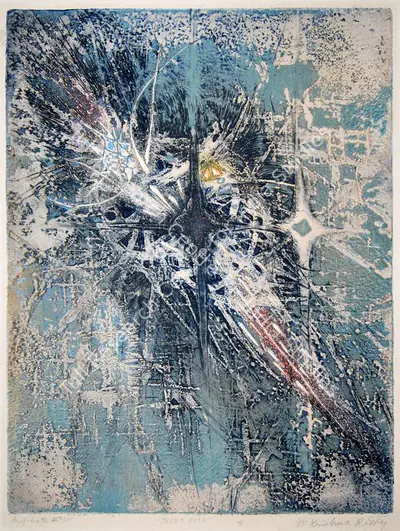
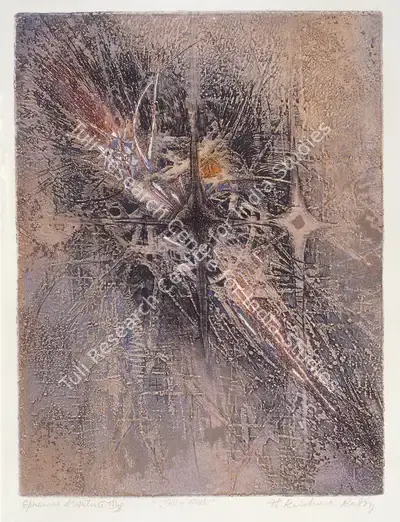
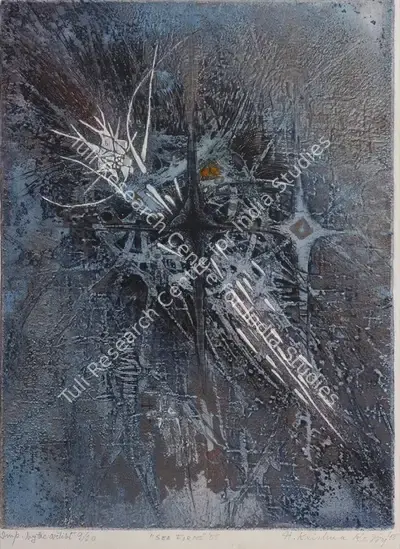
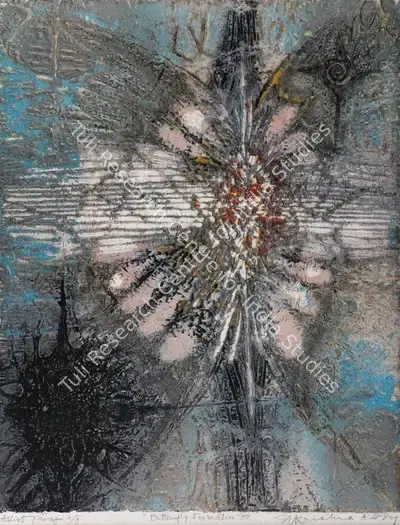
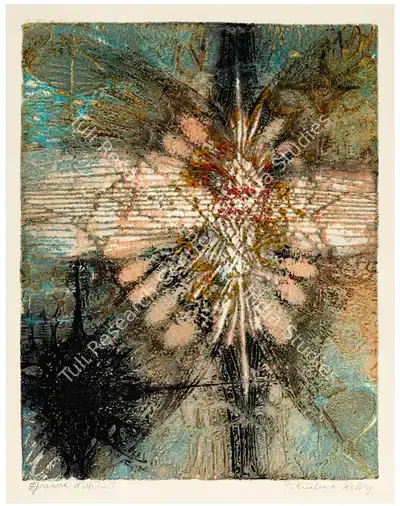
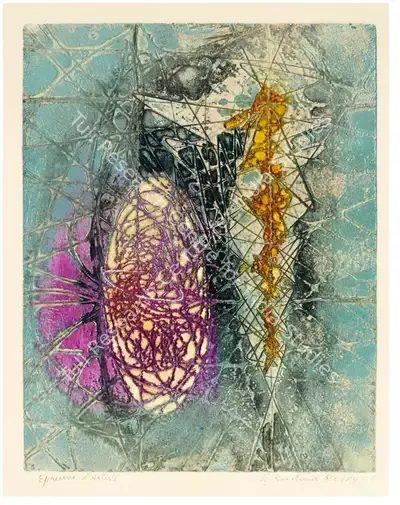
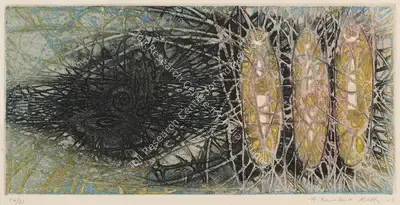
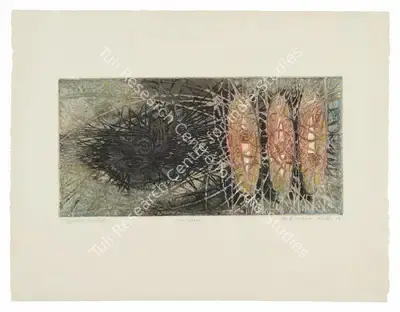
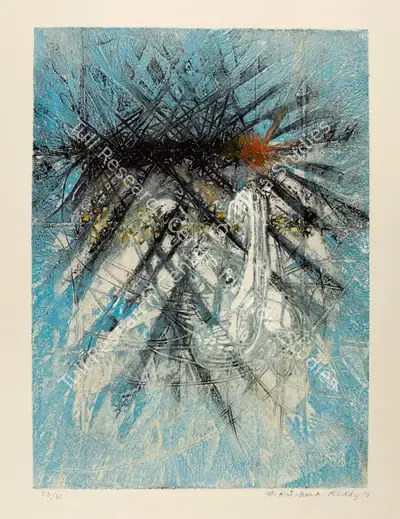
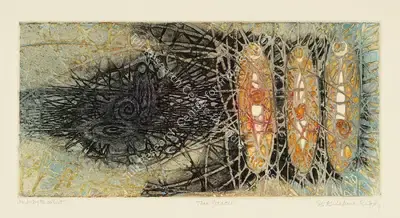
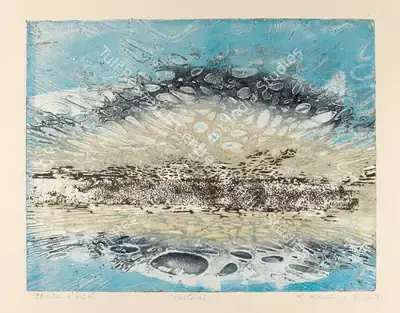
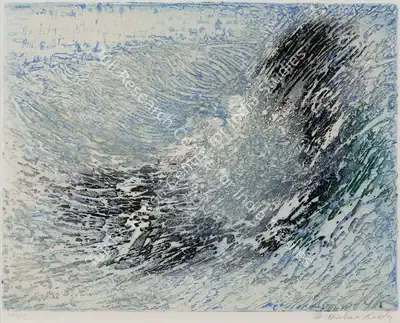
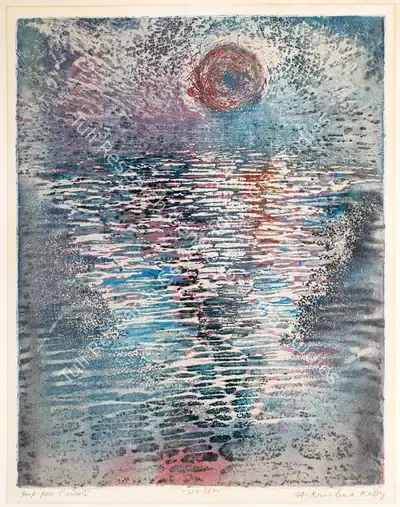
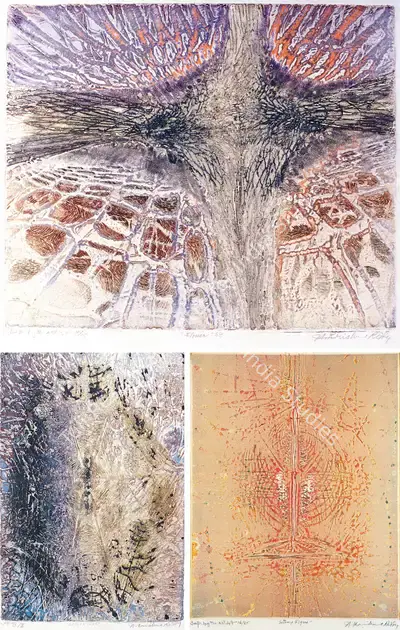
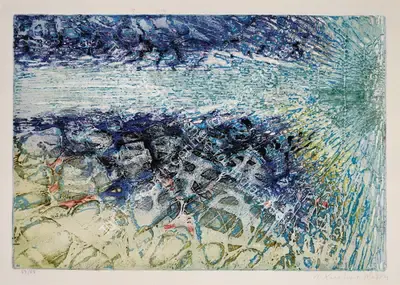
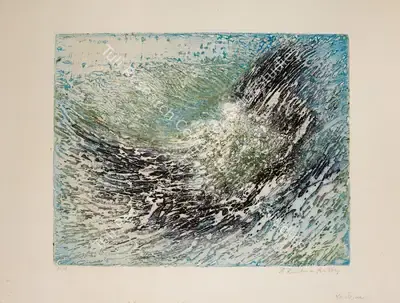
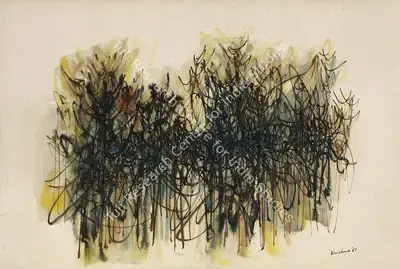
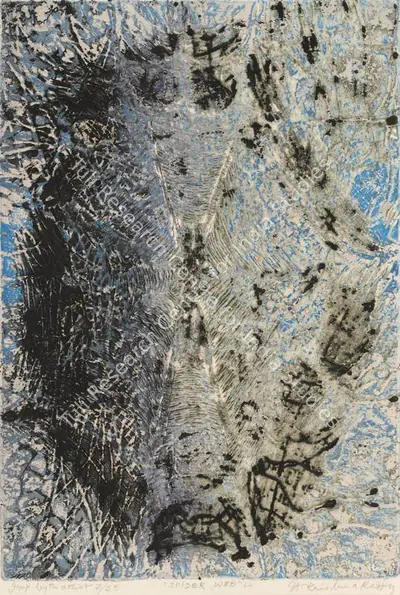
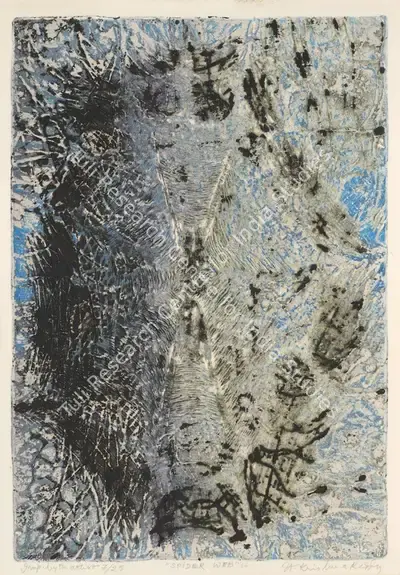
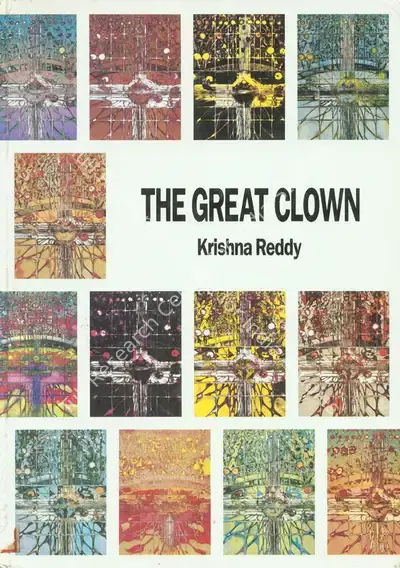
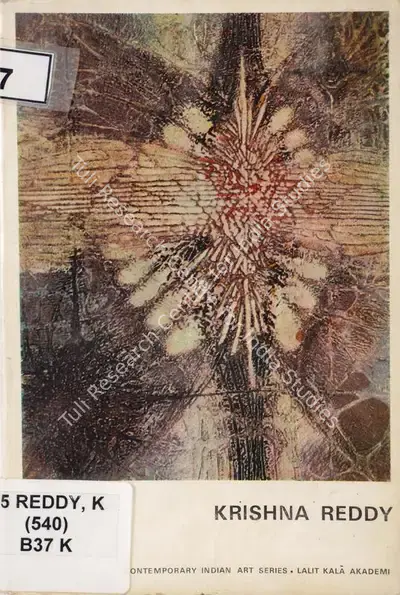
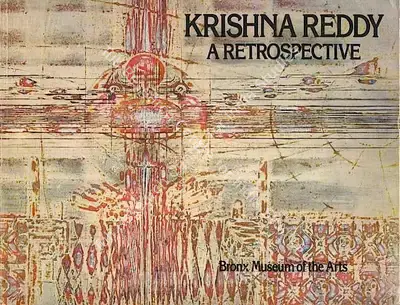
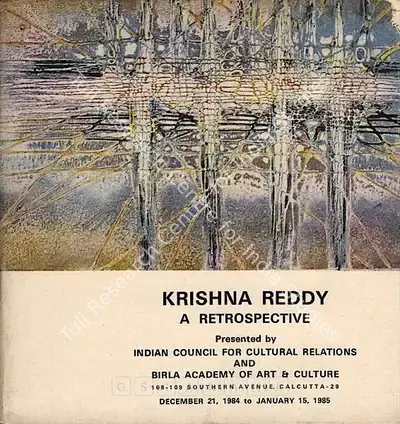
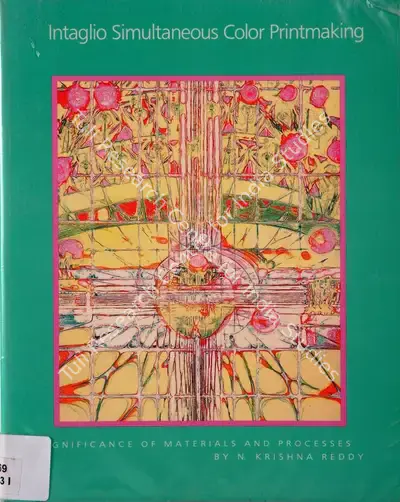
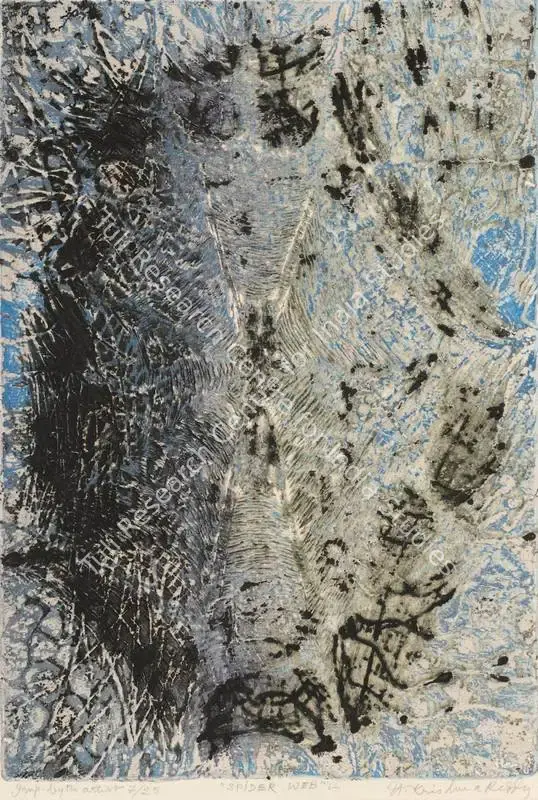
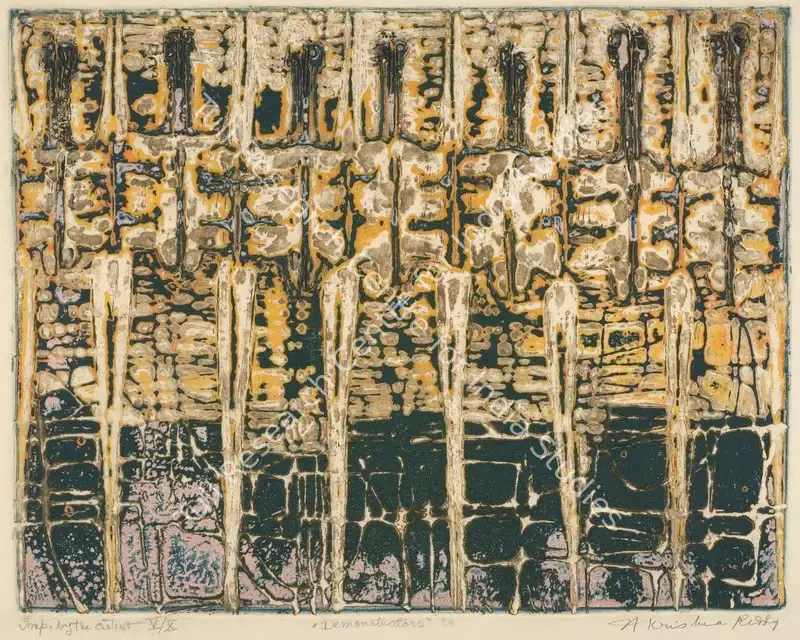
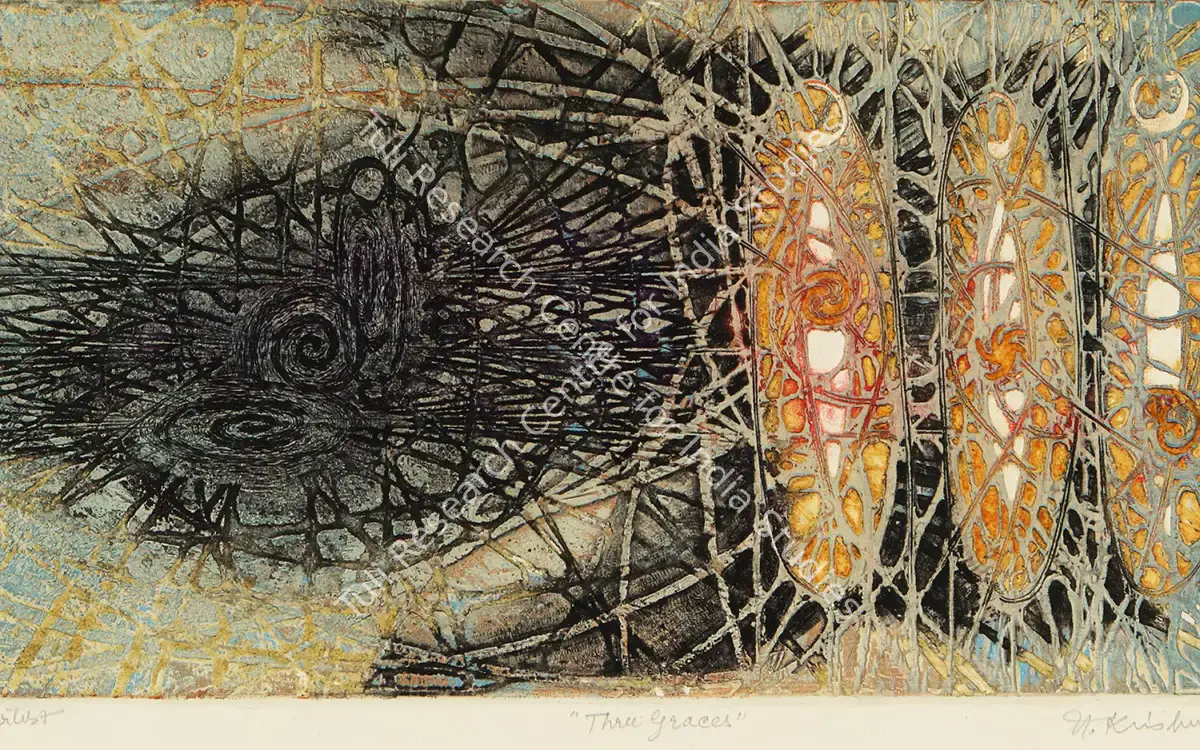
Born in 1925 in Chittoor in Andhra Pradesh, Krishna Reddy played a defining role in the history of printmaking. After receiving early training at Santiniketan, Reddy travelled to Europe where he spent his most impressionable years in London studying under Henry Moore and Lucian Freud. He later moved to France, Rome and Milan, where he pursued sculpture and worked closely with Ossip Zadkine and Mario Marini. Ossip Zadkine introduced Krishna Reddy to Stanley William Hayter, a pioneering printmaker and innovator who established the highly influential print studio, Atelier 17, in Paris in 1927. It was here that Krishna Reddy would arrive at his most innovative printmaking techniques through relentless experimental rigor. He started experimenting with color viscosity printmaking, a technique that would transform intaglio printing and secure his position in graphic arts. The breakthrough lay in the discovery that multiple colors could be printed simultaneously on a single plate. Through his experiments, he demonstrated that several colours could be superimposed and retained at different levels on the etched and carved plate. As a result, some colours would mix, while others would repel one another. This technical breakthrough effectively eliminated the need to print one colour at a time, allowing the artist greater freedom and control over his work. Reddy's closeness to nature was reflected in his oeuvre. He combined his discovery in printmaking to render a series of elements in nature —the jellyfish, germinating flowers, tree trunks, whirlpools and waves, spider webs. Nature inspired him to create a new visual form of expression thus: 'We stand between the immense cosmos and the unfathomable universe within us. If we pause for a moment and watch these great mysteries, we are filled with awe and wonder.'
Krishna Reddy
Born in 1925 in Chittoor in Andhra Pradesh, Krishna Reddy played a defining role in the history of printmaking. After receiving early training at Santiniketan, Reddy travelled to Europe where he spent his most impressionable years in London studying under Henry Moore and Lucian Freud. He later moved to France, Rome and Milan, where he pursued sculpture and worked closely with Ossip Zadkine and Mario Marini. Ossip Zadkine introduced Krishna Reddy to Stanley William Hayter, a pioneering printmaker and innovator who established the highly influential print studio, Atelier 17, in Paris in 1927. It was here that Krishna Reddy would arrive at his most innovative printmaking techniques through relentless experimental rigor. He started experimenting with color viscosity printmaking, a technique that would transform intaglio printing and secure his position in graphic arts. The breakthrough lay in the discovery that multiple colors could be printed simultaneously on a single plate. Through his experiments, he demonstrated that several colours could be superimposed and retained at different levels on the etched and carved plate. As a result, some colours would mix, while others would repel one another. This technical breakthrough effectively eliminated the need to print one colour at a time, allowing the artist greater freedom and control over his work. Reddy's closeness to nature was reflected in his oeuvre. He combined his discovery in printmaking to render a series of elements in nature —the jellyfish, germinating flowers, tree trunks, whirlpools and waves, spider webs. Nature inspired him to create a new visual form of expression thus: 'We stand between the immense cosmos and the unfathomable universe within us. If we pause for a moment and watch these great mysteries, we are filled with awe and wonder.'

Introduction

TRIS logo image