Noor Jahan
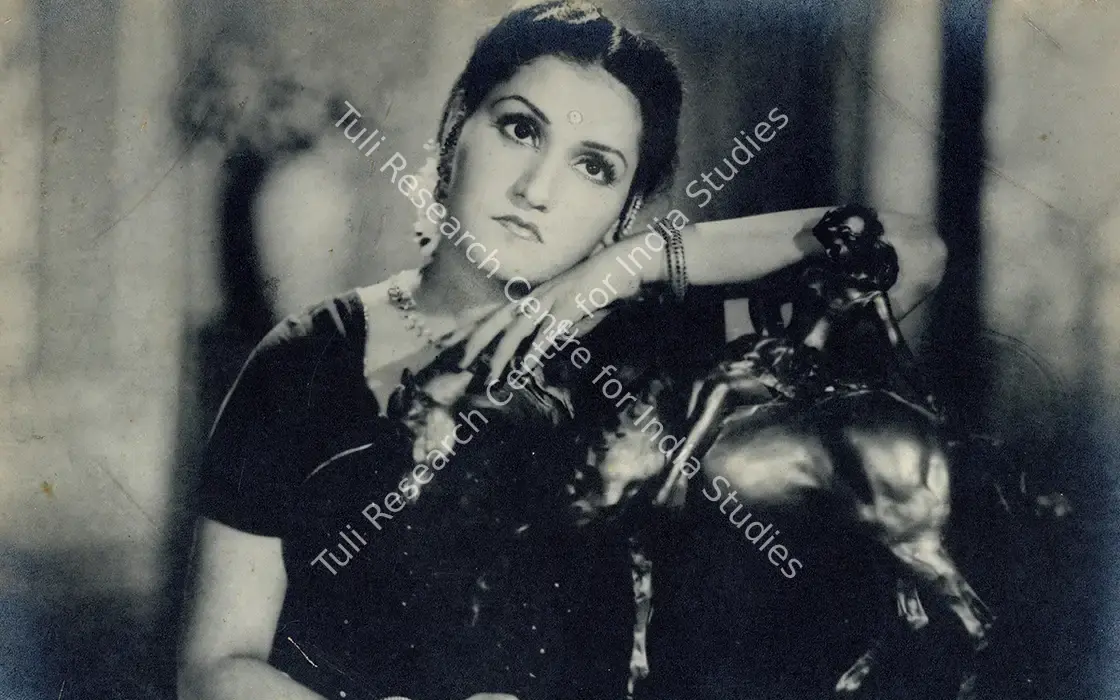
Noor Jehan (21 September 1926 – 23 December 2000) remains one of the most illustrious voices of South Asian music, a luminary whose artistry transcended borders and decades. A singer, actress, and later a film director, she reigned over the subcontinent's musical landscape with unmatched brilliance. Revered as Malika-e-Tarannum—the Queen of Melody—she embodied grace, passion, and patriotic fervor, earning the affectionate title “Madam” among her admirers. Her voice became both the pulse of cinematic romance and the cry of a nation's heart during the 1965 war, when her patriotic songs stirred collective emotion and pride. Born Allah Wasai in 1926 in Kasur, Punjab, British India, she displayed prodigious talent from an early age. Trained under Ustad Ghulam Mohammad and Kajjanbai in the classical traditions of the Patiala Gharana, she mastered thumri, dhrupad, and khayal with extraordinary sensitivity. By nine, composer Ghulam Ahmed Chishti had recognized her promise, composing songs for her debut on the Lahore stage. The family's later move to Calcutta opened new vistas: under the mentorship of Mukhtar Begum, she entered cinema and adopted the stage name Baby Noor Jehan. Her early successes—Pind di Kuri (1935), Heer-Sayyal (1937), and Gul Bakawli (1939)—signaled the emergence of a prodigy destined for greatness. Her luminous ascent continued with Khandaan (1942), Anmol Ghadi (1946), and Jugnu (1947), which made her pre-Partition India's preeminent singing star. After migrating to Pakistan in 1947 with her husband, filmmaker Shaukat Hussain Rizvi, she shaped the nascent film industry with her directorial debut Chan Wey (1951), the country's first film helmed by a woman. Its immense success was followed by Dupatta (1952), whose haunting melodies, including Chandni Raatein Taron Se Karen Mulaqaten, deepened her stature as both actress and playback singer. She was a significant inspiration for Lata Mangeshkar, who admired her voice and idolized her, particularly in her early career. The influence is noticeable in Mangeshkar's early songs, where her singing style had a higher pitch and delivery reminiscent of Noor Jehan's, before Mangeshkar developed her own unique style. Despite the Partition, there was mutual respect between the two artists. They met at the Wagah-Attari border and shared a moment of emotional connection. Though personal trials led her to retire from acting after Baaji (1963), Noor Jehan's voice continued to define an era. Her immortal rendition of Faiz Ahmed Faiz's Mujh Se Pehli Si Mohabbat Mere Mehboob Na Mang from Qaidi (1962) remains a sublime fusion of poetry and melody. From Aye Watan ke Sajeelay Jawano and Aye Puttar Hattan Te Nahi Wikde to Sanu Neher Waley Pul Te Bulake, her repertoire of nearly 10,000 songs forms a treasury of emotion, artistry, and national pride. Crowned with over fifteen Nigar Awards and the Millennium Singer Award, Noor Jehan endures as Pakistan's eternal voice—an icon whose melodies continue to echo in the soul of the subcontinent.
Noor Jehan (21 September 1926 – 23 December 2000) remains one of the most illustrious voices of South Asian music, a luminary whose artistry transcended borders and decades. A singer, actress, and later a film director, she reigned over the subcontinent's musical landscape with unmatched brilliance. Revered as Malika-e-Tarannum—the Queen of Melody—she embodied grace, passion, and patriotic fervor, earning the affectionate title “Madam” among her admirers. Her voice became both the pulse of cinematic romance and the cry of a nation's heart during the 1965 war, when her patriotic songs stirred collective emotion and pride. Born Allah Wasai in 1926 in Kasur, Punjab, British India, she displayed prodigious talent from an early age. Trained under Ustad Ghulam Mohammad and Kajjanbai in the classical traditions of the Patiala Gharana, she mastered thumri, dhrupad, and khayal with extraordinary sensitivity. By nine, composer Ghulam Ahmed Chishti had recognized her promise, composing songs for her debut on the Lahore stage. The family's later move to Calcutta opened new vistas: under the mentorship of Mukhtar Begum, she entered cinema and adopted the stage name Baby Noor Jehan. Her early successes—Pind di Kuri (1935), Heer-Sayyal (1937), and Gul Bakawli (1939)—signaled the emergence of a prodigy destined for greatness. Her luminous ascent continued with Khandaan (1942), Anmol Ghadi (1946), and Jugnu (1947), which made her pre-Partition India's preeminent singing star. After migrating to Pakistan in 1947 with her husband, filmmaker Shaukat Hussain Rizvi, she shaped the nascent film industry with her directorial debut Chan Wey (1951), the country's first film helmed by a woman. Its immense success was followed by Dupatta (1952), whose haunting melodies, including Chandni Raatein Taron Se Karen Mulaqaten, deepened her stature as both actress and playback singer. She was a significant inspiration for Lata Mangeshkar, who admired her voice and idolized her, particularly in her early career. The influence is noticeable in Mangeshkar's early songs, where her singing style had a higher pitch and delivery reminiscent of Noor Jehan's, before Mangeshkar developed her own unique style. Despite the Partition, there was mutual respect between the two artists. They met at the Wagah-Attari border and shared a moment of emotional connection. Though personal trials led her to retire from acting after Baaji (1963), Noor Jehan's voice continued to define an era. Her immortal rendition of Faiz Ahmed Faiz's Mujh Se Pehli Si Mohabbat Mere Mehboob Na Mang from Qaidi (1962) remains a sublime fusion of poetry and melody. From Aye Watan ke Sajeelay Jawano and Aye Puttar Hattan Te Nahi Wikde to Sanu Neher Waley Pul Te Bulake, her repertoire of nearly 10,000 songs forms a treasury of emotion, artistry, and national pride. Crowned with over fifteen Nigar Awards and the Millennium Singer Award, Noor Jehan endures as Pakistan's eternal voice—an icon whose melodies continue to echo in the soul of the subcontinent.
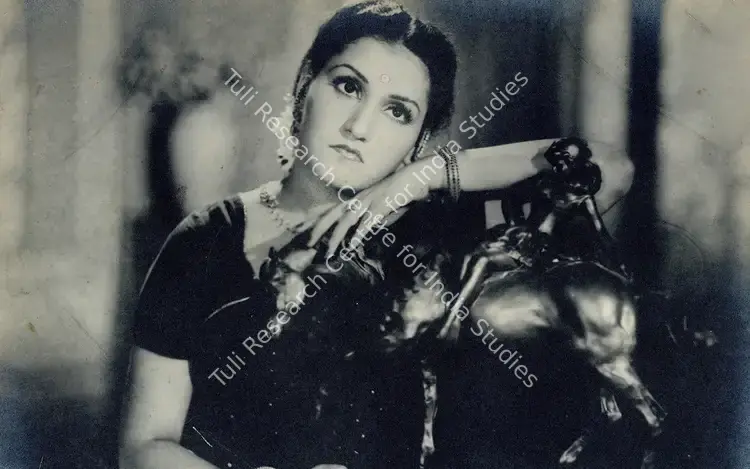
Noor Jehan (21 September 1926 – 23 December 2000) remains one of the most illustrious voices of South Asian music, a luminary whose artistry transcended borders and decades. A singer, actress, and later a film director, she reigned over the subcontinent's musical landscape with unmatched brilliance. Revered as Malika-e-Tarannum—the Queen of Melody—she embodied grace, passion, and patriotic fervor, earning the affectionate title “Madam” among her admirers. Her voice became both the pulse of cinematic romance and the cry of a nation's heart during the 1965 war, when her patriotic songs stirred collective emotion and pride.
Born Allah Wasai in 1926 in Kasur, Punjab, British India, she displayed prodigious talent from an early age. Trained under Ustad Ghulam Mohammad and Kajjanbai in the classical traditions of the Patiala Gharana, she mastered thumri, dhrupad, and khayal with extraordinary sensitivity. By nine, composer Ghulam Ahmed Chishti had recognized her promise, composing songs for her debut on the Lahore stage. The family's later move to Calcutta opened new vistas: under the mentorship of Mukhtar Begum, she entered cinema and adopted the stage name Baby Noor Jehan. Her early successes—Pind di Kuri (1935), Heer-Sayyal (1937), and Gul Bakawli (1939)—signaled the emergence of a prodigy destined for greatness.
Her luminous ascent continued with Khandaan (1942), Anmol Ghadi (1946), and Jugnu (1947), which made her pre-Partition India's preeminent singing star. After migrating to Pakistan in 1947 with her husband, filmmaker Shaukat Hussain Rizvi, she shaped the nascent film industry with her directorial debut Chan Wey (1951), the country's first film helmed by a woman. Its immense success was followed by Dupatta (1952), whose haunting melodies, including Chandni Raatein Taron Se Karen Mulaqaten, deepened her stature as both actress and playback singer.
She was a significant inspiration for Lata Mangeshkar, who admired her voice and idolized her, particularly in her early career. The influence is noticeable in Mangeshkar's early songs, where her singing style had a higher pitch and delivery reminiscent of Noor Jehan's, before Mangeshkar developed her own unique style. Despite the Partition, there was mutual respect between the two artists. They met at the Wagah-Attari border and shared a moment of emotional connection.
Though personal trials led her to retire from acting after Baaji (1963), Noor Jehan's voice continued to define an era. Her immortal rendition of Faiz Ahmed Faiz's Mujh Se Pehli Si Mohabbat Mere Mehboob Na Mang from Qaidi (1962) remains a sublime fusion of poetry and melody. From Aye Watan ke Sajeelay Jawano and Aye Puttar Hattan Te Nahi Wikde to Sanu Neher Waley Pul Te Bulake, her repertoire of nearly 10,000 songs forms a treasury of emotion, artistry, and national pride. Crowned with over fifteen Nigar Awards and the Millennium Singer Award, Noor Jehan endures as Pakistan's eternal voice—an icon whose melodies continue to echo in the soul of the subcontinent.
Introduction
Filmography


Patit Pavan | Hindi | Actor
Booklet
Garib Ka Pyara | Hindi | Actor
Booklet
Vaman Avtar | Hindi | Actor
Booklet
Veer Bharat | Hindi | Actor
Feature | Fiction | Black and White | Booklet
Ghar Jamai | Hindi | Actor
Booklet
Karwan E Husn | Hindi | Actor
Feature | Fiction | Black and White | Booklet
Romantic India | Hindi | Actor
Booklet
Chabuk Savar | Hindi | Actor
Booklet
Jawahir E Hind | Hindi | Actor
Booklet
Royal Commander | Hindi | Actor
Booklet
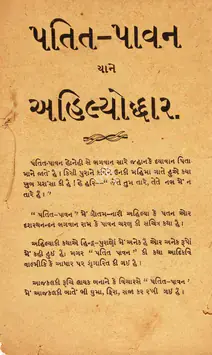
Majumdar, Nagendra (Director), Patit Pavan, 1933 | Song-Synopsis Booklet
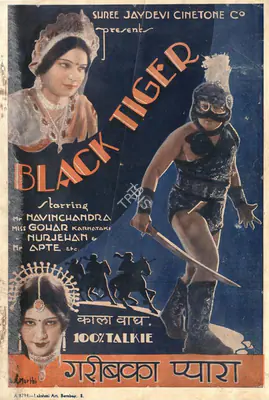
Majumdar, Nagendra (Director), Garib Ka Pyara, 1934 | Song-Synopsis Booklet
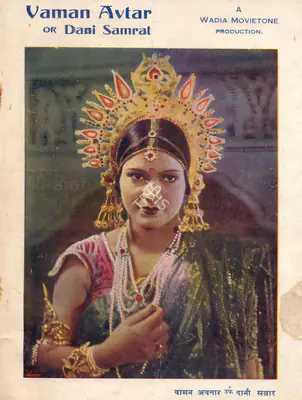
Wadia, J. B. H. (Director), Vaman Avtar, 1934 | Song-Synopsis Booklet
Loading...

EN
EN