Nadira
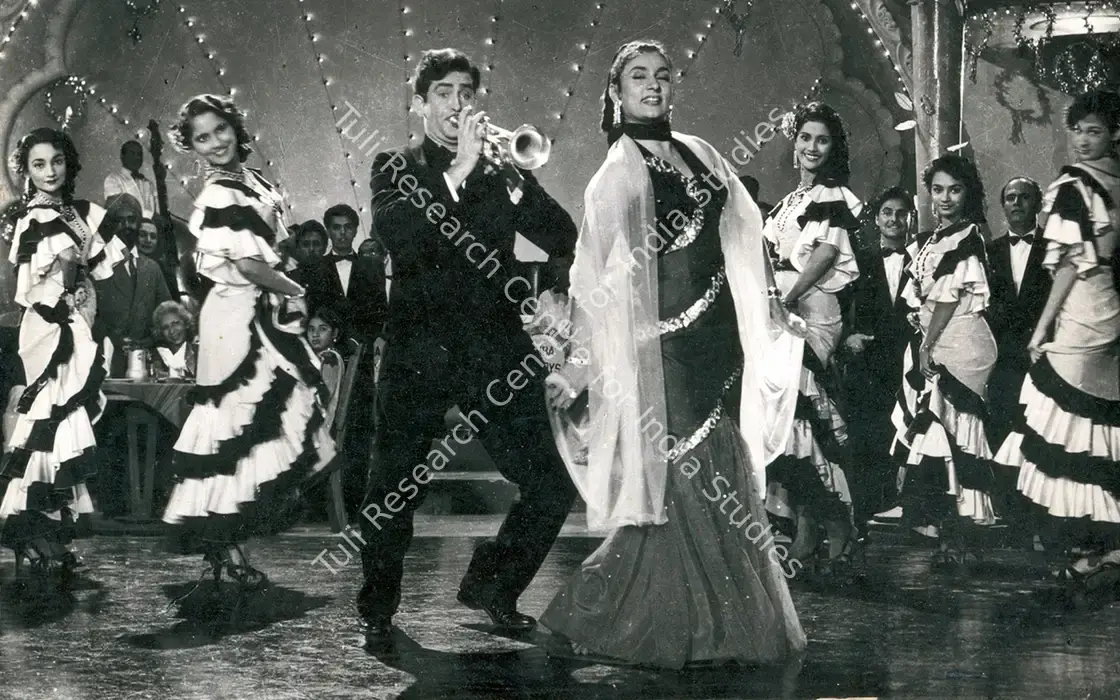
Nadira (born Florence Ezekiel; 5 December 1932 – 9 February 2006) was a distinguished Indian actress who left an indelible mark on Hindi cinema through her remarkable performances and magnetic screen presence. Emerging as one of the most captivating figures of the 1950s and 1960s, she featured in some of Indian cinema's most iconic films, including Aan (1952), Shree 420 (1955), Pakeezah (1972), and Julie (1975)—the latter earning her the Filmfare Award for Best Supporting Actress. Born into a Baghdadi Jewish family in Baghdad, Iraq, Nadira migrated to Bombay with her parents in infancy as they sought new opportunities. Her tryst with cinema began early, debuting at age ten in Mauj (1943). Her defining breakthrough arrived when Sardar Akhtar, wife of filmmaker Mehboob Khan, cast her as a regal Rajput princess in Aan (1952)—a performance that catapulted her to fame. She achieved further acclaim as Maya, the elegant yet morally ambiguous socialite in Shree 420 (1955), whose rendition of Mud Mud Ke Na Dekh became legendary. Off-screen, Nadira lived as boldly as she acted. Renowned for her independence and flamboyant lifestyle, she was among the highest-paid actresses of her time and reportedly the first Indian woman to own a Rolls-Royce. Fiercely candid and unapologetically modern, she defied convention in both life and art. Throughout her illustrious career, Nadira masterfully embodied the archetypal vamp and the Westernized woman—characters often juxtaposed against the demure heroines of her era. Yet, her portrayals transcended stereotype; her poise, voice, and charisma imbued these roles with complexity and allure, particularly in Saagar (1985) that reflected both versatility and depth, culminating in her poignant final appearance as Lady D'Costa in Josh (2000). In her later years, Nadira lived in seclusion in Mumbai as her health declined. She passed away on 9 February 2006 at the age of seventy-three, following a prolonged illness. Her legacy endures as that of a trailblazer who redefined glamour, strength, and sophistication in Indian cinema.
Nadira (born Florence Ezekiel; 5 December 1932 – 9 February 2006) was a distinguished Indian actress who left an indelible mark on Hindi cinema through her remarkable performances and magnetic screen presence. Emerging as one of the most captivating figures of the 1950s and 1960s, she featured in some of Indian cinema's most iconic films, including Aan (1952), Shree 420 (1955), Pakeezah (1972), and Julie (1975)—the latter earning her the Filmfare Award for Best Supporting Actress. Born into a Baghdadi Jewish family in Baghdad, Iraq, Nadira migrated to Bombay with her parents in infancy as they sought new opportunities. Her tryst with cinema began early, debuting at age ten in Mauj (1943). Her defining breakthrough arrived when Sardar Akhtar, wife of filmmaker Mehboob Khan, cast her as a regal Rajput princess in Aan (1952)—a performance that catapulted her to fame. She achieved further acclaim as Maya, the elegant yet morally ambiguous socialite in Shree 420 (1955), whose rendition of Mud Mud Ke Na Dekh became legendary. Off-screen, Nadira lived as boldly as she acted. Renowned for her independence and flamboyant lifestyle, she was among the highest-paid actresses of her time and reportedly the first Indian woman to own a Rolls-Royce. Fiercely candid and unapologetically modern, she defied convention in both life and art. Throughout her illustrious career, Nadira masterfully embodied the archetypal vamp and the Westernized woman—characters often juxtaposed against the demure heroines of her era. Yet, her portrayals transcended stereotype; her poise, voice, and charisma imbued these roles with complexity and allure, particularly in Saagar (1985) that reflected both versatility and depth, culminating in her poignant final appearance as Lady D'Costa in Josh (2000). In her later years, Nadira lived in seclusion in Mumbai as her health declined. She passed away on 9 February 2006 at the age of seventy-three, following a prolonged illness. Her legacy endures as that of a trailblazer who redefined glamour, strength, and sophistication in Indian cinema.
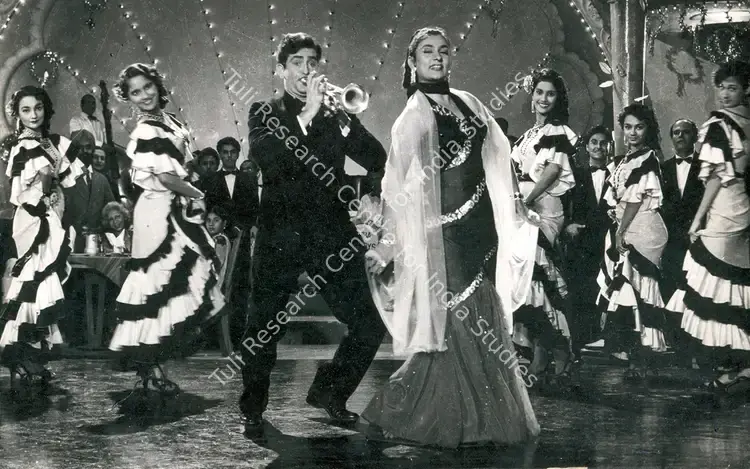
Nadira (born Florence Ezekiel; 5 December 1932 – 9 February 2006) was a distinguished Indian actress who left an indelible mark on Hindi cinema through her remarkable performances and magnetic screen presence. Emerging as one of the most captivating figures of the 1950s and 1960s, she featured in some of Indian cinema's most iconic films, including Aan (1952), Shree 420 (1955), Pakeezah (1972), and Julie (1975)—the latter earning her the Filmfare Award for Best Supporting Actress.
Born into a Baghdadi Jewish family in Baghdad, Iraq, Nadira migrated to Bombay with her parents in infancy as they sought new opportunities. Her tryst with cinema began early, debuting at age ten in Mauj (1943). Her defining breakthrough arrived when Sardar Akhtar, wife of filmmaker Mehboob Khan, cast her as a regal Rajput princess in Aan (1952)—a performance that catapulted her to fame. She achieved further acclaim as Maya, the elegant yet morally ambiguous socialite in Shree 420 (1955), whose rendition of Mud Mud Ke Na Dekh became legendary.
Off-screen, Nadira lived as boldly as she acted. Renowned for her independence and flamboyant lifestyle, she was among the highest-paid actresses of her time and reportedly the first Indian woman to own a Rolls-Royce. Fiercely candid and unapologetically modern, she defied convention in both life and art.
Throughout her illustrious career, Nadira masterfully embodied the archetypal vamp and the Westernized woman—characters often juxtaposed against the demure heroines of her era. Yet, her portrayals transcended stereotype; her poise, voice, and charisma imbued these roles with complexity and allure, particularly in Saagar (1985) that reflected both versatility and depth, culminating in her poignant final appearance as Lady D'Costa in Josh (2000).
In her later years, Nadira lived in seclusion in Mumbai as her health declined. She passed away on 9 February 2006 at the age of seventy-three, following a prolonged illness. Her legacy endures as that of a trailblazer who redefined glamour, strength, and sophistication in Indian cinema.
Introduction

EN
EN