
Munna1954
Introduction
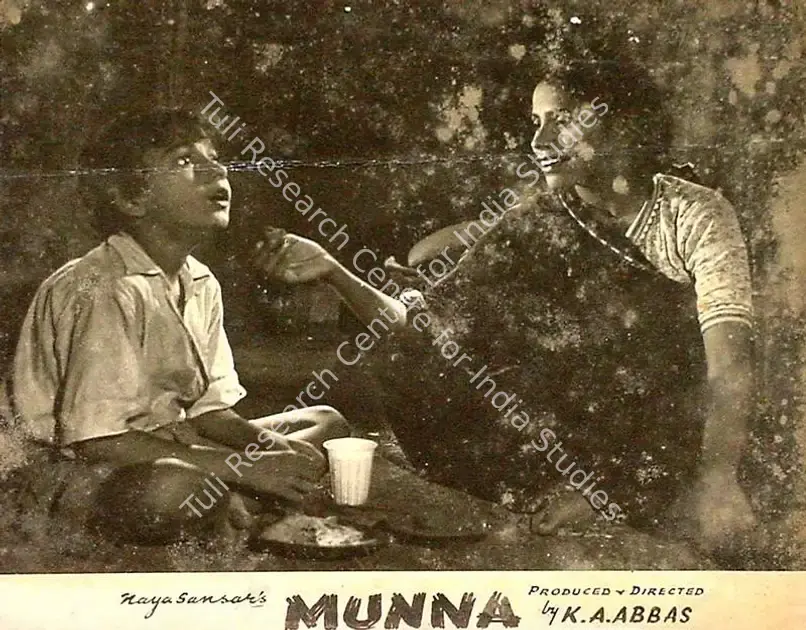
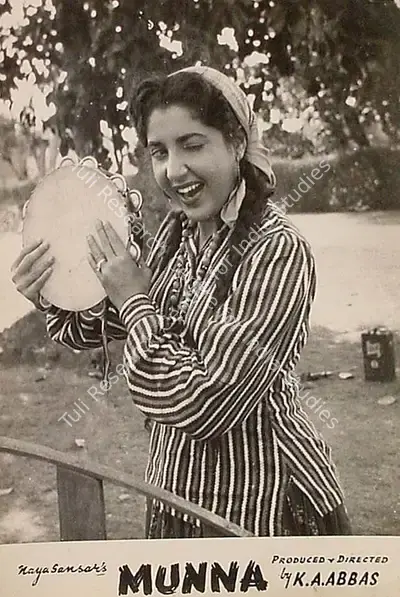
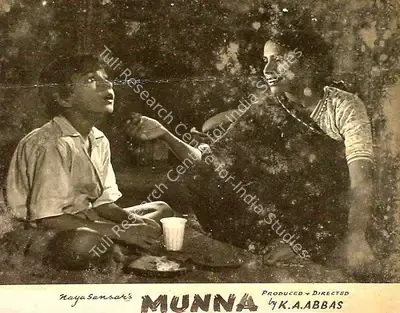
Munna (1954) A social drama film produced and directed by K. A. Abbas under the Naya Sansar banner, it was also written by Abbas himself, and the film featured cinematography by Ramchandra. Notably, while the music was composed by Anil Biswas, Munna holds the distinction of being the first Indian film made without any songs or dances.
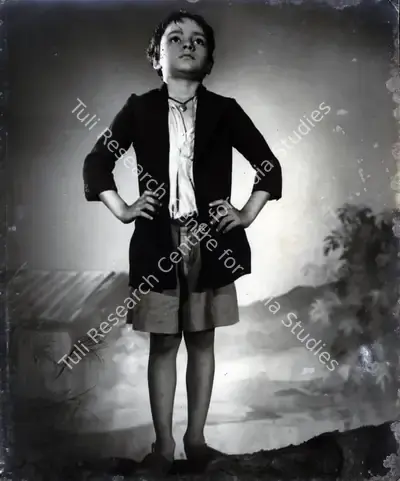
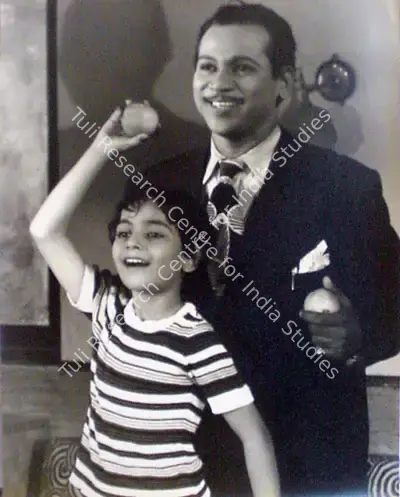
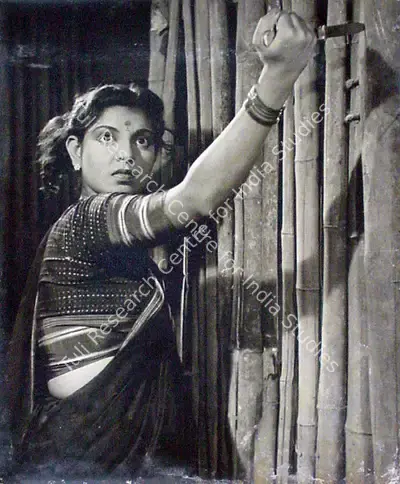
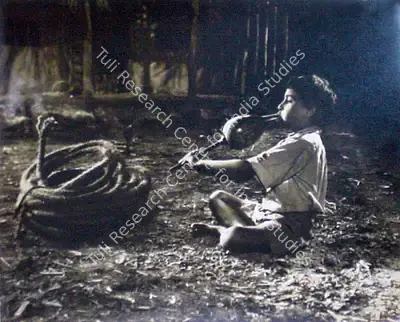
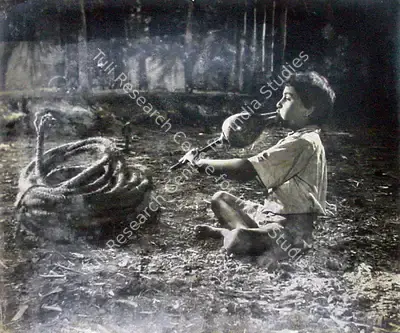
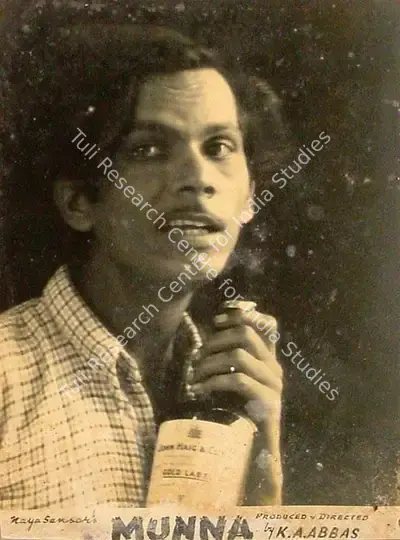
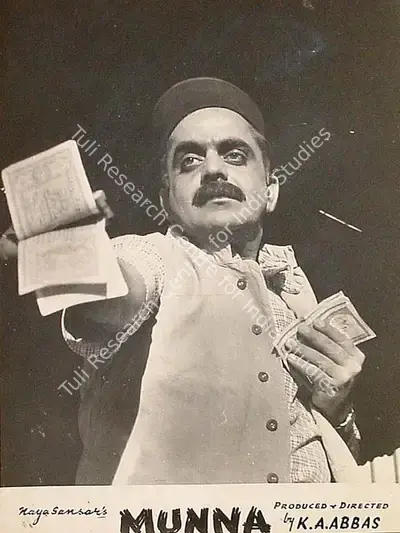
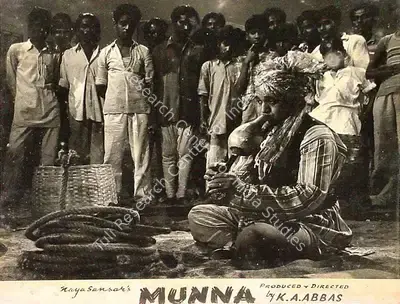
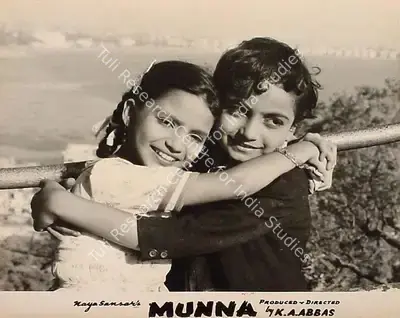
The titular role of Munna was played by child actor Master Romi, with a young Jagdeep also appearing as a child artist. The supporting cast includes Sulochana Chatterjee, Shammi, Tripti Mitra, Achala Sachdev, Naaz, P. Jairaj, David, Madan Puri, Manmohan Krishna, Johnny Walker, Rashid Khan, Manju, and Nana Palsikar.
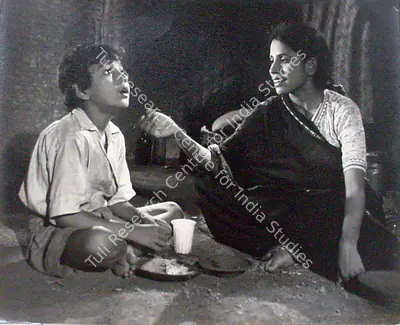
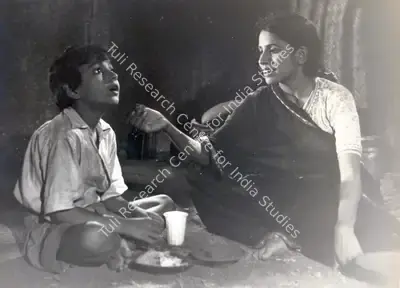
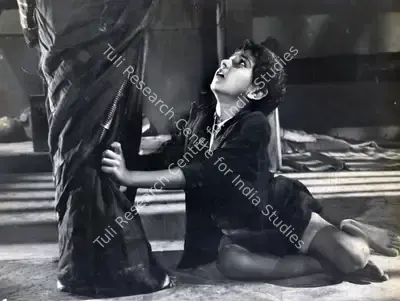
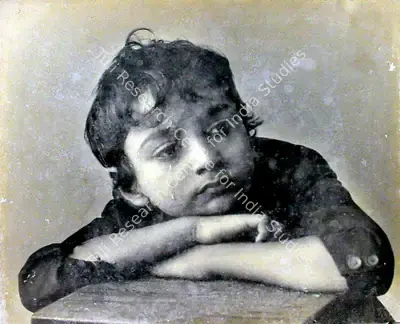
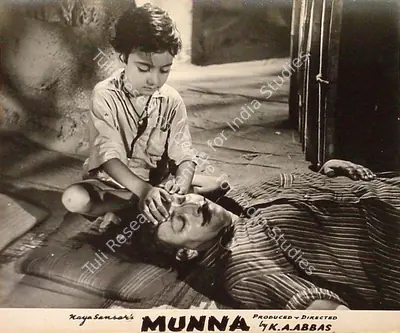
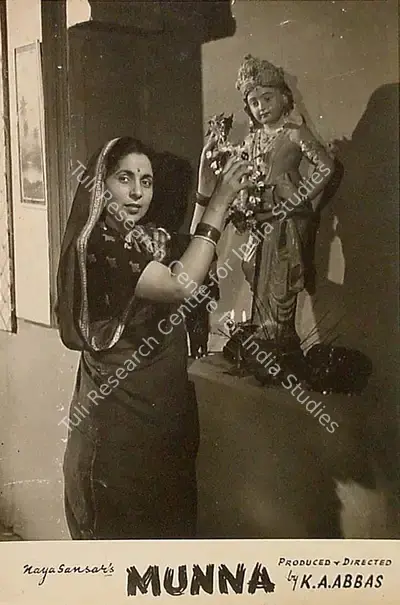
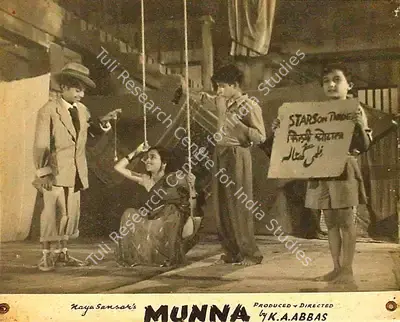
Often considered a thematic sequel to Abbas's directorial debut Dharti Ke Lal (1946)—particularly in reference to its opening sequence—Munna explores the hardships of urban poverty and emotional separation. The story centres on a six-year-old boy, Munna (Romi), who lives in a city slum with his impoverished widowed mother (Tripti Mitra). Struggling to provide for him, she eventually leaves him at an orphanage in the hope of a better life. However, Munna escapes and begins a journey to find her, unaware that she, too, is searching for him. As they repeatedly miss each other across the city, Munna encounters various people, unknowingly impacting their lives.
Parallel to this, a childless couple seeks to adopt a child and becomes interested in Munna, adding another emotional layer to the narrative.
Although the film was critically acclaimed internationally for its realism and emotional depth, it failed commercially. The core storyline was later adapted by Chetan Anand in his 1960 film Aakhri Khat.
मुन्ना की मुख्य भूमिका बाल कलाकार मास्टर रोमी ने निभाई थी, जिसमें युवा जगदीप भी बाल कलाकार के रूप में दिखाई दिए थे। सहायक कलाकारों में सुलोचना चटर्जी, शम्मी, तृप्ति मित्रा, अचला सचदेव, नाज़, पी. जयराज, डेविड, मदन पुरी, मनमोहन कृष्णा, जॉनी वॉकर, राशिद ख़ान, मंजू और नाना पलसीकर शामिल हैं।
'मुन्ना' को अक्सर अब्बास की पहली फ़िल्म 'धरती के लाल' (1946) का ही अगला हिस्सा (थीमैटिक सीक्वल) माना जाता है, ख़ासकर इसकी शुरुआत के सीन की वजह से। यह फ़िल्म शहर की ग़रीबी और अपनों से बिछड़ने के दर्द को दिखाती है। कहानी मुन्ना (रोमी) नाम के छह साल के लड़के के इर्द-गिर्द घूमती है, जो शहर की एक झुग्गी-बस्ती में अपनी ग़रीब विधवा माँ (तृप्ति मित्रा) के साथ रहता है। उसकी देखभाल करने में हो रही मुश्किलों के कारण, माँ उसे बेहतर ज़िंदगी की उम्मीद में एक अनाथालय में छोड़ देती है। लेकिन, मुन्ना वहाँ से भाग निकलता है और अपनी माँ को खोजने के लिए निकल पड़ता है, जबकि उसे पता नहीं होता कि माँ भी उसे ही ढूंढ रही है। शहर में बार-बार एक-दूसरे से चूकते हुए, मुन्ना कई लोगों से मिलता है और अनजाने में उनकी ज़िंदगी पर असर डालता है।
इसके साथ ही एक बेऔलाद जोड़ा बच्चा गोद लेने की कोशिश करता है और मुन्ना में दिलचस्पी लेने लगता है, जिससे कहानी में एक और भावनात्मक पहलू जुड़ जाता है।
हालांकि फ़िल्म को इसकी असलियत और भावनात्मक गहराई के लिए अंतरराष्ट्रीय स्तर पर काफ़ी सराहा गया, लेकिन यह कमर्शियली सफल नहीं हो पाई। बाद में चेतन आनंद ने अपनी 1960 की फ़िल्म 'आख़िरी ख़त' में इसकी मुख्य कहानी को अपनाया।