
Anil Biswas
Anil Krishna Biswas (7 July 1914 – 31 May 2003) He is regarded as a pioneer of Hindi film music, credited with introducing orchestral arrangements, counter-melody techniques, and one of the earliest structured playback systems in Indian cinema. Professionally known as Anil Biswas, was an Indian film music director and playback singer active from 1935 to 1965, he also pioneered the use of a twelve-piece orchestra and integrated Western symphonic elements with Indian classical and folk traditions, including Baul and Bhatiyali influences.
Born in Barisal District of East Bengal (now Bangladesh), he showed early musical talent, performing in theatre as a child and mastering tabla by adolescence. He participated in the Indian independence movement during his school years and faced imprisonment for political activities. Following his father's death, he moved to Calcutta in the early 1930s, where he became active in theatre, radio, and recording studios.
Between 1932 and 1934, he worked with Rangmahal Theatre as actor, singer, and assistant music director, refining his knowledge of khayal, thumri, dadra, and devotional forms such as kirtan and Shyama Sangeet. He collaborated with early Indian music figures including K. L. Saigal and S. D. Burman, and worked under Kazi Nazrul Islam. His reputation led to his move to Bombay in 1934.
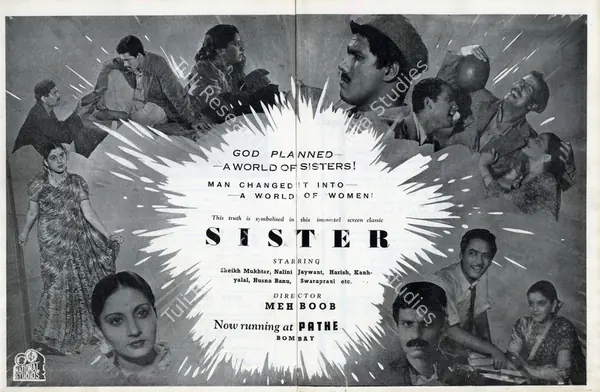
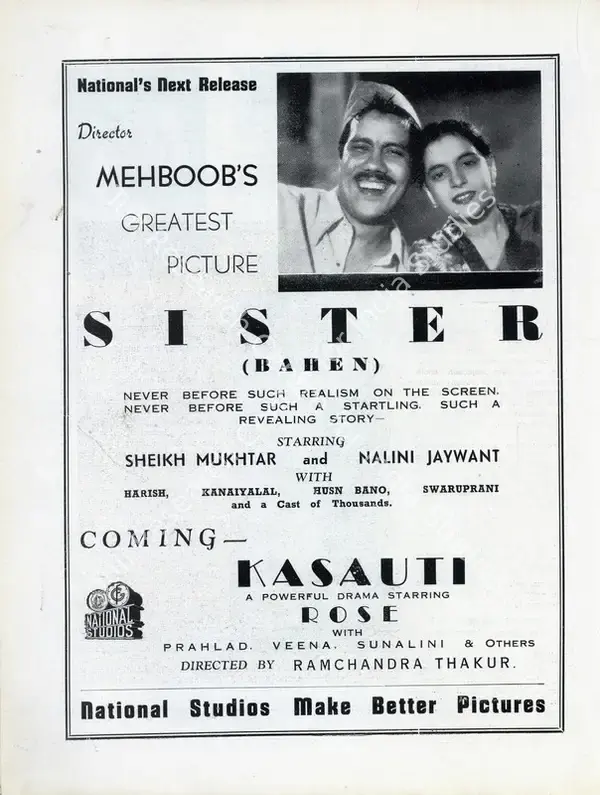
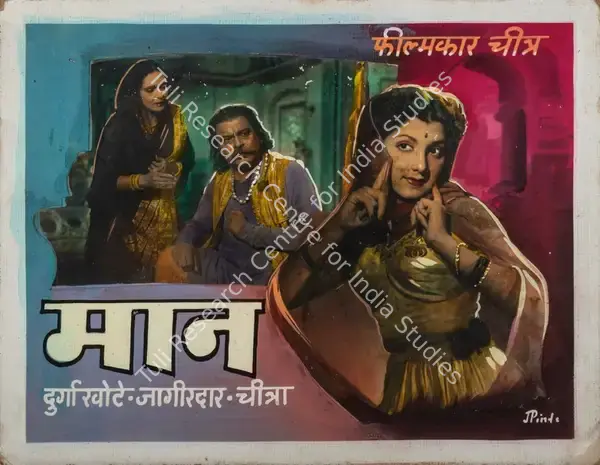
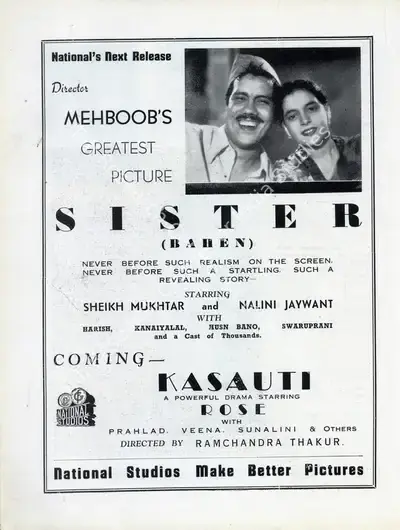
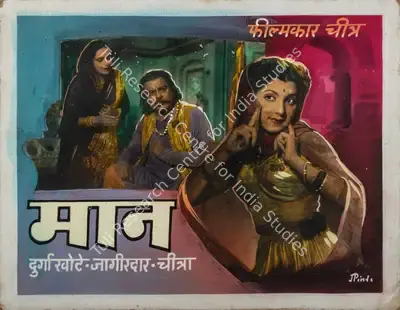
In Bombay, he entered a transforming film industry and began composing for Eastern Art Syndicate before debuting as a composer with Dharam Ki Devi (1935). He later worked with Sagar Movietones, assisting established composers and gradually developing his independent style. His breakthrough came with Jagirdar (1937), followed by landmark films including Aurat (1940), Alibaba (1940), Bahen (1941), and Roti (1942). His work in Kismet (1943) became iconic, especially the patriotic chorus Door Hato Ae Duniya Walo.
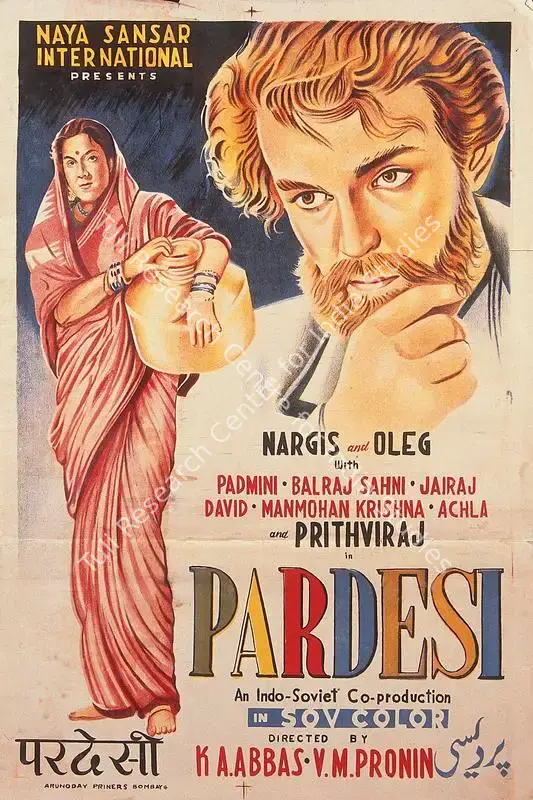
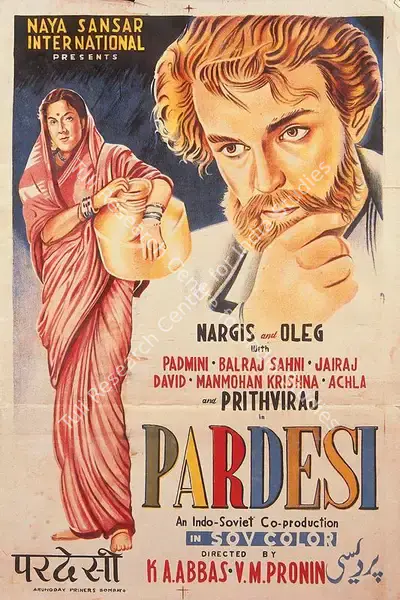
During the 1940s and 1950s, he created acclaimed scores for films such as Milan (1946), Tarana (1951), Aarzoo (1949), and Pardesi (1957), working with leading playback singers including Lata Mangeshkar, Mukesh, Talat Mahmood, and Mohammed Rafi. He was instrumental in introducing Mukesh through Dil Jalta Hai To Jalne De in Pehli Nazar (1945) and mentoring Lata Mangeshkar in vocal technique and breath control.
He also worked independently under Variety Pictures and produced several films. His compositions combined orchestral depth with Indian melodic traditions, shaping the evolution of Hindi film music. In later years, he shifted to All India Radio in Delhi, serving as Director of the National Orchestra and Chief Producer of Sugam Sangeet until 1975. He contributed to television, documentaries, and academic institutions, and received the Sangeet Natak Akademi Award in 1986.
He also played a crucial role in mentoring young playback singers and musicians during his tenure at All India Radio, where he helped standardize light classical music programming for broadcast audiences across India. Beyond cinema, Biswas contributed significantly to Indian radio, television, and documentary music, shaping the aesthetics of national cultural broadcasting in the mid-twentieth century. His collaborations with leading playback singers and filmmakers helped define the golden era of Hindi film music, particularly during the 1940s and 1950s. Even after retiring from mainstream cinema, he remained active in cultural and educational roles, contributing to academic discourse and institutional development in music education. His legacy continues through recordings, film archives, and the influence he had on later generations of composers and performers across India.
He died in New Delhi on 31 May 2003, leaving behind a lasting legacy as one of the foundational architects of modern Indian film music. He remains widely regarded as one of the most influential architects of modern Hindi film music, whose innovations bridged classical traditions with emerging cinematic sound design. His approach to orchestration influenced generations of composers, encouraging the integration of Indian ragas with Western harmony, layered instrumentation, and narrative-driven background scoring techniques.
Born in Barisal District of East Bengal (now Bangladesh), he showed early musical talent, performing in theatre as a child and mastering tabla by adolescence. He participated in the Indian independence movement during his school years and faced imprisonment for political activities. Following his father's death, he moved to Calcutta in the early 1930s, where he became active in theatre, radio, and recording studios.
Between 1932 and 1934, he worked with Rangmahal Theatre as actor, singer, and assistant music director, refining his knowledge of khayal, thumri, dadra, and devotional forms such as kirtan and Shyama Sangeet. He collaborated with early Indian music figures including K. L. Saigal and S. D. Burman, and worked under Kazi Nazrul Islam. His reputation led to his move to Bombay in 1934.
In Bombay, he entered a transforming film industry and began composing for Eastern Art Syndicate before debuting as a composer with Dharam Ki Devi (1935). He later worked with Sagar Movietones, assisting established composers and gradually developing his independent style. His breakthrough came with Jagirdar (1937), followed by landmark films including Aurat (1940), Alibaba (1940), Bahen (1941), and Roti (1942). His work in Kismet (1943) became iconic, especially the patriotic chorus Door Hato Ae Duniya Walo.
During the 1940s and 1950s, he created acclaimed scores for films such as Milan (1946), Tarana (1951), Aarzoo (1949), and Pardesi (1957), working with leading playback singers including Lata Mangeshkar, Mukesh, Talat Mahmood, and Mohammed Rafi. He was instrumental in introducing Mukesh through Dil Jalta Hai To Jalne De in Pehli Nazar (1945) and mentoring Lata Mangeshkar in vocal technique and breath control.
He also worked independently under Variety Pictures and produced several films. His compositions combined orchestral depth with Indian melodic traditions, shaping the evolution of Hindi film music. In later years, he shifted to All India Radio in Delhi, serving as Director of the National Orchestra and Chief Producer of Sugam Sangeet until 1975. He contributed to television, documentaries, and academic institutions, and received the Sangeet Natak Akademi Award in 1986.
He also played a crucial role in mentoring young playback singers and musicians during his tenure at All India Radio, where he helped standardize light classical music programming for broadcast audiences across India. Beyond cinema, Biswas contributed significantly to Indian radio, television, and documentary music, shaping the aesthetics of national cultural broadcasting in the mid-twentieth century. His collaborations with leading playback singers and filmmakers helped define the golden era of Hindi film music, particularly during the 1940s and 1950s. Even after retiring from mainstream cinema, he remained active in cultural and educational roles, contributing to academic discourse and institutional development in music education. His legacy continues through recordings, film archives, and the influence he had on later generations of composers and performers across India.
He died in New Delhi on 31 May 2003, leaving behind a lasting legacy as one of the foundational architects of modern Indian film music. He remains widely regarded as one of the most influential architects of modern Hindi film music, whose innovations bridged classical traditions with emerging cinematic sound design. His approach to orchestration influenced generations of composers, encouraging the integration of Indian ragas with Western harmony, layered instrumentation, and narrative-driven background scoring techniques.
The whole holding

Research Centre

20 of 23
20 of 23