

Introduction
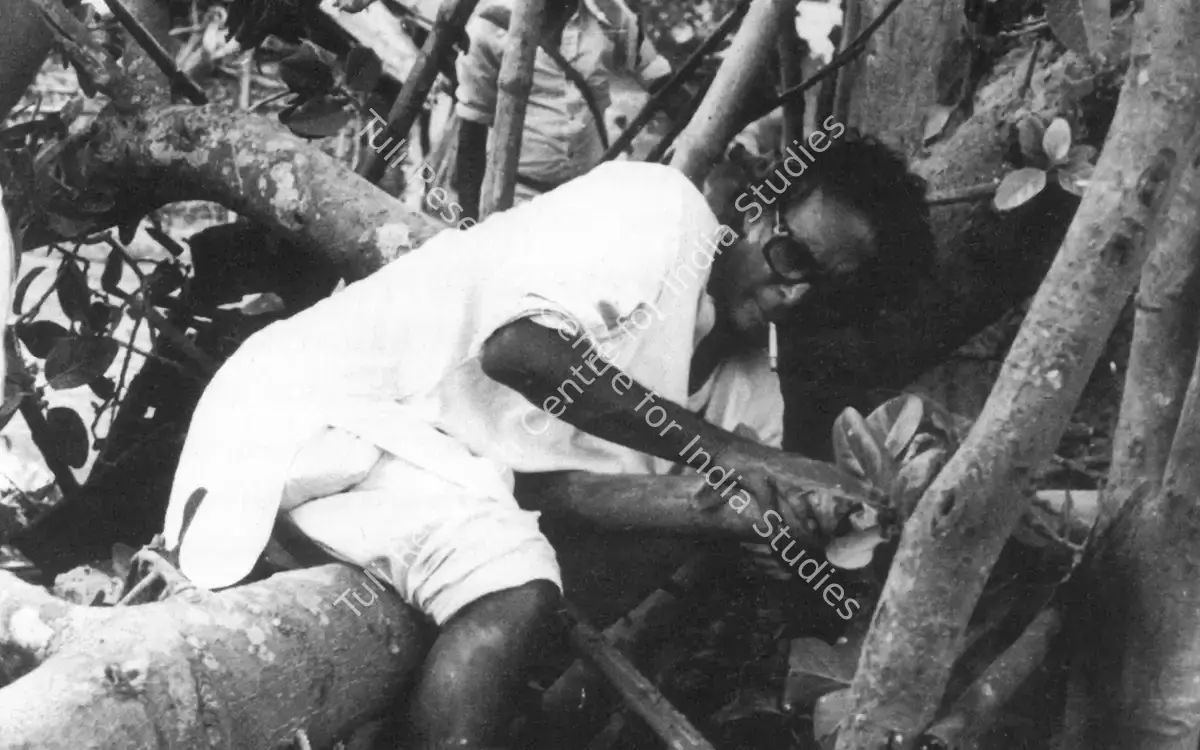
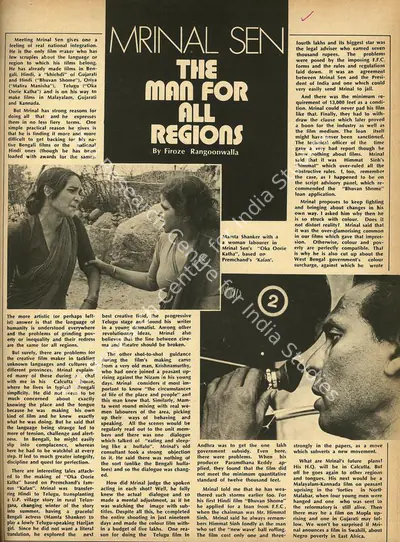
Mrinal Sen (14 May 1923–30 December 2018) He was one of India's most influential filmmakers and screenwriters, renowned primarily for his contributions to Bengali cinema, while also directing films in Hindi and Telugu. Alongside contemporaries such as Satyajit Ray, Ritwik Ghatak, and Tapan Sinha, Sen emerged as a leading figure of the Indian Parallel Cinema movement and the Indian New Wave, both of which challenged the conventions of mainstream commercial cinema through socially engaged, politically conscious, and aesthetically innovative filmmaking. He also served as the President of the Film and Television Institute of India (FTII) from 1984 to 1986.
Born into a Hindu family in Faridpur district of East Bengal (present-day Bangladesh), Sen was the son of Dinesh Chandra Sen, a lawyer who actively supported the Indian freedom movement, and Saraju Sen. In the early 1940s, he moved to Kolkata to study physics at Scottish Church College. During this period, he became deeply involved in student politics, public theatre, and progressive intellectual circles. An avid reader, he spent long hours at the National Library of India, where his discovery of Rudolf Arnheim's Film as Art and Vladimir Nilsen's The Cinema as a Graphic Art profoundly shaped his understanding of cinema as a serious artistic medium.
Sen became associated with the Indian People's Theatre Association (IPTA), closely linked with the Communist Party of India, and developed lasting friendships with cultural figures such as Ritwik Ghatak, Salil Chowdhury, Tapan Sinha, and Bijon Bhattacharya. Their discussions on art, politics, and society significantly influenced his creative vision. In 1953, he married Geeta Shome, to whom he gifted Julius Fučík's Notes from the Gallows, reflecting their shared intellectual and political commitments.
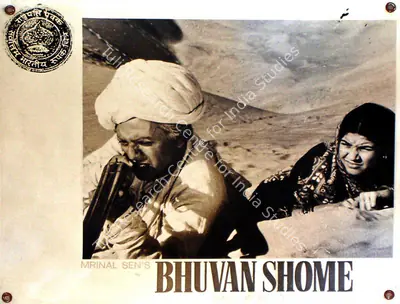
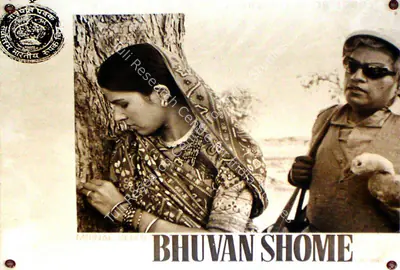
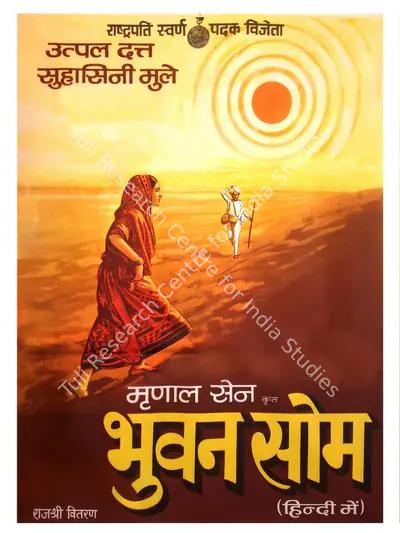
Deeply influenced by Marxist thought, Sen described himself as a “private Marxist.” His early films explored themes of political conflict, social inequality, and class struggle, particularly against the backdrop of the Naxalite movement in West Bengal. In his later works, however, he shifted his focus inward, critically examining the contradictions, anxieties, and moral dilemmas of the urban middle class. This period produced some of the most celebrated works of his career, including Bhuvan Shome (1969), Chorus (1974), Mrigayaa (1976), Ek Din Pratidin (1980), Akaler Sandhane (1981), Kharij (1982), and Khandhar (1984).
Sen's extraordinary career earned him eighteen National Film Awards, including multiple honours for Best Director and Best Screenplay, as well as the Dadasaheb Phalke Award, India's highest recognition in cinema. He was among the very few Indian filmmakers to receive major awards at all three of the world's premier film festivals—Cannes, Venice, and Berlin—establishing his reputation as an internationally acclaimed auteur. His contributions were further recognised through the Padma Bhushan, France's Ordre des Arts et des Lettres, and Russia's Order of Friendship. He also served on the juries of the Berlin International Film Festival (1982) and the Moscow International Film Festival (1983 and 1997), reflecting his global stature within the cinematic community.
Mrinal Sen passed away on 30 December 2018 at his residence in Bhawanipore, Kolkata, at the age of ninety-five following a heart attack, leaving behind a cinematic legacy that profoundly transformed the discourse of Indian and world cinema.
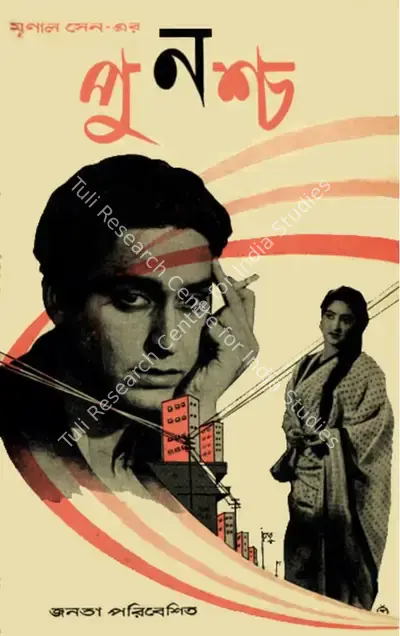
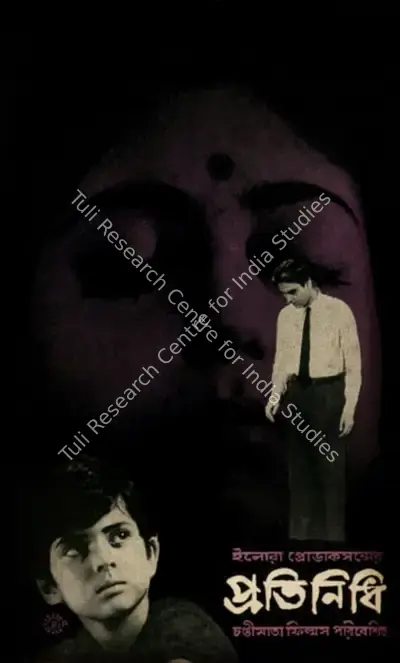
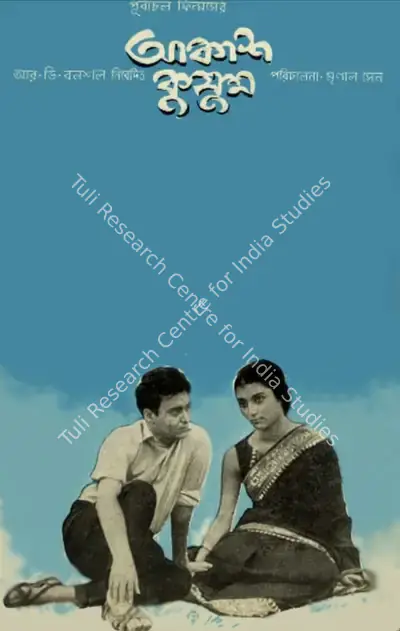
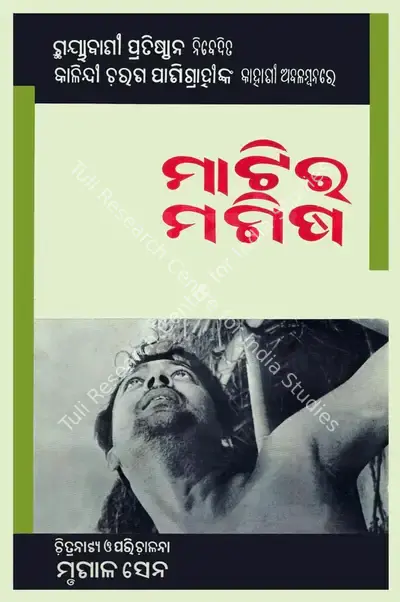
Filmography 34
Integrated Timeline
Research Centre

Calendar 2
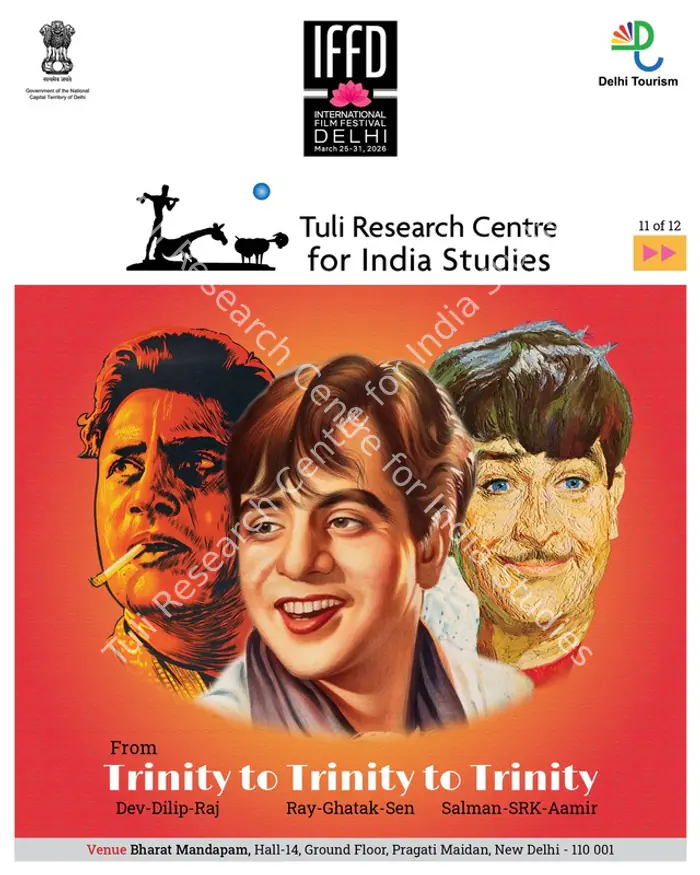
- ArchivedExhibitionProject 76From Trinity to Trinity to TrinityDev-Dilip-Raj | Ray-Ghatak-Sen | Salman-SRK-Aamir25th - 31st March 202611:00am - 7:00pmBharat Mandapam, Hall-14, Ground Floor, Pragati Maidan, New Delhi - 110011The Exhibition 'From Trinity to Trinity to Trinity | Dev-Raj-Dilip to Ray-Ghatak-Sen to Salman-Aamir-SRK', celebrates three iconic trios that have come to symbolize defining moments in Indian cinema and reflect the diverse heroic characteristics which the Indian public demands.Read More →
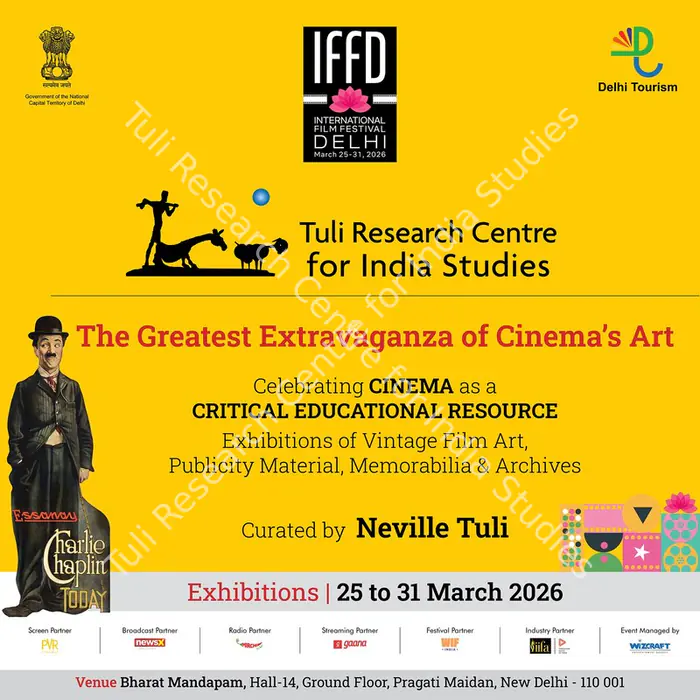
- ArchivedExhibitionProject 65The Greatest Extravaganza of Cinema's Art25th - 31st March 202611:00am - 7:00pmBharat Mandapam, Hall-14, Ground Floor, Pragati Maidan, New Delhi - 110001As we near sharing the vast online India Studies knowledge base on tuliresearchcentre.org with the world, we end with our last grand archival Exhibition on the rare and vintage cinematic arts. The Expo covers over 110 years of cinematic art, created by some of the finest film directors, cinematographers, art directors, technicians and designers working in cinema from India, Hollywood, Japan, Germany, France, and Poland. It is also a key principle at the Tuli Research Centre for India Studies (TRIS) to support new and nascent International Film Festivals in whatever capacity possible. Hence it is our privilege to help the International Film Festival of Delhi (IFFD) successfully launch its first edition on 25th March 2026. In the pioneering tradition of IFFI, and as Head of the erstwhile and much respected Osian's-Cinefan Festival for Asian and Arab Cinema with my dearly departed friend and Founder of Cinefan - Aruna Vasudev - we know what energy, expertise and commitment is required to galvanise and inspire the cinematic fraternities of Delhi, India and the rest of the world. It is a very serious and difficult task. Our audiences are demanding and to attract the young and non-cinephile is also no easy task. I hope these exhibitions will help the public grasp how deeply history is living in the contemporary. That contemporary life or creativity cannot achieve its best version without knowing and respecting the work of the best who came before us, nurturing and guiding our path with their service and vision. We look forward to welcoming you to Bharat Mandapam Hall 14 in the days to come. Please register at https://www.iffdelhi.com for the films and other events, it is free to all.Read More →
Related
29
Films
15
Personalities
14