

Introduction
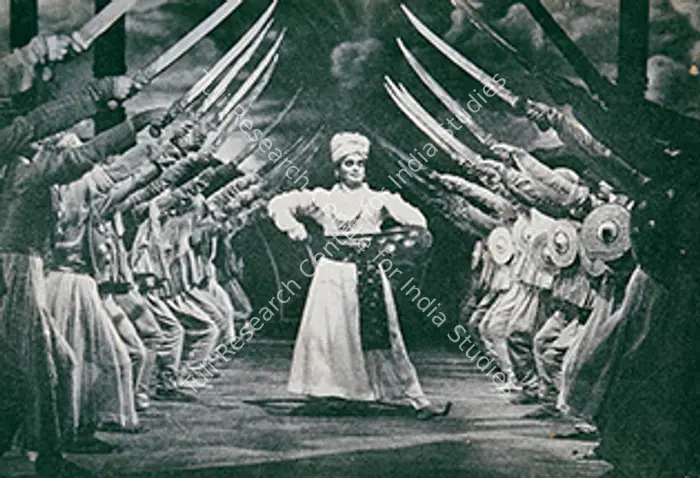
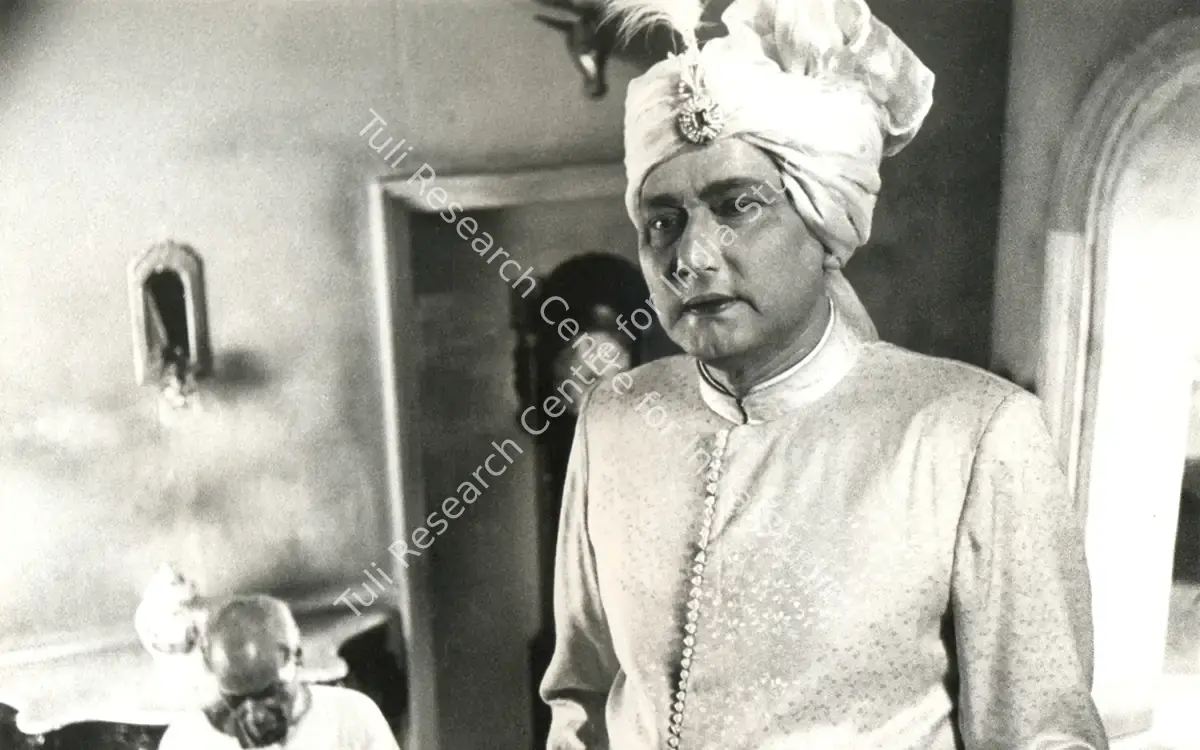
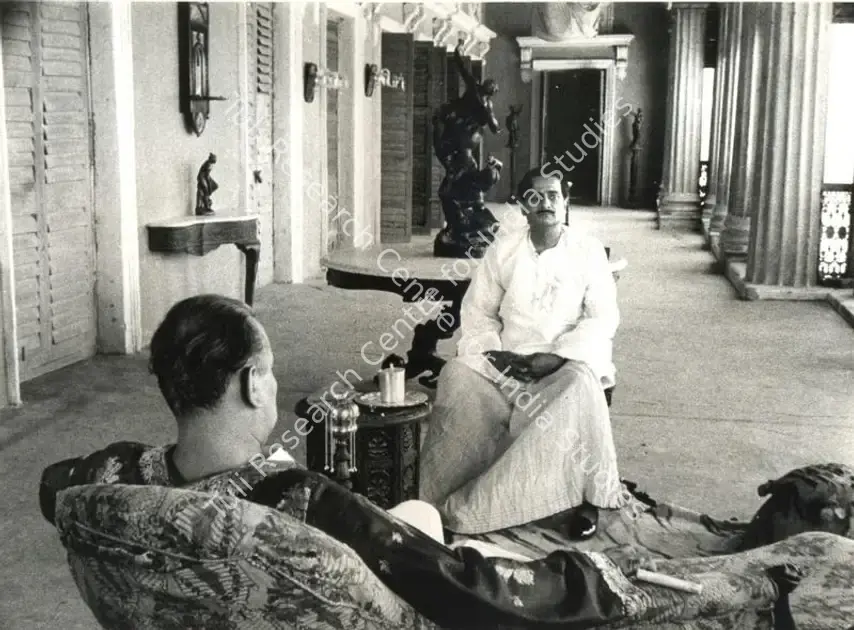
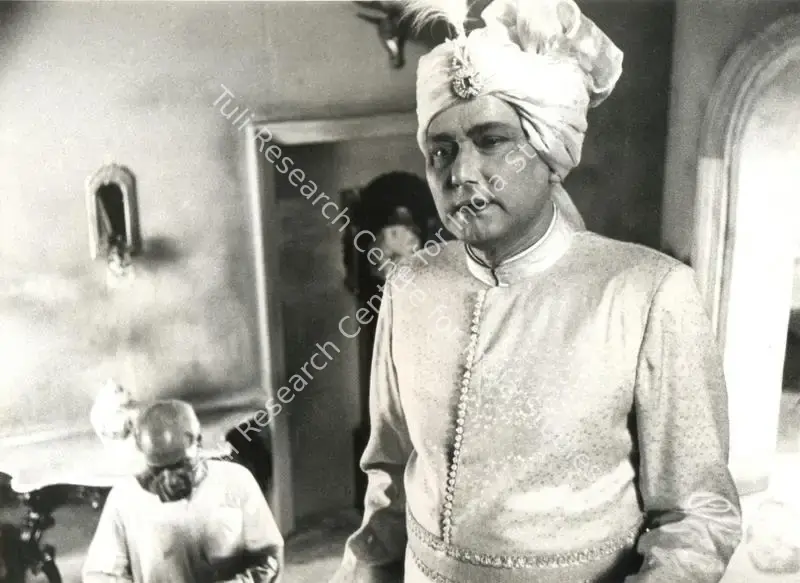
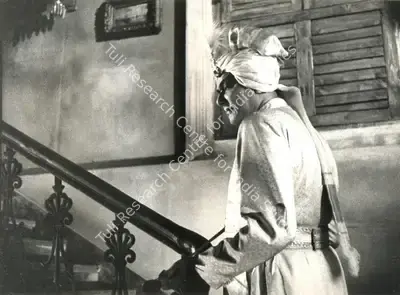
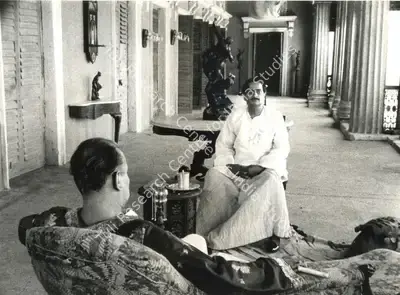
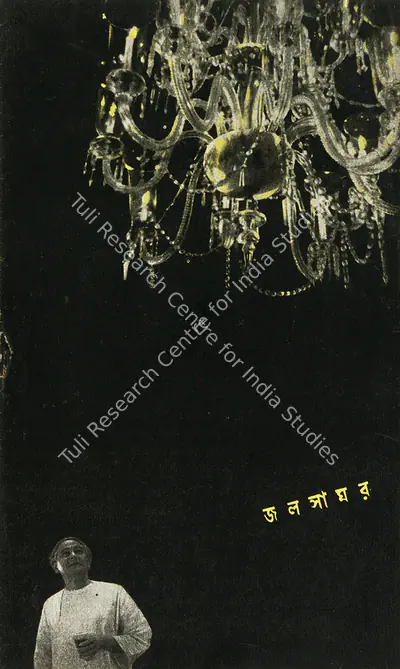
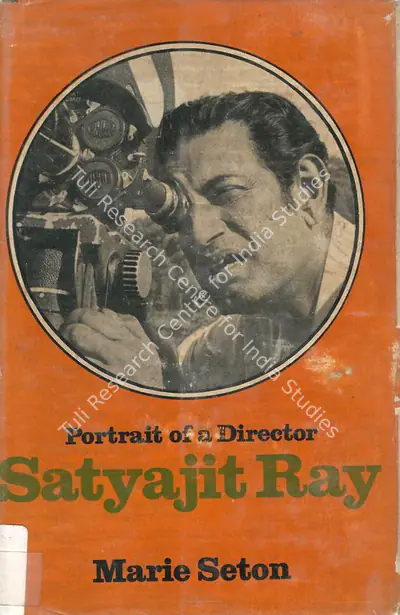
Jalsaghar (The Music Room, 1958) A haunting elegy to a vanishing world, Jalsaghar stands as the fourth feature film by legendary Bengali auteur Satyajit Ray, adapted from a short story by Tarasankar Bandyopadhyay. Set against the dimming light of aristocracy, the film unfolds within the crumbling opulence of Nimtita Rajbari, located near Murshidabad, a palace whose faded grandeur mirrors the soul of its protagonist.
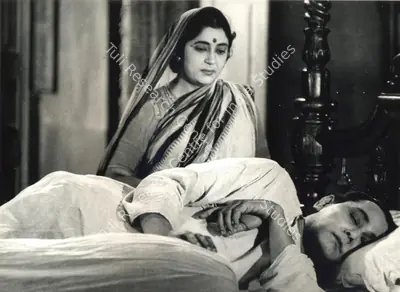
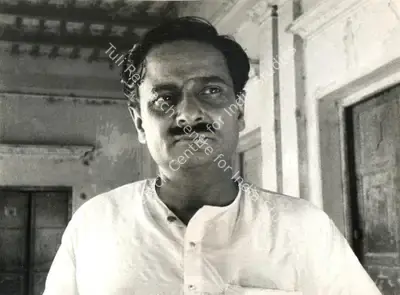
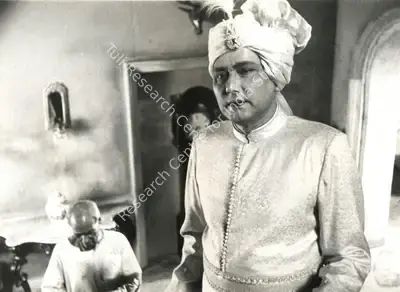
Chhabi Biswas, in a performance both regal and ravaged, inhabits the role of Zamindar Biswambhar Roy, a nobleman clinging to the final vestiges of wealth, dignity, and a time-honored tradition of music. With each passing day, his fortune erodes, but Roy remains steadfast, almost defiant, in his devotion to his grand music room, a sanctum where masterful musicians and dancers once elevated sound to spirit.
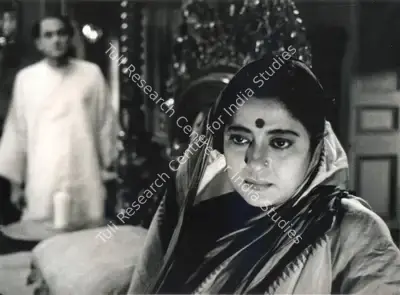
The ensemble cast includes Gangapada Basu as Mahim Ganguly, the ambitious, nouveau-riche neighbour; Padma Devi as Mahamaya, Roy's quietly enduring wife; Pinaki Sengupta as Khoka, Roy's son; Tulsi Lahiri, Kali Sarkar, Roshan Kumari, and Begum Akhtar round out a supporting cast enriched with subtlety and grace. Interwoven into the narrative are exquisite musical interludes by India's greats: Bismillah Khan's shehnai sings of longing, Waheed Khan's surbahar echoes through time and Salamat Ali Khan's khayal reaches transcendent heights.
After the commercial disappointment of Aparajito, Ray sought to marry popular Bengali literature with classical Indian art forms, crafting a cinematic requiem that would speak to the soul of his culture. Though the real palace lacked the necessary grandeur, Ray built an opulent replica in Kolkata and shaped the film's sonic landscape in collaboration with sitar maestro Ustad Vilayat Khan, yielding a score as restrained as it is sublime.
Initially met with a lukewarm reception in India, Jalsaghar quietly collected honours: Presidential Award for Best Film in New Delhi; Best Music at the first Moscow International Film Festival; National Film Awards (1959): Second Best Feature Film in India and Best Bengali Feature Film.
As its reach extended westward in the 1960s, critical tides shifted. The film was embraced by cinematic luminaries such as Pauline Kael, Bosley Crowther, Roger Ebert and Werner Herzog who praised its melancholic beauty and meditative power. Ray himself had doubted its international appeal; instead, it became a cornerstone of his global legacy.
Subsequently, its reverberations continued: ranked #20 on Cahiers du Cinéma's 2008 “100 Best Films;” appeared in Sight & Sound polls (1992; 2002, 2012); listed by the British Film Institute among its 360 Classics; placed #3 on The Daily Star's list of greatest short story adaptations (2021); Reached #7 and #18 in Asia-focused film rankings from Cinemaya and Busan International Film Festival respectively.
In 1981, the film became a surprise box office success in France, selling over 173,000 tickets, unmatched by an Indian film there until Salaam Bombay! in 1988. A soundtrack album was released in 1989 by Ocora–RadioFrance/Harmonia Mundi, featuring insights from an interview with Ray by Andrew Robinson.
In 1996, the Academy Film Archive preserved Jalsaghar, recognizing it not only as an artefact of cinematic excellence but as a timeless meditation on legacy, pride, and the inevitable erosion of grandeur.
Today, Jalsaghar stands not merely as a film, but as a chambered echo space where music, memory, and melancholy swirl like dust in a sunlit room, long abandoned, yet never forgotten.
अभिनेता छबि बिस्वास ने फ़िल्म में जमींदार विश्वम्भर राय की शीर्षक भूमिका निभाई है। यह एक ऐसे कुलीन व्यक्ति का किरदार है जो दौलत, सम्मान और संगीत की पुरानी परम्परा की भूली-बिसरी परछाइयों से आजतक चिपका हुआ है। दिन-ब-दिन उसकी दौलत क्षीण होती जाती है लेकिन जमींदार राय अपने भव्य संगीत कक्ष को बचाए रखने के प्रति अडिग, लगभग जिद्दी बने रहते हैं। उनके लिए वह पवित्र स्थान है जहाँ किसी दौर में महान गायक-वादक और नर्तक संगीत को आत्मा की गहराइयों तक ऊँचा उठा देते थे।
फिल्म में अन्य प्रमुख भूमिकाओं में अभिनेता गंगापद बसु महत्त्वाकांक्षी, नवधनाढ्य पड़ोसी माहिम गांगुली का किरदार निभा रहे हैं तो अभिनेत्री पद्मा देवी ज़मींदार राय की मौन, सहनशील पत्नी महामाया की भूमिका में हैं। पिनाकी सेनगुप्ता ज़मींदार राय के बेटे खोक़ा की भूमिका में हैं जबकि तुलसी लाहिड़ी, काली सरकार, रोशन कुमारी और बेग़म अख्तर जैसे उम्दा कलाकार अन्य सहायक भूमिकाओं को निखारते हैं। कथानक के बीच-बीच में भारत के महान संगीत उस्तादों की संगीत प्रस्तुतियाँ गुँथी हुई हैं। उस्ताद बिस्मिल्लाह ख़ाँ की शहनाई विरह की तान छेड़ती है तो उस्ताद वहीद ख़ाँ का सुरबहार समय के पार जाकर गूँजता है। उस्ताद सलामत अली ख़ाँ की ख़याल गायकी तो जैसे आध्यात्मिक ऊँचाइयों तक पहुँच जाती है।
अपराजितो की व्यावसायिक असफलता के बाद राय ने इस फ़िल्म में लोकप्रिय बांग्ला साहित्य को भारतीय शास्त्रीय कलाओं के साथ जोड़ने का प्रयास किया और एक ऐसा मर्मांतक सिनेमाई विलाप रचा जो भारतीय संस्कृति की आत्मा में उतरता है। वास्तविक हवेली में अपेक्षित भव्यता का अभाव होने पर राय ने कोलकाता में उसका भव्य प्रतिरूप तैयार करवाया और महान सितारवादक उस्ताद विलायत ख़ान के साथ मिलकर फ़िल्म का अनूठा ध्वन्यात्मक परिदृश्य गढ़ा। इस फ़िल्म के लिए तैयार हुआ संगीत जितना आत्मलीन है उतना ही उत्कृष्ट भी है।
भारत में रिलीज़ के समय शुरुआत में इस फ़िल्म को साधारण प्रतिक्रिया मिली लेकिन फिर धीरे-धीरे यह फ़िल्म सम्मान बटोरने लगी। दिल्ली में 'सर्वश्रेष्ठ फ़िल्म' का राष्ट्रपति पुरस्कार, पहले मॉस्को अंतरराष्ट्रीय फ़िल्म महोत्सव में 'सर्वश्रेष्ठ संगीत' का पुरस्कार और सन् 1959 के राष्ट्रीय फ़िल्म पुरस्कारों में भारत की द्वितीय सर्वश्रेष्ठ फ़ीचर फ़िल्म तथा सर्वश्रेष्ठ बांग्ला फ़ीचर फ़िल्म होने का गौरव इसे मिला।
फिर जब 1960 के दशक में जब यह फ़िल्म पश्चिम के दर्शकों तक पहुँची तो इसके प्रति समीक्षात्मक नज़रिया बदल गया। फ़िल्म को पॉउलिन कील, बॉज़ली क्राउथर, रॉजर एबर्ट और वर्नर हरज़ॉग जैसे सिनेमा के महारथियों ने खुले दिल से स्वीकार किया और इसकी उदासी से भरी भव्य खूबसूरती और एकांतिक भाव की सराहना की। स्वयं निर्देशक राय ने इसकी अंतरराष्ट्रीय अपील पर संदेह किया था लेकिन यह उनकी वैश्विक प्रसिद्धि को स्थापित करने में आधारस्तंभ फ़िल्म बन गई।
बाद के सालों में भी जलसाघर की गूँज लगातार बनी रही। 'काहियर्स दु सिनेमा' की सन् 2008 में आई 'सौ सर्वश्रेष्ठ फ़िल्मों' की सूची में इसे 20वाँ स्थान मिला। 'साइट एंड साउंड' की वर्ष 1992, 2002 और 2012 की सूचियों में यह शामिल रही, ब्रिटिश फ़िल्म इंस्टिट्यूट (बीएफ़आई) की 360 क्लासिक फ़िल्मों की सूची में इसे स्थान मिला। दि डेली स्टार की वर्ष 2021 में जारी कहानी पर आधारित महान फ़िल्मों की सूची में यह तृतीय स्थान पर रही, सिनेमाया की एशिया-केंद्रित सूची में 7वें और बुसान अंतरराष्ट्रीय फ़िल्म महोत्सव की सूची में 18वें स्थान पर रही।
सन् 1981 में फ्रांस में इसे टिकट खिड़की पर अप्रत्याशित कामयाबी हासिल हुई और इसकी 1 लाख 73 हज़ार से अधिक टिकट बिकीं, जो वहाँ पर किसी भी भारतीय फ़िल्म के लिए सन् 1988 में सलाम बॉम्बे! के आने तक रिकॉर्ड रहा। वर्ष 1989 में ओकोरा रेडियो फ़्रांस/हार्मोनिया मुंडी द्वारा इसका संगीत एल्बम जारी किया गया, जिसमें एंड्रयू रॉबिनसन द्वारा लिया निर्देशक राय का साक्षात्कार भी शामिल था।
सन् 1996 में एकेडमी फ़िल्म आर्काइव ने जलसाघर को संरक्षित फ़िल्म घोषित किया। इसे न सिर्फ़ एक सिनेमा के रूप में फ़िल्म की उत्कृष्टता के साक्ष्य के रूप में देखा जा सकता है, बल्कि यह विरासत, अभिमान और वैभव के सभ्यतागत क्षरण पर कालजयी चिंतन के रूप में फ़िल्म को स्थापित भी करता है।
आज जलसाघर सिर्फ़ एक फ़िल्म भर नहीं है, बल्कि एक ऐसा गूँजता हुआ संगीत कक्ष है जहाँ संगीत, स्मृति और विषाद ऐसे घूमते हैं जैसे धूप से नहाई, परित्यक्त हवेली में उड़ते धूलकण। भूली बिसरी स्मृति की यादों से।
Body of Work
Research Centre

Calendar 1
- ArchivedExhibitionProject 2Self-Discovery via Rediscovering India Series Part II India's Cinematic Heritage12th - 24th August 2024Self-Discovery via Rediscovering India Series Part IIRead More →