
The Inner Eye1972
Introduction
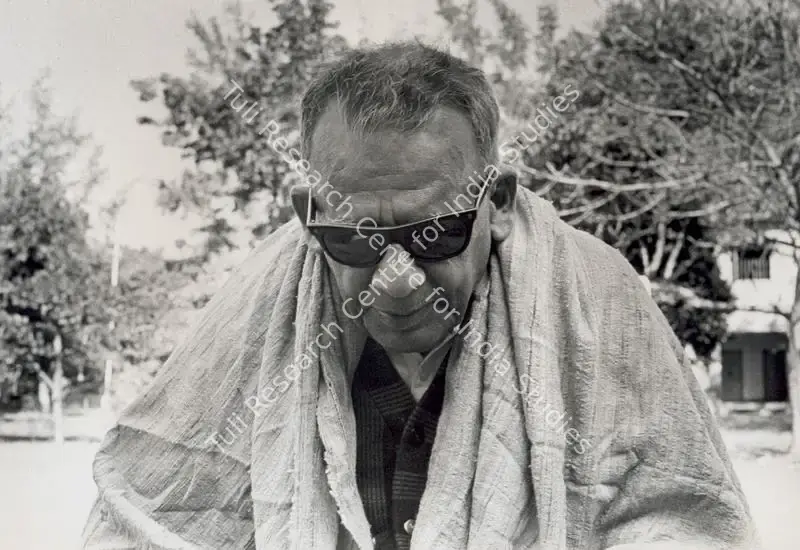
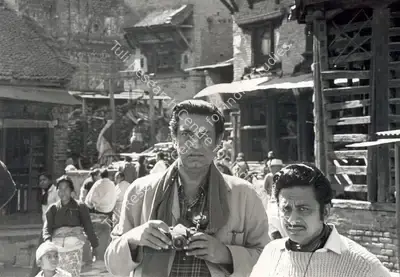
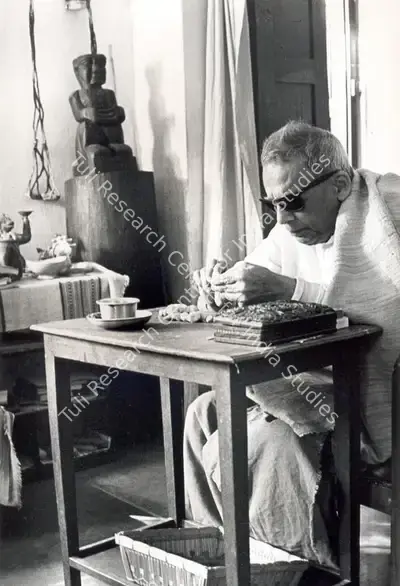
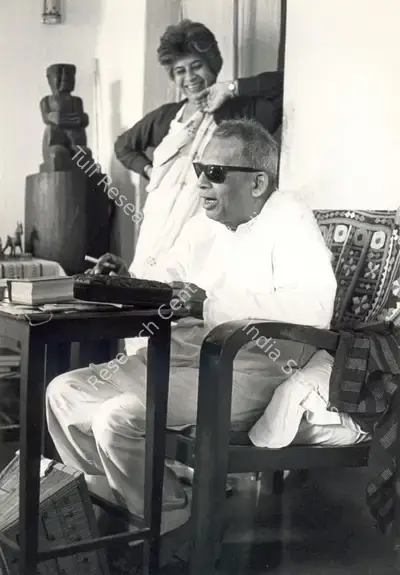
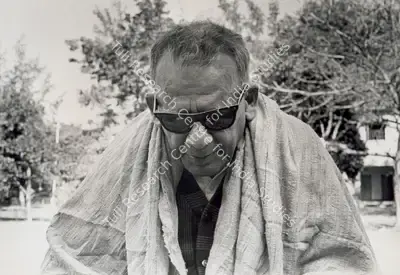
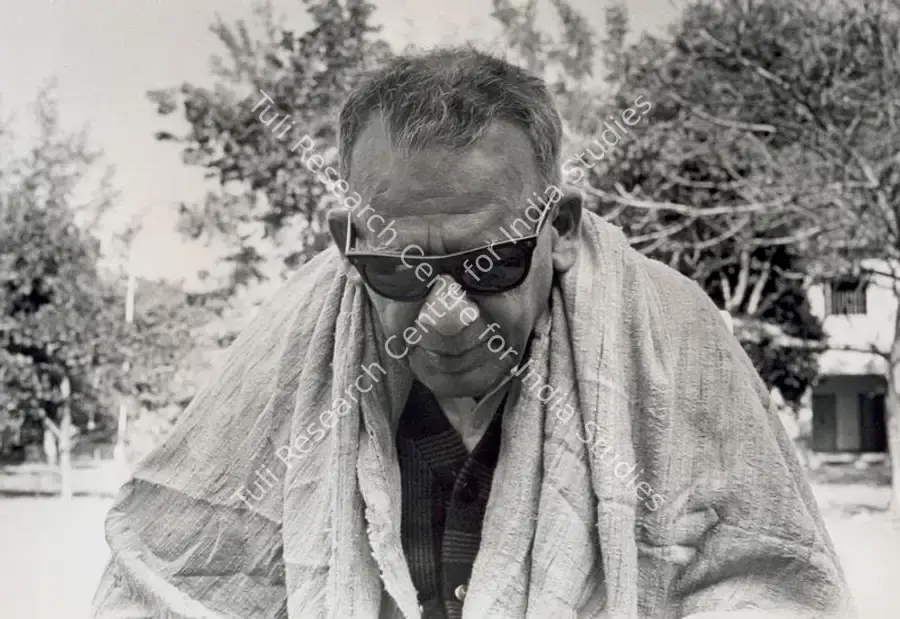
The Inner Eye (1972) Directed by Satyajit Ray, the documentary stands as a profound meditation on artistic vision that transcends physical sight. This 20-minute film is a lyrical homage to Benode Behari Mukherjee, the sight-impaired painter and philosopher of Visva-Bharati University, Santiniketan, a creative sanctuary shaped by Rabindranath Tagore's ideals, where tradition and modernity coexisted.
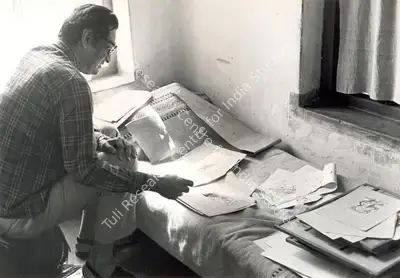
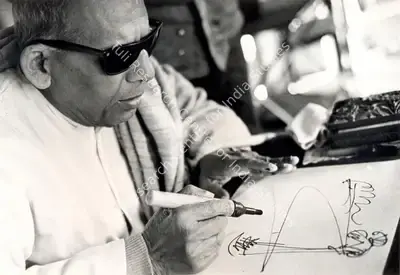
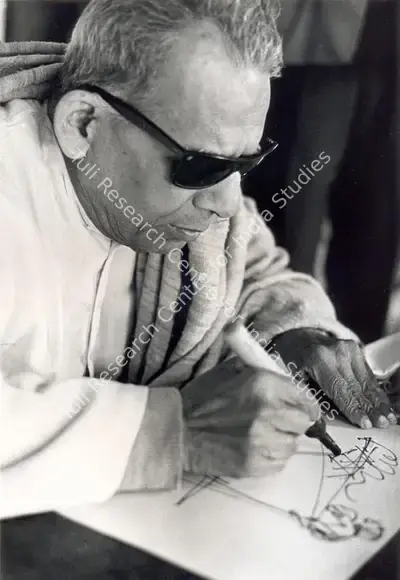
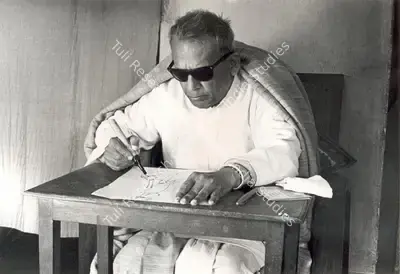
The film traces Mukherjee's journey from childhood, marked by severe visual impairment, to his complete blindness and the inner awakening that followed. Despite losing sight, he emerged as a pioneer of modern Indian art, revered across Asia for his originality and wisdom. Ray weaves still images of Mukherjee's paintings, sketches, and murals with archival photographs, his own resonant narration, and appearances by Mukherjee himself. “Blindness is a new feeling, a new experience, a new state of being,” says the artist, his words carrying quiet dignity.
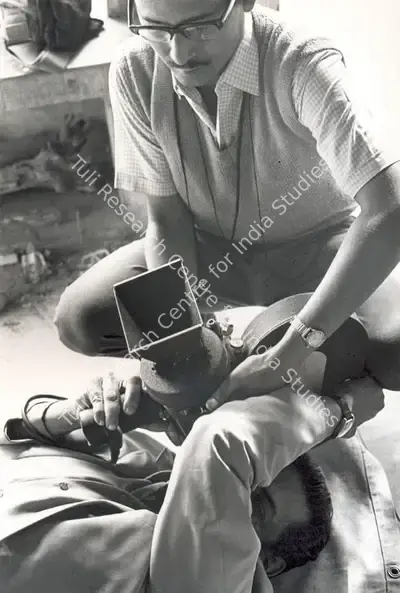
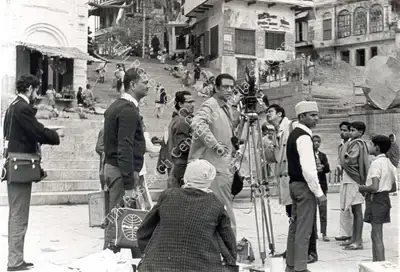
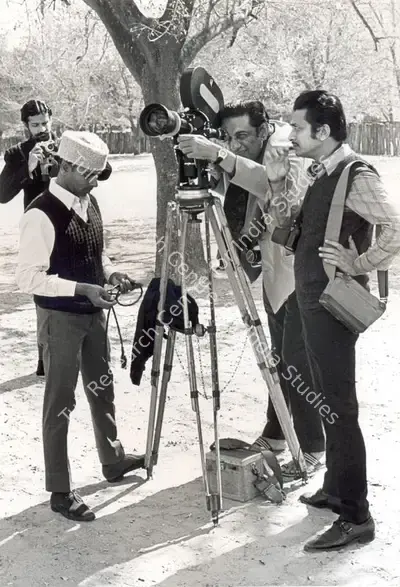
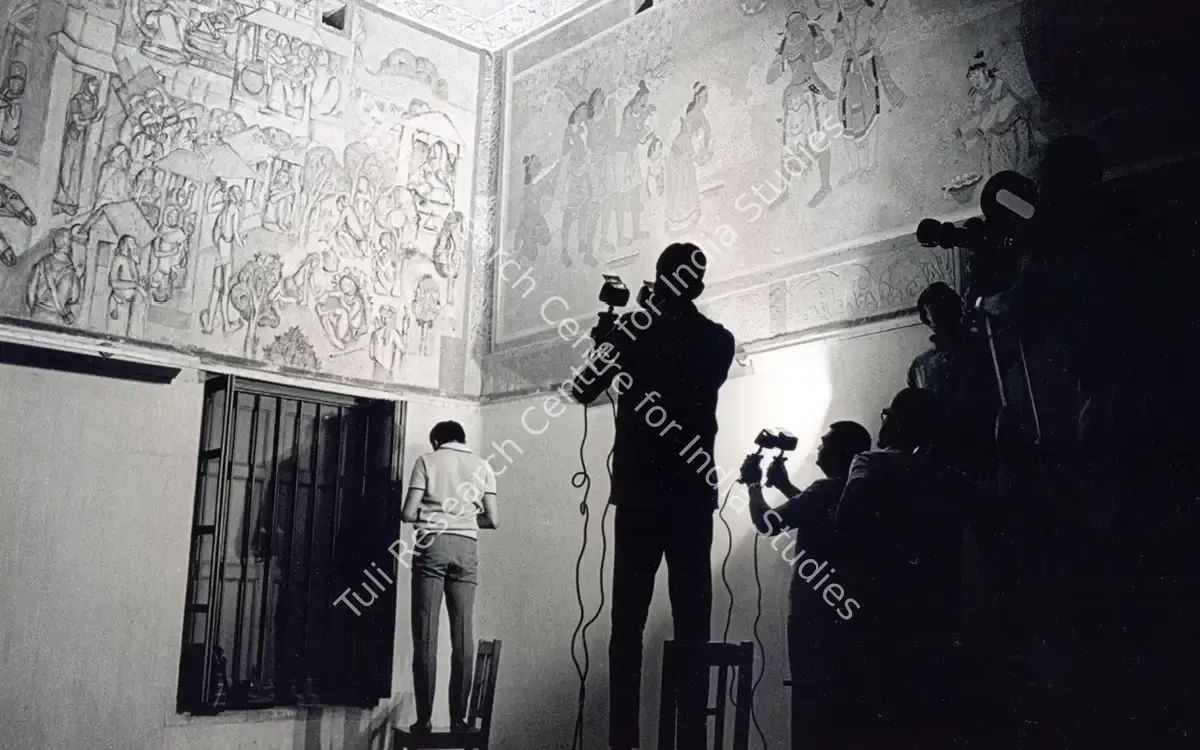
Ray, ever the meticulous craftsman, served as director, composer, and narrator. Cinematographer Soumendu Roy captured the visuals, while sound was recorded by J.D. Irani and Durgadas Mitra, and Dulal Dutta handled editing. The closing is graced by Nikhil Banerjee's morning raga Asavari on sitar, offering serene optimism.
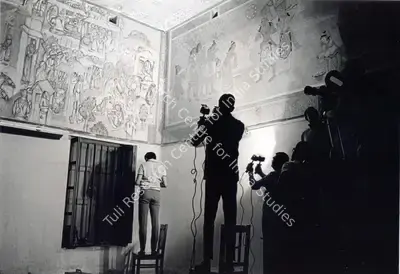
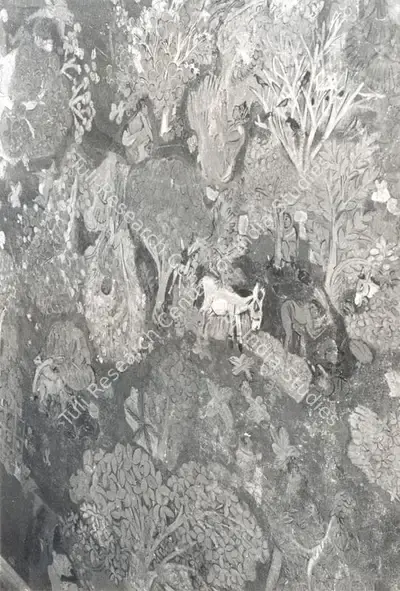
Mukherjee, born myopic in one eye and blind in the other, finally lost all sight after a failed cataract surgery. Yet he remained a visionary, teaching, creating and inspiring. Under Nandalal Bose's mentorship, he mastered Indian art fundamentals while nurturing a distinct style. The film begins with sweeping shots of twenty murals he designed for Santiniketan's new buildings, before following his life from campus solitude to studies in Japan, where artists like Tawaraya Sōtatsu influenced his minimalism. His frescoes from a pastoral ceiling at Kala Bhavan to vibrant scenes at China Bhavana and spiritual murals at Hindu Bhavana, were crafted without preliminary sketches, drawn directly from his inner vision.
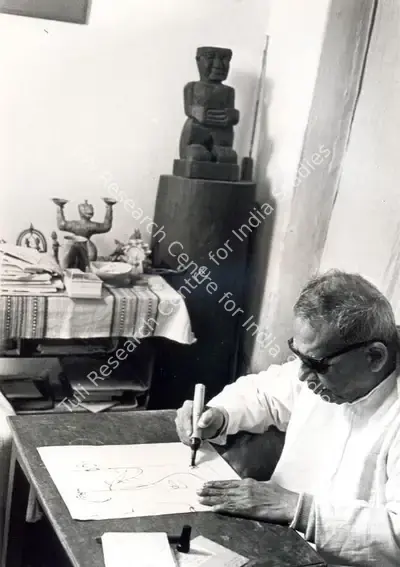
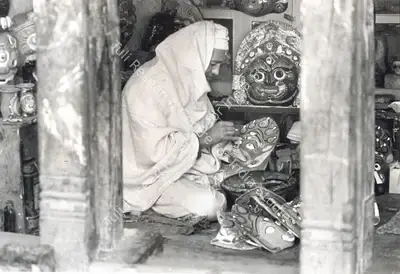
Later, the documentary visits his tenure at Nepal's National Museum, works at Banasthali Vidyapith, and the school he founded in Dehradun. The closing scenes, showing Mukherjee painting from memory, are the film's most moving.
The Inner Eye won the 1972 National Film Award for Best Information Film. Preserved in good condition, it was screened in 2009 at the Satyajit Ray Festival alongside other Ray classics. Published in Original English Film Scripts: Satyajit Ray, this cinematic gem endures as a testament that true sight lies within the soul.
फ़िल्म बिनोद बिहारी मुखर्जी की कलात्मक यात्रा को दिखाती है। उनके बचपन से लेकर गंभीर दृष्टिदोष से पीड़ित होने तक, फिर नेत्रहीनता तक की यात्रा और उसके बाद उनके अन्दरूनी कलात्मक जागरण तक। दृष्टि खोने के बावजूद भी वे आधुनिक भारतीय कला के अग्रदूत के रूप में पहचाने गए और एशिया भर में अपनी मौलिक और गहन दृष्टि के लिए सम्मानित हुए। सत्यजित राय ने मुखर्जी के चित्रों, रेखाचित्रों और भित्तिचित्रों की स्थिर छवियों को अभिलेखीय तस्वीरों के साथ अपनी ही आवाज़ में चलती टिप्पणियों और स्वयं मुखर्जी की उपस्थिति के साथ बुनकर एक सुंदर सतरंगी हार तैयार किया है। खुद कलाकार के शब्दों में, “नेत्रहीनता एक नई अनुभूति है, एक नया अनुभव, अस्तित्व की एक नई अवस्था” और इन पंक्तियों में मुखर्जी के व्यक्तित्व की शीतल गरिमा झलकती है।
सत्यजित राय ने खुद इस फ़िल्म में निर्देशक के साथ संगीतकार और वाचक की भूमिकाएँ भी निभाई हैं। फ़िल्म का छायांकन सौमेंदु राय ने किया और ध्वनि रिकॉर्डिंग जे. डी. ईरानी और दुर्गादास मित्र ने संभाली जबकि संपादन का कार्य दुलाल दत्ता ने किया। फ़िल्म के अंत में सितार पर निखिल बनर्जी द्वारा प्रस्तुत प्रातःकालीन राग असावरी शांति और उम्मीद की अनुभूति है।
मुखर्जी की एक आँख में जन्म से निकट दृष्टि दोष था और दूसरी आँख से वे जन्म से ही देख नहीं पाते थे। एक असफल मोतियाबिंद शल्यक्रिया के बाद वे पूरी तरह दृष्टिहीन हो गए। फिर भी वे एक दूरदर्शी कलाकार बने रहे। वे पढ़ाते रहे, रचते रहे और कलाकारों छात्रों को प्रेरित करते रहे। महान कलाकार नंदलाल बोस के सान्निध्य में उन्होंने भारतीय कला की बुनियादी ज़मीन पर निपुणता हासिल की और अपनी एक विशिष्ट शैली विकसित कर पाए। फ़िल्म की शुरुआत शांतिनिकेतन परिसर में नवनिर्मित इमारतों के लिए उनके बनाए बीस भित्तिचित्रों के विस्तृत दृश्यों से होती है। इसके बाद यह उनके जीवन और प्रवास के प्रसंगों के साथ आगे बढ़ती है। शांतिनिकेतन कैम्पस की एकांत साधना से लेकर जापान में उनकी पढ़ाई तक के प्रसंग यहाँ हैं। जापान में उन्होंने तवाराया सोत्सु जैसे महान कलाकार के साथ रहकर उनके न्यूनतावाद को अपनी कला में ग्रहण किया। मुखर्जी के बनाए भित्तिचित्र शांतिनिकेतन में कला भवन की छत से लेकर चीन भवन की भित्तियों पर उकेरे जीवन्त दृश्यों और हिन्दू भवन की आध्यात्मिक छवियों वाली दीवारों तक उनके उम्दा कार्य का सबूत हैं। बिना किसी प्रारंभिक रेखाचित्र की रचना के वे उनके मन में बसी भीतरी छवि को सीधा दीवार पर उकेर देते थे।
आगे जाकर यह वृत्तचित्र नेपाल के राष्ट्रीय संग्रहालय में उनके कार्यकाल, जयपुर के पास स्थित गांधीवादी शिक्षा परिसर बनस्थली विद्यापीठ में उनके योगदान और देहरादून में उनके द्वारा स्थापित विद्यालय को भी दिखाता है। फ़िल्म के अन्तिम दृश्य में मुखर्जी स्मृति के सहारे चित्र बनाते दिखाई देते हैं। यह इस फ़िल्म के सबसे मार्मिक क्षणों में से एक है।
दि इनर आई को सन् 1972 में 'सर्वश्रेष्ठ सूचनापरक फ़िल्म' श्रेणी में राष्ट्रीय पुरस्कार मिला। यह फ़िल्म अच्छी अवस्था में संरक्षित की गई है और सन् 2009 में सत्यजित राय फ़ेस्टिवल में उनकी अन्य क्लासिक फ़िल्मों के साथ इसका भी प्रदर्शन हुआ था। इसकी पटकथा को “ओरिजिनल इंग्लिश फ़िल्म स्क्रिप्ट्स: सत्यजित राय” नामक संग्रह में शामिल किया गया है। यह फ़िल्म साक्ष्य है कि सही अर्थों में देखना आँखों से नहीं, बल्कि आत्मा से होता है।
Body of Work