TRIS logo image
Search275,000+ actors, artists, objects, artworks, films, exhibitions, archives

EN

EN

English

HI

Hindi

EN

EN

English

HI

Hindi

Tuli Research Centre for India Studies

Tuli Research Centre for India Studies

Vision

Manifesto

Archive & Library

Vanraja Sanctuary & Hospice

Home

Research Categories

Browse All

ICore

1_CinemaEducation_Cinema as a Critical Educational Resource

2_FineArts_Modern and Contemporary Indian Fine Arts

3_Photography_Photography in India

4_PopCulture_The Printed Image, Popular Arts, and Crafts

IIMaterial

5_ArcHeritage_India's Architectural Heritage as Inspiration

6_EconomicsArt_Economics of Art & Cultural Industry

7_Travel_Automobile, Transport and Travel Heritage

8_Uncertainty_Uncertainty

IIICritical

9_SocialDuty_Social Responsibility of the Creative Mind

10_Childhood_The Changing Smile of Childhood & Its Second Coming

11_Sensuality_The Sensual Discipline within Creativity

12_Scholarship_The History & Historiography of Scholarship in the Arts, Humanities, and Social Sciences

IVMeaningful

13_SeekJustice_Seeking Justice and Political Integrity

14_IndoWorld_India and her Relationship with the World

15_SpiritualPoetics_The Religious-Spiritual-Poetic-Philosophical Framework

16_Continuum_The Animal-Human-Nature Continuum

Explore

All

Posts

Masterlists

Calendar

Live | Upcoming

All Events

Timetable

Search275,000+ actors, artists, objects, artworks, films, exhibitions, archives

EN

EN

English

HI

Hindi

Home/Ketan Anand

Ketan Anand

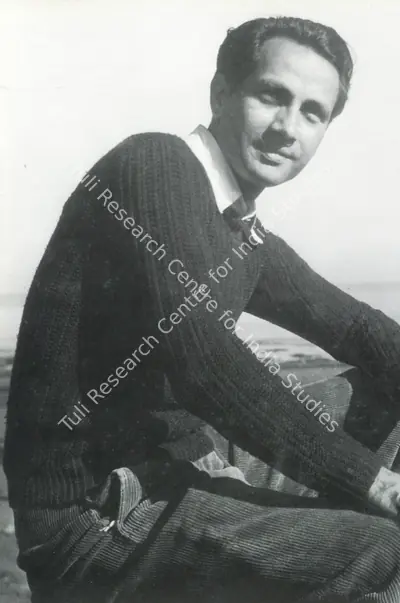
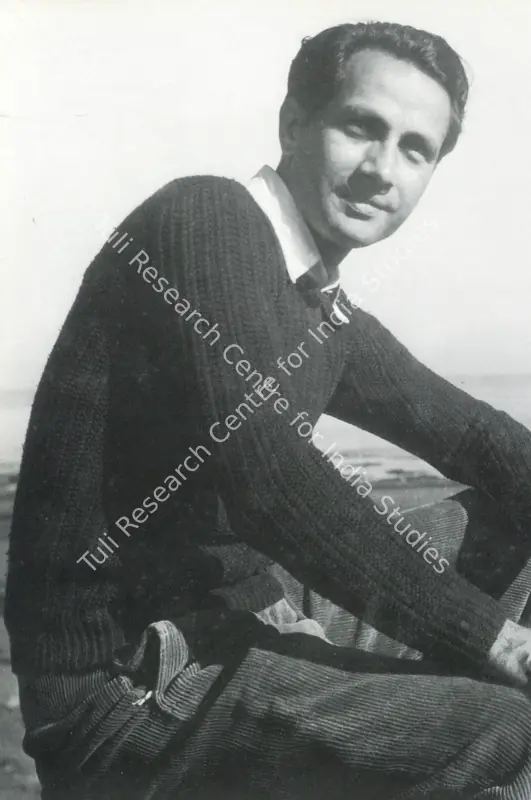
Ketan Anand is an Indian film director and producer, son of filmmaker Chetan Anand and actress Uma Anand, and cousin of director Shekhar Kapur. As a child, he appeared with his brother Vivek Anand in a song from Funtoosh (1956) alongside Dev Anand and Sheila Ramani.

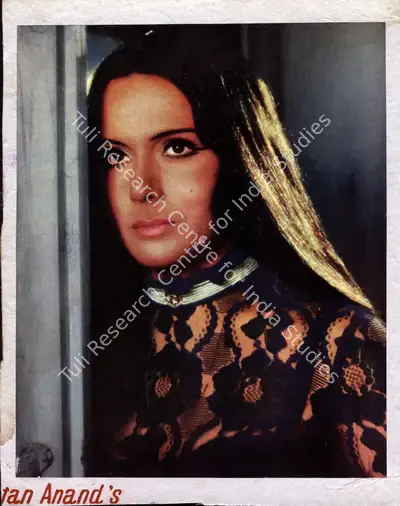
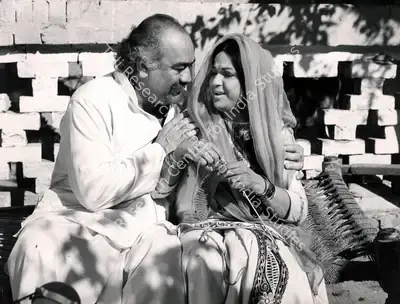
He later assisted his father as associate producer on Heer Raanjha (1970) and worked as assistant director on Tere Mere Sapne (1971), experiences that shaped his early understanding of filmmaking.

He made his directorial debut with Toote Khilone (1978) and followed it the same year with Trishala Ka Laal (1978), establishing himself as a filmmaker in social and mythological drama.

In the 1980s, he co-directed Hum Rahe Na Hum (1984) with his father, directed Shart (1986), and appeared in acting roles in Raavan (1984) and Sheeshay Ka Ghar (1984). The 1990s saw him direct Aaja Meri Jaan (1993) and Agnichakra (1997), expanding into commercial cinema.

In 2007, he co-authored the book Chetan Anand: The Poetics of Film and in 2008 revived his father's banner Himalaya Films, also directing the tribute documentary Chetan Anand: The Poetics of Film (2008). Later credits include the Irish-Indian horror film Hexing (2017) and a supporting role in Bhagyavidhata (2020).

Anand was arrested in connection with the 2000 death of actress Priya Rajvansh alongside his brother Vivek Anand and others. He was later convicted in 2002, granted bail the same year, and subsequently acquitted on appeal in 2013 by the Delhi High Court.

His career spans more than five decades across mainstream and parallel Indian cinema work and cinematic practice.

केतन आनंद एक भारतीय फ़िल्म डायरेक्टर और प्रोड्यूसर हैं। वे फ़िल्ममेकर चेतन आनंद और एक्ट्रेस उमा आनंद के बेटे और डायरेक्टर शेखर कपूर के चचेरे भाई हैं। बचपन में वे अपने भाई विवेक आनंद के साथ फ़िल्म 'फंटूश' (1956) के एक गाने में देव आनंद और शीला रमानी के साथ नज़र आए थे।
बाद में उन्होंने 'हीर रांझा' (1970) में अपने पिता के साथ एसोसिएट प्रोड्यूसर के तौर पर काम किया और 'तेरे मेरे सपने' (1971) में असिस्टेंट डायरेक्टर के तौर पर काम किया। इन अनुभवों ने फ़िल्ममेकिंग के बारे में उनकी शुरुआती समझ को आकार दिया।
उन्होंने 'टूटे खिलौने' (1978) से डायरेक्टर के तौर पर शुरुआत की और उसी साल 'त्रिशला का लाल' (1978) बनाई, जिससे उन्होंने समाजिक और पौराणिक ड्रामा फ़िल्ममेकर के तौर पर अपनी पहचान बनाई।
1980 के दशक में, उन्होंने अपने पिता के साथ मिलकर 'हम रहे ना हम' (1984) को डायरेक्ट किया, 'शर्त' (1986) को डायरेक्ट किया इसके अलावा 'रावण' (1984) और 'शीशे का घर' (1984) में एक्टिंग भी की। 1990 के दशक में उन्होंने 'आजा मेरी जान' (1993) और 'अग्निचक्र' (1997) को डायरेक्ट किया और कमर्शियल सिनेमा में भी काम किया।
2007 में उन्होंने 'चेतन आनंद: द पोएटिक्स ऑफ़ फ़िल्म' किताब लिखी और 2008 में अपने पिता के बैनर 'हिमालय फ़िल्म्स' को फिर से शुरू किया। साथ ही उन्होंने 'चेतन आनंद: द पोएटिक्स ऑफ़ फ़िल्म' (2008) नाम की ट्रिब्यूट डॉक्यूमेंट्री भी डायरेक्ट की। उनके बाद के कामों में आयरिश-भारतीय हॉरर फ़िल्म 'हेक्सिंग' (2017) और 'भाग्यविधाता' (2020) में एक सपोर्टिंग रोल शामिल है।
आनंद को एक्ट्रेस प्रिया राजवंश की 2000 में हुई मौत के मामले में उनके भाई विवेक आनंद और अन्य लोगों के साथ गिरफ़्तार किया गया था। बाद में 2002 में उन्हें दोषी ठहराया गया, उसी साल ज़मानत मिली और आख़िर में 2013 में दिल्ली हाई कोर्ट में अपील ने उन्हें बरी कर दिया।
उनका करियर पांच दशकों से ज़्यादा का है, जिसमें उन्होंने मेनस्ट्रीम और पैरेलल भारतीय सिनेमा और फ़िल्मी कामों में योगदान दिया है।
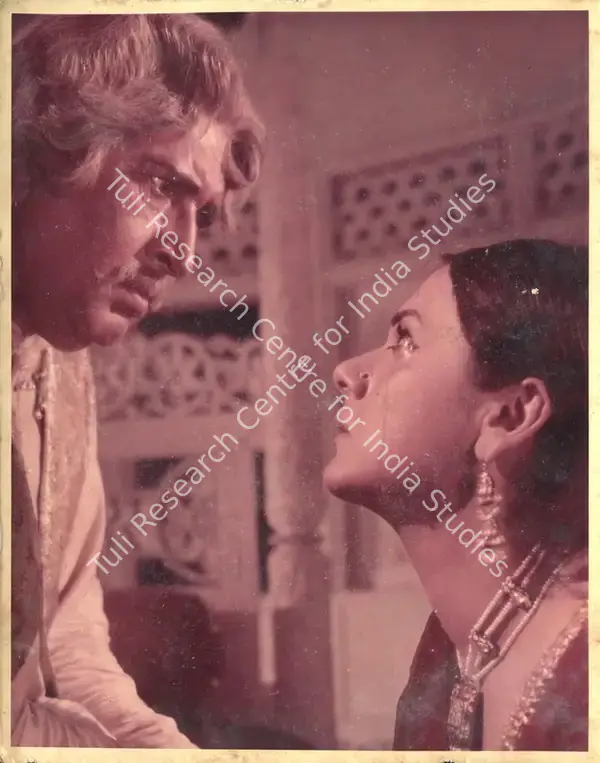
The whole holding
Scroll→
Ketan Anand
Ketan Anand
Research Centre31
Posts3
Calendar1

Research Centre
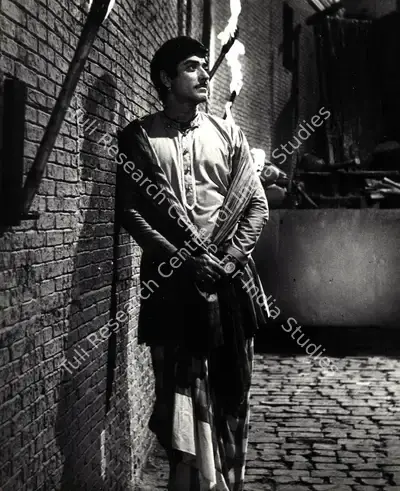
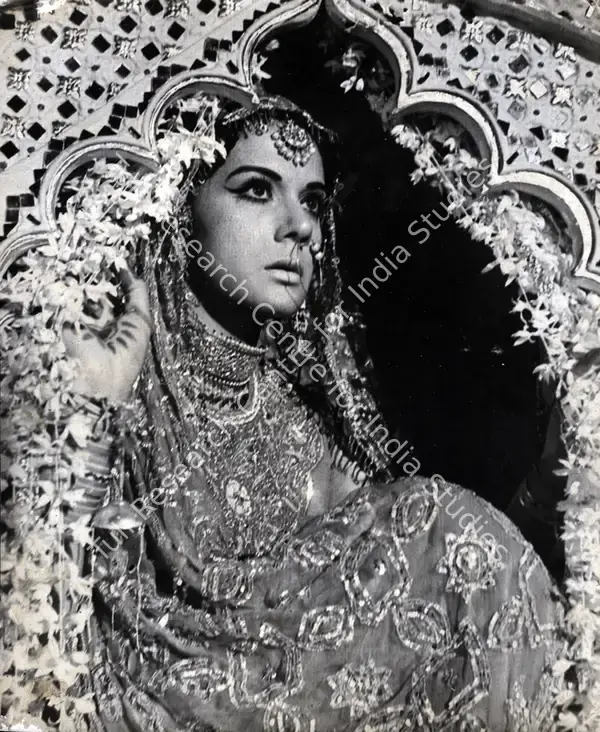
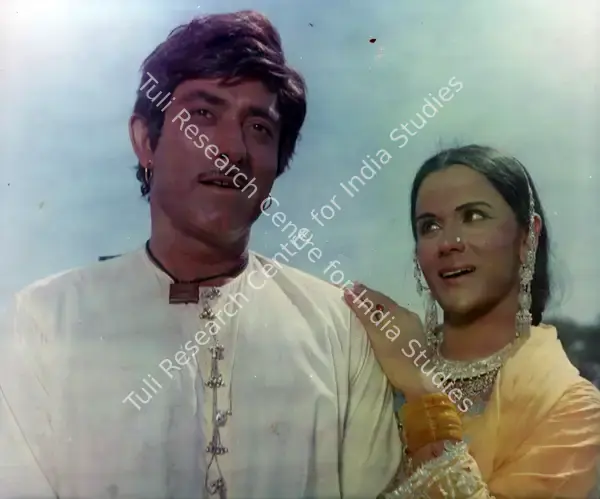
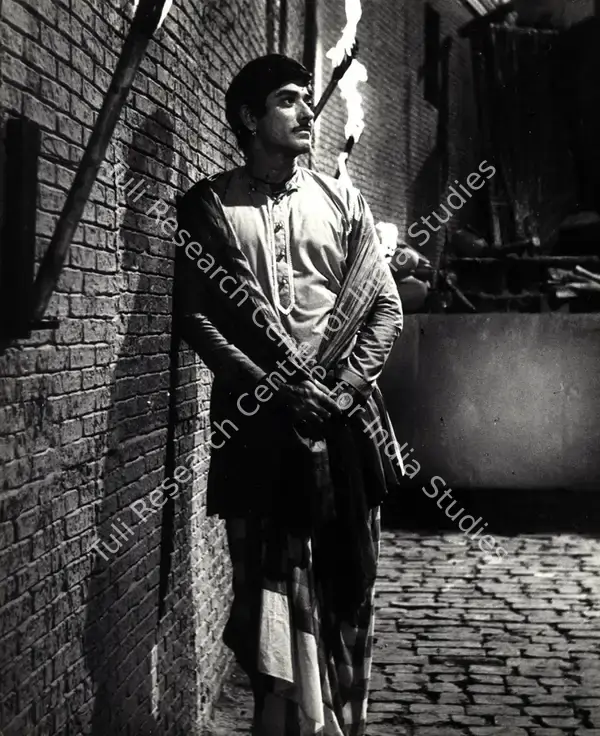
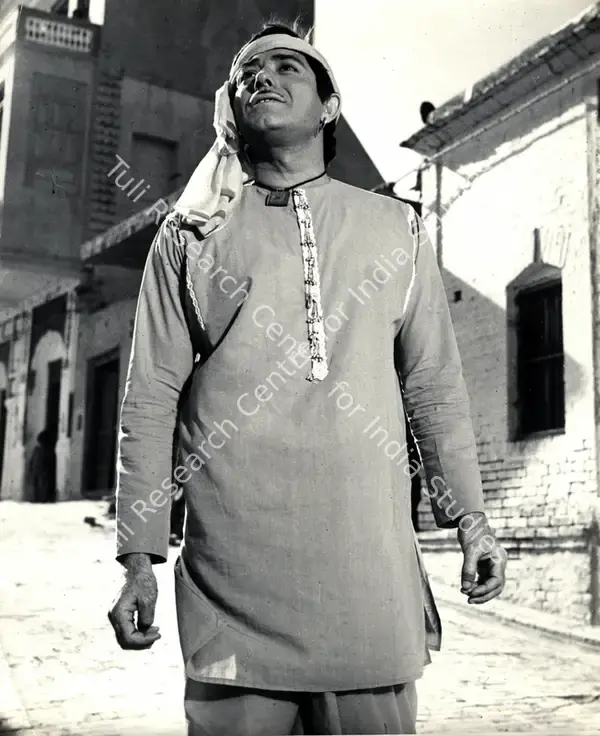
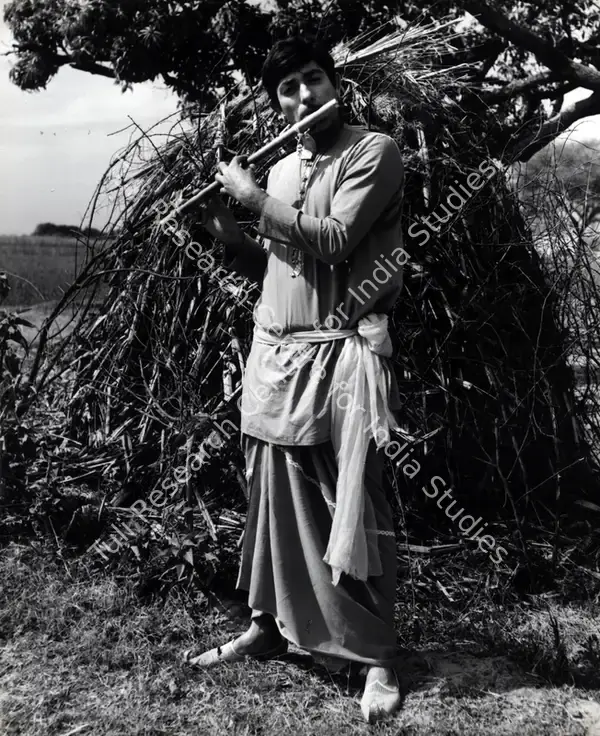
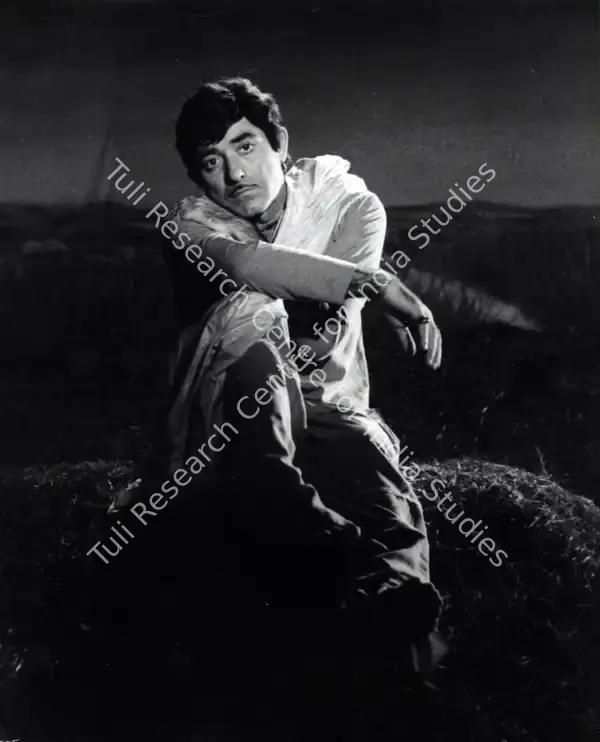
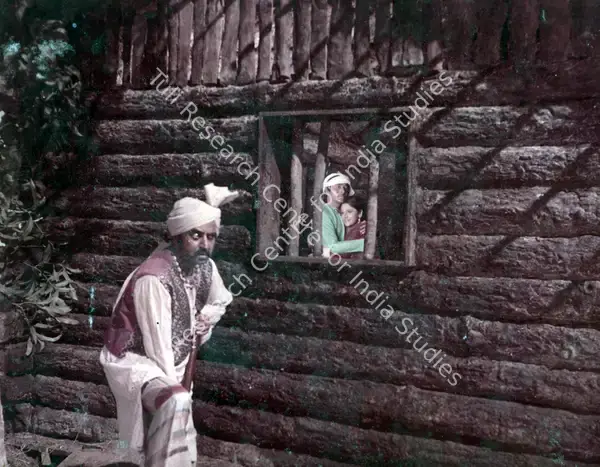
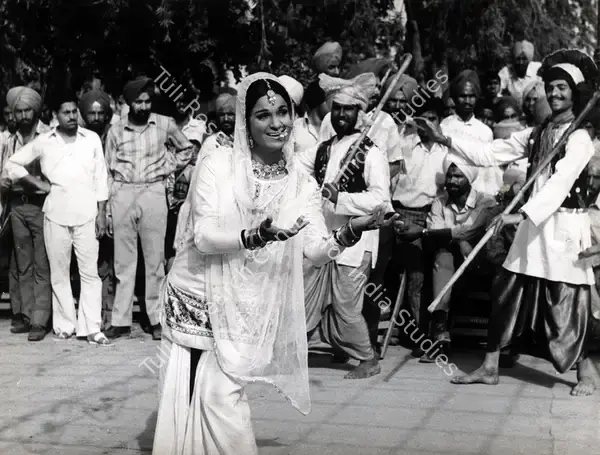
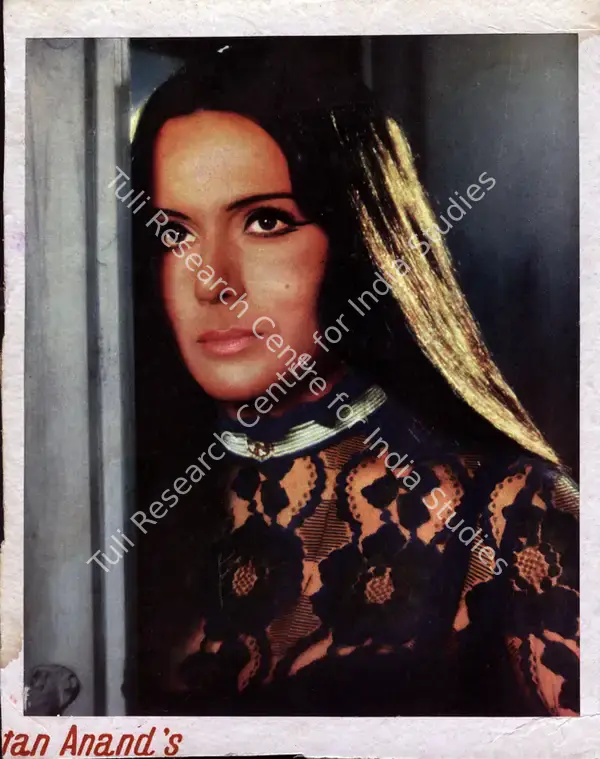
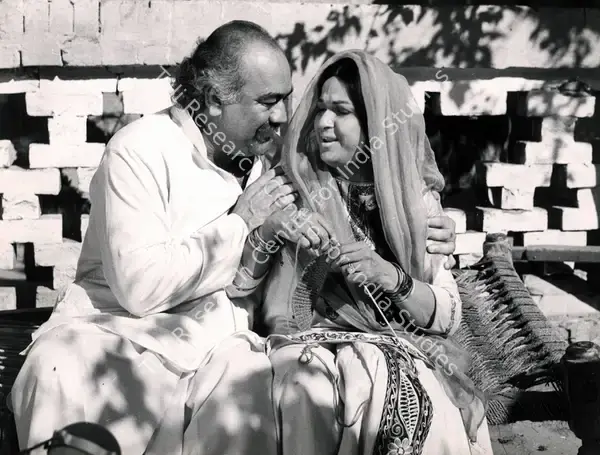
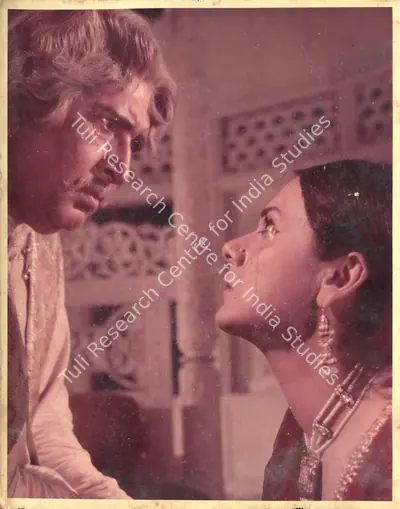
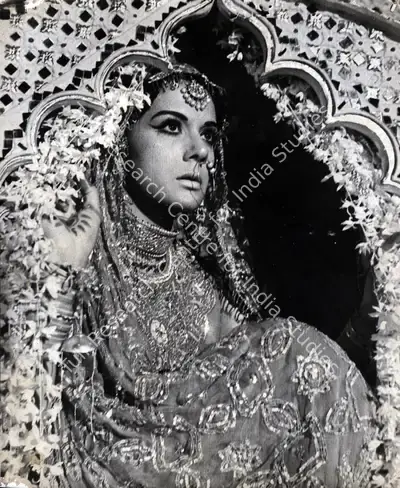
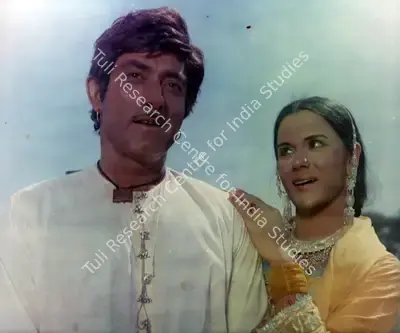
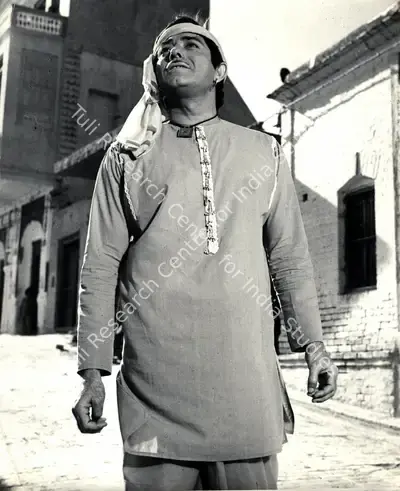
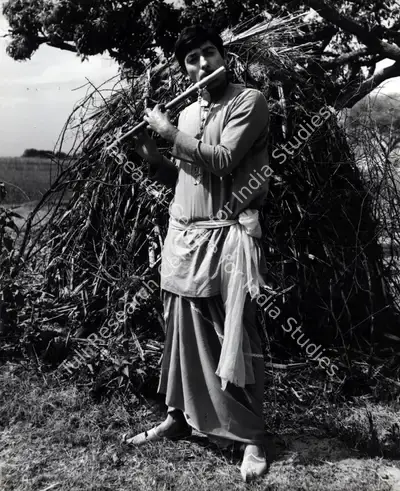
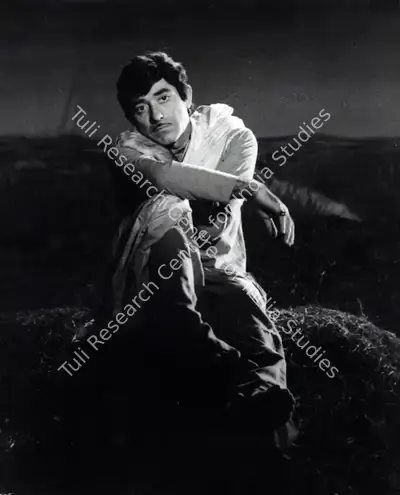
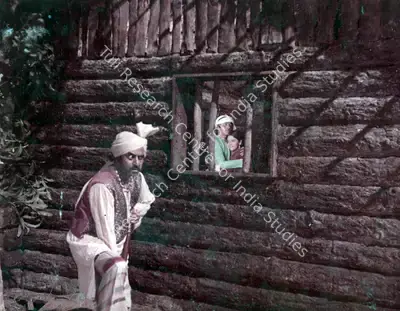
Jal Mistry (Cinematographer), Heer Raanjha, 1970, Photographic Still
Mistry, Jal (Cinematographer), Heer Raanjha, 1970 | Photographic Still
Jal Mistry (Cinematographer), Heer Raanjha, 1970, Photographic Still
Mistry, Jal (Cinematographer), Heer Raanjha, 1970 | Photographic Still
Jal Mistry (Cinematographer), Heer Raanjha, 1970, Photographic Still
Mistry, Jal (Cinematographer), Heer Raanjha, 1970 | Photographic Still
Jal Mistry (Cinematographer), Heer Raanjha, 1970, Photographic Still
Mistry, Jal (Cinematographer), Heer Raanjha, 1970 | Photographic Still
Jal Mistry (Cinematographer), Heer Raanjha, 1970, Photographic Still
Mistry, Jal (Cinematographer), Heer Raanjha, 1970 | Photographic Still
Jal Mistry (Cinematographer), Heer Raanjha, 1970, Photographic Still
Mistry, Jal (Cinematographer), Heer Raanjha, 1970 | Photographic Still
Jal Mistry (Cinematographer), Heer Raanjha, 1970, Photographic Still
Mistry, Jal (Cinematographer), Heer Raanjha, 1970 | Photographic Still
Jal Mistry (Cinematographer), Heer Raanjha, 1970, Photographic Still
Mistry, Jal (Cinematographer), Heer Raanjha, 1970 | Photographic Still
Jal Mistry (Cinematographer), Heer Raanjha, 1970, Photographic Still
Mistry, Jal (Cinematographer), Heer Raanjha, 1970 | Photographic Still
Jal Mistry (Cinematographer), Heer Raanjha, 1970, Photographic Still
Mistry, Jal (Cinematographer), Heer Raanjha, 1970 | Photographic Still
Jal Mistry (Cinematographer), Heer Raanjha, 1970, Photographic Still
Mistry, Jal (Cinematographer), Heer Raanjha, 1970 | Photographic Still
Jal Mistry (Cinematographer), Heer Raanjha, 1970, Photographic Still
Mistry, Jal (Cinematographer), Heer Raanjha, 1970 | Photographic Still
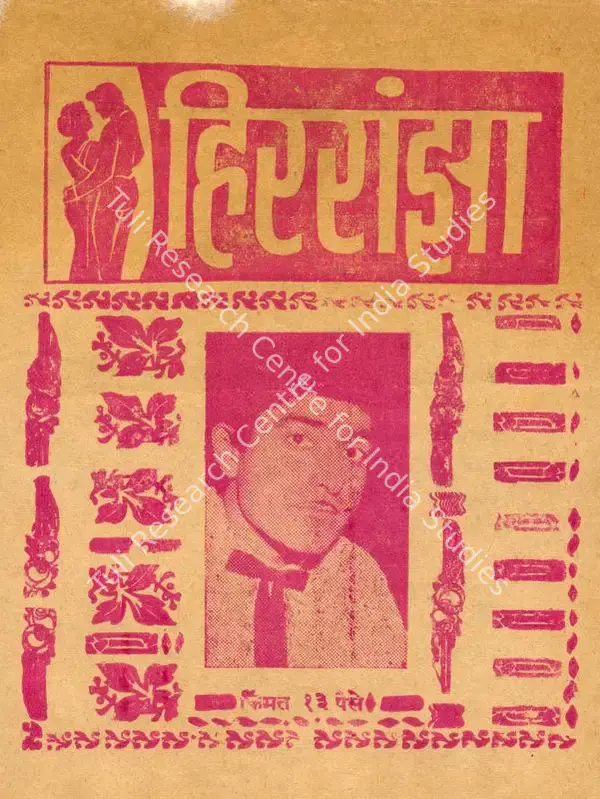
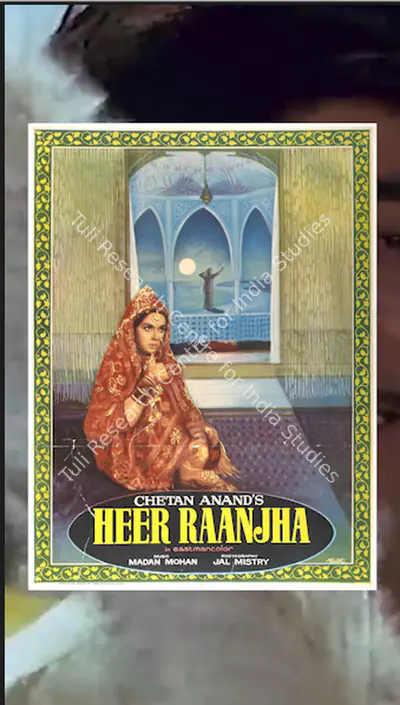
Chetan Anand (Producer), Heer Raanjha, 1970, Song-Synopsis Booklet
Anand, Chetan (Producer), Heer Raanjha, 1970 | Song-Synopsis Booklet
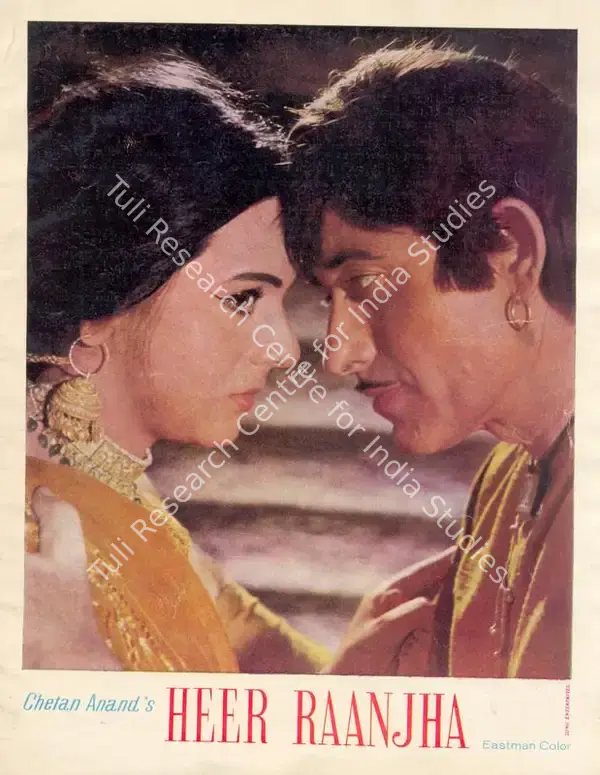
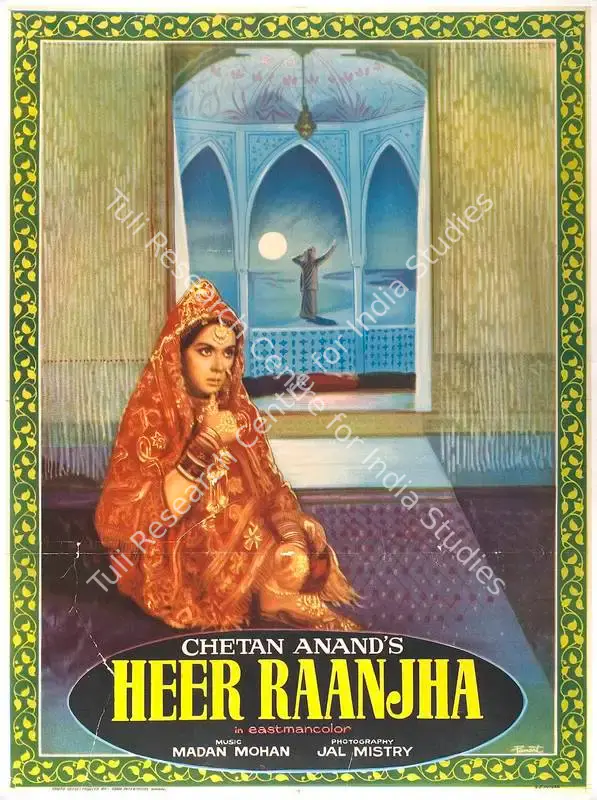
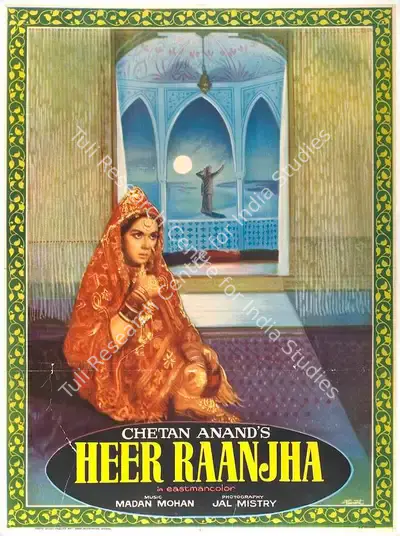
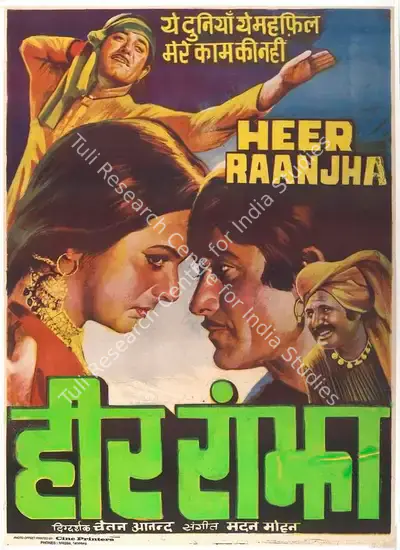
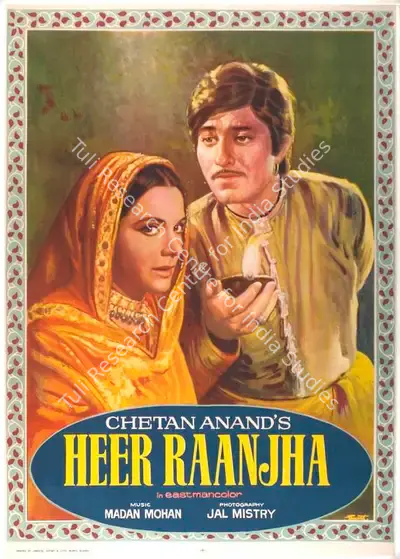
Chetan Anand (Producer), Heer Raanjha, 1970, Full Sheet Poster
Anand, Chetan (Producer), Heer Raanjha, 1970 | Full Sheet Poster
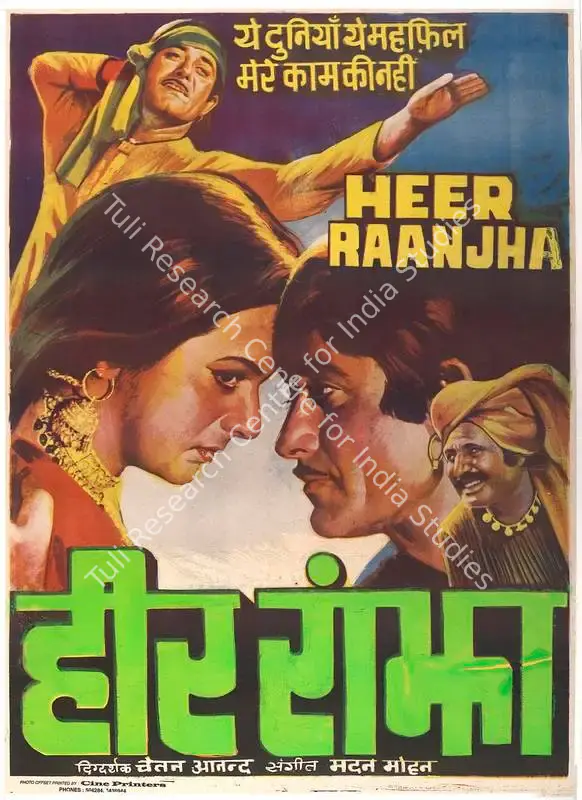
Chetan Anand (Producer), Heer Raanjha, 1970, Full Sheet Poster
Anand, Chetan (Producer), Heer Raanjha, 1970 | Full Sheet Poster
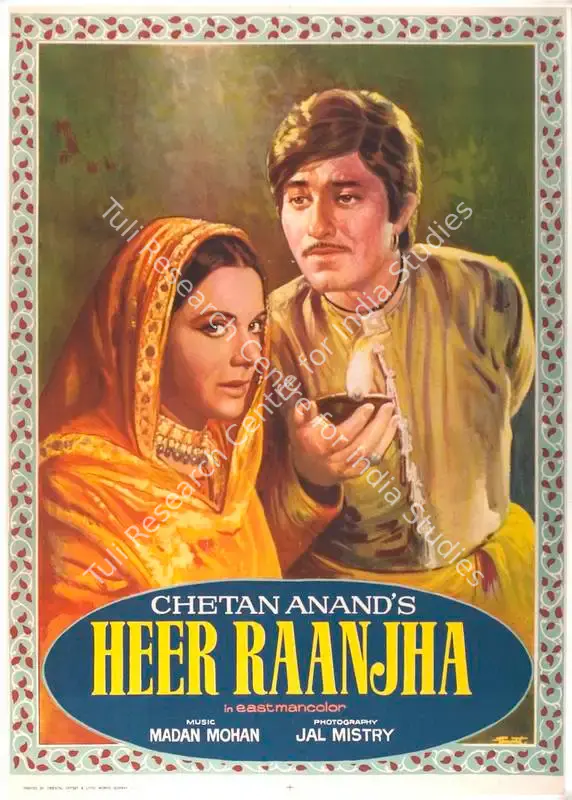
Chetan Anand (Producer), Heer Raanjha, 1970, Full Sheet Poster
Anand, Chetan (Producer), Heer Raanjha, 1970 | Full Sheet Poster
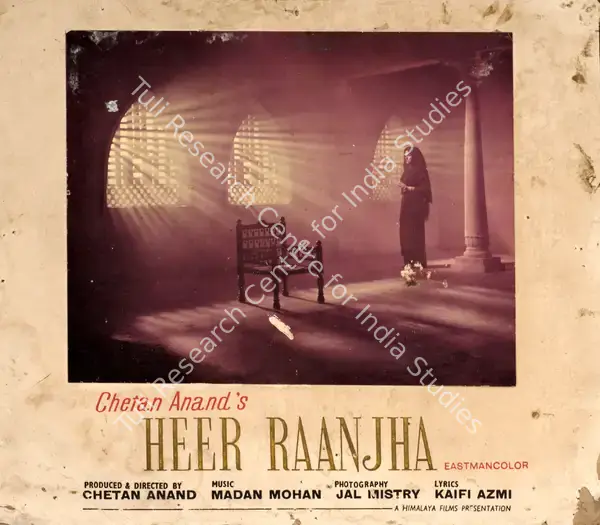
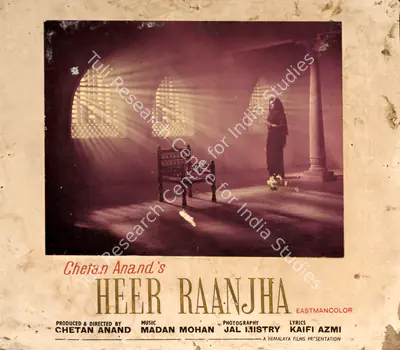
Jal Mistry (Cinematographer), Heer Raanjha, 1970, Photographic Still Mounted on Lobby Card
Mistry, Jal (Cinematographer), Heer Raanjha, 1970 | Photographic Still Mounted on Lobby Card
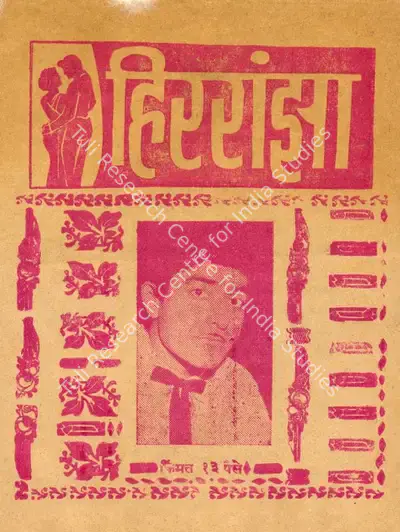
Chetan Anand (Producer), Heer Raanjha, 1970, Cyclostyled Lyrics Leaflet
Anand, Chetan (Producer), Heer Raanjha, 1970 | Cyclostyled Lyrics Leaflet
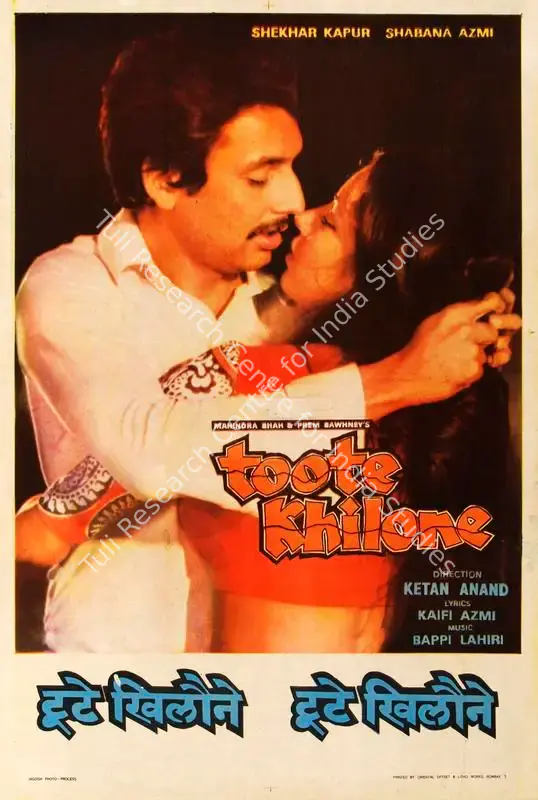
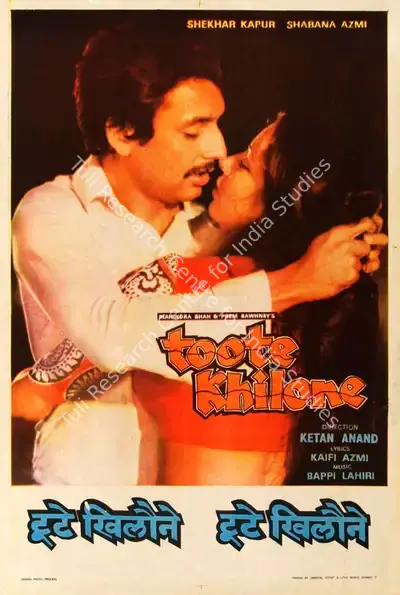
Prem Sawhney (Producer), Toote Khilone, 1978, Half Sheet Poster
Sawhney, Prem (Producer), Toote Khilone, 1978 | Half Sheet Poster
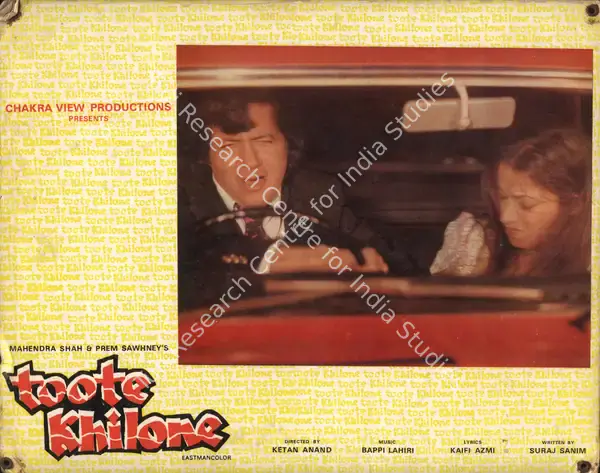
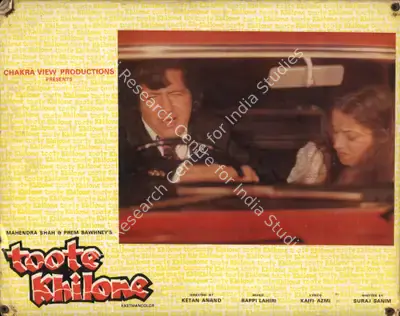
Prem Sawhney (Producer), Toote Khilone, 1978, Photographic Still Mounted on Lobby Card
Sawhney, Prem (Producer), Toote Khilone, 1978 | Photographic Still Mounted on Lobby Card
20 of 31
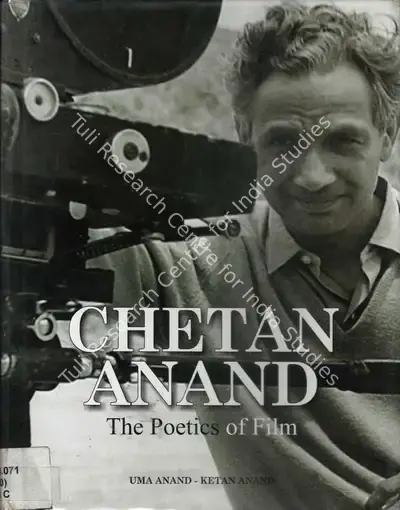
Uma Anand (Author), Chetan Anand, 2007, Authored Book
Anand, Uma (Author). Chetan Anand, 2007 | Authored Book | 00843987
Jal Mistry (Cinematographer), Heer Raanjha, 1970, Photographic Still
Mistry, Jal (Cinematographer), Heer Raanjha, 1970 | Photographic Still
Jal Mistry (Cinematographer), Heer Raanjha, 1970, Photographic Still
Mistry, Jal (Cinematographer), Heer Raanjha, 1970 | Photographic Still
Jal Mistry (Cinematographer), Heer Raanjha, 1970, Photographic Still
Mistry, Jal (Cinematographer), Heer Raanjha, 1970 | Photographic Still
Jal Mistry (Cinematographer), Heer Raanjha, 1970, Photographic Still
Mistry, Jal (Cinematographer), Heer Raanjha, 1970 | Photographic Still
Jal Mistry (Cinematographer), Heer Raanjha, 1970, Photographic Still
Mistry, Jal (Cinematographer), Heer Raanjha, 1970 | Photographic Still
Jal Mistry (Cinematographer), Heer Raanjha, 1970, Photographic Still
Mistry, Jal (Cinematographer), Heer Raanjha, 1970 | Photographic Still
Jal Mistry (Cinematographer), Heer Raanjha, 1970, Photographic Still
Mistry, Jal (Cinematographer), Heer Raanjha, 1970 | Photographic Still
Jal Mistry (Cinematographer), Heer Raanjha, 1970, Photographic Still
Mistry, Jal (Cinematographer), Heer Raanjha, 1970 | Photographic Still
Jal Mistry (Cinematographer), Heer Raanjha, 1970, Photographic Still
Mistry, Jal (Cinematographer), Heer Raanjha, 1970 | Photographic Still
Jal Mistry (Cinematographer), Heer Raanjha, 1970, Photographic Still
Mistry, Jal (Cinematographer), Heer Raanjha, 1970 | Photographic Still
Jal Mistry (Cinematographer), Heer Raanjha, 1970, Photographic Still
Mistry, Jal (Cinematographer), Heer Raanjha, 1970 | Photographic Still
Jal Mistry (Cinematographer), Heer Raanjha, 1970, Photographic Still
Mistry, Jal (Cinematographer), Heer Raanjha, 1970 | Photographic Still
Chetan Anand (Producer), Heer Raanjha, 1970, Song-Synopsis Booklet
Anand, Chetan (Producer), Heer Raanjha, 1970 | Song-Synopsis Booklet
Chetan Anand (Producer), Heer Raanjha, 1970, Full Sheet Poster
Anand, Chetan (Producer), Heer Raanjha, 1970 | Full Sheet Poster
Chetan Anand (Producer), Heer Raanjha, 1970, Full Sheet Poster
Anand, Chetan (Producer), Heer Raanjha, 1970 | Full Sheet Poster
Chetan Anand (Producer), Heer Raanjha, 1970, Full Sheet Poster
Anand, Chetan (Producer), Heer Raanjha, 1970 | Full Sheet Poster
Jal Mistry (Cinematographer), Heer Raanjha, 1970, Photographic Still Mounted on Lobby Card
Mistry, Jal (Cinematographer), Heer Raanjha, 1970 | Photographic Still Mounted on Lobby Card
Chetan Anand (Producer), Heer Raanjha, 1970, Cyclostyled Lyrics Leaflet
Anand, Chetan (Producer), Heer Raanjha, 1970 | Cyclostyled Lyrics Leaflet
Prem Sawhney (Producer), Toote Khilone, 1978, Half Sheet Poster
Sawhney, Prem (Producer), Toote Khilone, 1978 | Half Sheet Poster
Prem Sawhney (Producer), Toote Khilone, 1978, Photographic Still Mounted on Lobby Card
Sawhney, Prem (Producer), Toote Khilone, 1978 | Photographic Still Mounted on Lobby Card
20 of 22
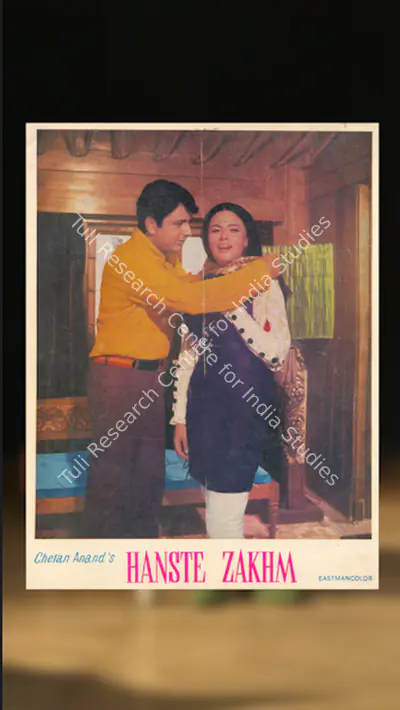
Tuli Research Centre for India Studies (Editor). Yeh Mana Meri Jaan -  an anarchic joy of subaltern energy dancing to romance | Hanste Zakhm (1973), 24 July 2026 | In-house Video, 2026 · 16 min 32 sec · Long-form Video
▶
Tuli Research Centre for India Studies (Editor). Yeh Mana Meri Jaan - an anarchic joy of subaltern energy dancing to romance | Hanste Zakhm (1973), 24 July 2026 | In-house Video
2026 · 16 min 32 sec · Long-form Video
Tuli Research Centre for India Studies (Editor). "He went bananas with this song" Ketan Anand on Chetan Anand's Heer Ranjha (1970), 24 July 2026 | In-house Video, 2026 · 52 sec · Vertical Video
▶
Tuli Research Centre for India Studies (Editor). "He went bananas with this song" Ketan Anand on Chetan Anand's Heer Ranjha (1970), 24 July 2026 | In-house Video
2026 · 52 sec · Vertical Video
Tuli Research Centre for India Studies (Editor). From Chetan Anand's pain of suffering in silence emerges his cinematic rhythms, music and songs, 24 July 2026 | In-house Video, 2026 · 59 sec · Vertical Video
▶
Tuli Research Centre for India Studies (Editor). From Chetan Anand's pain of suffering in silence emerges his cinematic rhythms, music and songs, 24 July 2026 | In-house Video
2026 · 59 sec · Vertical Video
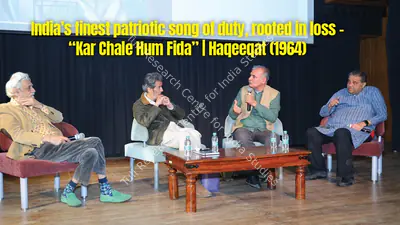
Tuli Research Centre for India Studies (Editor). India's finest patriotic song of duty, rooted in loss - "Kar Chale Hum Fida" | Haqeeqat (1964), 24 July 2026 | In-house Video, 2026 · 21 min 01 sec · Long-form Video
▶
Tuli Research Centre for India Studies (Editor). India's finest patriotic song of duty, rooted in loss - "Kar Chale Hum Fida" | Haqeeqat (1964), 24 July 2026 | In-house Video
2026 · 21 min 01 sec · Long-form Video
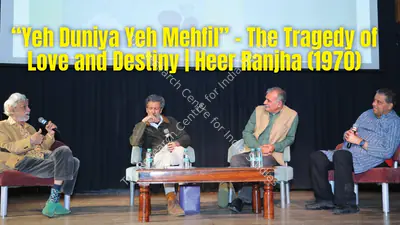
Tuli Research Centre for India Studies (Editor). "Yeh Duniya Yeh Mehfil" - The Tragedy of Love and Destiny | Heer Ranjha (1970)
, 24 July 2026 | In-house Video, 2026 · 19 min 40 sec · Long-form Video
▶
Tuli Research Centre for India Studies (Editor). "Yeh Duniya Yeh Mehfil" - The Tragedy of Love and Destiny | Heer Ranjha (1970) , 24 July 2026 | In-house Video
2026 · 19 min 40 sec · Long-form Video
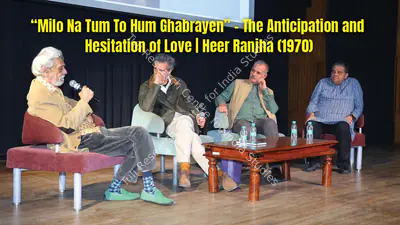
Tuli Research Centre for India Studies (Editor). "Milo Na Tum To Hum Ghabrayen" - The Anticipation and Hesitation of Love | Heer Ranjha (1970), 24 July 2026 | In-house Video, 2026 · 9 min 24 sec · Long-form Video
▶
Tuli Research Centre for India Studies (Editor). "Milo Na Tum To Hum Ghabrayen" - The Anticipation and Hesitation of Love | Heer Ranjha (1970), 24 July 2026 | In-house Video
2026 · 9 min 24 sec · Long-form Video
Tuli Research Centre for India Studies (Editor). Why Do the Classic Film Songs of filmmakers such as Raj Kapoor, Guru Dutt, Chetan Anand, V. Shantaram, B.R. Chopra, still move and inspire us?, 21 July 2026 | In-house Video, 2026 · 1 min 30 sec · Vertical Video
▶
Tuli Research Centre for India Studies (Editor). Why Do the Classic Film Songs of filmmakers such as Raj Kapoor, Guru Dutt, Chetan Anand, V. Shantaram, B.R. Chopra, still move and inspire us?, 21 July 2026 | In-house Video
2026 · 1 min 30 sec · Vertical Video
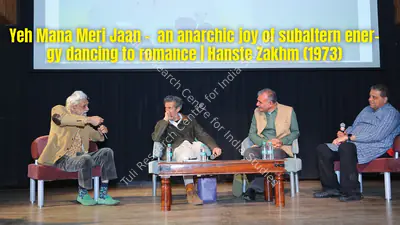
Tuli Research Centre for India Studies (Editor). Yeh Maana Meri Jaan, Mohabbat Saza Hai - the joyous sound of love's longing | Hanste Zakhm (1973), 24 July 2026 | In-house Video, 2026 · 53 sec · Vertical Video
▶
Tuli Research Centre for India Studies (Editor). Yeh Maana Meri Jaan, Mohabbat Saza Hai - the joyous sound of love's longing | Hanste Zakhm (1973), 24 July 2026 | In-house Video
2026 · 53 sec · Vertical Video

Posts 3

  1. "The Pain of Human Stupidity" | Ketan Anand on His Father
    "The Pain of Human Stupidity" | Ketan Anand on His Father
    "Who was Chetan Anand — and why does his cinema still carry such a deep, emotional charge? In this clip, his son Ketan Anand introduces the filmmaker behind Haqeeqat (1964), a man who ""suffered in silence for a long time,"" and the learning he received from that pain, which poured into his films. It was during this time that Kaifi Azmi wrote some of his most remarkable poems for him. The product of this collaboration was a war song that became part of India's collective memory. As Ketan Anand puts it, ""This is not a jingoistic song… this is the pain of human stupidity."" No chest-beating, but a meditation or rather a question on why we go on fighting and killing while talking of love and peace. Somewhere, it is out of this pain that one must evolve. And Anand's cinema did exactly that. This video is an excerpt from the session with Ketan Anand, Ravikant, Pavan Jha and Neville Tuli, part of the series 'Deconstructing the Film Song: A Musical Glue for Nation-Building,' presented by the Tuli Research Centre for India Studies (TRIS) as part of the 7th Self-Discovery via Rediscovering India Festival."
    1_CinemaEducation
    Chetan AnandHaqeeqatKaifi AzmiNida FazliKetan AnandA Musical Glue for Nation-Building - Deconstructing the Film SongNeville Tuli
    Read Post →
  2. "He went bananas with this song" Ketan Anand on Chetan Anand's Heer Raanjha (1970)
    "He went bananas with this song" Ketan Anand on Chetan Anand's Heer Raanjha (1970)
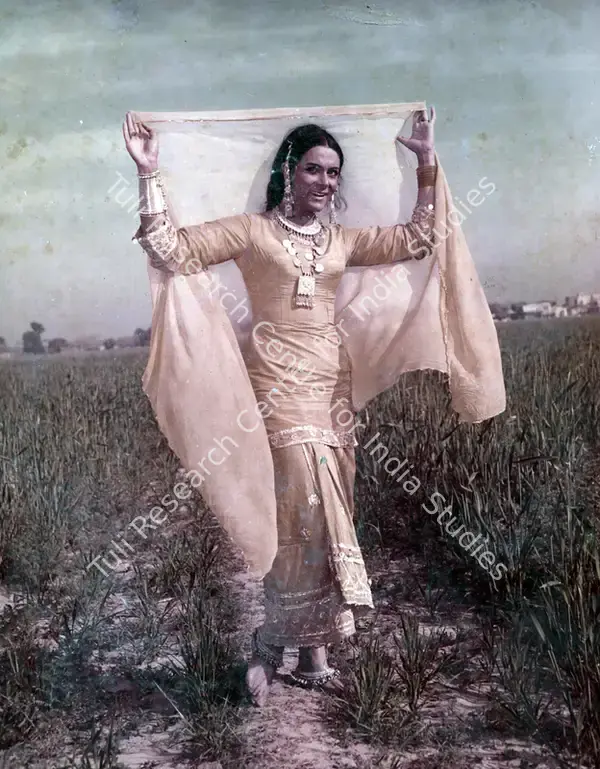
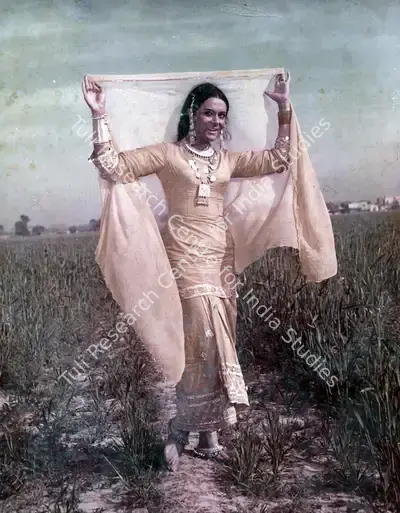
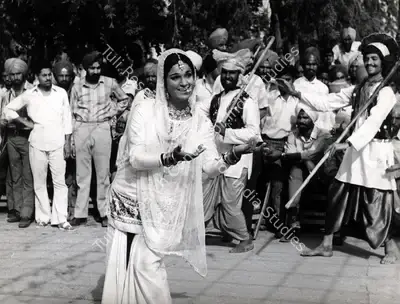
    “Milo Na Tum to hum Ghabrayen” from Chetan Anand's Heer Raanjha (1970) is the film's song of joy. Sung by Lata Mangeshkar and Mohammed Rafi, with music by Madan Mohan and lyrics by Kaifi Azmi, it captures the first flush of love as playful delight, capturing the confusion, the shyness, the sudden overflow of happiness that makes the heart ask, “What has happened to us?” Reminiscing about the song, filmmaker Ketan Anand revealed that this was the first time in the film that the colour yellow floods the screen. This change of palette signals the change of mood. After the earlier, more restrained tones, the arrival of yellow signals spring, joy and the fullness of life. “He went bananas with this song,” said Ketan Anand about his father, who expressed that joy in this song through Bhangra (traditional Punjabi folk dance) and the vibrant colours. This video is from 'A Musical Glue for Nation-Building: Deconstructing the Film Song', presented by the Tuli Research Centre for India Studies (T.R.I.S.) at the 7th Self-Discovery via Rediscovering India Festival.
    1_CinemaEducation
    Chetan AnandHeer RaanjhaLata MangeshkarKaifi AzmiKetan AnandA Musical Glue for Nation-Building - Deconstructing the Film SongNeville Tuli
    Read Post →
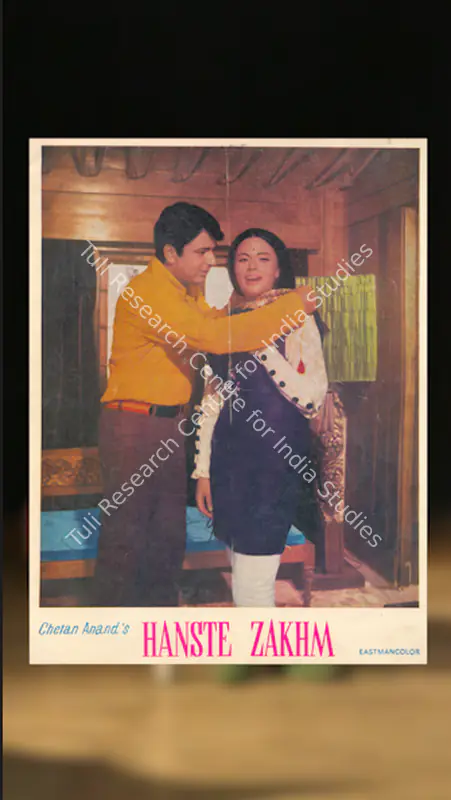
  3. Hanste Zakhm (1973) | How Navin Nischol Bagged The Lead Role
    Hanste Zakhm (1973) | How Navin Nischol Bagged The Lead Role
    In this clip from the workshop ""A Musical Glue for Nation-Building: Deconstructing the Film Song,"" Ketan Anand, son of legendary filmmaker Chetan Anand, recalls how he brokered the casting of Navin Nischol in the lead role of Hanste Zakhm (1973), sharing a first-hand account of the decisions that shaped the film. Featuring Ketan Anand, Ravikant, Pavan Jha, and Neville Tuli as panelists, this session was presented by the Tuli Research Centre for India Studies (T.R.I.S.) at the 7th Self-Discovery via Rediscovering India Festival.
    1_CinemaEducation
    Chetan AnandHanste ZakhmKetan AnandA Musical Glue for Nation-Building - Deconstructing the Film SongNeville Tuli
    Read Post →

Calendar 1

View All →
  1. Film on Chetan Anand by Ketan Anand
    ArchivedFilm ScreeningsProject 60
    Film on Chetan Anand by Ketan Anand
    16th February 2026
    2:00pm
    M.L. Bhartia Auditorium, Alliance Francaise de Delhi, 72 K.K. Birla Lane, Lodi Estate, New Delhi, 110003
    1_CinemaEducation
Tuli Research Centre for India Studies
Tuli Research Centre
for India Studies

A free and open knowledge base for the modern and contemporary Indian arts, cinema, photography and cultural heritage.

Support

Contact Us

Discover

Tuli Research Centre for India StudiesVisionManifestoArchive & LibraryVanraja Sanctuary & Hospice
Legal

Privacy PolicyTerms & Conditions

Follow us

Youtube

Youtube

Instagram

Instagram

Facebook

Facebook

© Tuli Research Centre for India Studies 2026
Tuli Research Centre for India Studies
Tuli Research Centre
for India Studies

A free and open knowledge base for the modern and contemporary Indian arts, cinema, photography and cultural heritage.

Tuli Research Centre for India StudiesVisionManifestoArchive & LibraryVanraja Sanctuary & Hospice
Contact Us
Privacy PolicyTerms & Conditions

Follow us

YoutubeInstagramFacebook

© Tuli Research Centre for India Studies 2026

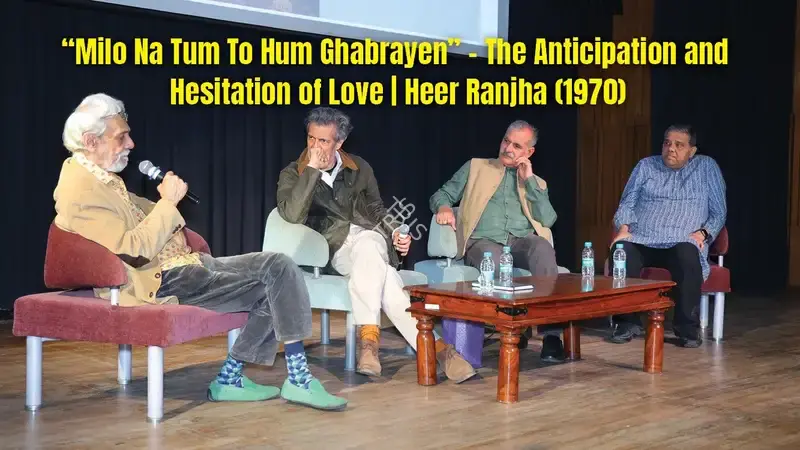
                          Tuli Research Centre for India Studies (Editor). "Milo Na Tum To Hum Ghabrayen" - The Anticipation and Hesitation of Love | Heer Ranjha (1970), 24 July 2026 | In-house Video | CinemaEducation | 00883643
                          9 min 24 sec · Long-form Video

                          "Milo Na Tum To Hum Ghabrayen" - The Anticipation and Hesitation of Love | Heer Ranjha (1970)

                          Tuli Research Centre for India Studies (Editor)

                          Document TypeIn-house Video
                          Date24 July 2026
                          Duration9 min 24 sec
                          FormatLong-form Video
                          Description
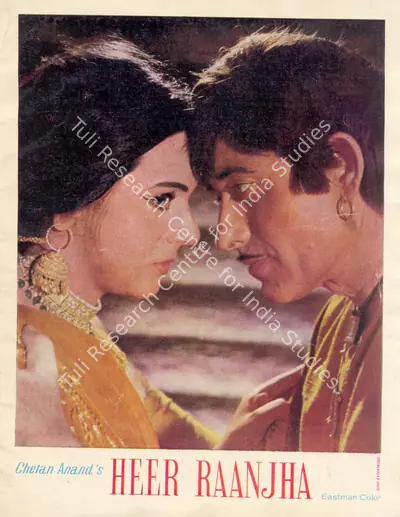
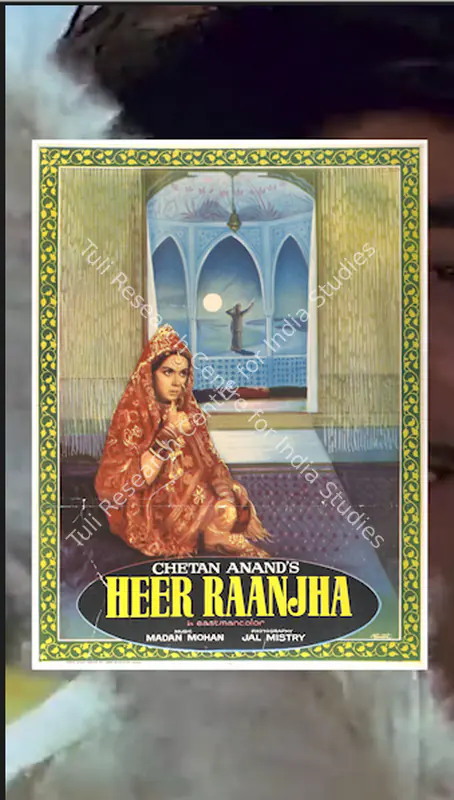
                          Chetan Anand kept one colour off the screen for the entire film, until this song. When "Milo Na Tum To Hum Ghabraye" arrives, yellow floods the frame for the first time, the yellow and green of basant, of mustard fields, of joy finally allowed in. Picturised on Priya Rajvansh in Heer Ranjha (1970), this is Hindi cinema's nervous excitement of first love, the paradox of wanting to meet your lover and trembling at the thought. Kaifi Azmi's lyrics capture that confused, startled state of mind; Madan Mohan's composition carries a rustic Punjabi folk flavour while keeping the spirit of a film song for the masses; and Lata Mangeshkar's voice holds desire and hesitation in the same breath. In this session, Ketan Anand (son of Chetan Anand), Pavan Jha, Ravikant and Neville Tuli deconstruct the song's emotional terrain, the moment the ego drops and you're suddenly in an ocean you don't understand. Is falling in love a state of confusion, or a moment of delusional clarity? The panel disagrees, delightfully. Along the way they discuss the choreography, the debate over whether this song belongs to the screen or the radio, and why joy needed its own colour. This video is from 'A Musical Glue for Nation-Building: Deconstructing the Film Song', presented by the Tuli Research Centre for India Studies (T.R.I.S.) at the 7th Self-Discovery via Rediscovering India Festival.
                          Related Links18

                          Masterlist17
                          Chetan AnandHeer Raanjha 1970Lata MangeshkarDigital in House VideosKaifi AzmiMadan MohanDeconstructing the Film Song 2026Neville TuliRaaj KumarPrithviraj KapoorAchala SachdevJal MistryShamshad BegumNoor JahanDilraj KaurJagjeet KaurMohammad Rafi
                          Research Categories
                          01Cinema as a Critical Educational Resource