No image
Introduction
Firaaq (2008) Written and directed by Nandita Das, is a critically acclaimed drama that explores the psychological and social aftermath of the 2002 Gujarat communal violence. Marking Das's directorial debut, the film is set one month after the riots and presents an intimate portrayal of lives irreversibly altered by communal conflict. Rather than reconstructing the violence itself, Firaaq examines the enduring trauma, guilt, fear, and fractured relationships that persist long after the physical destruction has ended. The film's opening assertion that it is based on ""a thousand true stories"" underscores its commitment to representing collective experiences of suffering. Significantly, the Arabic word firaaq denotes both separation and longing, encapsulating the film's central themes of loss, displacement, and the search for reconciliation.
The narrative unfolds over a single twenty-four-hour period, interweaving multiple storylines that collectively reveal the complex human consequences of sectarian violence. Set against the backdrop of the 2002 Gujarat riots, which claimed the lives of hundreds of Muslims and Hindus while displacing thousands more, the film foregrounds the emotional and ethical dilemmas faced by ordinary individuals. Through its ensemble cast—including Naseeruddin Shah, Deepti Naval, Paresh Rawal, Sanjay Suri, Nawazuddin Siddiqui, Shahana Goswami, Amruta Subhash, Tisca Chopra, Raghubir Yadav, Nassar, and Inaamulhaq—the film presents a nuanced exploration of victimhood, complicity, resilience, and moral accountability.
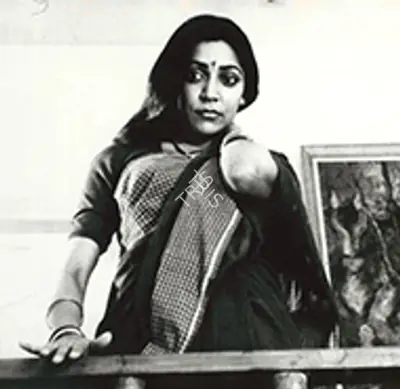
Among the interconnected narratives, Khan Saheb (Naseeruddin Shah), an elderly Muslim classical vocalist, embodies a fragile optimism that gradually collapses when he witnesses the destruction of the shrine of the Sufi saint Wali Gujarati. His servant, Karim Mian (Raghubir Yadav), repeatedly attempts to make him confront the harsh realities faced by the Muslim community. In another storyline, Aarti (Deepti Naval), a middle-aged Hindu woman, is haunted by guilt for failing to rescue a Muslim woman pursued by a violent mob. Her encounter with Mohsin, a Muslim orphan searching desperately for his family, becomes an opportunity for moral redemption. Simultaneously, her husband Sanjay (Paresh Rawal) and his brother Deven attempt to evade legal consequences for Deven's involvement in horrific acts of sexual violence during the riots, exposing the nexus between communal aggression and institutional corruption.
The experiences of Muneera (Shahana Goswami) and Hanif (Nawazuddin Siddiqui) further illuminate the devastating consequences of displacement. Returning to their looted and burnt home, they struggle with grief, distrust, and the temptation of revenge. Muneera's suspicion of her Hindu neighbour Jyoti (Amruta Subhash) illustrates how communal violence fractures everyday relationships, while Hanif's search for a weapon reflects the psychological burden of humiliation and helplessness. In contrast, Sameer Shaikh (Sanjay Suri) and his Hindu wife Anuradha Desai (Tisca Chopra) confront questions of identity and belonging as they contemplate leaving Gujarat after their business is destroyed, revealing the precarious position of interfaith families in times of communal unrest.
The film's emotional depth is significantly enhanced by its evocative soundtrack, composed by Piyush Kanojia and Rajat Dholakia, with lyrics by Gulzar and vocals by Sukhwinder Singh, Jagjit Singh, and Rekha Bhardwaj. Songs such as Meri Galli Mein Andhera and Gujarat Ke Firaaq Sun function as poignant reflections on grief, memory, and hope, complementing the predominantly instrumental score. Internationally acclaimed, Firaaq received numerous honours, including Best Film at the Asian Festival of First Films, the Special Prize at the Thessaloniki International Film Festival, and National Film Awards for Best Art Direction and Best Editing. Through its restrained narrative and profound humanism, Firaaq remains one of the most significant cinematic engagements with the enduring trauma of communal violence in contemporary India.
The narrative unfolds over a single twenty-four-hour period, interweaving multiple storylines that collectively reveal the complex human consequences of sectarian violence. Set against the backdrop of the 2002 Gujarat riots, which claimed the lives of hundreds of Muslims and Hindus while displacing thousands more, the film foregrounds the emotional and ethical dilemmas faced by ordinary individuals. Through its ensemble cast—including Naseeruddin Shah, Deepti Naval, Paresh Rawal, Sanjay Suri, Nawazuddin Siddiqui, Shahana Goswami, Amruta Subhash, Tisca Chopra, Raghubir Yadav, Nassar, and Inaamulhaq—the film presents a nuanced exploration of victimhood, complicity, resilience, and moral accountability.
Among the interconnected narratives, Khan Saheb (Naseeruddin Shah), an elderly Muslim classical vocalist, embodies a fragile optimism that gradually collapses when he witnesses the destruction of the shrine of the Sufi saint Wali Gujarati. His servant, Karim Mian (Raghubir Yadav), repeatedly attempts to make him confront the harsh realities faced by the Muslim community. In another storyline, Aarti (Deepti Naval), a middle-aged Hindu woman, is haunted by guilt for failing to rescue a Muslim woman pursued by a violent mob. Her encounter with Mohsin, a Muslim orphan searching desperately for his family, becomes an opportunity for moral redemption. Simultaneously, her husband Sanjay (Paresh Rawal) and his brother Deven attempt to evade legal consequences for Deven's involvement in horrific acts of sexual violence during the riots, exposing the nexus between communal aggression and institutional corruption.
The experiences of Muneera (Shahana Goswami) and Hanif (Nawazuddin Siddiqui) further illuminate the devastating consequences of displacement. Returning to their looted and burnt home, they struggle with grief, distrust, and the temptation of revenge. Muneera's suspicion of her Hindu neighbour Jyoti (Amruta Subhash) illustrates how communal violence fractures everyday relationships, while Hanif's search for a weapon reflects the psychological burden of humiliation and helplessness. In contrast, Sameer Shaikh (Sanjay Suri) and his Hindu wife Anuradha Desai (Tisca Chopra) confront questions of identity and belonging as they contemplate leaving Gujarat after their business is destroyed, revealing the precarious position of interfaith families in times of communal unrest.
The film's emotional depth is significantly enhanced by its evocative soundtrack, composed by Piyush Kanojia and Rajat Dholakia, with lyrics by Gulzar and vocals by Sukhwinder Singh, Jagjit Singh, and Rekha Bhardwaj. Songs such as Meri Galli Mein Andhera and Gujarat Ke Firaaq Sun function as poignant reflections on grief, memory, and hope, complementing the predominantly instrumental score. Internationally acclaimed, Firaaq received numerous honours, including Best Film at the Asian Festival of First Films, the Special Prize at the Thessaloniki International Film Festival, and National Film Awards for Best Art Direction and Best Editing. Through its restrained narrative and profound humanism, Firaaq remains one of the most significant cinematic engagements with the enduring trauma of communal violence in contemporary India.
फ़िराक़' (2008) नंदिता दास की लिखी और निर्देशित ड्रामा फ़िल्म है, जिसे दर्शकों और आलोचकों ने बहुत सराहा है। फ़िल्म 2002 के गुजरात सांप्रदायिक दंगों के बाद लोगों के मनोवैज्ञानिक और सामाजिक असर को दिखाती है। दास के निर्देशन में बनी यह पहली फ़िल्म दंगों के एक महीने बाद की कहानी है और इसमें सांप्रदायिक हिंसा से हमेशा के लिए बदल चुकी जिंदगियों को बहुत क़रीब से दिखाया गया है। 'फ़िराक़' में हिंसा की घटनाओं को फिर से दिखाने के बजाय, उन गहरे सदमे, अपराध-बोध, डर और टूटे हुए रिश्तों पर ध्यान दिया गया है, जो हिंसा और तबाही ख़त्म होने के बाद भी लंबे समय तक बने रहते हैं। फ़िल्म की शुरुआत में ही यह बताया गया है कि यह ""हजारों सच्ची कहानियों"" पर आधारित है, जो दुख के सामूहिक अनुभवों को दिखाने के प्रति इसकी प्रतिबद्धता को दर्शाता है। गौरतलब है कि अरबी शब्द 'फ़िराक़' का अर्थ अलगाव और तड़प दोनों होता है, जो फ़िल्म के मुख्य विषयों, जैसे नुक़सान, विस्थापन और मेल-मिलाप की कोशिश को बख़ूबी समेटता है।
यह कहानी चौबीस घंटे की अवधि में आगे बढ़ती है और कई कहानियों को आपस में जोड़ती है, जो मिलकर सांप्रदायिक हिंसा में इंसानों पर पड़ने वाले जटिल असर को दिखाती हैं। 2002 के गुजरात दंगों की पृष्ठभूमि पर बनी यह फ़िल्म आम लोगों के सामने आने वाली भावनात्मक और नैतिक दुविधाओं को उजागर करती है। नसीरुद्दीन शाह, दीप्ति नवल, परेश रावल, संजय सूरी, नवाजुद्दीन सिद्दीकी, शहाना गोस्वामी, अमृता सुभाष, टिस्का चोपड़ा, रघुबीर यादव, नासर और इनामुलहक़ जैसे कलाकारों की मौजूदगी वाली यह फ़िल्म पीड़ित होने, मिलीभगत, हिम्मत और नैतिक जवाबदेही जैसे विषयों की बारीकी से पड़ताल करती है।
आपस में जुड़ी कई कहानियों में से एक कहानी ख़ान साहब (नसीरुद्दीन शाह) की है। वे शास्त्रीय संगीत गाने वाले एक बुजुर्ग मुस्लिम गायक हैं, जो एक उम्मीद बनाए रखते हैं, लेकिन सूफ़ी संत वली गुजराती की दरगाह को तबाह होते देख उनकी यह उम्मीद धीरे-धीरे टूट जाती है। उनका नौकर करीम मियाँ (रघुबीर यादव) बार-बार उन्हें मुस्लिम समुदाय के सामने मौजूद कड़वी सच्चाइयों का सामना कराने की कोशिश करता है। एक दूसरी कहानी में, आरती (दीप्ति नवल) नाम की अधेड़ उम्र की हिंदू महिला अपराध-बोध से घिरी रहती है क्योंकि वह एक मुस्लिम महिला को हिंसक भीड़ से नहीं बचा पाई थी। मोहसिन नाम के एक मुस्लिम अनाथ से उसकी मुलाक़ात, जो अपने परिवार को बेताबी से ढूंढ रहा है। उसके लिए नैतिक प्रायश्चित का मौका बन जाती है। साथ ही, उसका पति संजय (परेश रावल) और उसका भाई देवेन, दंगों के दौरान यौन हिंसा की भयानक घटनाओं में देवेन की भूमिका के कारण होने वाली कानूनी कार्रवाई से बचने की कोशिश करते हैं, जिससे सांप्रदायिक हिंसा और संस्थागत भ्रष्टाचार के बीच के गठजोड़ का पता चलता है।
मुनीरा (शहाना गोस्वामी) और हनीफ़ (नवाज़ुद्दीन सिद्दीकी) के अनुभव विस्थापन के भयानक नतीजों को और साफ़ तौर पर दिखाते हैं। लूटपाट और आगज़नी का शिकार हुए अपने घर लौटने पर, वे दुख, अविश्वास और बदले की भावना से जूझते हैं। मुनीरा का अपनी हिंदू पड़ोसी ज्योति (अमृता सुभाष) पर शक यह दिखाता है कि कैसे सांप्रदायिक हिंसा रोज़मर्रा के रिश्तों को तोड़ देती है, जबकि हनीफ़ का हथियार की तलाश करना अपमान और बेबसी के मानसिक बोझ को ज़ाहिर करता है। इसके उलट, समीर शेख़ (संजय सूरी) और उनकी हिंदू पत्नी अनुराधा देसाई (टिस्का चोपड़ा) अपनी पहचान और जुड़ाव से जुड़े सवालों का सामना करते हैं। वे अपना कारोबार बर्बाद होने के बाद गुजरात छोड़ने के बारे में सोचते हैं, जिससे सांप्रदायिक तनाव के समय अलग-अलग धर्मों के लोगों वाले परिवारों की नाज़ुक स्थिति का पता चलता है।
पीयूष कनौजिया और रजत ढोलकिया के बनाए असरदार संगीत, गुलज़ार के लिखे बोल और सुखविंदर सिंह, जगजीत सिंह व रेखा भारद्वाज की आवाज़ ने फ़िल्म की इमोशनल गहराई को और बढ़ा दिया है। 'मेरी गली में अंधेरा' और 'गुजरात के फ़िराक़ सुन' जैसे गाने दुख, यादों और उम्मीद को बहुत असरदार ढंग से दिखाते हैं और फ़िल्म के ज़्यादातर इंस्ट्रूमेंटल संगीत के साथ अच्छी तरह घुल-मिल जाते हैं। इंटरनेशनल लेवल पर सराही गई 'फ़िराक़' को कई सम्मान मिले, जिनमें 'एशियन फ़ेस्टिवल ऑफ़ फ़र्स्ट फ़िल्म्स' में बेस्ट फ़िल्म का अवॉर्ड, 'थेसालोनिकी इंटरनेशनल फ़िल्म फ़ेस्टिवल' में स्पेशल प्राइज़ और बेस्ट आर्ट डायरेक्शन व बेस्ट एडिटिंग के लिए नेशनल फ़िल्म अवॉर्ड शामिल हैं। अपनी सधी हुई कहानी और गहरी मानवीय सोच के ज़रिए, 'फ़िराक़' आज के भारत में सांप्रदायिक हिंसा के गहरे ज़ख्मों को दिखाने वाली सबसे अहम फ़िल्मों में से एक बनी हुई है।
यह कहानी चौबीस घंटे की अवधि में आगे बढ़ती है और कई कहानियों को आपस में जोड़ती है, जो मिलकर सांप्रदायिक हिंसा में इंसानों पर पड़ने वाले जटिल असर को दिखाती हैं। 2002 के गुजरात दंगों की पृष्ठभूमि पर बनी यह फ़िल्म आम लोगों के सामने आने वाली भावनात्मक और नैतिक दुविधाओं को उजागर करती है। नसीरुद्दीन शाह, दीप्ति नवल, परेश रावल, संजय सूरी, नवाजुद्दीन सिद्दीकी, शहाना गोस्वामी, अमृता सुभाष, टिस्का चोपड़ा, रघुबीर यादव, नासर और इनामुलहक़ जैसे कलाकारों की मौजूदगी वाली यह फ़िल्म पीड़ित होने, मिलीभगत, हिम्मत और नैतिक जवाबदेही जैसे विषयों की बारीकी से पड़ताल करती है।
आपस में जुड़ी कई कहानियों में से एक कहानी ख़ान साहब (नसीरुद्दीन शाह) की है। वे शास्त्रीय संगीत गाने वाले एक बुजुर्ग मुस्लिम गायक हैं, जो एक उम्मीद बनाए रखते हैं, लेकिन सूफ़ी संत वली गुजराती की दरगाह को तबाह होते देख उनकी यह उम्मीद धीरे-धीरे टूट जाती है। उनका नौकर करीम मियाँ (रघुबीर यादव) बार-बार उन्हें मुस्लिम समुदाय के सामने मौजूद कड़वी सच्चाइयों का सामना कराने की कोशिश करता है। एक दूसरी कहानी में, आरती (दीप्ति नवल) नाम की अधेड़ उम्र की हिंदू महिला अपराध-बोध से घिरी रहती है क्योंकि वह एक मुस्लिम महिला को हिंसक भीड़ से नहीं बचा पाई थी। मोहसिन नाम के एक मुस्लिम अनाथ से उसकी मुलाक़ात, जो अपने परिवार को बेताबी से ढूंढ रहा है। उसके लिए नैतिक प्रायश्चित का मौका बन जाती है। साथ ही, उसका पति संजय (परेश रावल) और उसका भाई देवेन, दंगों के दौरान यौन हिंसा की भयानक घटनाओं में देवेन की भूमिका के कारण होने वाली कानूनी कार्रवाई से बचने की कोशिश करते हैं, जिससे सांप्रदायिक हिंसा और संस्थागत भ्रष्टाचार के बीच के गठजोड़ का पता चलता है।
मुनीरा (शहाना गोस्वामी) और हनीफ़ (नवाज़ुद्दीन सिद्दीकी) के अनुभव विस्थापन के भयानक नतीजों को और साफ़ तौर पर दिखाते हैं। लूटपाट और आगज़नी का शिकार हुए अपने घर लौटने पर, वे दुख, अविश्वास और बदले की भावना से जूझते हैं। मुनीरा का अपनी हिंदू पड़ोसी ज्योति (अमृता सुभाष) पर शक यह दिखाता है कि कैसे सांप्रदायिक हिंसा रोज़मर्रा के रिश्तों को तोड़ देती है, जबकि हनीफ़ का हथियार की तलाश करना अपमान और बेबसी के मानसिक बोझ को ज़ाहिर करता है। इसके उलट, समीर शेख़ (संजय सूरी) और उनकी हिंदू पत्नी अनुराधा देसाई (टिस्का चोपड़ा) अपनी पहचान और जुड़ाव से जुड़े सवालों का सामना करते हैं। वे अपना कारोबार बर्बाद होने के बाद गुजरात छोड़ने के बारे में सोचते हैं, जिससे सांप्रदायिक तनाव के समय अलग-अलग धर्मों के लोगों वाले परिवारों की नाज़ुक स्थिति का पता चलता है।
पीयूष कनौजिया और रजत ढोलकिया के बनाए असरदार संगीत, गुलज़ार के लिखे बोल और सुखविंदर सिंह, जगजीत सिंह व रेखा भारद्वाज की आवाज़ ने फ़िल्म की इमोशनल गहराई को और बढ़ा दिया है। 'मेरी गली में अंधेरा' और 'गुजरात के फ़िराक़ सुन' जैसे गाने दुख, यादों और उम्मीद को बहुत असरदार ढंग से दिखाते हैं और फ़िल्म के ज़्यादातर इंस्ट्रूमेंटल संगीत के साथ अच्छी तरह घुल-मिल जाते हैं। इंटरनेशनल लेवल पर सराही गई 'फ़िराक़' को कई सम्मान मिले, जिनमें 'एशियन फ़ेस्टिवल ऑफ़ फ़र्स्ट फ़िल्म्स' में बेस्ट फ़िल्म का अवॉर्ड, 'थेसालोनिकी इंटरनेशनल फ़िल्म फ़ेस्टिवल' में स्पेशल प्राइज़ और बेस्ट आर्ट डायरेक्शन व बेस्ट एडिटिंग के लिए नेशनल फ़िल्म अवॉर्ड शामिल हैं। अपनी सधी हुई कहानी और गहरी मानवीय सोच के ज़रिए, 'फ़िराक़' आज के भारत में सांप्रदायिक हिंसा के गहरे ज़ख्मों को दिखाने वाली सबसे अहम फ़िल्मों में से एक बनी हुई है।
Body of Work
Art Director
Banner
Cinematographer
Director
Editing
Lead Cast
Lead Cast Rest
Lyricist
Music Director
Producer
Shailender Singh, Harindra M. Singh
Screenplay Writer
Story Writer
Research Centre
Related
3