Introduction
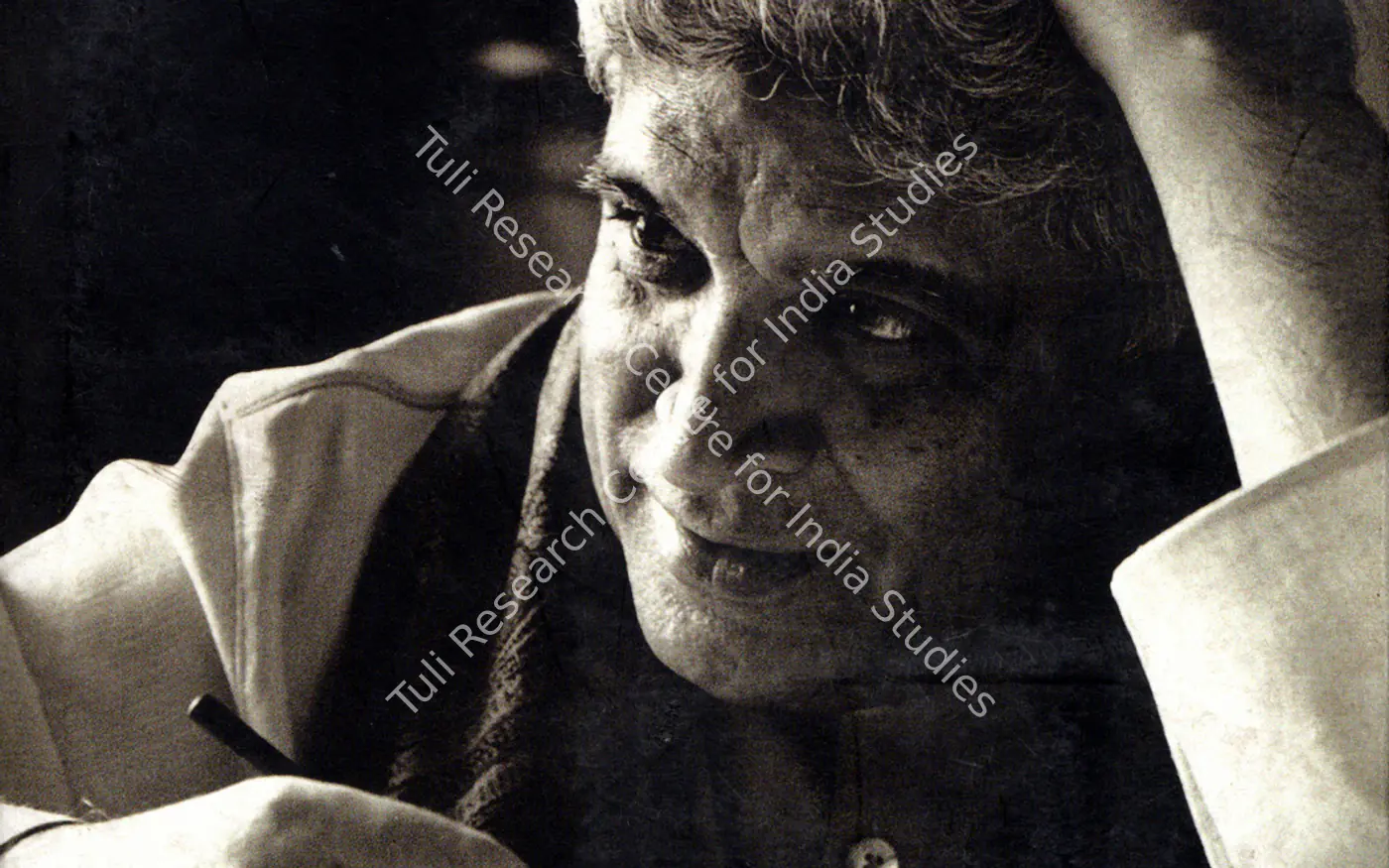
Javed Akhtar (born 17 January 1945) He is one of India's most distinguished screenwriters, lyricists, poets, and public intellectuals, whose contributions have profoundly shaped the country's literary and cinematic traditions. Widely celebrated for his remarkable command of language and his enduring influence on popular culture, he occupies a singular position in contemporary Indian arts and letters. A recipient of the Padma Shri and the Padma Bhushan, India's fourth- and third-highest civilian honours respectively, Akhtar's illustrious career has been defined by exceptional creative achievement, intellectual rigour, and an unwavering commitment to artistic and social discourse. Describing himself as an "equal-opportunity atheist," he nevertheless identifies as a "cultural Muslim," acknowledging the linguistic, literary, and civilisational heritage that has profoundly informed his intellectual and creative sensibilities.
Born “Jadoo,” Akhtar grew up in the refined cultural milieu of Lucknow before forging his path in the bustling creative crucible of Hindi cinema. Poetry ran in his blood: his grandfather, Muztar Khairabadi, and his father, Jan Nisar Akhtar (1914–1976), were distinguished Urdu poets, while the celebrated Progressive poet Asrar-ul-Haq Majaz (1911–1955) was his maternal uncle. The influence of the Progressive Writers' Movement—represented by voices like Faiz Ahmed Faiz, Ismat Chughtai, and Kaifi Azmi—flowed naturally into his ideological and artistic imagination. Both Majaz and Jan Nisar Akhtar were leading figures in the movement, champions of socially conscious, anti-colonial writing, and their legacy helped shape Javed's uncompromising moral and intellectual clarity.
Although raised in an Islamic household, Akhtar openly embraced atheism and raised his children—Farhan and Zoya Akhtar—outside religious frameworks, while still acknowledging the cultural identity he inherited. After ending his marriage to Honey Irani, he married actress and activist Shabana Azmi. His extended family includes notable public figures such as parliamentarian Ansar Harvani and author-academic Hamida Salim, placing him within a lineage steeped in literary, political, and cultural engagement.
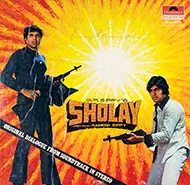
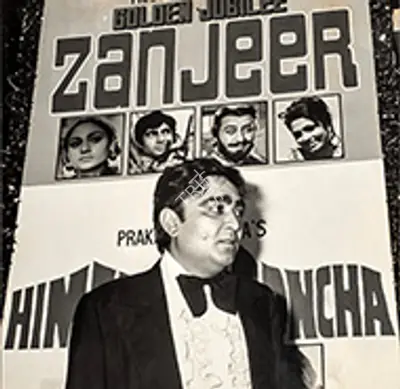
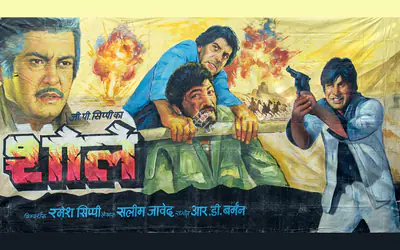
Akhtar's meteoric ascent began with Salim Khan, with whom he formed the legendary screenwriting duo Salim–Javed. Together they revolutionised Hindi cinema in the 1970s and early 1980s, elevating screenwriters to unprecedented prominence. Their partnership yielded 24 films—including Andaz (1971), Seeta Aur Geeta (1972), Yaadon Ki Baaraat (1973), Zanjeer (1973), Deewaar (1975), Sholay (1975), Don (1978), Dostana (1980), Kranti (1981), Zamana (1985), Mr. India (1987), and the Kannada films Premada Kanike and Raja Nanna Raja. Their work reshaped cinematic storytelling, giving Hindi films unforgettable dialogue, mythic heroism, and narrative depth.
After the partnership dissolved in the early 1980s, Akhtar reinvented himself as a lyricist whose verses carried tenderness, rebellion, melancholy, and luminous hope. Songs such as Ek Ladki Ko Dekha, Sandese Aate Hain, Tere Liye, and Kal Ho Naa Ho became emotional landmarks for an entire generation. As a solo screenwriter, he later penned the contemplative Lakshya (2004).
In 2020, he received the Richard Dawkins Award for being “a powerful force for secularism, reason, and human rights, challenging superstition and intolerance through his poetry, screenwriting, and political activism.”
Born “Jadoo,” Akhtar grew up in the refined cultural milieu of Lucknow before forging his path in the bustling creative crucible of Hindi cinema. Poetry ran in his blood: his grandfather, Muztar Khairabadi, and his father, Jan Nisar Akhtar (1914–1976), were distinguished Urdu poets, while the celebrated Progressive poet Asrar-ul-Haq Majaz (1911–1955) was his maternal uncle. The influence of the Progressive Writers' Movement—represented by voices like Faiz Ahmed Faiz, Ismat Chughtai, and Kaifi Azmi—flowed naturally into his ideological and artistic imagination. Both Majaz and Jan Nisar Akhtar were leading figures in the movement, champions of socially conscious, anti-colonial writing, and their legacy helped shape Javed's uncompromising moral and intellectual clarity.
Although raised in an Islamic household, Akhtar openly embraced atheism and raised his children—Farhan and Zoya Akhtar—outside religious frameworks, while still acknowledging the cultural identity he inherited. After ending his marriage to Honey Irani, he married actress and activist Shabana Azmi. His extended family includes notable public figures such as parliamentarian Ansar Harvani and author-academic Hamida Salim, placing him within a lineage steeped in literary, political, and cultural engagement.
Akhtar's meteoric ascent began with Salim Khan, with whom he formed the legendary screenwriting duo Salim–Javed. Together they revolutionised Hindi cinema in the 1970s and early 1980s, elevating screenwriters to unprecedented prominence. Their partnership yielded 24 films—including Andaz (1971), Seeta Aur Geeta (1972), Yaadon Ki Baaraat (1973), Zanjeer (1973), Deewaar (1975), Sholay (1975), Don (1978), Dostana (1980), Kranti (1981), Zamana (1985), Mr. India (1987), and the Kannada films Premada Kanike and Raja Nanna Raja. Their work reshaped cinematic storytelling, giving Hindi films unforgettable dialogue, mythic heroism, and narrative depth.
After the partnership dissolved in the early 1980s, Akhtar reinvented himself as a lyricist whose verses carried tenderness, rebellion, melancholy, and luminous hope. Songs such as Ek Ladki Ko Dekha, Sandese Aate Hain, Tere Liye, and Kal Ho Naa Ho became emotional landmarks for an entire generation. As a solo screenwriter, he later penned the contemplative Lakshya (2004).
In 2020, he received the Richard Dawkins Award for being “a powerful force for secularism, reason, and human rights, challenging superstition and intolerance through his poetry, screenwriting, and political activism.”
- Age
- 80
Research Centre
Related
34
Personalities
18
Films
15