

Introduction
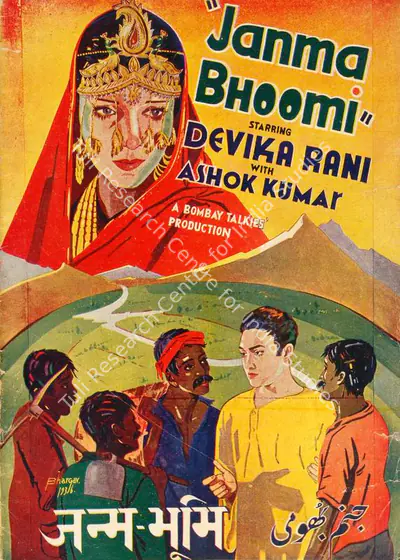
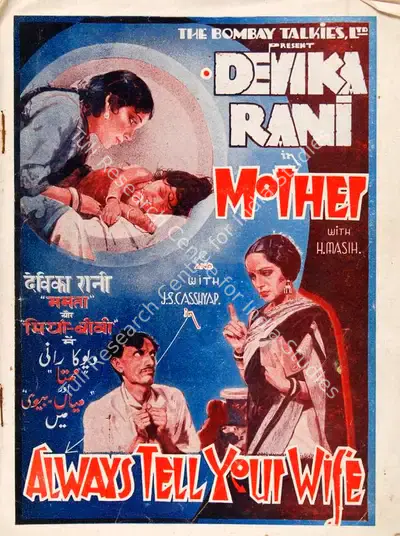
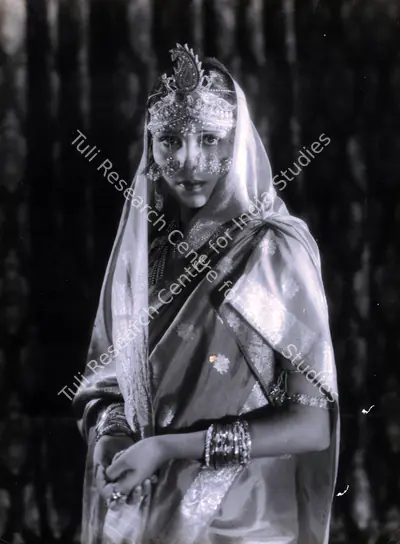
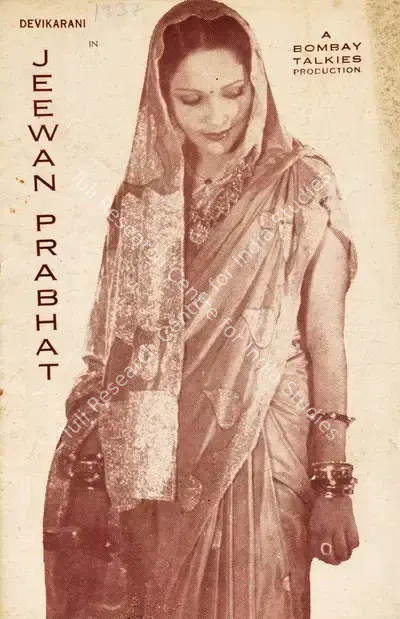
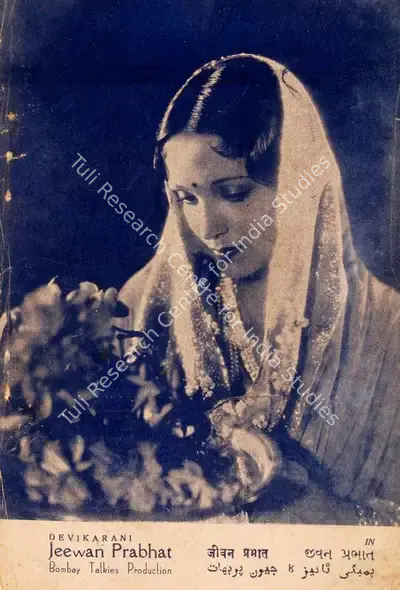
Devika Rani Chaudhuri (30 March 1908 – 9 March 1994) The most celebrated as the First Lady of Indian Cinema, she was a pioneering actress, producer, and studio executive whose influence helped shape the foundations of Indian filmmaking. A recipient of the Padma Shri and the inaugural Dadasaheb Phalke Award, she remains a symbol of artistic excellence and modern womanhood in early Indian cinema.
Born in Waltair, near Visakhapatnam, into an illustrious Bengali family, Devika Rani was deeply connected to the Tagore lineage—her paternal grandmother and maternal grandmother were both sisters of Rabindranath Tagore. Her father, Colonel Manmatha Nath Chaudhuri, served as the first Indian Surgeon-General of the Madras Presidency, while her mother, Leela Devi, came from an equally accomplished family. Sent to England at the age of nine, Devika was educated at prestigious institutions, studying at the Royal Academy of Dramatic Art and the Royal Academy of Music, and gaining experience in textile and design before entering cinema.
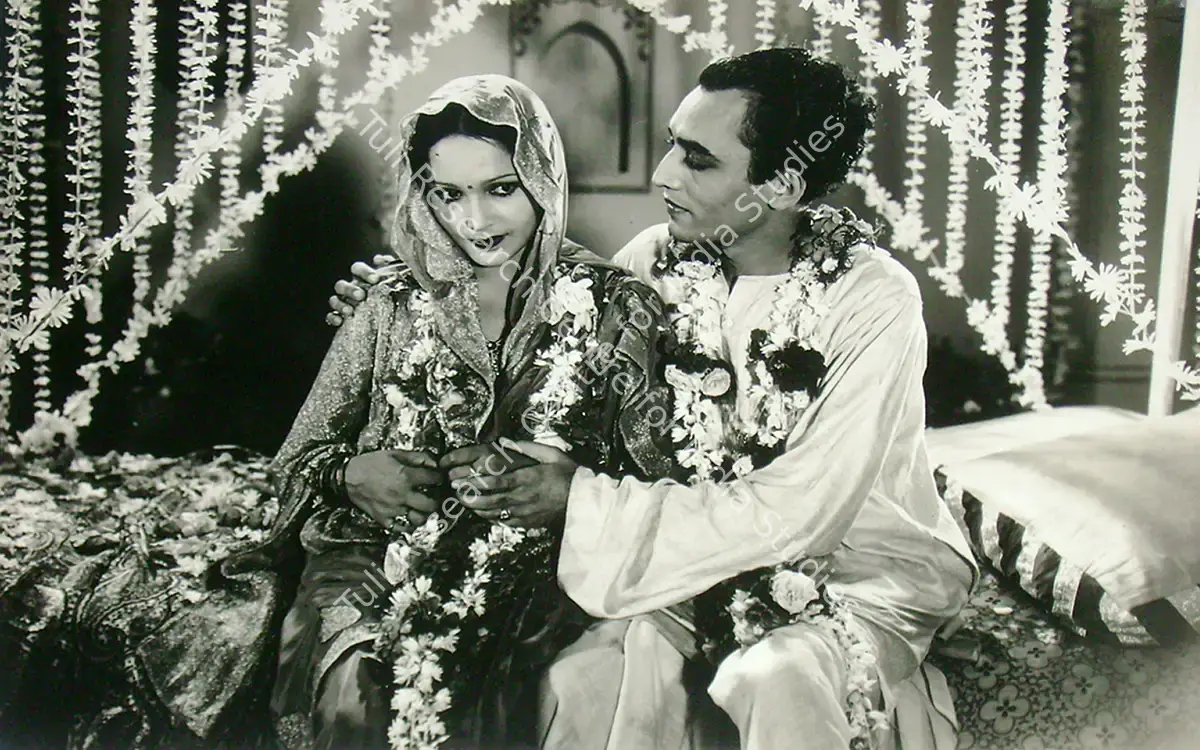
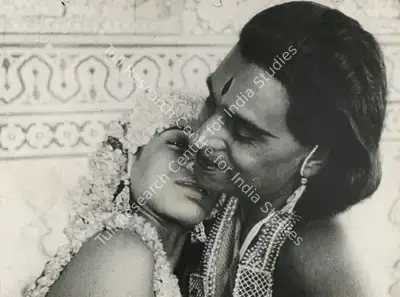
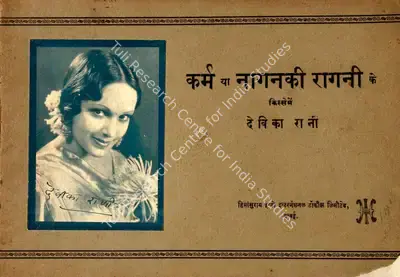
In 1928, she met filmmaker Himanshu Rai and joined him in the production of A Throw of Dice, assisting with costume and art direction. Their shared passion for film took them to Germany, where they trained at UFA Studios in Berlin. The couple married in 1929, and Devika made her acting debut in Rai's ambitious Anglo-Indian production Karma (1933), one of India's first English-language talkies. The film gained international attention for its bold romanticism and for featuring Indian cinema's earliest on-screen kiss, establishing Devika Rani as a global face of Indian art cinema.
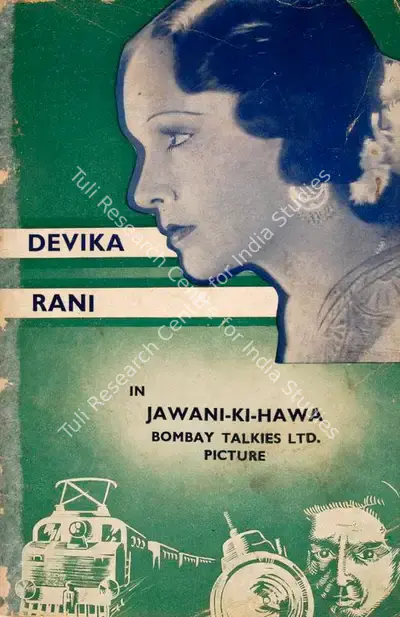
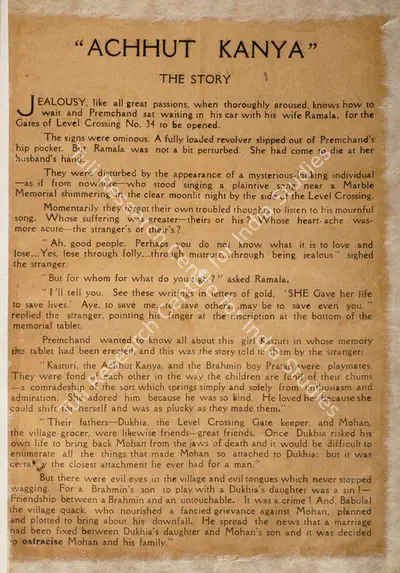
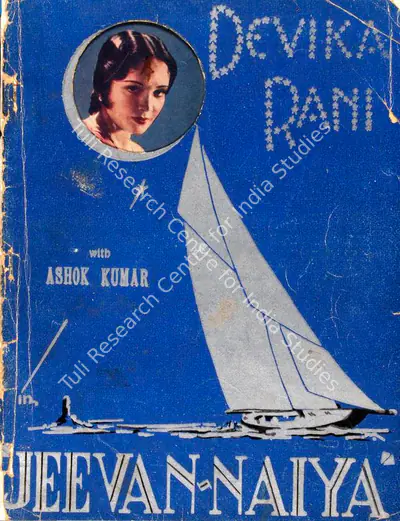
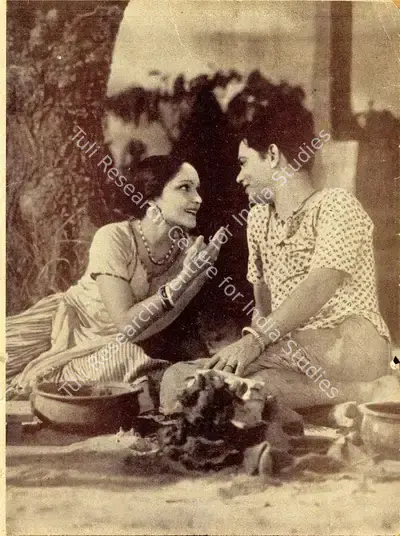
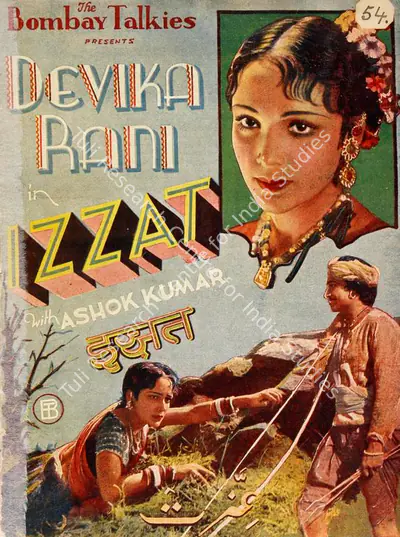
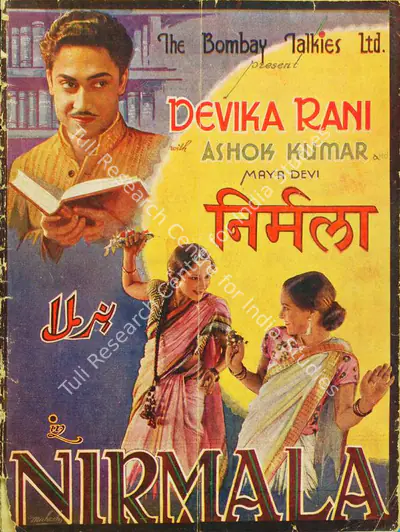
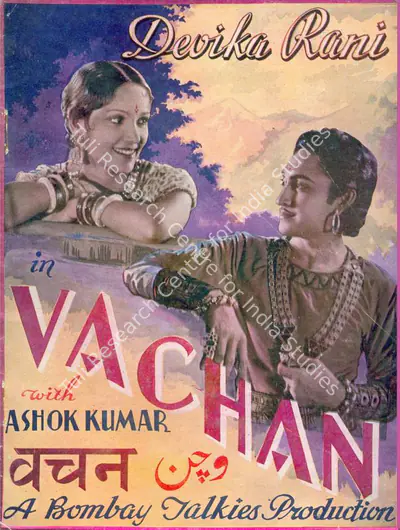
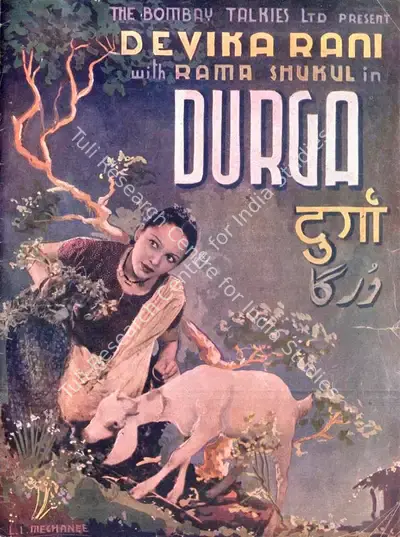
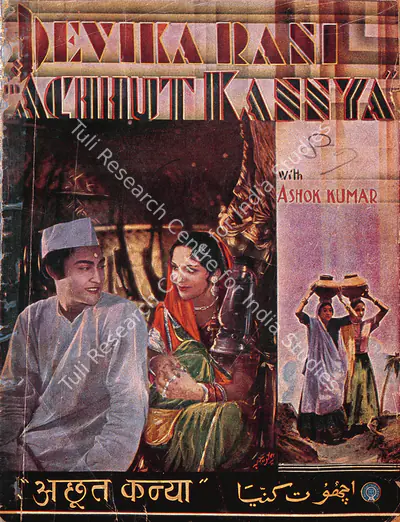
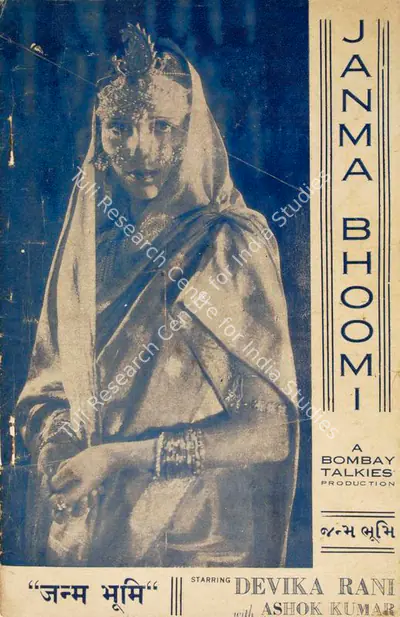
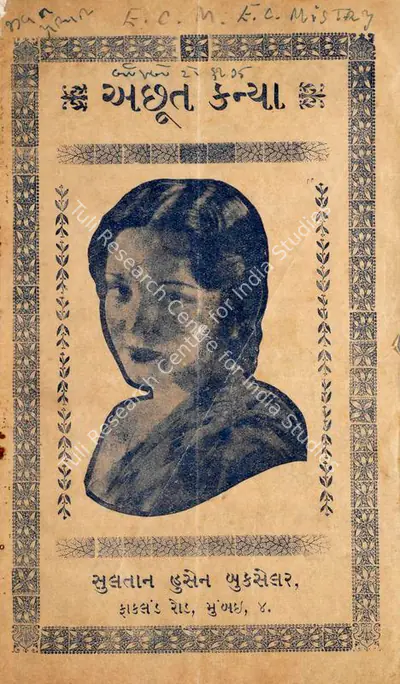
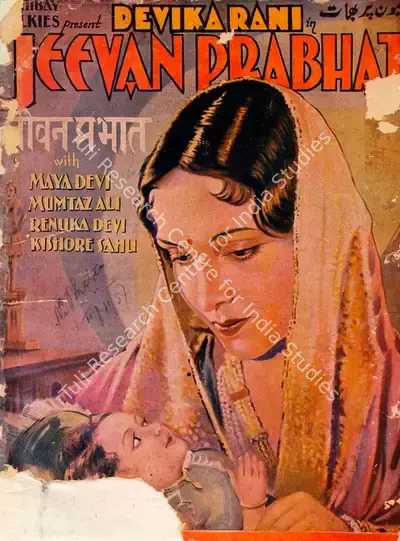
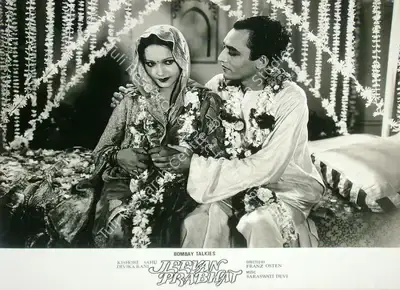
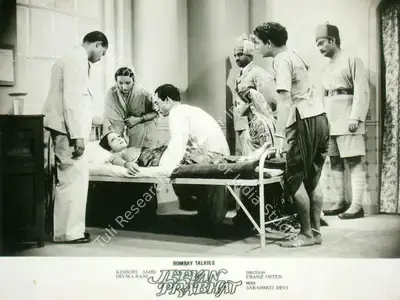
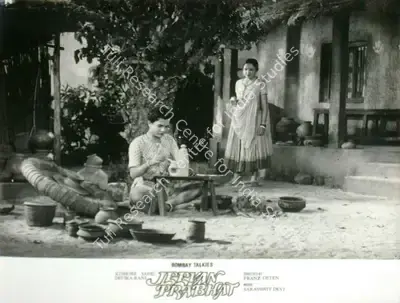
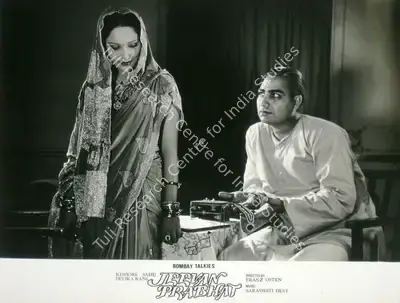
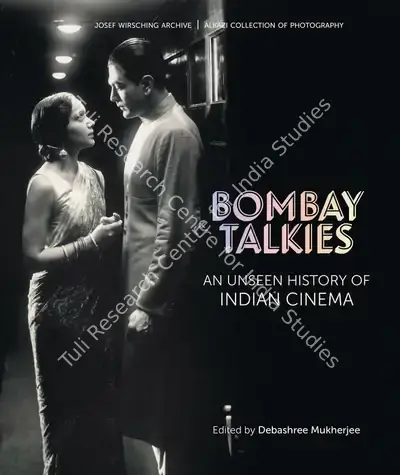
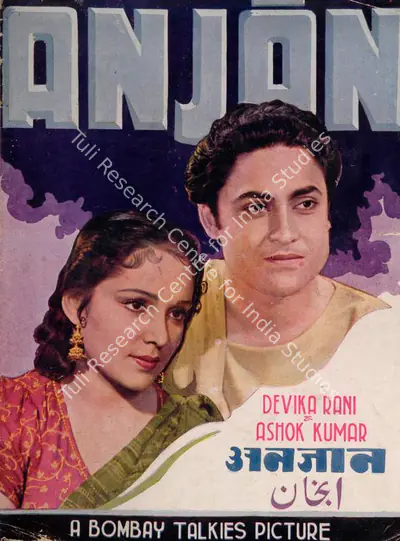
On returning to India, the couple founded Bombay Talkies in 1934, a modern, technically advanced studio that became the cradle of Hindi cinema's golden age. As both actress and creative force, Devika Rani starred in landmark films such as Jeevan Naiya (1936) and Achhut Kannya (1936), the latter a bold social drama addressing caste prejudice. Her on-screen partnership with Ashok Kumar proved iconic, setting a new standard for realism and emotional depth in Indian film.
Following Rai's death in 1940, Devika Rani assumed leadership of Bombay Talkies, producing acclaimed works such as Basant and Kismet (1943), the latter breaking box-office records with its subtle anti-colonial themes. She also introduced future legends, including Dilip Kumar, through Jwar Bhata (1944).
In 1945, she retired from cinema, marrying Russian painter Svetoslav Roerich, son of the famed artist Nicholas Roerich. The couple settled on a vast estate near Bangalore, where she lived in quiet seclusion for nearly five decades. Devika Rani's life embodied artistic innovation, resilience, and grace—her legacy endures as that of a woman who elevated Indian cinema to international recognition and helped define its earliest golden era.
विशाखापत्तनम के पास वाल्टेयर में एक मशहूर बंगाली परिवार में जन्मीं देविका रानी का संबंध टैगोर परिवार से बहुत गहरा था। उनकी दादी और नानी, दोनों ही रबींद्रनाथ टैगोर की बहनें थीं। उनके पिता, कर्नल मनमथ नाथ चौधरी, मद्रास प्रेसिडेंसी के पहले भारतीय सर्जन जनरल थे, जबकि उनकी माँ, लीला देवी भी एक बहुत ही प्रतिष्ठित परिवार से थीं। नौ साल की उम्र में इंग्लैंड भेजी गईं देविका ने रॉयल एकेडमी ऑफ़ ड्रामैटिक आर्ट और रॉयल एकेडमी ऑफ़ म्यूज़िक जैसे नामी संस्थानों में पढ़ाई की और सिनेमा में आने से पहले टेक्सटाइल और डिज़ाइन के क्षेत्र में अनुभव हासिल किया।
1928 में उनकी मुलाक़ात फ़िल्ममेकर हिमांशु राय से हुई और उन्होंने 'अ थ्रो ऑफ़ डाइस' (A Throw of Dice) के प्रोडक्शन में उनके साथ काम किया, जिसमें उन्होंने कॉस्ट्यूम और आर्ट डायरेक्शन में मदद की। फ़िल्मों के लिए उनके साझा जुनून ने उन्हें जर्मनी पहुँचाया, जहाँ उन्होंने बर्लिन के यूएफ़ए (UFA) स्टूडियो में ट्रेनिंग ली। इस जोड़े ने 1929 में शादी कर ली, और देविका ने राय की महत्वाकांक्षी एंग्लो-इंडियन फ़िल्म 'कर्मा' (1933) से एक्टिंग की शुरुआत की, जो भारत की पहली अंग्रेज़ी भाषा की टॉकी (बोलती फ़िल्म) में से एक थी। इस फ़िल्म को अपने बोल्ड रोमांस और भारतीय सिनेमा के शुरुआती ऑन-स्क्रीन किस (चुंबन) के लिए अंतरराष्ट्रीय स्तर पर पहचान मिली, जिससे देविका रानी भारतीय आर्ट सिनेमा का एक ग्लोबल चेहरा बन गईं।
भारत लौटने पर इस जोड़े ने 1934 में 'बॉम्बे टॉकीज़' की स्थापना की। यह एक आधुनिक और तकनीकी रूप से उन्नत स्टूडियो था, जो हिंदी सिनेमा के सुनहरे दौर का केंद्र बना। एक अभिनेत्री और रचनात्मक शक्ति के तौर पर, देविका रानी ने 'जीवन नैया' (1936) और 'अछूत कन्या' (1936) जैसी यादगार फ़िल्मों में काम किया, 'अछूत कन्या' जातिगत भेदभाव पर आधारित एक साहसी सामाजिक फ़िल्म थी। अशोक कुमार के साथ उनकी ऑन-स्क्रीन जोड़ी बहुत मशहूर हुई और इसने भारतीय फ़िल्मों में असलियत और भावनाओं की गहराई के लिए एक नया मानक स्थापित किया।
1940 में राय की मौत के बाद, देविका रानी ने बॉम्बे टॉकीज़ की कमान संभाली और 'बसंत' और 'क़िस्मत' (1943) जैसी मशहूर फ़िल्में बनाईं, 'क़िस्मत' ने अपने बारीक एंटी-कोलोनियल (औपनिवेशिक शासन विरोधी) विषयों के कारण बॉक्स ऑफ़िस के सारे रिकॉर्ड तोड़ दिए। उन्होंने 'ज्वार भाटा' (1944) के ज़रिए दिलीप कुमार जैसे भविष्य के दिग्गजों को भी फ़िल्म इंडस्ट्री से परिचित कराया।
1945 में उन्होंने मशहूर कलाकार निकलाय रेरिख़ के बेटे, रूसी पेंटर स्वेतोस्लाव रेरिख़ से शादी करके सिनेमा से संन्यास ले लिया। यह जोड़ा बैंगलोर के पास एक बड़ी जागीर में बस गया, जहाँ उन्होंने लगभग पाँच दशकों तक शांत और एकांत जीवन बिताया। देविका रानी का जीवन कलात्मक इनोवेशन, हिम्मत और शालीनता की मिसाल है। उनकी विरासत एक ऐसी महिला की है जिन्होंने भारतीय सिनेमा को अंतरराष्ट्रीय पहचान दिलाई और इसके शुरुआती सुनहरे दौर को आकार देने में मदद की।
- Age
- 87
Filmography 25
Research Centre

Related
42
Personalities
20
Films
19
Institutions
1