
Introduction
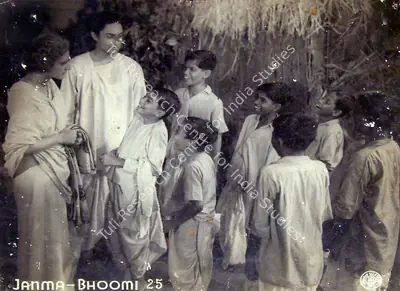
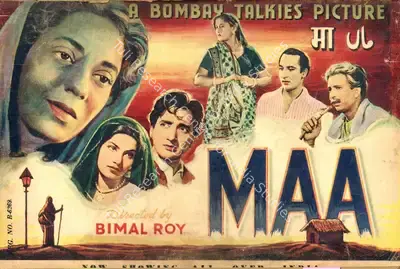
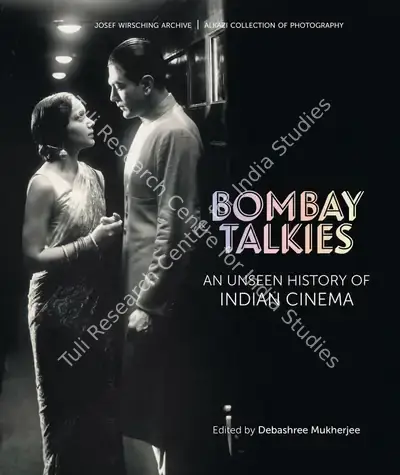
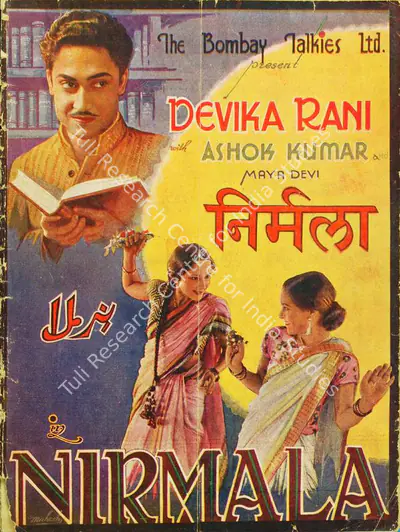
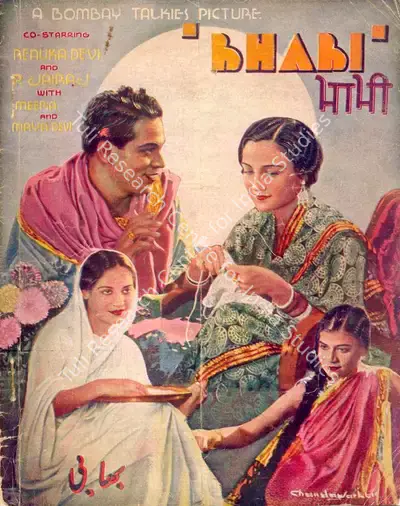
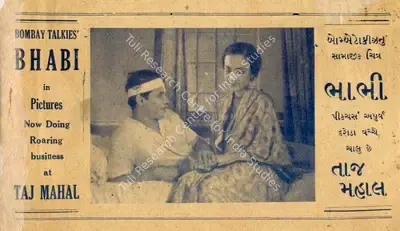
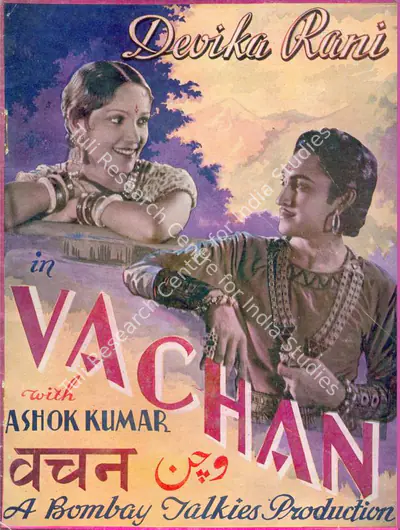
Founded in 1934, Bombay Talkies was one of the most influential film studios during the formative years of Indian cinema. Over nearly two decades of operation, the studio produced approximately forty films at its premises in Malad, a suburb of Bombay (now Mumbai), helping transform the artistic, technical and organisational foundations of the Indian film industry.
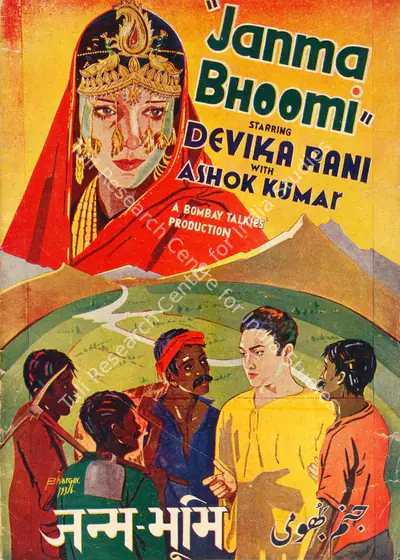
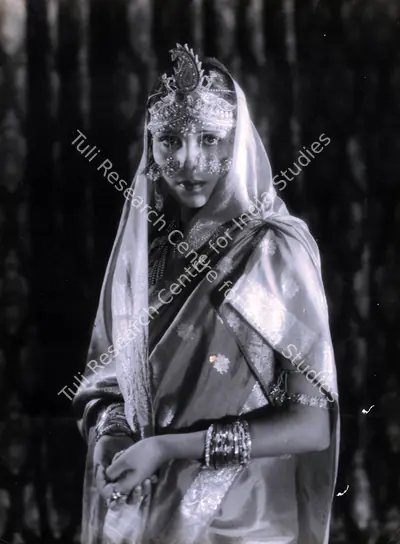
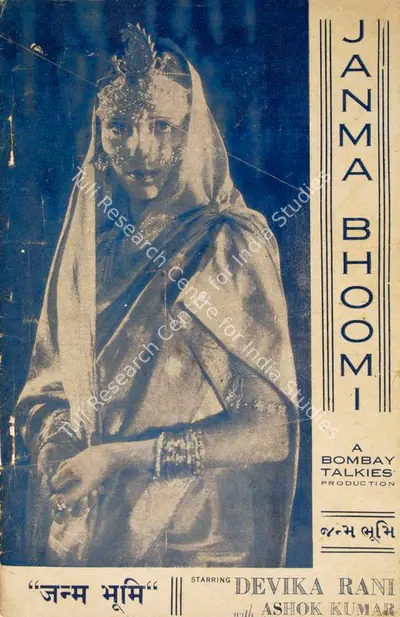
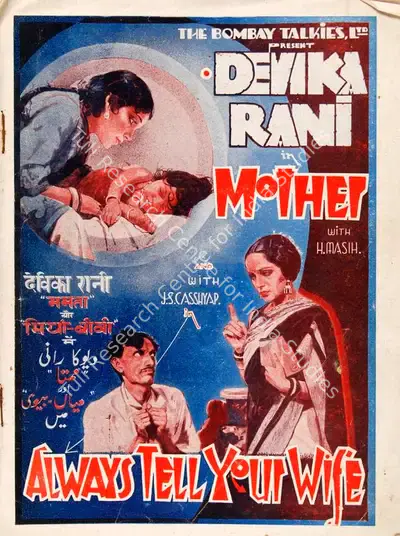
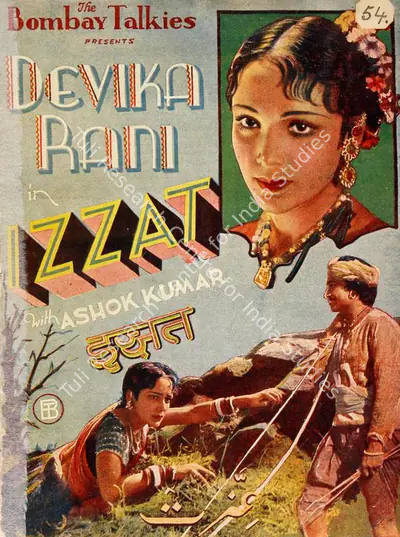
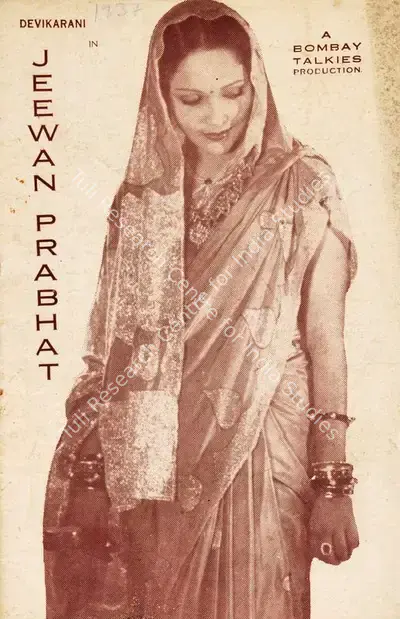
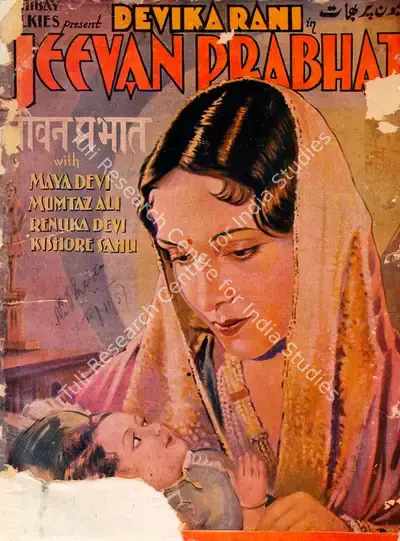
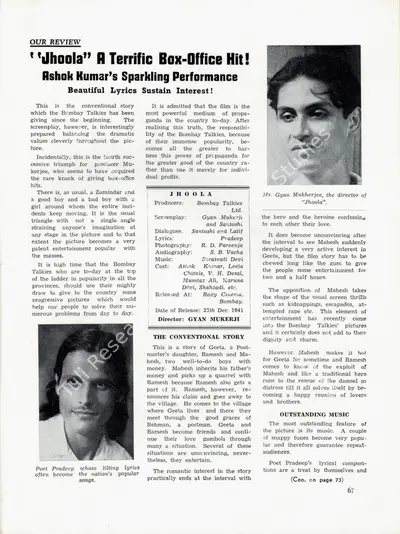
Bombay Talkies was established by Himanshu Rai, filmmaker Niranjan Pal, son of prominent nationalist Bipin Chandra Pal, and Rai’s wife and actor Devika Rani. Following Rai’s death in 1940, Devika Rani assumed control of the studio and became its principal producer. Ashok Kumar emerged as its leading male star but departed in 1943 alongside Sashadhar Mukherjee to establish Filmistan. Following Devika Rani’s retirement, the studio underwent further changes in ownership and management before ceasing operations in 1953, although its final productions were released in 1954.
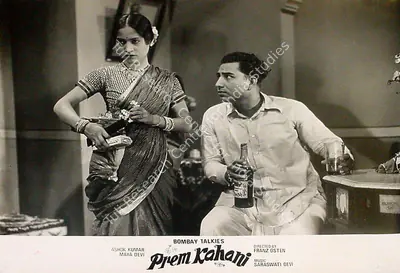
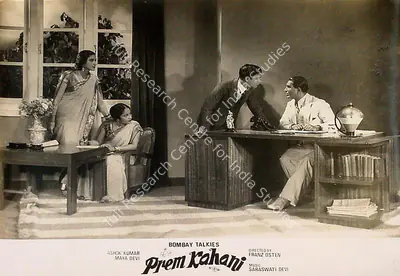
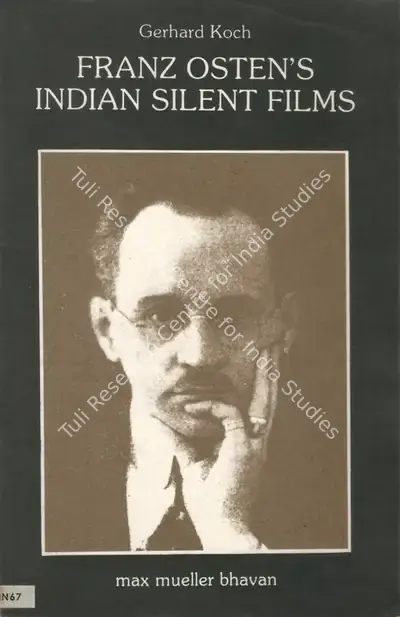
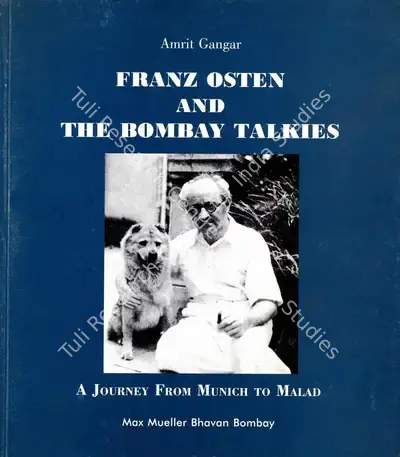
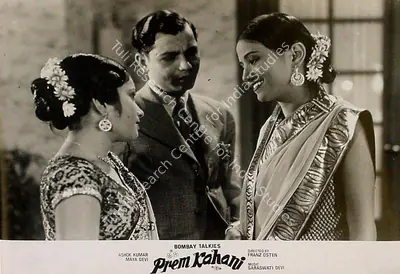
For its time, Bombay Talkies was distinguished by its sophisticated infrastructure and considerable technical resources. Its facilities, designed to meet international production standards, included soundproof and echo-proof stages, film-processing laboratories, editing suites and a preview theatre. The studio also employed experienced European technicians, most notably German filmmaker Franz Osten, whose contribution helped shape its distinctive cinematic approach.
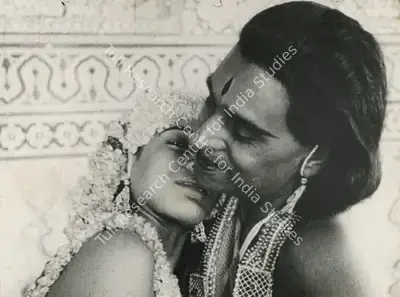
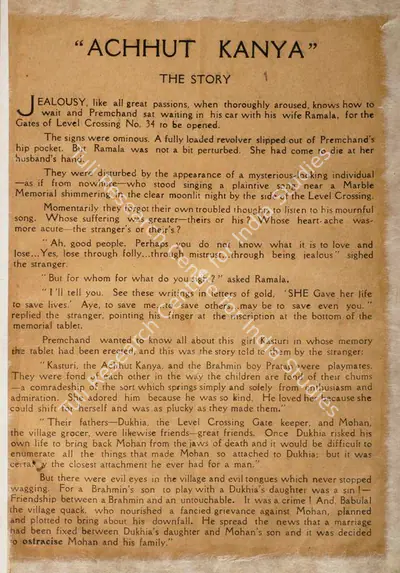
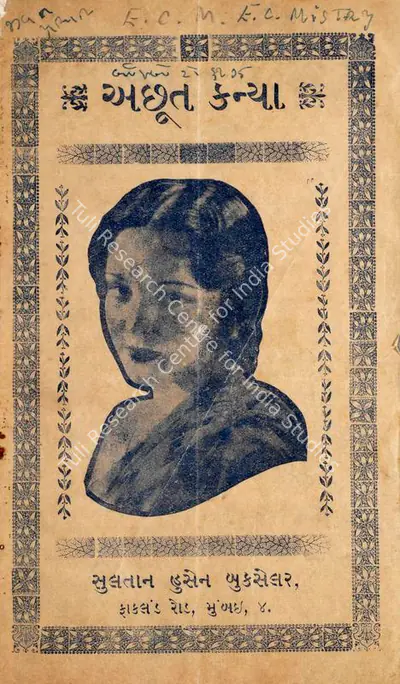
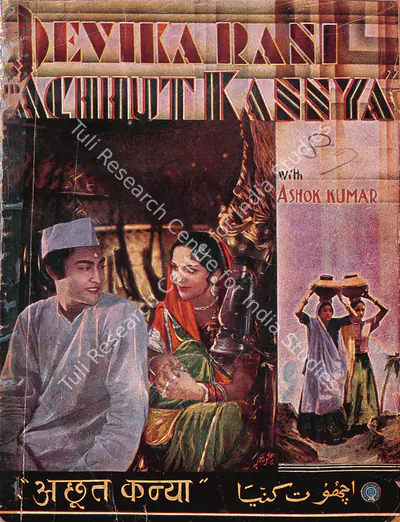
Bombay Talkies established new benchmarks in Indian filmmaking by introducing greater technical precision, organisational discipline and professionalism in production and acting. Its commitment to refined cinematography, sophisticated storytelling and improved production techniques distinguished it from many of its contemporary studios. Equally significant was its willingness to address socially sensitive subjects. Achhut Kanya (1936), for instance, explored the forbidden romance between a Dalit girl and a Brahmin boy, challenging prevailing caste prejudices and social conventions.
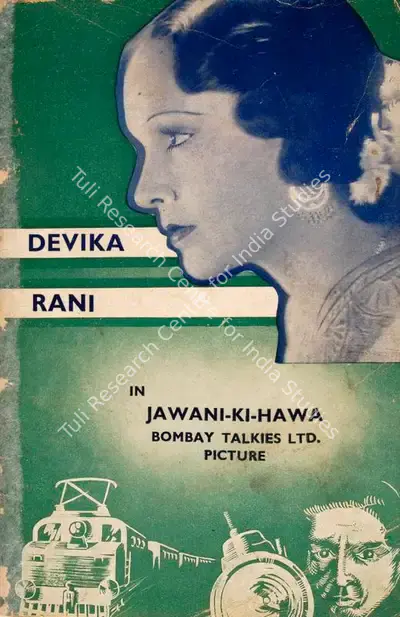
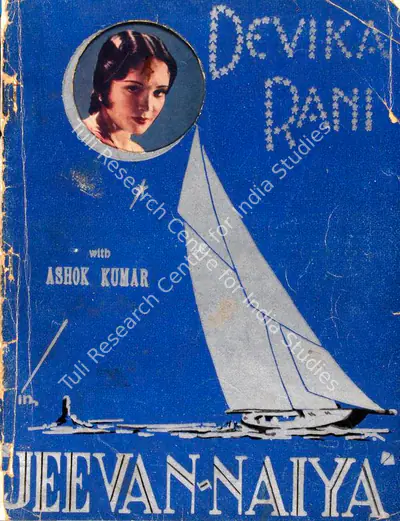
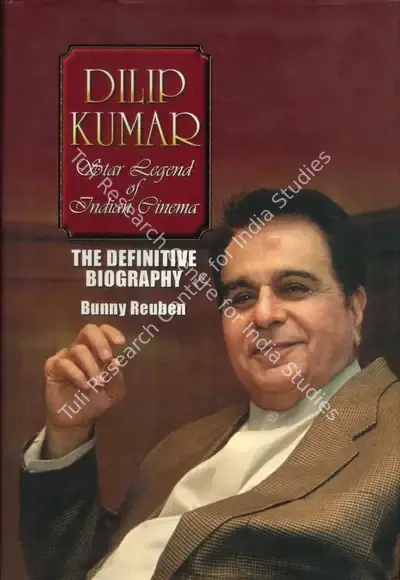
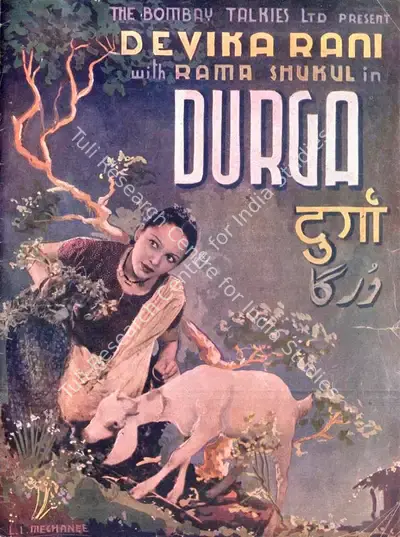
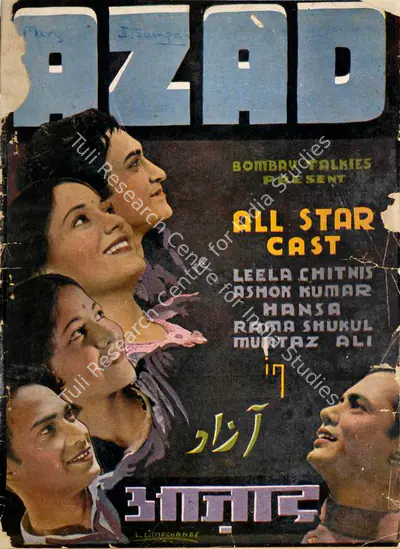
The studio also played a pivotal role in developing some of Indian cinema’s most celebrated performers. Devika Rani, widely regarded as one of the earliest female superstars of Indian cinema, appeared in successful productions including Jawani Ki Hawa (1935) and Jeevan Naiya (1936). Bombay Talkies provided an important launching platform for actors such as Ashok Kumar, Leela Chitnis, Madhubala and Dilip Kumar, among others.
Raj Kapoor also gained early professional experience as an assistant to director Amiya Chakravarty at the studio before establishing himself as a prominent actor and filmmaker.
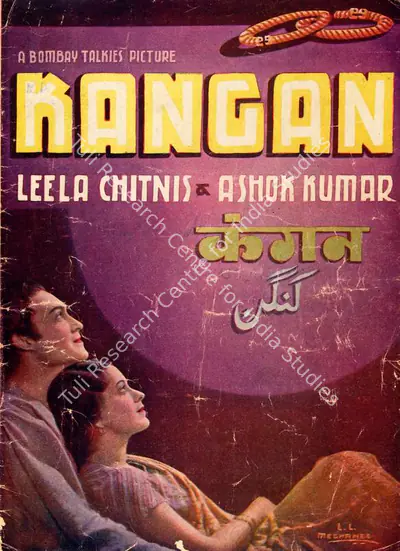
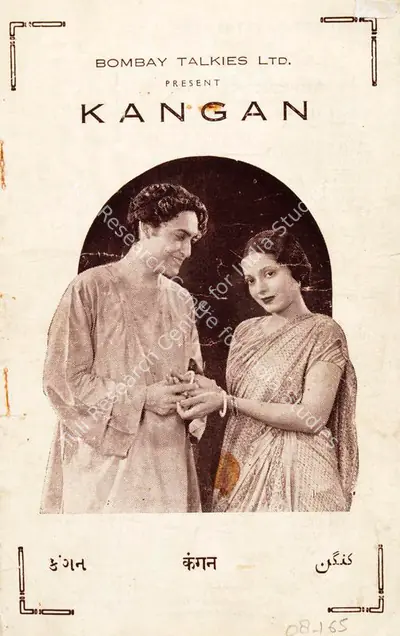
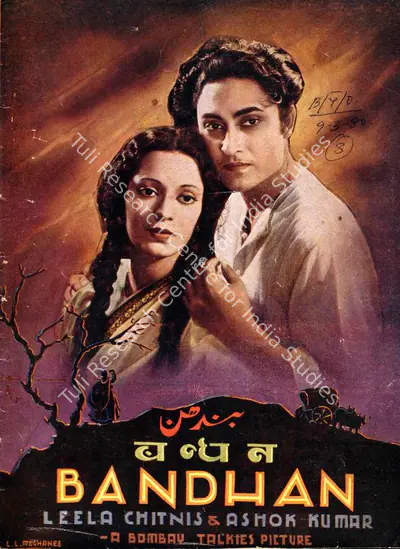
Following the outbreak of the Second World War in 1939, Bombay Talkies experienced considerable difficulties, culminating in the death of its founder, Himanshu Rai, in 1940. Devika Rani subsequently assumed leadership and successfully sustained the studio’s production standards and reputation. Notable films from this period included Kangan (1939) and Bandhan (1940), featuring Ashok Kumar and Leela Chitnis. The extraordinary success of Kismet (1943), starring Ashok Kumar, further consolidated the studio’s reputation. The film reportedly ran continuously for more than three and a half years at Calcutta’s Roxy Theatre.
However, internal disagreements between Devika Rani, Sashadhar Mukherjee and Ashok Kumar eventually fractured the organisation. Their efforts to reconcile proved unsuccessful, prompting Mukherjee, Kumar and several other associates to establish Filmistan in 1943. In 1945, Devika Rani married Russian painter Svetoslav Roerich, disposed of her Bombay Talkies shares and withdrew from filmmaking. Following unsuccessful attempts to revive the studio, businessman Tolaram Jalan acquired it and discontinued its operations in 1953.
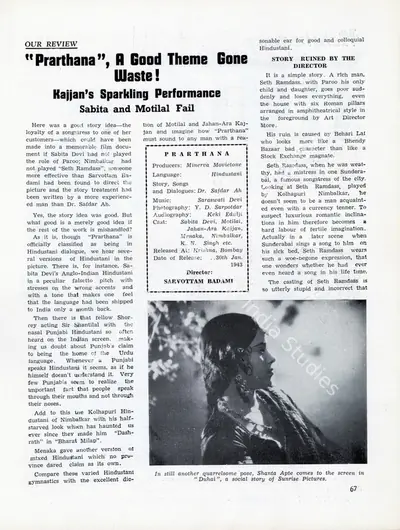
Among its subsequent productions were Basant (1942), which featured Madhubala as a child artist, and Jwar Bhata (1944), Dilip Kumar’s screen debut. The studio later produced Ziddi (1948), which helped establish Dev Anand, and Mahal (1949), the celebrated gothic thriller directed by Kamal Amrohi that propelled Madhubala to widespread stardom. Its later releases included Mashal (1950), Tamaasha (1952), Faraar (1954) and Baadbaan (1954). Although its existence was relatively brief, Bombay Talkies left an enduring imprint on Indian cinema through its technical innovations, socially conscious storytelling and contribution to the careers of generations of filmmakers and performers.
Research Centre
Related
12
Personalities
10
Institutions
1
Themes
1