

Introduction
Ravi Shankar Sharma (3 March 1926 – 7 March 2012) Celebrated across generations simply as Ravi, he remains one of Indian cinema's most distinguished music composers. His melodic sensibilities enriched both Hindi and Malayalam cinema, producing an enduring body of work that continues to resonate with audience decades after its creation. After dominating the Hindi film music landscape through the 1950s and 1960s, Ravi stepped away from the industry before returning triumphantly to the South Indian film world in the 1980s under the name Bombay Ravi.
Born in Delhi on 3 March 1926, Ravi rose from humble beginnings to become one of Indian cinema's most celebrated composers, his success forged through determination and relentless hard work. Though he received no formal training in classical music, he developed a deep understanding of melody by listening to his father sing devotional bhajans. A pivotal moment came in 1947 when he met legendary playback singer Mohammed Rafi during the Independence Day celebrations at Delhi's Coronation Hotel. Expressing his ambition to become a music director, Ravi was encouraged by Rafi to first master music and notation. Determined to succeed, he taught himself the harmonium and other instruments while supporting his family through his job as an electrician with the Post and Telegraph Department.
In 1950, Ravi moved to Bombay with dreams of a career in cinema. His early years were marked by hardship; he spent nights sleeping on Malad railway station platforms and later lived in a modest tin-roofed dwelling before finding his footing in the industry. His breakthrough arrived in 1952 when composer Hemant Kumar discovered him and engaged him as a backing vocalist for Vande Mataram in Anand Math (1952). Ravi's command of Urdu also proved valuable to Hemant Kumar, fostering a productive professional relationship.
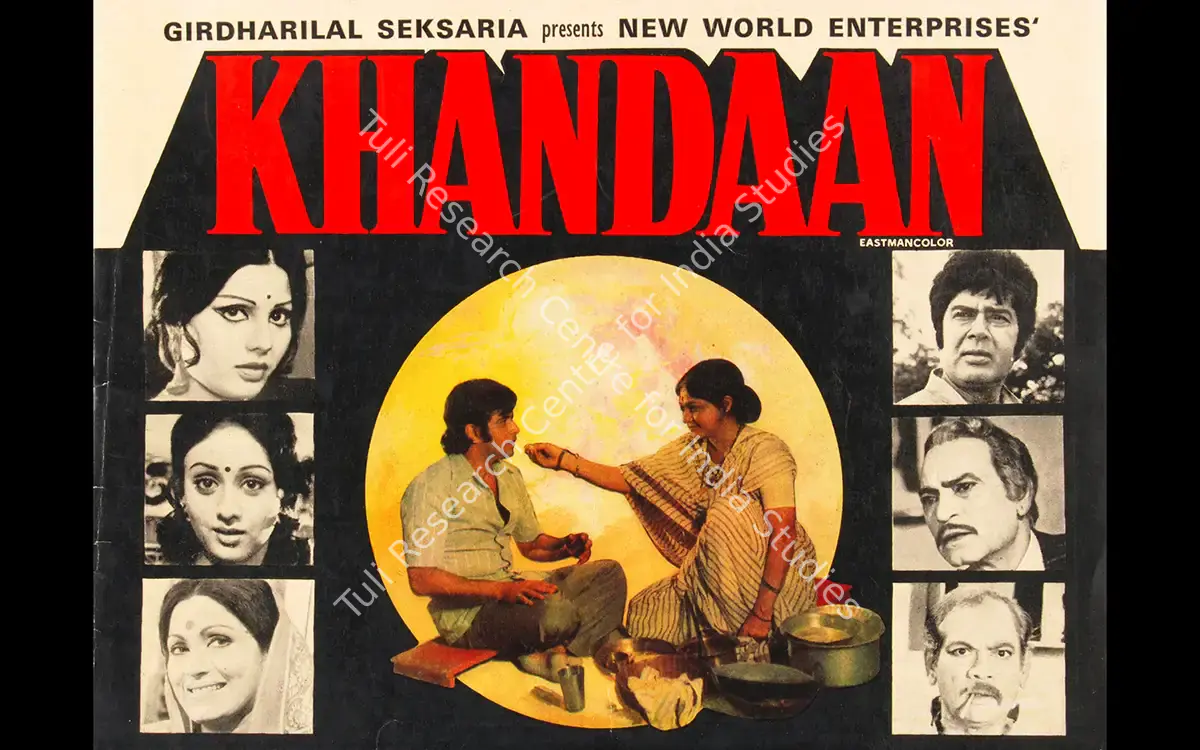
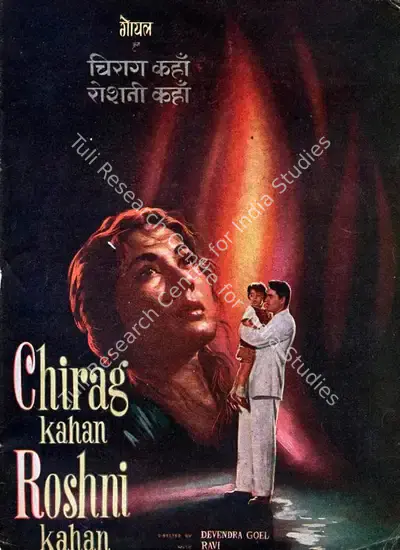
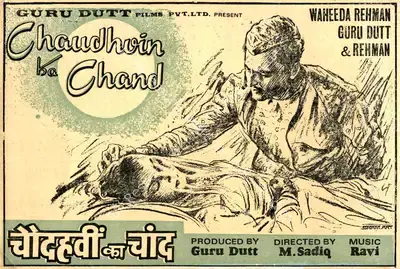
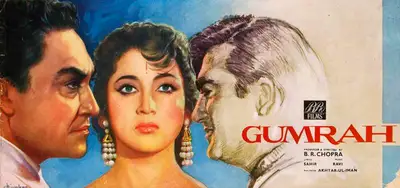
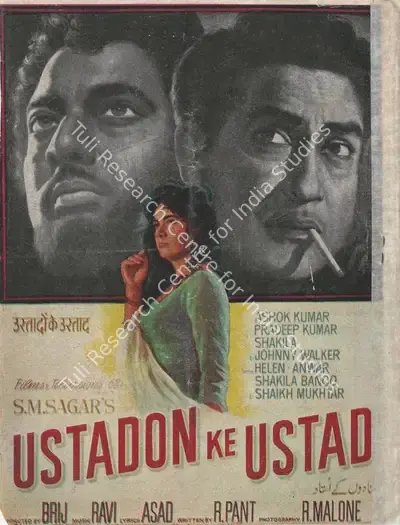
Over the following decades, Ravi emerged as one of Hindi cinema's most accomplished composers. His scores for Chaudhvin Ka Chand (1960), Do Badan (1966), Hamraaz (1967), Aankhen (1968) and Nikaah (1982) earned widespread acclaim and multiple Filmfare nominations. He won the Filmfare Award for Best Music Director for Gharana (1961) and Khandan (1965). Other memorable soundtracks included Waqt (1965), Gumraah (1963) and Neel Kamal (1968). Songs such as Aaj Mere Yaar Ki Shaadi Hai (1977), Babul Ki Duayen Leti Ja (NeelKamal, 1968), Doli Chadh Ke Dulhan Sasural Chali (Doli, 1968) and Mere Yaar Bana Hai Dulha (Chaudhvin Ka Chand, 1960) became enduring staples of Indian wedding celebrations.
Ravi played a crucial role in shaping the careers of several celebrated singers. His compositions significantly enhanced the stature of Asha Bhosle through unforgettable songs including Tora Man Darpan Kehlaye (1965), Aage Bhi Jaane Na Tu (1965) and Sun Le Pukar Aayi (1965). He was equally instrumental in establishing Mahendra Kapoor as a major playback voice in Hindi cinema.
Following a lengthy hiatus, Ravi returned to prominence in 1982 with Nikaah (1982), its poignant ghazal Dil Ke Armaan Aansuon Mein Beh Gaye earned singer Salma Agha the Filmfare Award for Best Female Playback Singer. His second innings flourished in Malayalam cinema after filmmaker Hariharan persuaded him to compose for Panchagni (1986). The success of songs such as Saagarangale (1986) and Aa Raathri Manju Poyi (1986) established Bombay Ravi as a major creative force in Kerala. His collaborations on Nakhakshathangal (1986), Vaishali (1988), Sargam (1992), Parinayam (1994) and Sukrutham (1994) earned both critical and commercial acclaim, while several songs from these films won National Awards for their singers.
Among Ravi's most celebrated professional partnerships was his long association with the Chopra banner and lyricist Sahir Ludhianvi. Together they created unforgettable musical landmarks in films such as Waqt (1965), Hamraaz (1967), Aadmi Aur Insaan (1969), Dhund (1973), Nikaah (1982) and Dehleez (1986).
His remarkable contributions were recognised with the Padma Shri in 1971, the National Film Award for Best Music Direction in 1994, multiple Kerala State Film Awards, and the Filmfare Award for Best Music Director – Malayalam in 1994. Ravi passed away in Mumbai on 7 March 2012 at the age of 86, leaving behind a musical legacy defined by elegance, emotional depth and timeless appeal.
3 मार्च 1926 को दिल्ली में जन्मे रवि ने जीवन और करियर की साधारण शुरुआत से लेकर भारतीय सिनेमा के मशहूर संगीतकारों में से एक बनने तक का सफ़र तय किया। उनकी सफलता दृढ़ संकल्प और लगातार कड़ी मेहनत का नतीजा थी। हालाँकि उन्हें शास्त्रीय संगीत की कोई औपचारिक ट्रेनिंग नहीं मिली थी, लेकिन अपने पिता को भक्ति भजन गाते हुए सुनकर उन्होंने धुन और संगीत की गहरी समझ विकसित कर ली थी। 1947 में एक अहम मोड़ आया जब दिल्ली के कोरोनेशन होटल में स्वतंत्रता दिवस समारोह के दौरान उनकी मुलाक़ात मशहूर प्लेबैक सिंगर मोहम्मद रफ़ी से हुई। संगीत निर्देशक बनने की अपनी इच्छा ज़ाहिर करने पर, रफ़ी ने उन्हें पहले संगीत और नोटेशन में महारत हासिल करने के लिए प्रोत्साहित किया। सफल होने के पक्के इरादे के साथ, उन्होंने पोस्ट एंड टेलीग्राफ़ विभाग में इलेक्ट्रीशियन की नौकरी करते हुए अपने परिवार का पेट पालने के साथ-साथ ख़ुद ही हारमोनियम और अन्य वाद्ययंत्र बजाना सीखा।
1950 में, रवि सिनेमा में करियर बनाने के सपने के साथ बॉम्बे चले गए। उनके शुरुआती साल मुश्किलों भरे रहे। इंडस्ट्री में अपनी जगह बनाने से पहले उन्होंने मलाड रेलवे स्टेशन के प्लेटफ़ॉर्म पर रातें बिताईं और बाद में टिन की छत वाले एक साधारण से घर में रहे। उन्हें बड़ी क़ामयाबी 1952 में मिली जब संगीतकार हेमंत कुमार ने उन्हें पहचाना और फ़िल्म 'आनंद मठ' (1952) के गाने 'वंदे मातरम' के लिए बैकिंग वोकलिस्ट के तौर पर काम दिया। उर्दू भाषा पर रवि की पकड़ भी हेमंत कुमार के लिए बहुत काम की साबित हुई, जिससे उनके बीच एक अच्छा पेशेवर रिश्ता बना।
आगे दशकों में रवि हिंदी सिनेमा के सबसे कुशल संगीतकारों में से एक के रूप में उभरे। चौदहवीं का चांद (1960), दो बदन (1966), हमराज़ (1967), आंखें (1968) और निक़ाह (1982) के लिए उनके गीतों को व्यापक प्रशंसा मिली और कई फ़िल्मफ़ेयर नामांकन मिले। उन्होंने घराना (1961) और ख़ानदान (1965) के लिए सर्वश्रेष्ठ संगीत निर्देशक का फ़िल्मफ़ेयर पुरस्कार जीता। अन्य यादगार साउंडट्रैक में वक़्त (1965), गुमराह (1963) और नील कमल (1968) शामिल हैं। 'आज मेरे यार की शादी है' (1977), 'बाबुल की दुआएं लेती जा' (नीलकमल, 1968), 'डोली चढ़ के दुल्हन ससुराल चली' (डोली, 1968) और 'मेरे यार बना है दूल्हा' (चौदहवीं का चांद, 1960) जैसे गाने भारतीय विवाह समारोहों के स्थायी रस्मी गाने बन गए।
रवि ने कई प्रसिद्ध गायकों के करियर को आकार देने में महत्वपूर्ण भूमिका निभाई। उनकी रचनाओं ने 'तोरा मन दर्पण कहलाये' (1965), 'आगे भी जाने ना तू' (1965) और 'सुन ले पुकार आयी' (1965) सहित न भूलने गीतों के माध्यम से आशा भोंसले के कद को काफ़ी बढ़ाया। उन्होंने महेंद्र कपूर को हिंदी सिनेमा में एक प्रमुख पार्श्व आवाज के रूप में स्थापित करने में समान रूप से महत्वपूर्ण भूमिका निभाई।
एक लंबे अंतराल के बाद रवि 1982 में निक़ाह (1982) के साथ प्रसिद्धि में लौटे, इसकी मार्मिक ग़ज़ल 'दिल के अरमां आंसुओं में बह गए' ने गायिका सलमा आग़ा को सर्वश्रेष्ठ महिला पार्श्व गायिका का फ़िल्मफ़ेयर पुरस्कार दिलाया। मलयालम सिनेमा में उनकी दूसरी पारी तब फली-फूली जब फ़िल्म निर्माता हरिहरन ने उन्हें पंचाग्नि (1986) के लिए रचना करने के लिए राजी किया। 'सागरंगले' (1986) और 'आ रात्रि मंजू पोयी' (1986) जैसे गानों की सफलता ने बॉम्बे रवि को केरल में एक प्रमुख रचनात्मक गीतकार के रूप में स्थापित किया। नखाक्षथंगल (1986), वैशाली (1988), सरगम (1992), परिणयम (1994) और सुकृतम (1994) में उनके काम को आलोचकों और दर्शकों, दोनों से ही ख़ूब सराहना मिली। साथ ही, इन फ़िल्मों के कई गानों के लिए गायकों को राष्ट्रीय पुरस्कार भी मिले।
रवि की सबसे मशहूर प्रोफ़ेशनल साझेदारियों में से एक थी चोपड़ा बैनर और गीतकार साहिर लुधियानवी के साथ उनका लंबा जुड़ाव। उन्होंने मिलकर 'वक़्त' (1965), 'हमराज़' (1967), 'आदमी और इंसान' (1969), 'धुंध' (1973), 'निक़ाह' (1982) और 'दहलीज़' (1986) जैसी फ़िल्मों में संगीत के यादगार दिए।
उनके शानदार योगदान के लिए उन्हें 1971 में पद्म श्री, 1994 में सर्वश्रेष्ठ संगीत निर्देशन के लिए राष्ट्रीय फ़िल्म पुरस्कार, कई केरल राज्य फ़िल्म पुरस्कार और 1994 में सर्वश्रेष्ठ संगीत निर्देशक (मलयालम) के लिए फ़िल्मफ़ेयर पुरस्कार से सम्मानित किया गया। 7 मार्च 2012 को 86 साल की उम्र में मुंबई में रवि का निधन हो गया। वे अपने पीछे संगीत की एक ऐसी विरासत छोड़ गए जो अपनी नफ़ासत, भावनात्मक गहराई और सदाबहार अपील के लिए जानी जाती है।
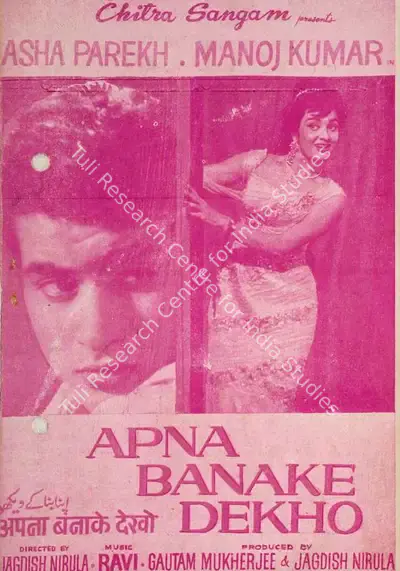
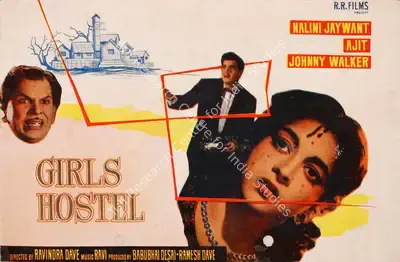
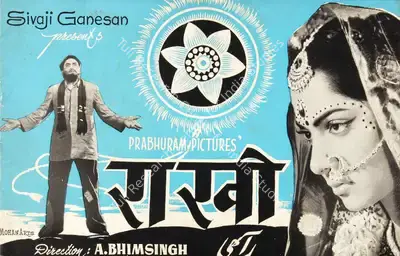
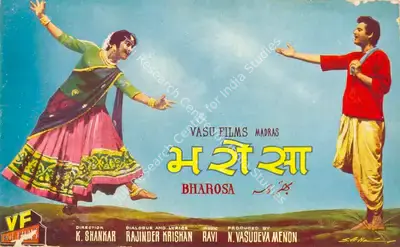
Filmography 41
Research Centre
Calendar 1
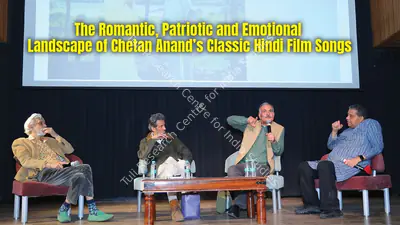
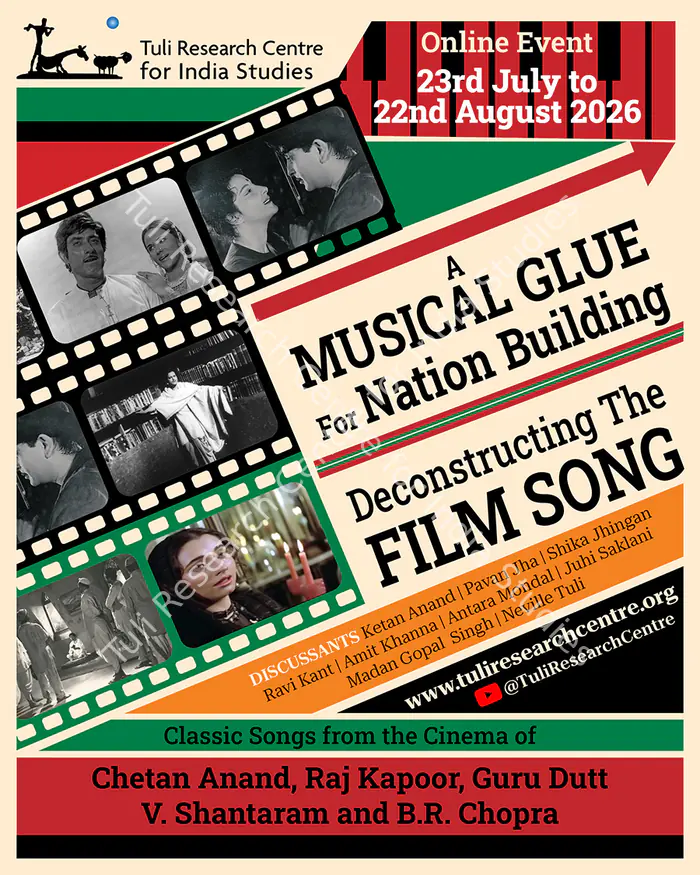
- ArchivedOffline-Online EventProject 80A Musical Glue for Nation-BuildingDeconstructing the Film Song23rd July - 22nd August 2026Ketan Anand | Ravikant | Pavan Jha | Madan Gopal Singh | Amit Khanna | Juhi Saklani | Antara Mondal | Shikha Jhingan | Neville TuliA key section of the India Studies framework at The Tuli Research Centre for India Studies (T.R.I.S.) is “Deconstructing the Film Song”. It began with a series of four workshops during our Self-Discovery via Rediscovering India Festival Series that brought together leading scholars & academics, film practitioners & students, along with fans of the Hindi film song. The objective of these workshops was to deconstruct iconic Hindi film songs to examine their formation across music, lyrics, playback, choreography, directorial visualisation, as they fuse into sites where aesthetics, ideology, and performance intersect, so as to help clarify the nature of India and her relationship to the film song. The Hindi Film Song functions as a narrative device, conveying myriad textures of emotion through melody, voice and poetry. As cultural texts that encode memory, desire, and ideology, songs are integral to the circulation and resonance of films in the public realm. Over time they have become autonomous bundles of creative energy - the glue that binds us over time, articulating and perhaps even defining the idea of Indianness. These first Workshops were an attempt to understand the nature and power of this glue, while contemplating the ways to situate it within TRIS' academic framework for Contemporary India Studies.Read More →
Related
25
Films
20