
TRIS logo image
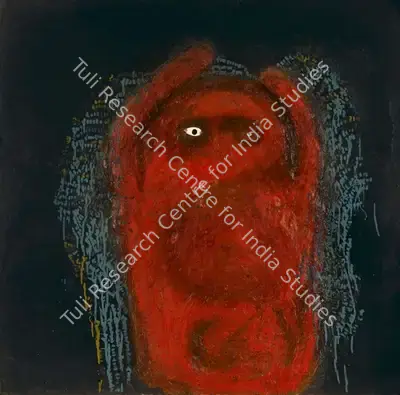
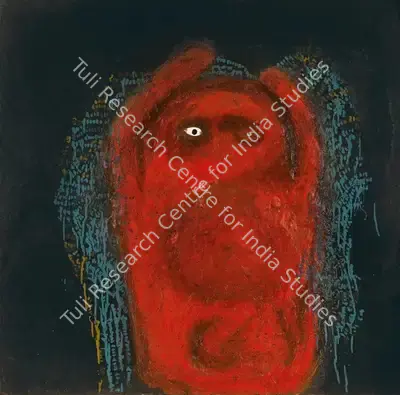
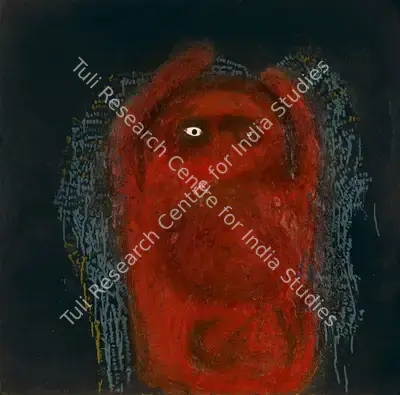
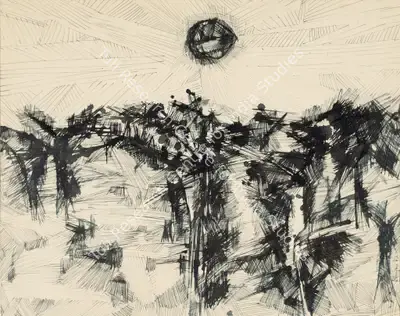
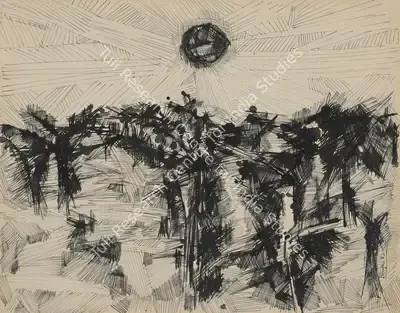
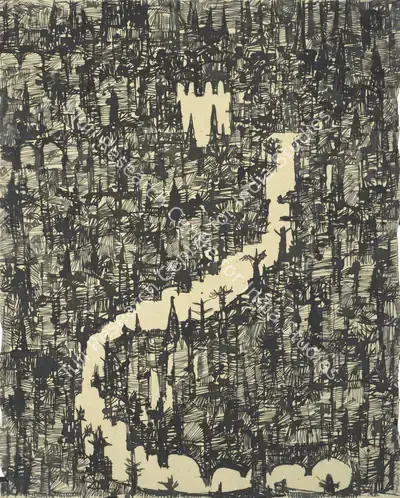
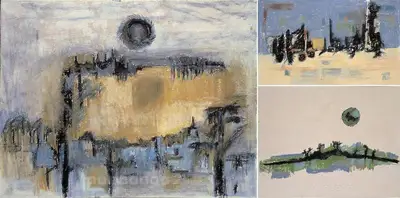
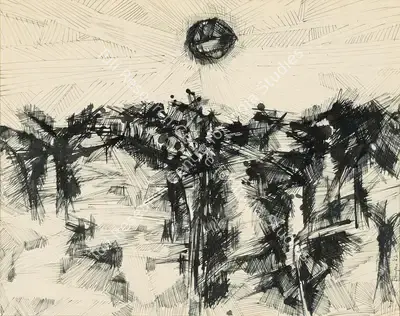
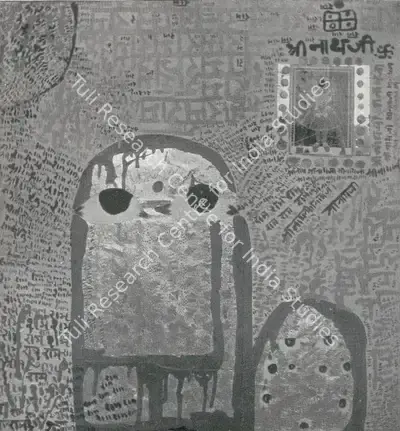
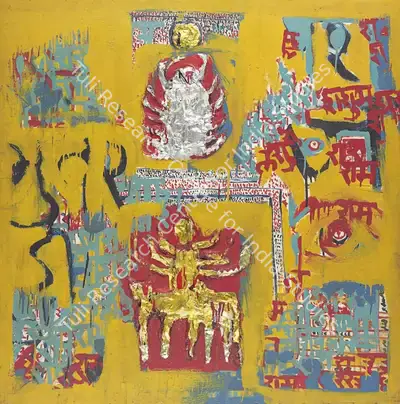
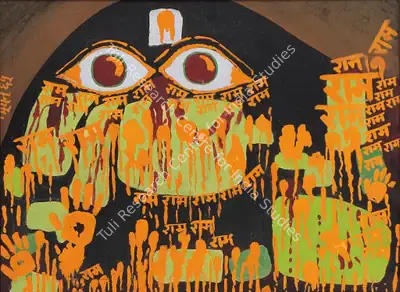
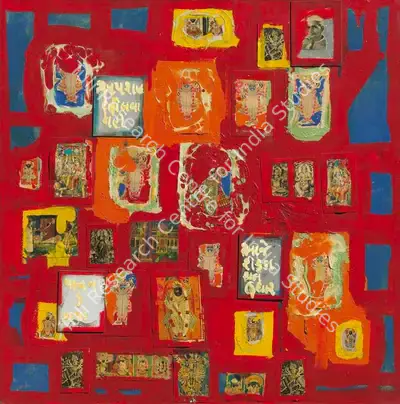
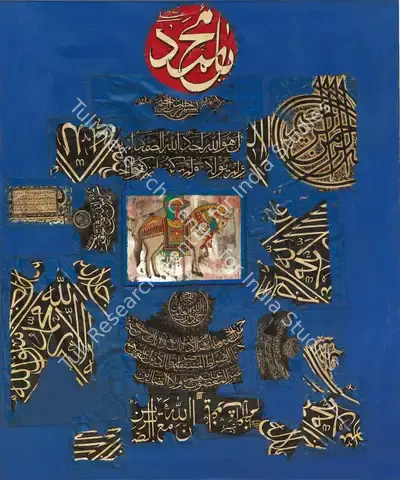
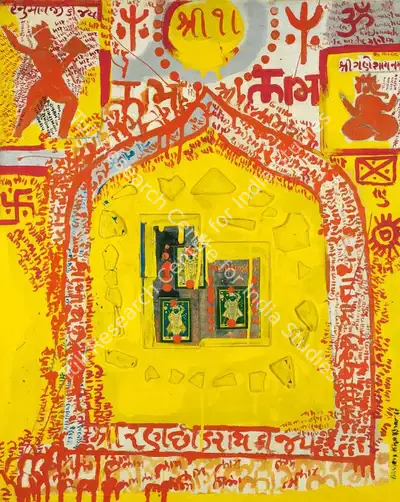
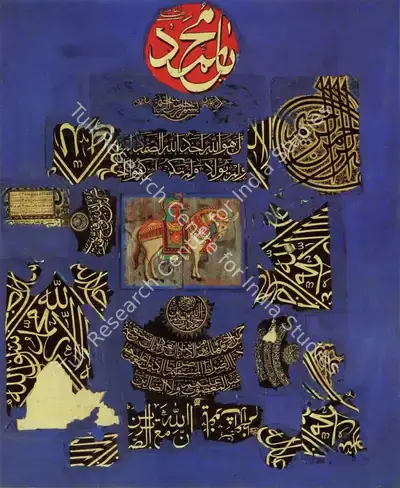
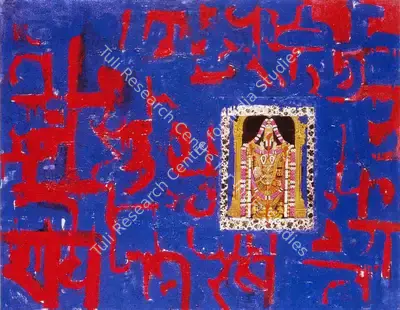
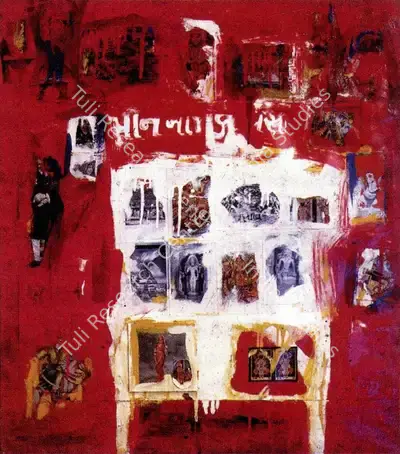
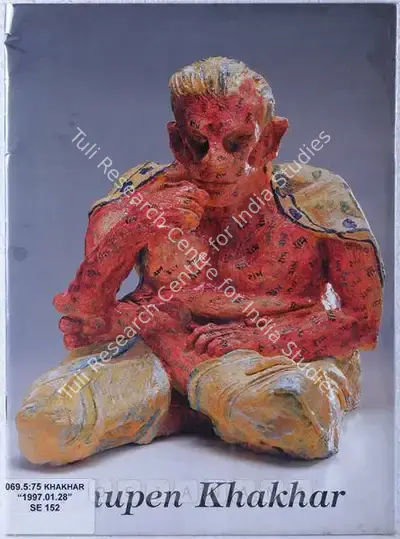
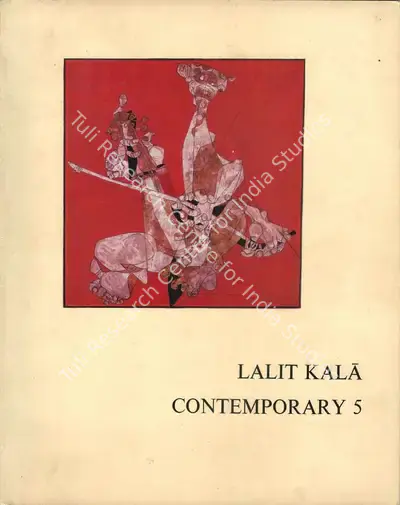
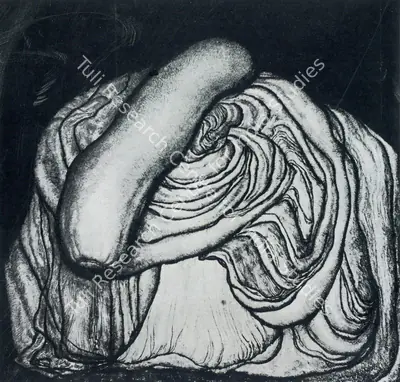
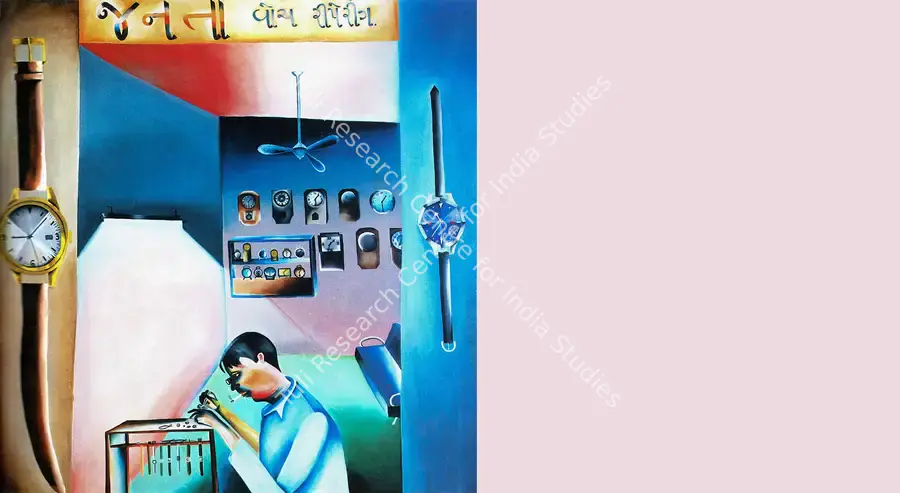
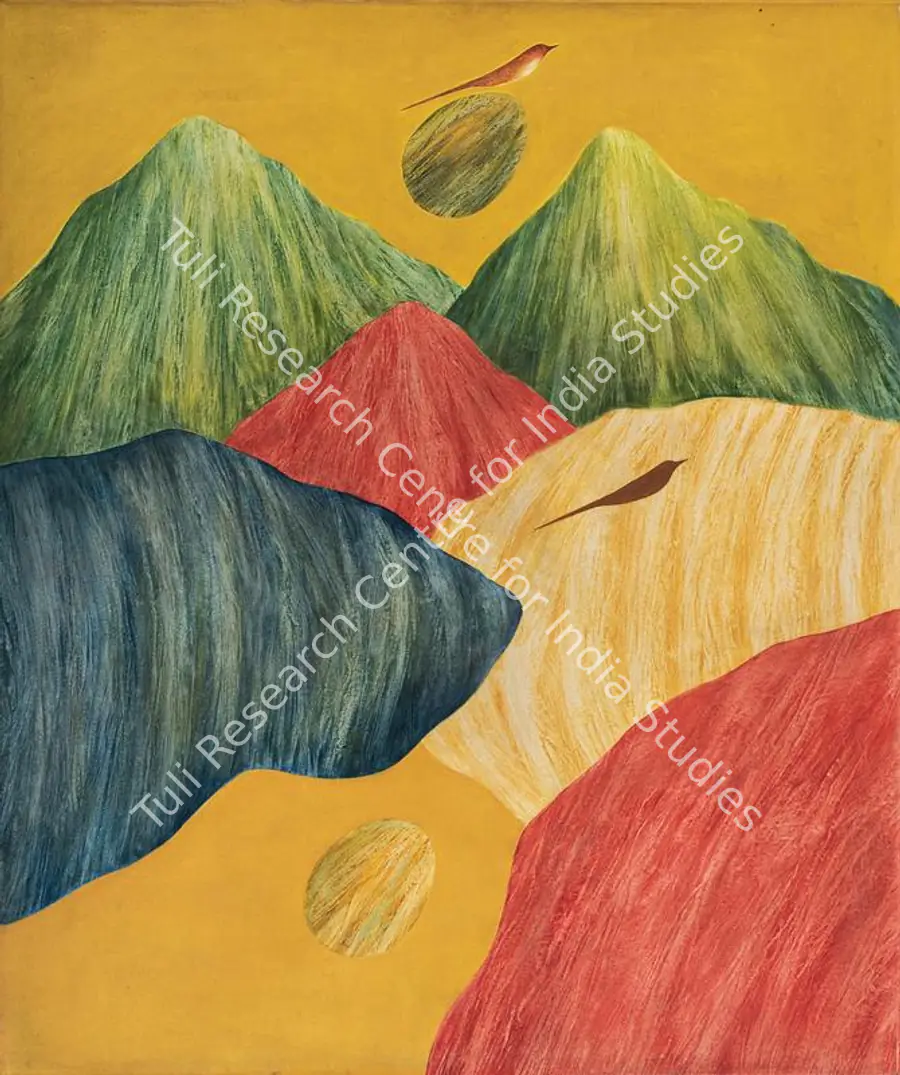
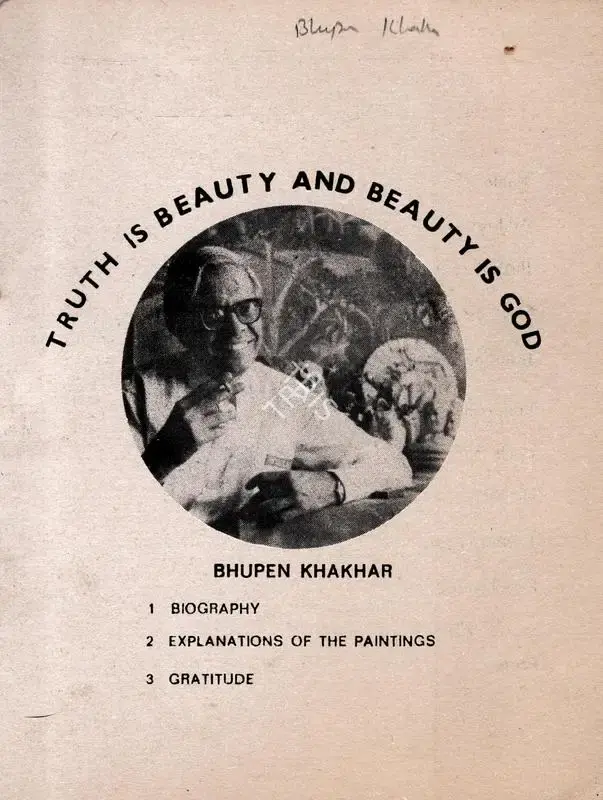
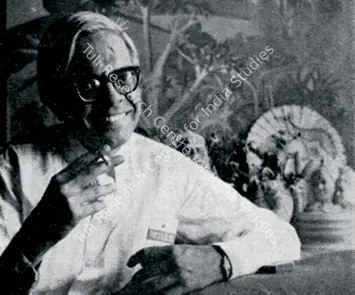
Bhupen P. Khakhar — featured artwork

Introduction

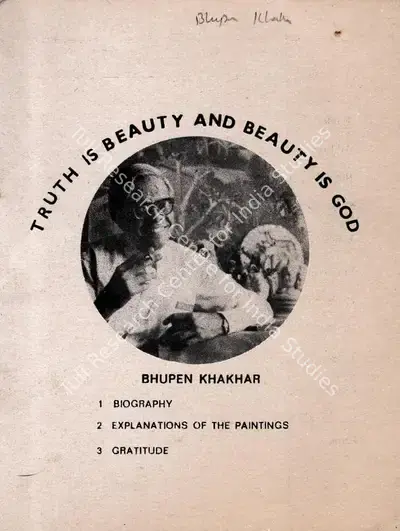
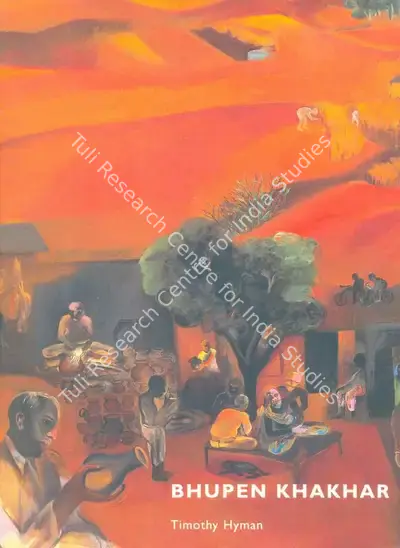
Bhupen Khakhar is one of the pioneers of Indian Pop-Art and a member of the Baroda Group of artists. Being an autodidact, he sought out to combine traditional Indian aesthetics with Indian and Western pop and figurative art. He is, among other things, a reconteur and writer of short stories. In the 1980s he became one of the first artists to openly come out as gay and deal with the issues of homosexuality through his paintings.
Date of Birth
10 Mar 1934
Date of Death
08 Aug 2003
Age
69
Nationality
Indian
Place of Birth
Gulalwadi, Bombay, Maharashtra, India
Place of Death
Vadodara, Gujarat, India
Parent(s)
Parmanand Kalidas
State Country of Birth
Maharashtra, India
State Country of Death
Gujarat, India

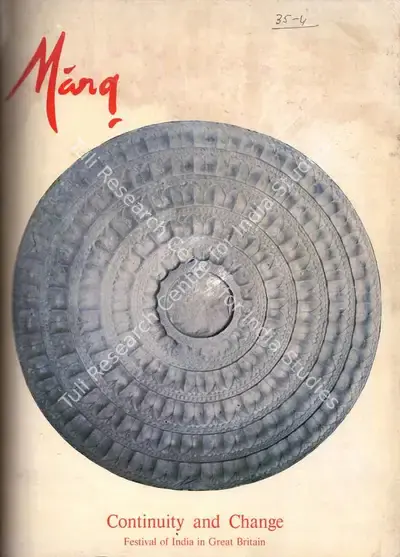
Exhibitions

  1. 1963

    1. Inaugural Exhibition, Chemould Prescott Road, Mumbai, India
  2. 1965

    1. Art Now in India, Liang Art Gallery, New Castle, UK
    2. Art Now in India, Royal Festive Hall, London, UK
    3. Jehangir Art Gallery, Mumbai, India
  3. 1966

    1. Art Now in India, Curated by George Butcher, at London, New Castle & Ghent
  4. 1967
    1. Kunika-Chemould Art Gallery, New Delhi, India
    2. Taj Art Gallery, Mumbai, India
    3. Seven Painters, Gallery One, London, UK
  5. 1968

    1. Art Scene Today, Organised by Gallery Chemould, at Sanskar Kendra, Ahmedabad, India
    2. IX Biennale de Sao Paulo, Brazil
    3. 1st International Triennale India, New Delhi, India
    4. Joint exhibition with Helen Marshall and Phillip Martin at, Jehangir Art Gallery, Mumbai, India
  6. 1969

    1. Represented in Sao Paulo Biennale, Brazil
    2. Indian Painters'69, Organised by Max Mueller Bhavan, at the Birla Academy of Art & Culture, Kolkata, India
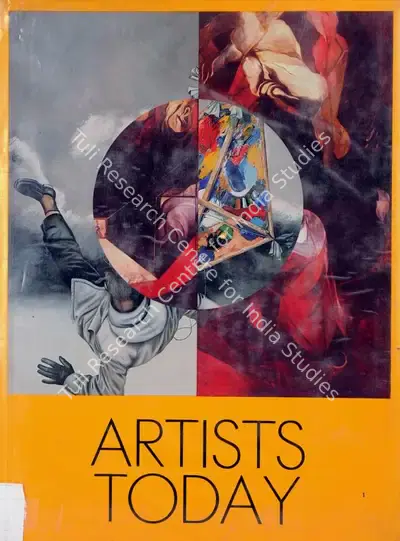
    3. Art Today I & II, Kunika Chemould Art Centre, New Delhi, India
  7. 1970

    1. Kunika-Chemould Art Gallery, New Delhi, India
  8. 1971

    1. Art Today III, Kunika Chemould Art Centre, New Delhi, India
  9. 1972

    1. Chemould Prescott Road, Mumbai, India
    2. 2nd International Triennale India, New Delhi, India
    3. Gallery Kore, Zurich, Switzerland
20 of 199

Integrated Timeline

58 entries

Chronicled Highlights

Economics of Art

Research Centre

Posts 2

  1. Bhupen Khakhar's "Trade Series"
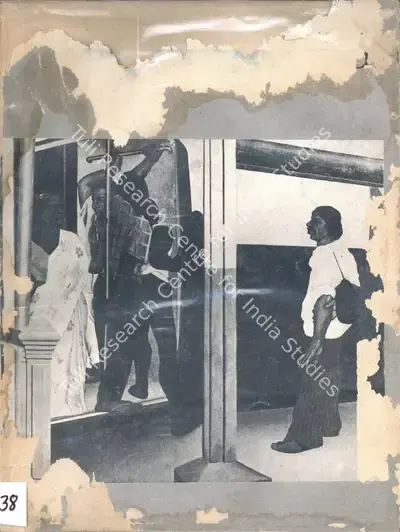
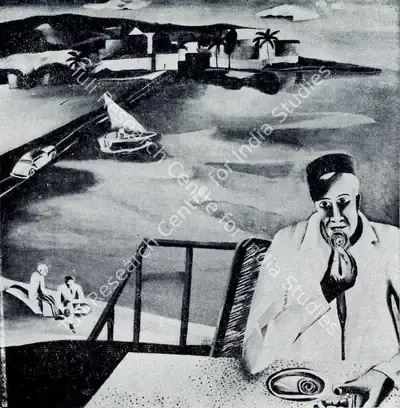
    The early 1970s marked a transformative period in Bhupen Khakhar's artistic evolution. Around 1972, Khakhar began developing a distinctive visual language focused on portraying the everyday lives of ordinary men. This shift culminated in his renowned "Trade Series" - a collection of paintings that resemble large, marquee-style portraits of individuals engaged in various professions, reminiscent of eighteenth-century Company School paintings. Art critic Timothy Hyman notes that Khakhar ventured into an unprecedented artistic realm, capturing the essence of a half-westernized, half-urbanized modern India. His unique position working as an accountant while engaging intimately with a diverse range of human experiences allowed him to present a vivid portrayal of Indian life. Khakhar's "Trade Series" represents a profound departure from traditional artistic confines, effectively dissolving the barrier between studio art and everyday reality.
  2. All Living Souls
    Tuli Research Centre for India Studies presents All Living Souls - Expressed in the Modern and Contemporary Fine & Popular Indian Arts Curated by Neville Tuli As part of launching the 16th Research Category for India Studies - "The Animal-Human-Nature-Continuum" we present a fascinating exhibition of modern and contemporary Indian fine and popular arts and their expression of the ideas and forms related to the dialogue between animals and humans, and the larger cosmic and spiritual thoughts which abide therein. Please visit the Exhibition and see the artworks by modern and contemporary masters such as Rabindranath Tagore, D.P. Roy Chowdhury, M.F. Husain, J. Swaminathan, J. Sultan Ali, Somnath Hore, Ganesh Pyne, Manjit Bawa, K. Laxma Goud, Krishna Reddy, Jyoti Bhatt, Rekha Rodwittiya, Amit Ambalal, among others, along with vintage and rare prints from the pioneering Indian chromolithographic presses such as Chitrashala, Ravi Varma, Calcutta Art Studio, Chore Bagan & Kansaripara.

Related

51