
Bala1976
Introduction
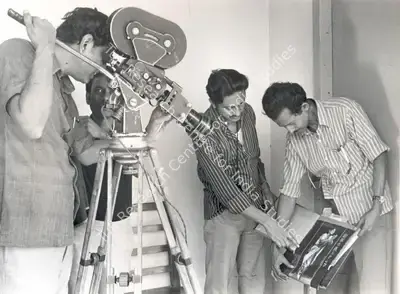
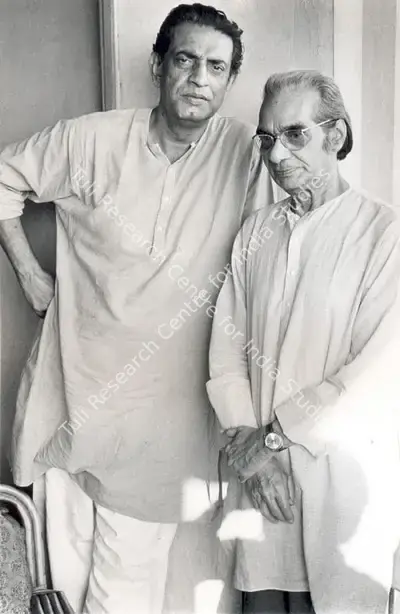
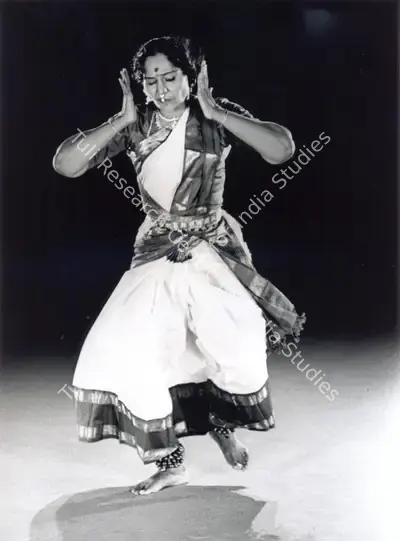
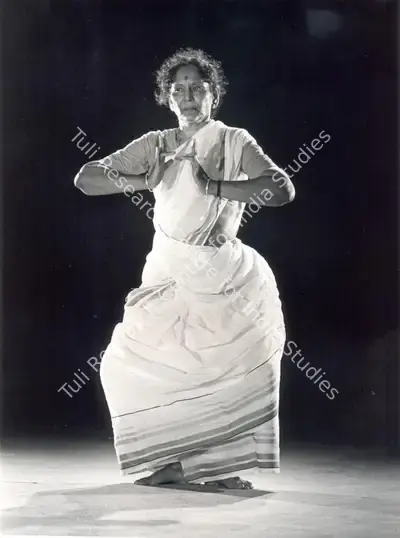
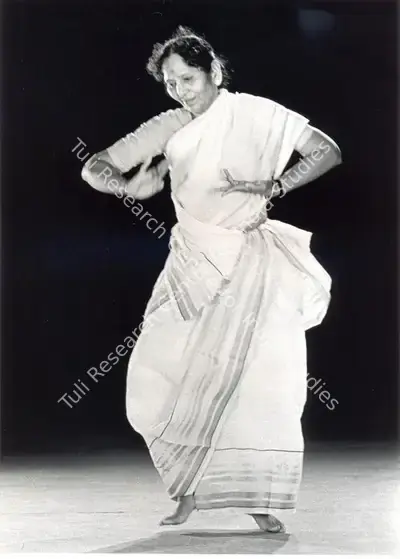
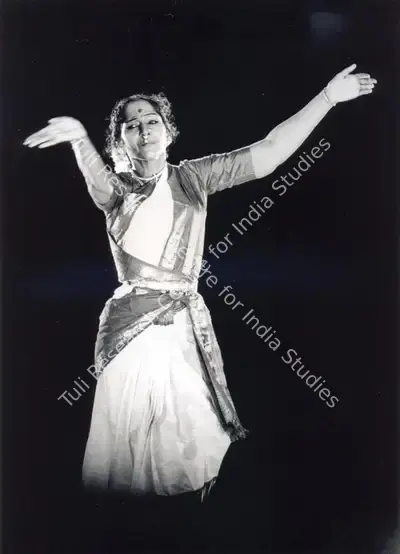
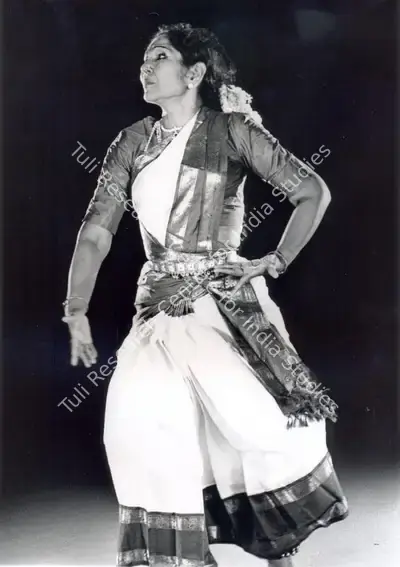
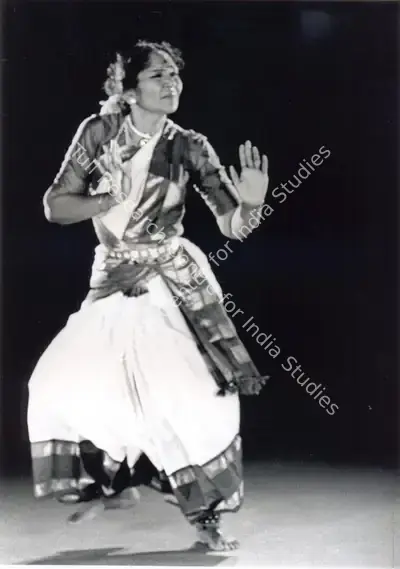
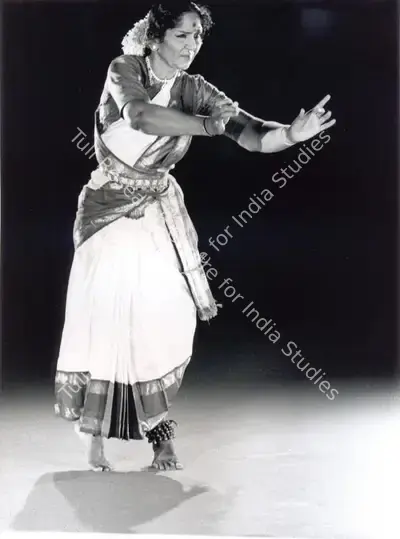
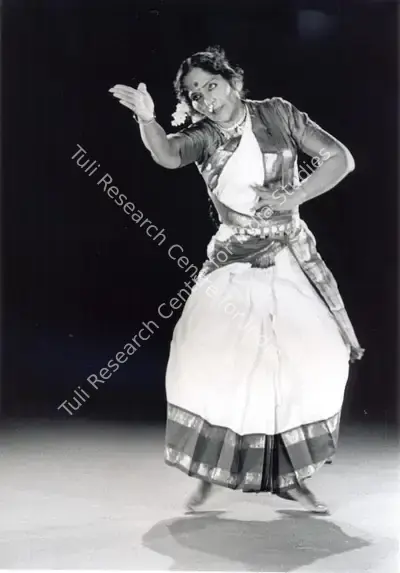
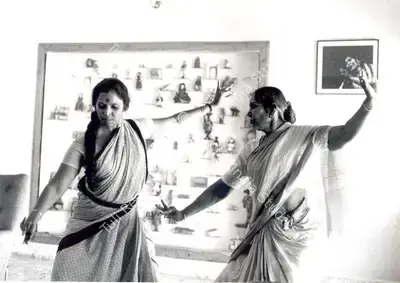
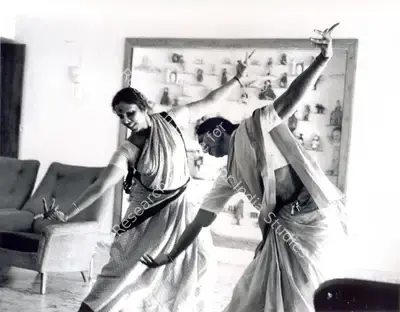
Bala (1976) Directed by Satyajit Ray, this documentary is an ode on celluloid to the soul of Bharatanatyam. Ray, considered the master of the moving image turned his lens towards a living legend, Tanjore Balasaraswati, or simply, Bala in the thirty-three-minute documentary, a collaborative offering by the National Centre for the Performing Arts and the Government of Tamil Nadu, immortalizes the spirit and artistry of India's most revered Bharatanatyam dancer.
Ray's connection with Bala was not born of commission, but of reverence. At just fourteen, he had glimpsed her dance in Calcutta in 1935. She was seventeen then, already radiant with a power that transcended age, language, and form. That moment, fleeting yet unforgettable, lay dormant within him like a seed, blooming four decades later into a cinematic tribute.
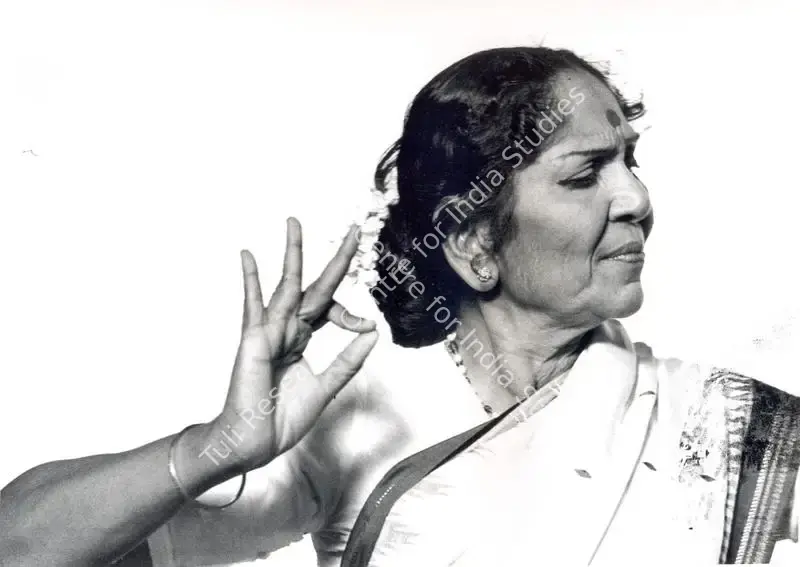
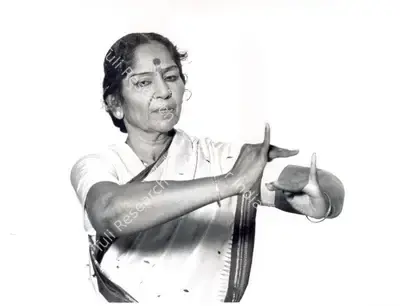
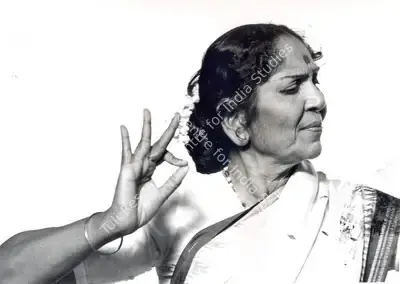
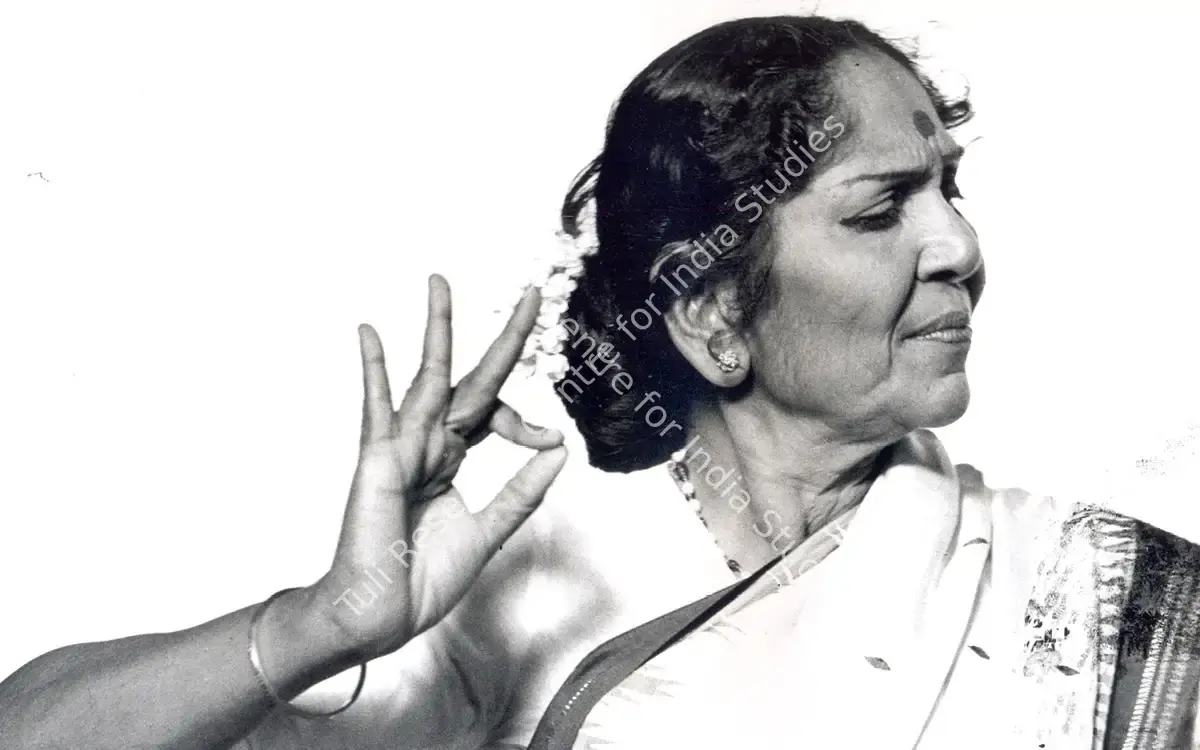
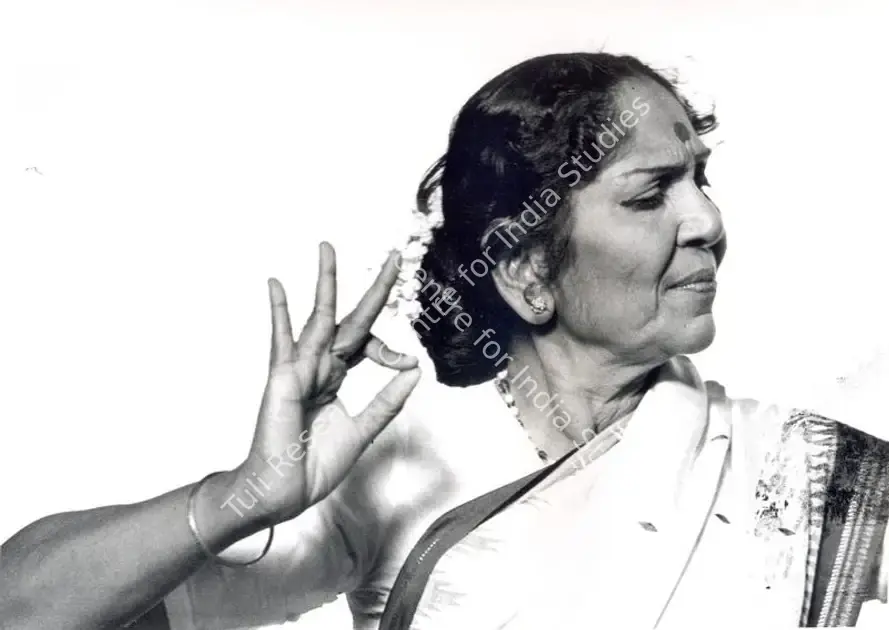
The film opens not with Bala, but with the dance itself. Bharatanatyam and its sacred origins, its vocabulary of gestures and mudras are introduced as both lineage and language. The Mayura Mudra (Peacock Gesture) is brought to life by Bala's hands, where every finger, every flicker speaks a silent eloquence.
Ray narrates, anchoring the film with a voice both scholarly and tender. He recounts Bala's illustrious heritage, a lineage steeped in devotion to art. Her debut, at age seven, unfolded at the Kamakshi Amman Temple in Kancheepuram, a sacred stage for a sacred art. Her guru, Kandappa Pillai, and her mother, the singer Jayammal, shaped the dancer she would become: rooted, resplendent, revolutionary.
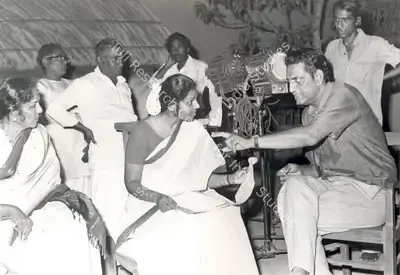
Voices of distinction echo through the documentary. The musicologist V. Raghavan deciphers her stylistic nuances; Uday Shankar, a kindred spirit of Indian dance, reflects on their artistic kinship; and V. K. Narayana Menon offers insights steeped in scholarship.
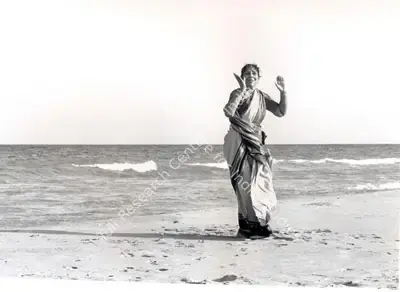
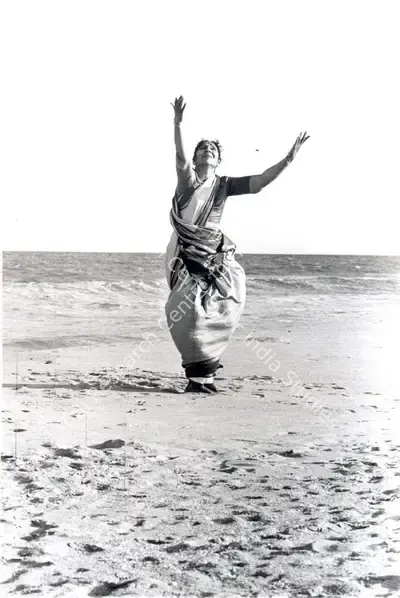
Among the many luminous sequences, Bala's performance of Krishna Ni Begane Baaro stands like a prayer by the sea. Framed against the vast ocean, her dance becomes both invocation and embodiment, drawing Krishna not just into the moment, but into the viewer's very breath. It is not just a performance, but a communion.
In 1963, Bala stepped onto the world stage at the Edinburgh Festival of Arts, performing alongside other Indian luminaries like Ravi Shankar, M. S. Subbulakshmi and Ali Akbar Khan. Her art, once rooted in temple halls, now resonated across continents. The film nods gently to this journey, never losing sight of her devotion to tradition.
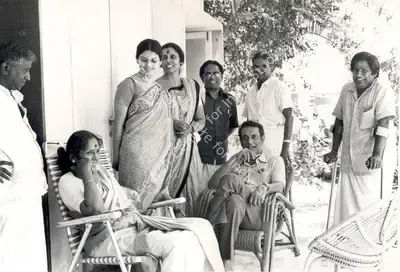
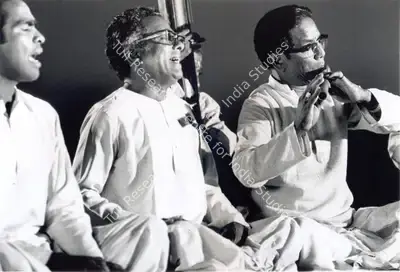
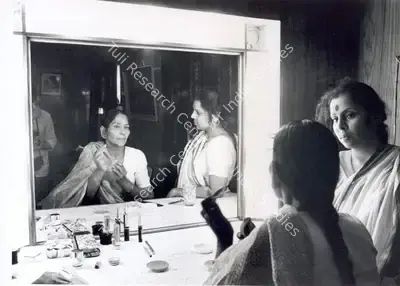
We see glimpses of her daily rhythm, moments shared with her brothers, the mridangam virtuoso T. Ranganathan and flautist T. Viswanathan, and her daughter Lakshmi Knight, who continued the lineage with grace.
The film closes with a pada varnam—Bala's solo set to a raagamaalika, a garland of ragas. She wears the same pair of anklets from her debut at seven. Time folds in on itself. The child and the elder move as one.
Though Ray had wished to film her in 1966, when she was in her prime, the project only took shape a decade later. Still, he believed, “Bala at 58 is better than Bala never filmed at all.” And perhaps, with age came a deeper poetry, a wisdom carried in every step.
The music that scores the film is a testament to tradition: K. Ramaiah as nattuvanar, M. S. Ramadas on vocals, Viswanathan and Murthy on the flute, Tyagarajan on the violin, and the steady pulse of the mridangam by T. Ranganathan and T. Kuppuswamy.
Balasaraswati's legacy, often paired with her contemporary Rukmini Devi Arundale, reshaped Bharatanatyam from its temple roots to global recognition. Honoured with the Padma Vibhushan in 1977, she passed in 1984, aged sixty-five, leaving behind a body of work etched in movement and memory.
Though the Academy of Motion Picture Arts and Sciences has restored many of Ray's films, Bala remains unrestored, its original negative lost. And yet, like the dance it honours, the film endures in fragments, in echoes, in reverence.
निर्देशक सत्यजित राय का बाला के नृत्य से संबंध किसी औपचारिक अनुबंध से नहीं बना बल्कि यह तो उनके प्रति निर्देशक के सम्मान से जन्मा था। मात्र चौदह वर्ष की आयु में उन्होंने सन् 1935 में कलकत्ता में बाला का नृत्य देखा था। तब वह सत्रह वर्ष की थीं। लेकिन ऐसी ज्योति से दीप्त थीं जो उम्र, भाषा और रूप की सीमाओं को लांघ जाती थी। वह पल क्षणभंगुर होते हुए भी अविस्मरणीय बन गया और राय के भीतर बीज की तरह मौजूद रहा, जिसे चार दशक बाद इस सिनेमाई श्रद्धांजलि के रूप में हमने अंकुरित होते हुए देखा।
इस दस्तावेज़ी फ़िल्म की शुरुआत बाला से नहीं बल्कि स्वयं नृत्य से होती है। भरतनाट्यम अपने पवित्र उद्गम, मुद्राओं और संकेतों की समूची शब्दावली सहित यहाँ खुलता है। यहाँ वह वंश परंपरा और भाषा, दोनों के रूप में प्रस्तुत होता है। नृत्य की ख़ास 'मयूर मुद्रा' बाला के हाथों में जैसे जीवंत हो उठती है जहाँ हर अंगुली, हर कंपन एक मौन अभिव्यक्ति में बदल जाता है।
सत्यजित राय स्वयं अपने स्वर में वर्णन करते हैं। उनकी आवाज़ विद्वतापूर्ण भी है और मृदु भी। वे नृत्यांगना बाला की समृद्ध कलात्मक विरासत को रेखांकित करते हैं। एक ऐसी परम्परा जो भक्ति और साधना से सिंचित है। सात वर्ष की आयु में बाला ने कांचीपुरम के कामाक्षी अम्मन मंदिर में अपना पदार्पण किया था। यह एक पवित्र मानी गई कला के लिए पवित्र मंच था। उनके गुरु कंडप्पा पिल्लई और उनकी माँ गायिका जयम्मल ने उनके रूप में एक ऐसी नृत्यांगना को आकार दिया जो परम्परा में स्थित होकर भी उज्ज्वल और नवोन्मेषी थी।
इस फ़िल्म में कई विशिष्ट स्वर सुनाई देते हैं। संगीतविद् वी. राघवन उनकी शैली की सूक्ष्मताओं को उद्घाटित करते हैं, महान नृर्तक उदय शंकर जिन्हें समकालीन भारतीय नृत्य का अग्रदूत माना जाता है, उनके साथ अपनी कलात्मक आत्मीयता पर विचार करते हैं और वी. के. नारायण मेनन उनकी कला पर विद्वत्ता से परिपूर्ण अंतर्दृष्टियाँ प्रस्तुत करते हैं।
फ़िल्म के कई दीप्तिमान अंशों में बाला का “कृष्ण नी बेगाने बारो” बोल पर नृत्य, समुद्र तट के किनारे फ़िल्माया गया है और किसी प्रार्थना जैसा प्रतीत होता है। विशाल सागर की पृष्ठभूमि पर उनका नृत्य आह्वान भी है और अवतरण भी, जैसे वे कृष्ण को केवल उस क्षण में नहीं बल्कि दर्शक की स्मृति में भी बुला रही हों। यह मात्र एक प्रस्तुति नहीं बल्कि एक संवाद, एक साधना बन जाती है।
सन् 1963 में बाला ने 'एडिनबर्ग फ़ेस्टिवल ऑफ़ आर्ट्स' समारोह में विश्व मंच पर पदार्पण किया। वहाँ उन्होंने भारत के अन्य महान कलाकारों जैसे पण्डित रविशंकर, एम. एस. सुब्बालक्ष्मी और अली अकबर खान जैसे महान कलाकारों के साथ प्रदर्शन किया। उनकी कला जो कभी मंदिरों के भीतर तक सीमित थी, अब महाद्वीपों के पार गूँजने लगी। फ़िल्म उनकी इस यात्रा को दिखाती है पर साथ ही उनकी परम्परा के प्रति निष्ठा को भी अपनी दृष्टि से ओझल नहीं करती।
हम उनके दैनिक जीवन की झलकियाँ देखते हैं। वे अपने भाइयों मृदंग वादक टी. रंगनाथन और बाँसुरी वादक टी. विश्वनाथन के साथ दिखाई देती हैं। उनकी सुपुत्री लक्ष्मी नाइट के साथ बिताए क्षण भी फ़िल्म में हैं, उनकी बेटी ने अपनी माँ की परम्परा को आगे बढ़ाया है।
फ़िल्म का समापन एक 'पद वर्णम' से होता है। यह पद 'राग मालिका' में रचा गया बाला का एकल नृत्य है। इस नृत्य में भी वे वही घुँघरू पहनती हैं जो उन्होंने सात वर्ष की आयु में अपने पहले प्रदर्शन में पहने थे। समय मानो थम सा जाता है। बालिका और वयस्क बाला एक ही नृत्य की गति में एकाकार हो जाती हैं।
हालाँकि सत्यजित राय सन् 1966 में ही इस फ़िल्म को बनाना चाहते थे जब नृत्यांगना बाला अपने उत्कर्ष काल में थीं, लेकिन यह परियोजना एक दशक बाद ही साकार हो सकी। फिर भी राय का विश्वास था कि “अट्ठावन वर्ष की बाला, न फ़िल्माई गई बाला से सदा बेहतर हैं।” और शायद उम्र के साथ उनकी कला में वह कवितामय गहनता आ गई थी जो नृत्य की हर भंगिमा को ज्ञान की ध्वनि में बदल देती है।
फ़िल्म का संगीत परम्परा के प्रति निष्ठा का प्रमाण है। नट्टुवंगम वाद्ययंत्र पर के. रामैया, स्वर एम. एस. रामदास का, बाँसुरी पर विश्वनाथन और मूर्ति, वायलिन पर त्यागराजन और मृदंग पर टी. रंगनाथन तथा टी. कुप्पुस्वामी।
बालासरस्वती की भरतनाट्यम विरासत को अक्सर उनकी समकालीन रुक्मिणी देवी अरुंडेल के साथ रखकर देखा जाता है। उन्होंने भरतनाट्यम को मंदिरों की सीमाओं से निकालकर विश्व के मानचित्र पर मान्यता दिलवाई। उन्हें सन् 1977 में पद्मविभूषण से सम्मानित किया गया। सन् 1984 में पैंसठ वर्ष की आयु में उनका निधन हुआ और वे अपने पीछे नृत्य की अमर विरासत छोड़कर चली गईं।
हालाँकि 'एकेडेमी ऑफ़ मोशन पिक्चर आर्ट्स एंड साइंसेज़' ने सत्यजित राय की कई फ़िल्मों का रीस्टोरेशन किया है लेकिन बाला अब तक उस सूची में शामिल नहीं हो सकी है। उसका मूल निगेटिव नष्ट हो चुका है। फिर भी जिस महान नृत्य का यह सम्मान करती है, उसी की तरह यह फ़िल्म भी अपनी प्रतिध्वनियों में, स्मृति में और अवशेषों में ज़िन्दा रहेगी।
Body of Work