

Introduction
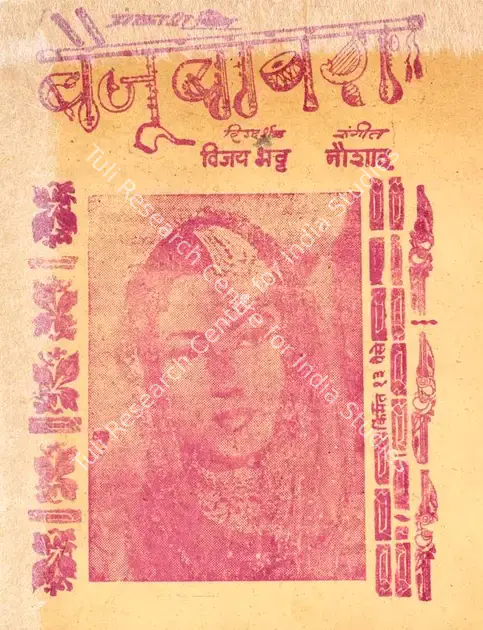
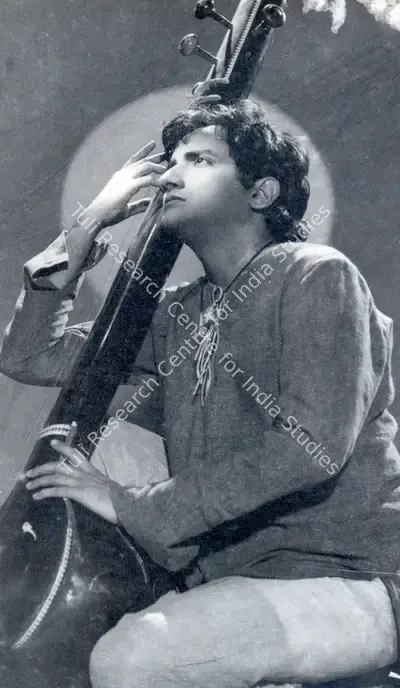
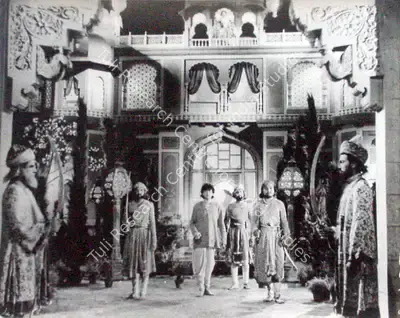
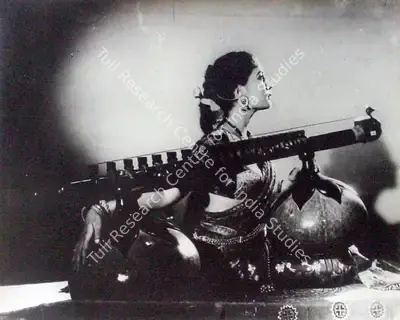
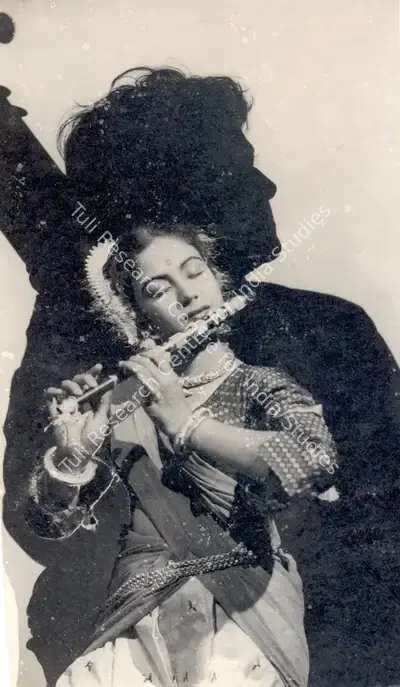
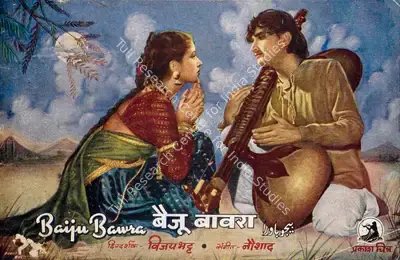
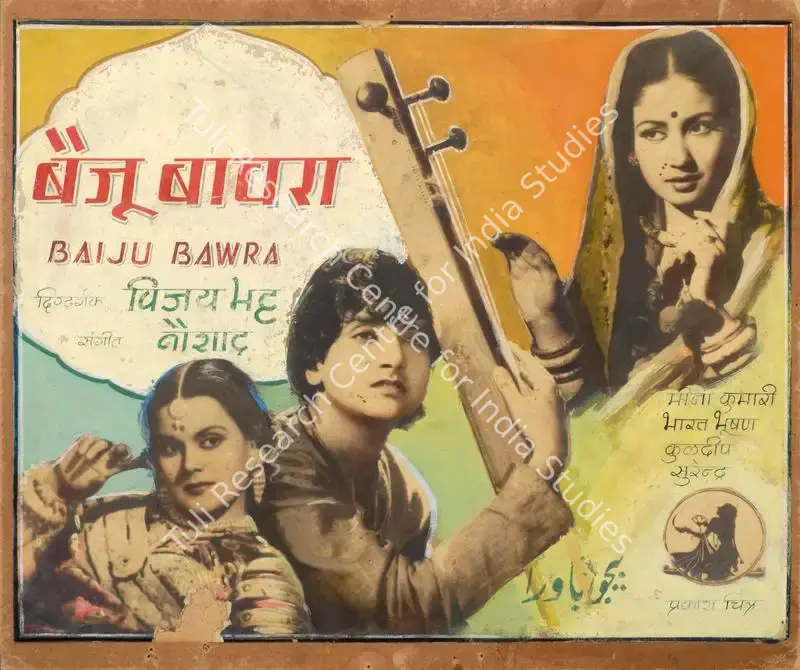
Baiju Bawra (1952) Directed by Vijay Bhatt and produced under Prakash Pictures, the film occupies a seminal place in the history of Hindi cinema. Written by Ramchandra Thakur with dialogues by Zia Sarhadi, the film emerged as both a commercial triumph and a critical landmark, sustaining an extraordinary theatrical run of one hundred weeks. Its success defied prevailing industry assumptions that classical music lacked mass appeal, demonstrating instead that rigorous musical traditions could be rendered accessible within a popular cinematic framework.
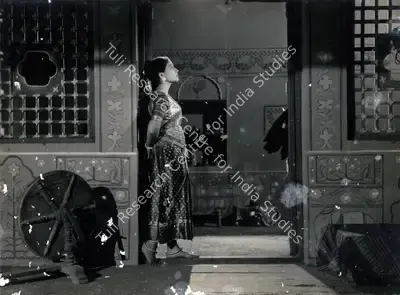
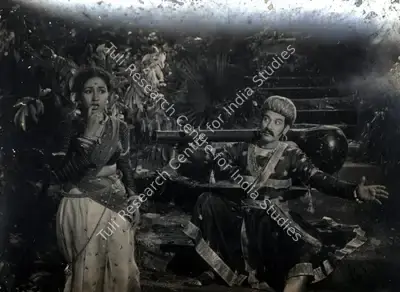
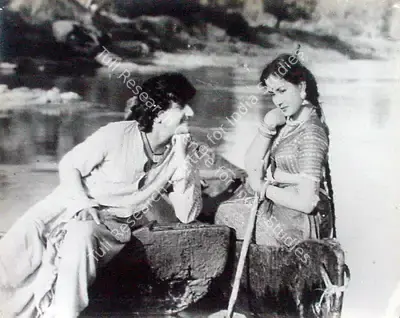
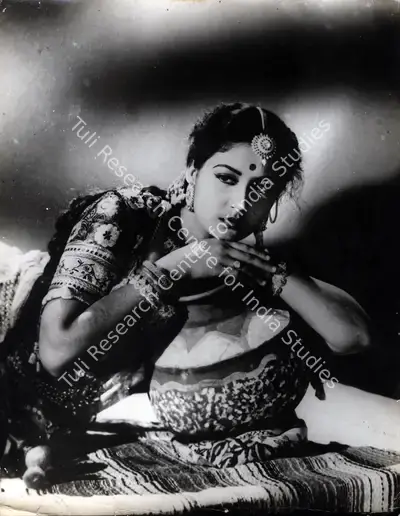
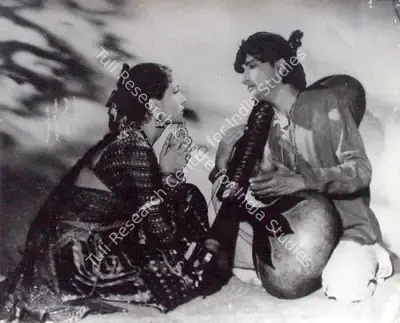
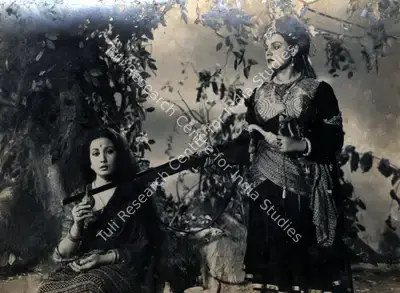
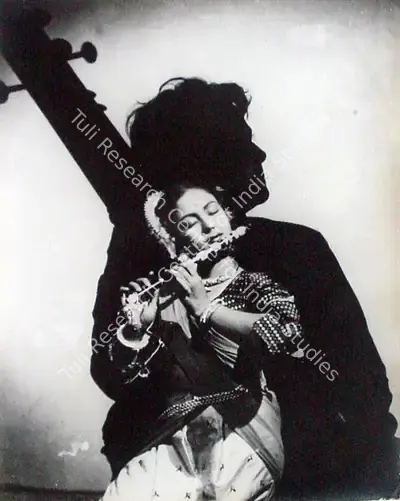
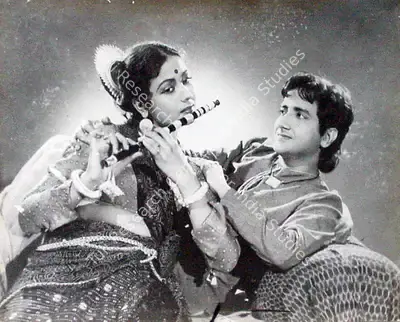
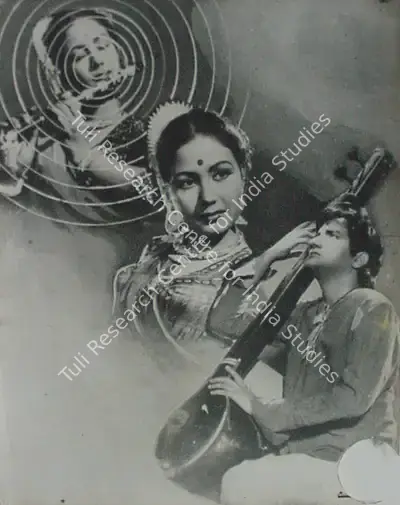
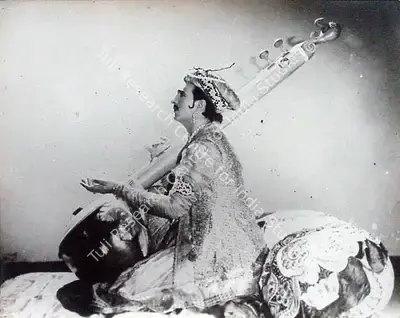
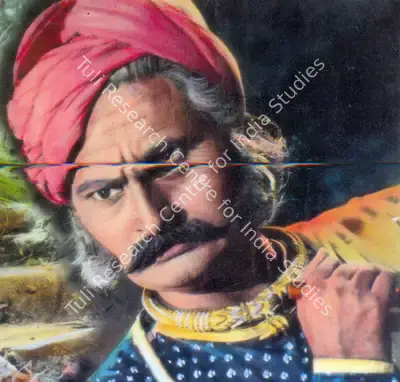
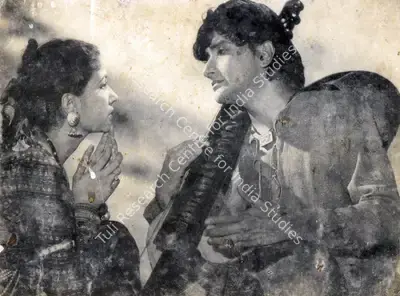
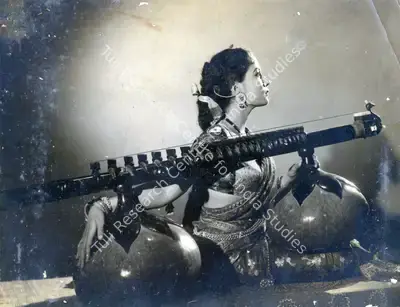
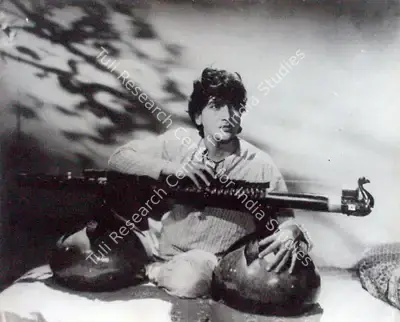
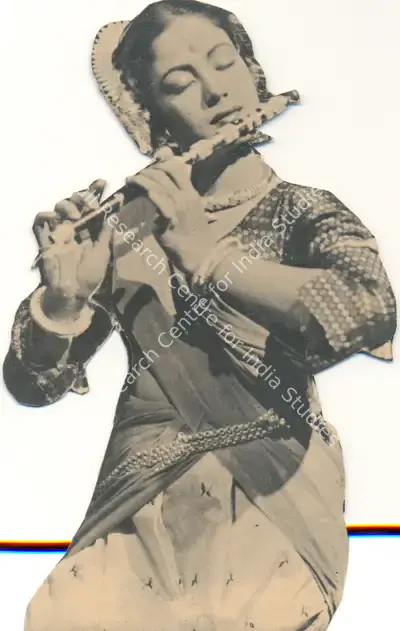
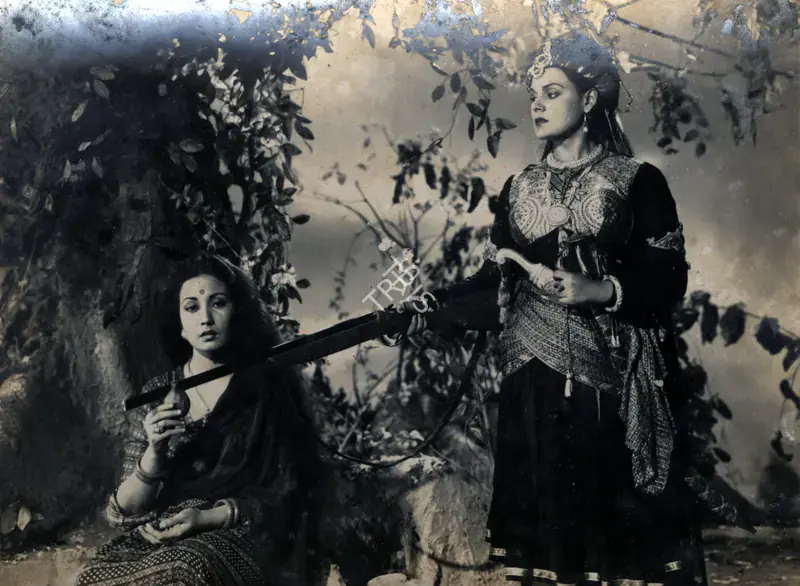
The film features Bharat Bhushan in the titular role of Baiju, alongside Meena Kumari as Gauri, a performance that would inaugurate her ascent to stardom. Supporting roles are rendered with equal distinction: Surendra portrays the legendary court musician Tansen, Kuldip Kaur appears as the dacoit queen Roopmati, and Bipin Gupta embodies Emperor Akbar. The ensemble is further strengthened by performances from Manmohan Krishna, B. M. Vyas, Radhakrishan, and Baby Tabassum.
Set against the cultural grandeur of the Mughal court, the narrative interweaves legend and history. It traces the journey of Baiju, the son of a musician, who becomes consumed by the belief that Tansen is responsible for his father's death. This conviction propels him toward a climactic musical confrontation, where vengeance is sought not through violence but through artistic supremacy. While the storyline departs from historical accounts, its dramatic construction and emotional intensity contributed significantly to the film's enduring appeal.
Ustad Amir Khan served as a musical consultant for the film, contributing his expertise in Hindustani classical traditions; the result was a soundtrack that received widespread critical acclaim for its depth, authenticity, and artistic excellence. A decisive factor in the film's impact was its music, composed by Naushad, whose work marked a decisive shift toward classical idioms in Hindi film soundtracks. Collaborating with lyricist Shakeel Badayuni, Naushad crafted compositions grounded in Hindustani ragas such as Puriya Dhanashree, Todi, Malkauns, Darbari, and Desi. Badayuni, known for his Urdu poetry, adapted his style to produce lyrics in a more Sanskritised Hindi register, enhancing the devotional and classical tone of the film. Songs such as Man Tadpat Hari Darshan Ko Aaj, O Duniya Ke Rakhwale, Tu Ganga Ki Mauj, and Aaj Gaawat Man Mero achieved enduring popularity, while the participation of classical maestros like Ustad Amir Khan and Pandit D. V. Paluskar lent the soundtrack exceptional authenticity.
The film also played a pivotal role in consolidating the reputation of playback singer Mohammad Rafi, whose renditions became defining examples of expressive vocal performance in Hindi cinema. At the inaugural Filmfare Awards in 1954, Baiju Bawra received significant recognition: Meena Kumari became the first recipient of the Best Actress award, while Naushad secured the Best Music Director honour for Tu Ganga Ki Mauj. The film's stature has endured across decades, exemplified by its inclusion among the British Film Institute's list of the greatest Indian films, affirming its legacy as a cultural and artistic milestone.
इस फ़िल्म में भरत भूषण ने बैजू की मुख्य किरदार निभाई है, साथ ही मीना कुमारी ने गौरी का किरदार निभाया है, जिससे उनके स्टारडम की शुरुआत हुई। सहायक भूमिकाओं में भी कलाकारों ने उत्कृष्ट अभिनय किया है। सुरेंद्र ने प्रसिद्ध दरबारी संगीतकार तानसेन का किरदार निभाया है, कुलदीप कौर ने डाकू रानी रूपमती की भूमिका निभाई है और बिपिन गुप्ता ने सम्राट अकबर की भूमिका निभाई है। मनमोहन कृष्ण, बी. एम. व्यास, राधाकृष्णन और बेबी तबस्सुम के अभिनय से कलाकारों की टोली और भी मज़बूत होती है।
मुगल दरबार की सांस्कृतिक भव्यता की पृष्ठभूमि पर आधारित यह कहानी दास्तान और इतिहास को आपस में जोड़ती है। यह एक संगीतकार के पुत्र बैजू की यात्रा का वर्णन करती है, जो इस दृढ़ विश्वास से ग्रस्त हो जाता है कि उसके पिता की मृत्यु के लिए तानसेन जिम्मेदार हैं। यह दृढ़ विश्वास उसे एक निर्णायक संगीतमय संघर्ष की ओर ले जाता है, जहाँ बदला हिंसा से नहीं बल्कि कलात्मक श्रेष्ठता से लिया जाता है। यद्यपि कहानी ऐतिहासिक वृत्तांतों से भिन्न है, फ़िर भी इसकी नाटकीय संरचना और भावनात्मक तीव्रता ने फ़िल्म की लोकप्रियता को बनाए रखने में महत्वपूर्ण योगदान दिया है।
उस्ताद अमीर ख़ान ने फ़िल्म के लिए संगीत सलाहकार के रूप में काम किया और हिंदुस्तानी शास्त्रीय संगीत में अपनी विशेषज्ञता से योगदान दिया। परिणामस्वरूप, फ़िल्म का संगीत अपनी गहराई, प्रामाणिकता और कलात्मक उत्कृष्टता के लिए व्यापक रूप से सराहा गया। फ़िल्म के प्रभाव में एक निर्णायक कारक इसका संगीत था, जिसे नौशाद ने रचा था। उनके काम ने हिंदी फ़िल्म संगीत में शास्त्रीय शैली की ओर एक महत्वपूर्ण बदलाव लाया। गीतकार शकील बदायूनी के साथ मिलकर, नौशाद ने पुरिया धनाश्री, तोड़ी, मलकौंस, दरबारी और देसी जैसे हिंदुस्तानी रागों पर आधारित रचनाएँ तैयार कीं। उर्दू शायरी के लिए प्रसिद्ध बदायूनी ने अपनी शैली को अधिक संस्कृतनिष्ठ हिंदी लहजे में ढालकर गीत लिखे, जिससे फ़िल्म की भक्तिमय और शास्त्रीय भावना और भी निखर गई। मन तड़पत हरि दर्शन को आज, ओ दुनिया के रखवाले, तू गंगा की मौज और आज गावत मन मेरो जैसे गीतों ने स्थायी लोकप्रियता हासिल की, जबकि उस्ताद अमीर ख़ान और पंडित डी. वी. पलुस्कर जैसे शास्त्रीय उस्तादों की भागीदारी ने साउंडट्रैक को असाधारण प्रामाणिकता प्रदान की।
इस फ़िल्म ने पार्श्व गायक मोहम्मद रफ़ी को भी स्थापित करने में अहम भूमिका निभाई, जिनके गायन हिंदी सिनेमा में भावपूर्ण गायन के उत्कृष्ट उदाहरण बन गए। 1954 में आयोजित पहले फ़िल्मफ़ेयर पुरस्कारों में बैजू बावरा को महत्वपूर्ण पुरस्कार प्राप्त हुआ। मीना कुमारी सर्वश्रेष्ठ अभिनेत्री का पुरस्कार पाने वाली पहली अभिनेत्री बनीं, जबकि नौशाद को 'तू गंगा की मौज' के लिए सर्वश्रेष्ठ संगीत निर्देशक का पुरस्कार मिला। दशकों से इस फ़िल्म का महत्व बरक़रार है, जिसका प्रमाण ब्रिटिश फ़िल्म इंस्टीट्यूट की महानतम भारतीय फ़िल्मों की सूची में इसका शामिल होना है, जो सांस्कृतिक और कलात्मक दृष्टि से एक मील का पत्थर के रूप में इसकी विरासत को पुष्ट करता है।