
Zia Sarahadi
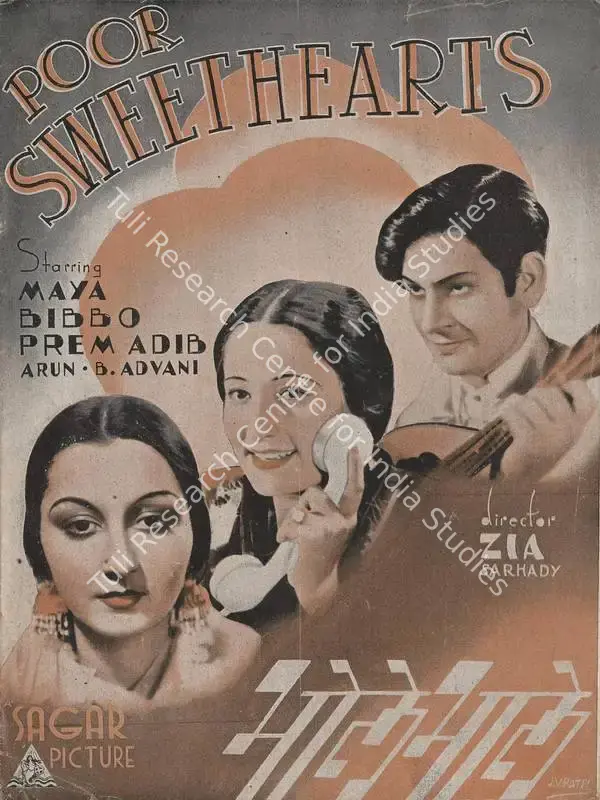
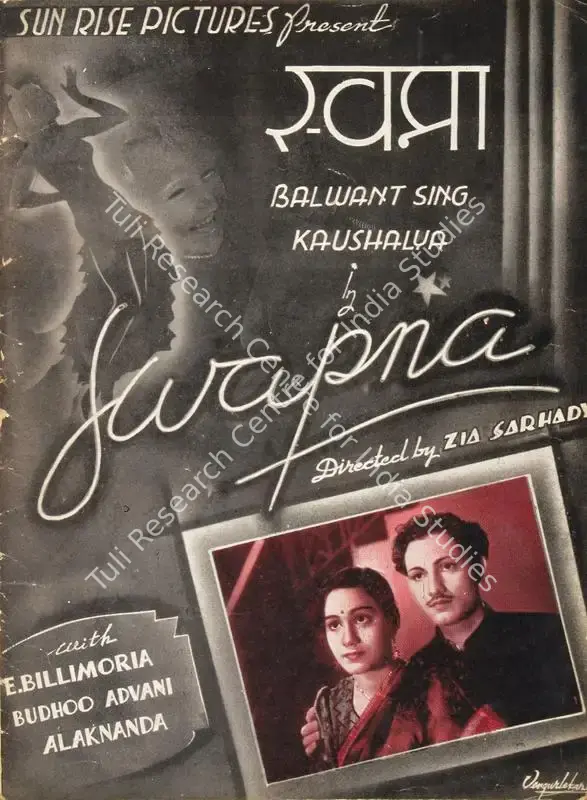
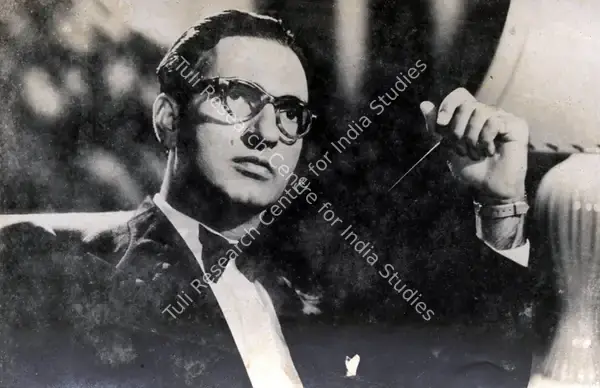
Zia Sarahadi (1914 – 27 January 1997) He was an Indian-born screenwriter, lyricist, and film director who later settled in Pakistan. Active during the formative decades of Indian cinema, his career coincided with what is widely regarded as the Golden Age of Hindi cinema. Though often overshadowed by some of his contemporaries, Sarhadi occupies a significant place in Indian film history as one of the earliest filmmakers to combine social commitment with cinematic realism, anticipating many of the concerns that would later define the parallel cinema movement.
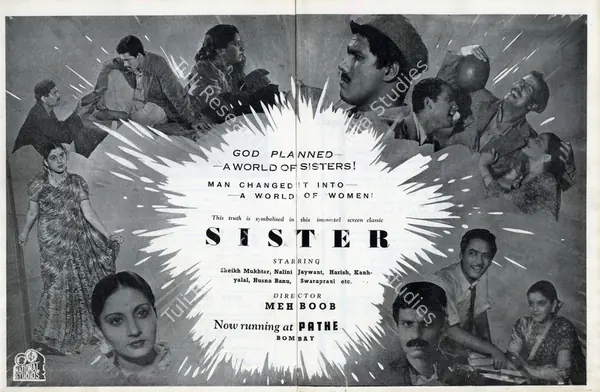
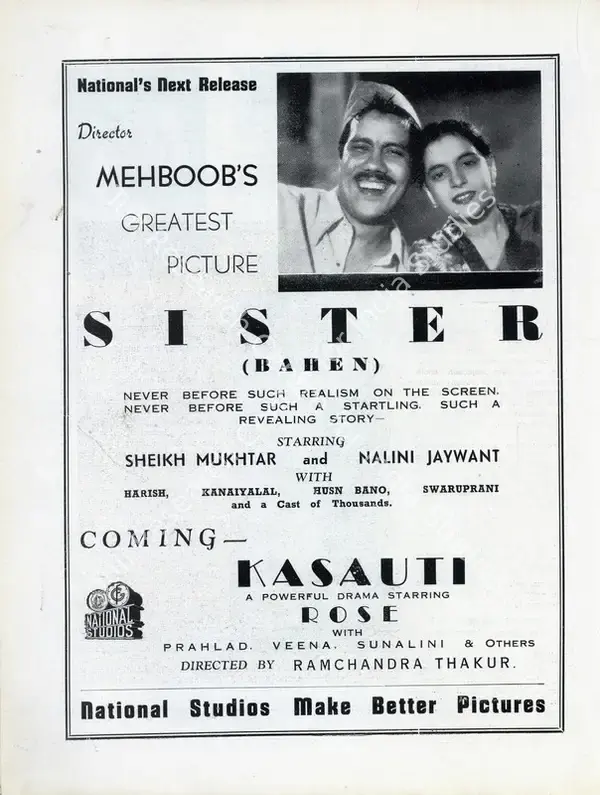
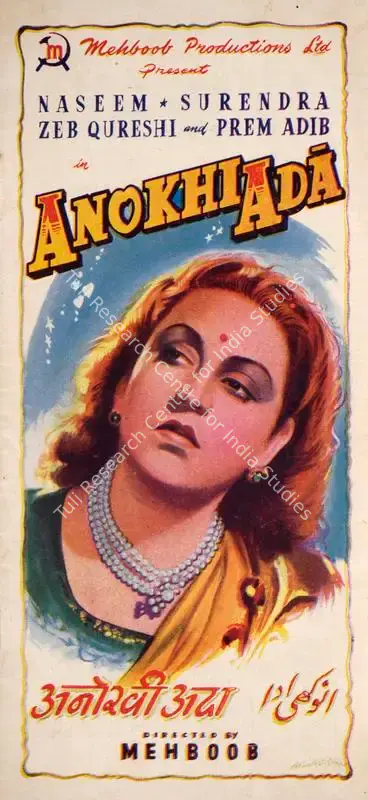
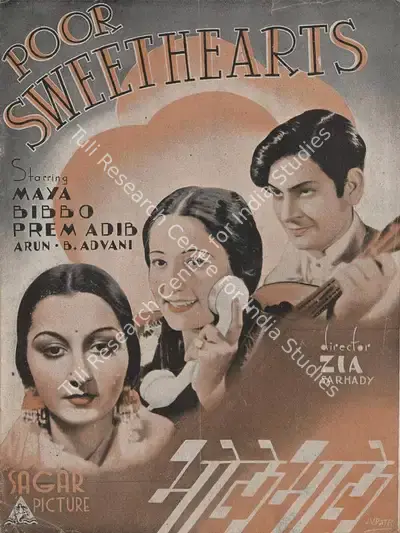
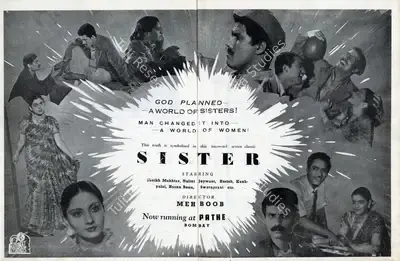
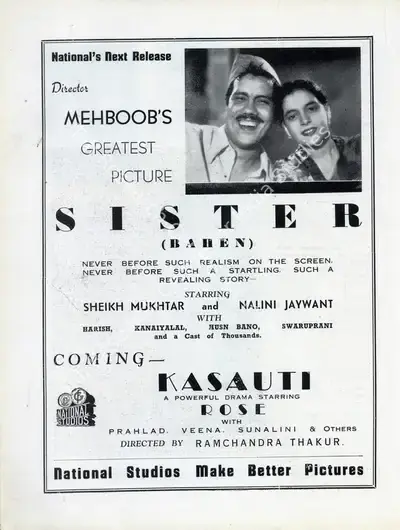
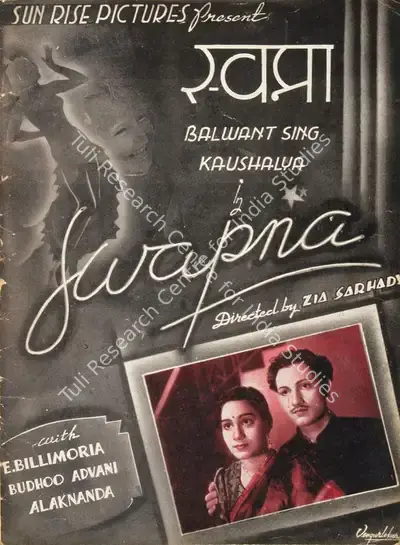
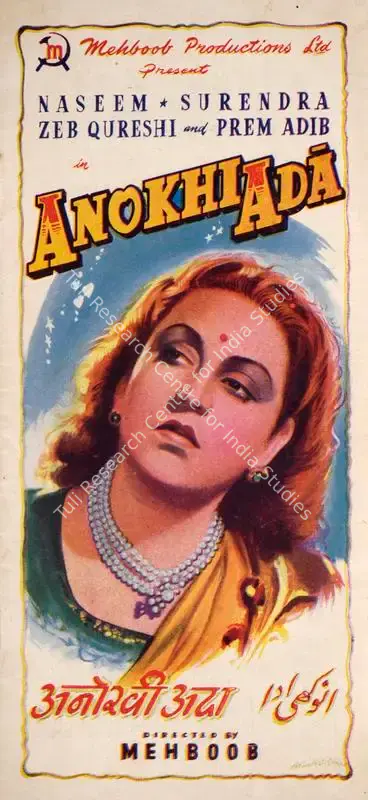
Born in Peshawar, then part of British India, Sarahadi received his early education there and completed his college studies before moving to Bombay in 1933 to pursue a career in films. During his student years, he cultivated a deep interest in literature, writing poetry and short stories, an engagement that profoundly shaped the literary quality and social consciousness of his screenplays. After briefly working with the East India Film Company and several other production houses, he came into contact with the eminent filmmaker Mehboob Khan. Recognizing Sarahadi's literary talent, Mehboob encouraged him to devote himself to screenwriting, an association that proved instrumental in launching his distinguished career.
Sarahadi soon emerged as one of the most socially conscious writers and directors of his generation. His films consistently explored themes of poverty, unemployment, class inequality, moral conflict, and the struggles of ordinary people in a rapidly changing post-Independence India. Long before realism became an established cinematic movement, Sarahadi infused mainstream narratives with a rare humanism and an acute awareness of social injustice.
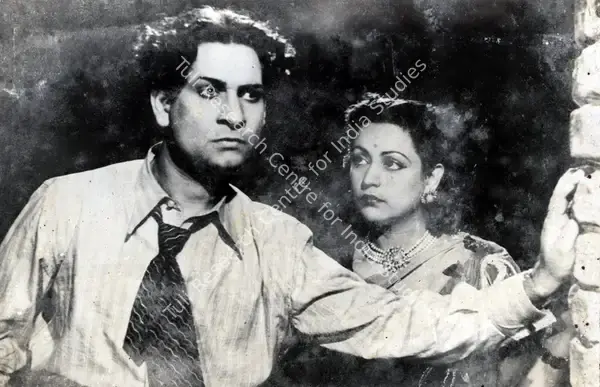
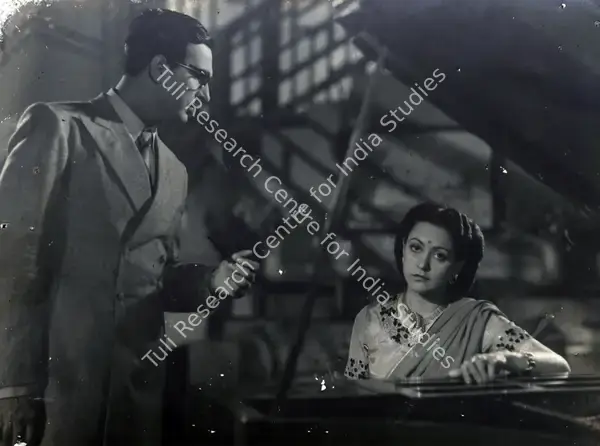
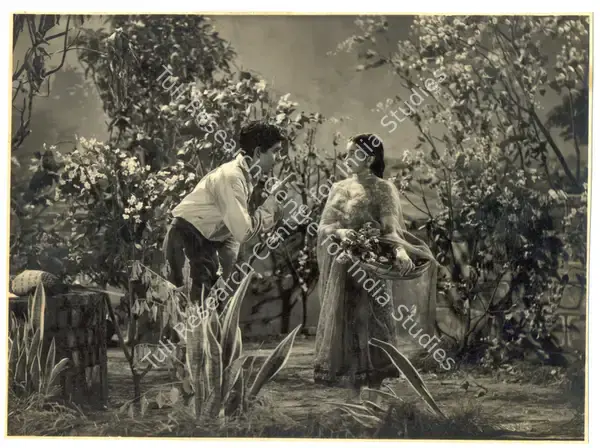
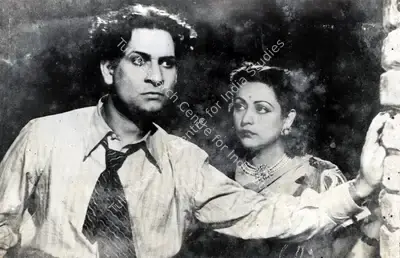
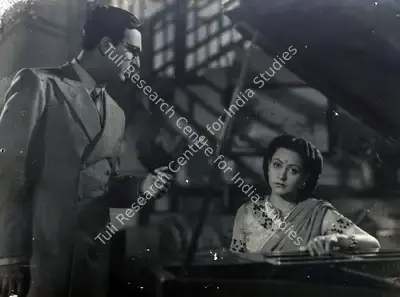
Among his most celebrated directorial achievements are Hum Log (1951), Footpath (1953), and Awaaz (1956), all of which are now regarded as pioneering works of social realism in Hindi cinema. Hum Log, one of the earliest Indian films to portray the aspirations and hardships of the urban middle class, offered an unusually authentic depiction of everyday life. Footpath, featuring Dilip Kumar, remains a landmark exploration of morality, corruption, and individual conscience, examining the ethical dilemmas confronting an ambitious young man in an unequal society. Through these films, Sarahadi demonstrated an exceptional ability to balance compelling storytelling with incisive social commentary.
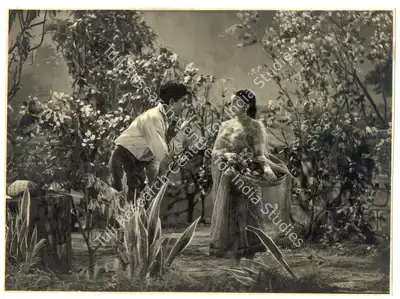
Although he did not direct Baiju Bawra (1952), Sarahadi's contribution as its screenwriter was crucial to the film's emotional depth and dramatic structure, helping shape one of the most enduring classics of Hindi cinema. Equally significant, though seldom acknowledged, was his role as a script consultant on Mehboob Khan's Mother India (1957), the Academy Award-nominated epic widely regarded as one of the greatest achievements of Indian cinema. His contribution to refining the screenplay remains an underappreciated aspect of the film's creative history.
Often described as an "unaffiliated Marxist," Sarahadi never allowed ideology to overshadow character or narrative. Instead, his political convictions informed a compassionate cinematic vision that emphasized dignity, justice, and the lived experiences of marginalized communities. His films reflected a profound faith in human resilience while offering a trenchant critique of social and economic inequalities.
Following the Partition of India, Sarahadi eventually settled in Pakistan, where he continued to write for films and television. He was the father of the noted television and radio actor Khayyam Sarahadi and the grandfather of actress Zhalay Sarahadi, leaving behind a distinguished artistic legacy that extended across generations and national borders.
Zia Sarahadi died of a heart attack in Madrid, Spain, on 27 January 1997, at the age of eighty-two. In accordance with his wishes, he was laid to rest in his hometown of Peshawar. Today, his work is increasingly recognized for its pioneering contribution to socially engaged Indian cinema and for laying the foundations of a realist tradition that would influence generations of filmmakers.
पेशावर (जो उस समय ब्रिटिश भारत का हिस्सा था) में जन्मे सरहदी ने अपनी शुरुआती पढ़ाई वहीं की और कॉलेज की पढ़ाई पूरी करने के बाद 1933 में फ़िल्मों में करियर बनाने के लिए बॉम्बे चले गए। पढ़ाई के दिनों में ही उन्हें साहित्य में गहरी दिलचस्पी हो गई थी और वे कविताएँ और लघु कथाएँ लिखते थे। इसी लगाव ने उनके पटकथा लेखन की साहित्यिक गुणवत्ता और सामाजिक चेतना को गहराई से प्रभावित किया। ईस्ट इंडिया फ़िल्म कंपनी और कई अन्य प्रोडक्शन हाउस के साथ कुछ समय तक काम करने के बाद, वे मशहूर फ़िल्म निर्माता महबूब ख़ान के संपर्क में आए। सरहदी की साहित्यिक प्रतिभा को पहचानते हुए, महबूब ने उन्हें पटकथा लेखन पर ध्यान केंद्रित करने के लिए प्रोत्साहित किया। यह साथ उनके शानदार करियर की शुरुआत में बहुत अहम साबित हुआ।
सरहदी जल्द ही अपनी पीढ़ी के सबसे सामाजिक रूप से जागरूक लेखकों और निर्देशकों में से एक के रूप में उभरे। उनकी फ़िल्मों में लगातार ग़रीबी, बेरोज़गारी, वर्ग-असमानता, नैतिक द्वंद्व और आज़ादी के बाद तेज़ी से बदलते भारत में आम लोगों के संघर्षों जैसे विषयों को दिखाया गया। यथार्थवाद के एक स्थापित सिनेमाई आंदोलन बनने से बहुत पहले ही, सरहदी ने मुख्यधारा की कहानियों में एक दुर्लभ मानवीयता और सामाजिक अन्याय के प्रति गहरी समझ का समावेश किया।
उनके निर्देशन में बनी सबसे मशहूर फ़िल्मों में 'हम लोग' (1951), 'फ़ुटपाथ' (1953) और 'आवाज़' (1956) शामिल हैं। इन सभी फ़िल्मों को अब हिंदी सिनेमा में सामाजिक यथार्थवाद की दिशा में शुरुआती और अहम काम माना जाता है। 'हम लोग' उन शुरुआती भारतीय फ़िल्मों में से एक थी, जिसमें शहरी मध्यम वर्ग की उम्मीदों और मुश्किलों को दिखाया गया था और रोज़मर्रा की ज़िंदगी को बहुत ही असलियत के साथ पेश किया गया था। दिलीप कुमार की मुख्य भूमिका वाली फ़िल्म 'फ़ुटपाथ' नैतिकता, भ्रष्टाचार और इंसान की अपनी ज़मीर की आवाज़ को समझने की दिशा में एक अहम फ़िल्म है। इसमें एक ऐसे महत्वाकांक्षी नौजवान की नैतिक दुविधाओं को दिखाया गया है जो असमान समाज में रहता है। इन फ़िल्मों के ज़रिए सरहदी ने ज़बरदस्त कहानी कहने और तीखी सामाजिक टिप्पणी करने के बीच बेहतरीन तालमेल बिठाने की अपनी असाधारण क़ाबिलियत दिखाई।
हालांकि उन्होंने 'बैजू बावरा' (1952) का निर्देशन नहीं किया था, लेकिन एक पटकथा लेखक के तौर पर सरहदी का योगदान फ़िल्म की भावनात्मक गहराई और नाटकीय संरचना के लिए बहुत अहम था। इसने हिंदी सिनेमा की सबसे यादगार क्लासिक फ़िल्मों में से एक को आकार देने में मदद की। महबूब ख़ान की 'मदर इंडिया' (1957) में स्क्रिप्ट कंसल्टेंट के तौर पर उनकी भूमिका भी उतनी ही महत्वपूर्ण थी, हालांकि इसे शायद ही कभी पहचाना गया। यह फ़िल्म अकादमी पुरस्कार के लिए नामांकित एक ऐसी महाकाव्य फ़िल्म थी जिसे भारतीय सिनेमा की सबसे बड़ी उपलब्धियों में से एक माना जाता है। पटकथा को बेहतर बनाने में उनके योगदान को फ़िल्म के रचनात्मक इतिहास में कम आंका गया है।
अक्सर "किसी पार्टी से न जुड़े मार्क्सवादी" कहे जाने वाले सरहदी ने कभी भी अपनी विचारधारा को अपने किरदारों या कहानी पर हावी नहीं होने दिया। इसके बजाय, उनकी राजनीतिक सोच ने एक ऐसी संवेदनशील सिनेमाई दृष्टि को आकार दिया, जिसमें सम्मान, न्याय और हाशिए पर रहने वाले समुदायों के वास्तविक अनुभवों पर ज़ोर दिया गया। उनकी फ़िल्में इंसानी हिम्मत और सहनशक्ति में गहरे भरोसे को दिखाती थीं, साथ ही सामाजिक और आर्थिक असमानताओं की तीखी आलोचना भी करती थीं।
भारत के बंटवारे के बाद सरहदी पाकिस्तान में बस गए, जहाँ उन्होंने फ़िल्मों और टेलीविज़न के लिए लिखना जारी रखा। वे मशहूर टेलीविज़न और रेडियो एक्टर ख़य्याम सरहदी के पिता और एक्ट्रेस ज़ाले सरहदी के दादा थे। उन्होंने कला के क्षेत्र में एक शानदार विरासत छोड़ी जो कई पीढ़ियों और देशों की सीमाओं से परे फैली हुई थी।
ज़िया सरहदी का निधन 27 जनवरी 1997 को स्पेन के मैड्रिड में 82 साल की उम्र में दिल का दौरा पड़ने से हुआ। उनकी इच्छा के अनुसार, उन्हें उनके गृहनगर पेशावर में दफ़नाया गया। आज, सामाजिक सरोकार वाले भारतीय सिनेमा में उनके अहम योगदान और यथार्थवादी परंपरा की नींव रखने के लिए उनके काम को काफ़ी सराहा जाता है। इस परंपरा ने फ़िल्म निर्माताओं की कई पीढ़ियों को प्रभावित किया।