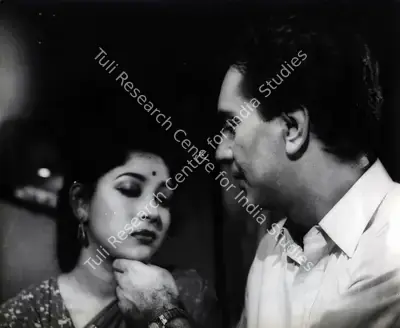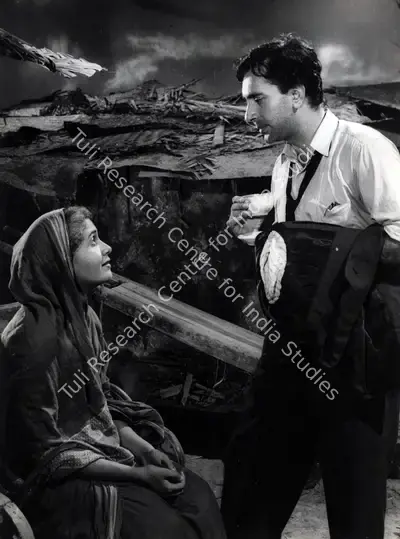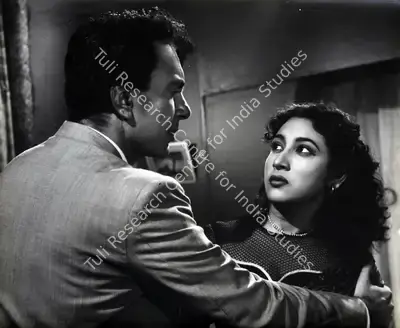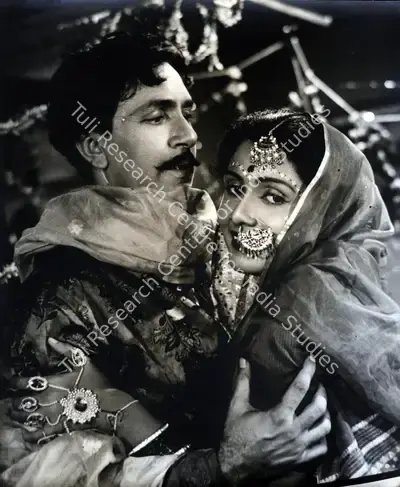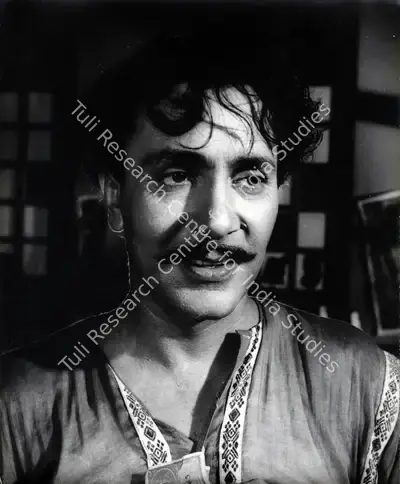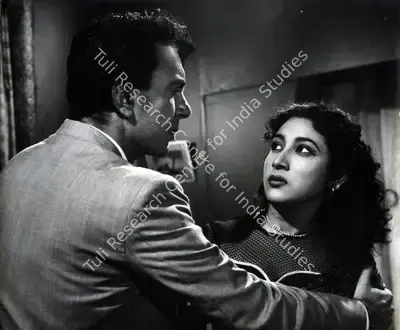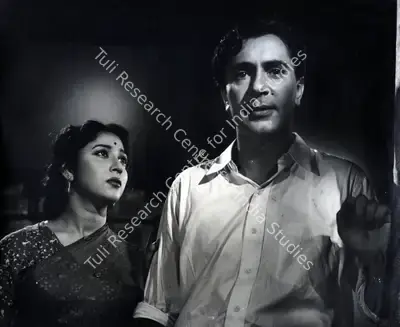

A.K. Hangal

A.K. Hangal
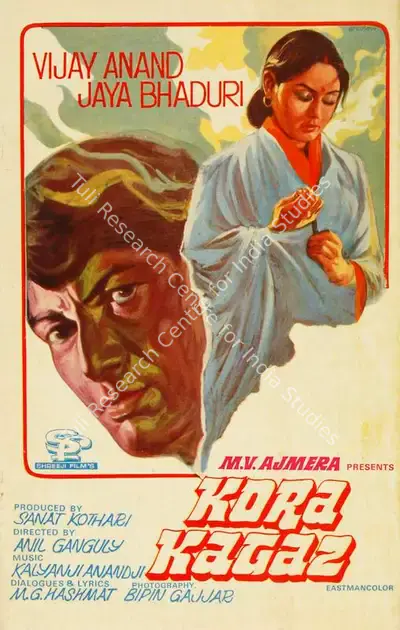
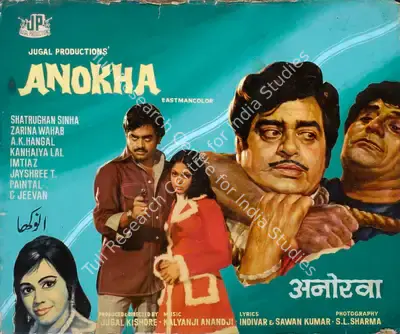
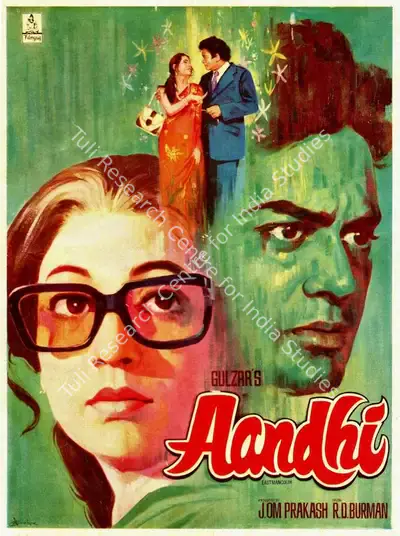
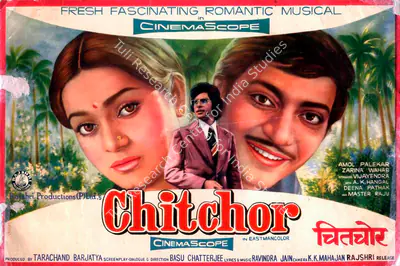
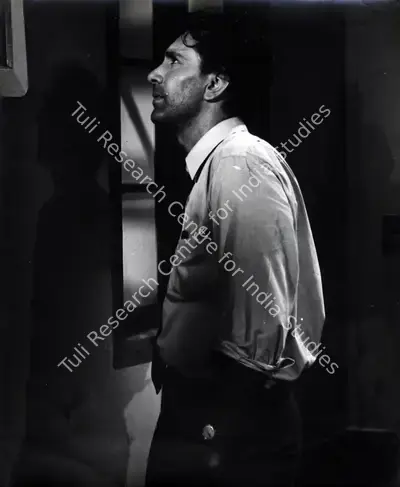
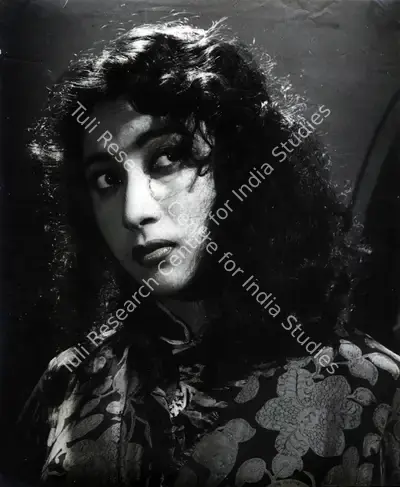
Avtar Kishan Hangal (1 February 1914 – 26 August 2012) remains one of Indian cinema's most quietly powerful presences—an actor whose frail physicality concealed formidable moral authority and emotional depth. A freedom fighter before he was a performer, Hangal brought to the screen an authenticity shaped by struggle, conviction, and lived history. Over a career spanning nearly four decades, from 1966 to 2005, he appeared in more than 225 Hindi films, often embodying principled elders, compassionate mentors, or the meek yet resilient conscience of society. He is indelibly remembered for roles such as Ram Shastri in Aaina, Inder Sen in Shaukeen, Bipinlal Pandey in Namak Haraam, Anokhelal in Manzil, and the antagonist in Prem Bandhan. His portrayal of Imaam Sa'ab in the iconic Sholay remains among his most poignant performances—deeply restrained, humane, and enduringly beloved. Notably, Hangal shared the screen with Rajesh Khanna in sixteen films, forming one of Hindi cinema's most memorable actor pairings. Born in Sialkot into a Kashmiri Pandit family and raised in Peshawar, Hangal began life far from the arc lights, working as a tailor while immersing himself in theatre and the Indian freedom movement. A committed communist, he endured imprisonment in Karachi between 1947 and 1949. After migrating to India, he became closely associated with the Indian People's Theatre Association (IPTA), working alongside Balraj Sahni and Kaifi Azmi, and honing his craft on stage for nearly two decades. Remarkably, Hangal entered films at the age of 52 with Teesri Kasam. What followed was an extraordinary late-blooming career marked by unforgettable performances in Aandhi, Bawarchi, Guddi, Chitchor, Kora Kagaz, Naram Garam, Lagaan, and Shararat. His final appearances—including voice work in Krishna Aur Kans—were met with critical admiration. In 2006, the Government of India honoured him with the Padma Bhushan, a fitting tribute to an artist whose legacy lies not in flamboyance, but in truth, dignity, and profound human empathy.
A.K. Hangal
Avtar Kishan Hangal (1 February 1914 – 26 August 2012) remains one of Indian cinema's most quietly powerful presences—an actor whose frail physicality concealed formidable moral authority and emotional depth. A freedom fighter before he was a performer, Hangal brought to the screen an authenticity shaped by struggle, conviction, and lived history. Over a career spanning nearly four decades, from 1966 to 2005, he appeared in more than 225 Hindi films, often embodying principled elders, compassionate mentors, or the meek yet resilient conscience of society. He is indelibly remembered for roles such as Ram Shastri in Aaina, Inder Sen in Shaukeen, Bipinlal Pandey in Namak Haraam, Anokhelal in Manzil, and the antagonist in Prem Bandhan. His portrayal of Imaam Sa'ab in the iconic Sholay remains among his most poignant performances—deeply restrained, humane, and enduringly beloved. Notably, Hangal shared the screen with Rajesh Khanna in sixteen films, forming one of Hindi cinema's most memorable actor pairings. Born in Sialkot into a Kashmiri Pandit family and raised in Peshawar, Hangal began life far from the arc lights, working as a tailor while immersing himself in theatre and the Indian freedom movement. A committed communist, he endured imprisonment in Karachi between 1947 and 1949. After migrating to India, he became closely associated with the Indian People's Theatre Association (IPTA), working alongside Balraj Sahni and Kaifi Azmi, and honing his craft on stage for nearly two decades. Remarkably, Hangal entered films at the age of 52 with Teesri Kasam. What followed was an extraordinary late-blooming career marked by unforgettable performances in Aandhi, Bawarchi, Guddi, Chitchor, Kora Kagaz, Naram Garam, Lagaan, and Shararat. His final appearances—including voice work in Krishna Aur Kans—were met with critical admiration. In 2006, the Government of India honoured him with the Padma Bhushan, a fitting tribute to an artist whose legacy lies not in flamboyance, but in truth, dignity, and profound human empathy.

Introduction

Filmography

Print
filter
1971

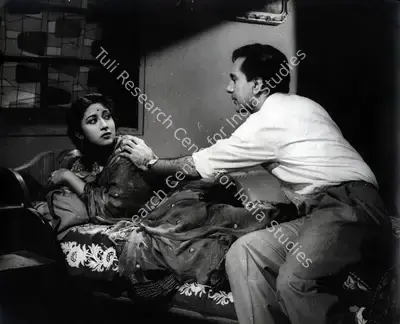
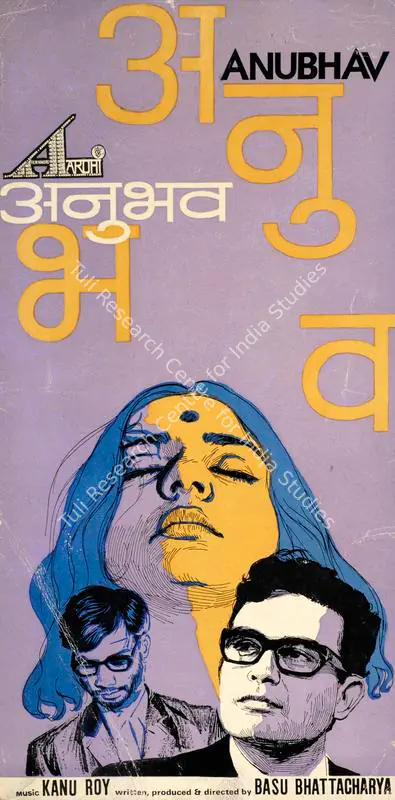
Anubhav | Hindi | Actor

Feature | Fiction | Black and White | Booklet
1971

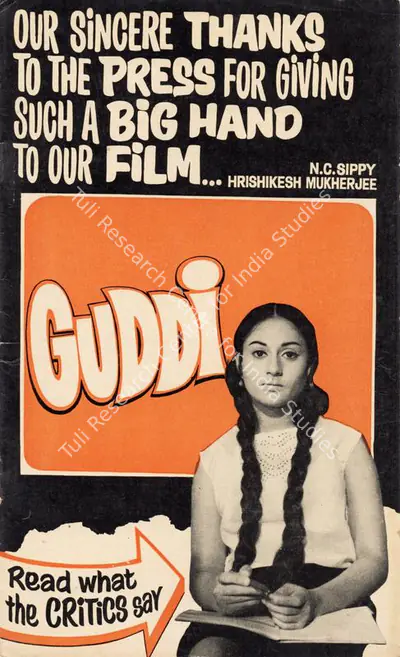
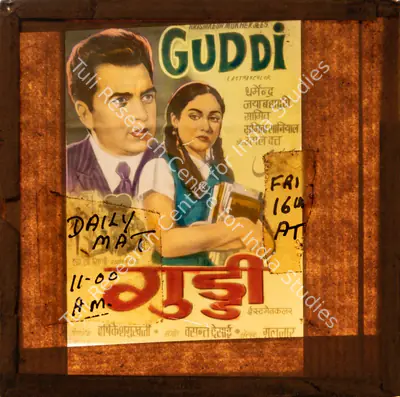
Guddi | Hindi | Actor

Feature | Fiction | Colour | Booklet
1972

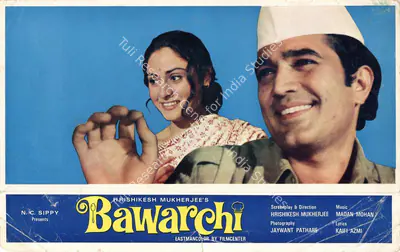
Bawarchi | Hindi | Actor

Feature | Fiction | Colour | Booklet
1972

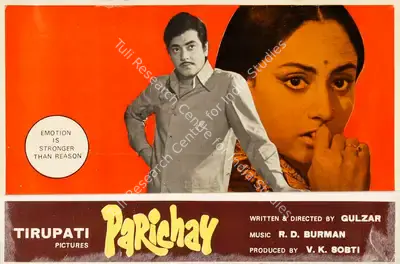
Parichay | Hindi | Actor

Feature | Fiction | Colour | Booklet
1973

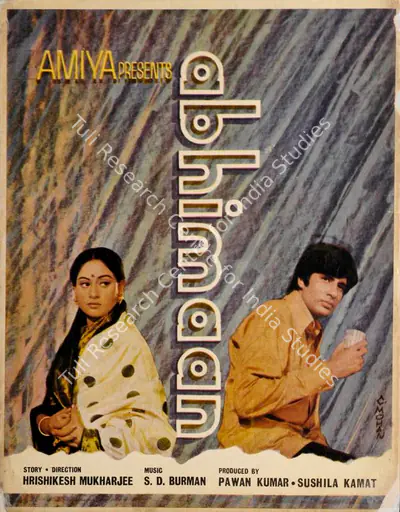
Abhimaan | Hindi | Actor

Feature | Fiction | Colour | Booklet
1973

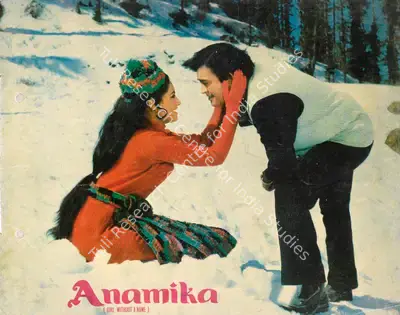
Anamika | Hindi | Actor

Booklet
1973

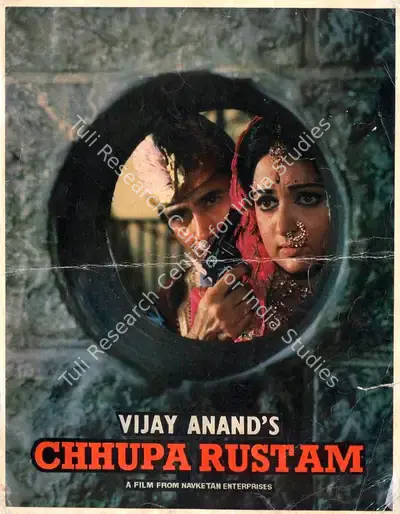
Chhupa Rustam | Hindi | Actor

Booklet
1973

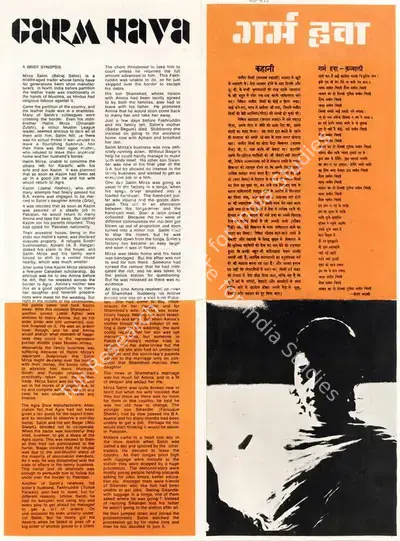
Garm Hava | Hindi | Urdu | Actor

Feature | Fiction | Colour | Booklet
1973

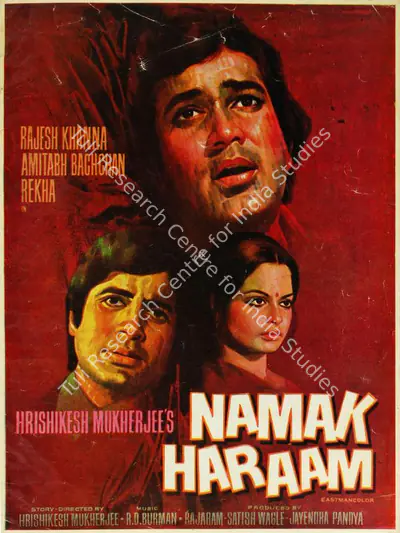
Namak Haraam | Hindi | Actor

Feature | Fiction | Colour | Booklet

Research Centre
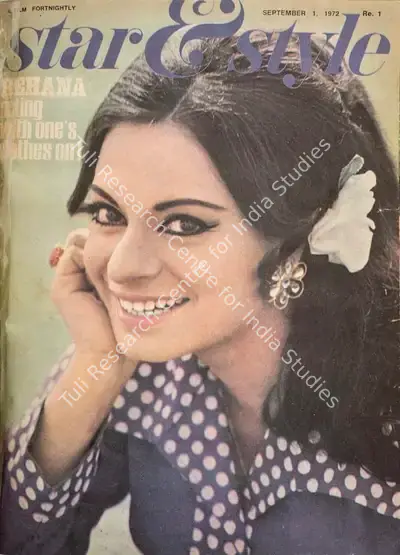
Ewing, Gulshan (Editor). Star & Style, 1 September 1972 | Magazine | 00808538

Ewing, Gulshan (Editor). Star & Style, 1 September 1972 | Magazine | 00808538

Ewing, Gulshan (Editor). Star & Style, 1 September 1972 | Magazine | 00808538

Ewing, Gulshan (Editor). Star & Style, 1 September 1972 | Magazine | 00808538

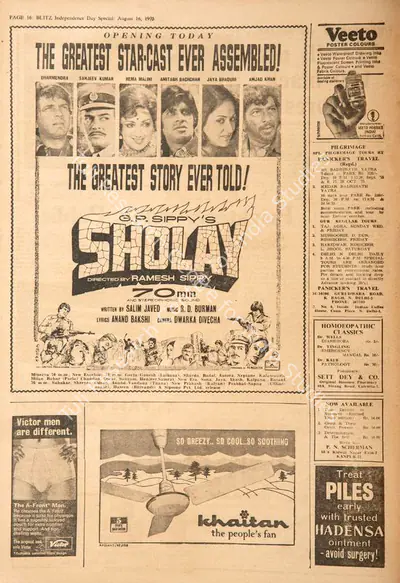
Sholay . In <i>Blitz.</i> 16 August 1975 | Film Review | 00143530

Sholay . In Blitz. 16 August 1975 | Film Review | 00143530

Singh, Bikram (Assistant Editor). Filmfare, 01 March 1979 | Magazine | 00793648

Singh, Bikram (Assistant Editor). Filmfare, 01 March 1979 | Magazine | 00793648

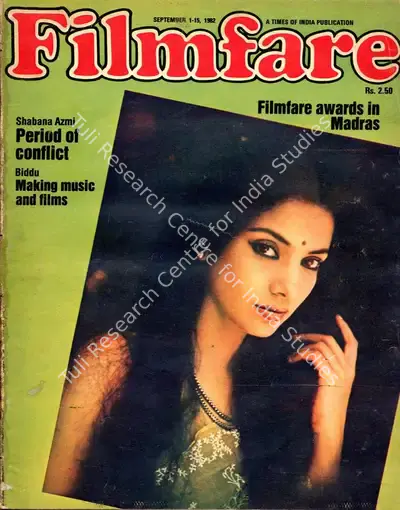
Singh, Bikram (Editor). Filmfare, 01 September 1982 | Magazine | 00793717

Singh, Bikram (Editor). Filmfare, 01 September 1982 | Magazine | 00793717

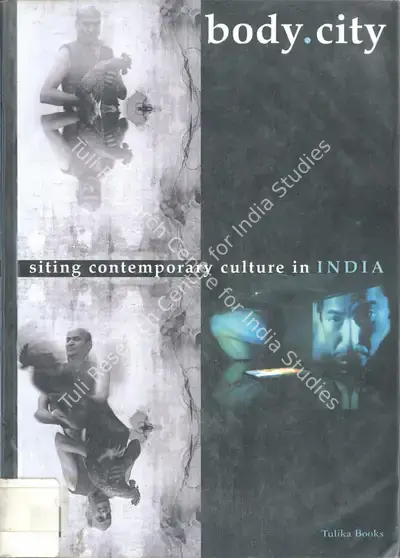
Chandrasekhar, Indira (Editor). Body.City, 2003 | Edited Book | 00846288

Chandrasekhar, Indira (Editor). Body.City, 2003 | Edited Book | 00846288

No more items to load

TRIS logo image