TRIS logo image
Search275,000+ actors, artists, objects, artworks, films, exhibitions, archives

EN

EN

English

HI

Hindi

EN

EN

English

HI

Hindi

Tuli Research Centre for India Studies

Tuli Research Centre for India Studies

Vision

Manifesto

Archive & Library

Vanraja Sanctuary & Hospice

Home

Research Categories

Browse All

ICore

1_CinemaEducation_Cinema as a Critical Educational Resource

2_FineArts_Modern and Contemporary Indian Fine Arts

3_Photography_Photography in India

4_PopCulture_The Printed Image, Popular Arts, and Crafts

IIMaterial

5_ArcHeritage_India's Architectural Heritage as Inspiration

6_EconomicsArt_Economics of Art & Cultural Industry

7_Travel_Automobile, Transport and Travel Heritage

8_Uncertainty_Uncertainty

IIICritical

9_SocialDuty_Social Responsibility of the Creative Mind

10_Childhood_The Changing Smile of Childhood & Its Second Coming

11_Sensuality_The Sensual Discipline within Creativity

12_Scholarship_The History & Historiography of Scholarship in the Arts, Humanities, and Social Sciences

IVMeaningful

13_SeekJustice_Seeking Justice and Political Integrity

14_IndoWorld_India and her Relationship with the World

15_SpiritualPoetics_The Religious-Spiritual-Poetic-Philosophical Framework

16_Continuum_The Animal-Human-Nature Continuum

Explore

All

Posts

Masterlists

Calendar

Live | Upcoming

All Events

Timetable

Search275,000+ actors, artists, objects, artworks, films, exhibitions, archives

EN

EN

English

HI

Hindi

9th Osian's-Cinefan Festival for Asian Cinema

9th Osian's-Cinefan Festival for Asian Cinema

20 Jul 2007 – 29 Jul 2007

Event.International Film Festival Edition
On this Page
Introduction
Body of Work
Screenings135
Seminars & Conferences10
Research Centre169
Home/Cinema as a Critical Educational Resource/Event · Film Festival/9th Osian's-Cinefan Festival for Asian Cinema
9th Osian's-Cinefan Festival for Asian Cinema — featured artwork

Introduction

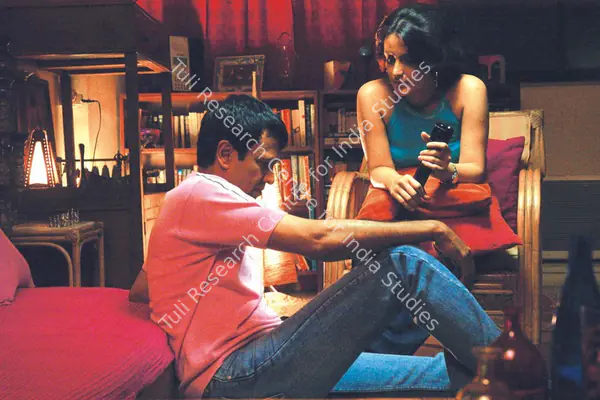
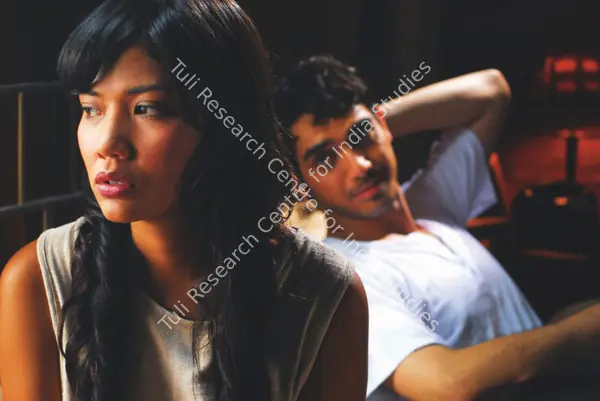
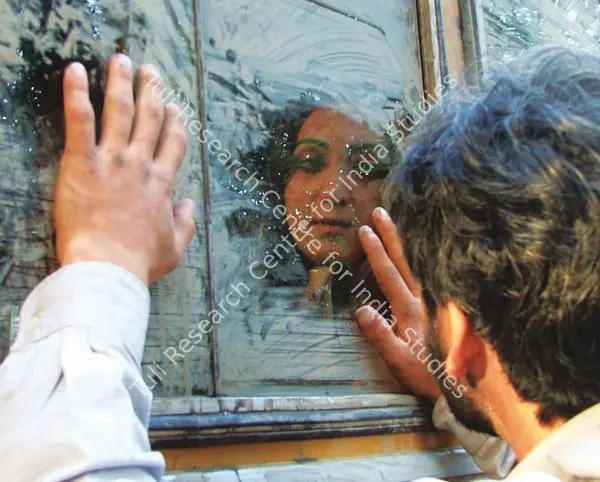
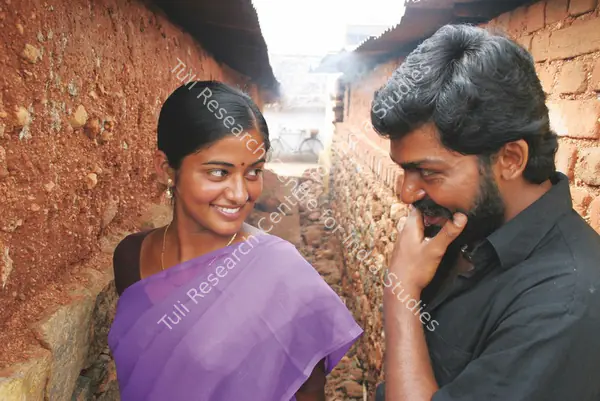
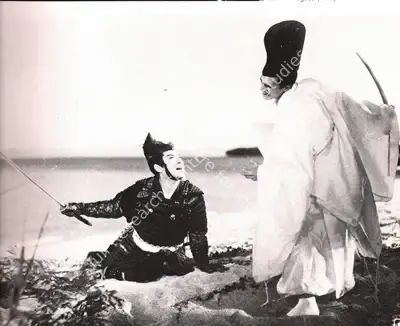
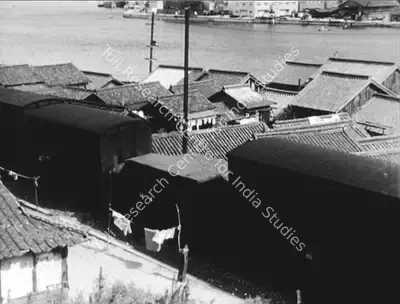
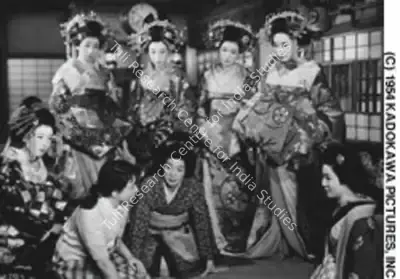
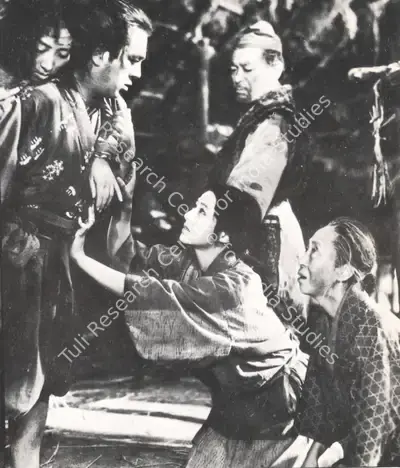
The Film Festival Cinefan was launched in Delhi in 1999 by Aruna Vasudev and acquired by Osian's Connoisseurs of Art in 2004 as part of Neville Tuli's vision of building an integrated Film House for Osian's. The Festival thus changed its title to Osian's-Cinefan. Several new features were introduced in the 9th edition. The competition which was limited to Asian Films was broadened to include films by Arab directors. A competition for First Features was also introduced. A Focus on Japan comprised films, an exhibition and a lecture by Life time Achievement Awardee Tadao Sato, and a Tribute to Kenji Mizoguchi. A unique Benshi performance accompanying the screening of Mizoguchi's silent film 'The Water Magicians' was one of the major attractions of the festival. A section called 'Silhouettes' featured women-centric films from different countries.The 150th anniversary of India's First War of Independence was commemorated in a special section titled 'Hymns to Freedom' that screened films about struggles for freedom in former Asian and Arab colonies.

Dates20 Jul 2007 – 29 Jul 2007
OrganiserOsian's Connoisseurs of Arts Pvt. Ltd. , nct-of-delhi

Festival team

Founder & President

Aruna Vasudev

Founder & Chairman

Neville Tuli

Directors

Aruna Vasudev

Curators

Raman Chawla, Indu Shrikent, Latika Padgaonkar, Neel Chaudhuri, Monica Bhasin, Neeraj Bhasin, Indrani Bose, Santanu Ganguly, Mani Kaul

Juries

Asian Arab Competition Jury

Francois Da'Silva, Hala Khalil, Wu Tianming, Apichatpong Weerasethakul, Saeed Akhtar Mirza

Indian Competition Jury

Peggy Chiao, Bianca Taal, Nick Deocampo, Roopa Ganguli, Marzieh Meshkini

First Features Competition Jury

Min Byung-lock, Anurag Kashyap, Amir Muhammad

Network for Promotion of Asian Cinema

Tiina Lokk, Kenji Ishizaka, Asoka Handagama

FIPRESCI

H.N. Narahari Rao, Klaus Eder, Chris Fujiwara

Body of Work

Zero Zone
Zero Zone
Asia Premiere
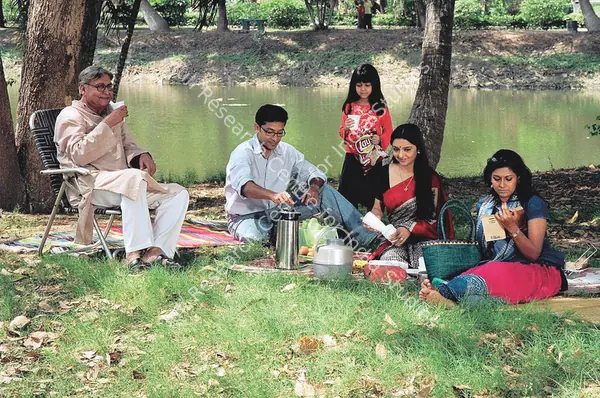
Arindam Mitra · India Competition · 2007 · Siri Fort, Delhi
The Secret
The Secret
Screening
Ann Hui · Asian & Arab Competition · 2007 · Siri Fort, Delhi
Raami
Raami
Screening
B Shirinsefat · Opening Film · 20 Jul 2007 · Siri Fort, Delhi
Paruthiveeran
Paruthiveeran
Screening
Ameer · India Competition · 2007 · Siri Fort, Delhi
Footsteps
Footsteps
Screening
Suman Ghosh · India Competition · 2007 · Siri Fort, Delhi
A Few Days Later
A Few Days Later
Screening
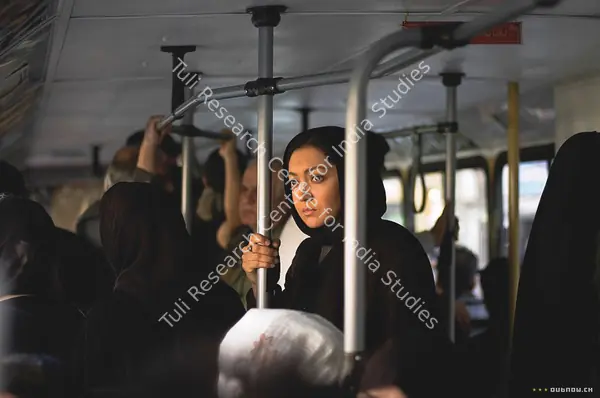
Niki Karimi · Asian & Arab Competition · 2007 · Siri Fort, Delhi
Crossing The Dust
Crossing The Dust
Screening
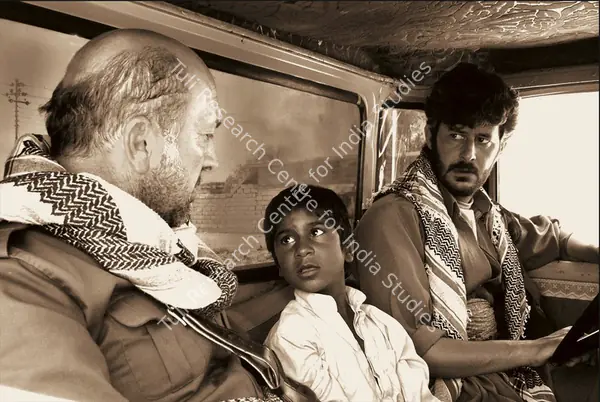
Shawkat Amin Korki · First Features · 2007 · Siri Fort, Delhi
Falafel
Falafel
Screening
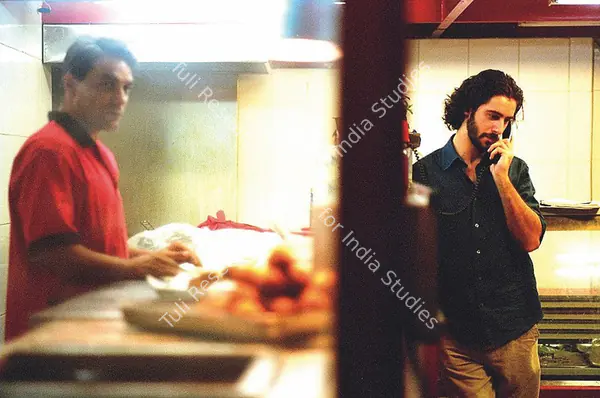
Michel Kammoun · Asian & Arab Competition · 2007 · Siri Fort, Delhi
Bhairavi
Bhairavi
World Premiere
Suhail Tatari · India Competition · 2007 · Siri Fort, Delhi
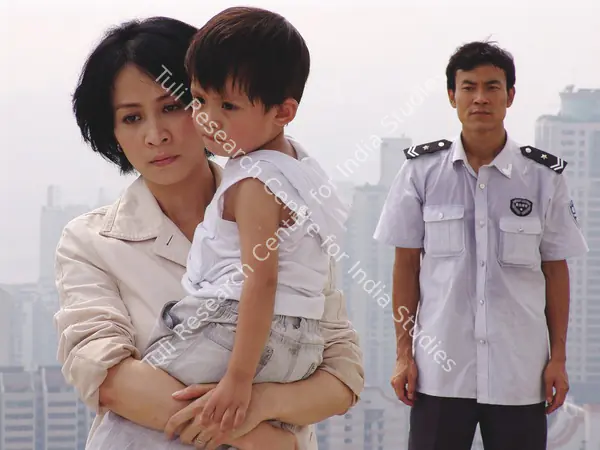
Foster Child
Foster Child
Screening
Brillante Mendoza · Asian & Arab Competition · 2007 · Siri Fort, Delhi
Our Time
Our Time
Screening
Bappaditya Bandopadhyay · India Competition · 2007 · Siri Fort, Delhi
Frozen
Frozen
World Premiere
Shivajee Chandrabhushan · India Competition · 2007 · Siri Fort, Delhi
Making Of
Making Of
Screening
Nouri Bouzid · Asian & Arab Competition · 2007 · Siri Fort, Delhi
Signature
Signature
Screening
Ranjith · India Competition · 2007 · Siri Fort, Delhi
Desert Dream
Desert Dream
Screening
Zhang Lu · Asian & Arab Competition · 2007 · Siri Fort, Delhi
Tender Is The Worlf
Tender Is The Worlf
Screening
Jilani Saadi · Asian & Arab Competition · 2007 · Siri Fort, Delhi
Curiosity Kills The Cat
Screening
Zhang Yibai · Asian & Arab Competition · 2007 · Siri Fort, Delhi
Cut and Paste
Cut and Paste
Screening
Hala Khalil · Closing Film · 29 Jul 2007 · Siri Fort, Delhi
Lonesome Trees
Lonesome Trees
Screening
Saeed Ebrahimifar · Asian & Arab Competition · 2007 · Siri Fort, Delhi
Manorama Six Feet Under
World Premiere
Navdeep Singh · India Competition · 2007 · Siri Fort, Delhi
20 of 135
21
Jul, Sat
  1. 2:30 pm
    4:00 pm
    Japanese Cinema - Past, Present & Future

    Siri Fort 4, Delhi, India

    The 9th OCFF brings a selection of Japanese films representing the various kinds of cinemas Japanese filmmakers have produced from the silent era to the present day. An Orientalist viewpoint would still see Japanese filmmakers as obsessed with tradition or repressed histories the supernatural. Yet even a cursory survey of the range of films produced will belie such an assumption. It is only when we see Kenji Mizoguchi's The Loyal 47 Ronin and Mai Tominaga's Wool 100% that we begin to fathom the transformations that have affected Japanese cinema through the twentieth century. Having said this, however, the latest and the most technically exciting cinema still remains rooted in Japanese history and culture like the cinema of yore.

    In order to dissect the commonsensical generalisations about Japanese cinema and to discuss the ways in which it has changed over the past century, we bring together some of the leading scholars of cinema and history, connoisseurs and promoters of film culture and contemporary filmmakers of Japan. The discussions, it is hoped, will throw light on the rich diversity of one of the world's greatest film cultures, as well as bring forth nuanced understandings of the cultural and social imperatives that inform the works of the masters of cinema – past and present.

23
Jul, Mon
  1. 12 noon
    1:30 pm
    Filming the Wars of Independence - Fact and Interpretation

    Siri Fort 3, Delhi, India

    Alongside the films in the section 'Hymns to Freedom', we are also happy to present an IBM² session on the relationship between cinema and the wars of independence. On the whole, it must be said that history and cinema together favour the epic realist mode of cinema. This encourages a demagogic emulation of the violent insurgency of the national heroes of the past, thus creating dominant national myths which other filmmakers have sought to from a variety of points of view. And yet, more often than not, films about freedom struggles end up creating counter-myths while contesting a dominant myth, be it that of colonial versions of anti-colonial insurgency or colonial struggles being products of the nationalist bourgeoisie.

    Our session invites filmmakers, historians and film scholars to deliberate upon the complex and contested relationship between historical fact and representation in cinema, especially in the context of Third World freedom struggles. The seminar will seek to dissect the significance and meanings of the various uses of historical cinema and the status of mythmaking and the epic in such a context and in the process, explore the nature of historical memory and its role in the creation of diverse view points about the meaning of freedom and independence.

  2. 1:30 pm
    3:00 pm
    Why Film Festivals?

    Siri Fort 4, Delhi, India

    Few people would argue against the integral role of a film festival in contemporary film culture, but what are the forces and energies that determine how this role is assumed? Where does one draw the line between the idealism and compromise? How much of an impact has the increasingly commodified nature of communication had on the dissemination of cinema?

    Television, home-theatre culture and the internet have already come to have an indelible effect on the culture of the moving image. The general audience has also become more perceptive and aware of the various cinemas outside of the mainstream. As a response, film festival programming has become circumscribed rather than comprehensive.

    To complement the Springboard section of films - IBM2 presents a panel discussion with different perspectives on the role of the film festival. The festival director, the programmer, the critic, the filmmaker, the distributor and the audience member come together on the same platform to present their views on the film festival as a cultural space – the potential, the politics and the problems.

24
Jul, Tue
  1. 11:30 am
    1:00 pm
    The Film Co-operative Model - Independent Filmmaking in South-East Asia

    Siri Fort 4, Delhi, India

    Independent filmmaking in South-east Asia is going through a renaissance of sorts, with films from the region being screened at major international film festivals across the world, winning top awards at many of them. Part of this success and the prolific output of films has to do with a new 'co-operative' style of production that is prevalent in these countries. Filmmakers support each other on individual projects, assuming various roles and capacities with each different project. But far from being an arrangement of 'back-scratching', the new 'cooperatives', if they may be termed that, have been built on the idea of support and community.

    Does this model suggest possibilities for young independent filmmakers in India? Da Huang Pictures is at the forefront of Malaysia's New Wave of filmmaking. A striking example of their co-operative functioning is evident in Tan Chui Mui's feature Love Conquers All which has won top honours at Pusan and Rotterdam in the past year and is being screened at Osian's- Cinefan 9. Majority of the production responsibilities of the film were handled by other independent filmmakers such as Amir Muhammad (producer), James Lee (cinematographer) and Ho Yuhang (editor). IBM2 presents a discussion on the cooperative model in South-east Asia with filmmakers, critics and programmers from Malaysia, the Philippines and Thailand. They will discuss the nature of independent filmmaking and support in their respective countries, how much of an influence it has had on the culture of filmmaking, problems and external pressures such as the market

  2. 12 noon
    1:30 pm
    New Forms and Subjects in Arab Cinema

    Siri Fort 3, Delhi, India

    A study of Arab cinema is an effective tool for understanding important issues in one of the world's most intense areas of political and ideological apprehensions. Today there is increased interest in films originating in the Arab world. Films from Algeria, Egypt, Lebanon, Morocco, Palestine, Syria and Tunisia for example are making wider and more frequent rounds than ever before in local film festivals and repertoire theaters. This growth of interest has the potential to initiate a much needed effort to fill the existing gap in the study of Arab cinema, even though the Arab world is not unified, and its cinemas have largely closed down because of the video revolution, lack of investment and censorship and a narrowing domestic market.

    The IBM2 session on New Forms and Subjects will draw attention to how films tackle a range of themes that the Arab nations face – from the notion of heterogeneity, national identity, gender and sexual liberation, fundamentalism and the Palestine question on the one hand, to the articulation of modernist plot structures and texts on the other.

25
Jul, Wed
  1. 2:00 pm
    5:30 pm
    The Big Leap - Making First Features

    Siri Fort 4, Delhi, India

    It is quite plausible that there are more first films being made across the world than all the second, third or fourth films put together. Most international film festivals today are dotted with first features – debut filmmakers announcing themselves or being scouted out by programmers tirelessly searching for something new, something fresh … something strange and unique. Cannes, Berlin and Venice, amongst other prominent festivals, have over the years instituted awards for the best first features. Others, such as Locarno and Pusan pay particular attention to discovering new talent. Recognition at this sort of level goes a long way in establishing a reputation and opening doors. Of course, no one will argue that filmmaking gets any easier after your first feature, but it is perhaps a great deal more comforting to know that there are people around who are looking forward to your next film.

    IBM2 presents a panel discussion with filmmakers in the First Features Competition from across Asia and the Arab world. They will relate the experiences of making a first feature – how much of a graduation it actually is from a short film, struggling to get the project financed, the harsh compromises made while filming, and of course, eventually trying to get the film distributed and seen.

    This session will include Small Steps - a screening of short films by directors in the First Features Competition and the launch of the Osian's Film Development Fund.

26
Jul, Thu
  1. 2:00 pm
    5:30 pm
    Beneath Surface - Cinematography and Time

    Siri Fort 3, Delhi, India

    A plethora of films from across the world continues to fashion awe-inspiring cinematographic spaces (stunning visuals), however, few are able to realize a simultaneous and direct experience of cinematographic time.

    Movement (of the object being filmed or of the camera itself) is in every respect a part of space. 'Motion picture' is nothing but a translation of spatial fragments that build an illusion of movement. Movement reinforces space - it is space. Temporal elements such as 'rhythm' in a narrow and 'attention' in a broad sense, only serve to impart specific shape to movement, they place movement in a time frame (for instance for a narrative). However, a movement that happens in a passage of time does not necessarily ensure a simultaneous, unhindered experience of duration. On the contrary, camera is often a slave to 'action' that develops narrative/ non-narrative spaces and is rarely able to establish a life of its own - it will not, for instance, tilt or pan away by a logic of its own independent rhythm and attention in relation to the whole film. At the most, camera movements are meant to enhance features of 'action' in the narrative. Paradox: tied to the action the camera does not open the spatial field to an experience of time, freed from action the camera damages the narrative itself …”

    The above are excerpts from Mani Kaul's essay on Cinematography and Time, printed as an introduction to the Filmcraft section of films in this catalogue. IBM2 presents a seminar with some of the finest cinematographers who will debate this idea as opposed to a perception of photography in cinema as the art of imaging movement.

27
Jul, Fri
  1. 2:00 pm
    3:30 pm
    Cinema and Nation, c.1955

    Siri Fort 4, Delhi, India

    The 1955 event will be capped by the IBM² conference about the significance of the films for India's history and for us today. In our times, as cinema becomes very diverse, we cast our attention back to an era when the variety of films that one could see, reflected the heterogeneity of hopes and fantasies that went into the making of the Indian nation. It would be especially relevant to do so in the context of the current crisis of a cultural consensus that has sent contemporary philosophers, historians and artists back to their drawing boards to re-examine the political and cultural legacy of the 1950s for our present times.

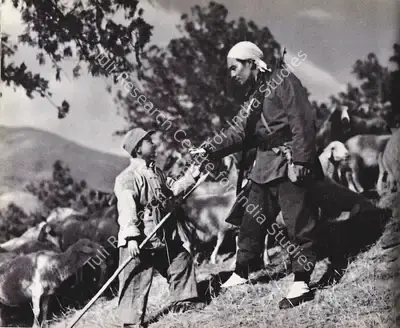
    Filmmakers, film historians and cultural commentators in this session will analyse the historic conditions that made it possible for a film like Pather Panchali to rub shoulders with a Mr and Mrs 55 and a Carnival Queen featuring Fearless Nadia. The discussions will also throw light on contemporary Indian cinema in a comparative light to explore the similarities and differences between a film culture reflecting the hopes of a newly independent India and those conveying the aspirations of an India globalizing with respect to the enabling and constraining factors that inform their making.

    3 recordings in the archive

28
Jul, Sat
  1. 11:30 am
    1:30 pm
    The Osianama - Envisioning a Cultural Centre

    Siri Fort 4, Delhi, India

    The Osianama, being presently constructed in Mumbai, will be the flagship cultural complex of Osian's – Connoisseurs of Art. It is designed for a seamless dialogue between the various arts - cinema, painting, sculpture, literature, popular culture and almost any conceivable activity concerned with artistry, including magic. The Osian's archival collection, consisting of the world's largest repository of Indian cinema and popular culture paraphernalia juxtaposed with an equally rich collection of Asian art and historical memorabilia from the world over, remains at the heart of the complex. The archive will fuel the continuous exhibitions planned for the venue as well as serve as a world class institution for scholarly research. To this will be added through-the year film showings of World Cinema and the Film House that will promote and develop the aspirations of new filmmakers.

    Needless to say, any such institution will require a creative and, above all, a coherent vision guiding its setting-up and sustenance. The IBM² session on The Osianama will bring together the Osianama Planning and Programming team with experts in the fields of art and culture from all over the world to discuss the ways in which such an institution can be envisaged and built to deliver on its potential as a pathbreaking cultural complex for the general public, specialists and professionals at one and the same time. We hope that the discussions will gain from the longstanding expertise of institution builders and cultural entrepreneurs in order to draw insights and inspiration for the Osianama project.

    3 recordings in the archive

  2. 4:30 pm
    6:00 pm
    Radical Political Cinema

    Siri Fort 4, Delhi, India

    Recently, certain filmmakers have begun revisiting the political events of the late 1960s and 1970s – a troubled and violent era for post-independence India. Sudhir Mishra's Hazaaron Khwaishein Aisi investigated the cultural and political atmosphere of Delhi during the onset of the Naxal insurgency. This year Gautam Ghose has revisited the epicenter of the movement in Bengal by adapting to film, Kalbela, the first volume of Samaresh Majumdar's epic trilogy documenting the events of those turbulent times. The Naxal movement was a radical political movement that was in line with many such insurgent movements all over the world, at times inspiring some of the best radical political cinema in film history, most notably by Chris Marker and Jean-Luc Godard in France, Glauber Rocha and Miguel Littin in Brazil and in Chile respectively and Nagisa Oshima in Japan amongst many others. Barring Ritwik Ghatak's Jukti, Takko o Gappo (shown last year at the 8th OCFF in the Ghatak retrospective) there was no notable cinematic documentation of the Extreme Left movement in India.

    IBM² organizes a discussion around the relevance for political cinema in an older sense for our age where the term 'political' seems to have transmuted into a number of cultural issues – gender, identity, lifestyle and beliefs. The forum consists of filmmakers, politicians and political theorists coming together to discuss the meanings of radical political cinema with respect to political movements and their significance for our times.

Research Centre
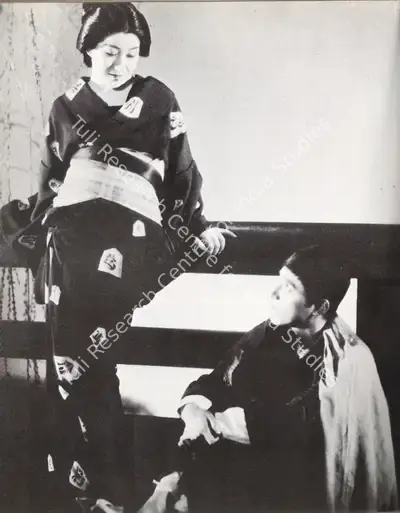
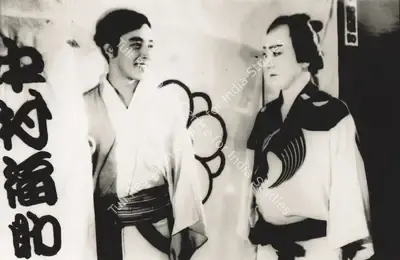
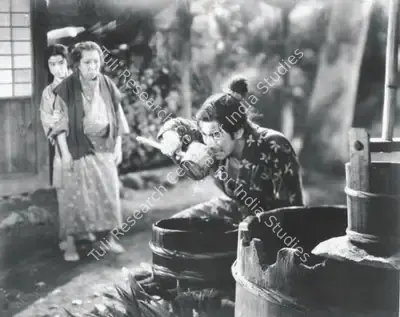
Kenji Mizoguchi (Director), Water Magicians, 1933, Photographic Still
Mizoguchi, Kenji (Director), Water Magicians, 1933 | Photographic Still
View full record
Kenji Mizoguchi (Director), Osaka Elegy, 1936, Photographic Still
Mizoguchi, Kenji (Director), Osaka Elegy, 1936 | Photographic Still
View full record
Kenji Mizoguchi (Director), Story of the Late Chrysanthemums, 1939, Photographic Still
Mizoguchi, Kenji (Director), Story of the Late Chrysanthemums, 1939 | Photographic Still
View full record
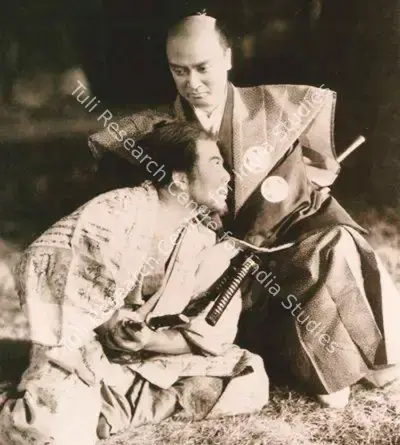
Kenji Mizoguchi (Director), Loyal 47 Ronin, The Part I, 1941, Photographic Still
Mizoguchi, Kenji (Director), Loyal 47 Ronin, The Part I, 1941 | Photographic Still
View full record
Kenji Mizoguchi (Director), Tales of Ugetsu, 1953, Photographic Still
Mizoguchi, Kenji (Director), Tales of Ugetsu, 1953 | Photographic Still
View full record
Masaichi Nagata (Producer), Gate of Hell, 1953, Photographic Still
Nagata, Masaichi (Producer), Gate of Hell, 1953 | Photographic Still
View full record
Yasujirō Ozu (Director), Tokyo Story, 1953, Photographic Still
Ozu, Yasujirō (Director), Tokyo Story, 1953 | Photographic Still
View full record
Kenji Mizoguchi (Director), The Woman of Rumour, 1954, Photographic Still
Mizoguchi, Kenji (Director), The Woman of Rumour, 1954 | Photographic Still
View full record
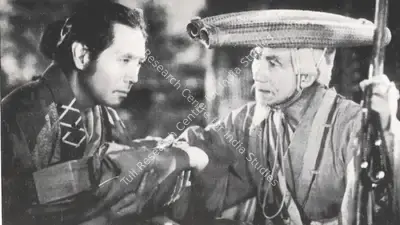
Kenji Mizoguchi (Director), Sansho, The Bailiff, 1954, Photographic Still
Mizoguchi, Kenji (Director), Sansho, The Bailiff, 1954 | Photographic Still
View full record
Hui Shi (Director), The Letter with Feathers, 1954, Photographic Still
Shi, Hui (Director), The Letter with Feathers, 1954 | Photographic Still
View full record
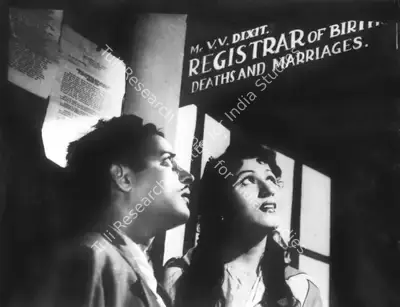
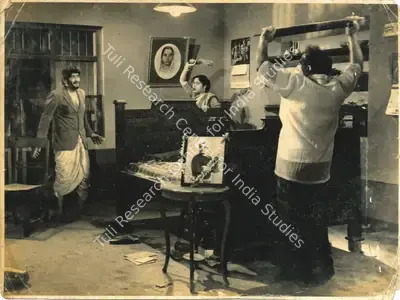
Guru Dutt (Producer), Mr And Mrs 55, 1955, Photographic Still
Dutt, Guru (Producer), Mr And Mrs 55, 1955 | Photographic Still
View full record
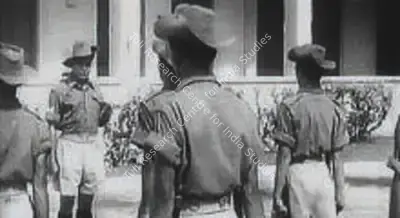
P Ramlee (Director), Sergeant Hassan, 1955, Photographic Still
Ramlee, P (Director), Sergeant Hassan, 1955 | Photographic Still
View full record
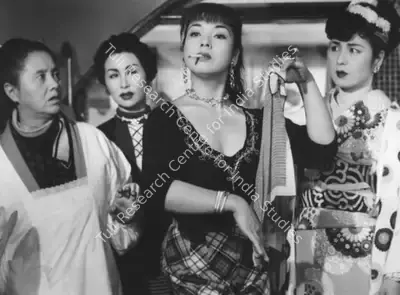
Kenji Mizoguchi (Director), Street of Shame, 1956, Photographic Still
Mizoguchi, Kenji (Director), Street of Shame, 1956 | Photographic Still
View full record
Raj Kapoor (Producer), Jagte Raho, 1956, Photographic Still
Kapoor, Raj (Producer), Jagte Raho, 1956 | Photographic Still
View full record
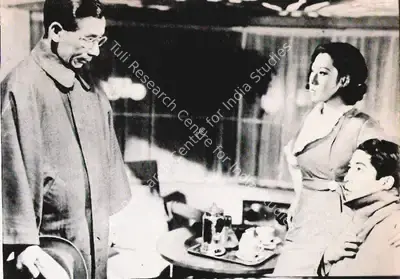
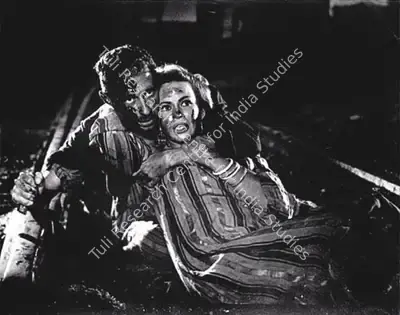
Youssef Chahine (Director), Cairo Station, 1958, Photographic Still
Chahine, Youssef (Director), Cairo Station, 1958 | Photographic Still
View full record
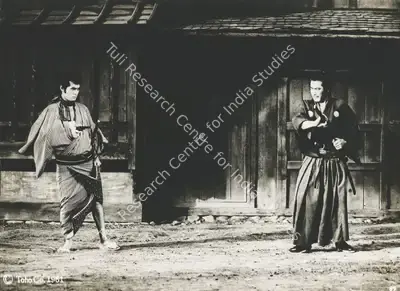
Akira Kurosawa (Director), Yojimbo, 1961, Photographic Still
Kurosawa, Akira (Director), Yojimbo, 1961 | Photographic Still
View full record
Hiroshi Inagaki (Director), Samurai, 1962, Photographic Still
Inagaki, Hiroshi (Director), Samurai, 1962 | Photographic Still
View full record
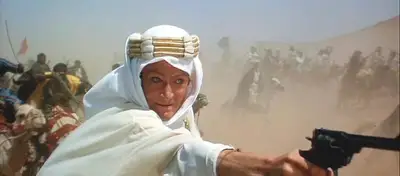
David Lean (Director), Lawrence of Arabia, 1962, Photographic Still
Lean, David (Director), Lawrence of Arabia, 1962 | Photographic Still
View full record
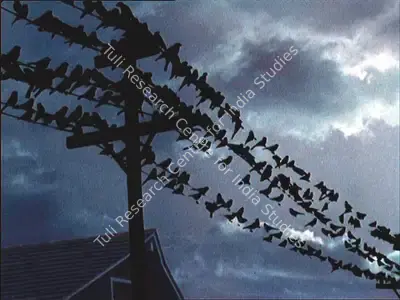
Alfred Hitchcock (Producer), The Birds, 1963, Photographic Still
Hitchcock, Alfred (Producer), The Birds, 1963 | Photographic Still
View full record
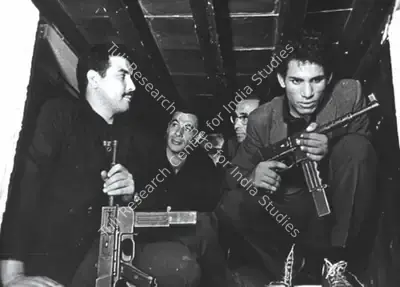
Antonio Musu (Producer), The Battle of Algiers, 1966, Photographic Still
Musu, Antonio (Producer), The Battle of Algiers, 1966 | Photographic Still
View full record
20 of 169
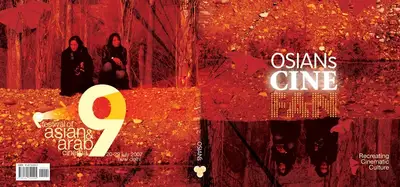
Neville Tuli (Chairman), Osian's Cinefan, 2007, International Film Festival Catalogue
Tuli, Neville (Chairman) and Aruna Vasudev (Founder Director). Osian's Cinefan, July 2007 | International Film Festival Catalogue | 00879679
View full record
Kenji Mizoguchi (Director), Water Magicians, 1933, Photographic Still
Mizoguchi, Kenji (Director), Water Magicians, 1933 | Photographic Still
View full record
Kenji Mizoguchi (Director), Osaka Elegy, 1936, Photographic Still
Mizoguchi, Kenji (Director), Osaka Elegy, 1936 | Photographic Still
View full record
Kenji Mizoguchi (Director), Story of the Late Chrysanthemums, 1939, Photographic Still
Mizoguchi, Kenji (Director), Story of the Late Chrysanthemums, 1939 | Photographic Still
View full record
Kenji Mizoguchi (Director), Loyal 47 Ronin, The Part I, 1941, Photographic Still
Mizoguchi, Kenji (Director), Loyal 47 Ronin, The Part I, 1941 | Photographic Still
View full record
Kenji Mizoguchi (Director), Tales of Ugetsu, 1953, Photographic Still
Mizoguchi, Kenji (Director), Tales of Ugetsu, 1953 | Photographic Still
View full record
Masaichi Nagata (Producer), Gate of Hell, 1953, Photographic Still
Nagata, Masaichi (Producer), Gate of Hell, 1953 | Photographic Still
View full record
Yasujirō Ozu (Director), Tokyo Story, 1953, Photographic Still
Ozu, Yasujirō (Director), Tokyo Story, 1953 | Photographic Still
View full record
Kenji Mizoguchi (Director), The Woman of Rumour, 1954, Photographic Still
Mizoguchi, Kenji (Director), The Woman of Rumour, 1954 | Photographic Still
View full record
Kenji Mizoguchi (Director), Sansho, The Bailiff, 1954, Photographic Still
Mizoguchi, Kenji (Director), Sansho, The Bailiff, 1954 | Photographic Still
View full record
Hui Shi (Director), The Letter with Feathers, 1954, Photographic Still
Shi, Hui (Director), The Letter with Feathers, 1954 | Photographic Still
View full record
Guru Dutt (Producer), Mr And Mrs 55, 1955, Photographic Still
Dutt, Guru (Producer), Mr And Mrs 55, 1955 | Photographic Still
View full record
P Ramlee (Director), Sergeant Hassan, 1955, Photographic Still
Ramlee, P (Director), Sergeant Hassan, 1955 | Photographic Still
View full record
Kenji Mizoguchi (Director), Street of Shame, 1956, Photographic Still
Mizoguchi, Kenji (Director), Street of Shame, 1956 | Photographic Still
View full record
Raj Kapoor (Producer), Jagte Raho, 1956, Photographic Still
Kapoor, Raj (Producer), Jagte Raho, 1956 | Photographic Still
View full record
Youssef Chahine (Director), Cairo Station, 1958, Photographic Still
Chahine, Youssef (Director), Cairo Station, 1958 | Photographic Still
View full record
Akira Kurosawa (Director), Yojimbo, 1961, Photographic Still
Kurosawa, Akira (Director), Yojimbo, 1961 | Photographic Still
View full record
Hiroshi Inagaki (Director), Samurai, 1962, Photographic Still
Inagaki, Hiroshi (Director), Samurai, 1962 | Photographic Still
View full record
David Lean (Director), Lawrence of Arabia, 1962, Photographic Still
Lean, David (Director), Lawrence of Arabia, 1962 | Photographic Still
View full record
Alfred Hitchcock (Producer), The Birds, 1963, Photographic Still
Hitchcock, Alfred (Producer), The Birds, 1963 | Photographic Still
View full record
Antonio Musu (Producer), The Battle of Algiers, 1966, Photographic Still
Musu, Antonio (Producer), The Battle of Algiers, 1966 | Photographic Still
View full record
20 of 146
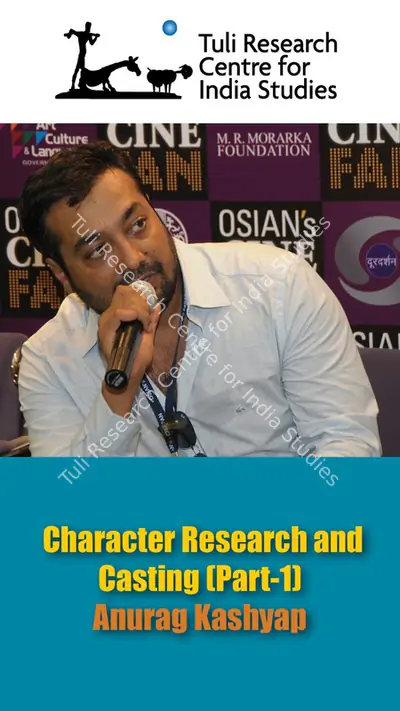
Tuli Research Centre for India Studies (Editor). Anurag Kashyap on Character Research and Casting (Part 1), 24 July 2007 | In-house Video, 2007 · 48 sec · Reel
▶
Tuli Research Centre for India Studies (Editor). Anurag Kashyap on Character Research and Casting (Part 1), 24 July 2007 | In-house Video
2007 · 48 sec · Reel
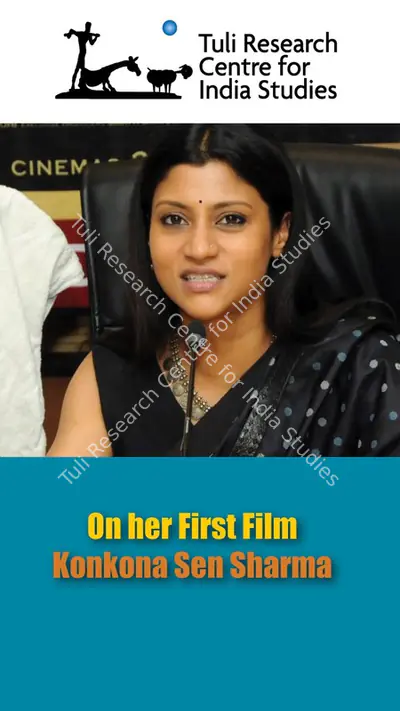
Tuli Research Centre for India Studies (Editor). Konkona Sen Sharma on her First Film, 27 July 2007 | In-house Video, 2007 · 32 sec · Reel
▶
Tuli Research Centre for India Studies (Editor). Konkona Sen Sharma on her First Film, 27 July 2007 | In-house Video
2007 · 32 sec · Reel
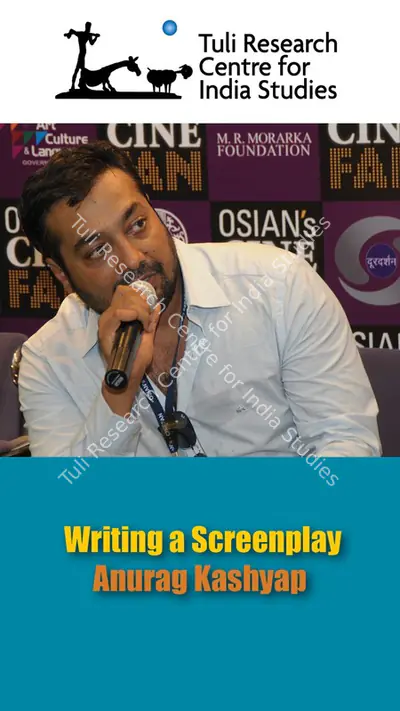
Tuli Research Centre for India Studies (Editor). Writing a Screenplay - Anurag Kashyap, 24 July 2007 | In-house Video, 2007 · 38 sec · Reel
▶
Tuli Research Centre for India Studies (Editor). Writing a Screenplay - Anurag Kashyap, 24 July 2007 | In-house Video
2007 · 38 sec · Reel
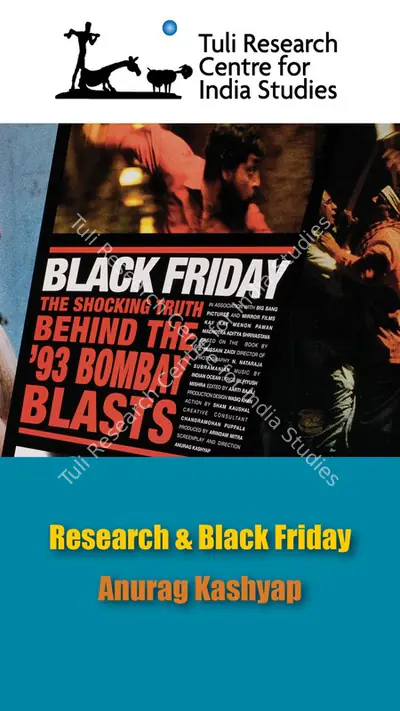
Tuli Research Centre for India Studies (Editor). Research & Black Friday - Anurag Kashyap, 24 July 2007 | In-house Video, 2007 · 1 min 11 sec · Reel
▶
Tuli Research Centre for India Studies (Editor). Research & Black Friday - Anurag Kashyap, 24 July 2007 | In-house Video
2007 · 1 min 11 sec · Reel
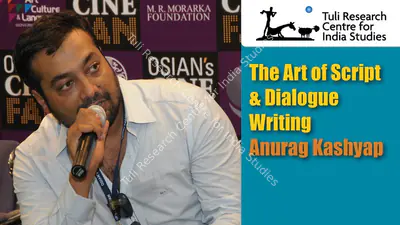
Tuli Research Centre for India Studies (Editor). The Art of Script & Dialogue Writing: Anurag Kashyap, 24 July 2007 | In-house Video, 2007 · 44 min 17 sec · Long
▶
Tuli Research Centre for India Studies (Editor). The Art of Script & Dialogue Writing: Anurag Kashyap, 24 July 2007 | In-house Video
2007 · 44 min 17 sec · Long
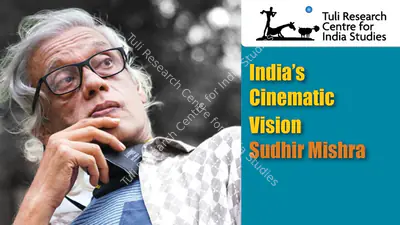
Tuli Research Centre for India Studies (Editor). India's Cinematic Vision: Sudhir Mishra, 27 July 2007 | In-house Video, 2007 · 10 min 2 sec · Short
▶
Tuli Research Centre for India Studies (Editor). India's Cinematic Vision: Sudhir Mishra, 27 July 2007 | In-house Video
2007 · 10 min 2 sec · Short
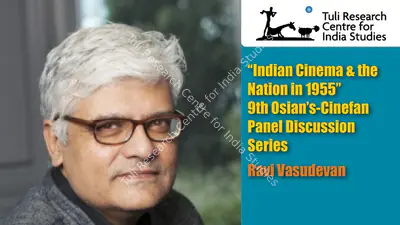
Tuli Research Centre for India Studies (Editor). "Indian Cinema & the Nation in 1955", 27 July 2007 | In-house Video, 2007 · 6 min 26 sec · Short
▶
Tuli Research Centre for India Studies (Editor). "Indian Cinema & the Nation in 1955", 27 July 2007 | In-house Video
2007 · 6 min 26 sec · Short
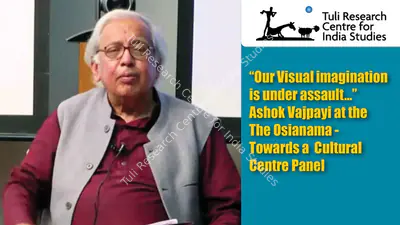
Tuli Research Centre for India Studies (Editor). "Our Visual imagination is under assault…" Ashok Vajpayi at the The Osianama, 27 July 2007 | In-house Video, 2007 · 12 min 28 sec · Short
▶
Tuli Research Centre for India Studies (Editor). "Our Visual imagination is under assault…" Ashok Vajpayi at the The Osianama, 27 July 2007 | In-house Video
2007 · 12 min 28 sec · Short
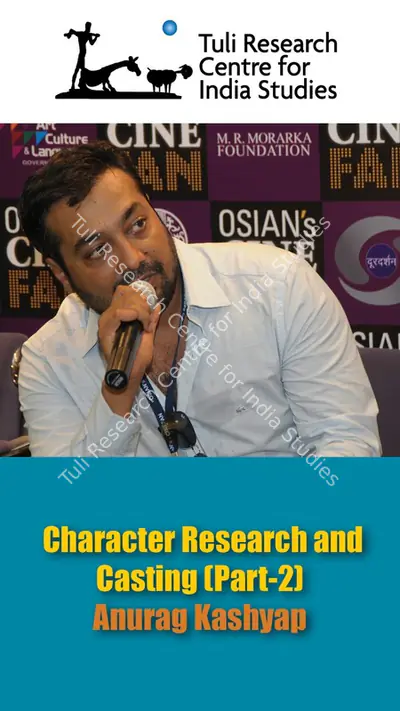
Tuli Research Centre for India Studies (Editor). Anurag Kashyap on Character Research and Casting (Part 2), 24 July 2007 | In-house Video, 2007 · 57 sec · Reel
▶
Tuli Research Centre for India Studies (Editor). Anurag Kashyap on Character Research and Casting (Part 2), 24 July 2007 | In-house Video
2007 · 57 sec · Reel
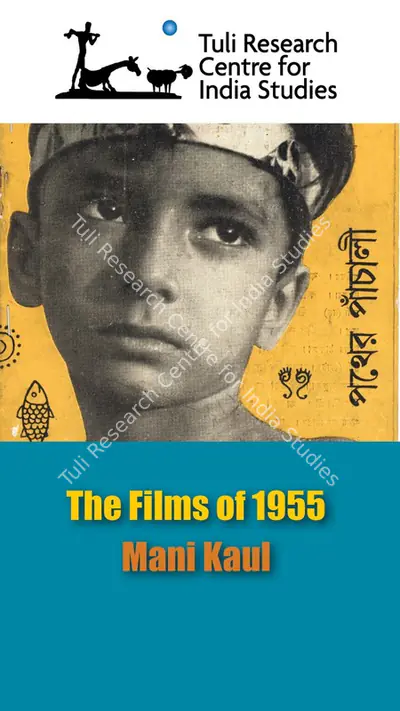
Tuli Research Centre for India Studies (Editor). The Films of 1955: Mani Kaul, 27 July 2007 | In-house Video, 2007 · 28 sec · Reel
▶
Tuli Research Centre for India Studies (Editor). The Films of 1955: Mani Kaul, 27 July 2007 | In-house Video
2007 · 28 sec · Reel
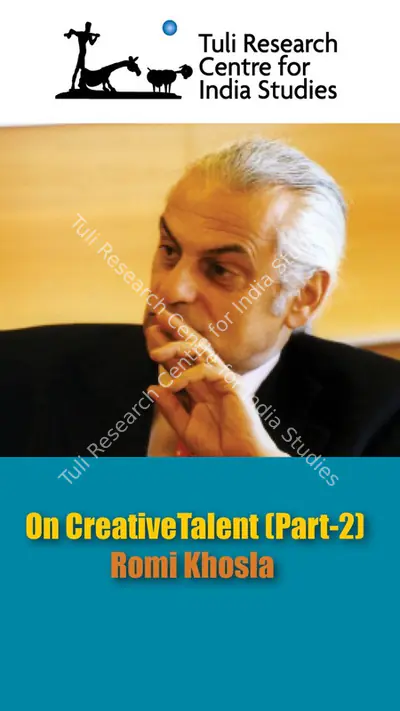
Tuli Research Centre for India Studies (Editor). Romi Khosla on CreativeTalent (Part 2), 28 July 2007 | In-house Video, 2007 · 1 min 8 sec · Reel
▶
Tuli Research Centre for India Studies (Editor). Romi Khosla on CreativeTalent (Part 2), 28 July 2007 | In-house Video
2007 · 1 min 8 sec · Reel
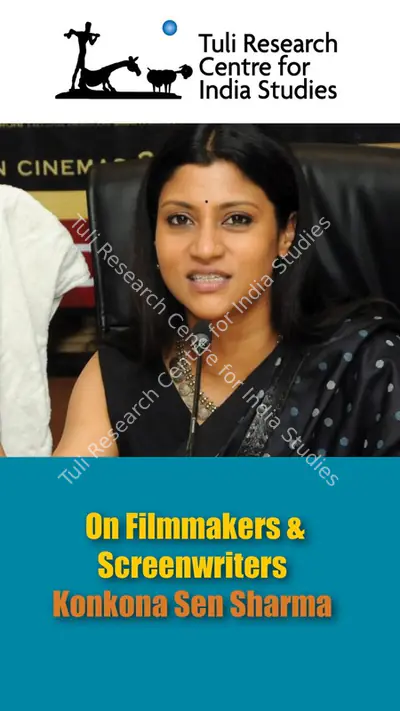
Tuli Research Centre for India Studies (Editor). Konkona Sen Sharma on Filmmakers & Screenwriters, 27 July 2007 | In-house Video, 2007 · 36 sec · Reel
▶
Tuli Research Centre for India Studies (Editor). Konkona Sen Sharma on Filmmakers & Screenwriters, 27 July 2007 | In-house Video
2007 · 36 sec · Reel
Tuli Research Centre for India Studies (Editor). Saeed Mirza: A glimpse into his Teaching Journey, 23 July 2007 | In-house Video, 2007 · 16 sec · Reel
▶
Tuli Research Centre for India Studies (Editor). Saeed Mirza: A glimpse into his Teaching Journey, 23 July 2007 | In-house Video
2007 · 16 sec · Reel
Tuli Research Centre for India Studies (Editor). Romi Khosla on CreativeTalent (Part 1), 28 July 2007 | In-house Video, 2007 · 32 sec · Reel
▶
Tuli Research Centre for India Studies (Editor). Romi Khosla on CreativeTalent (Part 1), 28 July 2007 | In-house Video
2007 · 32 sec · Reel
Tuli Research Centre for India Studies (Editor). Culture and the Vietnam War: Saeed Mirza, 23 July 2007 | In-house Video, 2007 · 58 sec · Reel
▶
Tuli Research Centre for India Studies (Editor). Culture and the Vietnam War: Saeed Mirza, 23 July 2007 | In-house Video
2007 · 58 sec · Reel
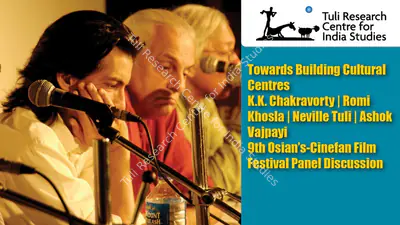
Tuli Research Centre for India Studies (Editor). Towards Building Cultural Centres: Romi, 28 July 2007 | In-house Video, 2007 · 12 min 43 sec · Long
▶
Tuli Research Centre for India Studies (Editor). Towards Building Cultural Centres: Romi, 28 July 2007 | In-house Video
2007 · 12 min 43 sec · Long
Tuli Research Centre for India Studies (Editor). Towards Building Cultural Centres, 28 July 2007 | In-house Video, 2007 · 1 hr 3 min · Long
▶
Tuli Research Centre for India Studies (Editor). Towards Building Cultural Centres, 28 July 2007 | In-house Video
2007 · 1 hr 3 min · Long
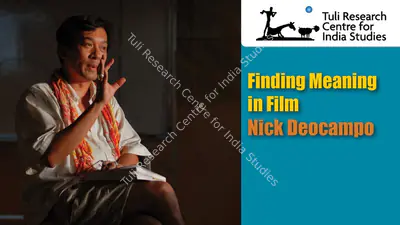
Tuli Research Centre for India Studies (Editor). Nick Deocampo: Finding Meaning in Film, 23 July 2007 | In-house Video, 2007 · 1 hr 5 min · Long
▶
Tuli Research Centre for India Studies (Editor). Nick Deocampo: Finding Meaning in Film, 23 July 2007 | In-house Video
2007 · 1 hr 5 min · Long
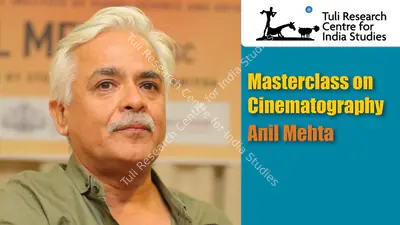
Tuli Research Centre for India Studies (Editor). Masterclass on Cinematography - Anil Mehta, 26 July 2007 | In-house Video, 2007 · 1 hr 27 min · Long
▶
Tuli Research Centre for India Studies (Editor). Masterclass on Cinematography - Anil Mehta, 26 July 2007 | In-house Video
2007 · 1 hr 27 min · Long
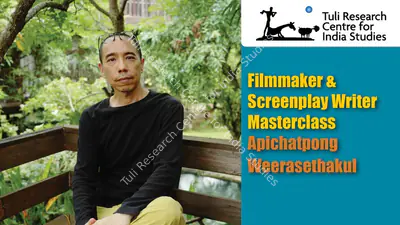
Tuli Research Centre for India Studies (Editor). Apichatpong Weerasethakul (Thai Filmmaker and Screenwriter), 27 July 2007 | In-house Video, 2007 · 1 hr 7 min · Long
▶
Tuli Research Centre for India Studies (Editor). Apichatpong Weerasethakul (Thai Filmmaker and Screenwriter), 27 July 2007 | In-house Video
2007 · 1 hr 7 min · Long
20 of 22

Related

8

Personalities

8
Alfred HitchcockComparable Artworks
Amol PalekarComparable Artworks
Anurag KashyapEvent Features Competition Jury · Comparable Artworks
Aruna VasudevEvent Founder President · Event Joint Directors +1
Guru DuttComparable Artworks
Neville TuliEvent Founder Chairman · Comparable Artworks
Raj KapoorComparable Artworks
Saeed Akhtar MirzaEvent Asian Arab Competition Jury · Comparable Artworks
Tuli Research Centre for India Studies

Tuli Research Centre

for India Studies

A free and open knowledge base for the modern and contemporary Indian arts, cinema, photography and cultural heritage.

Support

Contact Us

Discover

Tuli Research Centre for India StudiesVisionManifestoArchive & LibraryVanraja Sanctuary & Hospice

Legal

Privacy PolicyTerms & Conditions

Follow us

Youtube

Youtube

Instagram

Instagram

Facebook

Facebook

© Tuli Research Centre for India Studies 2026

Tuli Research Centre for India Studies

Tuli Research Centre

for India Studies

A free and open knowledge base for the modern and contemporary Indian arts, cinema, photography and cultural heritage.

Tuli Research Centre for India StudiesVisionManifestoArchive & LibraryVanraja Sanctuary & Hospice
Contact Us
Privacy PolicyTerms & Conditions

Follow us

YoutubeInstagramFacebook

© Tuli Research Centre for India Studies 2026

              A Few Days Later

              A Few Days Later

              Date2007
              OrganiserOsian's Cinefan
              Venue and LocationSiri Fort, Delhi
              Type of EventScreening

              Director's Bio

              Actress-turned-director, Niki Karimi was born in Tehran in November 1971. She began her acting career after graduating from high school, and appeared in a feature film, Temptation (1989). A star of contemporary Iranian cinema, she won the Best Actress Prize in 1995 at both the San Sebastian and the Nantes Film Festivals for Sara, apart from other international awards. She was Kiarostami's assistant in The Wind Will Carry Us. Her first work as director was a documentary, To Have or Not to Have. Her first feature film One Night was shown at Osian's-Cinefan in 2005. Niki Karimi also enjoys translating. She has translated Marlon Brando's biography into Persian.

              Director's Note

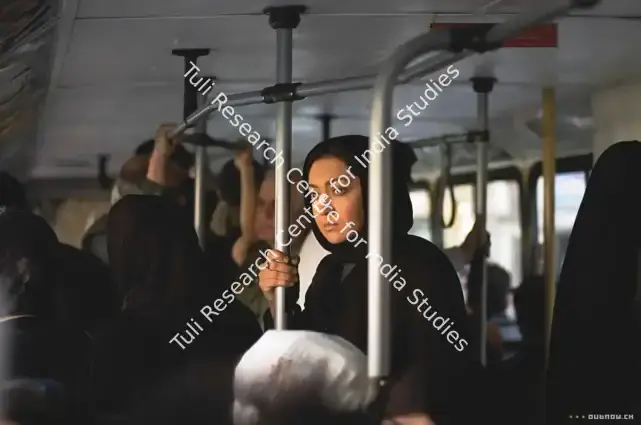
              A Few Days Later is a portrait of a city - Tehran city - with all its situations and problems. This film is about the distance that so many people who live in big cities feel. The distance between you and other people, your colleagues, your friends and so on. Shahrzad is a portrait of a modern woman, of an independent and intelligent artist living in today's Tehran. She now has to make a decision and face a big challenge in her life.