
Mani Kaul
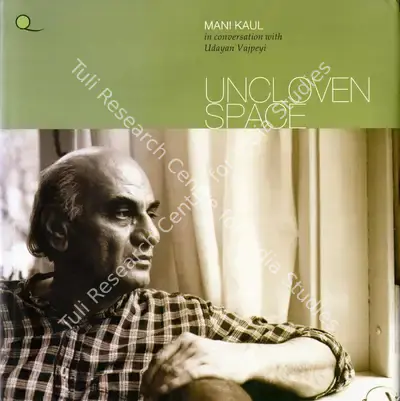
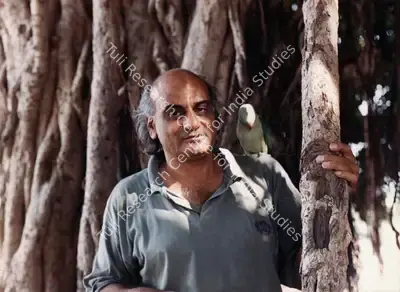
Mani Kaul (25 December 1944 – 6 July 2011) He stands among the most visionary filmmakers in the history of Indian cinema, redefining the language of film through an uncompromising commitment to form, philosophy and artistic inquiry. A pioneering force of the Indian Parallel Cinema movement, his body of work seamlessly traversed fiction and documentary, dissolving conventional distinctions between the two. Rather than relying on linear storytelling, Kaul's films explored time, space and consciousness, inviting audiences into deeply contemplative cinematic experiences where meaning emerged through rhythm, silence and visual composition.
Born in Jodhpur, Rajasthan, into a Kashmiri family, Kaul began his association with the Film and Television Institute of India (FTII), Pune, as a yearbook photographer before enrolling in its acting programme. There he came under the profound influence of legendary filmmaker Ritwik Ghatak, graduating in 1966 and later returning to FTII as a teacher. Although related to mainstream cinema through his uncle, filmmaker Mahesh Kaul, and veteran actor Raaj Kumar, his maternal uncle, Mani Kaul consciously rejected commercial conventions to forge a radically independent artistic path.
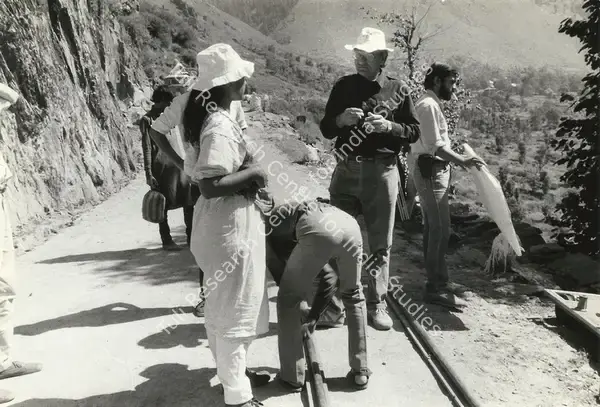
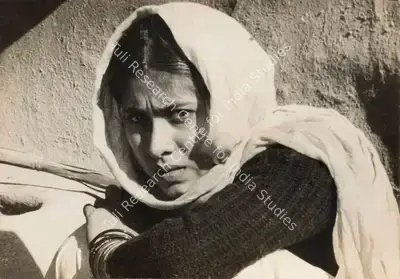
His directorial debut, Uski Roti (1969), widely regarded as a landmark of the Indian New Wave, transformed the aesthetics of Hindi cinema with its radical narrative structure and formal experimentation. The film earned the Filmfare Critics Award for Best Film, the first of four such honours he would receive. It was followed by Ashadh Ka Ek Din (1971), adapted from Mohan Rakesh's celebrated play, and Duvidha (1973), his first colour feature based on Vijaydan Detha's acclaimed short story. The latter won the National Film Award for Best Direction and established Kaul's international reputation through screenings across Europe.
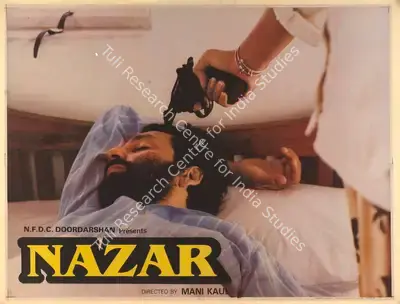
A relentless innovator, Kaul co-founded the Yukt Film Co-operative in 1976, fostering independent and avant-garde filmmaking in India. His distinguished oeuvre includes Ghashiram Kotwal (1976), Satah Se Uthata Admi (1980), Dhrupad (1982), Siddheshwari (1989), Nazar (1991) and Naukar Ki Kameez (1999). Siddheshwari earned him another National Film Award, while his four Filmfare Critics' Awards—for Uski Roti, Ashadh Ka Ek Din, Duvidha and Idiot (1992)—affirmed his enduring critical acclaim.
Beyond filmmaking, Kaul served on the jury of the 21st Berlin International Film Festival, taught music in the Netherlands, worked as Creative Director of Osian's film division in Mumbai, and was a visiting lecturer at Harvard University during 2000–01. He passed away on 6 July 2011 in Gurgaon after a prolonged battle with cancer, leaving behind a cinematic legacy that continues to inspire generations of filmmakers, scholars and cinephiles worldwide.
राजस्थान के जोधपुर में एक कश्मीरी परिवार में जन्मे कौल ने पुणे के फ़िल्म एंड टेलीविज़न इंस्टीट्यूट ऑफ़ इंडिया (FTII) में एक्टिंग प्रोग्राम में दाखिला लेने से पहले वहाँ ईयरबुक फ़ोटोग्राफ़र के तौर पर काम शुरू किया था। वहाँ वे मशहूर फ़िल्म निर्माता ऋत्विक घटक को अपना उस्ताद बनाया। 1966 में उन्होंने ग्रेजुएशन पूरा किया और बाद में टीचर के तौर पर FTII लौटे। हालाँकि उनके चाचा फ़िल्म निर्माता महेश कौल और मामा अनुभवी एक्टर राज कुमार मुख्यधारा के सिनेमा से जुड़े थे, फिर भी मणि कौल ने व्यवसयिक तौर-तरीकों को जान-बूझकर ठुकरा दिया और एक बिल्कुल अलग कलात्मक रास्ता चुना।
उनकी पहली फ़िल्म 'उसकी रोटी' (1969) को भारतीय न्यू वेव की एक अहम फ़िल्म माना जाता है। इसने अपनी अनोखी कहानी कहने की शैली और फ़ॉर्म से जुड़े प्रयोगों के ज़रिए हिंदी सिनेमा के सौंदर्यबोध को बदल दिया। इस फ़िल्म को 'बेस्ट फ़िल्म' के लिए फ़िल्मफ़ेयर क्रिटिक्स अवॉर्ड मिला, जो उन्हें मिले चार सम्मानों में से पहला था। इसके बाद मोहन राकेश के मशहूर नाटक पर आधारित 'आषाढ़ का एक दिन' (1971) और विजयदान देथा की चर्चित कहानी पर आधारित उनकी पहली रंगीन फ़ीचर फ़िल्म 'दुविधा' (1973) आई। 'दुविधा' को 'बेस्ट डायरेक्शन' के लिए नेशनल फ़िल्म अवॉर्ड मिला और यूरोप में इसकी स्क्रीनिंग के ज़रिए कौल की अंतरराष्ट्रीय पहचान बनी।
हमेशा कुछ नया करने की चाह रखने वाले कौल ने 1976 में 'युक्त फिल्म कोऑपरेटिव' की स्थापना की, जिससे भारत में स्वतंत्र और प्रयोगधर्मी फिल्म निर्माण को बढ़ावा मिला। उनके बेहतरीन कामों में 'घासीराम कोतवाल' (1976), 'सतह से उठता आदमी' (1980), 'ध्रुपद' (1982), 'सिद्धेश्वरी' (1989), 'नज़र' (1991) और 'नौकर की कमीज़' (1999) शामिल हैं। 'सिद्धेश्वरी' के लिए उन्हें एक और राष्ट्रीय फिल्म पुरस्कार मिला, जबकि 'उसकी रोटी', 'आषाढ़ का एक दिन', 'दुविधा' और 'इडियट' (1992) के लिए मिले चार फिल्मफ़ेयर क्रिटिक्स अवॉर्ड्स ने आलोचकों के बीच उनकी लगातार बनी रहने वाली तारीफ़ को साबित किया।
फिल्म निर्माण के अलावा, कौल 21वें बर्लिन इंटरनेशनल फिल्म फेस्टिवल की जूरी में शामिल रहे, नीदरलैंड में संगीत सिखाया, मुंबई में ओसियन (Osian's) के फिल्म डिवीज़न में क्रिएटिव डायरेक्टर के तौर पर काम किया और 2000-01 के दौरान हार्वर्ड यूनिवर्सिटी में विजिटिंग लेक्चरर रहे। कैंसर से लंबी लड़ाई के बाद 6 जुलाई 2011 को गुड़गांव में उनका निधन हो गया। वे अपने पीछे एक ऐसी सिनेमाई विरासत छोड़ गए जो दुनिया भर में फिल्म निर्माताओं, विद्वानों और सिनेमा प्रेमियों की पीढ़ियों को प्रेरित करती रहती है।