

Introduction
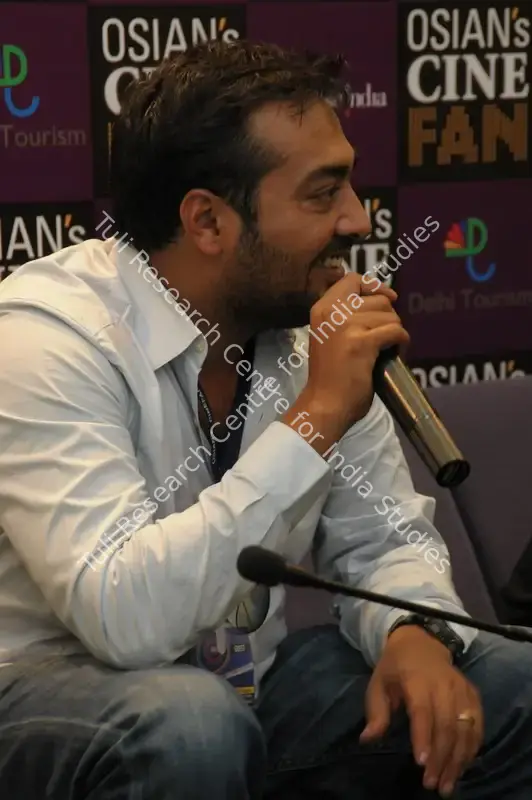
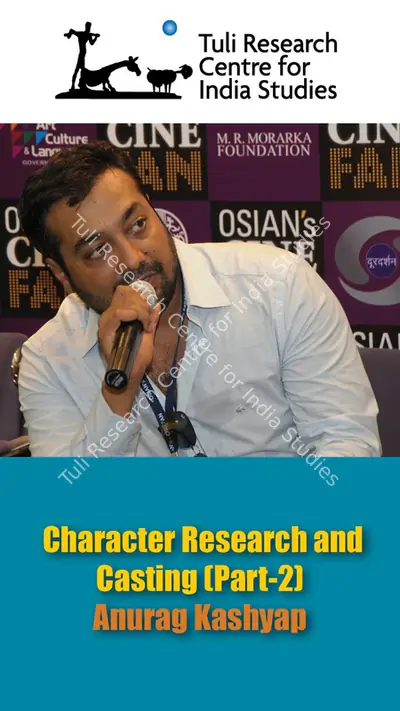
Anurag Kashyap (born 10 September 1972) is an acclaimed Indian filmmaker, screenwriter, producer, and actor, celebrated for his bold storytelling and groundbreaking contribution to Hindi cinema. A recipient of four Filmfare Awards and the French government's Knight of the Order of Arts and Letters (2013), Kashyap is widely regarded as an auteur who revolutionized India's independent film movement in the early 2000s.
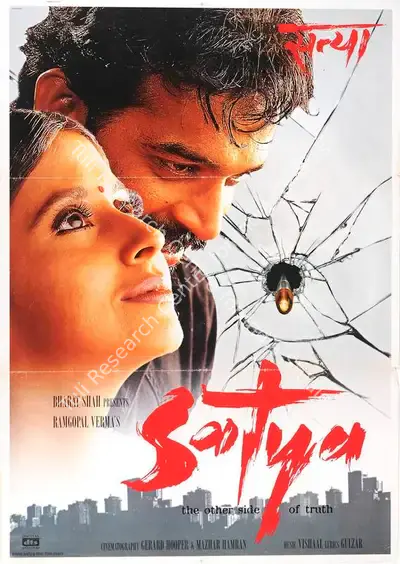
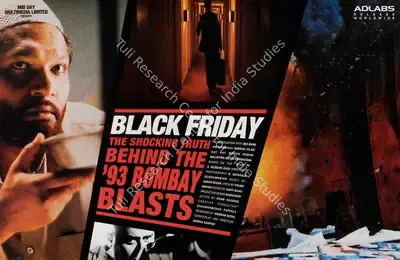
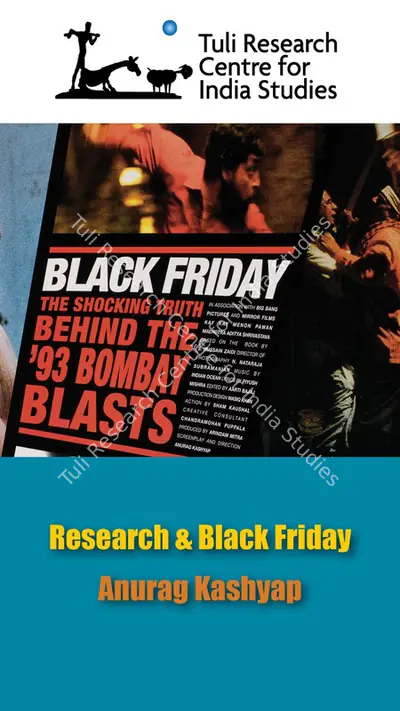
Emerging as a co-writer of Ram Gopal Varma's pathbreaking Satya (1998), Kashyap soon established a distinct cinematic voice. His directorial debut Paanch, though unreleased due to censorship, set the tone for his fearless approach. His next film, Black Friday (2004), based on the 1993 Bombay bombings, faced a two-year ban but was hailed upon release for its raw realism—winning the Grand Jury Prize at the Indian Film Festival of Los Angeles and competing at the Locarno Film Festival.
Kashyap's modern-day reinterpretation Dev.D (2009) reimagined the classic Devdas through a contemporary lens, resonating deeply with India's youth and marking a cultural shift in urban storytelling. Gulaal (2009) and That Girl in Yellow Boots (2011) further established his reputation as a fearless chronicler of political and personal rebellion. His magnum opus, the two-part Gangs of Wasseypur (2012), became a global phenomenon, acclaimed for its gritty portrayal of small-town crime and its inventive narrative style—often compared to Tarantino's oeuvre.
As a producer, Kashyap nurtured new voices through The Lunchbox (2013) and Shahid (2012), with the former earning a BAFTA nomination. His subsequent films—Ugly (2014), Raman Raghav 2.0 (2016), and Mukkabaaz (2018)—continued to explore the darker, more humane sides of Indian society. With Sacred Games (2018), India's first Netflix Original series, Kashyap brought Indian crime drama to a global platform, cementing his position as a pioneer bridging indie sensibilities with digital-age storytelling.
Known for his guerrilla filmmaking, real locations, improvised dialogues, and handheld camera work, Kashyap redefined cinematic authenticity for a generation disillusioned by formulaic Bollywood. His influence inspired a wave of young filmmakers to pursue realism, experimentation, and narrative courage.
राम गोपाल वर्मा की शानदार फ़िल्म 'सत्या' (1998) के को-राइटर (सह-लेखक) के तौर पर पहचान बनाने वाले कश्यप ने जल्द ही अपनी एक अलग सिनेमाई पहचान बना ली। उनकी डायरेक्टोरियल डेब्यू फिल्म 'पांच' सेंसरशिप की वजह से रिलीज़ नहीं हो पाई, लेकिन इसने उनके बेबाक अंदाज़ की नींव रख दी। उनकी अगली फिल्म 'ब्लैक फ्राइडे' (2004), जो 1993 के बॉम्बे बम धमाकों पर आधारित थी, पर दो साल तक बैन लगा रहा, लेकिन रिलीज़ होने पर इसे इसकी असलियत दिखाने वाले अंदाज़ के लिए ख़ूब सराहा गया। इसने लॉस एंजिल्स के इंडियन फ़िल्म फेस्टिवल में 'ग्रैंड जूरी प्राइज़' जीता और लोकार्न फ़िल्म फेस्टिवल में भी मुक़ाबला किया।
कश्यप की मॉडर्न-डे री-इंटरप्रिटेशन वाली फिल्म 'देव.डी' (2009) ने क्लासिक 'देवदास' को आज के नज़रिए से पेश किया, जो भारत के युवाओं को बहुत पसंद आई और शहरी कहानी कहने के अंदाज़ में एक सांस्कृतिक बदलाव लेकर आई। 'गुलाल' (2009) और 'दैट गर्ल इन येलो बूट्स' (2011) ने राजनीतिक और व्यक्तिगत बग़ावत को बेबाकी से दिखाने वाले फ़िल्ममेकर के तौर पर उनकी पहचान को और मज़बूत किया। उनकी सबसे बेहतरीन फ़िल्म, दो हिस्सों वाली 'गैंग्स ऑफ़ वासेपुर' (2012), एक ग्लोबल घटना बन गई। इसे छोटे शहरों के अपराध को असलियत के साथ दिखाने और कहानी कहने के अनोखे अंदाज़ के लिए सराहा गया, जिसकी तुलना अक्सर टारेंटिनो के काम से की जाती है।
एक प्रोड्यूसर के तौर पर, कश्यप ने 'द लंचबॉक्स' (2013) और 'शाहिद' (2012) जैसी फ़िल्मों के ज़रिए नए टैलेंट को आगे बढ़ाया, 'द लंचबॉक्स' को तो बाफ्टा नॉमिनेशन भी मिला। उनकी बाद की फ़िल्मों—'अगली' (2014), 'रमन राघव 2.0' (2016) और 'मुक्काबाज़' (2018), ने भारतीय समाज के गहरे और मानवीय पहलुओं को दिखाया। भारत की पहली नेटफ़्लिक्स ओरिजिनल सीरीज़ 'सेक्रेड गेम्स' (2018) के साथ, कश्यप भारतीय क्राइम ड्रामा को ग्लोबल प्लैटफ़ॉर्म पर ले आए। इस तरह उन्होंने आज़ाद ख़याल और डिजिटल दौर की कहानी कहने की कला को जोड़ने वाले एक अगुआ के तौर पर अपनी जगह पक्की की।
गुरिल्ला फ़िल्ममेकिंग, असली लोकेशन, मौके पर बनाए गए डायलॉग और हैंडहेल्ड कैमरा वर्क के लिए मशहूर कश्यप ने उस पीढ़ी के लिए फ़िल्मी असलियत को नए सिरे से परिभाषित किया, जो घिसी-पिटी बॉलीवुड फ़िल्मों से निराश हो चुकी थी। उनके असर से युवा फ़िल्ममेकर्स की एक ऐसी लहर तैयार हुई जो असलियत, प्रयोग और कहानी कहने की हिम्मत को अपनाना चाहती थी।
- Date of Birth
- 10 Sep 1972
- Age
- 54
- Nationality
- Indian
- Place of Birth
- Gorakhpur, Uttar Pradesh, India
- Spouse(s)
- Year Marriage Registered
- 1997-2009 | 2011-2015
- Children
- Aaliyah Kashyap
- Parent(s)
- Prakash SinghManjari Singh
- Siblings
- Anubhuti Kashyap
- Hillgrange Preparatory School, Dehradun, Uttarakhand
- Scindia School, Gwalior
1990
- B.Sc. Zoology, Hansraj College, University of Delhi, Delhi
1990 – 1993
1993
- Jan Natya ManchAssociated Institution
Filmography 77
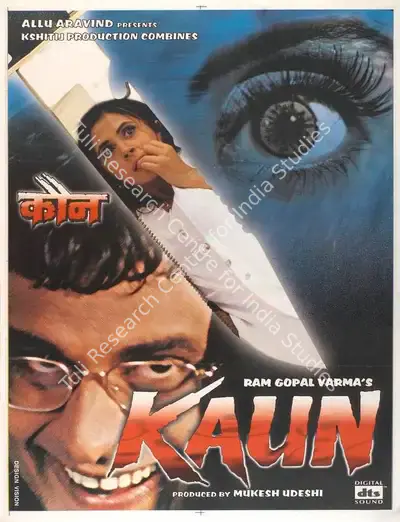
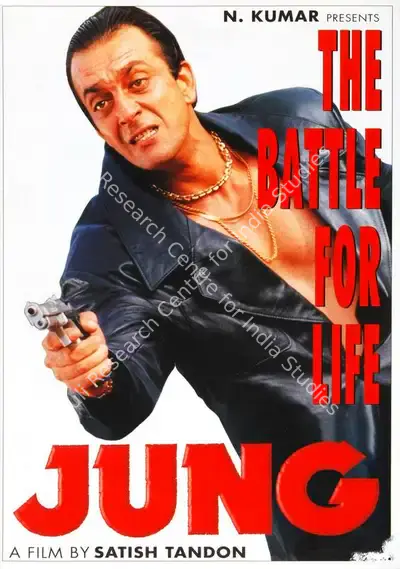

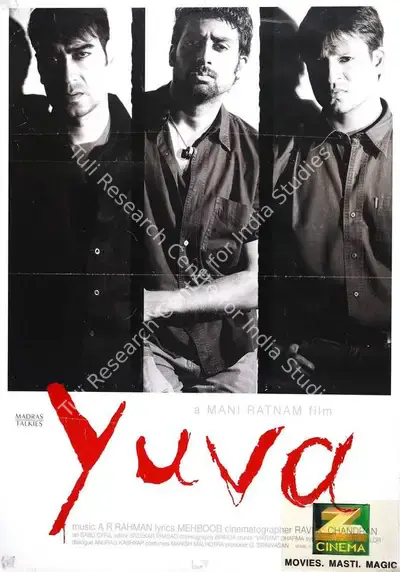
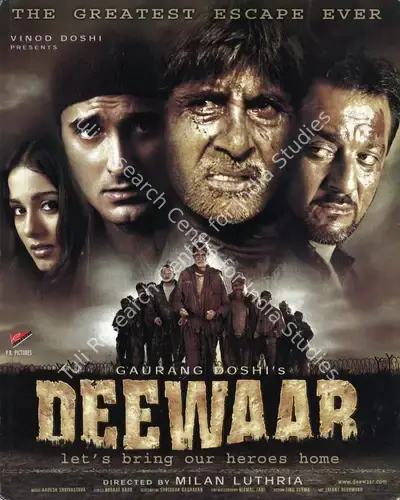
Research Centre




Related
18
Films
18