
Sikkim1971
Introduction
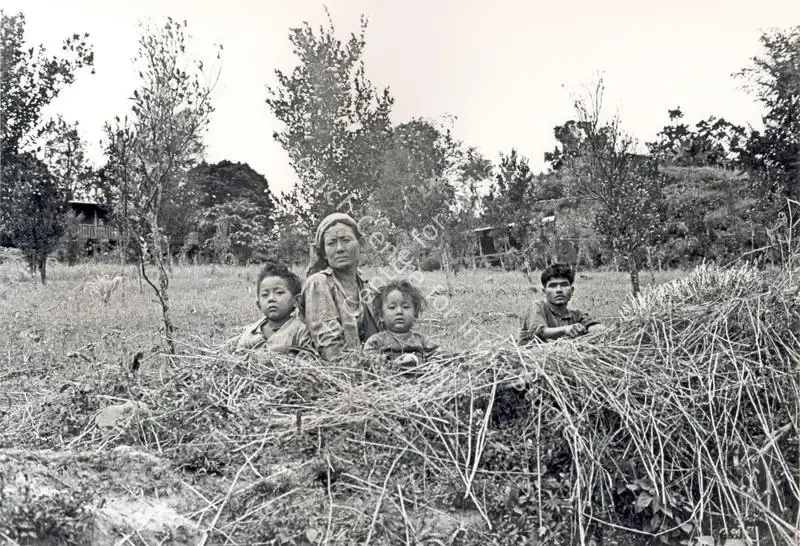
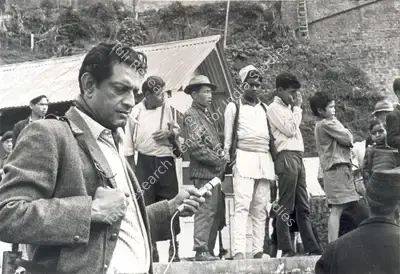
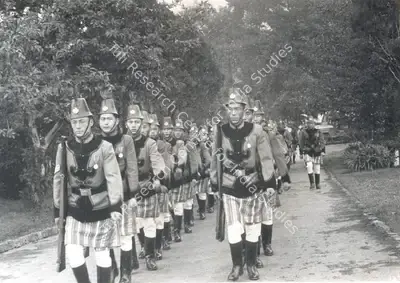
Sikkim (1971) A veiled gem in Satyajit Ray's luminous oeuvre, Sikkim was never just a documentary. It was a cinematic prayer, a quiet elegy for a kingdom on the verge of disappearance. Commissioned by Chogyal Palden Thondup Namgyal, the last monarch of the Himalayan state, the film emerged at a time when Sikkim's fragile sovereignty wavered under the looming shadows of India and China.
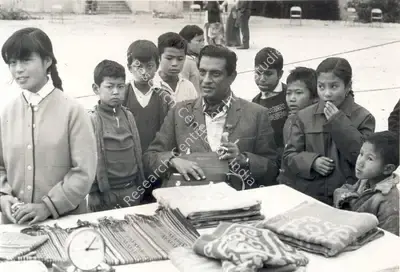
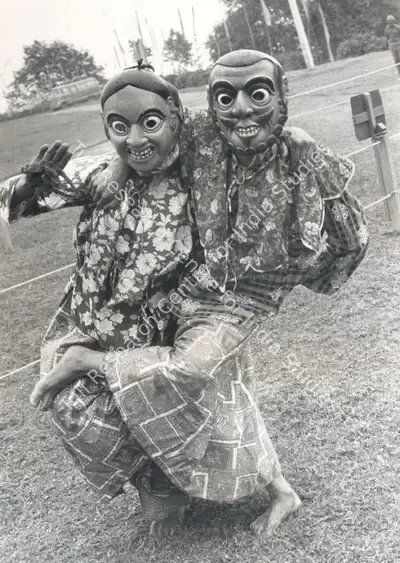
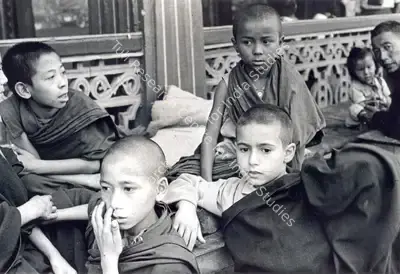
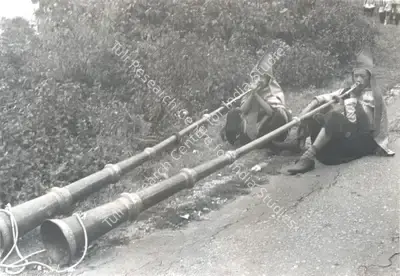
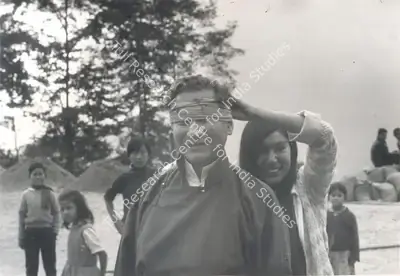
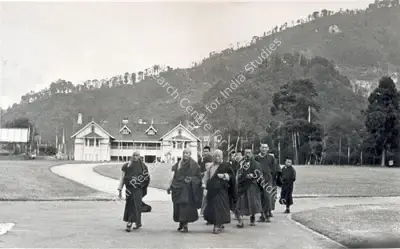
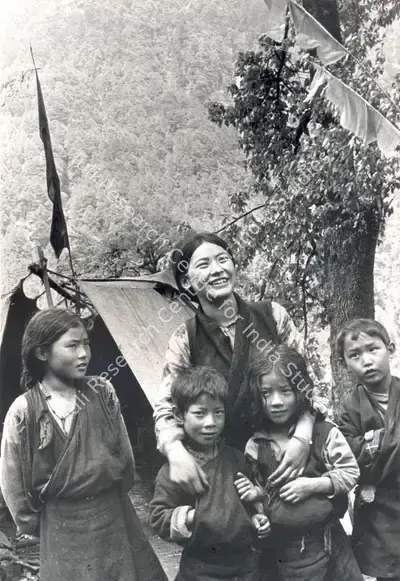
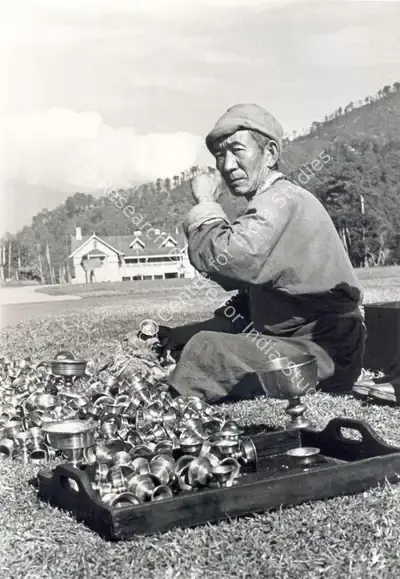
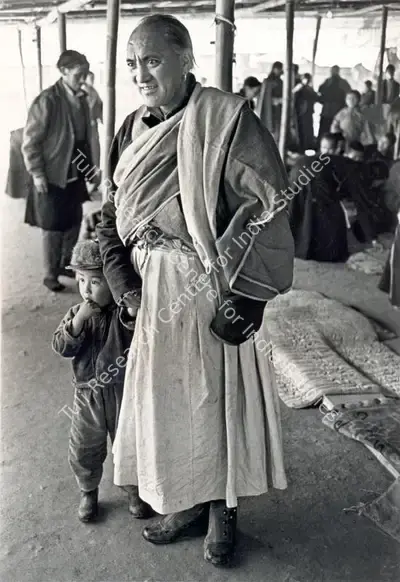
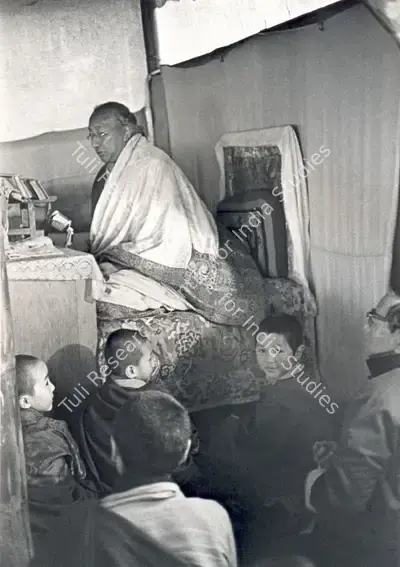
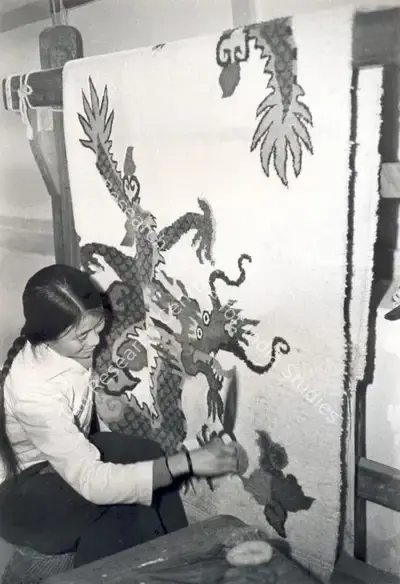
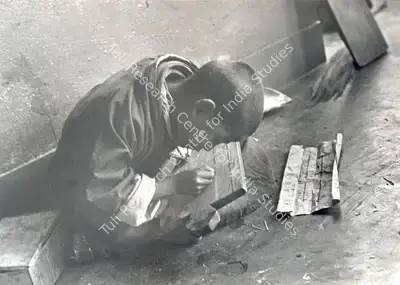
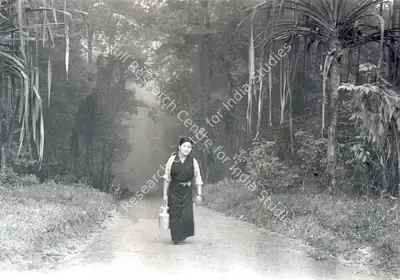
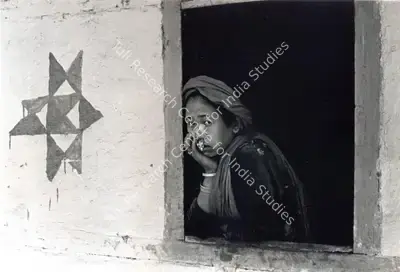
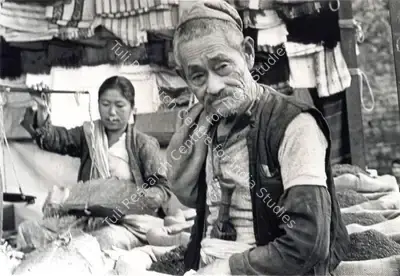
With contemplative precision and the eye of a master, Ray composed a visual requiem capturing the spirit of a land through its people, their rituals, their rhythms, and the austere grandeur of its mountainous silences. The film breathed with the snow-laced hush of monasteries, the flutter of prayer flags, and the laughter of children beneath cloud-swept skies.
Yet, for decades, Sikkim remained unseen, a whispered mantra lost to the wind. After a private screening for the royal family, it vanished, buried beneath the weight of politics and bureaucracy. Following Sikkim's annexation by India in 1975, the film was banned. A silent witness to a history many preferred to forget.
But memory, like water, finds a way. In 2003, the British Film Institute revealed it held a pristine print. Meanwhile, the Satyajit Ray Society in Kolkata unearthed a decayed copy preserved by the Chogyal's family. Redemption arrived in 2007 when the Academy Film Archive in Los Angeles restored the London print. A year later, it reemerged at the Nantes Three Continents Film Festival in a Ray retrospective.
In November 2010, Sikkim finally returned home and screened at Nandan in Kolkata to reverent crowds, some seated cross-legged on the floor. But its resurrection was brief. A local court swiftly reinstated the ban, temporarily pausing its journey, though it was later lifted again.
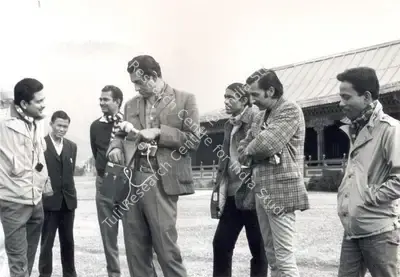
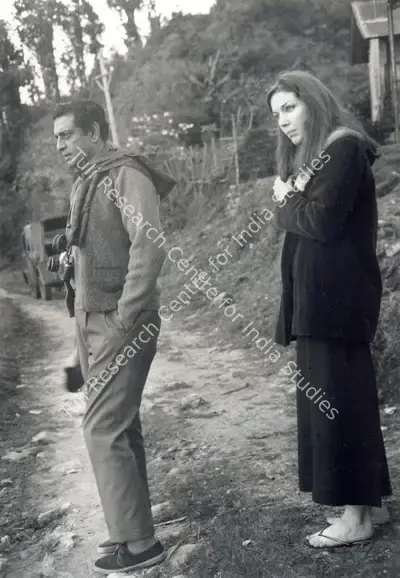
The film's origins were personal: Ray was approached through his cousin who was a Darjeeling resident and actor in Kanchenjungha (1962). He connected Ray with the Chogyal and his American consort, Hope Cooke. Ray, drawn not by politics but by poetry, agreed.
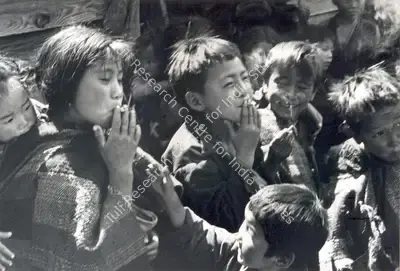
Of one passage, he recalled with quiet pride, “It's a very poetic seven minutes… The end is lively, optimistic — children laughing, singing, smoking. A paean of praise for the place.”
Framed in light and silence, Sikkim endures a luminous eulogy to a vanished world.
राय ने अपनी गहन चिंतन से निर्मित दृष्टि और असाधारण शिल्प के साथ इस फ़िल्म को एक दृश्यकाव्य का रूप दिया। एक अनदेखे पर्वतीय प्रदेश की आत्मा को उसके जन, उनके अनुष्ठान, उनकी मंथर लय और उसके पर्वत के समान गंभीर मौन में अभिव्यक्त होती गरिमा के माध्यम से चित्रित करते हुए। यह फ़िल्म बर्फ से ढके बौद्ध मठों की निस्तब्धता में साँस लेती है, प्रार्थना के लिए लगाई गई झंडियों की फड़फड़ाहट में गूँजती है और बादलों से आच्छादित घाटियों तले खेलते बच्चों की निश्छल हँसी में ज़िन्दा होती है।
पर दशकों तक सिक्किम अनदेखी ही रही। मानो कोई पवित्र मंत्र हो, जिसे हवा में फूंका गया और वो हवा में ही गुम हो गया। शाही परिवार के लिए इस फ़िल्म के एक निजी प्रदर्शन के बाद यह फ़िल्म गुम हो गई। राजनीति और नौकरशाही के बोझ तले दबकर इसका पता खो गया। सन् 1975 में सिक्किम राज्य के भारत में विलय के बाद इस फ़िल्म पर प्रतिबंध लगा दिया गया। यह ऐसे इतिहास की साक्षी फ़िल्म थी, जिसे बहुत से पक्ष अब भुला देना चाहते थे।
पर स्मृतियाँ तो पानी की तरह होती हैं, वे अपना रास्ता ढूँढ़ ही लेती हैं। सन् 2003 में 'ब्रिटिश फ़िल्म इंस्टिट्यूट' ने घोषणा की कि उनके पास इस फ़िल्म की एक उम्दा प्रति मौजूद है। इसी बीच कोलकाता की 'सत्यजित राय सोसाइटी' ने चोग्याल परिवार द्वारा संरक्षित फ़िल्म की एक कुछ धिसी हुई प्रति खोज निकाली। सन् 2007 में लॉस एंजेलिस स्थित एकेडेमी फ़िल्म आर्काइव ने इसकी लंदन में मिली प्रति को रीस्टोर किया। अगले ही वर्ष यह फ़िल्म 'नांतेस थ्री कॉन्टिनेंट्स फ़िल्म फ़ेस्टिवल' में राय को समर्पित पुनरावलोकन खण्ड में प्रदर्शित हुई।
नवंबर, 2010 में राय की सिक्किम आखिरकार अपने घर लौटी। कोलकाता के मशहूर नंदन सिनेमाहॉल में राय के दीवानावार दर्शकों ने एक खचाखच भरे हॉल में इसे देखा। पूरा हॉल भरा था, यहाँ तक कि कई दर्शक तो ज़मीन पर पालथी मारकर बैठे इसे देख रहे थे। लेकिन उनकी यह ख़ुशी क्षणिक ही रही। इस प्रदर्शन के कुछ ही समय बाद एक स्थानीय अदालत ने फिर से अस्थायी रूप से इस फ़िल्म पर प्रतिबंध लगा दिया। हालाँकि बाद में इसे हटाया गया है।
इस फ़िल्म के निर्माण की शुरुआत बहुत व्यक्तिगत स्तर पर हुई थी। सत्यजित राय को दार्जिलिंग में रहनेवाले उनके चचेरे भाई ने संपर्क किया। उनके यह भाई उनकी फ़िल्म कंचनजंघा (1962) में अभिनेता भी रहे थे। उन्होंने राय की भेंट सिक्किम के तत्कालीन राजा चोग्याल और उनकी अमेरिकी पत्नी होप कुक से करवाई। राय इस विषय की ओर राजनीति के चलते नहीं बल्कि विषय में मौजूद कवितामय संभावनाओं से प्रेरित होकर आपर्षित हुए थे।
फ़िल्म के एक दृश्य के बारे में उन्होंने गर्वभरे लेकिन संयत स्वर में यह कहा था, “यह लगभग सात मिनट का अत्यंत काव्यात्मक प्रसंग है... अंत जीवन्त और आशा से भरा है। बच्चे हँसते-गाते, सिगरेट के कश लगाते दिखाई देते हैं। यह उस भूमि के लिए रचा गया एक प्रशस्तिगान है।”
रोशनी और मौन के फ्रेमों में बंधी सिक्किम आज भी एक ज़िन्दा दस्तावेज़ है। एक खो चुकी दुनिया के लिए रची गई उज्ज्वल शोकगाथा।
Body of Work