

Introduction
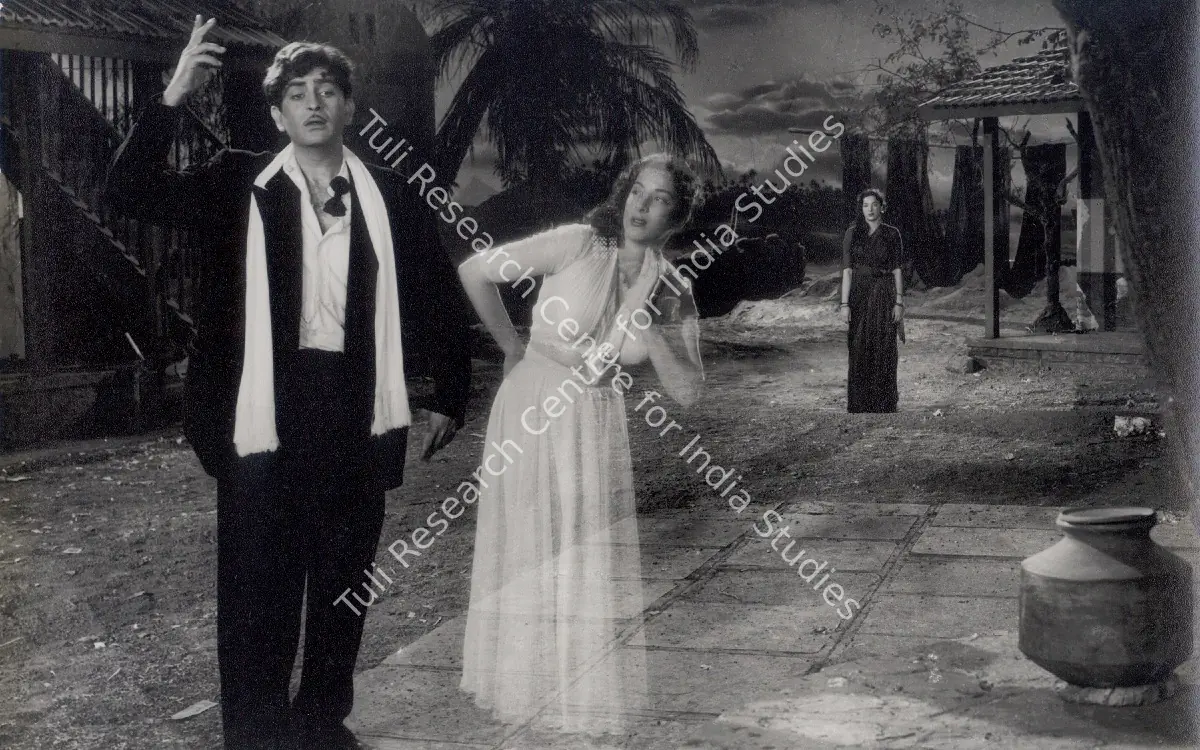
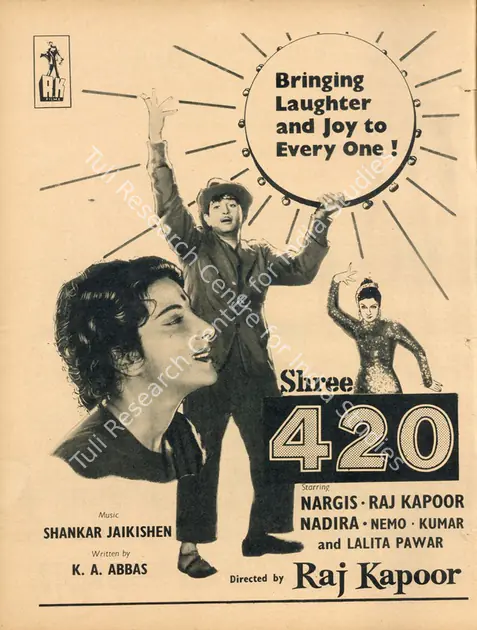
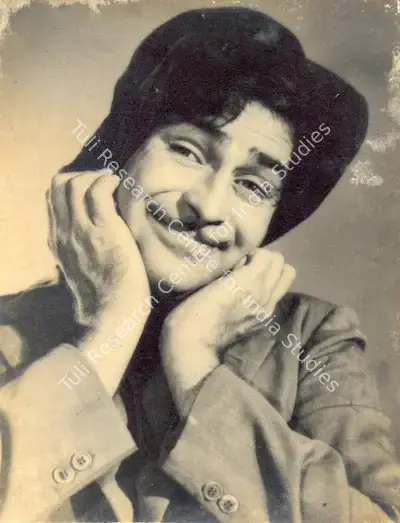
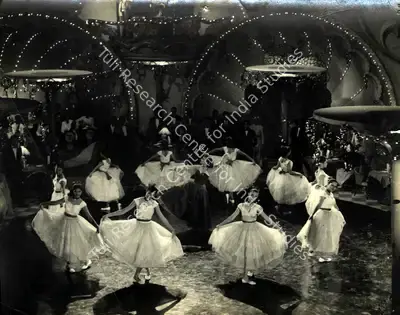
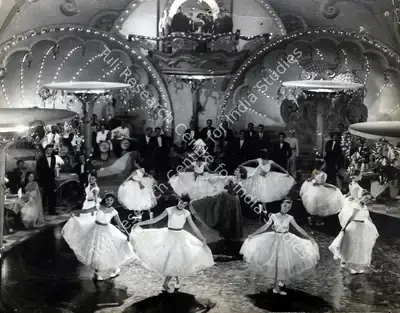
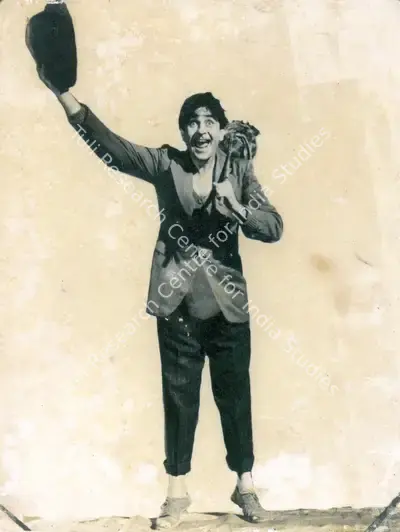
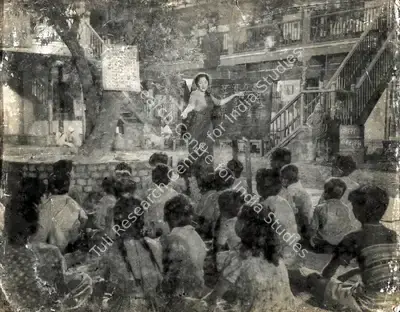
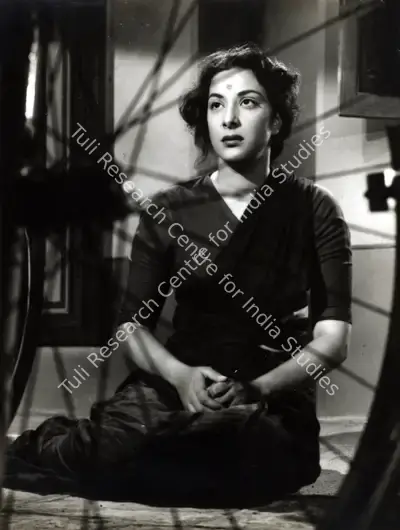
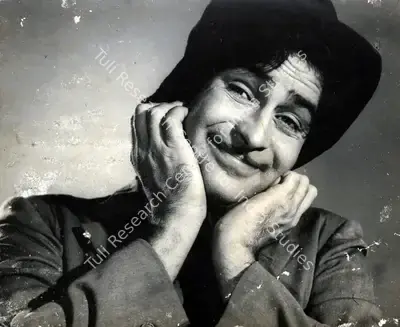
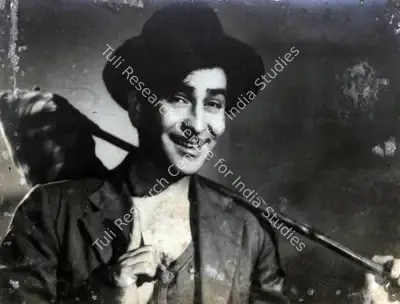
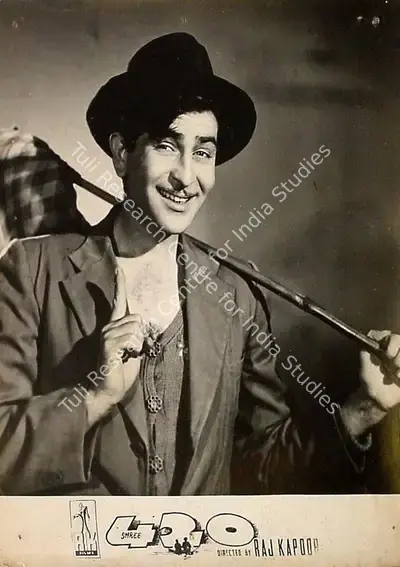
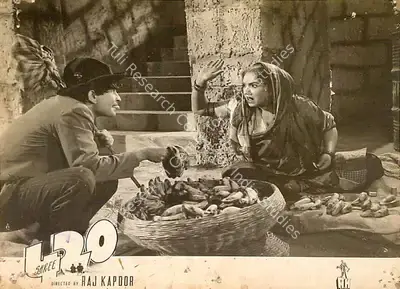
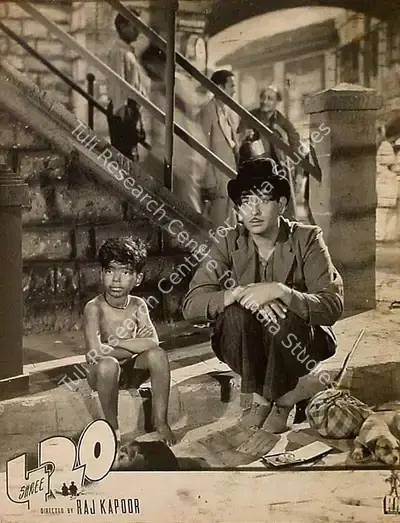
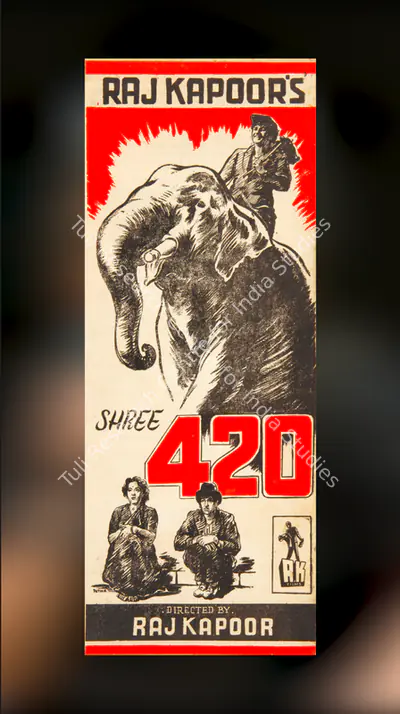
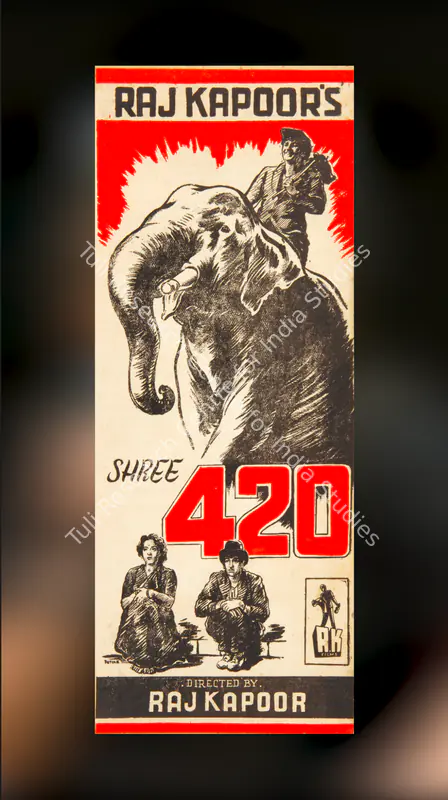
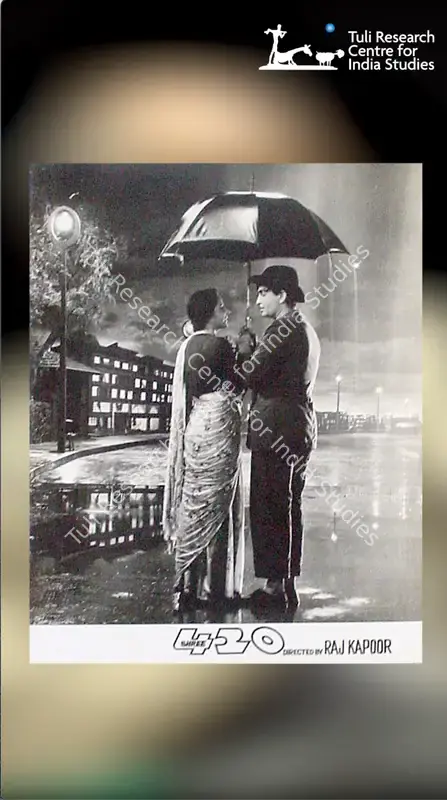
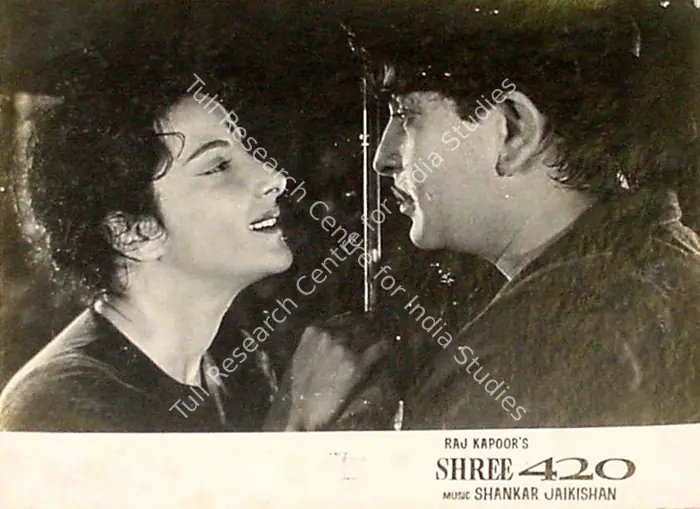
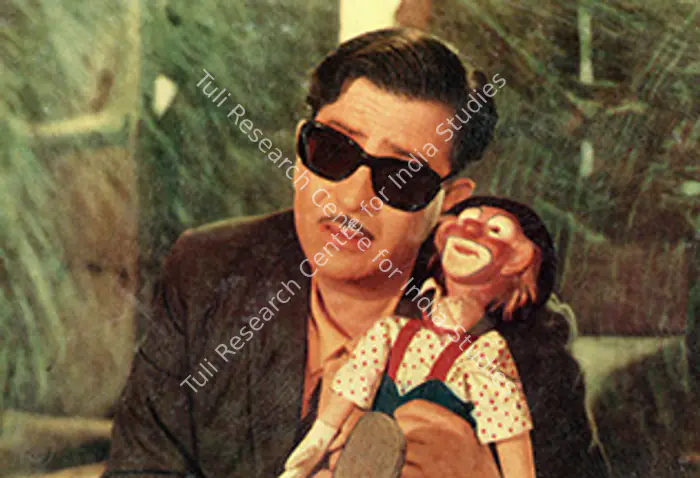
Shree 420, directed by Raj Kapoor, presents a powerful critique of urban corruption and the struggle for socio-economic mobility in post-Independence India. The title refers to Section 420 of the Indian Penal Code, which deals with fraud, a recurring theme throughout the film. The story follows Raj (Raj Kapoor), an innocent man from the countryside who arrives in Bombay seeking work. Facing exploitation and ethical dilemmas in the city's corrupt job market, Raj is drawn into the orbit of a con artist and begins to lose his moral compass. His transformation from a humble vagabond, inspired by Charlie Chaplin's Tramp, to a suave and morally conflicted figure reflects the loss of innocence in a dog-eat-dog world.
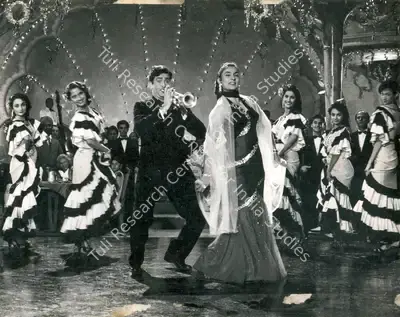
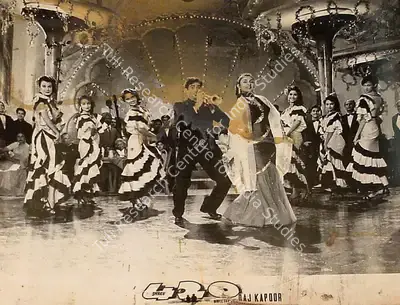
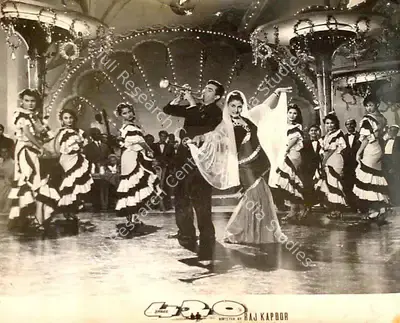
The film explores broader sociopolitical themes like class divide, capitalism, and nationalism. The iconic song "Mera Joota Hai Japani" expresses pride in belonging to India despite donning attire curated from several other countries, acknowledging the ambivalence of postcolonial identity of the newly independent nation. However, the film also critiques how nationalism is appropriated by the bourgeoisie for profit, as seen in a politician's commodification of patriotic symbols.
Shree 420 resonated with the international audience, especially in the Soviet Union, where its anti-capitalist and socialist undertones found an astounding footfall of more than 30 million viewers, despite the high price of the film's ticket. It became the highest-grossing Indian film of its time, cementing Kapoor's status as a cultural icon. This record was broken two years later when Mother India was released.
The film explores broader sociopolitical themes like class divide, capitalism, and nationalism. The iconic song "Mera Joota Hai Japani" expresses pride in belonging to India despite donning attire curated from several other countries, acknowledging the ambivalence of postcolonial identity of the newly independent nation. However, the film also critiques how nationalism is appropriated by the bourgeoisie for profit, as seen in a politician's commodification of patriotic symbols.
Shree 420 resonated with the international audience, especially in the Soviet Union, where its anti-capitalist and socialist undertones found an astounding footfall of more than 30 million viewers, despite the high price of the film's ticket. It became the highest-grossing Indian film of its time, cementing Kapoor's status as a cultural icon. This record was broken two years later when Mother India was released.
राज कपूर द्वारा निर्देशित श्री 420 शहरी भ्रष्टाचार और स्वतंत्रता के बाद के भारत में सामाजिक आर्थिक हैसियत हासिल करने को लेकर छिड़े संघर्ष की तीखी आलोचना प्रस्तुत करती है। फ़िल्म का शीर्षक भारतीय दंड संहिता की धोखाधड़ी और जालसाज़ी से जुड़े कानून की धारा 420 से लिया गया है। छल और फरेब़ फ़िल्म की कहानी का मुख्य विषय भी है। फ़िल्म की कहानी गाँव से महानगर बम्बई शहर नौकरी की तलाश में आये मासूम, भोले और ईमानदार इंसान राज (राज कपूर) के इर्द-गिर्द घूमती है। शहर के भ्रष्ट वातावरण में ईमानदारी से नौकरी पाने को जूझता, नैतिक दुविधाओं में उलझा राज एक ठग के प्रभाव में आकर बुरे काम करने लगता है और अपनी ईमानदारी और नैतिकता खोना लगता है। चार्ली चैप्लिन के ट्रैम्प के किरदार से प्रेरित राज कपूर का रचा नायक देखते ही देखते फ़िल्म में एक नम्र आवारा से एक भद्र अनैतिक किरदार में बदल जाता है। नायक में आया ये बदलाव प्रतीक है कि कैसे गलाकाट प्रतिस्पर्धा में डूबी यह दुनिया इंसान की मासूमियत छीन लेती है।
यह फ़िल्म वर्गभेद, पूंजीवाद और राष्ट्रवाद जैसे व्यापक सामाजिक-राजनीतिक विषयों को भी अपनी कहानी के ज़रिये उठाती है। शैलेंद्र के लिखे यादगार गीत “मेरा जूता है जापानी” के बोल बताते हैं कि कैसे कई अन्य देशों से हासिल परिधानों को धारण करने के बावजूद नायक की पहचान ख़ालिस हिन्दुस्तानी है, जो एक नवस्वतंत्र राष्ट्र की उलझी उत्तर-औपनिवेशिक पहचान का स्वीकार भी है। हालाँकि फ़िल्म में एक राजनेता द्वारा देशभक्ति के प्रतीकों का वस्तुकरण करने की प्रवृत्ति दिखाकर इस बात की ओर भी इशारा किया गया है कि कैसे राष्ट्रवाद का इस्तेमाल पूंजीपति वर्ग अपने लाभ के लिए करता है।
श्री 420 ने अन्तरराष्ट्रीय स्तर पर भी खूब प्रशंसा बटोरी। ख़ासकर सोवियत संघ के दर्शकों के बीच फ़िल्म को अपार लोकप्रियता हासिल हुई। इसके पूंजीवाद विरोधी और समाजवादी आदर्शों के पक्षधर विचार की वजह से यहाँ फ़िल्म को इसकी ऊँची टिकट दर के बावजूद तीन करोड़ से अधिक दर्शकों ने देखा। यह अपने समय की सबसे अधिक पैसा कमानेवाली भारतीय फ़िल्म बन गई और राज कपूर उस दौर के लोकप्रिय सांस्कृतिक नायक बन गए। इस फ़िल्म का सर्वाधिक कमाई का कीर्तिमान दो साल बाद मदर इंडिया (1957) की रिलीज़ के साथ ही टूट पाया।
यह फ़िल्म वर्गभेद, पूंजीवाद और राष्ट्रवाद जैसे व्यापक सामाजिक-राजनीतिक विषयों को भी अपनी कहानी के ज़रिये उठाती है। शैलेंद्र के लिखे यादगार गीत “मेरा जूता है जापानी” के बोल बताते हैं कि कैसे कई अन्य देशों से हासिल परिधानों को धारण करने के बावजूद नायक की पहचान ख़ालिस हिन्दुस्तानी है, जो एक नवस्वतंत्र राष्ट्र की उलझी उत्तर-औपनिवेशिक पहचान का स्वीकार भी है। हालाँकि फ़िल्म में एक राजनेता द्वारा देशभक्ति के प्रतीकों का वस्तुकरण करने की प्रवृत्ति दिखाकर इस बात की ओर भी इशारा किया गया है कि कैसे राष्ट्रवाद का इस्तेमाल पूंजीपति वर्ग अपने लाभ के लिए करता है।
श्री 420 ने अन्तरराष्ट्रीय स्तर पर भी खूब प्रशंसा बटोरी। ख़ासकर सोवियत संघ के दर्शकों के बीच फ़िल्म को अपार लोकप्रियता हासिल हुई। इसके पूंजीवाद विरोधी और समाजवादी आदर्शों के पक्षधर विचार की वजह से यहाँ फ़िल्म को इसकी ऊँची टिकट दर के बावजूद तीन करोड़ से अधिक दर्शकों ने देखा। यह अपने समय की सबसे अधिक पैसा कमानेवाली भारतीय फ़िल्म बन गई और राज कपूर उस दौर के लोकप्रिय सांस्कृतिक नायक बन गए। इस फ़िल्म का सर्वाधिक कमाई का कीर्तिमान दो साल बाद मदर इंडिया (1957) की रिलीज़ के साथ ही टूट पाया।
1 / 7
Body of Work
Art Director
Assistant Directors
Banner
Choreographer
Cinematographer
Costume Designer
Dialogue Writer
Director
Editing
Lead Cast
Lead Cast Rest
Lyricist
Music Director
Producer
Screenplay Writer
Still Photographer
Story Writer
05:48 mins
04:48 mins
05:13 mins
04:17 mins
05:57 mins
04:34 mins
02:30 mins
03:30 mins
Research Centre

20 of 57
20 of 51

Posts 3
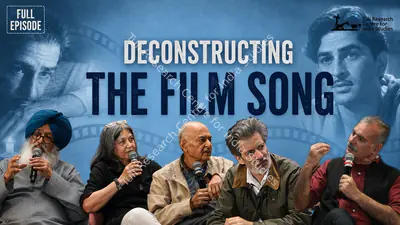
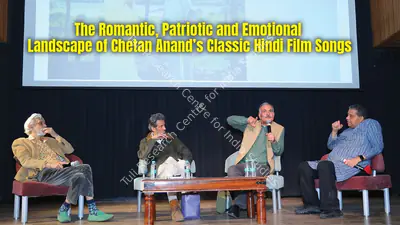
- "Raj Kapoor's tramp, the wide-eyed wanderer in oversized clothes and a battered hat, was one of Hindi cinema's most deliberate creative constructions. Borrowed in spirit from Charlie Chaplin but rooted firmly in the anxieties of post-independence India, the figure carried the dreams and displacements of a nation still finding its footing. "Awara Hoon" from Awara (1951) became the song that gave that figure its voice, and its reach was extraordinary. In this clip, the panel discusses how the film introduced Raj Kapoor to audiences across the erstwhile Soviet Union, China and beyond. Composer-Writer Madan Gopal Singh points to ""Ramaiya Vastavaiya"" from Shree 420 (1955) as a moment of genuine creative risk, where Lata Mangeshkar's voice moves the song from a collective street chorus into something laden with intimate individuality. The panel also deconstructs two more songs from Raj Kapoor's career: "Pyar Hua Ikrar Hua" from Shree 420 (1955) and "Jeena Yahan Marna Yahan" from Mera Naam Joker (1970), examining what makes them endure across generations. In the workshop "A Musical Glue for Nation-Building: Deconstructing the Film Song," organised by the Tuli Research Centre for India Studies (T.R.I.S.), Madan Gopal Singh, Juhi Saklani, Ravikant, and Amit Khanna, in conversation with Neville Tuli, explore the lasting appeal of these songs and what they reveal about India's greatest showman's vision of cinema, emotion, and India itself.
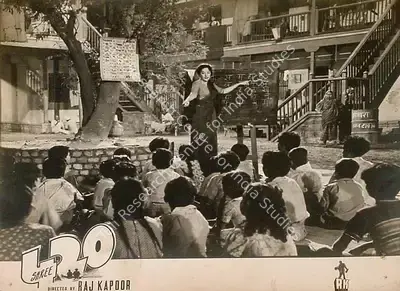
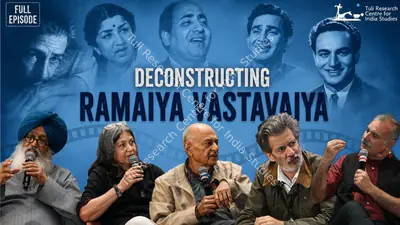
- "Ramaiya Vastavaiya" from Shree 420 (1955) is much more than a folk street song. In this clip, the panel unpacks the layers beneath its apparent simplicity. Writer and Cinephile Juhi Saklani reflects on Shailendra's contribution to the building of the Raj Kapoor persona, noting that his lyrics carry a quality of innocence and moral incorruptibility that is, in its own way, a political stance. To sound that guileless in a world of compromise is itself an act of resistance. Ravikant picks up on a related thread, observing that the image of the worker or peasant singing while working, as in this song, is a recurring and almost static theme in Hindi cinema's representation of labouring life. This clip is from the workshop "A Musical Glue for Nation-Building: Deconstructing the Film Song", presented by the Tuli Research Centre for India Studies (T.R.I.S.) at the 7th Self-Discovery via Rediscovering India Festival, featuring Madan Gopal Singh, Amit Khanna, Ravikant and Juhi Saklani in conversation with Neville Tuli.
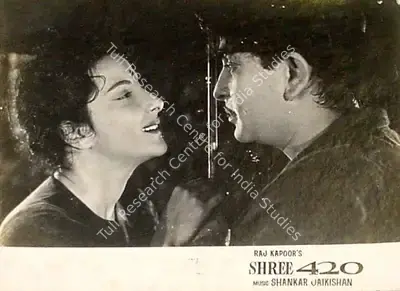
- "Pyar Hua Ikrar Hua" from Shree 420 (1955) at first glance is a song about two people standing in the rain, declaring their love for each other with nothing to their names. This conversation between the panelists peels back the layers, finding in it a richness that a casual listen rarely reveals. Filmmaker-Lyricist Amit Khanna opens with an anecdote about the battle between Raj Kapoor and Shankar-Jaikishan over whether Manna Dey or Mukesh should sing the song. It was Manna Dey who finally got the opportunity, and his voice immortalised it. Ravikant, Professor, CSDS (The Centre for the Study of Developing Societies), draws a parallel between the song and Roland Barthes' A Lover's Discourse, noting how the lovers believe their love to be eternal and absolute. For Ravikant, that sense of transcendence finds its most powerful visual expression when the camera pans to three young children, an image of radiant vitality that lifts the moment beyond the two figures standing in the rain. Composer-Writer Madan Gopal Singh reads the song through a different lens, comparing the condition of the two destitute lovers to that of newly independent India itself, a nation full of longing, uncertain of its footing, but reaching toward something better. This clip is from the workshop "A Musical Glue for Nation-Building: Deconstructing the Film Song" presented by the Tuli Research Centre for India Studies (T.R.I.S.) at the 7th Self-Discovery via Rediscovering India Festival, featuring Madan Gopal Singh, Amit Khanna, Ravikant, Juhi Saklani, and Neville Tuli.
Calendar 3
- ArchivedOffline-Online EventProject 80A Musical Glue for Nation-BuildingDeconstructing the Film Song23rd July - 22nd August 2026Ketan Anand | Ravikant | Pavan Jha | Madan Gopal Singh | Amit Khanna | Juhi Saklani | Antara Mondal | Shikha Jhingan | Neville TuliA key section of the India Studies framework at The Tuli Research Centre for India Studies (T.R.I.S.) is “Deconstructing the Film Song”. It began with a series of four workshops during our Self-Discovery via Rediscovering India Festival Series that brought together leading scholars & academics, film practitioners & students, along with fans of the Hindi film song. The objective of these workshops was to deconstruct iconic Hindi film songs to examine their formation across music, lyrics, playback, choreography, directorial visualisation, as they fuse into sites where aesthetics, ideology, and performance intersect, so as to help clarify the nature of India and her relationship to the film song. The Hindi Film Song functions as a narrative device, conveying myriad textures of emotion through melody, voice and poetry. As cultural texts that encode memory, desire, and ideology, songs are integral to the circulation and resonance of films in the public realm. Over time they have become autonomous bundles of creative energy - the glue that binds us over time, articulating and perhaps even defining the idea of Indianness. These first Workshops were an attempt to understand the nature and power of this glue, while contemplating the ways to situate it within TRIS' academic framework for Contemporary India Studies.Read More →
- ArchivedDeconstructing the Hindi Film SongProject 61A Musical Glue for Nation-BuildingFour Classic Songs from the cinema of Raj Kapoor and the genius of Shankar-Jaikishan, Shailendra, Lata Mangeshkar, Mukesh, Manna Dey & Mohammed RafinnAwara Hoon | Awara-1951 nRamaiya Vastavaiya | Shree 420-1955 nPyar Hua Ikrar Hua | Shree 420-1955 nJeena Yahan Marna Yahan | Mera Naam Joker-197017th February 20265:00pmM.L. Bhartia Auditorium, Alliance Francaise de Delhi, 72 K.K. Birla Lane, Lodi Estate, New Delhi, 110005Madan Gopal Singh, Amit Khanna, Ravikant, Juhi Saklani & Neville TuliA key section of the India Studies framework at The Tuli Research Centre for India Studies (T.R.I.S.) is “Deconstructing the Hindi Film Song”. It will begin with a series of four workshops that brings together leading scholars & academics, film practitioners & students, along with fans of the Hindi film song. The objective of these workshops is to deconstruct iconic Hindi film songs to examine their formation across music, lyrics, playback, choreography, directorial visualisation, as they fuse into sites where aesthetics, ideology, and performance intersect. The Hindi Film Song functions as a narrative device, conveying myriad textures of emotion through melody, voice and poetry. As cultural texts that encode memory, desire, and ideology, songs are integral to the circulation and resonance of films in the public realm. Over time they have become autonomous bundles of creative energy - the glue that binds us over time, articulating and perhaps even defining the idea of Indianness. The first Workshops are an attempt to understand the nature and power of this glue, while contemplating the ways to situate it within TRIS' academic framework for Contemporary India Studies.Read More →
- ArchivedExhibitionProject 14Exhibition | The Cinema of Raj Kapoor | T.R.I.S. in Collaboration with 17th Habitat Film Festival14th - 19th May 2025T.R.I.S. in Collaboration with 17th Habitat Film Festival will be commemorating the life and work of two pioneering individuals of the Indian film industry, who shaped Indian cinema in their unique ways. One exhibition celebrates the birth centenary of Raj Kapoor, while the other remembers Shyam Benegal. The Cinema of Raj Kapoor – 15 to 20 May 2025 The Cinema of Shyam Benegal - 21 to 25 May 2025 10:00 am to 8:00 pm daily at the Convention Centre Foyer GalleryRead More →

Related
11
Personalities
11