


Introduction
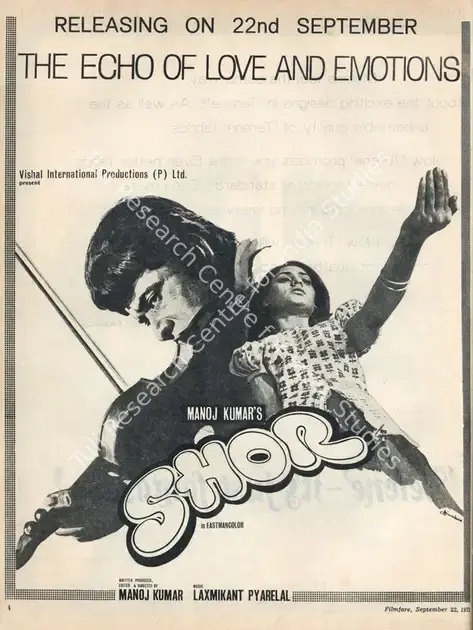
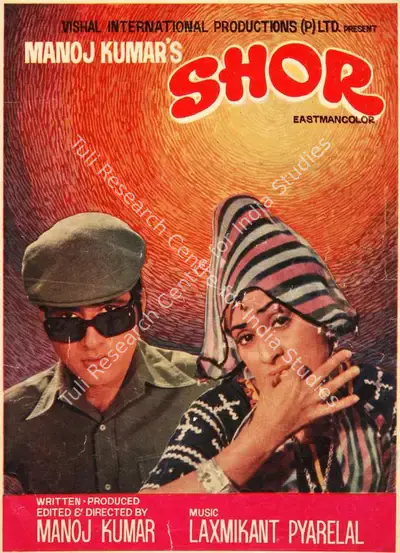
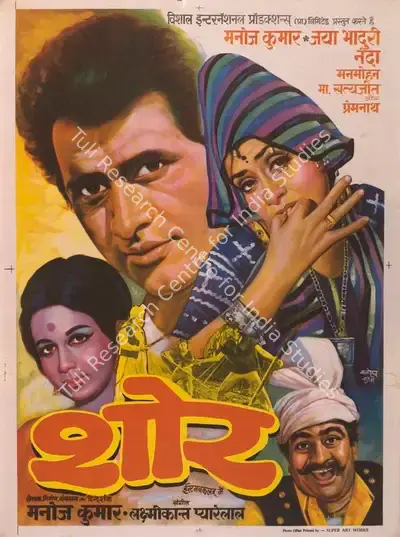
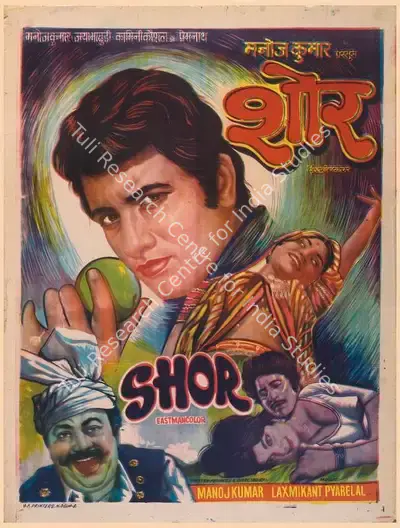
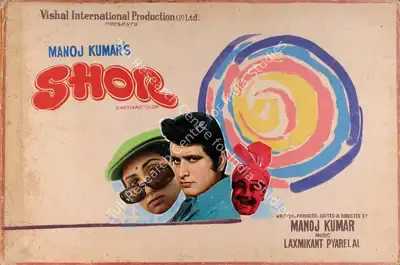
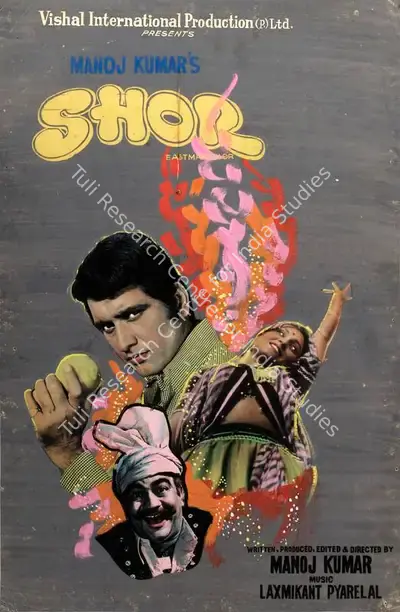
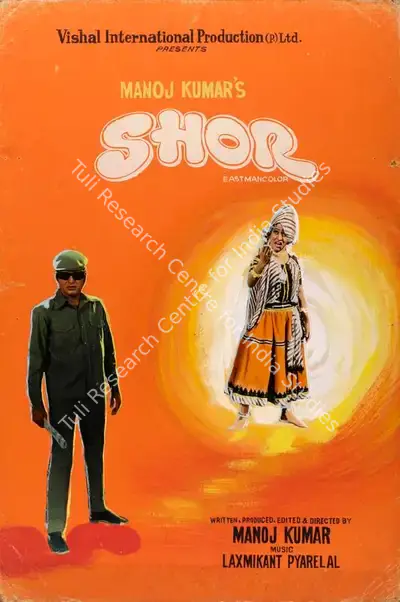
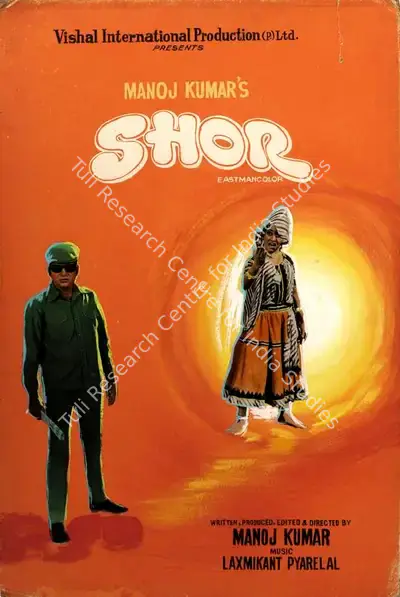
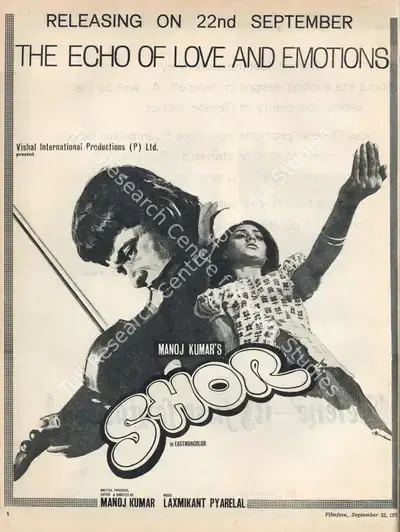
Shor, written, directed and produced by Manoj Kumar, who also stars in the film, tells the story of Shankar, a man devastated by the loss of his wife and left raising his son, who loses his voice after an accident. Shankar's relentless efforts to afford an operation for his son form the core of the narrative, with the film addressing issues of poverty and disability. Noise pollution serves as a recurring motif, symbolising the constant chaos of urban life and the barriers it creates between people. At a time when governing bodies around the world merely saw noise pollution as a mere nuisance, the film presciently outlined the grave dangers of noise pollution.
Shor also delves into themes of worker exploitation and social justice. Shankar leads a hunger strike against a greedy mill owner, reflecting the socialist values promoted by Indira Gandhi during the 1970s. The film emphasises communal harmony, with characters like Khan Badshah, played by Pran, standing in solidarity with Shankar, along with a diverse cast of workers from various religious backgrounds.
The song Ek Pyar Ka Nagma Hai, sung by Lata Mangeshkar and Mukesh, beautifully captures the essence of life's bittersweet journey through Lakshmikant-Pyarelal's composition backed by Santosh Anand's timeless lyrics evoke both hope and sorrow, making it one of the most memorable songs of Indian cinema.
शोर श्रम के शोषण और सामाजिक न्याय जैसे मुद्दों को भी उठाती है। फ़िल्म में शंकर एक लालची मिल मालिक के खिलाफ़ भूख हड़ताल का नेतृत्व करता है। फ़िल्म का यह तेवर 1970 के दशक में इंदिरा गांधी द्वारा प्रचारित समाजवादी मूल्यों से जुड़ता है। शंकर के साथ एकजुटता में खड़े, प्राण द्वारा निभाए गए 'खान बादशाह' जैसे किरदार के माध्यम से फ़िल्म सांप्रदायिक सद्भाव का नारा भी बुलन्द करती है। भिन्न-भिन्न धार्मिक पृष्ठभूमियों से आए मज़दूरों के किरदार भी फ़िल्म में इसकी बानगी हैं।
लक्ष्मीकांत-प्यारेलाल की धुन पर रचा गया, लता मंगेशकर और मुकेश का गाया अमर गीत “एक प्यार का नग़मा है” रचना सिर्फ़ इस फ़िल्म का ही नहीं, भारतीय सिनेमा के सबसे यादगार गीतों में से एक है। आशा और निराशा की बराबर मात्रा को शब्दों में पिरोकर लिखे गए संतोष आनंद के बोल यहाँ इस कभी कसैली, कभी मधुर जीवनरूपी यात्रा को बड़ी खूबसूरती से सार रूप में सामने रख देते हैं।