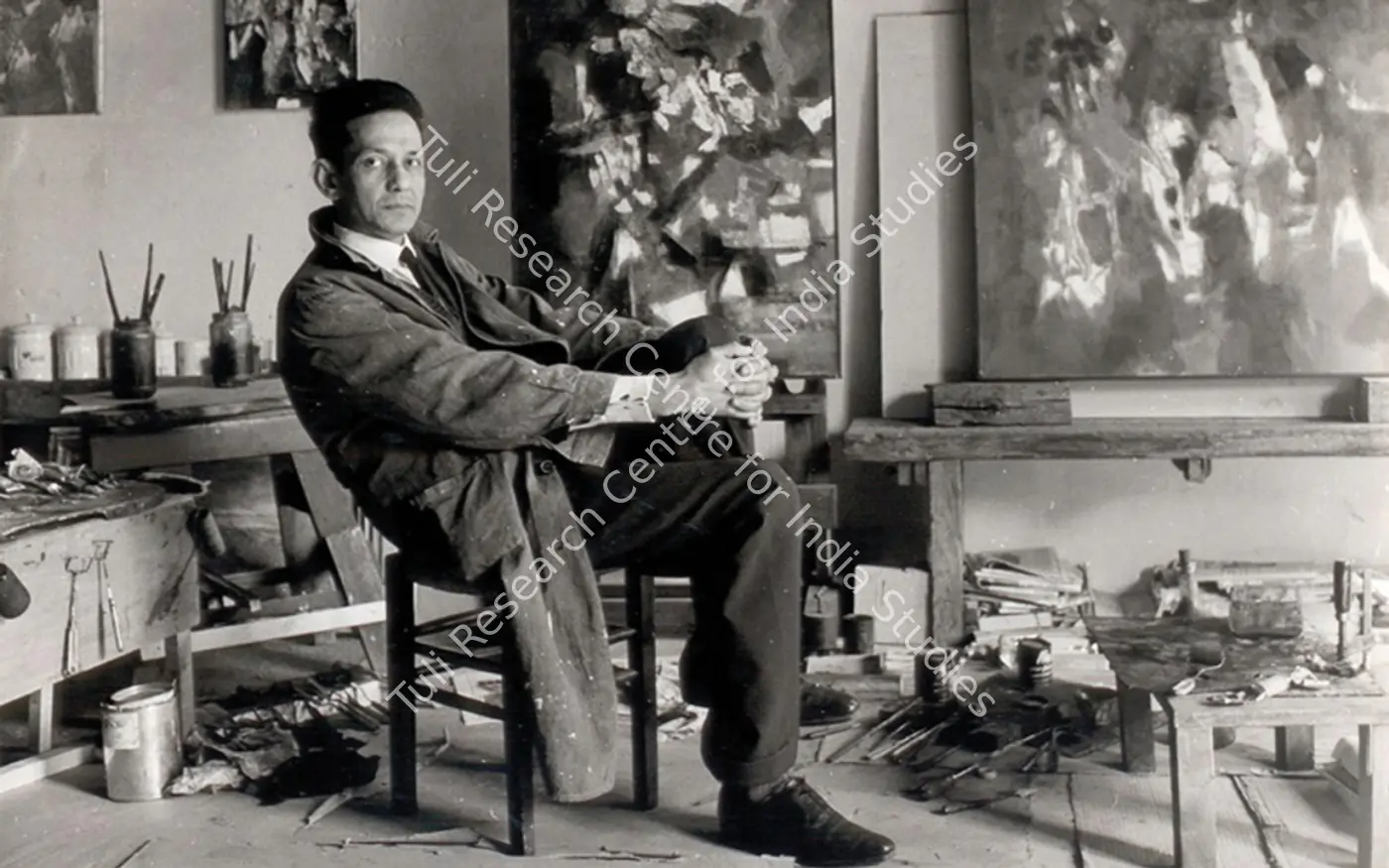
Introduction
- Date of Birth
- 22 Feb 1922
- Zodiac sign
- Pisces
- Date of Death
- 23 Jul 2016
- Age
- 94
- Nationality
- Indian
- Place of Birth
- Kakkiya, Madhya Pradesh
- Spouse(s)
- Janine mongillat
- Parent(s)
- Syed mohammedTahira begum
1927
- Primary School, spent some time studying with Teacher Nandlal Jharia
1927 – 1932
1939
- Nagpur School of Art, Nagpur, India
1943
- Diploma of Paintings and Drawings from Sir J.J. School of Art, Mumbai, India
1943 – 1947
1950
- Scholarship from French Government, Ecole Nationale des Beaux-Arts, Paris, France
1950 – 1953
1948
- Founder Member of Progressive Artists' Group with Husain, Souza, Ara, Bakre and Gade, Mumbai, India
1962
- Visiting Lecturer at the Art Department University of California, Berkeley, USA
1983
- Fellowship, Lalit Kala Akademi, New Delhi, India
Exhibitions
1946
- 55th Annual Exhibition, Presented by Bombay Art Society, Mumbai, India
1947
- Bombay Art Society, Mumbai, India
- 57th Annual Exhibition, Presented by Bombay Art Society, Mumbai, India
1948
- Progressive Artists Group, Mumbai, India
1949
- 59th Annual Exhibition, Presented by Bombay Art Society, Mumbai, India
1950
- Charles Petras's Institute of Foreign Languages, Mumbai, India
1951
- Salon de Mai, Paris, France
1952
- Palais Carnoles, Musee de Menton, France
- First International Exhibition, Galerie St. Placide, Paris, France
1953
- Gallery Raymond Creuze, Paris, France
1956
- Gallery Saint Placide, Paris, France
- Biennale de Venice, Italy
- Les Arts en France et dans Ie Monde, Musee d' Art Moderne, Paris, France
1957
- Transferences, Zwemmer Gallery, London, UK
- Biennale 57, Exhibition Organised by the Journal Asahi, Tokyo, at Pavilon de Marsan, Paris, France
1958
- Gallery Lara Vincy, Paris, France
- Trends in Contemporary Painting from India, Graham Gallery, New York, USA
- Biennale Sao Paulo, Sao Paulo, Brazil
- Biennale de Bruges, Bruges, Belgium
- John Moores Exhibition, Walker Art Gallery, Liverpool, UK
1959
- Gallery Dresdnere, Montreal, Canada
- All India Fine Arts and Crafts Society (AIFACS), New Delhi, India
- Jehangir Art Gallery, Mumbai,India
- Gallery 59, Mumbai, India
1960
- Gallery Dresdnere, Montreal, Canada
- Modern Indian Art, Santiago, Trinidad and Mexico
- Ecole de Paris 60, Gallery Charpentier, Paris, France
1961
- Gallery Lara Vincy, Paris, France
- Ecole de Paris 61, Gallery Charpentier, Paris, France
- Gallery Semiha Huber, Zurich, Switzerland
1962
- Gallery Dresdnere, Toronto, Canada
- Gallery Lara Vincy, Paris, France
- Lanyon Gallery, Palo Alto, California, USA
- Worth Ryder Art Gallery, Berkeley University, California, USA
- Commonwealth Exhibition, Commonwealth Institute, London, UK
- Werke der Ecole de Paris, Dom Gallery, Cologne, Germany
- 8th National Exhibition of Art, Presented by Lalit Kala Akademi, Rabindra Bhavan, New Delhi, India
- Ecole de Paris 62, Gallery Charpentier, Paris, France
- Salons Comparaisons, Paris, France
- Gallery 63, New York, USA
1963
- Dom Gallery, Cologne, Germany
- Biennale du Maroc, Rabat, Morocco
- Grands et Jeunes d' Aujourd' hui, Paris, France
- Salons Comparaisons, Paris, France
1964
- Gallery Lara Vincy, Paris, France
- Biennale de Menton, Menton, France
1965
- Art Now in India, Newcastle, UK
- Realities Nouvelles, Paris, France
- Promesses tenues, Musee Galliera, Paris, France
1966
- Biennale de Menton, Menton, France
- Salon Comparaisons, Paris, France
1967
- Gallery Lara Vincy, Paris, France
- Silver Jubilee Exhibition, Gallery Chemould, Mumbai, India
1968
- Gallery Dresdnere, Montreal, Canada
15 Apr 1968 to 27 Apr 1968
- Tecta Gallery, Dusseldorf, Germany
- Gallery Dresdnere, Toronto, Canada
- Biennale de Menton, Menton, France
- 1st Triennale India, Lalit Kala Akademi, Rabindra Bhavan, New Delhi, India
- Terres de Hommes, Festival International, Montreal, Canada
- Dom Gallery, Cologne, Germany
1969
- Gallery Lara Vincy, Paris, France
1971
- Recherche et Expression, Montfermeil, France
- Art et Fer Blanc, Paris, France
1972
- Abbaye du Pommier, Anncy, Le Grenier, Roquebrune Village, France
- Gallery d'Arte Pietra, Milan, Italy
- Biennale de Menton, Menton, France
- Salon Grands et jeunes d' Aujourd'hui Recherche et Expression, Ploumanach, Orly, Paris, France
1973
- Bibliotheque Nationale, Paris, France
- Estampes Contemporaines, Musee de Menton, France
- Wolfgang-Gurlitt Museum, Linz, Austria
- Galleria Matuzia, San Remo, Italy
- Pacific Cultural Museum, Pasadena, California, USA
- Indian Contemporary Painters, Renwich Gallery, Washington D. C., USA
1974
- France La Palette, Trouville, France
- Salon Grands et Jeunes d' Aujourd'hui, Paris, France
- Lalit Kala Akademi, Rabindra Bhavan, New Delhi, India
- Premier Salon International d'Art Contemporain, Paris, France
1975
- Galleria Matuzia, San Remo, Italy
- Sahel Palais de l'Europe, Menton, France
1976
- Stavanger Kunstforening Gallery, Norway
- Jehangir Art Gallery, Mumbai, India
- Biennale de Menton, Menton, France
1977
- La Tete de l'Art, Grenoble, France
- Indiennes, Musee de Vire, Gallery Koloritten, Stavanger, Norway
- Peintures Indiennes, Musee de Vire, France
14 Dec 1977 to 03 Jan 1978
1978
- Utsav, Madhya Pradesh Kala Parishad, Bhopal, India
- Jehangir Nicholson Museum, National Center for Performing Arts, Mumbai, India
- L' Estampe Aujourd'hui, Bibliotheque Nationale, Paris, France
- Foire Internationale d'Art Contemporian, Grand Palais, Paris, France
- Vieux Presbitaire, Gorbio, France
- Salon de Dessin, Paris, France
1979
- Kunstforening Gallery, Stavanger, Norway
1980
- Galleriet, Oslo, Norway
- 6 Kunstnere, Fra Syd-Franksike, Stavanger Kunstforening, Norway
1981
- Charlottenborg, Copenhagen, Denmark
1982
- Gallery Loeb, Berne, Switzerland
- Gallery J.Y. Noblet, Grenoble, France
- Contemporary Indian Art, Festival of India Exhibition, Royal Academy, London, UK
- Fifth International Triennale, New Delhi, India
- India, Myth & Reality, Aspects of Modern Indian Art, Museum of Modern Art, Oxford, UK
1983
- Bibliotheque Nationale, Luxembourg, France
- Salon de Mai, Paris, France
1984
20 Feb 1984 to 07 Mar 1984
- J. Y. Noblet, Paris, France
1985
- Gallery Pierre Parat, Paris, France
- Indian Artists in France, Foundation Nationale des Arts Graphiques et Plastiques, Paris, France
1986
- Biennale, Bharat Bhawan, Bhopal, India
- Indian Art Today, Festival of India Exhibition, The Philips Collection, Washington D. C., USA
1987
- La Tete de l'Art, Grenoble, France
- Gallery La tete de l'Art, Grenoble, France
- Biennale of Havana, Havana, Cuba
- Coups de Coeur, Hailes de L'ille, Geneva, Switzerland
1988
- Gallery Chemould, Mumbai, India
- Galleri Koloritten, Stavanger, Norway
- Maison de la Culture, Space Andre Malraux, Reims, France
- Story of a Hundred Years: The Bombay Art Society 1888-1988, Bombay Art Society, Mumbai, India
- Art for CRY, Mumbai, Bengaluru, Kolkata and New Delhi
- The National Museum of Contemporary Art, Olympiad, Seoul, South Korea
1989
- Salon de Mai, Grand Palais, Paris, France
- Artistes Indiens a Paris, Gallery Cygne, Paris, France
1990
24 Jan 1990 to 10 Feb 1990
- L'Artotheque d'Entreprise, Group Michel Ferrier, Echirolles Grenoble, France
- Realite Seconde, Gallery Ariane, Paris, France
1991
24 Sep 1991 to 07 Oct 1991
- Gallery Eterso, Cannes, France
- Ceramics, Faenza Anni 90, Italy
- State of Art: Paintings with Computer, Jehangir Art Gallery, Mumbai, India
- National Exposition of Contemporary Art, National Gallery of Modern Art (NGMA), New Delhi, India
1992
- Jehangir Nicholson Museum, National Centre for Performing Arts, Mumbai, India
- Parcours des Arts, La Louvesc, France
- International Biennale de Dakar, Senegal
- An Exhibition of Carpets, Tapestries & Glass Etchings by Arpita Singh, Manjit Bawa, Jogen Chowdhury, Laxma Goud and Raza. Sakshi Gallery, Mumbai, India
1993
- Souvenir d'en France, Lalit Kala Akademi, Rabindra Bhavan, New Delhi, India
- Indian Encounter, The Gallery, Nehru Centre, London, UK
- Art of God's Sake: Approaches to the Divine, Presented by Arts Trust, at Visual Art Gallery, India Habitat Centre, New Delhi, India
21 Aug 1993 to 26 Aug 1993
- Wounds, Presented by Centre of International Modern Art (CIMA), Kolkata, India
28 Feb 1993 to 07 Mar 1993
1994
- L'Artotheque d'Enterprise Group, Michel Ferrier, Echirolle, Grenoble, France
- Drawing '94, Presented by Gallery Espace at All India Fine Art and Craft Society (AIFACS), New Delhi, India
03 Apr 1994 to 14 Apr 1994
- Salon De Mai, Espace Branley, Paris, France
1995
- Reaching For Each Other at Festival D' Avignon, Avignon, France
- Art for Cry: An Exhibition of Contemporary Indian Art in Aid of Deprived Indian Children, at Lalit Kala Akademi, Rabindra Bhavan, New Delhi, India
17 Feb 1995 to 23 Feb 1995
- Sept Peintres Indiens Contemporains Le Monde De L'Art, Paris, France
- Tree of my Life, Village Gallery, New Delhi, India
- Art for Cry: An Exhibition of Contemporary Indian Art in Aid of Deprived Indian Children, Jehangir Art Gallery, Mumbai, India
30 Jan 1995 to 05 Feb 1995
1996
29 Oct 1996 to 15 Nov 1996
- Graphic Art in India from 19th Century to the Present, Romain Art Gallery, Alliance Francaise de Delhi, New Delhi, India
06 Sep 1996 to 30 Sep 1996
- Les Oceans, Metropolitaine, Lisbon, Portugal
- Within the Frame, Visual Art Centre, Hong Kong, China
- Harmony Show, Nehru Centre, Mumbai, India
- 12 Indian Contemporary Painters: Works from 1984 -1996, Presented by Usha and Ranjana Mirchandani of The Fine Art Resource, at Jehangir Art Gallery, Mumbai, India
24 Dec 1996 to 29 Dec 1996
- Progressive Artists' Group, National Gallery of Modern Art (NGMA), Mumbai, India
1997
21 Feb 1997 to 02 Mar 1997
- Le Parcons du Regard, Oletta, Cosices, France
- Galleri Grewal Mohanjeet, Paris, France
- Avartan, National Gallery of Modern Art (NGMA), New Delhi, India
10 Mar 1997 to 10 Apr 1997
06 Feb 1997 to 16 Feb 1997
- Tryst with Destiny, Organised by CIMA, Kolkata and NGMA, New Delhi at Singapore Art Museum, Singapore
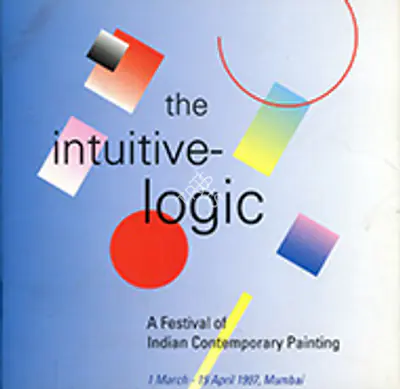
- Intuitive Logic: A Festival of Indian Contemporary Painting, Presented by The Tuli Foundation for Holistic Education & Art (HEART), National Gallery of Modern Art (NGMA), Mumbai, India
01 Mar 1997 to 19 Apr 1997
- Colours of Independence, Presented by Centre of International Modern Art (CIMA), at National Gallery of Modern Art (NGMA), New Delhi, India
06 Sep 1997 to 28 Sep 1997
- Souvenirs d'en France, Lalit Kala Akademi, Rabindra Bhavan, New Delhi, India
- Art for Ashraya, in collaboration with Bharat Petroleum Corporation Limited and others, Ashraya at Chitrakala Parishath, Bangalore, India
12 Feb 1997 to 17 Feb 1997
- Indian Contemporary Art, Fine Art Resource, Berlin, Germany
- Major Trends in Indian Art, Curated by Rm. Palaniappan, Lalit Kala Akademi, Rabindra Bhavan, New Delhi, India
25 Sep 1997 to 12 Oct 1997
- The Moderns: The Progressive Artists Group, National Gallery of Modern Art (NGMA), Mumbai, India
- Keehn Collection: Important Paintings of Post-Independence India, Presented by Bose Pacia Modern, New York, USA
13 Sep 1997 to 25 Oct 1997
- An Ode to Independence, Apparao Galleries, London, UK
- Within the Frame, Apparao Galleries, Hong Kong, China
1998
- Gegenwatskunst aw Indian, Harsh Goenka, Bayer A.G. Leverkusen, Germany
- Lindracable Frontiers, Toulouse, France
- Harmony Show, Nehru Centre, Mumbai, India
- Spirit and Soul, Indian Painting Today, Hong Kong, China
- National Gallery of Modern Art (NGMA), New Delhi, India
- International Exhibition, Lisbon, Portugal
- Symbolism and Geometry in Indian Art, National Gallery of Modern Art, New Delhi, India
1999
02 Jun 1999 to 14 Jun 1999
- Salar de Mai, Paris, France
- Apparao Galleries and Gallery Art 54, New York, USA
- The Turning Point, Jehangir Art Gallery, Mumbai, India
- Indian Painting, Presented by R. P. G. Bayer, Gebaudi, Germany
- Festival of Contemporary Art, Energy, Gallery 7, Mumbai, India
- Exhibition of Paintings by M. F. Husain, S. H. Raza, Anjolie Ela Menon and Paresh Maity, Presented by Art Musings, New Delhi, India
07 Dec 1999 to 15 Jan 2000
2000
- Cultural Ties, Kapil Jariwala Gallery, London, UK
- Fukuoka Asian Art Museum, Fukuoka, Japan
- Distillation, Presented by Birla Academy of Art and Culture, at Birla Century Art Gallery, Mumbai, India
17 Oct 2000 to 04 Nov 2000
- Tribute to the Beginning, Presented by Crimson - The Art Resource, Mumbai, India
26 Nov 2000 to 18 Dec 2000
- The Millennium Show: A Century of Art from Maharashtra Part II, Organised by Nehru Centre Art Gallery, Mumbai, India
30 Dec 2000 to 13 Jan 2001
Raza, S.H. (Artist). Raza, 1968 | Solo Exhibition Catalogue | 00882636
1947
- Bombay Art Society, Mumbai, India
1950
- Charles Petras's Institute of Foreign Languages, Mumbai, India
1952
- Palais Carnoles, Musee de Menton, France
1956
- Gallery Saint Placide, Paris, France
1958
- Gallery Lara Vincy, Paris, France
1959
- Gallery Dresdnere, Montreal, Canada
- All India Fine Arts and Crafts Society (AIFACS), New Delhi, India
- Jehangir Art Gallery, Mumbai,India
1960
- Gallery Dresdnere, Montreal, Canada
1961
- Gallery Lara Vincy, Paris, France
1962
- Gallery Dresdnere, Toronto, Canada
- Gallery Lara Vincy, Paris, France
- Lanyon Gallery, Palo Alto, California, USA
- Worth Ryder Art Gallery, Berkeley University, California, USA
1963
- Dom Gallery, Cologne, Germany
1964
- Gallery Lara Vincy, Paris, France
1967
- Gallery Lara Vincy, Paris, France
1968
- Gallery Dresdnere, Montreal, Canada
15 Apr 1968 to 27 Apr 1968
- Tecta Gallery, Dusseldorf, Germany
- Gallery Dresdnere, Toronto, Canada
- Dom Gallery, Cologne, Germany
1969
- Gallery Lara Vincy, Paris, France
1972
- Abbaye du Pommier, Anncy, Le Grenier, Roquebrune Village, France
1974
- France La Palette, Trouville, France
1975
- Galleria Matuzia, San Remo, Italy
1976
- Stavanger Kunstforening Gallery, Norway
- Jehangir Art Gallery, Mumbai, India
1977
- La Tete de l'Art, Grenoble, France
1978
- Utsav, Madhya Pradesh Kala Parishad, Bhopal, India
- Jehangir Nicholson Museum, National Center for Performing Arts, Mumbai, India
1979
- Kunstforening Gallery, Stavanger, Norway
1980
- Galleriet, Oslo, Norway
1982
- Gallery Loeb, Berne, Switzerland
- Gallery J.Y. Noblet, Grenoble, France
1984
20 Feb 1984 to 07 Mar 1984
1985
- Gallery Pierre Parat, Paris, France
1987
- La Tete de l'Art, Grenoble, France
1988
- Gallery Chemould, Mumbai, India
- Galleri Koloritten, Stavanger, Norway
1990
24 Jan 1990 to 10 Feb 1990
1991
24 Sep 1991 to 07 Oct 1991
- Gallery Eterso, Cannes, France
1992
- Jehangir Nicholson Museum, National Centre for Performing Arts, Mumbai, India
- Parcours des Arts, La Louvesc, France
1994
- L'Artotheque d'Enterprise Group, Michel Ferrier, Echirolle, Grenoble, France
1997
21 Feb 1997 to 02 Mar 1997
- Le Parcons du Regard, Oletta, Cosices, France
- Galleri Grewal Mohanjeet, Paris, France
- Avartan, National Gallery of Modern Art (NGMA), New Delhi, India
10 Mar 1997 to 10 Apr 1997
06 Feb 1997 to 16 Feb 1997
1999
02 Jun 1999 to 14 Jun 1999
2001
03 Mar 2001 to 21 Mar 2001
2002
19 Feb 2002 to 26 Feb 2002
- Gallery Chemould, Mumbai, India
22 Feb 2002 to 28 Feb 2002
2003
- Apparao Galleries and Satya Paul, Taj Mahal Hotel, Mumbai, India
01 Feb 2003 to 02 Feb 2003
- The Fine Art Resource, Berlin, Germany
07 Oct 2003 to 24 Oct 2003
2004
16 Jan 2004 to 31 Jan 2004
- Aryan Art Gallery, New Delhi, India
2005
23 Feb 2005 to 19 Mar 2005
- The Saffronart Gallery, New York, USA
13 Jul 2005 to 30 Jul 2005
16 Jun 2005 to 29 Jun 2005
2006
08 Feb 2006 to 28 Feb 2006
- Selected Works of S. H. Raza, Peter Louis Gallery, Paris, France
- Metamorphosis, Presented by Aryan Art Gallery,New Delhi, at Soho, Hong Kong
14 Jan 2006 to 28 Jan 2006
01 Dec 2006 to 12 Dec 2006
17 Feb 2006 to 10 Mar 2006
2007
13 Mar 2007 to 17 Mar 2007
- Institute of Contemporary Indian Art (ICIA), Mumbai, India
05 Feb 2007 to 17 Feb 2007
21 Sep 2007 to 31 Oct 2007
- Swasti, Organised by Art Alive Gallery in Collaboration with The National Gallery of Modern Art (NGMA), New Delhi, India
22 Feb 2007 to 18 Mar 2007
05 Feb 2007 to 17 Feb 2007
2008
08 Feb 2008 to 22 Feb 2008
- The Raza Foundation Awards (2006-2007), New Delhi, India
02 Mar 2008
- Looking at art Series IV, New Delhi, India
02 Mar 2008
2010
10 Mar 2010 to 16 Mar 2010
- Gallery Patrice Trigano, Paris, France
- Ceramiques, Gallery Flora J, Paris, France
03 Mar 2010 to 24 Mar 2010
15 Sep 2010 to 10 Nov 2010
2011
- Punaragaman, Vadehra Art Gallery and Lalit Kala Akademi, New Delhi, India
20 Nov 2011 to 26 Nov 2011
2012
- Vistaar, Art Musings and Jehangir Art Gallery, Mumbai, India
27 Nov 2012 to 05 Jan 2013
- Bindu Vistaar, Grosvenor Vadehra, London, UK
05 Jun 2012 to 29 Jun 2012
2013
- Antardhwani, Vadehra Art Gallery, New Delhi, India
12 Feb 2013 to 20 Mar 2013
- Shabd-Bindu, Akar Prakar, Kolkata, India
11 Nov 2013 to 30 Nov 2013
2014
- Pyaas, Grosvenor Vadehra, London, UK
02 Jun 2014 to 14 Jun 2014
- Raza: A Retrospective - Aicon Gallery, New York, USA
18 Dec 2014 to 24 Jan 2015
- Paysage: Select Works 1950s-70s, Sovereign FZE, Dubai, UAE
- Parikrama- Around Gandhi, Vadehra Art Gallery, New Delhi, India
21 Feb 2014 to 26 Mar 2014
2015
- Aarambh, Vadehra Art Gallery, New Delhi, India
12 Feb 2015 to 15 Mar 2015
- Indian Modern, Narratives from 20th Century Indian Art, DAG, New Delhi
13 Jul 2015 to 12 Sep 2015
- Solo Show of SH Raza - Art Musings, Mumbai, India
02 Mar 2015 to 15 Apr 2015
- Indian Modern, Narratives from 20th Century Indian Art, DAG, Mumbai
25 Sep 2015 to 05 Dec 2015
- Indian Modern, Narratives from 20th Century Indian Art, DAG, New York
18 Mar 2015 to 06 Jun 2015
2016
- Nirantar, Vadehra Art Gallery, New Delhi, India
15 Jan 2016 to 24 Feb 2016
- Aarambh – Raza at 93 at Akar Prakar, Kolkata
07 Mar 2016 to 25 Apr 2016
- Nirantar – S H Raza at Akar Prakar, Kolkata
11 Mar 2016 to 09 Apr 2016
2017
22 Feb 2017 to 31 Mar 2017
- The Black Sun; STRETCHED TERRAINS, A Series of Exhibitions, KNMA, Saket, Delhi
03 Feb 2017 to 31 Jul 2017
2018
- KSHITIJ, Art Musings, Mumbai, India
22 Feb 2018 to 28 Feb 2018
2021
- Dance of The Elements, Akar Prakar, New Delhi, India
19 Feb 2021 to 21 Mar 2021
2022
- 100 Years of S H Raza, Akar Prakar, Kolkata, India
22 Feb 2022 to 05 Mar 2022
2023
- Raza + America, Presented in collaboration with The Raza Foundation, New Delhi, India
30 Mar 2023 to 06 May 2023
2025
- Antima, Triveni Kala Sangam, New Delhi, India
13 Feb 2025 to 23 Feb 2025
Raza, S.H. (Artist). Raza, 1968 | Solo Exhibition Catalogue | 00882636
1946
- 55th Annual Exhibition, Presented by Bombay Art Society, Mumbai, India
1947
- 57th Annual Exhibition, Presented by Bombay Art Society, Mumbai, India
1948
- Progressive Artists Group, Mumbai, India
1949
- 59th Annual Exhibition, Presented by Bombay Art Society, Mumbai, India
1951
- Salon de Mai, Paris, France
1952
- First International Exhibition, Galerie St. Placide, Paris, France
1953
- Gallery Raymond Creuze, Paris, France
1956
- Biennale de Venice, Italy
- Les Arts en France et dans Ie Monde, Musee d' Art Moderne, Paris, France
1957
- Transferences, Zwemmer Gallery, London, UK
- Biennale 57, Exhibition Organised by the Journal Asahi, Tokyo, at Pavilon de Marsan, Paris, France
1958
- Trends in Contemporary Painting from India, Graham Gallery, New York, USA
- Biennale Sao Paulo, Sao Paulo, Brazil
- Biennale de Bruges, Bruges, Belgium
- John Moores Exhibition, Walker Art Gallery, Liverpool, UK
1959
- Gallery 59, Mumbai, India
1960
- Modern Indian Art, Santiago, Trinidad and Mexico
- Ecole de Paris 60, Gallery Charpentier, Paris, France
1961
- Ecole de Paris 61, Gallery Charpentier, Paris, France
- Gallery Semiha Huber, Zurich, Switzerland
1962
- Commonwealth Exhibition, Commonwealth Institute, London, UK
- Werke der Ecole de Paris, Dom Gallery, Cologne, Germany
- 8th National Exhibition of Art, Presented by Lalit Kala Akademi, Rabindra Bhavan, New Delhi, India
- Ecole de Paris 62, Gallery Charpentier, Paris, France
- Salons Comparaisons, Paris, France
- Gallery 63, New York, USA
1963
- Biennale du Maroc, Rabat, Morocco
- Grands et Jeunes d' Aujourd' hui, Paris, France
- Salons Comparaisons, Paris, France
1964
- Biennale de Menton, Menton, France
1965
- Art Now in India, Newcastle, UK
- Realities Nouvelles, Paris, France
- Promesses tenues, Musee Galliera, Paris, France
1966
- Biennale de Menton, Menton, France
- Salon Comparaisons, Paris, France
1967
- Silver Jubilee Exhibition, Gallery Chemould, Mumbai, India
1968
- Biennale de Menton, Menton, France
- 1st Triennale India, Lalit Kala Akademi, Rabindra Bhavan, New Delhi, India
- Terres de Hommes, Festival International, Montreal, Canada
1971
- Recherche et Expression, Montfermeil, France
- Art et Fer Blanc, Paris, France
1972
- Gallery d'Arte Pietra, Milan, Italy
- Biennale de Menton, Menton, France
- Salon Grands et jeunes d' Aujourd'hui Recherche et Expression, Ploumanach, Orly, Paris, France
1973
- Bibliotheque Nationale, Paris, France
- Estampes Contemporaines, Musee de Menton, France
- Wolfgang-Gurlitt Museum, Linz, Austria
- Galleria Matuzia, San Remo, Italy
- Pacific Cultural Museum, Pasadena, California, USA
- Indian Contemporary Painters, Renwich Gallery, Washington D. C., USA
1974
- Salon Grands et Jeunes d' Aujourd'hui, Paris, France
- Lalit Kala Akademi, Rabindra Bhavan, New Delhi, India
- Premier Salon International d'Art Contemporain, Paris, France
1975
- Sahel Palais de l'Europe, Menton, France
1976
- Biennale de Menton, Menton, France
1977
- Indiennes, Musee de Vire, Gallery Koloritten, Stavanger, Norway
- Peintures Indiennes, Musee de Vire, France
14 Dec 1977 to 03 Jan 1978
1978
- L' Estampe Aujourd'hui, Bibliotheque Nationale, Paris, France
- Foire Internationale d'Art Contemporian, Grand Palais, Paris, France
- Vieux Presbitaire, Gorbio, France
- Salon de Dessin, Paris, France
1980
- 6 Kunstnere, Fra Syd-Franksike, Stavanger Kunstforening, Norway
1981
- Charlottenborg, Copenhagen, Denmark
1982
- Contemporary Indian Art, Festival of India Exhibition, Royal Academy, London, UK
- Fifth International Triennale, New Delhi, India
- India, Myth & Reality, Aspects of Modern Indian Art, Museum of Modern Art, Oxford, UK
1983
- Bibliotheque Nationale, Luxembourg, France
- Salon de Mai, Paris, France
1984
- J. Y. Noblet, Paris, France
1985
- Indian Artists in France, Foundation Nationale des Arts Graphiques et Plastiques, Paris, France
1986
- Biennale, Bharat Bhawan, Bhopal, India
- Indian Art Today, Festival of India Exhibition, The Philips Collection, Washington D. C., USA
1987
- Gallery La tete de l'Art, Grenoble, France
- Biennale of Havana, Havana, Cuba
- Coups de Coeur, Hailes de L'ille, Geneva, Switzerland
1988
- Maison de la Culture, Space Andre Malraux, Reims, France
- Story of a Hundred Years: The Bombay Art Society 1888-1988, Bombay Art Society, Mumbai, India
- Art for CRY, Mumbai, Bengaluru, Kolkata and New Delhi
- The National Museum of Contemporary Art, Olympiad, Seoul, South Korea
1989
- Salon de Mai, Grand Palais, Paris, France
- Artistes Indiens a Paris, Gallery Cygne, Paris, France
1990
- L'Artotheque d'Entreprise, Group Michel Ferrier, Echirolles Grenoble, France
- Realite Seconde, Gallery Ariane, Paris, France
1991
- Ceramics, Faenza Anni 90, Italy
- State of Art: Paintings with Computer, Jehangir Art Gallery, Mumbai, India
- National Exposition of Contemporary Art, National Gallery of Modern Art (NGMA), New Delhi, India
1992
- International Biennale de Dakar, Senegal
- An Exhibition of Carpets, Tapestries & Glass Etchings by Arpita Singh, Manjit Bawa, Jogen Chowdhury, Laxma Goud and Raza. Sakshi Gallery, Mumbai, India
1993
- Souvenir d'en France, Lalit Kala Akademi, Rabindra Bhavan, New Delhi, India
- Indian Encounter, The Gallery, Nehru Centre, London, UK
- Art of God's Sake: Approaches to the Divine, Presented by Arts Trust, at Visual Art Gallery, India Habitat Centre, New Delhi, India
21 Aug 1993 to 26 Aug 1993
- Wounds, Presented by Centre of International Modern Art (CIMA), Kolkata, India
28 Feb 1993 to 07 Mar 1993
1994
- Drawing '94, Presented by Gallery Espace at All India Fine Art and Craft Society (AIFACS), New Delhi, India
03 Apr 1994 to 14 Apr 1994
- Salon De Mai, Espace Branley, Paris, France
1995
- Reaching For Each Other at Festival D' Avignon, Avignon, France
- Art for Cry: An Exhibition of Contemporary Indian Art in Aid of Deprived Indian Children, at Lalit Kala Akademi, Rabindra Bhavan, New Delhi, India
17 Feb 1995 to 23 Feb 1995
- Sept Peintres Indiens Contemporains Le Monde De L'Art, Paris, France
- Tree of my Life, Village Gallery, New Delhi, India
- Art for Cry: An Exhibition of Contemporary Indian Art in Aid of Deprived Indian Children, Jehangir Art Gallery, Mumbai, India
30 Jan 1995 to 05 Feb 1995
1996
29 Oct 1996 to 15 Nov 1996
- Graphic Art in India from 19th Century to the Present, Romain Art Gallery, Alliance Francaise de Delhi, New Delhi, India
06 Sep 1996 to 30 Sep 1996
- Les Oceans, Metropolitaine, Lisbon, Portugal
- Within the Frame, Visual Art Centre, Hong Kong, China
- Harmony Show, Nehru Centre, Mumbai, India
- 12 Indian Contemporary Painters: Works from 1984 -1996, Presented by Usha and Ranjana Mirchandani of The Fine Art Resource, at Jehangir Art Gallery, Mumbai, India
24 Dec 1996 to 29 Dec 1996
- Progressive Artists' Group, National Gallery of Modern Art (NGMA), Mumbai, India
1997
- Tryst with Destiny, Organised by CIMA, Kolkata and NGMA, New Delhi at Singapore Art Museum, Singapore
- Intuitive Logic: A Festival of Indian Contemporary Painting, Presented by The Tuli Foundation for Holistic Education & Art (HEART), National Gallery of Modern Art (NGMA), Mumbai, India
01 Mar 1997 to 19 Apr 1997
- Colours of Independence, Presented by Centre of International Modern Art (CIMA), at National Gallery of Modern Art (NGMA), New Delhi, India
06 Sep 1997 to 28 Sep 1997
- Souvenirs d'en France, Lalit Kala Akademi, Rabindra Bhavan, New Delhi, India
- Art for Ashraya, in collaboration with Bharat Petroleum Corporation Limited and others, Ashraya at Chitrakala Parishath, Bangalore, India
12 Feb 1997 to 17 Feb 1997
- Indian Contemporary Art, Fine Art Resource, Berlin, Germany
- Major Trends in Indian Art, Curated by Rm. Palaniappan, Lalit Kala Akademi, Rabindra Bhavan, New Delhi, India
25 Sep 1997 to 12 Oct 1997
- The Moderns: The Progressive Artists Group, National Gallery of Modern Art (NGMA), Mumbai, India
- Keehn Collection: Important Paintings of Post-Independence India, Presented by Bose Pacia Modern, New York, USA
13 Sep 1997 to 25 Oct 1997
- An Ode to Independence, Apparao Galleries, London, UK
- Within the Frame, Apparao Galleries, Hong Kong, China
1998
- Gegenwatskunst aw Indian, Harsh Goenka, Bayer A.G. Leverkusen, Germany
- Lindracable Frontiers, Toulouse, France
- Harmony Show, Nehru Centre, Mumbai, India
- Spirit and Soul, Indian Painting Today, Hong Kong, China
- National Gallery of Modern Art (NGMA), New Delhi, India
- International Exhibition, Lisbon, Portugal
- Symbolism and Geometry in Indian Art, National Gallery of Modern Art, New Delhi, India
1999
- Salar de Mai, Paris, France
- Apparao Galleries and Gallery Art 54, New York, USA
- The Turning Point, Jehangir Art Gallery, Mumbai, India
- Indian Painting, Presented by R. P. G. Bayer, Gebaudi, Germany
- Festival of Contemporary Art, Energy, Gallery 7, Mumbai, India
- Exhibition of Paintings by M. F. Husain, S. H. Raza, Anjolie Ela Menon and Paresh Maity, Presented by Art Musings, New Delhi, India
07 Dec 1999 to 15 Jan 2000
2000
- Cultural Ties, Kapil Jariwala Gallery, London, UK
- Fukuoka Asian Art Museum, Fukuoka, Japan
- Distillation, Presented by Birla Academy of Art and Culture, at Birla Century Art Gallery, Mumbai, India
17 Oct 2000 to 04 Nov 2000
- Tribute to the Beginning, Presented by Crimson - The Art Resource, Mumbai, India
26 Nov 2000 to 18 Dec 2000
- The Millennium Show: A Century of Art from Maharashtra Part II, Organised by Nehru Centre Art Gallery, Mumbai, India
30 Dec 2000 to 13 Jan 2001
- Arthur M. Sackler Gallery and Smithsonian Freer Gallery of Art, Smithsonian Institute, Washington D.C., USA
2001
- Return of Eden, Presented by Art Musings, New Delhi, India
08 Jan 2001 to 31 Jan 2001
- Symphony in White, Gallery 7, Mumbai, India
- Ashta Nayak, Tao Art Gallery, Mumbai, India
27 Jan 2001 to 28 Feb 2001
- Indian Contemporary Fine Art, Organised by Saffronart and Apparao Galleries, Los Angeles, USA
- Cultural Ties, Kapil Jariwala Gallery, London, UK
- Jubilant Gold: 50 Years of Artists' Centre: A Celebratory Exhibition of Works of K. H. Ara, S. Bakre, H. A. Gade, M. F. Husain, S. H. Raza, F. N. Souza, Artists' Centre, Mumbai, India
15 Mar 2001 to 25 Mar 2001
07 Aug 2001 to 14 Aug 2001
- Modern Indian Art, Organised by Saffronart & Pundole Art Gallery at Metropolitan Pavillion, New York, USA
2002
- Art Musings 2002, Presented by Art Musings, New Delhi, India
- Gallery Chemould, Mumbai, India
- Tao Art Gallery, Mumbai, India
- Jane Woorhese Zimmerli Art Museum, New Jersey, USA
- Navarasaa, Presented by Apparao Galleries, Chennai, India
- Jehangir Art Gallery, Mumbai, India
2003
- Master Strokes, Presented by Art Musings, New Delhi, India
15 Apr 2003 to 08 May 2003
- S.H. Raza & Sujata Bajaj, The Guild Art Gallery, Mumbai, India
- Manifestations: Indian Art in the 20th Century from the DAG Collection, Presented by Delhi Art Gallery, at World Trade Centre, Mumbai, India
12 Nov 2003 to 19 Nov 2003
- Des Duos et des Couples, with Pablo Picasso and Francoise Gillot, Aix-en-Provence, France
- Crossing Generations: Diverge 40 years of Gallery Chemould Prescott Road, curated by Geeta Kapur and Chaitanya Sambrani, Mumbai, India
2004
- Jiva Life: Contemporary Indian Painting, Presented by Bodhi Arts, Singapore
16 Aug 2004 to 11 Sep 2004
- Journey: A Charity Show for Passages, Presented by Art & Soul, at The Taj Mahal Palace & Tower, Mumbai, India
- Harvest 2004: Art & Poetry: An Exhibition of Indian Contemporary Art, Presented by Arushi Arts, at Visual Art Gallery, India Habitat Centre, New Delhi, India
28 Aug 2004 to 31 Aug 2004
- Indian Contemporary Paintings Presented by Aryan Art Gallery, New Delhi, India
23 Sep 2004 to 23 Oct 2004
- Regard Sur La Peinture Indienne Contemporaine, Vieux, Presbytere, Gorbio, France
- Indian Contemporary Paintings, Presented by Aryan Art Gallery, New Delhi, India
23 Sep 2004 to 23 Oct 2004
- Ruminations...., Presented by Apparao Galleries, Chennai, India
- Art Musings 2004, Presented by Art Musings, at Museum Gallery, Mumbai, India
16 Aug 2004 to 22 Aug 2004
- Manifestations II: Indian Art in the 20th Century, Presented by Delhi Art Gallery, at Jehangir Art Gallery, Mumbai, India
25 Jul 2004 to 31 Jul 2004
2005
- 100 Contemporary Indian Artists, Presented by Associated Capsules, at Joss, Kala Ghoda, Mumbai, India
03 Oct 2005 to 04 Oct 2005
- Bridges: Exploring New Paradigms, Art Alive Gallery, New Delhi, India
- Golden Jubilee: Spirit set Free, Kumar Gallery Fifty Years, New Delhi, India
28 Oct 2005 to 30 Dec 2005
- Ashta Nayak: Eight Pioneers of Indian Art, Aicon Gallery, New York, USA
31 Mar 2005 to 29 Apr 2005
- Revisualising India, From The Osian's Archive & Library Collection, Curated by Neville Tuli, Lalit Kala Akademi, Rabindra Bhavan, New Delhi, India
16 Aug 2005 to 02 Sep 2005
- Prakriti: Nature And It's Elements, Aicon Gallery, New York, USA
- Resonance, Art Musings, Mumbai, India
27 Jun 2005
- Arts lndia, New York, USA
2006
- Bodhi Arts, Singapore
- Spectra, Presented by Gallerie Zen at Art World, Chennai, India
- Harvest 2006: An Exhibition of Indian Contemporary Art, Presented by Arushi Arts, at The Travancore Palace, New Delhi
25 Aug 2006 to 28 Aug 2006
- Mark, Etch and Print, Presented by Art Konsult, New Delhi, India
19 Dec 2006 to 10 Jan 2007
- Art World, Chennai, India
- Spectra - 2, Presented by Gallerie Zen at Time & Space, Bengaluru, India
- Arushi Arts, New Delhi, India
30 Aug 2006 to 08 Sep 2006
- Gallery Katayan, Kolkata, India
- Time & Space, Bengaluru, India
- Roop Adhyatma, Palette Art Gallery, New Delhi, India
2007
- From the Vault, Aicon Gallery, New York, USA
- India Academy of Fine Art & Literature, New Delhi, India
15 Aug 2007 to 20 Aug 2007
- Shiksha 2007: A Group Exhibition of Paintings by Indian Contemporary Artists, Presented by Delhi Friends Round Table 146, New Delhi, India
- Arushi Arts, New Delhi, India
14 Aug 2007 to 31 Aug 2007
- Past, Present into the Future: Contemporary Indian Art, Presented by Dhoomimal Gallery, at Lalit Kala Akademi, Rabindra Bhavan, New Delhi, India
17 Dec 2007 to 21 Dec 2007
- India Art Now: Between Continuity and Transformation, Province of Milan, Milan, Italy
Kapur, Geeta (Curator). Pictorial Space, 1978 | Group Exhibition Catalogue | 00883423
Integrated Timeline
Chronicled Highlights
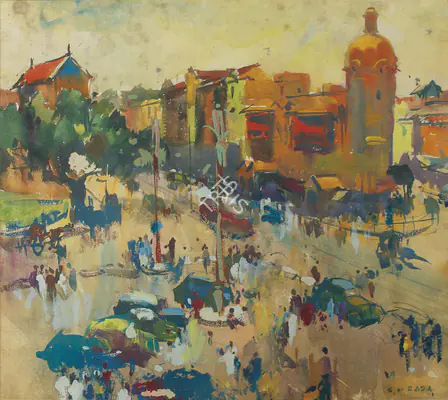
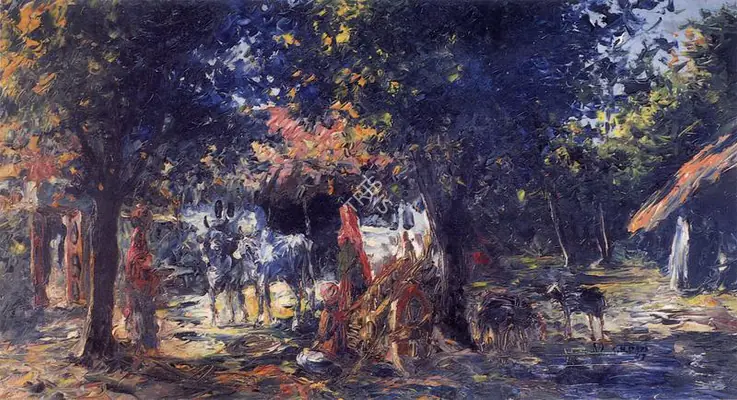
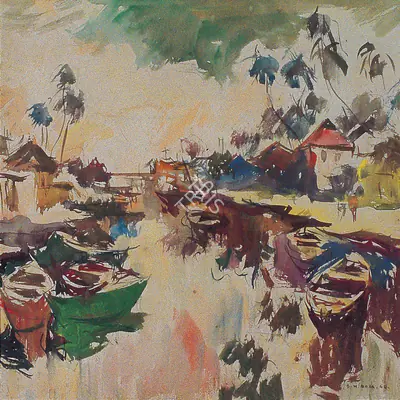
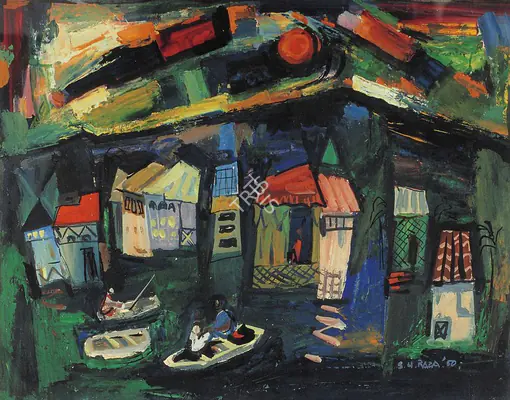
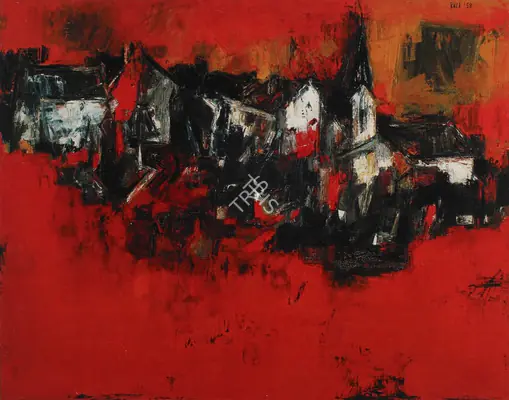
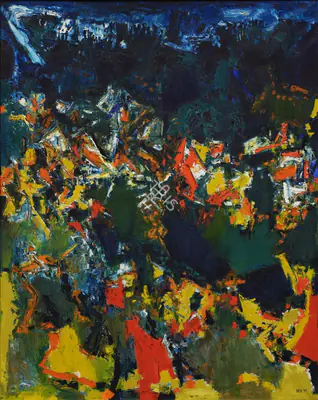
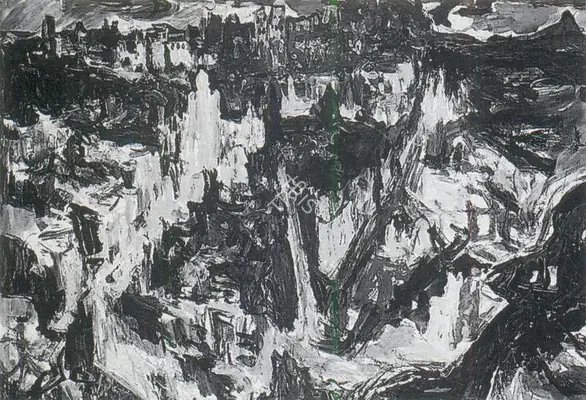
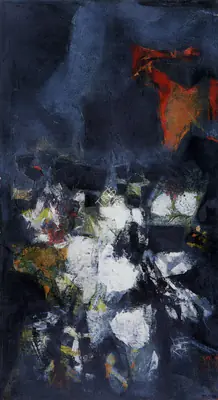
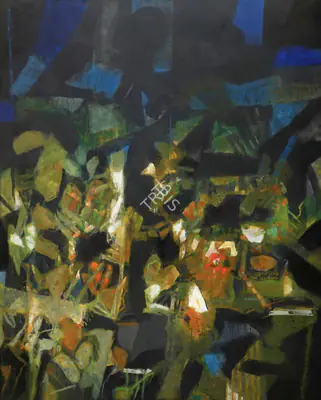
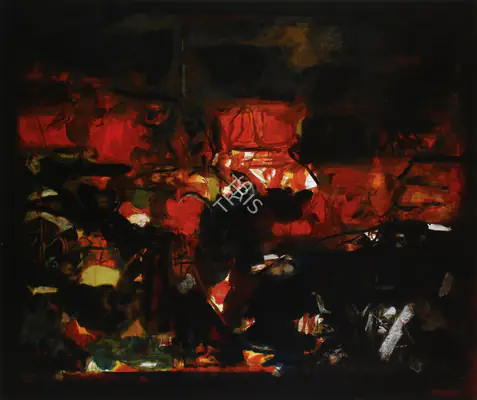
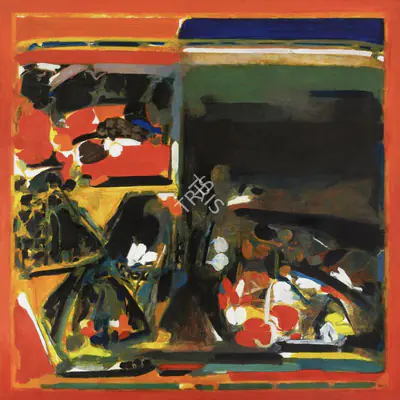
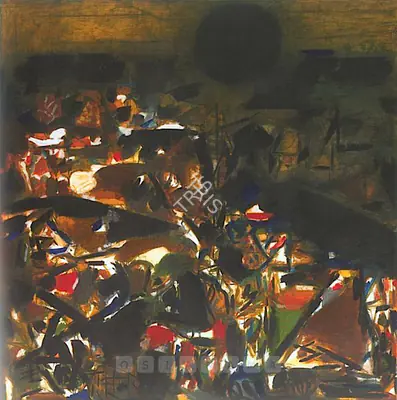
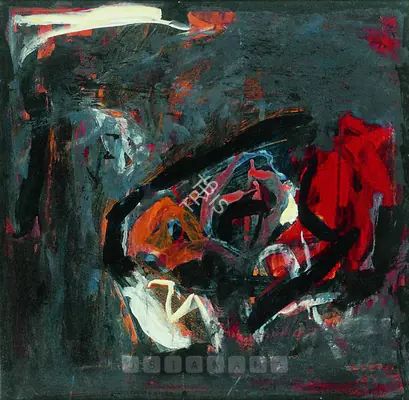
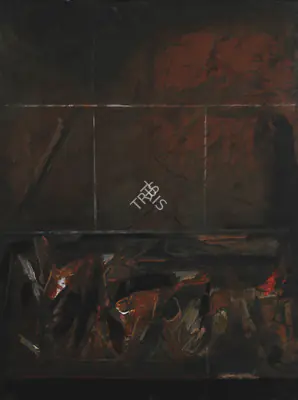
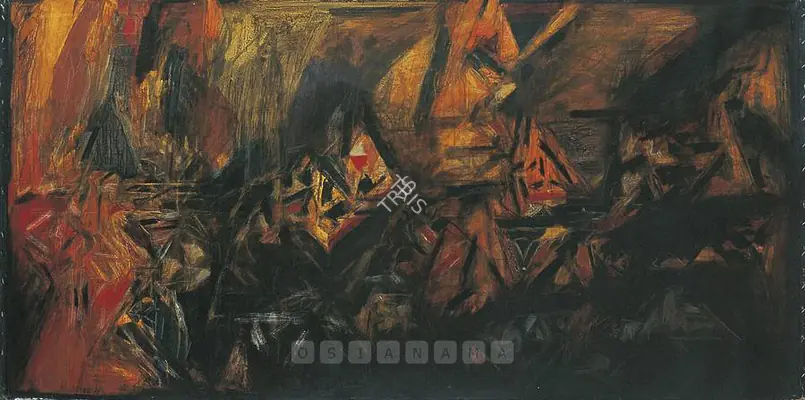
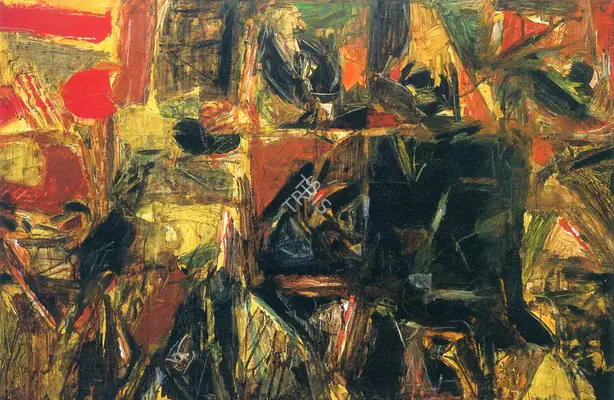
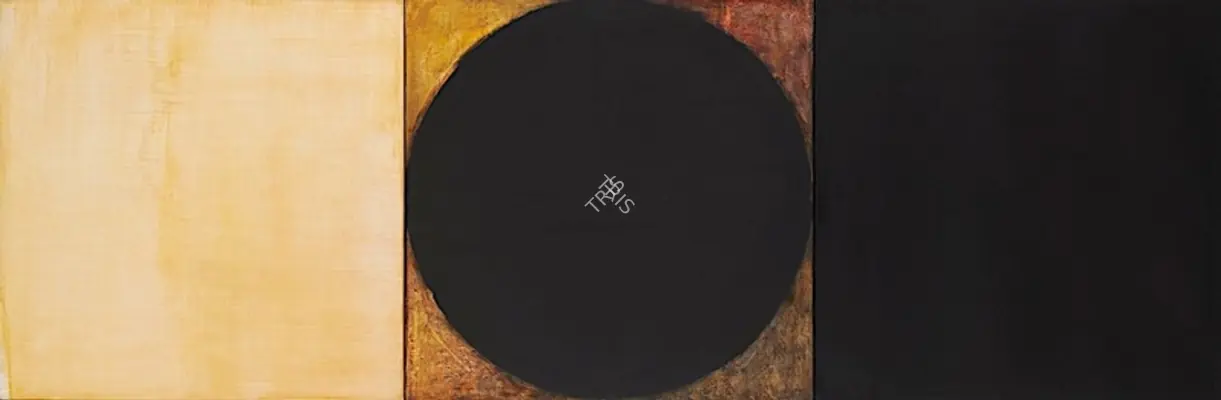
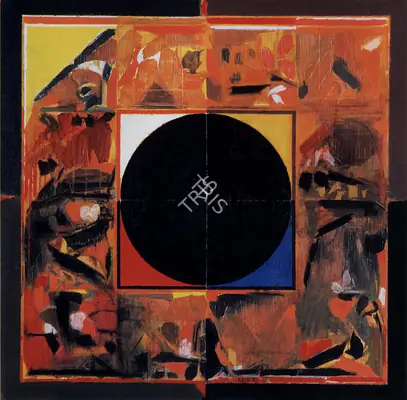
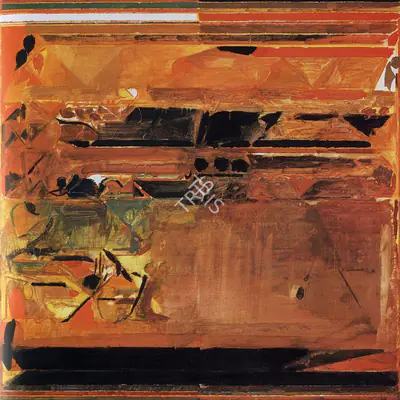
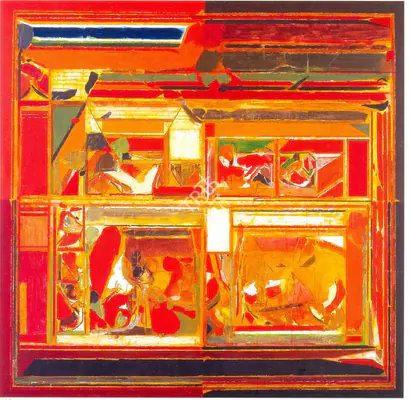
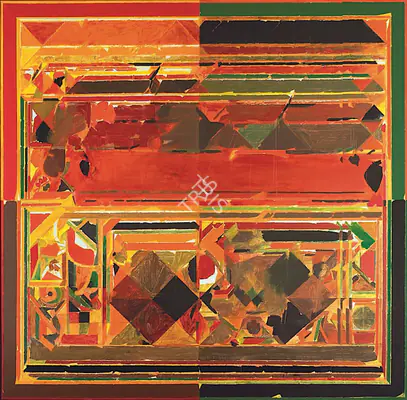
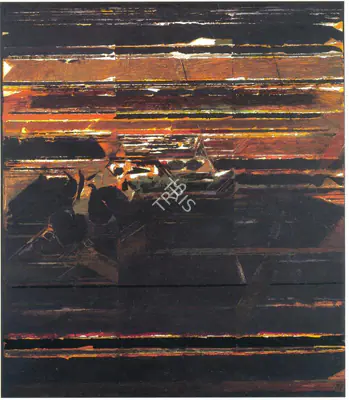
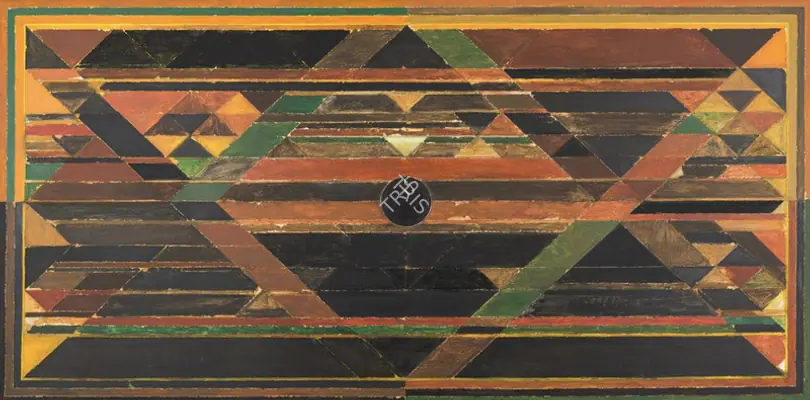
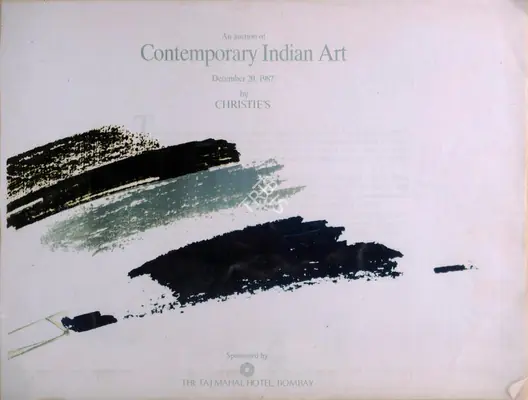
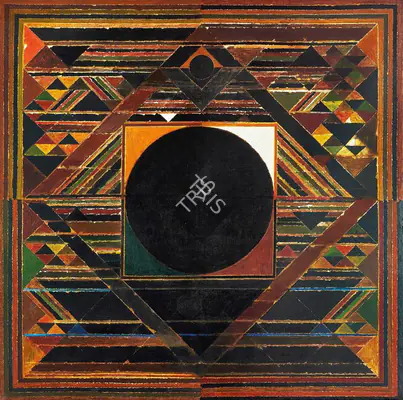
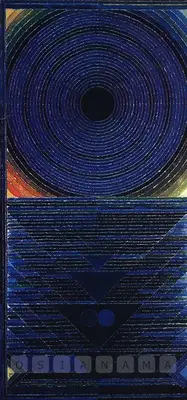
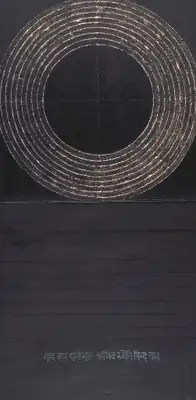
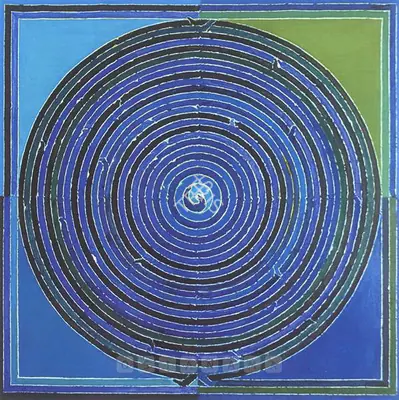
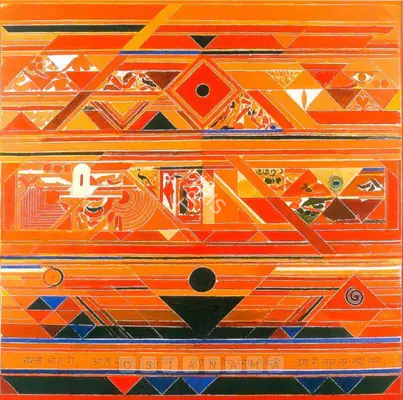
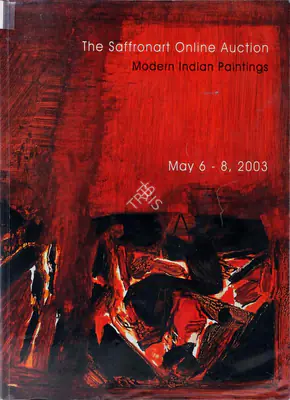
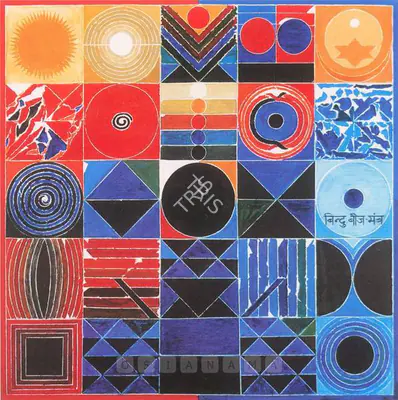
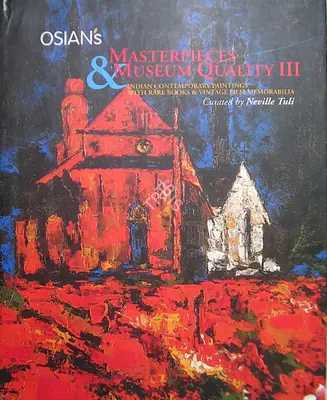
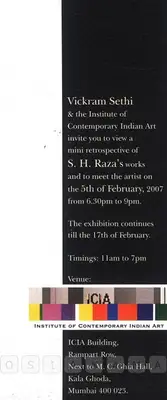
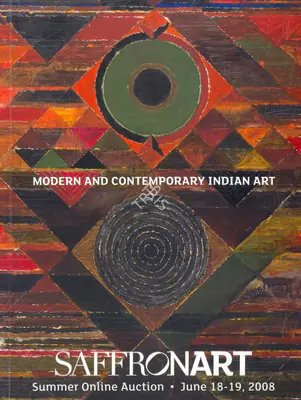
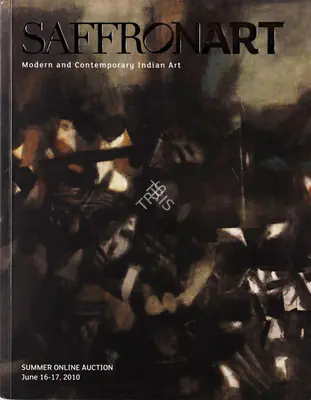
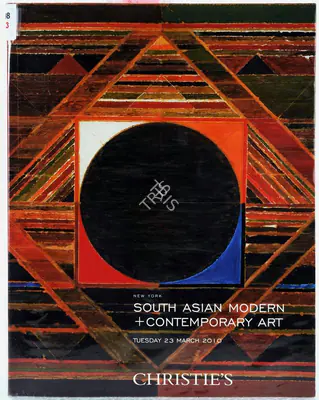
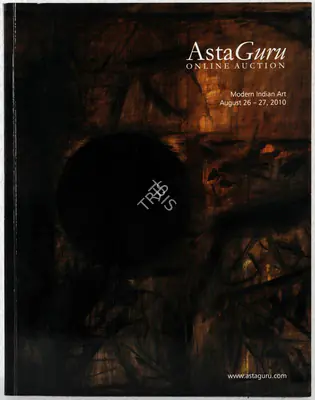
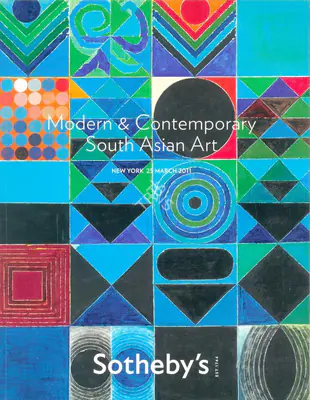
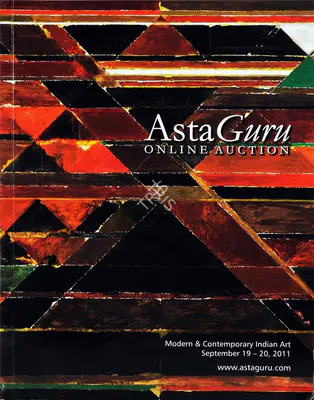
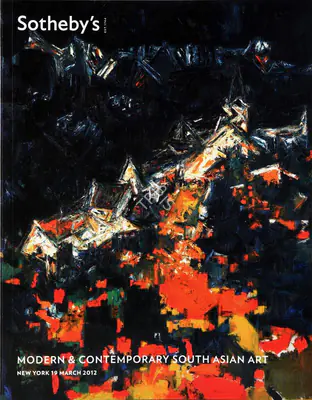
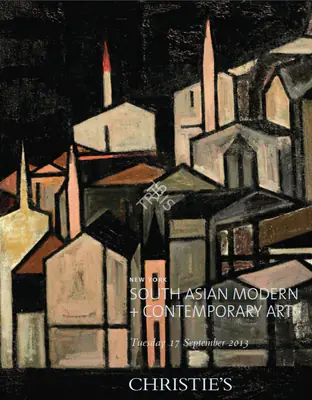
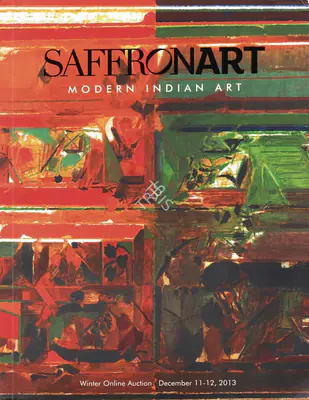
Image unavailable
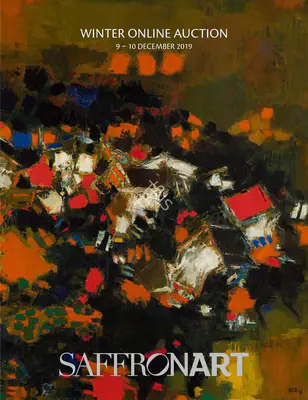
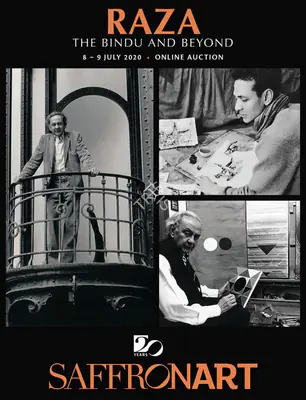
Economics of Art
Record-high lots21
Public Auction Market (1987–2026) | Select Indicators
Annual Auction Sale Turnover
It aggregates all sales across global auction houses into yearly totals.
Analysis reflected in the chart:
The turnover graph highlights periods of strong growth, moments of market correction, and resilience during downturns. Peaks often align with landmark works coming to public auction, while troughs may indicate reduced supply or weaker demand. Over time, the curve illustrates the overall trajectory of Sayed Haider Raza’s public auction market presence.
Average Sale Price Per Lot
It smooths out fluctuations caused by the quantity of works offered and focuses on the Average Sale Price level per artwork.
Analysis reflected in the chart:
Rising average sale prices indicate growing collector confidence and a stronger willingness to pay higher amounts per work. Assuming the mix of mediums remains relatively stable over time, the proportion of works on paper typically priced lower than works on canvas adds important context to understanding these market movements.
Square Inch Rate Trend
This allows fair comparisons between smaller works and larger canvases.
Analysis reflected in the chart:
The Square Inch Rate shown in the graph combines various medium types such as canvas, paper, board, and others. Historically, works on canvas and board have broadly commanded higher prices compared to works on paper.
1946
- Silver Medal, Bombay Art Society, Mumbai, India
1948
- Gold Medal, Bombay Art Society, Mumbai, India
1956
- Prix de la Critique, Paris, France
1978
- Rajkeeya Samman by the Government Madhya Pradesh, India
1981
- Padma Shri, Government of India
1997
- Kalidas Samman, Government of Madhya Pradesh, India
2002
- Officier de L'Ordre des Arts et des Lettres, Government of France
- Dayawati Modi Award, India
2004
- Lalit Kala Ratna Puraskar, Lalit Kala Akademi, New Delhi, India
2007
- Padma Bhushan, Government of India
2013
- Padma Vibhushan, Government of India
Research Centre
Posts 1
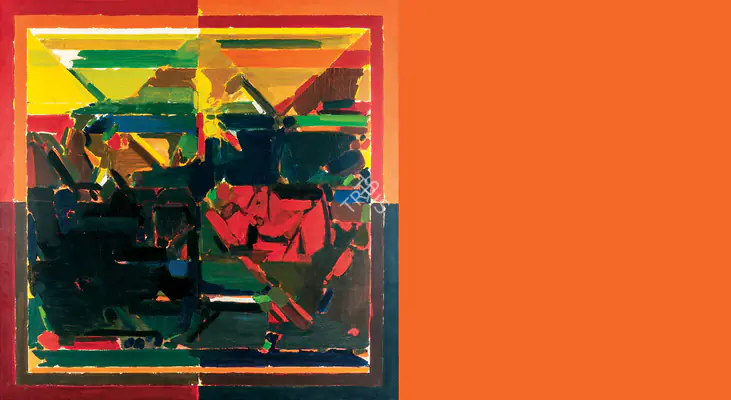
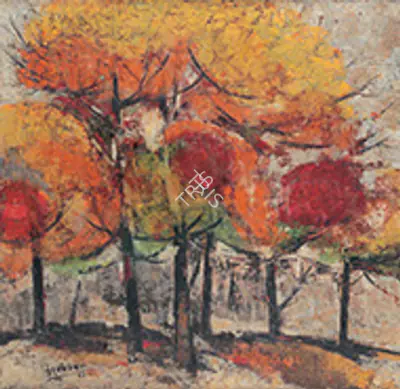
- A prominent figure in modern Indian art, S.H. Raza has had a notable presence in the global art market. His artwork "Paysage" (1972) exemplifies his unique style and holds a significant place in the art world performance. Raza's works from the 1970s, particularly 1972, have consistently achieved high values at auctions, indicating their timeless appeal. His use of acrylic on canvas is a distinctive feature of his artistic output. This medium, known for its versatility and vibrant colour, makes up a considerable portion of his work and is well-received in the auction market. Artworks like "Paysage" illustrate Raza's approach of blending traditional Indian themes with modest techniques. The analysis of Raza's auction market performance highlights a strong demand for his works from the 1970s. This period is characterized by several high-value sales, demonstrating the market's recognition of these extraordinary pieces. Examining Raza's market performance provides insights into broader trends within the art market. His consistent auction results reflect the market's valuation of his works and his role in modern Indian art. His legacy continues to hold a significant place in the art world.
Related
50
Personalities
32
Institutions
14

Themes
3