Jyoti Bhatt

Jyoti Bhatt
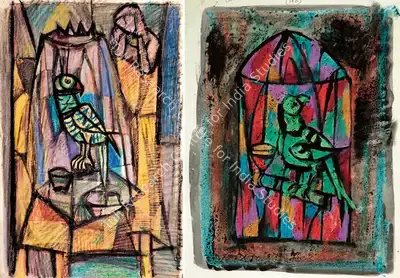
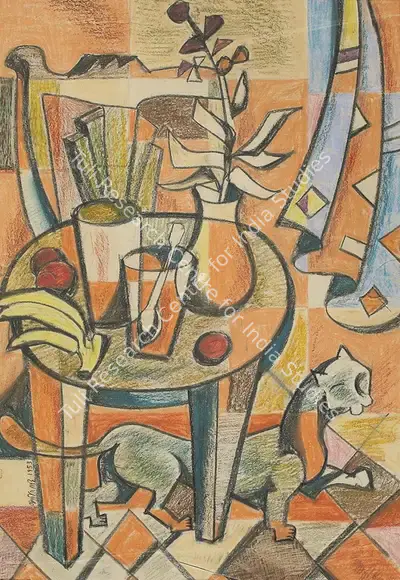
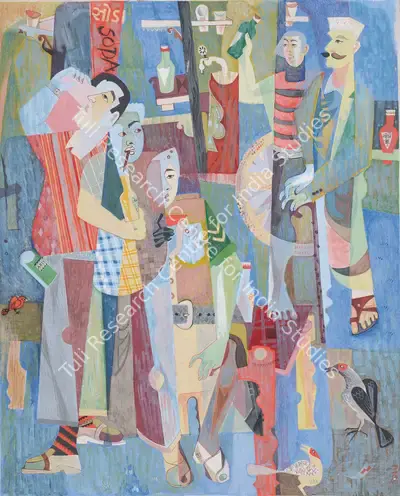
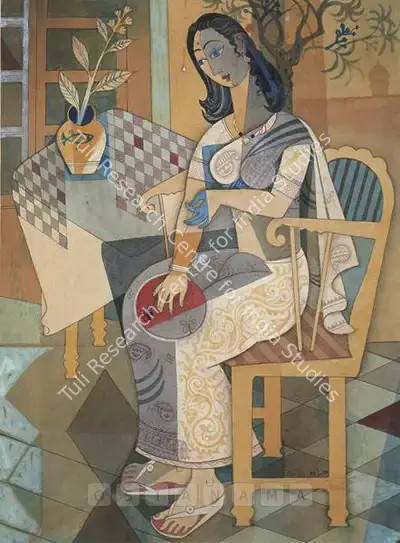
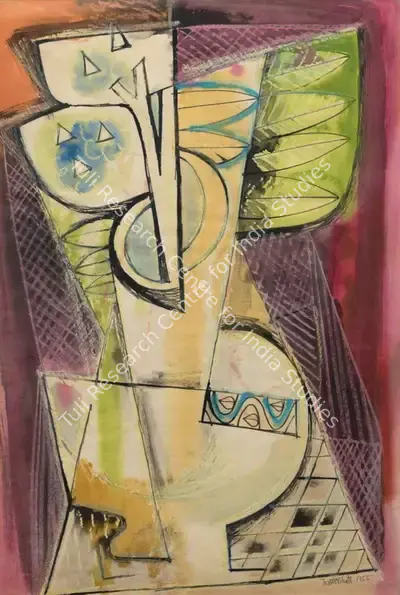
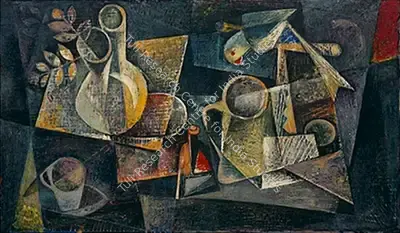
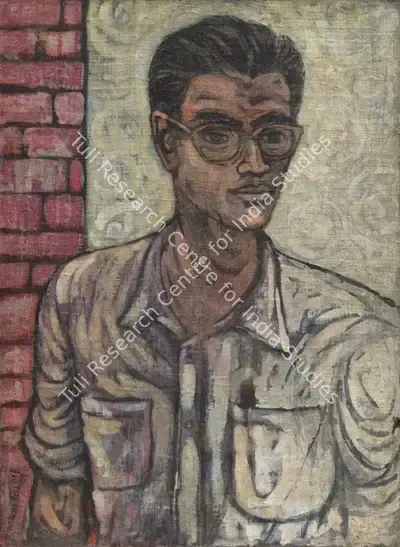
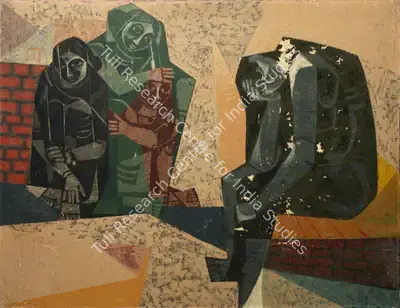
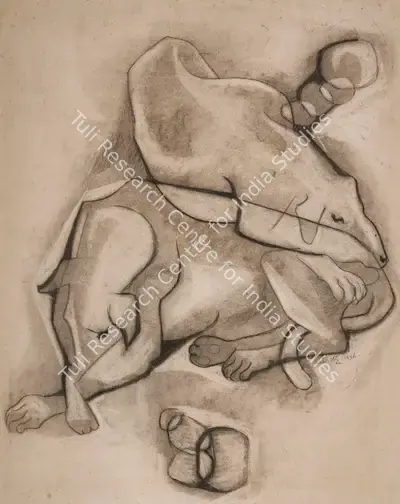
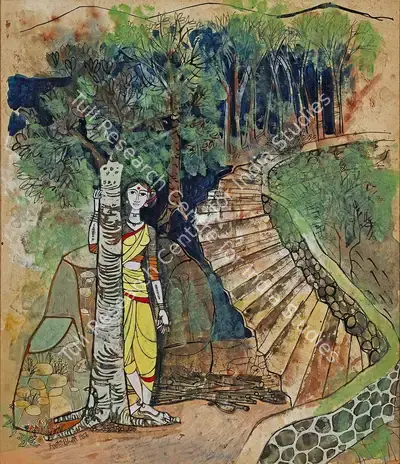
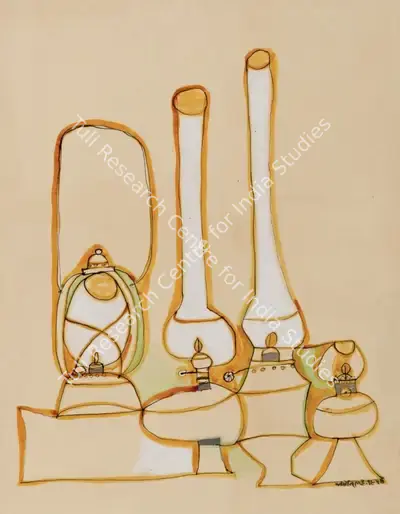
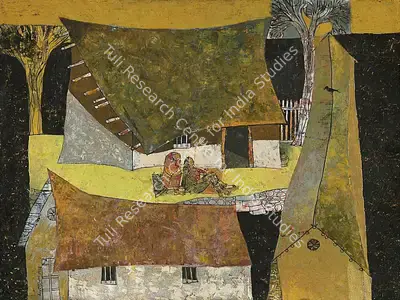
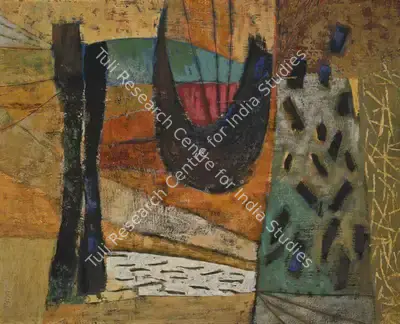
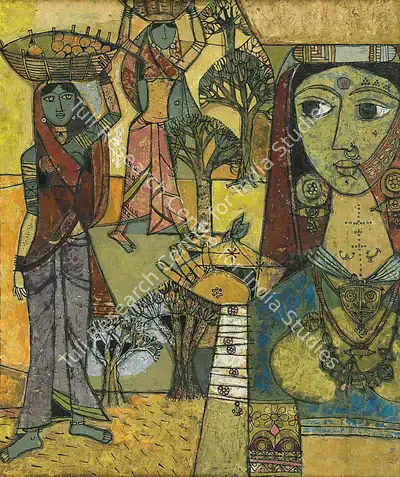
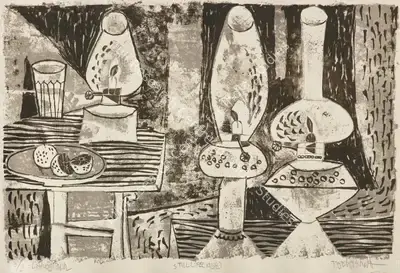
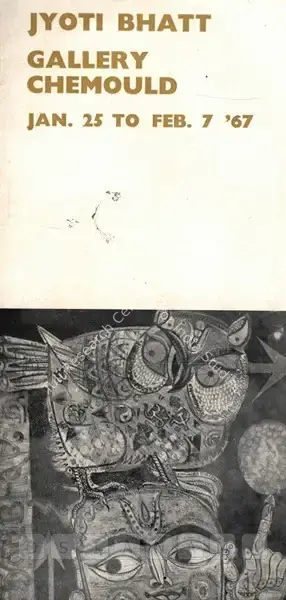
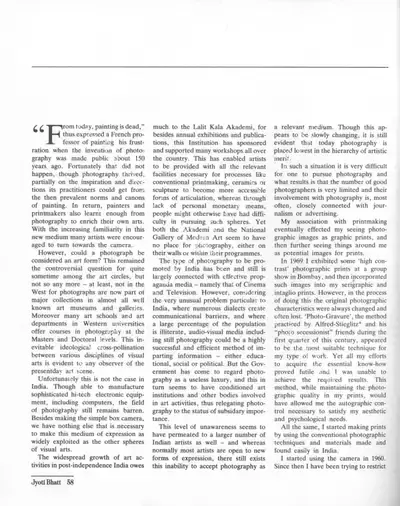
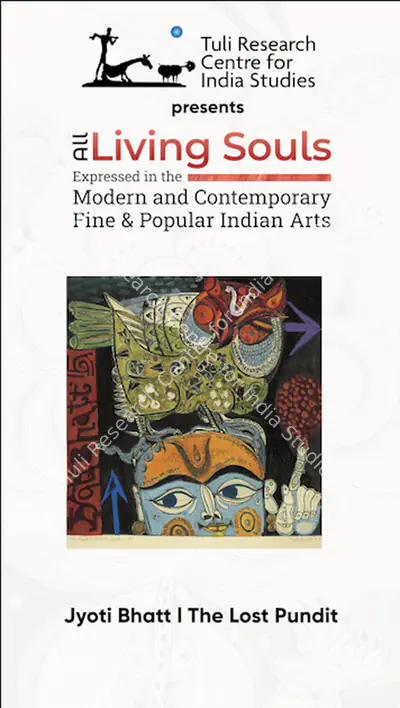
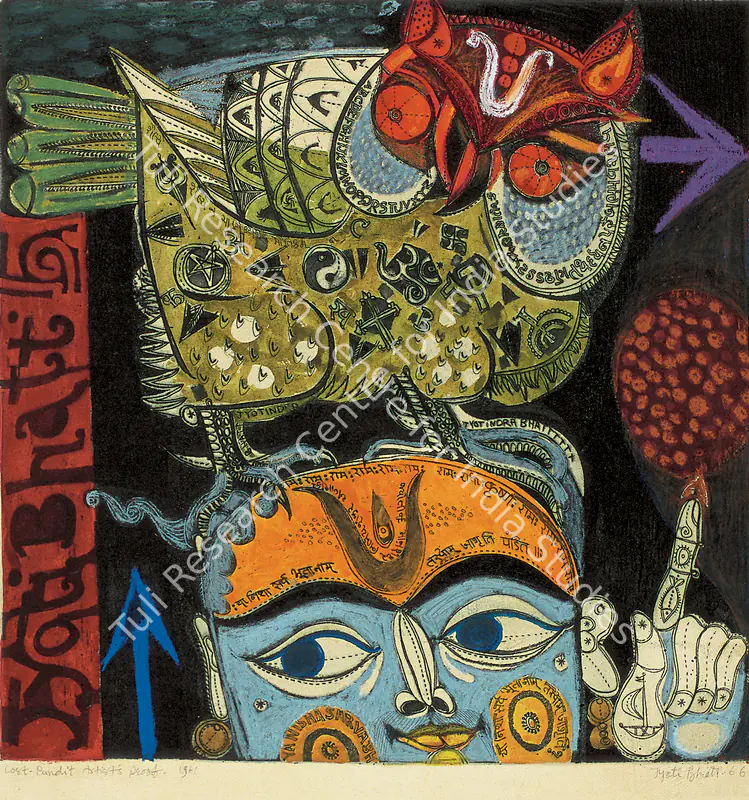
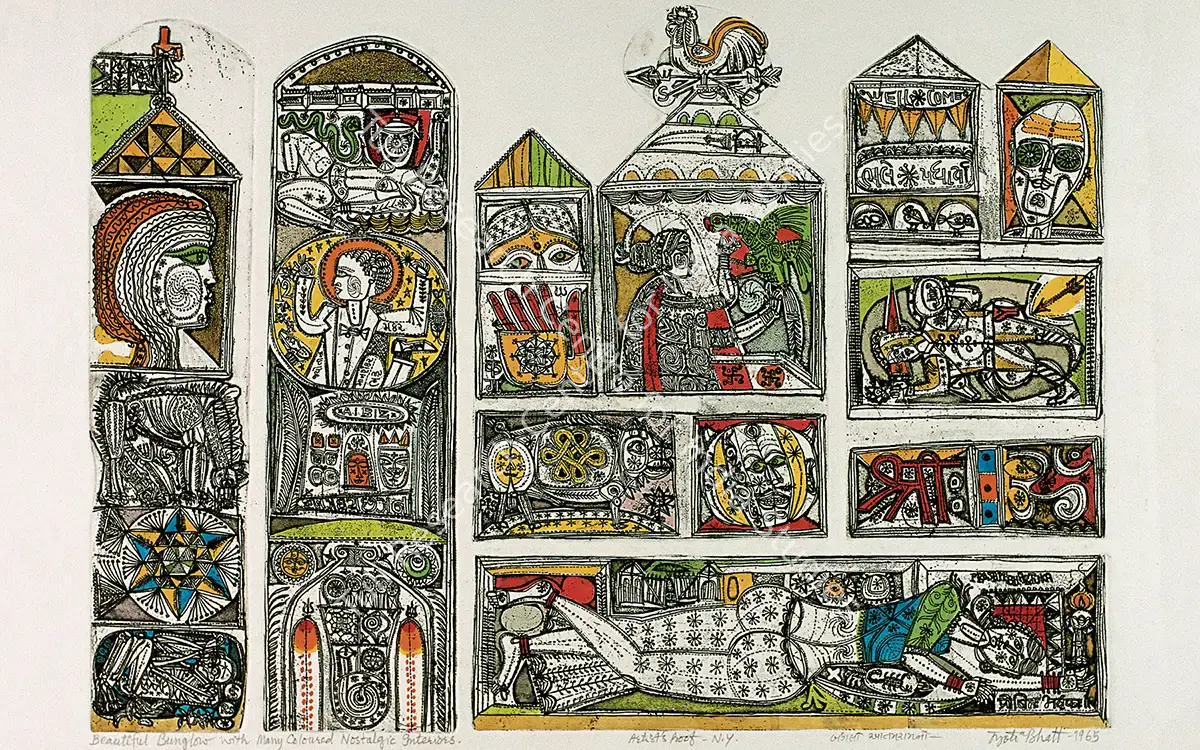
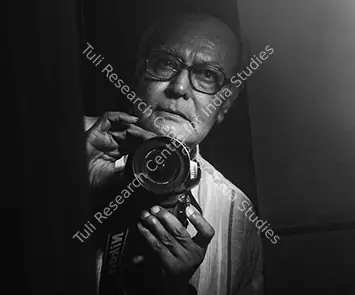
Jyoti Bhatt, an artist primarily linked to and known for his work as a painter and printmaker, was also a creative lensman with a repertoire of images from rural western India. “I started using a camera in 1957 or so, mainly to make visual records of mine and my friends’ paintings during my study period in Baroda. I also photographed my family members and those around me,” Bhatt stated. What started out as a tool for documenting the everyday evolved in more creative and abstract ways." In 1967, Bhatt travelled with his artist friends Bhupen Khakhar and Gulam Mohammed Sheikh through the rural and tribal regions of Gujarat, collecting art objects to be exhibited at a seminar about folklore at the Bharatiya Vidya Bhavan educational trust in Mumbai. He began taking photographs on this trip to display the relationships between the objects and their environments. These photographs marked Bhatt’s first unified photographic project, documenting the vanishing craft traditions of rural Indian life that he would continue documenting for years to come. His ouvre consisted mostly of black and white photographs. “For me, paintings, prints and photographs are all primarily two-dimensional images, and I often notice that my works are interrelated,” Bhatt explains. “I have made etchings based on photographs, and I have deliberately printed my photographs with obliterated surface details and tonal contrasts in order to make them look like graphic prints.” A devoted pictorialist, he has painted on the surface of his photographs too and became one of the foremost documentarians of rural archives.
Jyoti Bhatt
Jyoti Bhatt, an artist primarily linked to and known for his work as a painter and printmaker, was also a creative lensman with a repertoire of images from rural western India. “I started using a camera in 1957 or so, mainly to make visual records of mine and my friends’ paintings during my study period in Baroda. I also photographed my family members and those around me,” Bhatt stated. What started out as a tool for documenting the everyday evolved in more creative and abstract ways." In 1967, Bhatt travelled with his artist friends Bhupen Khakhar and Gulam Mohammed Sheikh through the rural and tribal regions of Gujarat, collecting art objects to be exhibited at a seminar about folklore at the Bharatiya Vidya Bhavan educational trust in Mumbai. He began taking photographs on this trip to display the relationships between the objects and their environments. These photographs marked Bhatt’s first unified photographic project, documenting the vanishing craft traditions of rural Indian life that he would continue documenting for years to come. His ouvre consisted mostly of black and white photographs. “For me, paintings, prints and photographs are all primarily two-dimensional images, and I often notice that my works are interrelated,” Bhatt explains. “I have made etchings based on photographs, and I have deliberately printed my photographs with obliterated surface details and tonal contrasts in order to make them look like graphic prints.” A devoted pictorialist, he has painted on the surface of his photographs too and became one of the foremost documentarians of rural archives.

Introduction

TRIS logo image