
Introduction
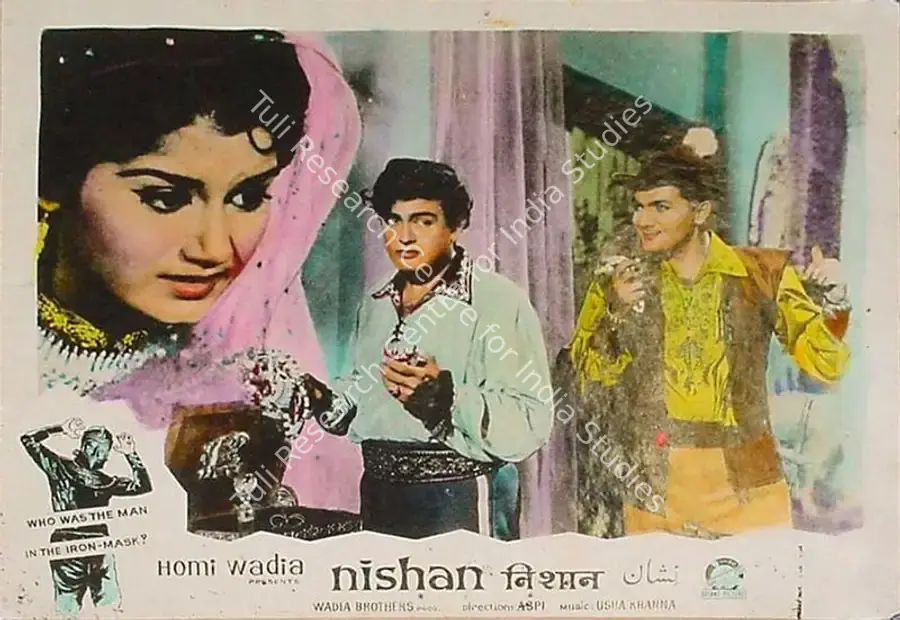
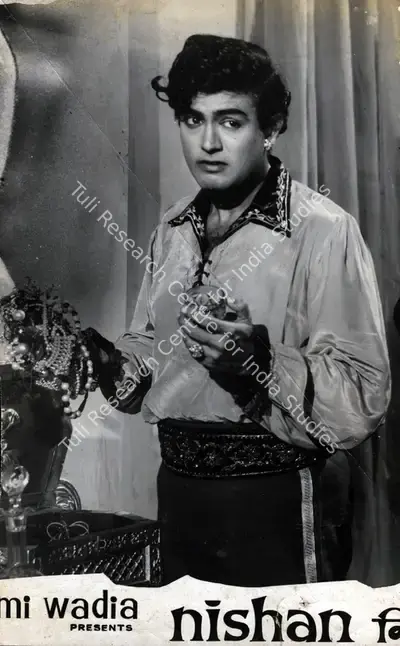
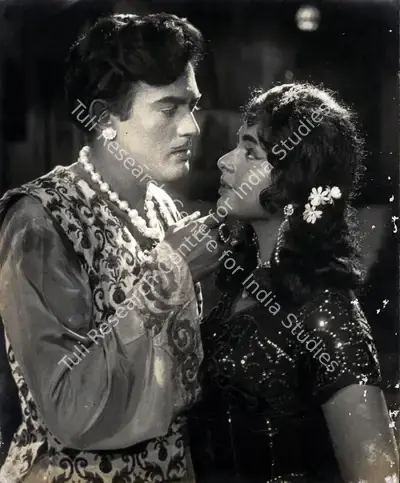
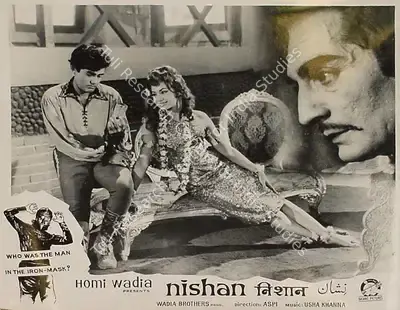
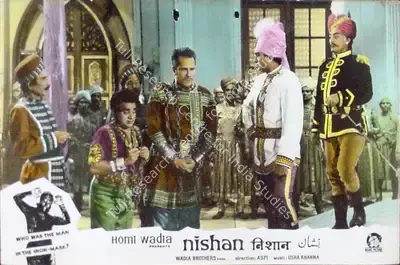
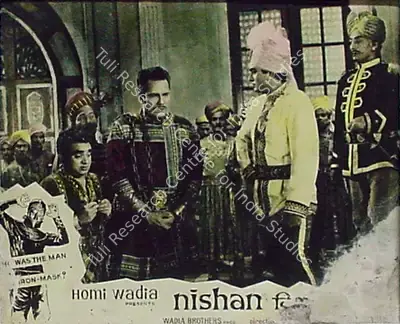
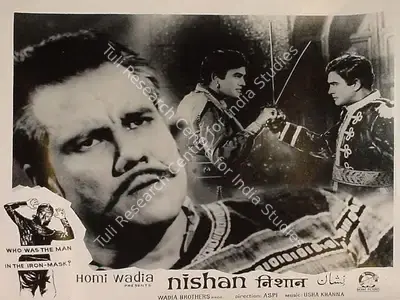
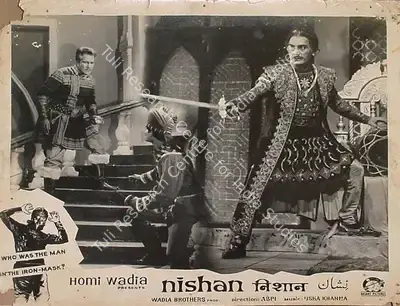
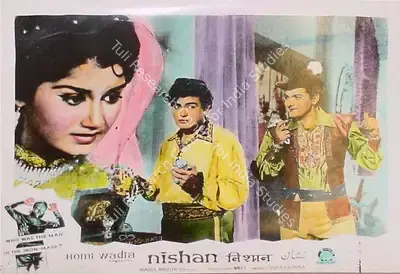
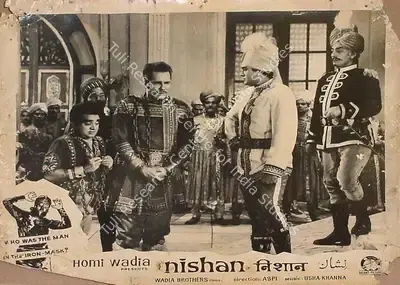
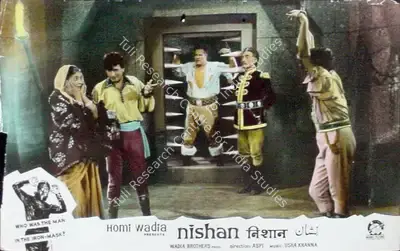
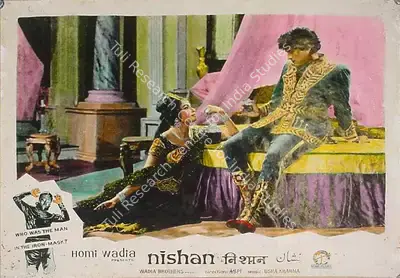
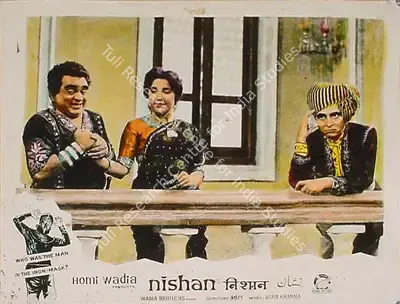
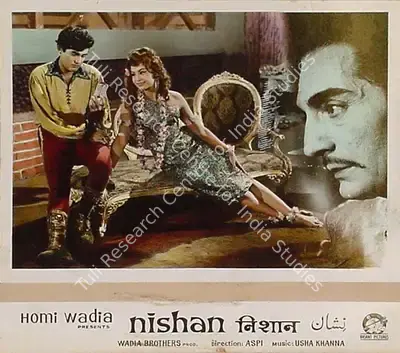
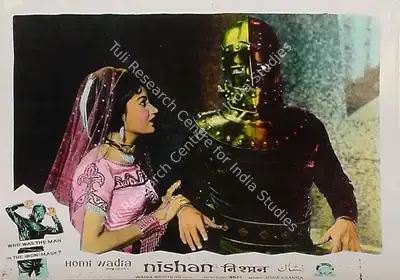
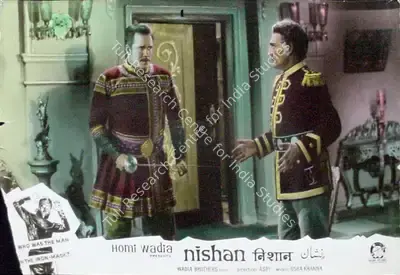
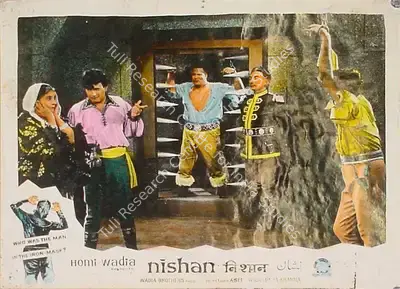
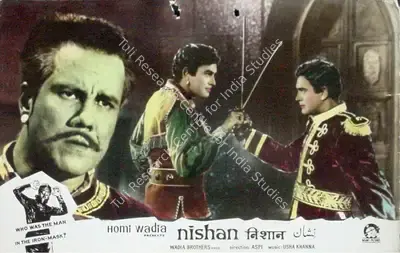
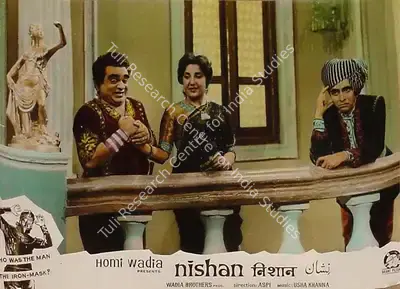
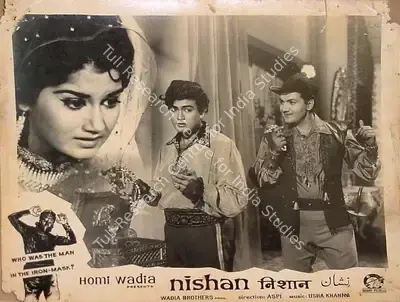
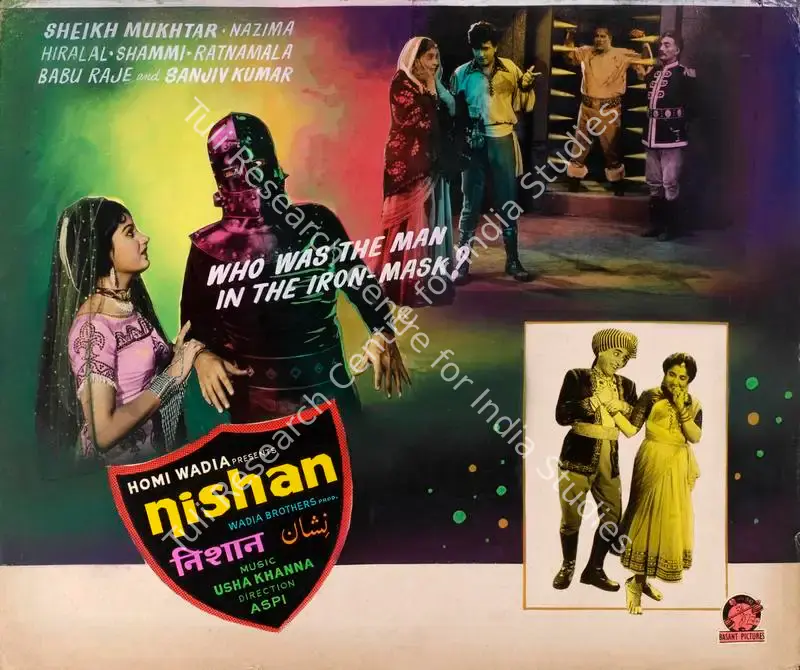
Nishan (1965) Directed by Aspi Irani, Nishan marked an important milestone in Hindi cinema as the first film to feature Sanjeev Kumar in a leading role. The film also starred Nazima, Prem Chopra, Helen, Mukri, Sulochana and Shammi in prominent roles.
Set in the fictional princely state of Ajitgarh, the narrative begins with widespread celebrations following the birth of Prince Kiran to Maharaja Hamir Singh. However, the festivities are overshadowed by the revelation that the queen has delivered twin sons. Haunted by the spectre of dynastic conflict and inspired by the historical precedent of the French monarchy, Hamir Singh fears a future in which the brothers may battle for succession. Determined to avert such a crisis, he entrusts the younger twin, Badal, to his loyal courtier Sangram Singh, portrayed by Sheikh Mukhtar. The child is taken away to the distant estate of Devpur, where he is raised far from the royal household and his brother. The subsequent unfolding of this separation forms the crux of the film's dramatic narrative.
In retrospect, Nishan has largely been regarded by film historians and critics as an unremarkable costume drama that failed to resonate with audiences upon release. Despite its adventurous premise of twin princes separated at birth—a theme with considerable cinematic potential—the film did not achieve either critical acclaim or commercial success, ultimately emerging as a box-office failure. Nevertheless, its historical significance endures because of its association with Sanjeev Kumar's debut as a leading man, foreshadowing the remarkable career he would later build in Indian cinema.
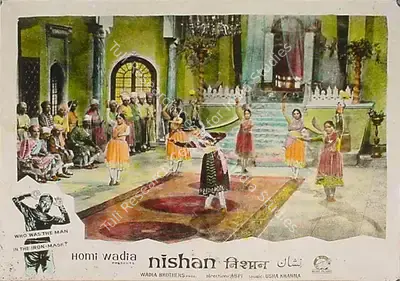
The film's music, composed by Usha Khanna with lyrics by Javed Anwar, received a notably warmer response than the film itself. Several songs gained popularity, including Aap Ki Adaon Pe by Asha Bhosle, Aye Jaan-E-Wafa by Usha Khanna, Bolo Ji Bolo by Mukesh and Suman Kalyanpur, Humqadam rendered by Manna Dey, Usha Khanna and Mahendra Kapoor, and Saqiya Thodi Thodi sung by Asha Bhosle. The most enduring compositions, however, were the two versions of Hai Tabassum Tera, rendered separately by Mohammed Rafi and Asha Bhosle, both of which continue to evoke nostalgia among listeners decades after the film's release.
काल्पनिक रियासत अजीतगढ़ में स्थित यह कहानी महाराजा हमीर सिंह के पुत्र किरण के जन्म के बाद भव्य उत्सवों से शुरू होती है। हालांकि, रानी के जुड़वां पुत्रों को जन्म देने की ख़बर से उत्सवों की रौनक फीकी पड़ जाती है। वंशवादी संघर्ष के भय से ग्रस्त और फ्रांसीसी राजशाही के ऐतिहासिक उदाहरण से प्रेरित हमीर सिंह को भविष्य में दोनों भाइयों के बीच उत्तराधिकार के लिए संघर्ष का डर सताता है। ऐसे संकट को टालने के लिए दृढ़ संकल्पित होकर, वह छोटे जुड़वां पुत्र बादल को अपने वफ़ादार दरबारी संग्राम सिंह (शेख़ मुख्त़ार द्वारा अभिनीत) के हवाले कर देते हैं। बच्चे को दूर स्थित देवपुर की जागीर में ले जाया जाता है, जहां उसका पालन-पोषण शाही परिवार और उसके भाई से दूर होता है। इस अलगाव की कहानी ही फ़िल्म के नाटकीय कथानक का केंद्रबिंदु है।
पीछे मुड़कर देखें तो फ़िल्म इतिहासकारों और आलोचकों ने निशान को एक साधारण कॉस्ट्यूम ड्रामा माना है जो रिलीज़ के समय दर्शकों को प्रभावित करने में विफल रहा। जन्म के समय बिछड़े जुड़वां राजकुमारों की साहसिक कहानी, जिसमें सिनेमाई संभावनाओं की अपार संभावनाएं थीं, जिसके बावजूद फ़िल्म को न तो आलोचकों की सराहना मिली और न ही व्यावसायिक सफलता, अंततः यह बॉक्स ऑफ़िस पर फ्लॉप साबित हुई। फ़िर भी संजीव कुमार की मुख्य अभिनेता के रूप में पहली फ़िल्म होने के कारण इसका ऐतिहासिक महत्व बना हुआ है, जो भारतीय सिनेमा में उनके आगे के शानदार करियर की झलक दिखाती है।
फ़िल्म का संगीत, जिसे उषा खन्ना ने संगीतबद्ध किया था और जावेद अनवर ने गीत लिखे थे, फ़िल्म की तुलना में कहीं अधिक लोकप्रिय हुआ। आशा भोसले द्वारा गाया गया 'आप की अदाओं पे', उषा खन्ना द्वारा गाया गया 'ऐ जान-ए-वफ़ा', मुकेश और सुमन कल्याणपुर द्वारा गाया गया 'बोलो जी बोलो', मन्ना डे, उषा खन्ना और महेंद्र कपूर द्वारा गाया गया 'हमक़दम' और आशा भोसले द्वारा गाया गया 'साकिया थोड़ी थोड़ी' जैसे कई गाने लोकप्रिय हुए। हालांकि, सबसे यादगार गीत 'है तबस्सुम तेरा' के दो संस्करण थे, जिन्हें मोहम्मद रफी और आशा भोसले ने अलग-अलग गाया था। फ़िल्म की रिलीज के दशकों बाद भी ये दोनों गीत श्रोताओं के मन में पुरानी यादें ताजा करते हैं।
फ़िल्म का संगीत, जिसे उषा खन्ना ने संगीतबद्ध किया था और जावेद अनवर ने गीत लिखे थे, फ़िल्म की तुलना में गीत अधिक लोकप्रिय हुए। आशा भोसले द्वारा गाया गया 'आप की अदाओं पे', उषा खन्ना द्वारा गाया गया 'ऐ जान-ए-वफ़ा', मुकेश और सुमन कल्याणपुर द्वारा 'बोलो जी बोलो', मन्ना डे, उषा खन्ना और महेंद्र कपूर ने 'हमक़दम' को स्वर दिया और आशा भोसले ने गाया 'साक़िया थोड़ी थोड़ी' जैसे कई गाने लोकप्रिय हुए। हालांकि, सबसे यादगार गीत 'है तबस्सुम तेरा' के दो संस्करण थे, जिन्हें मोहम्मद रफ़ी और आशा भोसले ने अलग-अलग गाया था। फ़िल्म की रिलीज़ होने के दशकों बाद भी ये दोनों गीत श्रोताओं के मन में पुरानी यादें ताज़ा करते हैं।