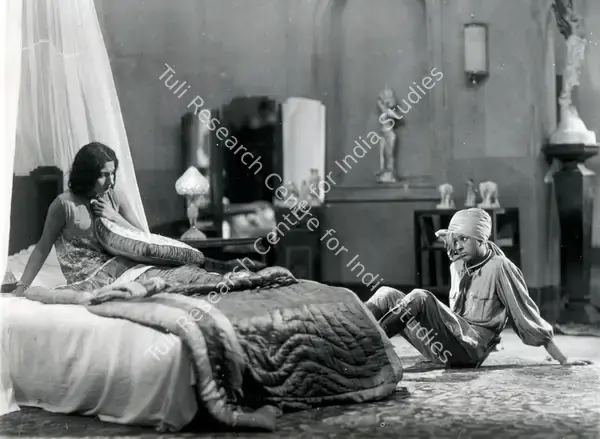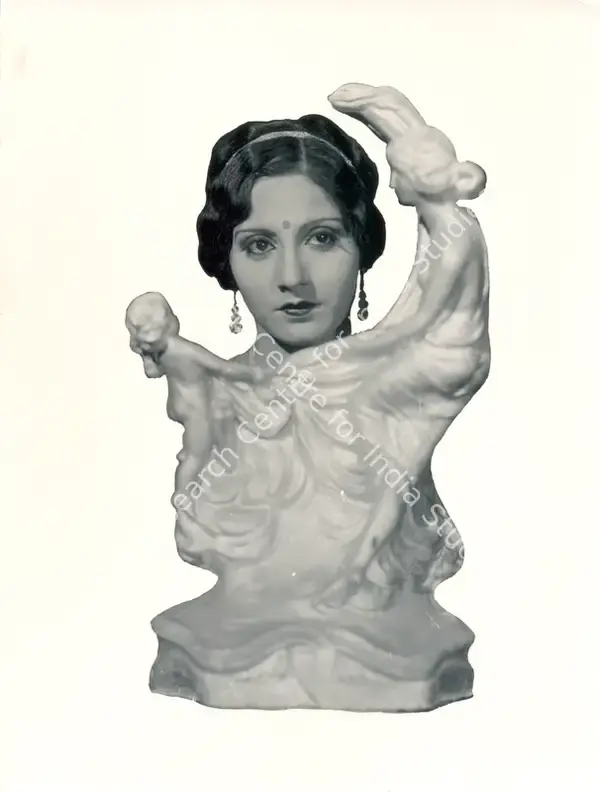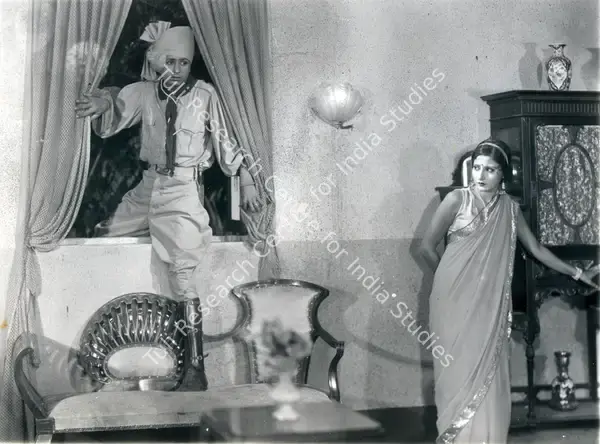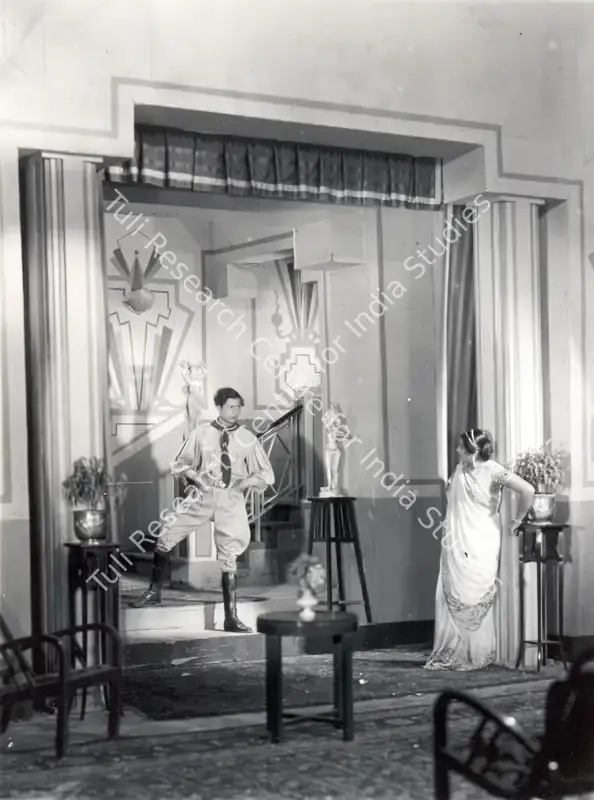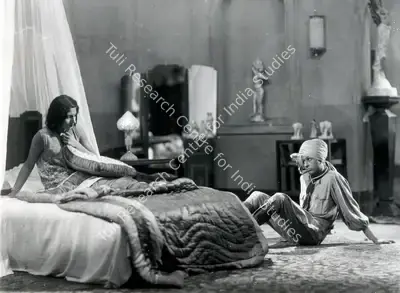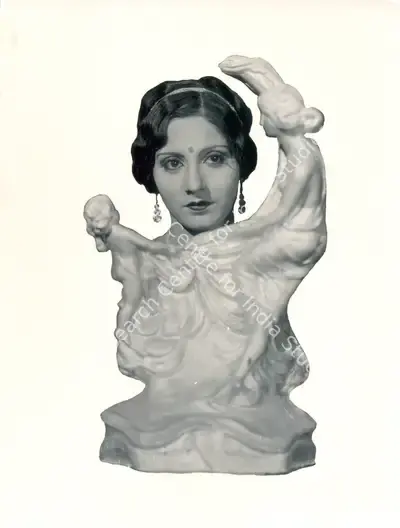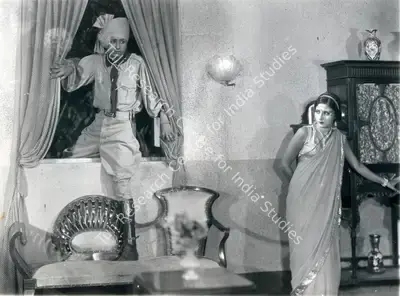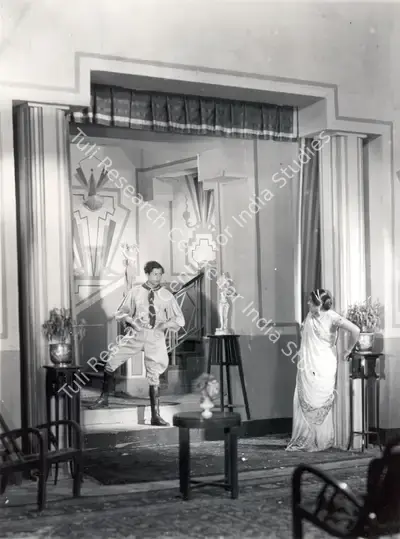

Aspi Irani
Aspi Irani (8 October 1911 – officially recorded as missing on 23 November 1986) He was a prominent Indian film director and producer associated primarily with Hindi cinema from the 1940s through the 1970s.
Born in Bombay Presidency, British India, his full name was Aspandiar Hormusji Irani. Although detailed family records are not widely available, available evidence strongly suggests that he belonged to the Parsi community. Over the course of a long and varied career, Irani established himself as a successful maker of commercially appealing films, particularly in the genres of action, fantasy, mythological drama, costume adventure, and comedy.
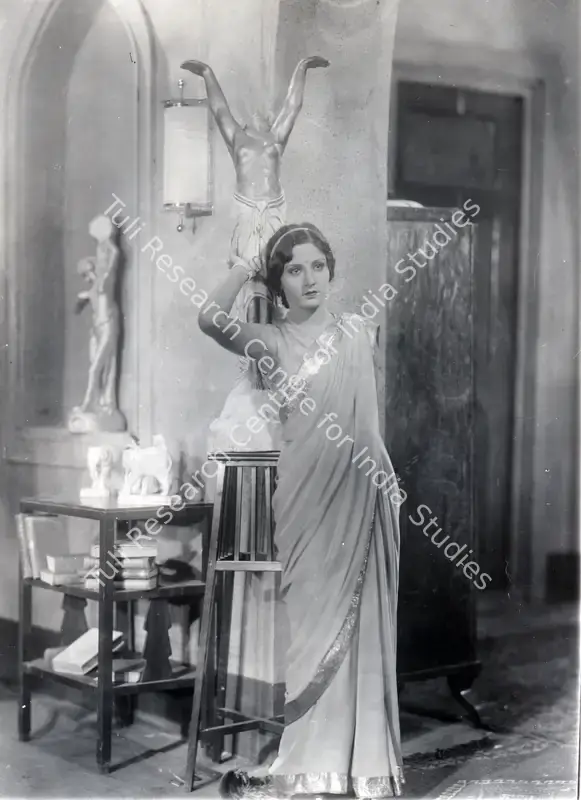
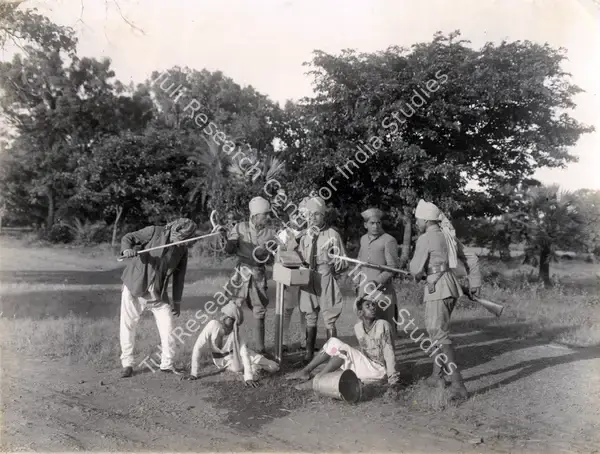
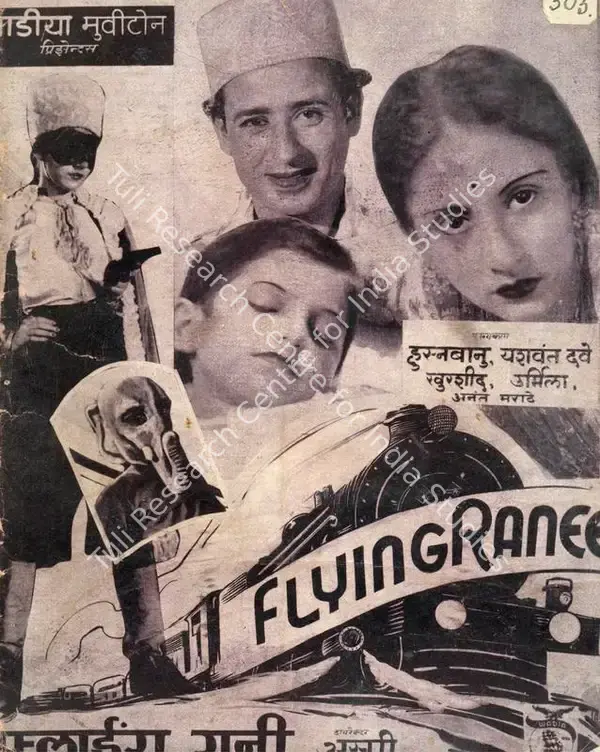
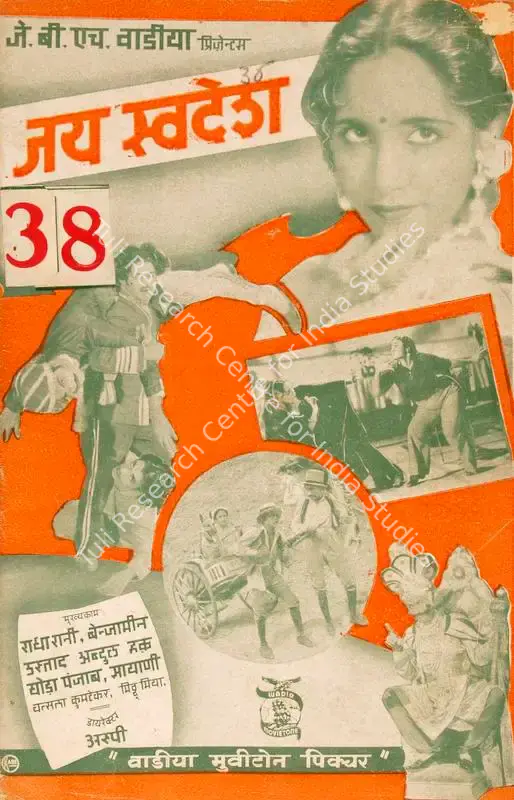
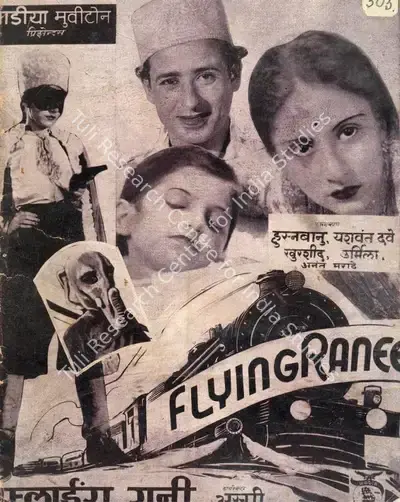
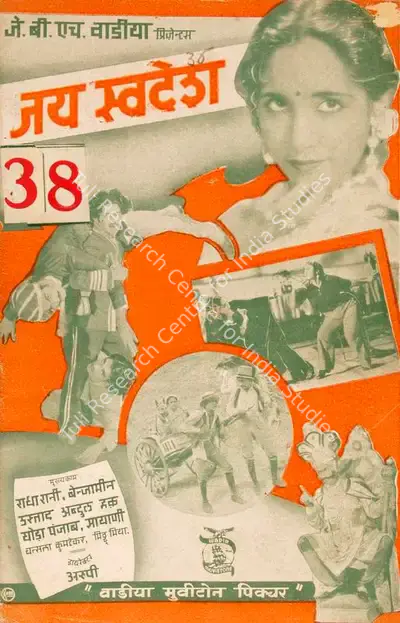
Irani began his career within the studio era of Indian cinema and worked with several leading production houses, including Imperial Film Company, Ranjit Studios, and Wadia Movietone. These formative professional associations exposed him to the rapidly evolving grammar of mainstream Indian filmmaking and helped shape his distinctive approach to popular entertainment. In 1951, he founded his own production banner, Super Pictures, under which he further consolidated his reputation as an accomplished filmmaker with a keen understanding of audience preferences.
Over the years, Aspi Irani directed nearly thirty films and became widely recognised for his ability to combine spectacle, humour, melodrama, and action in a manner that appealed to mass audiences. Among his most notable works were Shirin Farhad (1956), Qaidi No. 911 (1959), Shabnam (1964), Badal (1966), Insaan Aur Shaitan (1970), and Garam Masala (1972). The latter, a comedy film remembered for its energetic storytelling and popular appeal, remains one of his best-known works. His films frequently blended fantasy elements with action and comic interludes, reflecting the broader trends of mainstream Bollywood cinema during the mid-twentieth century. Consequently, Irani came to be regarded as a consummate entertainer who possessed an instinctive understanding of popular taste and commercial filmmaking.
In addition to his directorial achievements, Irani also played an important role in nurturing talent within the Hindi film industry. He is credited with helping to introduce and promote actor Sanjeev Kumar in significant leading roles at a formative stage of the actor's career. His contributions to Indian cinema, therefore, extended beyond filmmaking alone and included the encouragement of performers who would later become major figures in Hindi cinema.
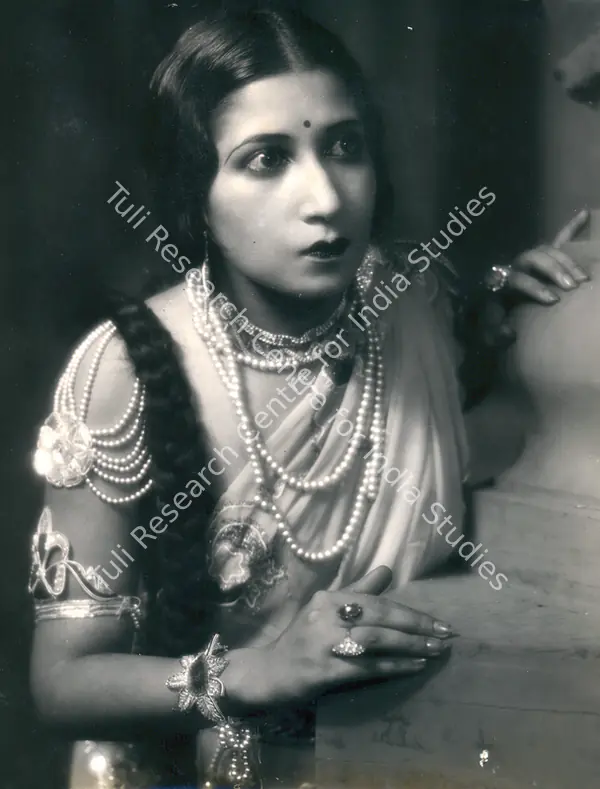
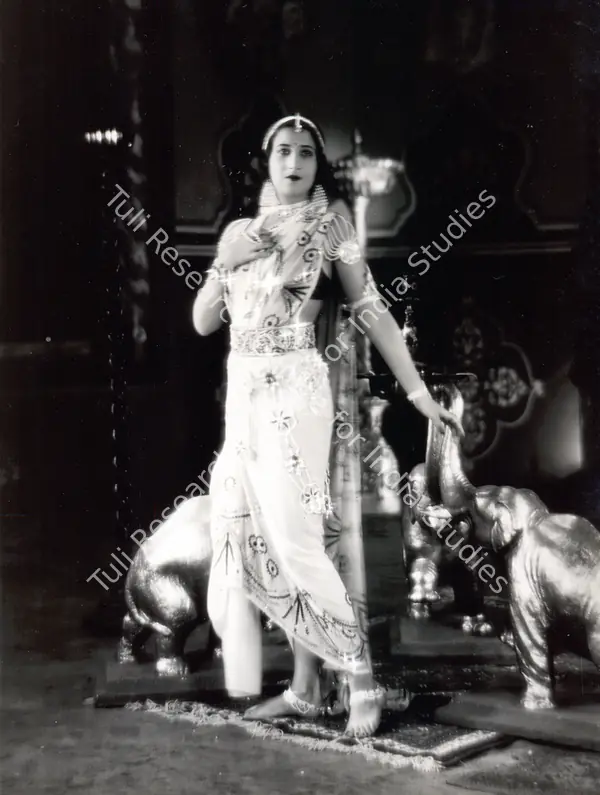
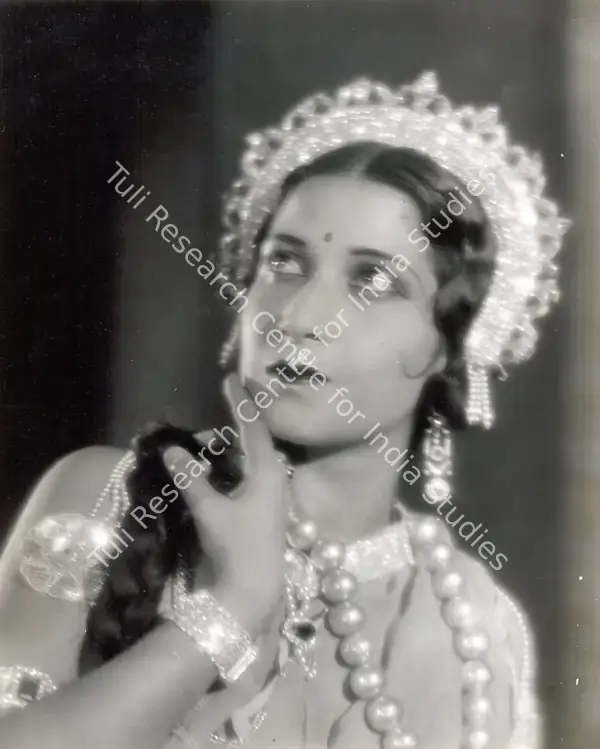
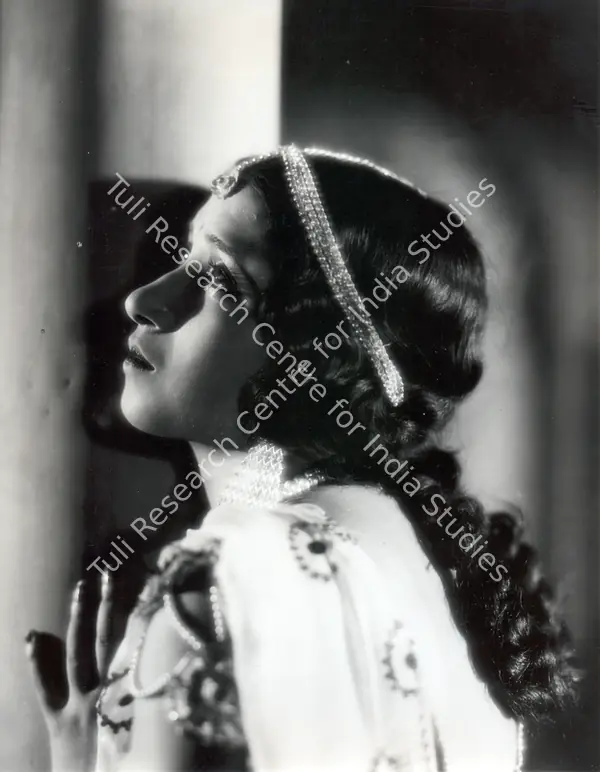
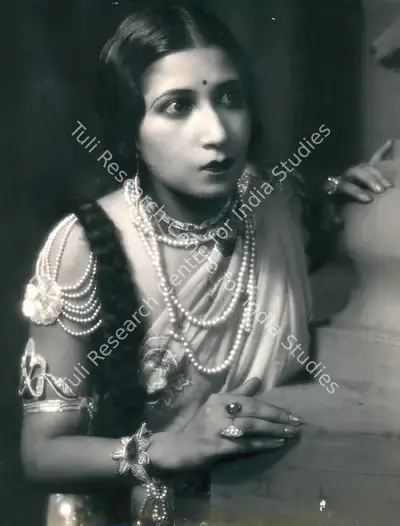
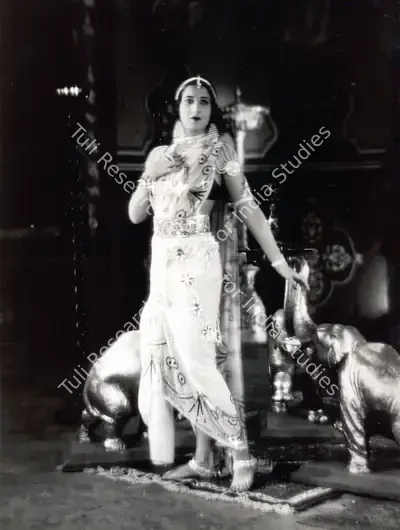
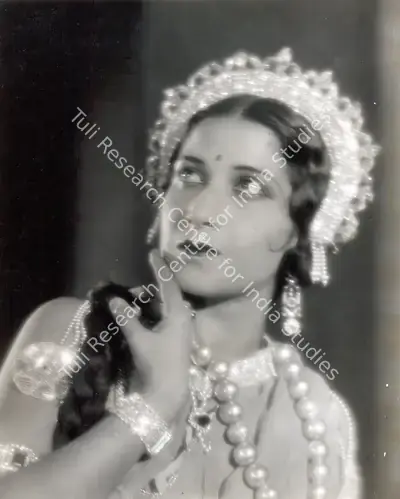
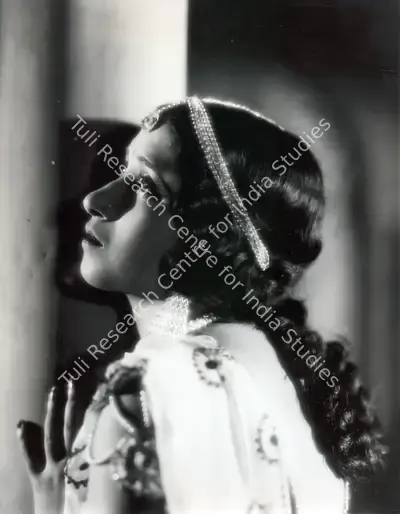
Aspi Irani was married to Husn Banu, a noted actress of early Hindi cinema. Contemporary accounts and film industry reports often described the couple as leading a stable and happy married life. Husn Banu was considered to be so beautiful and glamorous that she was featured in a Lux Soap advertisement in the early 1940s, a rare honour for actresses of that era.
However, a mysterious and unresolved episode in Irani's later years gave rise to considerable speculation regarding his personal circumstances. According to reports, on 23 November 1986 he left his home for work and never returned. Despite extensive searches and investigations conducted over the following years, no conclusive information regarding his whereabouts emerged, and he was eventually declared missing by the police. The unusual circumstances surrounding his disappearance remain one of the lesser-known mysteries associated with the Hindi film industry.
Some members of his extended family were themselves connected to Indian cinema. His sister, Nargis Irani, and his niece, Nazima, were occasionally mentioned in relation to inquiries surrounding his disappearance, though they reportedly possessed limited information about the incident. Nazima, who was the daughter of Husn Banu's brother, established herself as a successful actress during the late 1960s and early 1970s. She appeared in several commercially successful films, including Manchali (1973), co-starring Sanjeev Kumar and Leena Chandavarkar; Honeymoon (1973), featuring Leena Chandavarkar and Anil Dhawan in the lead roles; and Abhinetri (1970), starring Shashi Kapoor and Hema Malini.
Although Aspi Irani's official records list 23 November 1986 as the date associated with his presumed death or disappearance, the circumstances surrounding the end of his life remain unresolved. Nevertheless, his contribution to popular Hindi cinema endures through the body of work he created during a formative era of the Indian film industry.
ब्रिटिश भारत के बॉम्बे प्रेसीडेंसी में जन्मे, उनका पूरा नाम अस्पंदियार होर्मुसजी ईरानी था। हालाँकि उनके परिवार के विस्तृत रिकॉर्ड उपलब्ध नहीं हैं, लेकिन उपलब्ध साक्ष्यों से स्पष्ट पता चलता है कि वे पारसी समुदाय से थे। अपने लंबे और बहुआयामी करियर के दौरान ईरानी ने व्यावसायिक रूप से सफल फ़िल्म निर्माता के रूप में अपनी पहचान बनाई, विशेष रूप से एक्शन, फंतासी, पौराणिक नाटक, कॉस्ट्यूम एडवेंचर और कॉमेडी शैलियों में।
ईरानी ने अपने करियर की शुरुआत भारतीय सिनेमा के स्टूडियो युग में की और इंपीरियल फ़िल्म कंपनी, रणजीत स्टूडियो और वाडिया मूवीटोन सहित कई प्रमुख प्रोडक्शन हाउसों के साथ काम किया। इन शुरुआती पेशेवर संबंधों ने उन्हें मुख्यधारा की भारतीय फ़िल्म निर्माण की तेज़ी से विकसित होती शैली से परिचित कराया और लोकप्रिय मनोरंजन के प्रति उनके विशिष्ट दृष्टिकोण को आकार देने में मदद की। 1951 में उन्होंने अपना खुद का प्रोडक्शन बैनर सुपर पिक्चर्स स्थापित किया, जिसके तहत उन्होंने दर्शकों की पसंद की गहरी समझ रखने वाले एक कुशल फ़िल्म निर्माता के रूप में अपनी प्रतिष्ठा को और मज़बूत किया।
अपने करियर दौरान अस्पी ईरानी ने लगभग तीस फ़िल्मों का निर्देशन किया और भव्यता, हास्य, मेलोड्रामा और एक्शन को इस तरह से संयोजित करने की अपनी क्षमता के लिए व्यापक रूप से पहचाने गए जो जनमानस को आकर्षित करता था। उनकी सबसे उल्लेखनीय फ़िल्मी कृतियों में शीरीं फ़रहाद (1956), क़ैदी नंबर 911 (1959), शबनम (1964), बादल (1966), इंसान और शैतान (1970) और गरम मसाला (1972) शामिल हैं। इनमें गरम मसाला हास्य फ़िल्म है, जो अपनी ऊर्जावान कहानी और लोकप्रियता के लिए याद की जाती है और यह उनकी सबसे प्रसिद्ध फ़िल्मी कृतियों में से एक है। उनकी फ़िल्मों में अक्सर एक्शन और हास्य दृश्यों के साथ काल्पनिक तत्वों का मिश्रण होता था, जो बीसवीं शताब्दी के मध्य में मुख्यधारा के बॉलीवुड सिनेमा के व्यापक रुझानों को दर्शाता था। परिणामस्वरूप ईरानी को एक ऐसे माहिर मनोरंजनकर्ता के रूप में माना जाने लगा, जिन्हें लोकप्रिय रुचि और व्यावसायिक फ़िल्म निर्माण की सहज समझ थी।
निर्देशन के क्षेत्र में अपनी उपलब्धियों के अलावा, ईरानी ने हिंदी फ़िल्म उद्योग में प्रतिभाओं को निखारने में भी महत्वपूर्ण भूमिका निभाई। अभिनेता संजीव कुमार को उनके करियर के प्रारंभिक दौर में महत्वपूर्ण मुख्य भूमिकाओं में लाने और उन्हें बढ़ावा देने का श्रेय उन्हें ही जाता है। इस प्रकार, भारतीय सिनेमा में उनका योगदान केवल फ़िल्म निर्माण तक ही सीमित नहीं था, बल्कि इसमें उन कलाकारों को प्रोत्साहित करना भी शामिल था जो आगे चलकर हिंदी सिनेमा के प्रमुख हस्ती बने।
अस्पी ईरानी का विवाह हिंदी सिनेमा के शुरुआती दौर की मशहूर अभिनेत्री हुस्न बानो से हुआ था। समकालीन लेखों और फ़िल्म उद्योग की रिपोर्टों में अक्सर इस दंपत्ति को एक स्थिर और सुखी वैवाहिक जीवन जीने वाला बताया जाता है। हुस्न बानो इतनी ख़ूबसूरत और आकर्षक थीं कि 1940 के दशक की शुरुआत में उन्हें लक्स साबुन के विज्ञापन में दिखाया गया था, जो उस दौर की अभिनेत्रियों के लिए एक दुर्लभ सम्मान था।
हालांकि ईरानी के जीवन के अंतिम वर्षों में एक रहस्यमय और अनसुलझी घटना ने उनके निजी जीवन के बारे में काफ़ी अटकलों को जन्म दिया। ख़बरों के अनुसार, 23 नवंबर 1986 को वे काम के लिए घर से निकले और फिर कभी वापस नहीं लौटे। अगले कई वर्षों तक बहुत खोज और जांच के बावजूद, उनके ठिकाने के बारे में कोई पुख़्ता जानकारी नहीं मिली और अंततः पुलिस ने उन्हें लापता घोषित कर दिया। उनके लापता होने से जुड़ी ये असामान्य परिस्थितियां हिंदी फ़िल्म उद्योग से जुड़े कम ज्ञात रहस्यों में से एक हैं।
उनके परिवार के कुछ सदस्य स्वयं भारतीय सिनेमा से जुड़े हुए थे। उनकी बहन नरगिस ईरानी और भतीजी नाज़िमा का नाम उनके लापता होने से संबंधित पूछताछ में कभी-कभी लिया जाता था, हालांकि कथित तौर पर उन्हें इस घटना के बारे में सीमित जानकारी थी। नाज़िमा, जो हुस्न बानु के भाई की बेटी थीं, जिसने 1960 के दशक के अंत और 1970 के दशक के आरंभिक वर्षों में एक सफल अभिनेत्री के रूप में अपनी पहचान बनाई। उन्होंने कई व्यावसायिक रूप से सफल फ़िल्मों में अभिनय किया, जिनमें संजीव कुमार और लीना चंदावरकर के साथ 'मनचली' (1973), लीना चंदावरकर और अनिल धवन की मुख्य भूमिकाओं वाली 'हनीमून' (1973) और शशि कपूर और हेमा मालिनी अभिनीत 'अभिनेत्री' (1970) शामिल हैं।
हालांकि आधिकारिक रिकॉर्ड में अस्पी ईरानी की संभावित मृत्यु या लापता होने की तारीख़ 23 नवंबर 1986 दर्ज़ है, लेकिन उनके जीवन के अंत से जुड़े सवाल अभी भी अनसुलझे हैं। फिर भी, भारतीय फ़िल्म उद्योग के शुरूआती दौर में उनके द्वारा किये हाय फ़िल्मी कार्यों के माध्यम से हिंदी सिनेमा में उनका योगदान आज भी बना हुआ है।