
Introduction
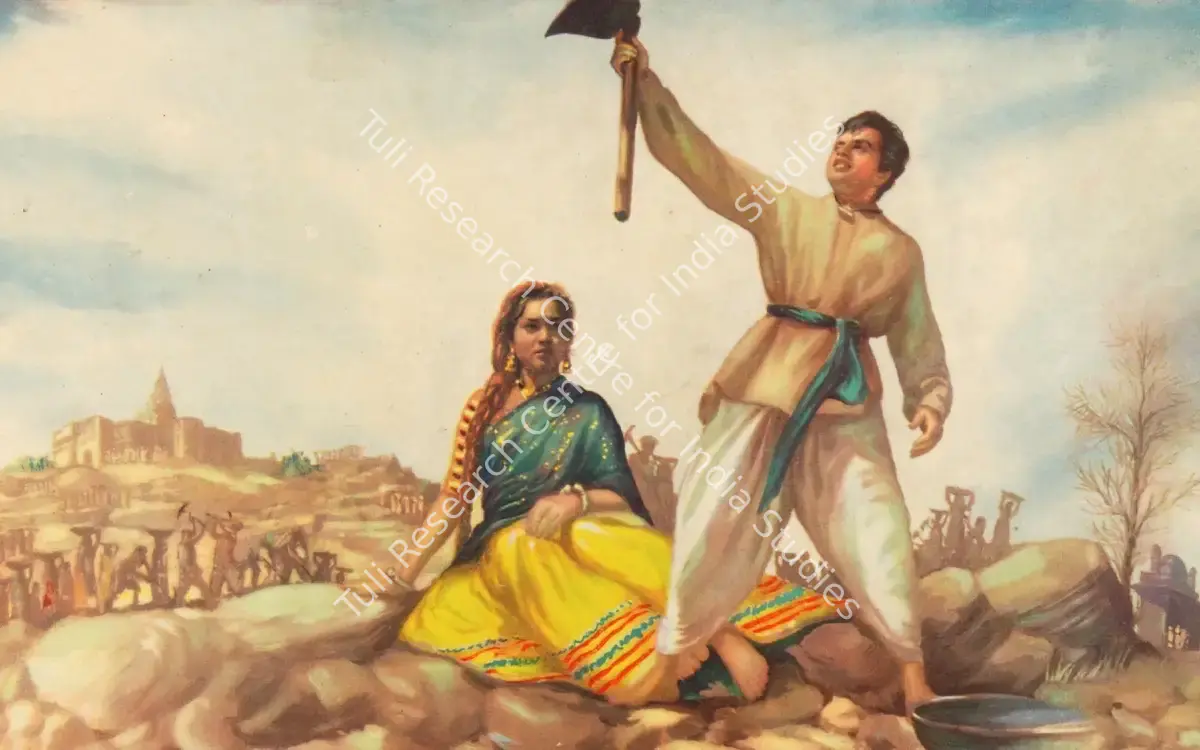
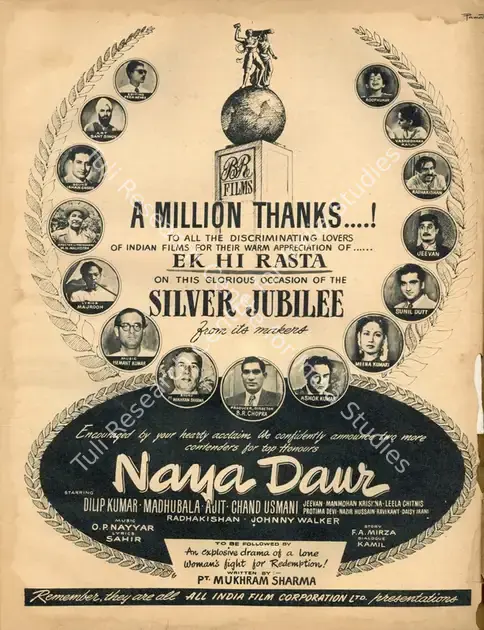
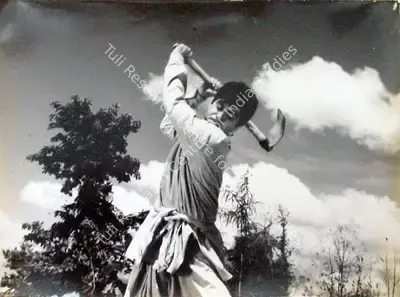
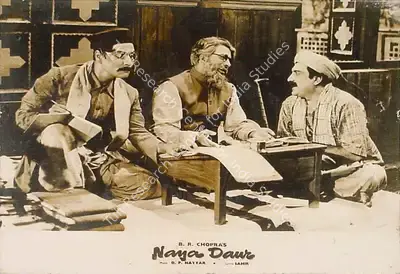
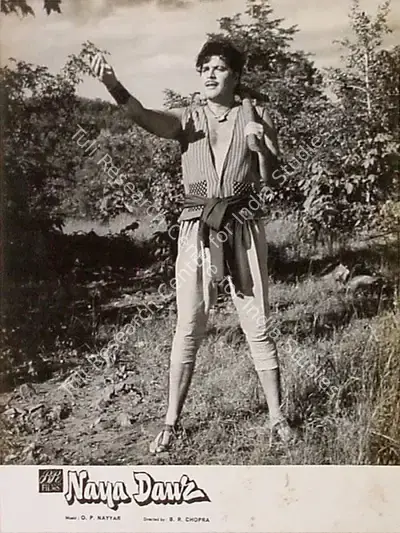
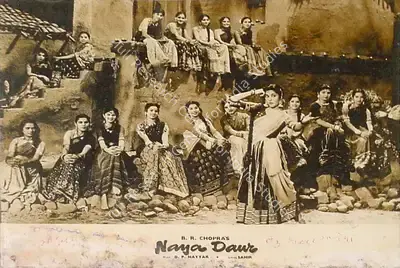
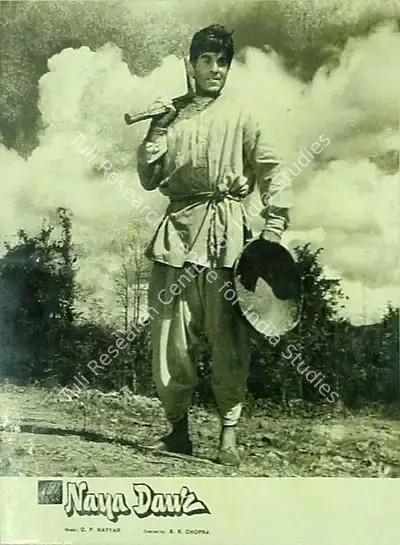
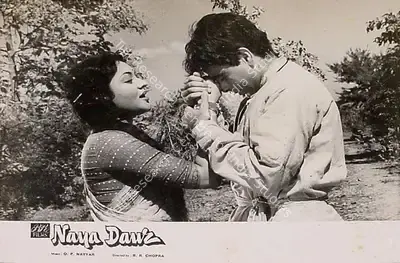
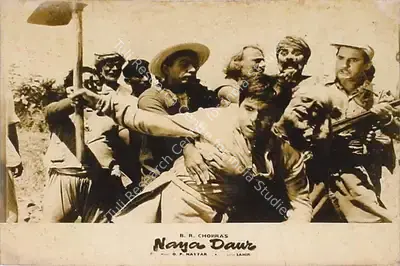
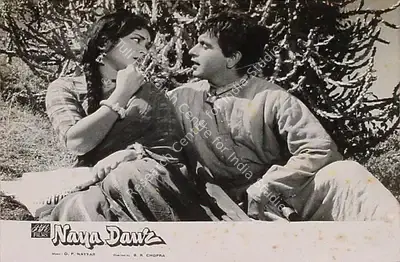
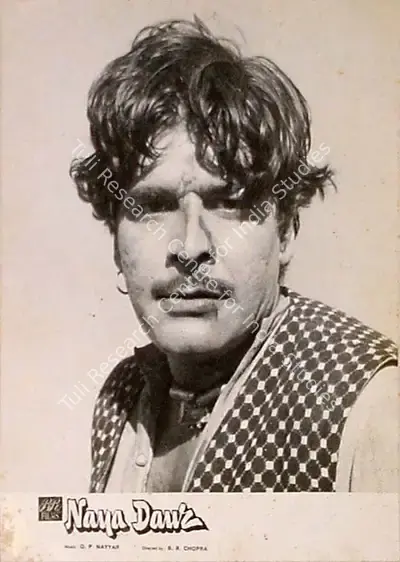
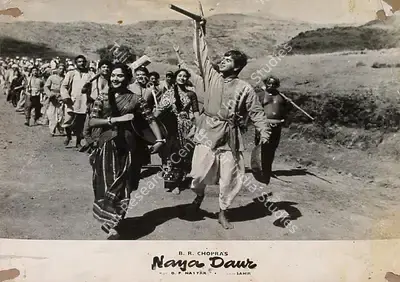
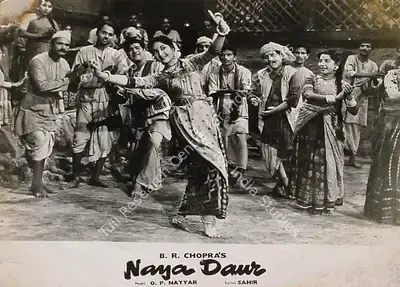
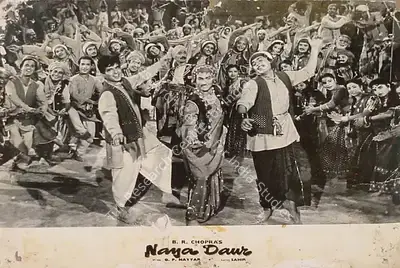
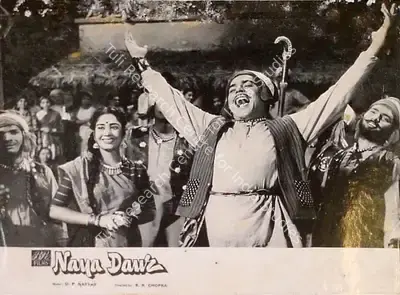
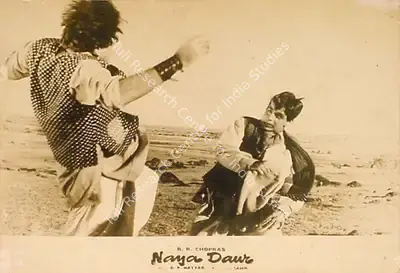
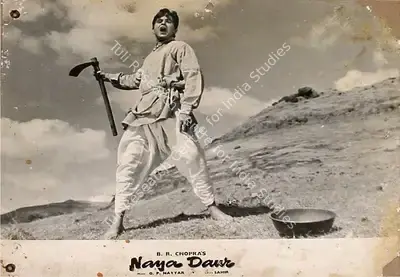
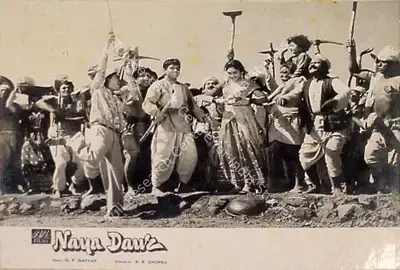
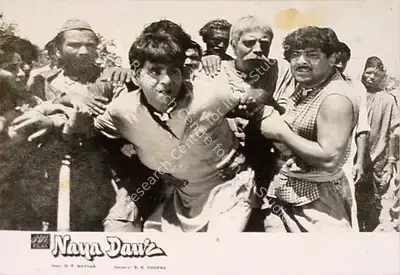
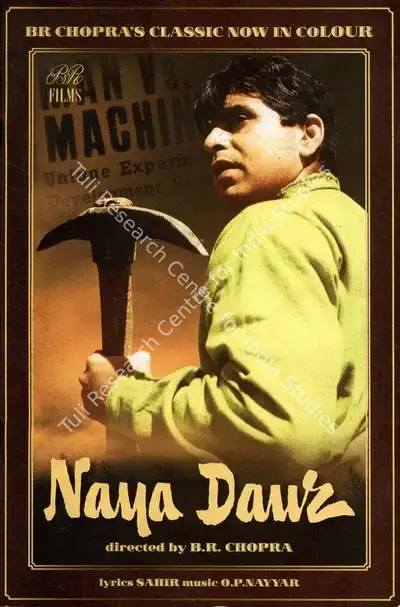
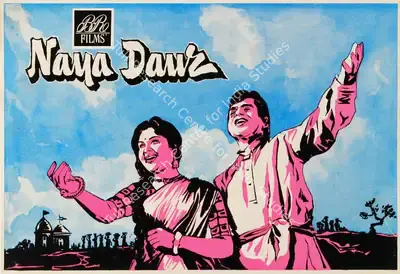
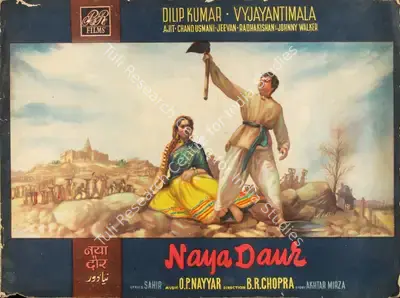
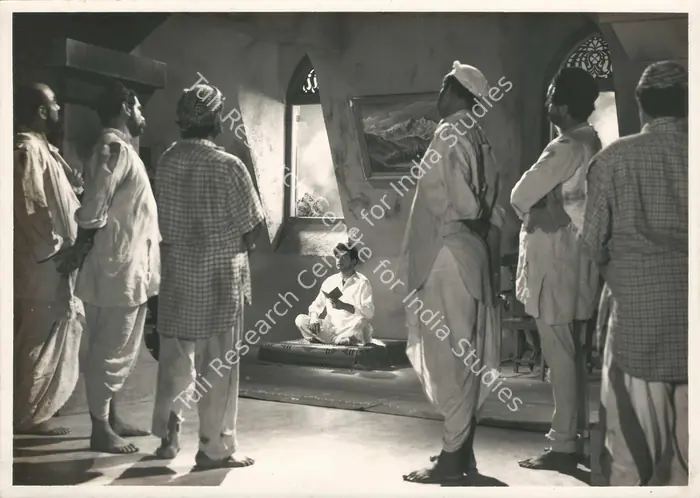
Naya Daur, directed by B.R. Chopra, is a seminal work in Indian cinema, emblematic of post-independence ideals of progress and justice. Set in a rural village, the story highlights the struggle between tradition and modernity as a community of tongawalas (horse-cart drivers) faces the threat of mechanization when a motorized bus service is introduced. The film advocates for the dignity of manual labour and the preservation of livelihoods, resonating with Gandhian views on machines replacing manpower and the dehumanizing effects of unchecked industrialization. Dilip Kumar's masterful portrayal of Shankar, the noble leader of the tongawalas, won him his third consecutive Filmfare Award for Best Actor, cementing his place as one of Indian cinema's finest actors. His onscreen chemistry with Vyjayanthimala, who played the film's leading lady, added emotional depth to the narrative. Combined with O.P. Nayyar's iconic music, Naya Daur remains a significant reflection on India's post-independence societal tensions.
भारत को आज़ादी मिलने के ठीक एक दशक बाद रिलीज़ हुई नया दौर के निर्देशक बी. आर. चोपड़ा हैं। फ़िल्म स्वतंत्रता प्राप्ति के बाद मुल्क के प्रगति के रास्ते पर टिप्पणी करती है और न्याय तथा बराबरी जैसे आदर्शों की याद दिलाती है। नया दौर की कहानी एक ऐसे गाँव की है जहाँ मोटरगाड़ी के आगमन के चलते परिवहन की ज़रूरत पूरी कर रहे स्थानीय तांगेवालों के समुदाय की रोज़ी-रोटी छिन जाने का खतरा आ खड़ा हुआ है। यह कथा आधुनिकता की राह पर चलते भारत में परम्परा और प्रगति के बीच जारी संघर्ष का प्रतीक भी बन जाती है। फ़िल्म यहाँ मानवीय श्रम की गरिमा को बचाने और व्यक्ति की आजीविका के संरक्षण की खुलकर वकालत करती है। फ़िल्म का यह पक्ष इसे उस गांधीवादी विचार के साथ खड़ा कर देता है जो अविचारित औद्योगीकरण के नाम पर मशीनों द्वारा मानवीय श्रम का स्थानापन्न बन जाने का मुखर विरोधी है। तांगेवालों के अगुवा नायक शंकर की भूमिका में दिलीप कुमार का शानदार अभिनय इस फ़िल्म की जान है। नया दौर के लिए उन्हें लगातार तीसरी बार सर्वश्रेष्ठ अभिनेता का फ़िल्मफ़ेयर पुरस्कार मिला और भारतीय सिनेमा के सबसे बेहतरीन अभिनेताओं की सूची में उनका नाम हमेशा के लिए दर्ज हो गया। नायिका की भूमिका में अभिनेत्री वैजयंतीमाला के साथ पर्दे पर उनकी दिलफ़रेब जुगलबन्दी ने कहानी को भावनात्मक गहराई दी। फ़िल्म में यादगार संगीत ओ.पी. नैयर का था और गीतों के बोल लिखे थे साहिर लुधियानवी ने। “साथी हाथ बढ़ाना” जैसे गीत को देखें और इसके बोलों पर गौर करें तो यह नेहरू के दौर की पंचवर्षीय योजनाओं से रचे समाजवादी विकास का सिनेमाई चित्र लगता है। वहीं फ़िल्म का एक और गीत “ये देश का वीर जवानों का” आज भी स्थानीय पारम्परिक शादियों में बरात में बैंड द्वारा बजाया जानेवाला सबसे लोकप्रिय गीत बना हुआ है। नया दौर स्वतंत्रता हासिल करने के बाद के भारत की आधुनिकता को अपनाने की प्रक्रिया में पैदा हुई उलझनों का प्रामाणिक चित्र पेश करती है।
1 / 4
Body of Work
Art Director
Banner
Choreographer
Cinematographer
M.N. Malhotra
Costume Designer
Dialogue Writer
Director
Editing
Lead Cast
Lead Cast Rest
Lyricist
Makeup Director
Music Director
Presented by Institution
Producer
Publicity Designer
Screenplay Writer
Still Photographer
Story Writer
04:57 mins
04:48 mins
01:44 mins
03:00 mins
05:24 mins
03:37 mins
05:30 mins
04:12 mins
Research Centre
20 of 33
20 of 27
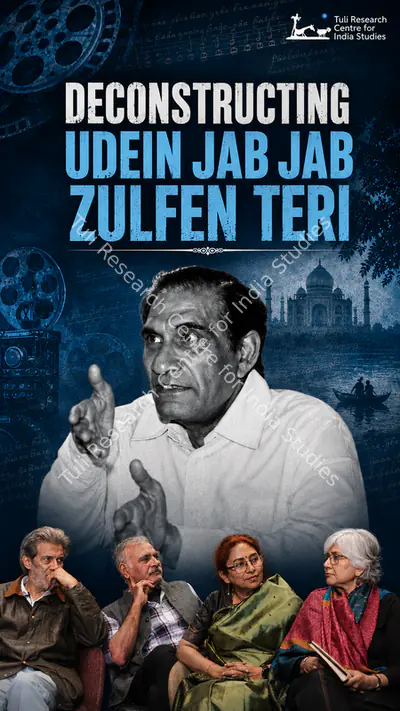
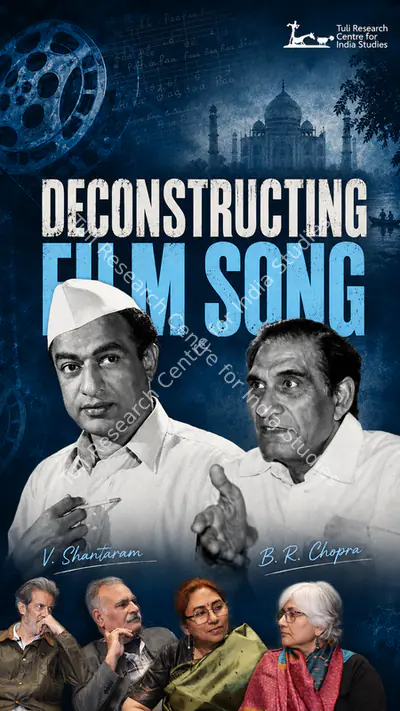
Calendar 2
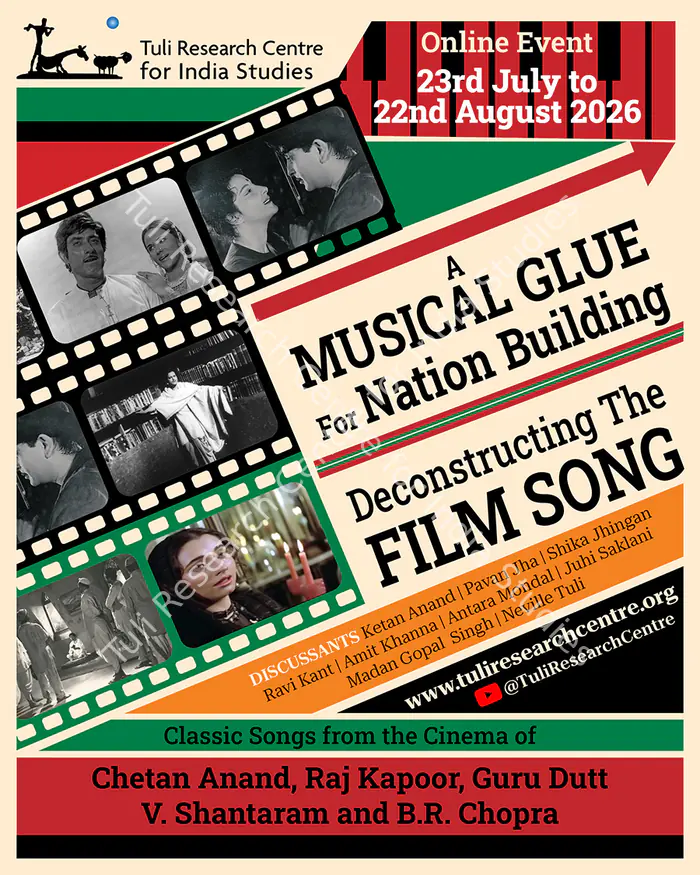
- ArchivedOffline-Online EventProject 80A Musical Glue for Nation-BuildingDeconstructing the Film Song23rd July - 22nd August 2026Ketan Anand | Ravikant | Pavan Jha | Madan Gopal Singh | Amit Khanna | Juhi Saklani | Antara Mondal | Shikha Jhingan | Neville TuliA key section of the India Studies framework at The Tuli Research Centre for India Studies (T.R.I.S.) is “Deconstructing the Film Song”. It began with a series of four workshops during our Self-Discovery via Rediscovering India Festival Series that brought together leading scholars & academics, film practitioners & students, along with fans of the Hindi film song. The objective of these workshops was to deconstruct iconic Hindi film songs to examine their formation across music, lyrics, playback, choreography, directorial visualisation, as they fuse into sites where aesthetics, ideology, and performance intersect, so as to help clarify the nature of India and her relationship to the film song. The Hindi Film Song functions as a narrative device, conveying myriad textures of emotion through melody, voice and poetry. As cultural texts that encode memory, desire, and ideology, songs are integral to the circulation and resonance of films in the public realm. Over time they have become autonomous bundles of creative energy - the glue that binds us over time, articulating and perhaps even defining the idea of Indianness. These first Workshops were an attempt to understand the nature and power of this glue, while contemplating the ways to situate it within TRIS' academic framework for Contemporary India Studies.Read More →
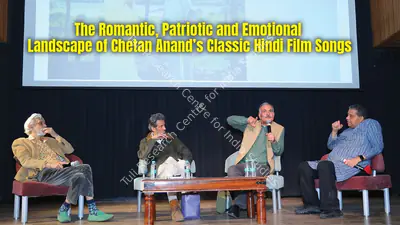
- ArchivedDeconstructing the Hindi Film SongProject 63A Musical Glue for Nation-BuildingFour Classic Songs from the cinema of V. Shantaram and B.R. Chopra and the genius of Vasant Desai, O.P. Nayyar, Ravi, Bharat Vyas, Sahir Ludhianvi, Hasan Kamal, Asha Bhosle, Salma Agha & Mohammed RafinnAye Maalik Tere Bande Ham | Do Aankhen Baara Haath-1957 nUdein Jab Jab Zulfen Teri | Naya Daur-1957 nDin Hai Bahar Ke | Waqt-1965 nDil Ke Armaan Aansuon Mein Bah Gaye | Nikaah-198219th February 202611:30amM.L. Bhartia Auditorium, Alliance Francaise de Delhi, 72 K.K. Birla Lane, Lodi Estate, New Delhi, 110007Madan Gopal Singh, Ravikant, Shikha Jhingan, Antara Mondal & Neville TuliA key section of the India Studies framework at The Tuli Research Centre for India Studies (T.R.I.S.) is “Deconstructing the Hindi Film Song”. It will begin with a series of four workshops that brings together leading scholars & academics, film practitioners & students, along with fans of the Hindi film song. The objective of these workshops is to deconstruct iconic Hindi film songs to examine their formation across music, lyrics, playback, choreography, directorial visualisation, as they fuse into sites where aesthetics, ideology, and performance intersect. The Hindi Film Song functions as a narrative device, conveying myriad textures of emotion through melody, voice and poetry. As cultural texts that encode memory, desire, and ideology, songs are integral to the circulation and resonance of films in the public realm. Over time they have become autonomous bundles of creative energy - the glue that binds us over time, articulating and perhaps even defining the idea of Indianness. The first Workshops are an attempt to understand the nature and power of this glue, while contemplating the ways to situate it within TRIS' academic framework for Contemporary India Studies.Read More →
Related
10