

Introduction
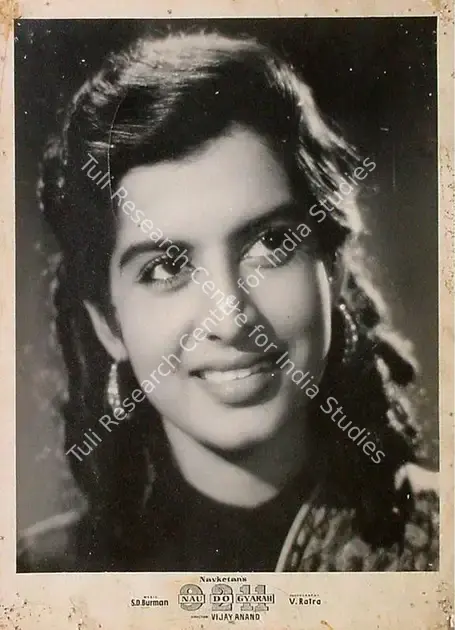
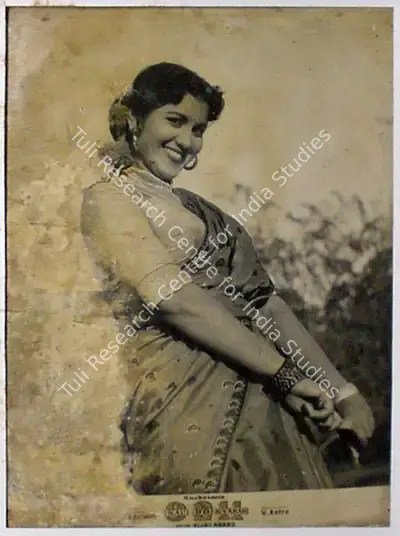
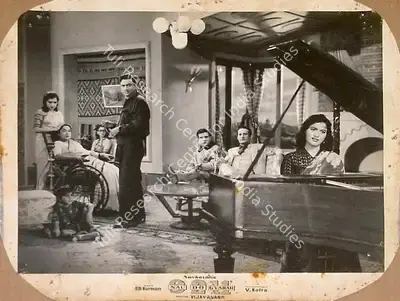
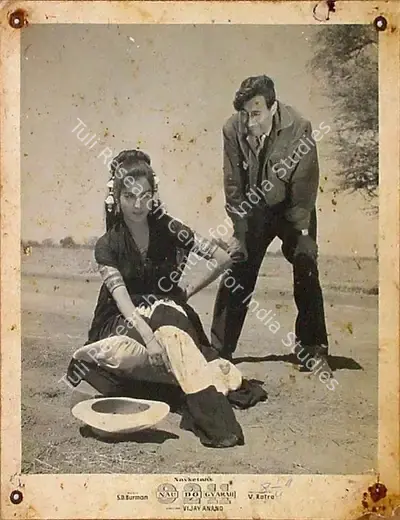
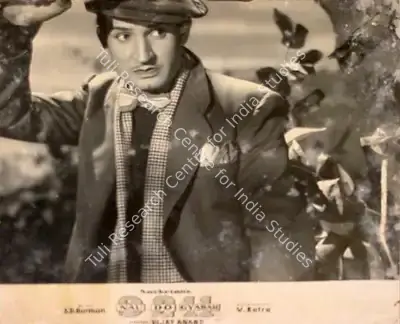
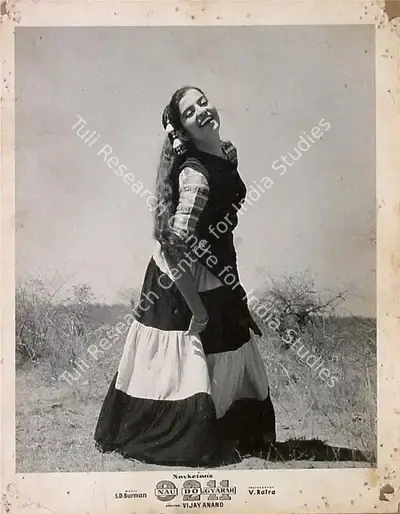
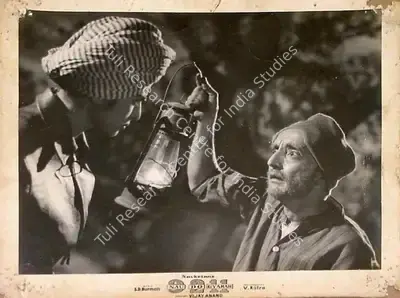
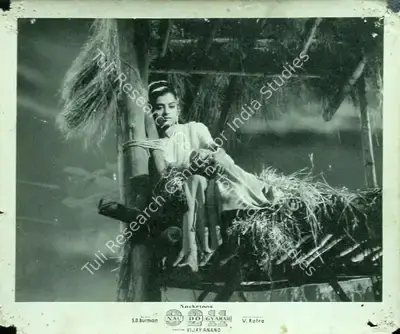
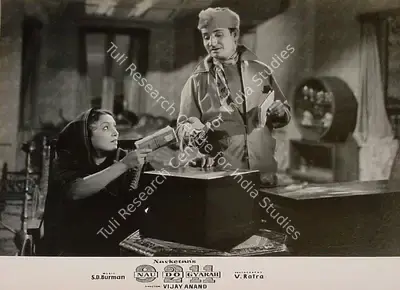
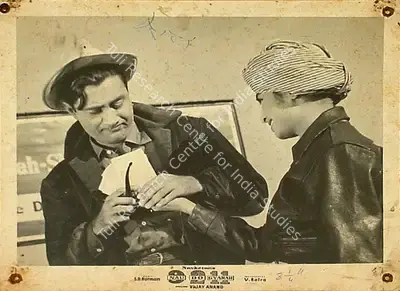
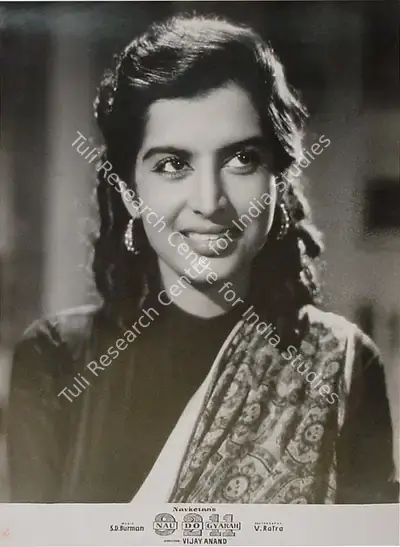
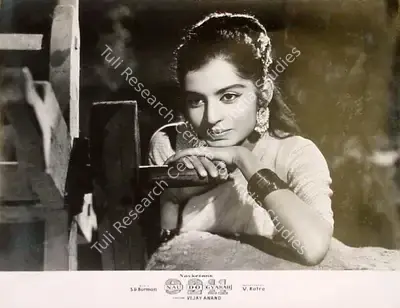
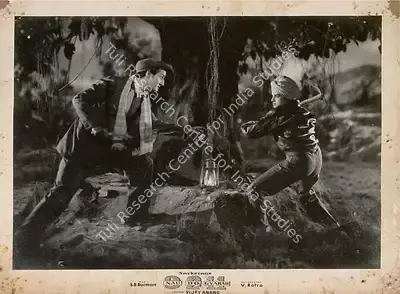
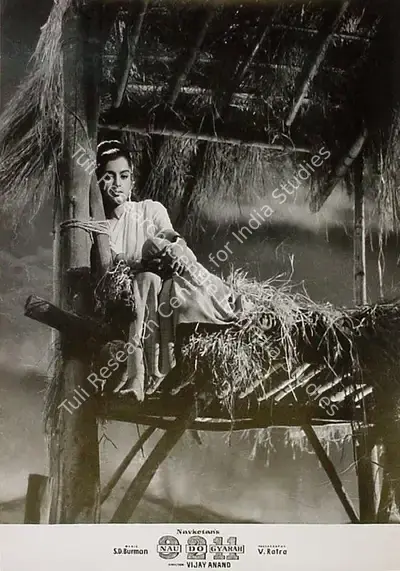
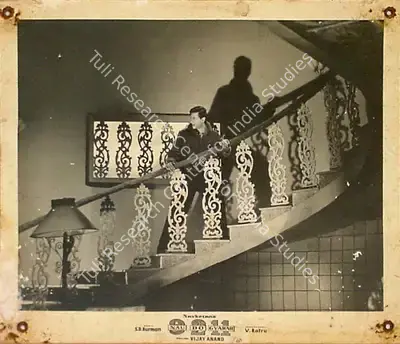
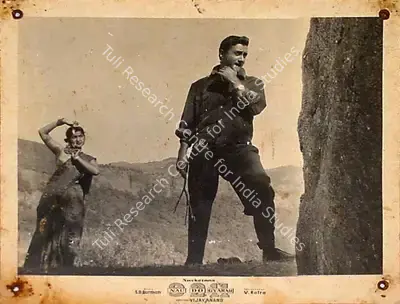
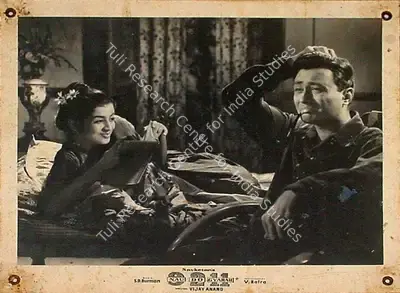
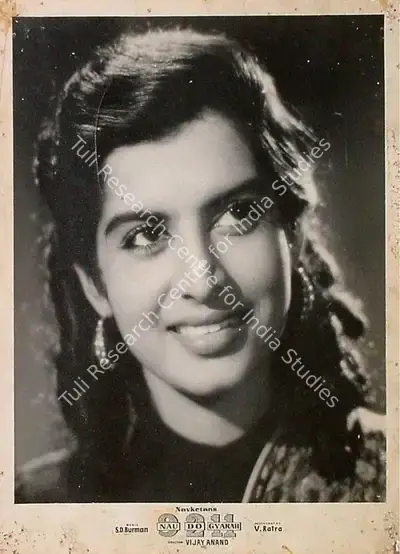
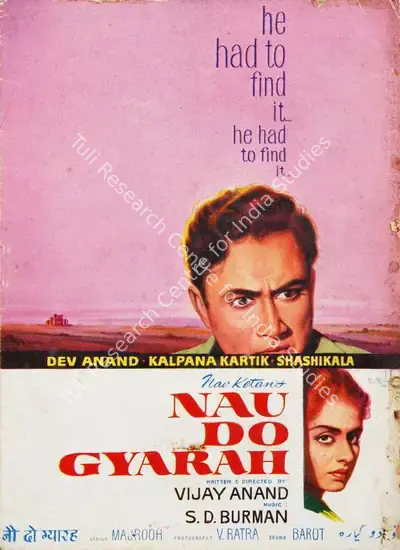
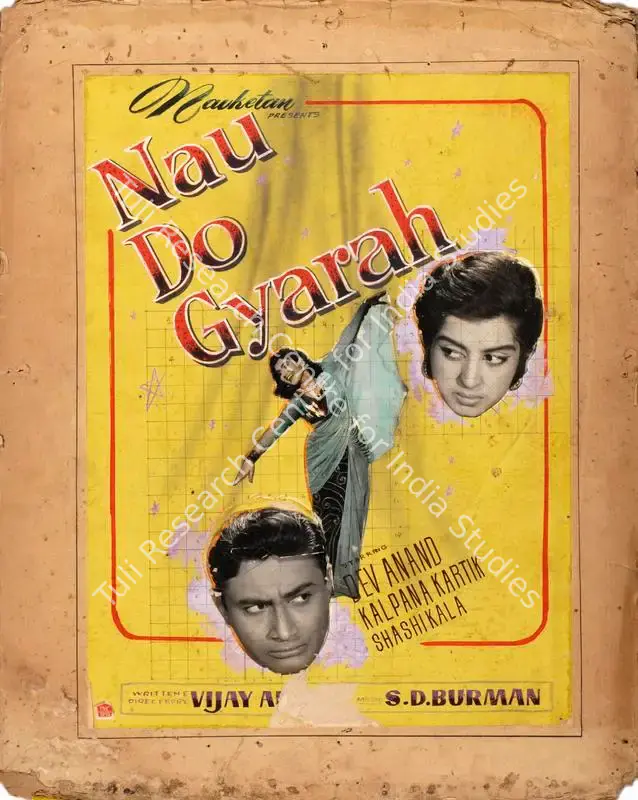
Nau Do Gyarah (1957), a comic thriller produced by Dev Anand, can be considered one of India's first road movies. Directed by Dev Anand's brother, Vijay Anand—popularly known as Goldie—the film featured a stellar cast, including Dev Anand, Kalpana Kartik (in her final film as an actress), Madan Puri, Shashikala and Jeevan. Made on a modest budget of just Rs. 5 lakhs, it turned out to be a major hit.
Vijay Anand crafted a screenplay filled with well-developed character conflicts, a hallmark that continues to inspire contemporary filmmakers like Farhan Akhtar. The film's authenticity, both in its locations and its storyline, was a key factor in its success. The plot centres around a girl who runs away from home and meets a boy, offering a fresh take on the lead female character—a rarity at the time—which added to the film's realism and appeal. Goldie, confident of his vision, made a film that not only launched him as a director but also honed his skills in editing.
The story begins with Madan Gopal (Dev Anand), who is thrown out of yet another home due to his failure to pay rent. A habitual tenant who moves from one house to another in Delhi, Madan is often evicted when his landlords catch on to his lack of payment. Locked out of his current home, he visits a friend who has been collecting his mail during his two-month absence. Among the letters is one from Madan's uncle, Seth Manoharlal, in Bombay.
Vijay Anand's precise, multidimensional approach to filmmaking required minimal editing, and his writing was sharp and focused.
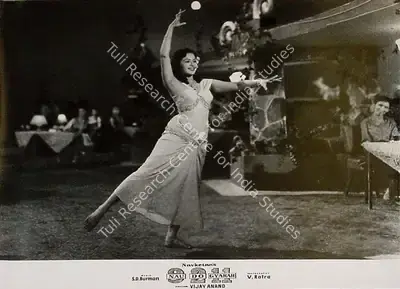
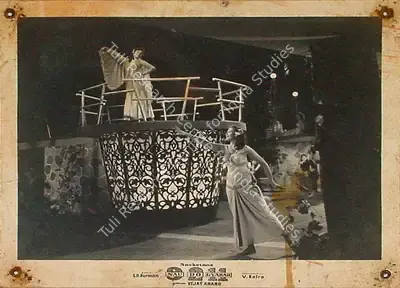
The film's music, composed by S.D. Burman and with lyrics by Majrooh Sultanpuri, was another highlight. Goldie had specific ideas about how the songs should function within the narrative. In contrast to the typical use of songs as fillers in Hindi films, Goldie insisted that the songs be woven into the story as conversational elements, making them integral to the plot and not dispensable. This approach ensured that the songs could not be edited out. One notable example is the song Aaja panchhi akela hai, suggested by Burman's wife, Meera, which is countered by Soja nindiya ki bela hai. Goldie also had a hand in modifying the lyrics, such as changing sunehra baadal in the song Aankhon Mein Kya Ji to Rupehala Badal, opting for a moonlit night setting instead of a sunny day. The film also ran into a bit of a controversy when the CBFC objected to the line “Ajab si hulchal …in response to the query “Aanchal mein kya ji..” calling it vulgar. Reportedly, the All India Radio had refused to play the song for a while. The matter was later settled with its producer clarifying that the words were being misinterpreted.
In all, Nau Do Gyarah was not only a milestone in the careers of those involved but also an important moment in the evolution of Indian cinema.
विजय 'गोल्डी' आनंद की लिखी पटकथा में दिलचस्प किरदार और द्वंद्व से भरी परिस्थितियाँ खूब मिलती हैं। उनके कथा कहने में एक नयापन था और आज भी फ़रहान अख़्तर जैसे नई पीढ़ी के निर्देशक उनकी शैली से प्रेरणा पाते हैं। फ़िल्म की प्रामाणिकता के पीछे इसकी वास्तविक जगहों पर हुई शूटिंग और इसका नए रुख़ वाला कहानी कहने का तरीका जैसी वजहें काम कर रही थीं। फ़िल्म की कामयाबी के पीछे भी इनका बड़ा हाथ रहा। फ़िल्म में नायिका का किरदार एक ऐसी लड़की का है जो अपनी शादी के दिन घर से भाग जाती है और फिर एक लड़के का भेस धरकर हमारे नायक के साथ ट्रक का सफ़र करती है। पारम्परिक नायिका के किरदार के साथ इस तरह का नया प्रयोग गोल्डी ही कर सकते थे। उन्होंने न केवल एक निर्देशक के तौर पर अपनी पारी की धमाकेदार शुरुआत की, बल्कि अपने संपादन की कुशलता भी साबित कर दी।
फ़िल्म की कहानी मदन गोपाल (देव आनंद) के किरदार के साथ शुरू होती है जिसे किराया न चुका पाने की वजह से एक और घर से निकाल दिया गया है। दिल्ली में एक से दूसरे किराये के घरों में भटकने वाले युवा किराएदार मदन को अक्सर मकान मालिक किराया न चुका पाने के कारण घर से देते हैं। फिर एक घर से निकाले जाने के बाद जब वह अपने दोस्त से मिलने पहुँचता है तो उसे अपने नाम आयी चिट्ठियाँ मिलती हैं। इन चिठ्ठियों में एक चिठ्ठी बम्बई में रहनेवाले मदन के चाचा सेठ मनोहरलाल की भी है। चिठ्ठी में लिखा है कि चाचा अपनी ग्यारह लाख की जायदाद उसके नाम करना चाहते हैं।
विजय आनंद की फ़िल्म निर्माण शैली बहुआयामी थी और फ़िल्म की कसी हुई पटकथा को न्यूनतम संपादन की ज़रूरत थी।
संगीतकार एस.डी. बर्मन द्वारा तैयार धुनों पर मज़रूह सुल्तानपुरी के लिखे गीत फ़िल्म का मुख्य आकर्षण थे। फ़िल्म के भीतर गानों के इस्तेमाल को लेकर गोल्डी के पास स्पष्ट विचार थे। हिन्दी फिल्मों में गानों का कितनी ही बार रिक्त स्थान की पूर्ति के रूप में इस्तेमाल होता आा है, लेकिन गोल्डी ने जोर देकर कहा कि गानों को पटकथा और संवाद के बीच ऐसे बुना जाना चाहिए कि वे फ़िल्म के कथानक का हिस्सा लगें और उन्हें चाहकर भी हटाया न जा सके। गोल्डी की इस शैली ने सुनिश्चित किया कि गानों को उनकी फ़िल्म से सम्पादित नहीं किया जा सकता। इसका एक उल्लेखनीय उदाहरण है एस.डी. बर्मन की पत्नी मीरा का सुझाया गीत “आजा पंछी अकेला है”, जिसका जवाब गीत में ही “सो जा, निंदिया की बेला है” में रचा गया। गोल्डी ने कुछ जगह गीत के बोलों में बदलाव को लेकर भी सुझाव दिये जैसे कि “आँखों में क्या जी” गीत में उन्होंने “सुनहरा बादल” को बदलकर “रुपहला बादल” करने का सुझाव दिया क्योंकि वे इसे दिन में फ़िल्माने की जगह चांदनी रात में फ़िल्माने वाले थे। यह फ़िल्म उस समय थोड़े विवादों में भी घिर गई जब सीबीएफ़सी ने “आँचल में क्या जी” गीत में “अजब सी हलचल” पर यह कहते हुए आपत्ति उठा दी कि यह अश्लील लगता है। बताया जाता है कि इसी वजह के चलते ऑल इंडिया रेडियो ने कुछ समय तक इस गाने को बजाने से इनकार कर दिया। बाद में निर्माता के सफ़ाई देने पर ही यह मामला सुलझा।
कुल मिलाकर नौ दो ग्यारह न केवल इसमें शामिल कलाकारों के करियर में एक मील का पत्थर फ़िल्म साबित हुई, बल्कि भारतीय सिनेमा के विकास इसने एक नया अध्याय जोड़ा।