
Introduction
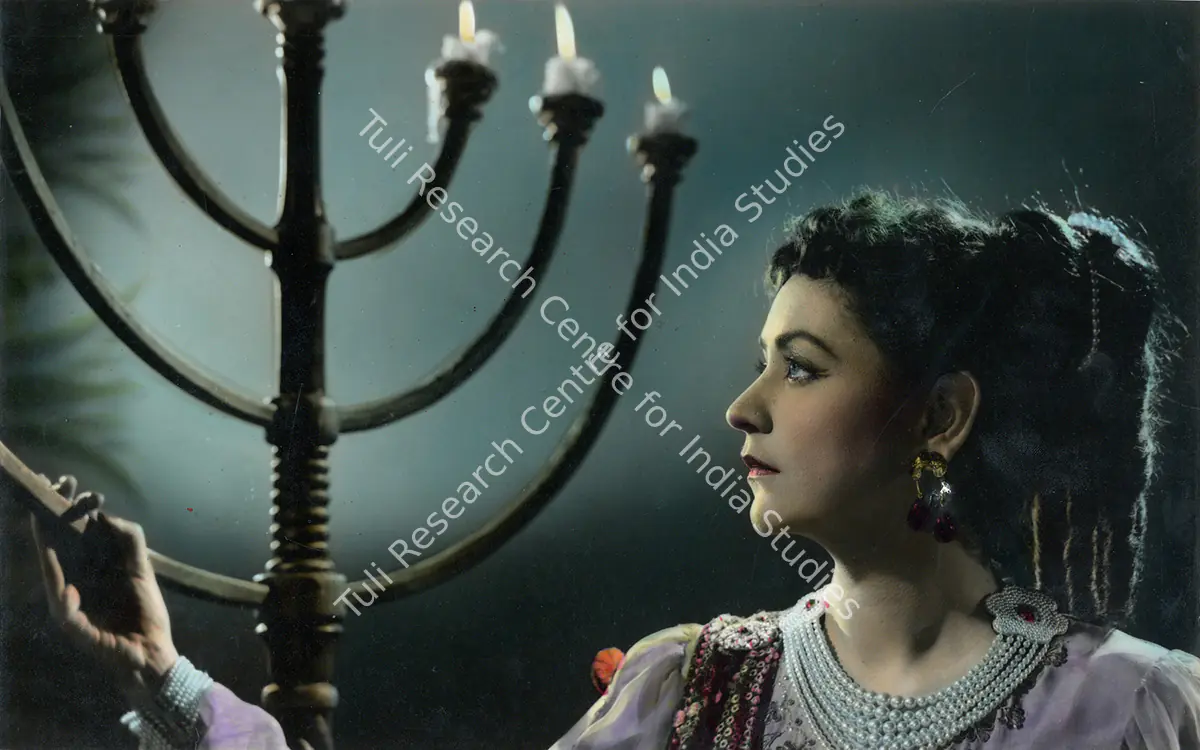
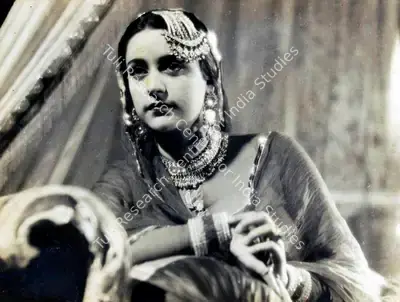
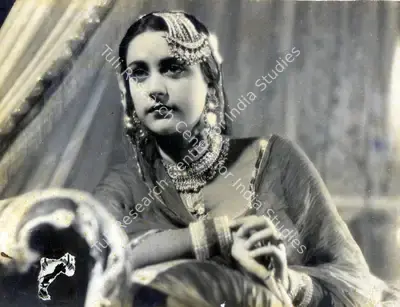
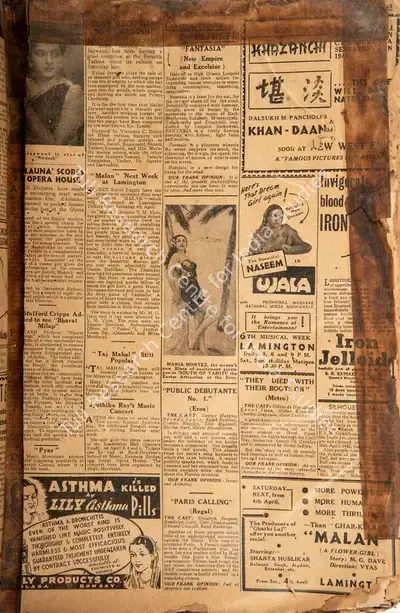
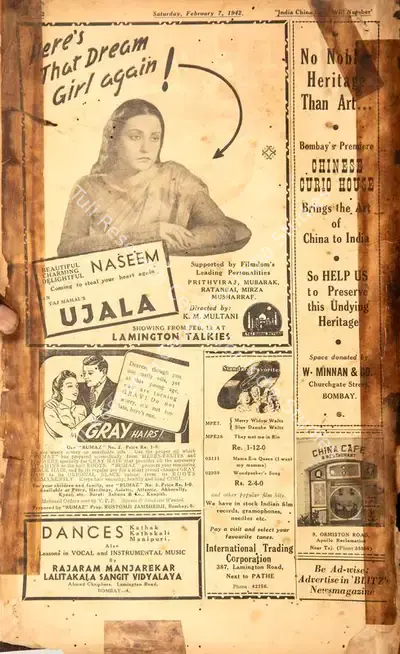
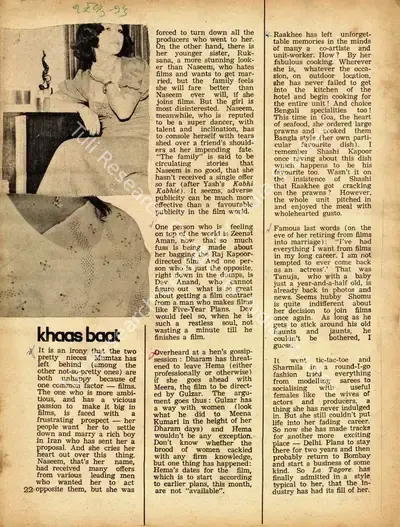
Naseem Banu (4 July 1916 – 18 June 2002) was an eminent Indian actress, often celebrated as the first female superstar of Indian cinema. Revered for her ethereal beauty and screen presence, she earned the enduring epithets Beauty Queen and Pari Chehra (fairy face), titles that captured both her allure and her influence on the cinematic landscape of the 1930s and 1940s. Her career, which began in the mid-1930s and spanned two dynamic decades, established her as one of the most luminous figures of early Indian film.
Born Roshan Ara Begum in Old Delhi, Naseem hailed from a family steeped in the performing arts. Her mother, the renowned singer and courtesan Chamiyan Bai—also known as Shamshad Begum (not to be confused with the famed playback singer of the same name)—was a celebrated artiste in her own right. Despite her mother's aspirations for her to pursue medicine after her studies at Queen Mary's High School, Delhi, Naseem's fascination with cinema proved irresistible. Inspired by screen legend Sulochana (Ruby Myers), she defied convention and her mother's objections, even resorting to a hunger strike before gaining permission to act.
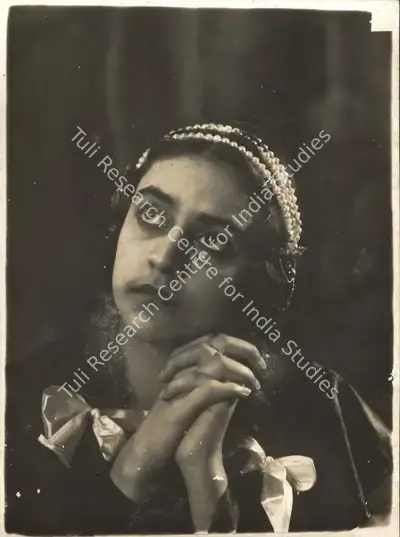
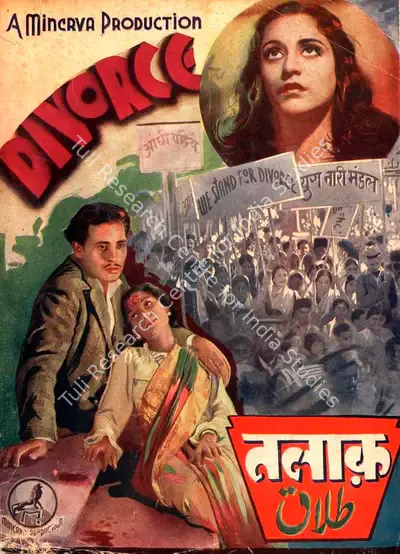
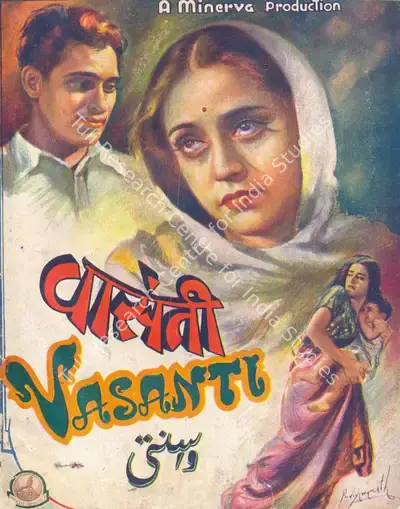
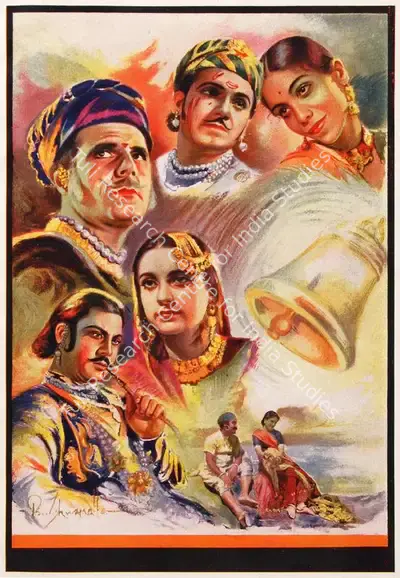
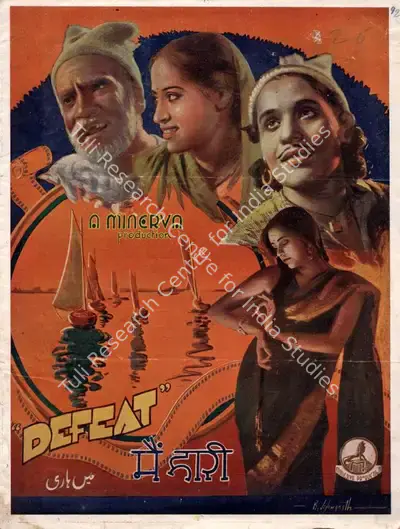
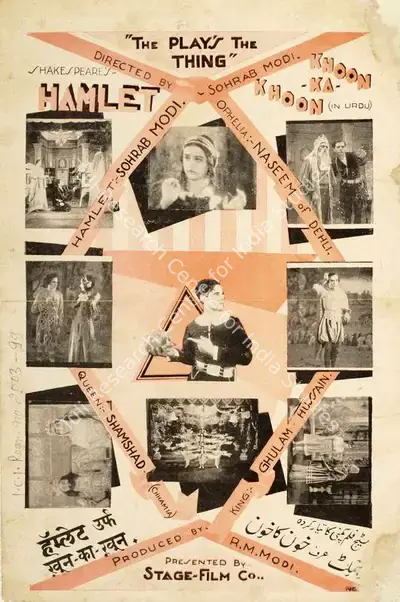
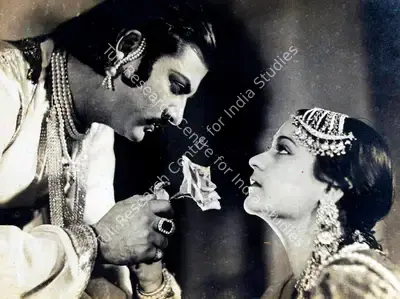
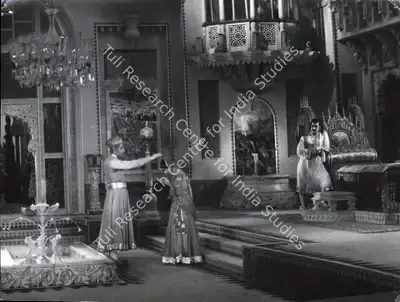
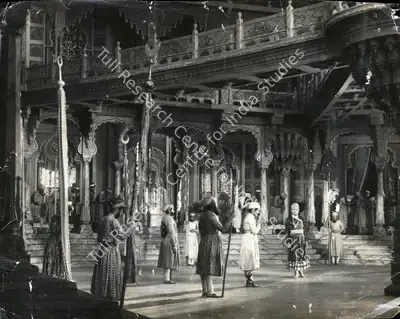
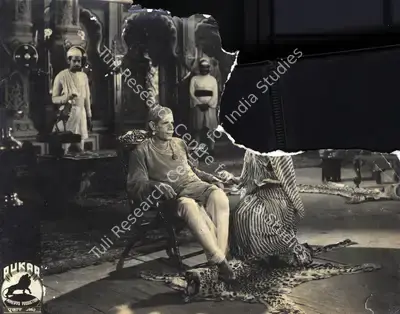
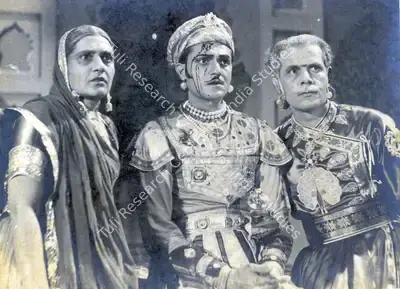
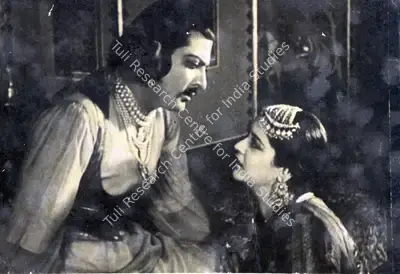
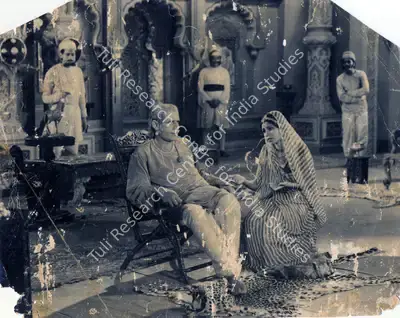
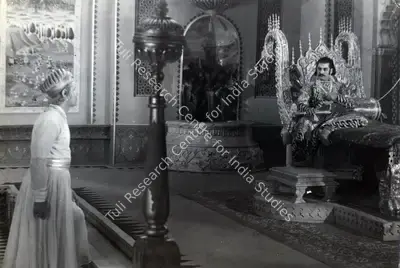
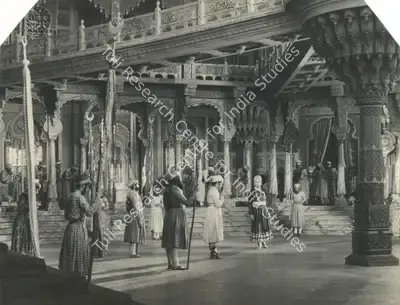
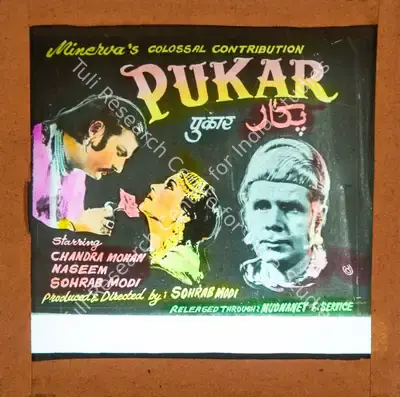
Her cinematic journey commenced under Sohrab Modi's Minerva Movietone banner with Khoon Ka Khoon (Hamlet) (1935), in which she portrayed Ophelia. Her collaboration with Modi yielded several distinguished performances, but it was Pukar (1939)—where she embodied Empress Nur Jahan—that immortalized her in the annals of film history. To prepare for the role, Naseem trained rigorously in horseback riding and music, and the film's lavish production, coupled with her regal bearing, elevated her to stardom.
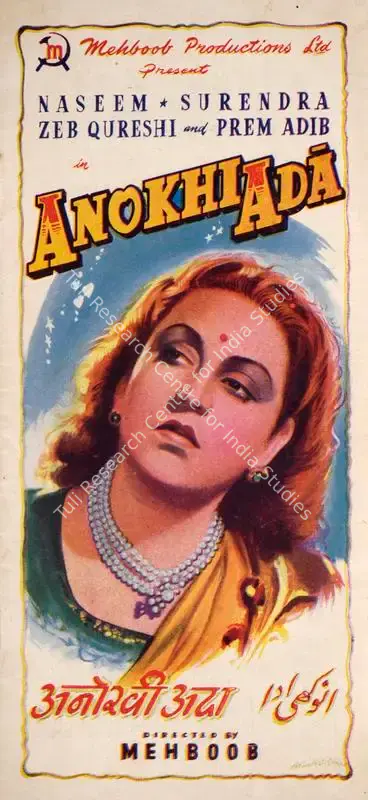
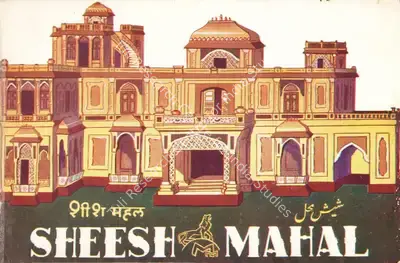
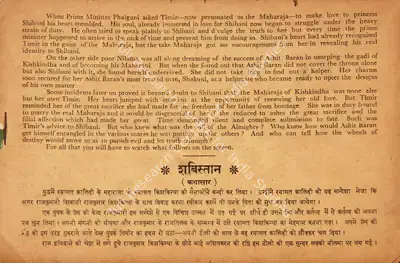
Following Pukar, her popularity soared, and she was sought after by every major studio, though contractual obligations initially limited her freedom. Her later works, including Chal Chal Re Naujawan (1944), Anokhi Ada (1948), Sheesh Mahal (1950), and Shabistan (1951), further showcased her versatility.
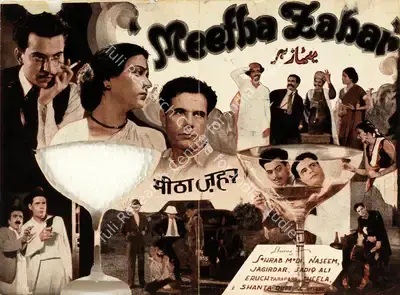
Naseem Banu's filmography, extending from 1935 to 1966, reflected both artistic depth and enduring charm. Beyond acting, she later designed costumes for Purab Aur Paschim (1970) and appeared briefly in Pakeezah (1972). As the mother of actress Saira Banu and mother-in-law of legendary actor Dilip Kumar, Naseem's legacy remains woven into the very fabric of Indian cinematic heritage.
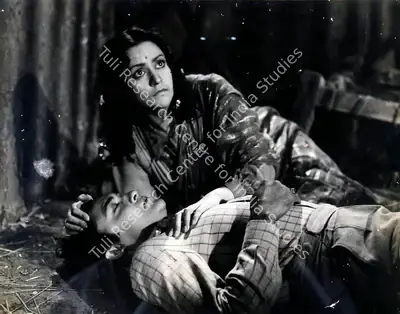
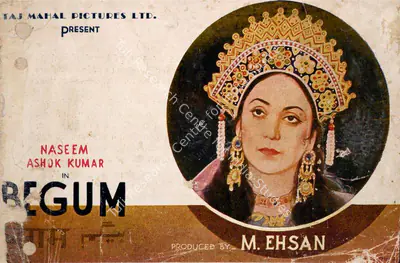
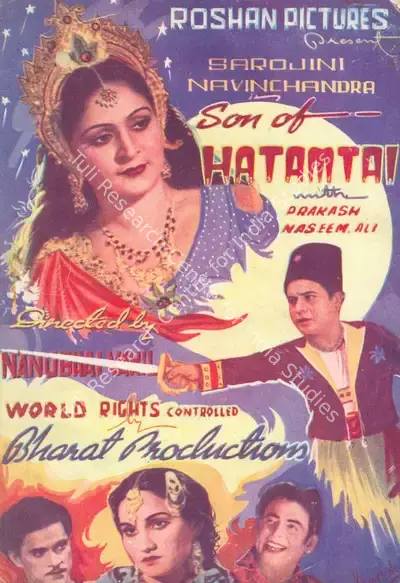
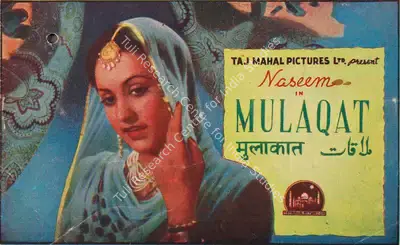
Filmography 32
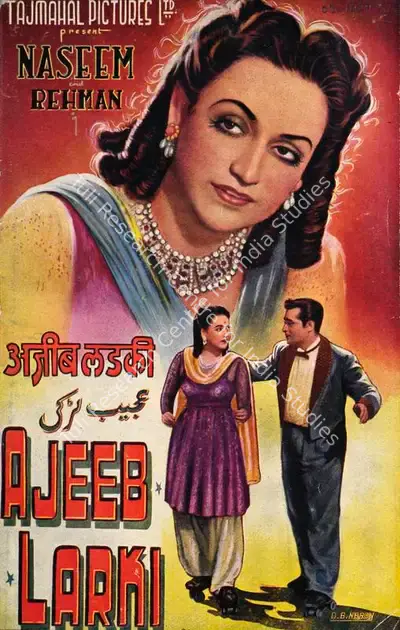
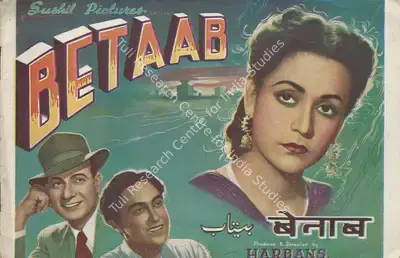
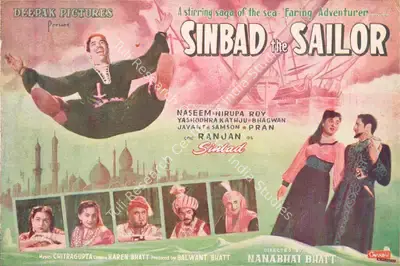
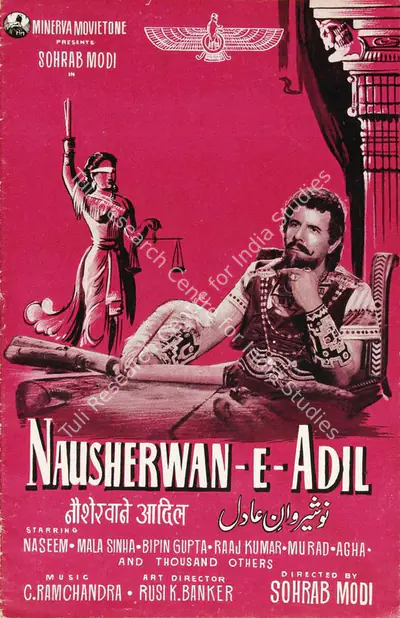
Research Centre

Related
28
Films
21
Personalities
5