

Introduction
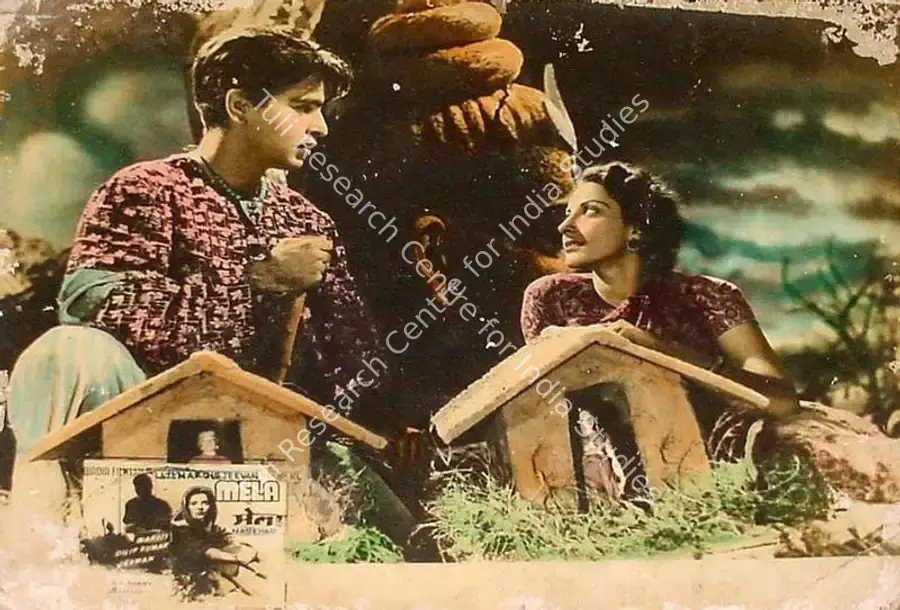
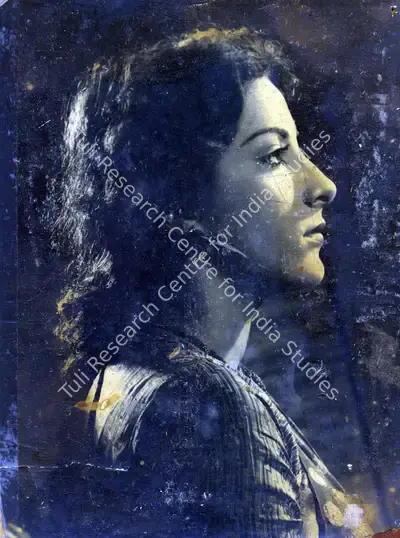
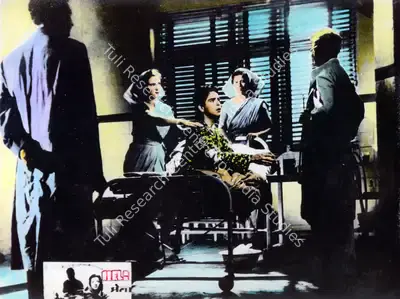
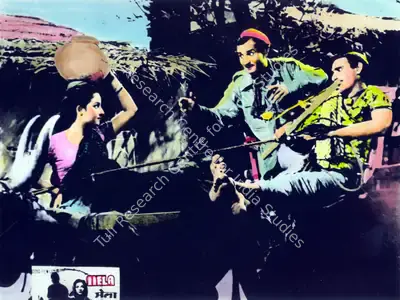
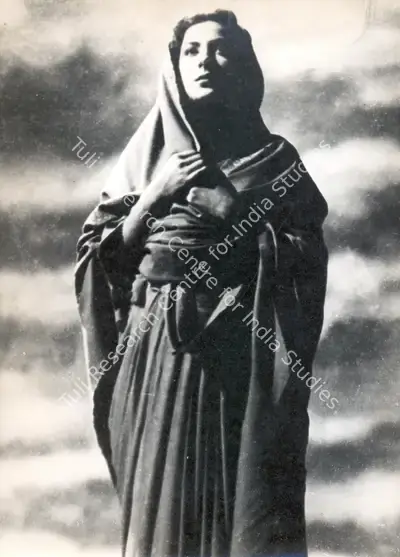
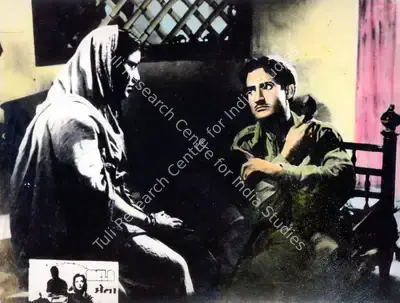
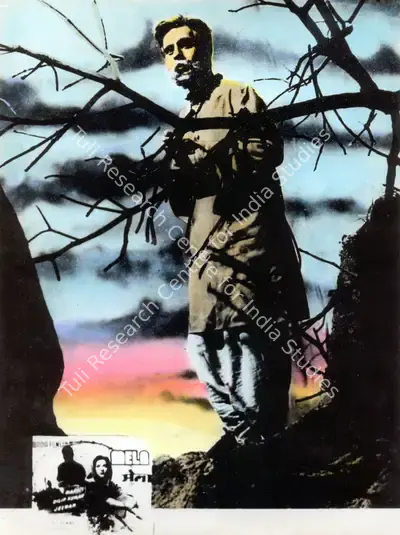
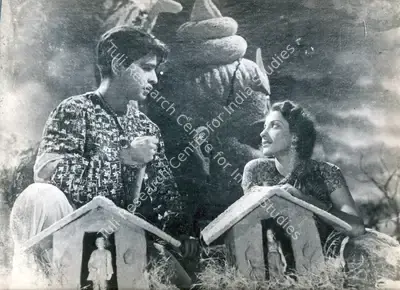
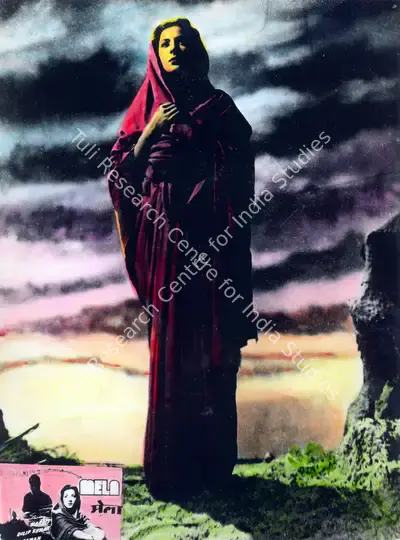
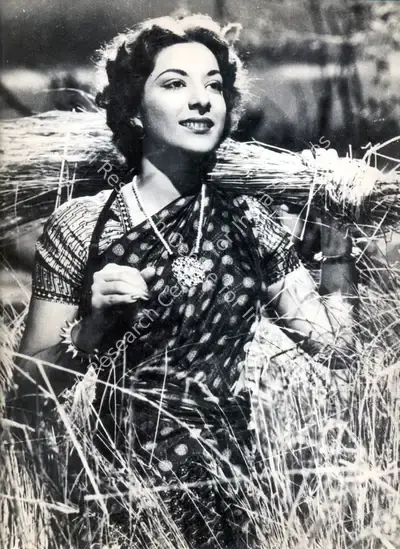
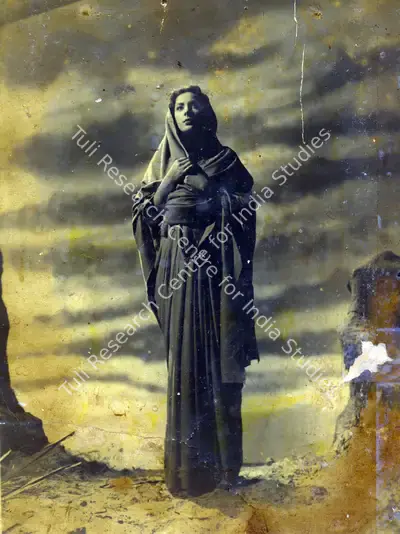
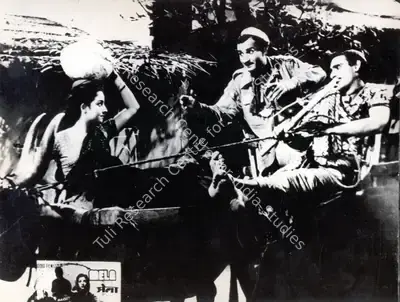
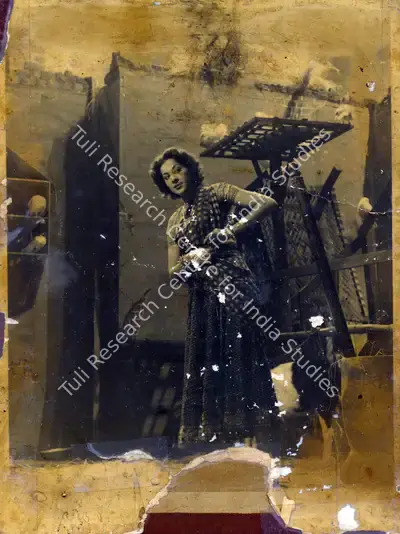
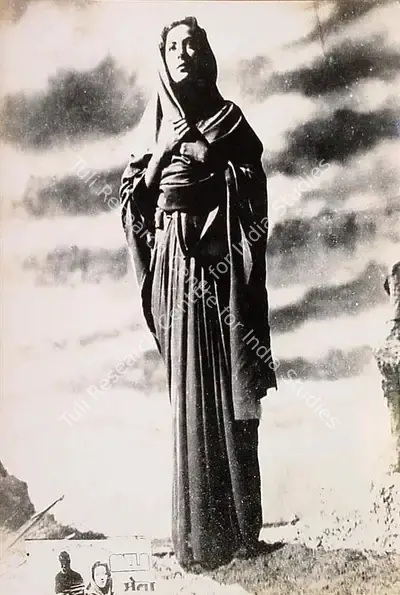
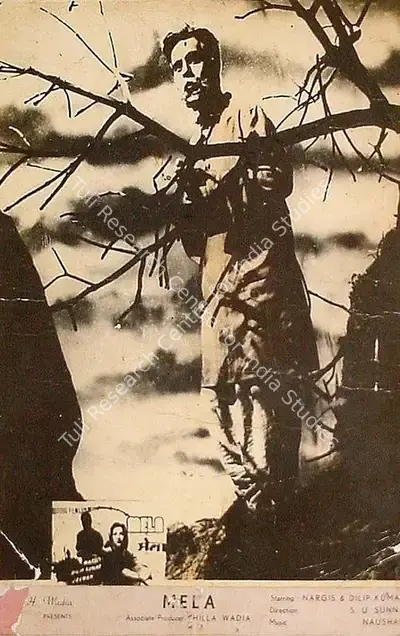
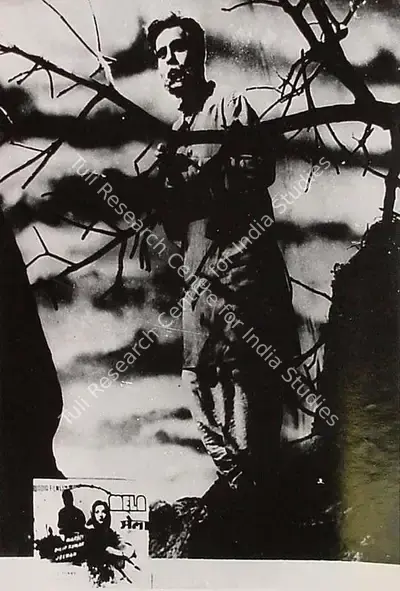
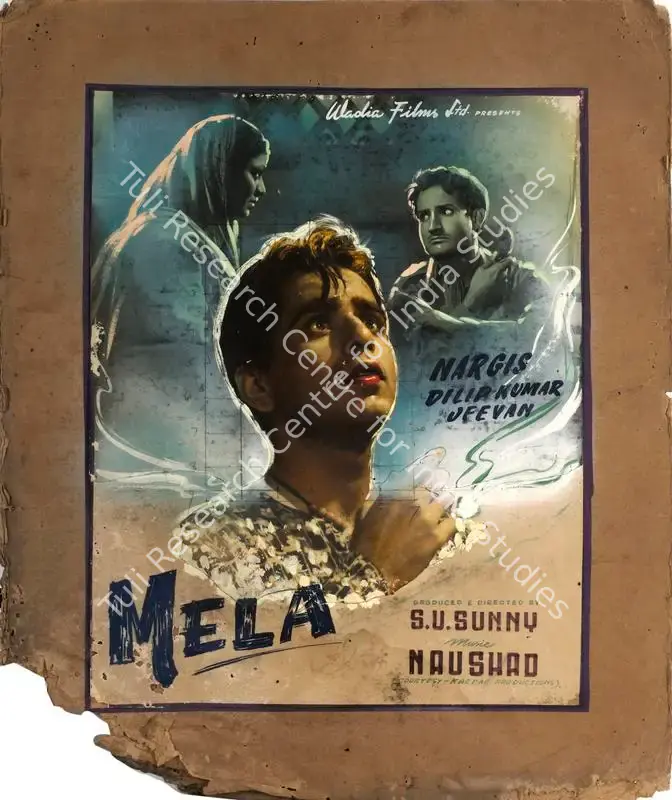
A Musical and Romantic Tragedy produced and directed by S.U. Sunny for Wadia Movietone, Mela (1948) is a tragic love story that broke many of the stereotypical conventions of romantic sagas of its time. Starring Dilip Kumar, Nargis, Jeevan, Rehman and Noor Jehan, the film was a major success at the box office, grossing ₹50 lakhs in 1948. Adjusted for inflation, the film's gross revenue would be approximately ₹340.44 crores as of 2015.
Mela was unique for several reasons, and it had three key ingredients that ensured its lasting success: Exceptional Music: Composed by the legendary Naushad, who had already established himself with successful films such as Rattan (1944), Anmol Ghadi (1946), and Shahjehan (1946), the film featured 14 memorable songs. This included iconic tracks sung by Shamshad Begum, Mukesh, Zohrabai Ambalewali and Mohammad Rafi, whose career was launched with the famous song “Yeh Zindagi Ke Mele…”; The Unforgettable Pairing of Dilip Kumar and Nargis: Their on-screen chemistry, showcased for the first time in this film, became iconic and set the stage for their legendary pairing in future films; A Star-Studded Vehicle for Talent: Besides launching Rafi's career, the film also marked a significant step for Naushad, Shakeel Badayuni (who wrote the lyrics), and other key artistes involved.
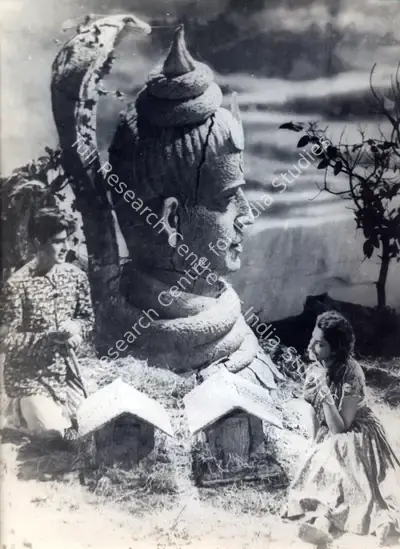
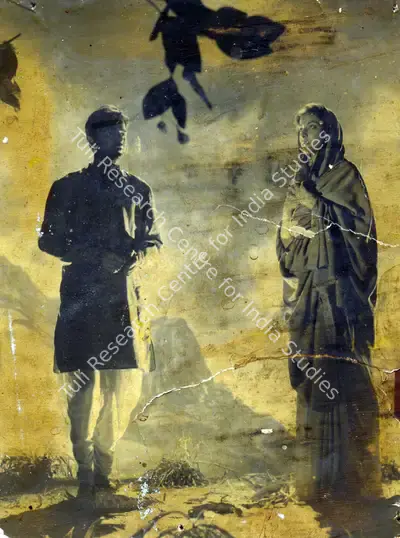
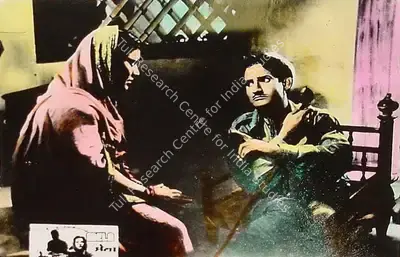
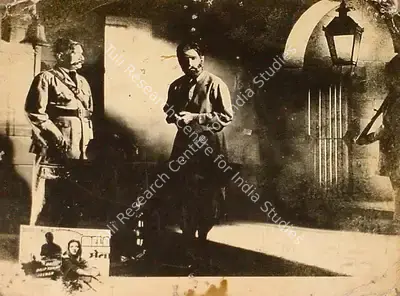
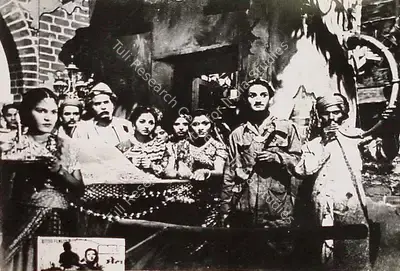
Set in a rural backdrop, Mela presented a powerful narrative that addressed societal contradictions—its theme explored both bigotry and progressivism, encapsulating the social dichotomy of post-independence India. The plot revolves around a convicted murderer, recently released from prison, and his tragic love story intertwined with the injustice he suffered. It also explores how societal norms and the villainy of a scoundrel can dictate the fate of star-crossed lovers, offering a critique of social structures and moral constraints.
The film was shot at Famous Studios (later renamed Shankar-Jaikishan Hall), adding to its historical significance in the world of Indian cinema.
Mela remains a milestone film from 1948, both as a musical and as a story of love, fate, and societal critique, making it one of the most important cinematic works of its era.
मेला कई कारणों से ख़ास बनी, जिसमें तीन प्रमुख वजहें रेखांकित करने लायक हैं। नौशाद का रचा मेला का असाधारण संगीत इसकी सफलता की सबसे प्रमुख वजहों में से एक माना जा सकता है। नौशाद इससे पहले ही रतन (1944), अनमोल घड़ी (1946), और शाहजहाँ (1946) जैसी कामयाब फिल्मों में यादगार संगीत देकर खुद को स्थापित कर चुके थे। मेला में भी 14 यादगार गाने थे, जिन्हें शमशाद बेगम, मुकेश, ज़ोहराबाई अंबालेवाली और मोहम्मद रफ़ी जैसे उम्दा गायकों ने अपनी आवाज़ दी थी। मोहम्मद रफ़ी का सिनेमा के लिए गायकी का अविस्मरणीय सफ़र इसी फ़िल्म के एक चर्चित गाने "ये ज़िंदगी के मेले" से शुरु हुआ। संगीत के साथ-साथ सिनेमा के पर्दे पर इसी फ़िल्म में पहली बार अभिनेता दिलीप कुमार और नर्गिस की यादगार जोड़ी बनी। उनकी ऑन-स्क्रीन कैमिस्ट्री बहुत कामयाब रही और यहाँ से ऐसा सफ़र आरंभ हुआ कि भविष्य में भी उन्होंने कई यादगार फ़िल्में साथ कीं। इस फ़िल्म ने कई प्रतिभाओं को उभरने का मंच दिया। मोहम्मद रफ़ी के लिए तो यह करियर की शुरुआत ही थी, साथ ही यहाँ से संगीतकार नौशाद और फ़िल्म के गीत लेखक शकील बदांयुनी और कई अन्य उम्दा कलाकारों की कला को भी नई उड़ान मिली।
देहाती परिवेश लेकर निर्मित मेला की कहानी भावनाओं से भरी और असरदार थी। फ़िल्म आज़ाद भारत में मौजूद रूढ़ि और विकास के बीच विरोधाभासों की ओर इशारा करती है। कथानक एक ऐसे किरदार के इर्द-गिर्द घूमता है जो हत्या के लिए सज़ा काटकर हाल ही में जेल से छूटा है। उसके साथ हुए अन्याय की कहानी उसके त्रासद प्रेम के साथ चलती है। फ़िल्म की कहानी इस ओर भी इशारा करती है कि कैसे एक बदमाश इंसान अपने बद इरादों की पूर्ति के लिए रुढ़िवादी सामाजिक मान्यताओं का इस्तेमाल करता है और हमारे नायक-नायिका को जुदा कर देता है। यह दो प्रेमियों को मिलने से रोकनेवाली सामाजिक संरचनाओं और उससे उपजी नैतिक बाधाओं पर भी उँगली रखती है।
इस फ़िल्म की शूटिंग 'फ़ेमस स्टूडियो' में हुई थी। इसी हॉल का नाम बाद में शंकर-जयकिशन हॉल रखा गया। इस तथ्य ने भारतीय सिनेमा की दुनिया में मेला के ऐतिहासिक महत्व को और बढ़ा दिया है।
सन् 1948 में रिलीज़ हुई मेला अपने दौर की एक मील का पत्थर फ़िल्म मानी जा सकती है। ऐसी यादगार संगीतमय फ़िल्म जिसकी कहानी प्रेम, भाग्य के खेल और सामाजिक रूढ़ियों की आलोचना के ज़रिये आगे बढ़ती है और यह सारी बातें इसे अपने दौर की सबसे महत्वपूर्ण सिनेमाई कृतियों में से एक बनाती हैं।