

Introduction
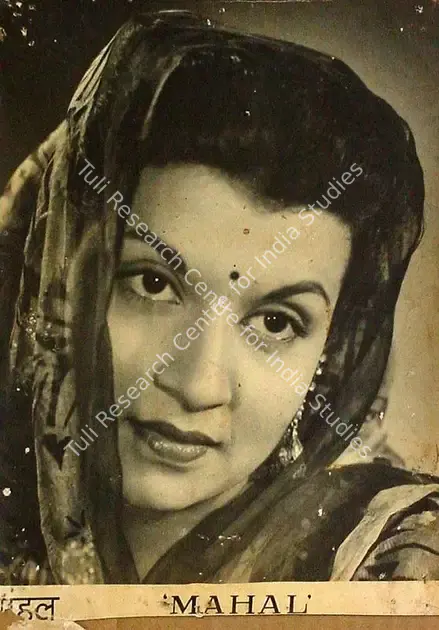
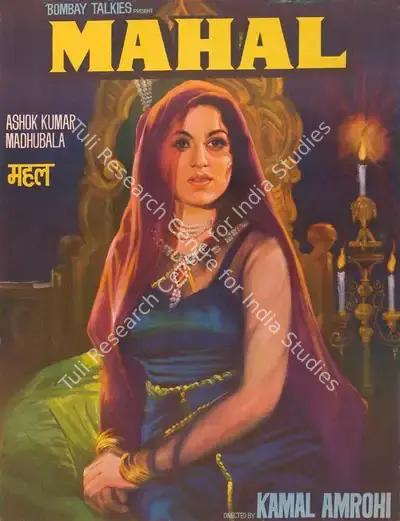
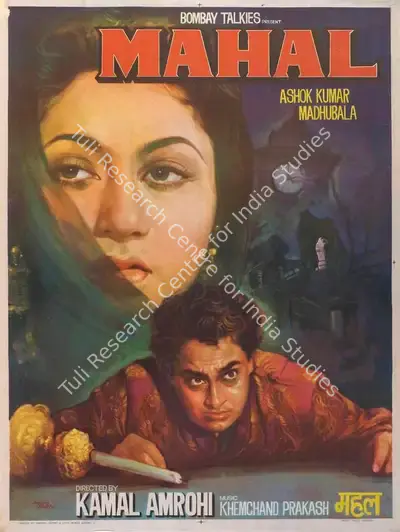
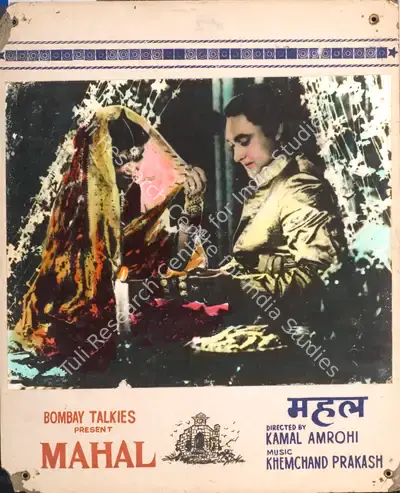
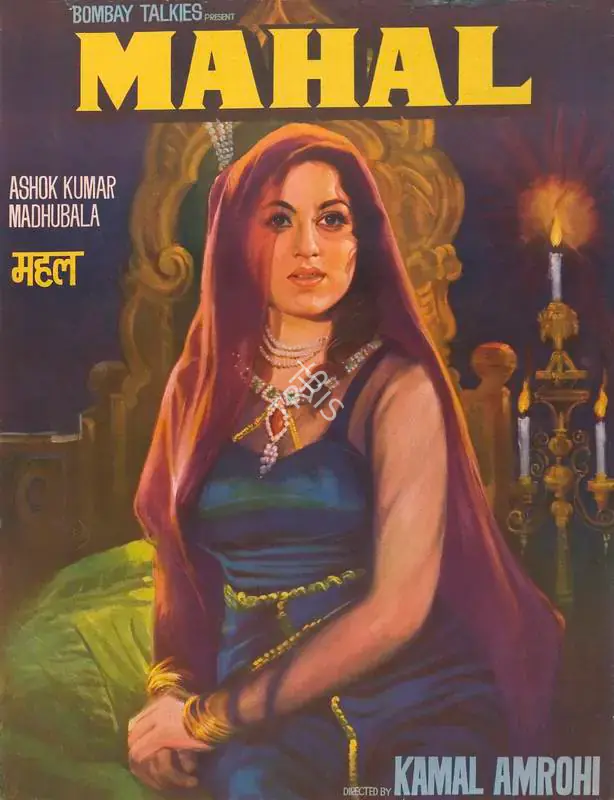
Mahal (1949) The film stands as a landmark in the evolution of Hindi cinema, widely regarded as one of its earliest psychological horror films and a pioneering exploration of supernatural romance. Produced by Savak Vacha and Ashok Kumar under the banner of Bombay Talkies, the film marked the directorial debut of Kamal Amrohi, who also authored its screenplay. Its evocative musical score, composed by Khemchand Prakash, would prove instrumental in shaping the film's enduring legacy.
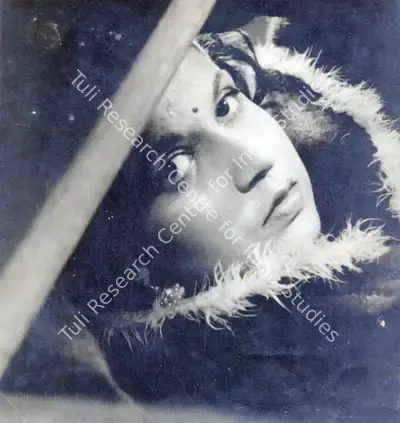
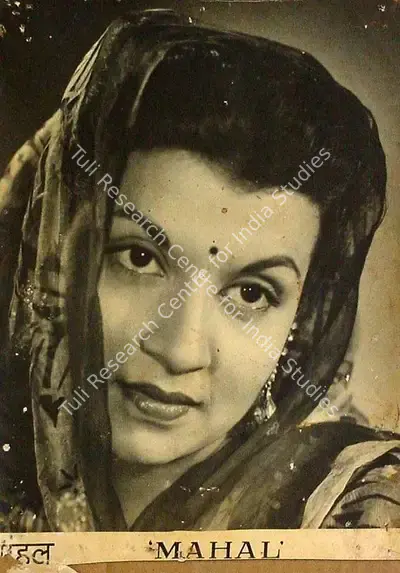
Released theatrically on 13 October 1949, Mahal rapidly transformed from a modestly budgeted production into a nationwide sensation by its third week. Though initial critical reception was mixed, its atmospheric storytelling, haunting visuals, and innovative narrative structure captured the public imagination. Contemporary reviewers singled out Madhubala as the film's “real triumph,” her ethereal screen presence eclipsing even the seasoned Ashok Kumar. The film's cinematography, crafted by Josef Wirsching, was lauded as groundbreaking, with critics hailing Mahal as a milestone in Indian film history.
At its core, Mahal unfolds as a haunting tale of reincarnation and obsessive love. The narrative follows Hari Shankar, an aristocrat portrayed by Ashok Kumar, who relocates to a dilapidated ancestral mansion. There, he encounters spectral visions of a mysterious woman, Kamini (Madhubala), who has a connection to him from a previous life. As the boundaries between reality and illusion dissolve, the film constructs an atmosphere of psychological unease, positioning itself as a precursor to later explorations of gothic horror in Indian cinema.
The supporting cast—including Vijayalaxmi, Kanu Roy, and Nazir Hussain—contributes to the film's layered narrative, while its production history reveals considerable adversity. Hampered by financial constraints, Amrohi reportedly sourced costumes and props from his own household to sustain the shoot. The prolonged production schedule invited scepticism in the press; yet, these challenges ultimately yielded a work of striking artistic cohesion.
Perhaps the film's most far-reaching impact lay in its role as a cultural catalyst. It propelled Madhubala to superstardom and significantly advanced the career of playback singer Lata Mangeshkar, whose rendition of Aayega Aanewala became iconic, redefining playback singing in Hindi cinema. The song remains one of the most celebrated compositions in Indian film music.
Mahal's influence extended well beyond its immediate success. It inspired a lineage of films exploring reincarnation and supernatural romance, including Madhumati (1958), directed by Bimal Roy, who had served as the film's editor. Recognized internationally, Mahal has been featured in curated lists such as the British Film Institute's selection of notable romantic horror films.
In retrospect, Mahal endures not merely as a commercial triumph—the most successful production in Bombay Talkies' history—but as a formative text in the grammar of Indian cinematic horror, distinguished by its fusion of romance, music, and the metaphysical.
13 अक्टूबर 1949 को सिनेमाघरों में रिलीज़ हुई फ़िल्म 'महल' ने मामूली बजट से शुरुआत करते हुए तीसरे सप्ताह तक पूरे देश में धूम मचा दी। हालांकि शुरुआती दौर में आलोचकों की प्रतिक्रिया मिली-जुली थी, लेकिन इसकी भावपूर्ण कहानी, दिल को छू लेने वाले दृश्य और नवीन कथा संरचना ने दर्शकों का दिल जीत लिया। समकालीन समीक्षकों ने मधुबाला को फ़िल्म की "असली सफलता" बताया, उनकी अलौकिक उपस्थिति ने अनुभवी अशोक कुमार को भी मात दे दी। जोसेफ़ विर्शिंग द्वारा निर्देशित फ़िल्म की छायांकन शैली को अभूतपूर्व माना गया और समीक्षकों ने 'महल' को भारतीय फ़िल्म इतिहास में एक मील का पत्थर बताया।
मूल रूप से महल पुनर्जन्म और जुनूनी प्रेम की एक दिल दहला देने वाली कहानी है। कहानी हरि शंकर नाम के एक कुलीन व्यक्ति के इर्द-गिर्द घूमती है, जिसका किरदार अशोक कुमार ने निभाया है। वह अपने जीर्ण-शीर्ण पैतृक हवेली में रहने चला जाता है। वहाँ उसे एक रहस्यमयी महिला कामिनी (मधुबाला) के प्रेत-दर्शन होने लगते हैं, जिसका उससे पिछले जन्म से संबंध है। जैसे-जैसे वास्तविकता और भ्रम की सीमाएँ धुंधली होती जाती हैं, फ़िल्म एक मनोवैज्ञानिक बेचैनी का माहौल बनाती है, और भारतीय सिनेमा में बाद में आने वाली गॉथिक हॉरर शैलियों की एक मिसाल क़ायम करती है।
विजयलक्ष्मी, कानू रॉय और नज़ीर हुसैन सहित सहायक कलाकारों ने फ़िल्म की बहुआयामी कहानी में अपना योगदान दिया है, वहीं इसके निर्माण इतिहास में कई कठिनाइयों का सामना करना पड़ा है। आर्थिक तंगी के चलते अमरोही ने कथित तौर पर शूटिंग जारी रखने के लिए अपने घर से ही वेशभूषा और प्रॉप्स जुटाए। लंबे समय तक निर्माण के कारण प्रेस में संदेह पैदा किया, फ़िर भी, इन चुनौतियों के बावजूद अंततः एक ऐसी फ़िल्म सामने आई जिसमें कलात्मक सामंजस्य स्पष्ट रूप से दिखाई देता है।
शायद इस फ़िल्म का सबसे व्यापक प्रभाव सांस्कृतिक अमल के रूप में इसकी भूमिका थी। इसने मधुबाला को सुपरस्टारडम तक पहुंचाया और पार्श्व गायिका लता मंगेशकर के करियर को महत्वपूर्ण रूप से आगे बढ़ाया, जिनके द्वारा गाया गया गीत 'आएगा आनेवाला' एक ऐतिहासिक गीत बन गया और हिंदी सिनेमा में पार्श्व गायन को एक नई परिभाषा दी। यह गीत आज भी भारतीय फ़िल्म संगीत की सबसे प्रशंसित रचनाओं में से एक है।
महल का प्रभाव इसकी तात्कालिक सफलता से कहीं अधिक व्यापक था। इसने पुनर्जन्म और अलौकिक प्रेम कहानियों पर आधारित फ़िल्मों की एक श्रृंखला को प्रेरित किया, जिनमें बिमल रॉय द्वारा निर्देशित 'मधुमती' (1958) भी शामिल है, जिन्होंने फ़िल्म के निर्देशक के रूप में भी काम किया था। अंतरराष्ट्रीय स्तर पर मान्यता प्राप्त 'महल' को ब्रिटिश फ़िल्म इंस्टीट्यूट द्वारा चयनित उल्लेखनीय रोमांटिक हॉरर फ़िल्मों की सूची में शामिल किया गया है।
पीछे मुड़कर देखें तो, महल न केवल एक व्यावसायिक सफलता के रूप में क़ायम है - बॉम्बे टॉकीज़ के इतिहास में सबसे सफल निर्माण का ही नहीं बल्कि भारतीय सिनेमाई हॉरर के व्याकरण में एक रचनात्मक पाठ के रूप में भी, जो रोमांस, संगीत और आध्यात्मिक के मिश्रण से अलग पहचान रखता है।