

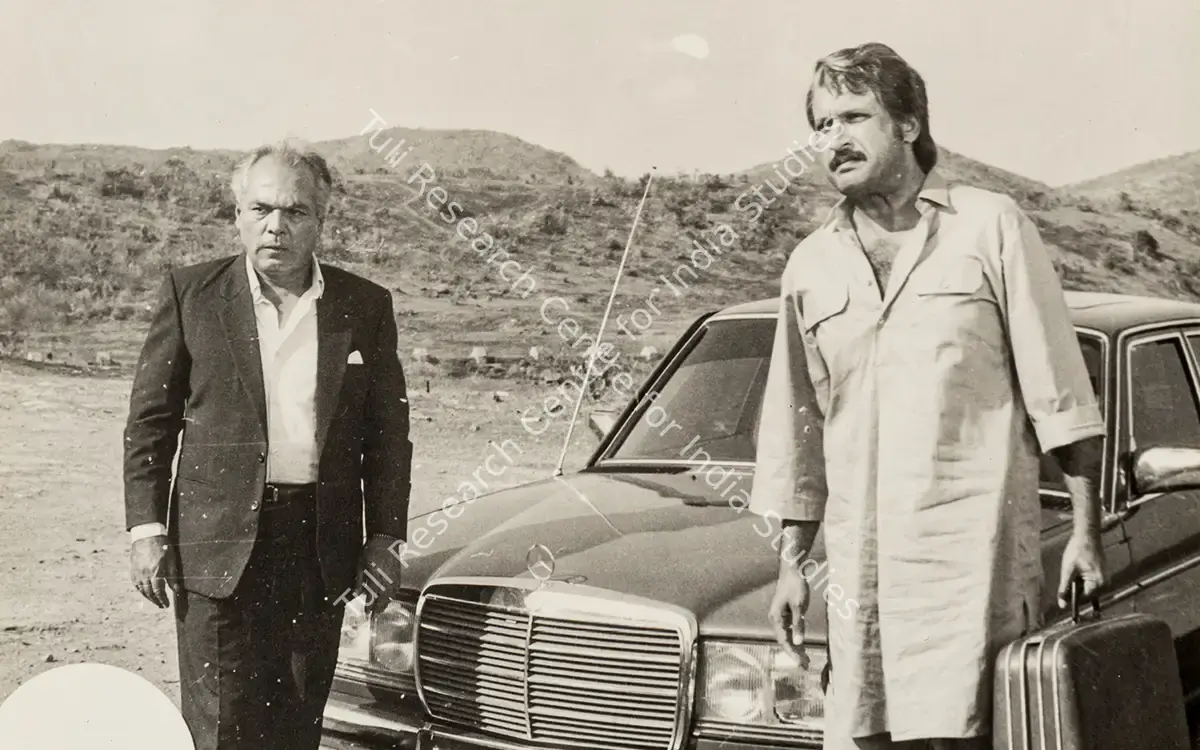
Introduction
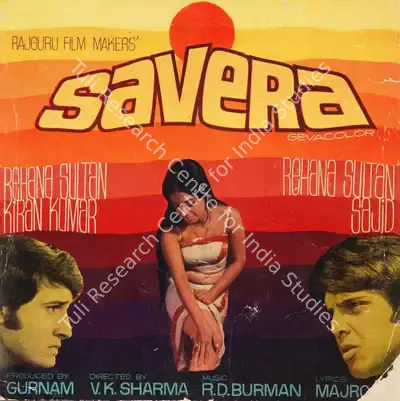
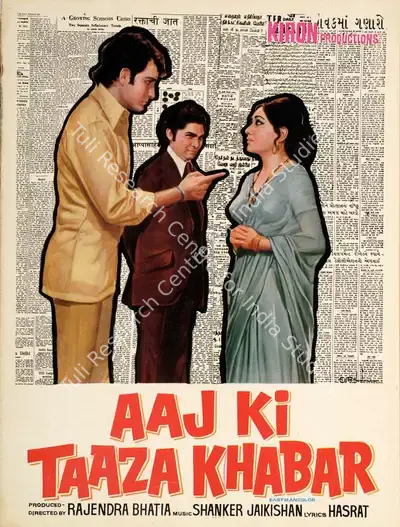
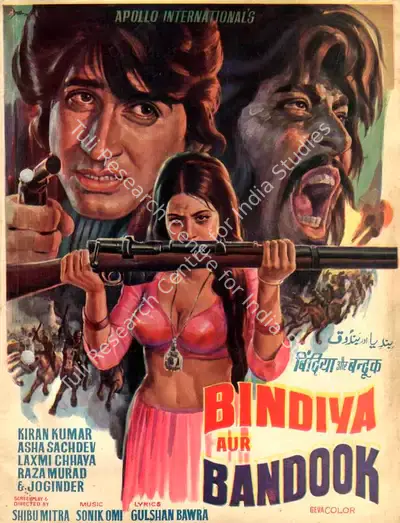
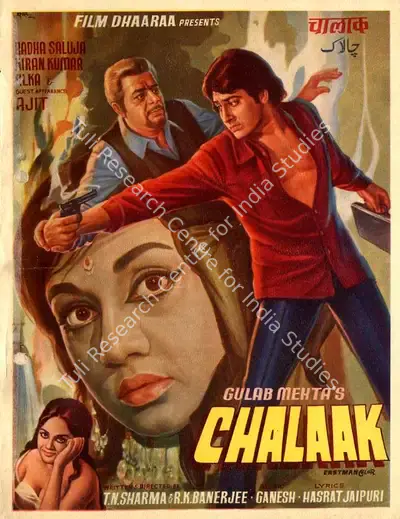
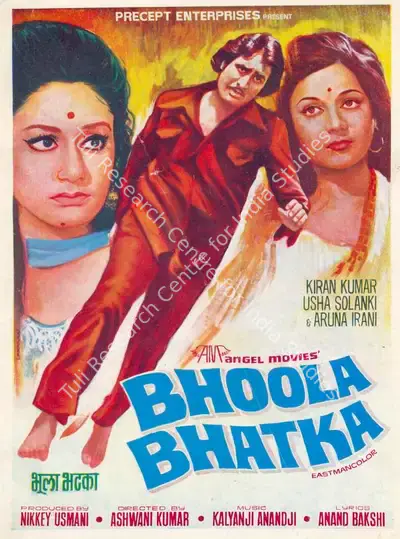
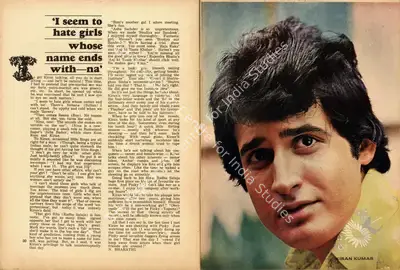
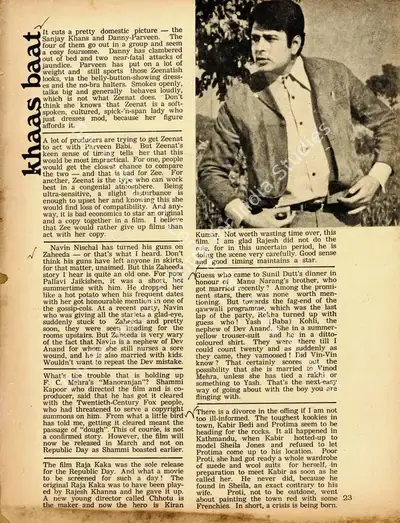
Kiran Kumar (born 20 October 1953) Born in Mumbai into a distinguished Kashmiri Pandit family, Kumar is the son of celebrated actor Jeevan, widely recognised for his prolific career in Hindi cinema, particularly in villainous and supporting roles. His lineage carries historical distinction, with his great-grandfather having served as Wazir-e-Wazarat of the Gilgit Agency under the princely state of Jammu and Kashmir. Kumar received his early education in Indore, later studying at R. D. National College in Mumbai, before undergoing formal training at the Film and Television Institute of India in Pune, which provided him with structured exposure to acting and cinematic craft.
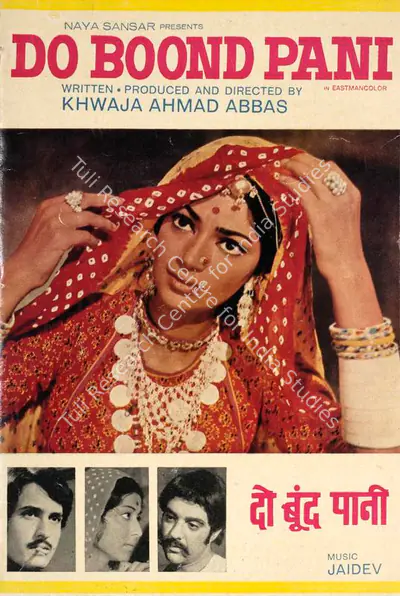
Kumar began his film career in the early 1970s with Do Boond Pani (1971), gradually establishing himself as a dependable supporting actor known for portraying intense, authoritative, and morally complex characters. His rise to prominence accelerated during the 1980s and 1990s, a period in which he became a familiar presence in mainstream Hindi cinema's action and drama genres.
A major breakthrough came with Khudgarz (1987), which showcased his ability to enhance narrative tension in ensemble casts. This was followed by his widely recognised performance as Lotiya Pathan in Tezaab (1988), a defining film of late-1980s commercial cinema. Throughout the 1990s, he appeared in several major productions, including Khuda Gawah (1992), Army (1996), Daraar (1996), and Auzaar (1997). He also featured in LOC Kargil (2003), a large-scale war drama depicting the 1999 Kargil conflict.
Beyond Hindi cinema, Kumar has maintained a substantial presence in Gujarati, Punjabi, and other regional film industries, demonstrating linguistic and cultural adaptability. This versatility has enabled him to remain professionally relevant even as Indian cinema transitioned toward more diversified storytelling formats and character structures.
In parallel with his film career, Kumar developed a strong television presence from the late 1990s onward. His performances in serials such as Ghutan and Aur Phir Ek Din reflected his continued adaptability to long-form narrative structures, earning him recognition at regional award platforms. Television further expanded his screen identity beyond cinema, reinforcing his reputation as a seasoned character actor.
Kumar's on-screen persona is largely defined by roles of authority, antagonism, or moral ambiguity, a trait partially rooted in his father's cinematic legacy. However, in later years, he diversified into more nuanced supporting roles, particularly in television, where writing increasingly allowed for layered characterisation and emotional complexity.
In his recent career phase, he has continued appearing in contemporary films such as Bholaa (2023), Kaagaz 2 (2024), and Kesari Veer (2025), reflecting sustained industry engagement. These roles indicate a transition toward more mature, often mentor-like or background character parts, consistent with the evolving placement of senior actors in modern Indian cinema.
Despite his extensive public career, Kumar has maintained a private personal life. He is married to Sushmita Bhatt and has two children. He has received several recognitions, including a Filmfare nomination for Best Performance in a Negative Role for Khuda Gawah (1992), along with multiple honours for television performances. His long-standing body of work underscores his durability as a character actor and his continued relevance across changing cinematic eras.
कुमार ने 1970 के दशक की शुरुआत में फ़िल्म दो बूंद पानी (1971) से अपने फ़िल्मी करियर की शुरुआत की और धीरे-धीरे खुद को एक भरोसेमंद सहायक अभिनेता के रूप में स्थापित किया, जो गंभीर, प्रभावशाली और नैतिक रूप से जटिल किरदारों को निभाने के लिए जाने जाते थे। 1980 और 1990 के दशक में उनकी लोकप्रियता में तेजी से वृद्धि हुई, इस दौरान वे मुख्यधारा के हिंदी सिनेमा के एक्शन और ड्रामा फ़िल्मों में एक जाना-पहचाना चेहरा बन गए।
खुदगर्ज़ (1987) से उन्हें सफलता मिली, जिसमें उन्होंने कलाकारों के समूह वाली फ़िल्मों में भी कथात्मक तनाव को बढ़ाने की अपनी क्षमता का प्रदर्शन किया। इसके बाद, तेज़ाब (1988) में लोटिया पठान के रूप में उनके व्यापक रूप से प्रशंसित अभिनय ने उन्हें पहचान दिलाई, जो 1980 के दशक के उत्तरार्ध के व्यावसायिक सिनेमा की एक महत्वपूर्ण फ़िल्म थी। 1990 के दशक में, उन्होंने खुदा गवाह (1992), आर्मी (1996), दरार (1996) और औज़ार (1997) सहित कई प्रमुख फ़िल्मों में काम किया। उन्होंने एलओसी कारगिल (2003) में भी अभिनय किया, जो 1999 के कारगिल संघर्ष को दर्शाने वाला एक युद्ध नाटक था।
हिंदी सिनेमा के अलावा, कुमार ने गुजराती, पंजाबी और अन्य क्षेत्रीय फ़िल्म उद्योगों में भी अपनी उपस्थिति बनाए रखी है, जो उनकी भाषाई और सांस्कृतिक में ढ़लने की क्षमता को दर्शाती है। इसी बहुमुखी प्रतिभा ने उन्हें पेशेवर रूप से प्रासंगिक बने रहने में सक्षम बनाया है, भले ही भारतीय सिनेमा अधिक विविध कथानक स्वरूपों और चरित्र संरचनाओं की ओर अग्रसर हो रहा हो।
अपने फ़िल्मी करियर के साथ-साथ कुमार ने 1990 के दशक के उत्तरार्ध से टेलीविज़न में भी अपनी मज़बूत उपस्थिति दर्ज कराई। घुटन और और फ़िर एक दिन जैसे धारावाहिकों में उनके अभिनय ने लंबी कथा संरचनाओं में उनकी ढ़लने की क्षमता को दर्शाया, जिससे उन्हें क्षेत्रीय पुरस्कार मंचों पर पहचान मिली। टेलीविज़न ने सिनेमा से परे उनकी स्क्रीन पहचान का दायरा बढ़ाया, जिससे एक अनुभवी चरित्र अभिनेता के रूप में उनकी प्रतिष्ठा और मज़बूत हुई।
कुमार की ऑन-स्क्रीन छवि मुख्य रूप से अधिकार, विरोध या नैतिक अस्पष्टता वाली भूमिकाओं से परिभाषित होती है, जो आंशिक रूप से उनके पिता की सिनेमाई विरासत से प्रेरित है। हालांकि, बाद के वर्षों में, उन्होंने अधिक सूक्ष्म सहायक भूमिकाओं में विविधता लाई, विशेष रूप से टेलीविज़न में जहां लेखन ने बहुआयामी चरित्र चित्रण और भावनात्मक जटिलता को अधिक व्यापक रूप से प्रस्तुत किया।
अपने करियर के हालिया दौर में, वे भोला (2023), कागज़ 2 (2024) और केसरी वीर (2025) जैसी फ़िल्मों में लगातार दिखाई देते रहे हैं, जो उद्योग जगत में उनकी निरंतर भागीदारी को दर्शाती है। ये भूमिकाएँ अधिक परिपक्व, अक्सर मार्गदर्शक या पृष्ठभूमि भूमिकाओं की ओर उनके बदलाव का संकेत देती हैं, जो आधुनिक भारतीय सिनेमा में वरिष्ठ अभिनेताओं की बदलती भूमिका के अनुरूप है।
अपने लम्बें सार्वजनिक करियर के बावजूद, कुमार ने निजी जीवन को पूरी तरह से अलग-थलग रखा है। उनका विवाह सुष्मिता भट्ट से हुआ है और उनके दो बच्चे हैं। उन्हें कई पुरस्कार और सम्मान प्राप्त हुए हैं, जिनमें 1992 में आई फ़िल्म 'खुदा गवाह' में अभिनय के लिए सर्वश्रेष्ठ नकारात्मक भूमिका के लिए फ़िल्मफ़ेयर नामांकन और टेलीविज़न में उनके उत्कृष्ट प्रदर्शन के लिए कई सम्मान शामिल हैं। उनके लंबे करियर से एक चरित्र अभिनेता के रूप में उनकी उत्कृष्टता और सिनेमाई युगों में निरंतर प्रासंगिकता सिद्ध होती है।
Filmography 236
Research Centre



Related
30
Films
20
Personalities
10